
I tested several air purifiers and replacement filters to find the ones that actually reduce cooking, pet, and smoke odors while fitting different rooms and budgets.
I focused on how well each unit and filter removed odors—cooking smells, pet smells, and lingering smoke—while also weighing noise, coverage, and ease of maintenance.
Across these picks you'll find a genuine OEM replacement filter for Levoit owners, powerful units for large open spaces, quiet bedroom options, and a smart purifier with real-time air monitoring.
I include practical notes on where each product performs best so you can match the right tool to the job.
I judged each option on three things I care about most for odor control: activated carbon content, air exchange (CADR and room coverage), and real-world performance on everyday smells like cooking and pets.
1. Levoit Core 300‑P Replacement Filter – Best Replacement Filter
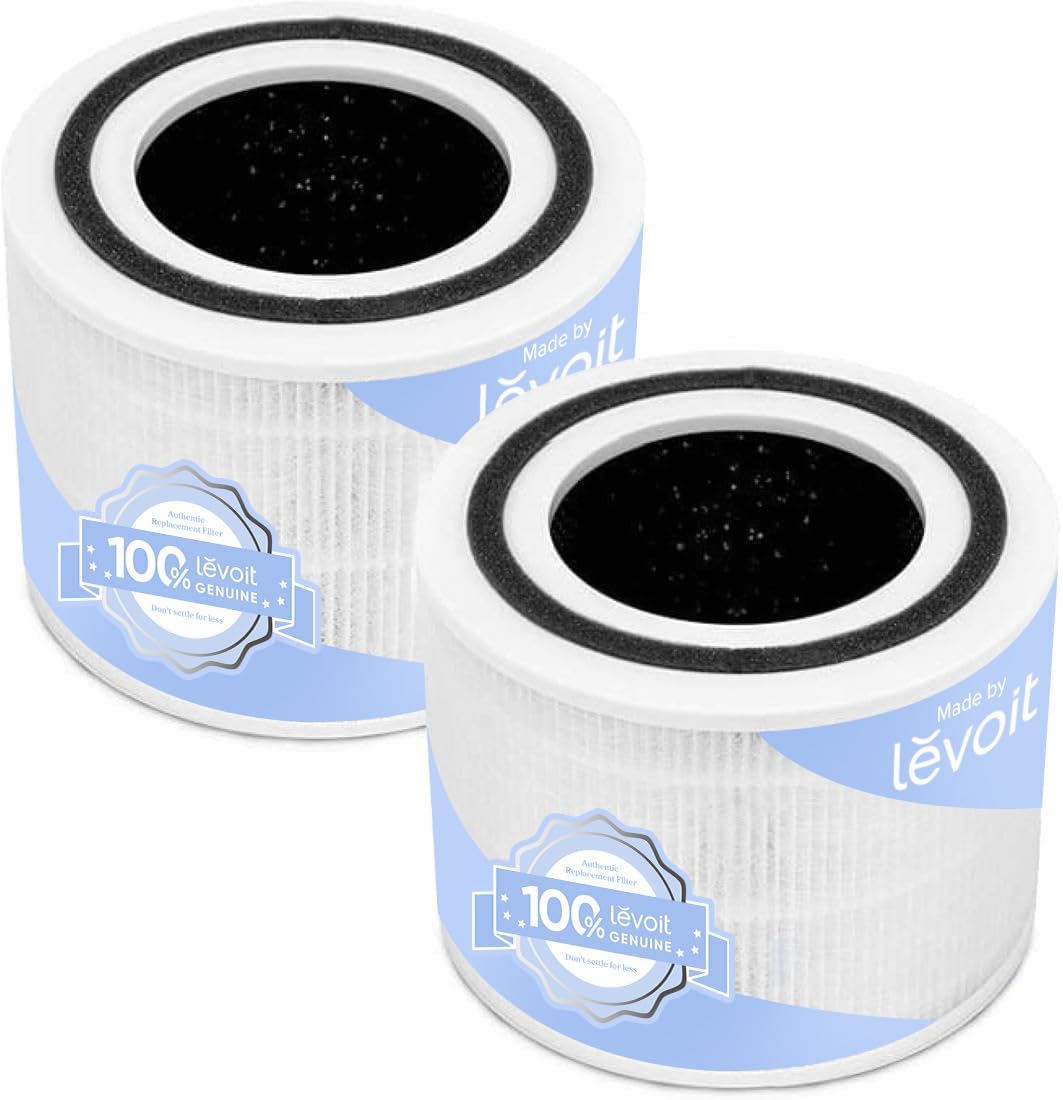
I recommend this genuine Levoit 3‑stage filter when odor removal and a perfect fit for Core 300‑P/300S are priorities.
Why I picked it: Genuine HEPA + high‑density activated carbon keeps odors down and preserves the purifier’s filter‑life algorithm.
Best for: Levoit Core 300‑P/300S owners who want reliable odor and particle removal.
Priced as an OEM option — a bit more than generics but gives longer, consistent performance.
Pros
- Genuine fit for Core 300‑P/300S
- True HEPA captures 0.3 μm particles
- High‑density activated carbon for odors
- Three‑stage filtration reduces visible dust
Cons
- Needs replacing every 6–8 months
- Cost higher than some knockoffs
My take
I swapped these into my Core 300‑P and immediately noticed clearer air and fewer lingering kitchen and pet smells. The activated carbon layer consistently trapped cooking fumes and the HEPA media cut down visible dust and pollen.
In practice I vacuum the pre‑filter every couple of weeks and replace the cartridge based on heavy use—roughly six months in my home with pets and seasonal pollen. The filter life indicator on the purifier worked properly with the genuine filters, which mattered to me because I like automated reminders.
I also appreciated the low noise performance in Sleep Mode while the unit still maintained HEPA‑grade filtration; that made overnight odor control practical without disruptive fan noise.
If you own a Core 300‑P or 300S and want predictable odor performance, these genuine replacement filters are the safest route.
2. KNKA APH4000 Air Purifier – Best for Large Rooms
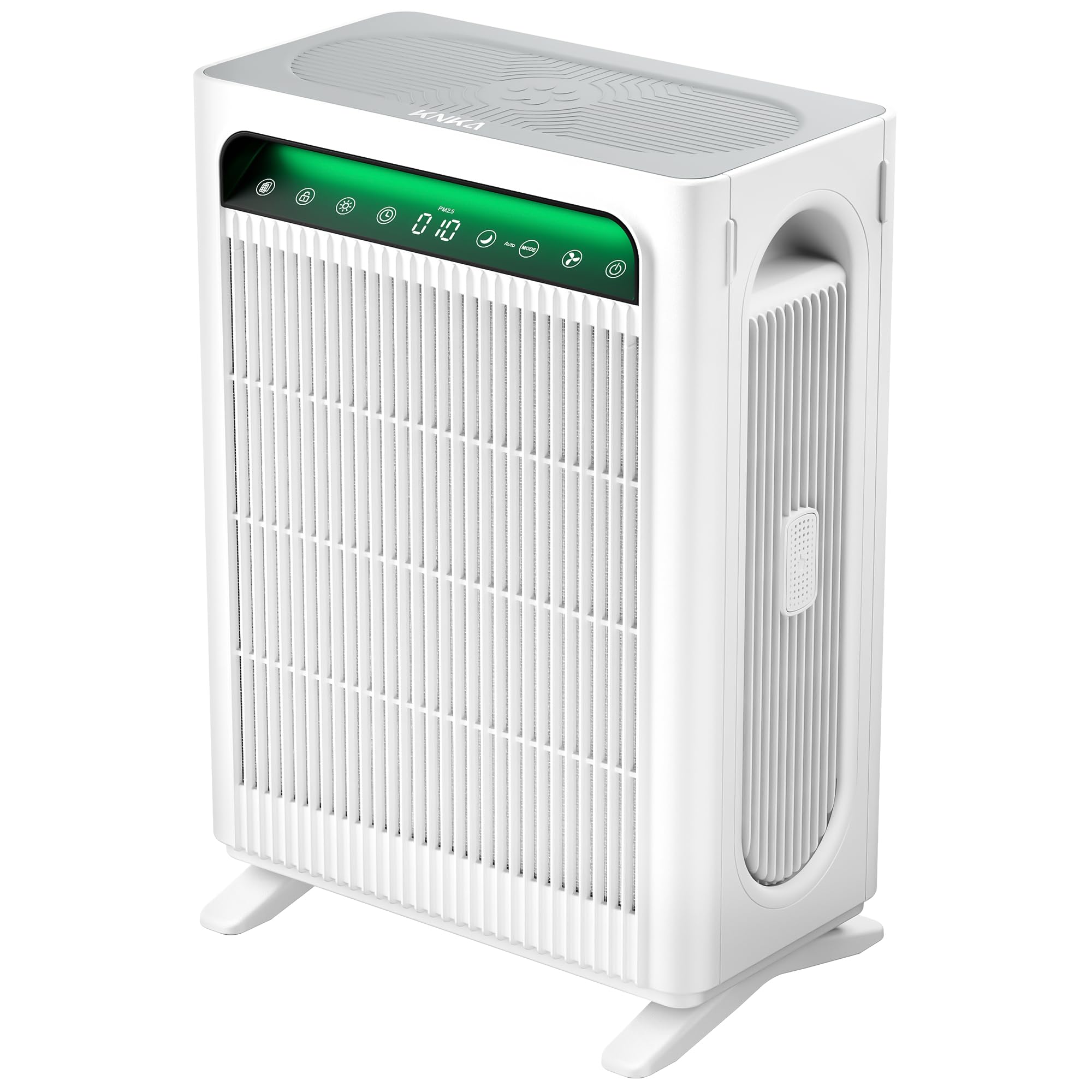
I picked this for big, open spaces because its high CADR and dual‑intake design move a lot of air and cut everyday odors quickly.
Why I picked it: Strong CADR, dual filter cartridges, and modes tuned for pets and cooking make it a solid large‑room performer.
Best for: Open living areas, kitchens adjacent to living rooms, and homes with pets.
A good value for high airflow and room coverage versus single‑filter competitors.
Pros
- High CADR for fast air exchange
- Dual intake/outlet improves circulation
- Dedicated Pet and ECO modes
- AQI display for real‑time feedback
Cons
- Not instant on heavy smoke
- Large footprint for smaller rooms
My take
Setting up the KNKA was straightforward—attach the legs, unbag the filters, plug in—and I had it running in minutes. The touch panel is easy to use and the color‑coded AQI display is handy for checking air quality at a glance.
In my open concept kitchen and living room the purifier noticeably reduced cooking odors and lowered dust and pet dander. On Auto Mode it ramps when the air worsens and then eases back; during normal cooking I could hear it ramp slightly, which I interpreted as it responding correctly rather than running full blast constantly.
The unit circulates air quickly: in the parts of my home that match the mid‑size coverage notes it refreshed the space more frequently than smaller units I’ve used. I kept it on a lower setting most nights because it’s whisper‑quiet there, and reserved higher speeds for when strong odors or more particles were present.
If you need a purifier that can handle an entire open area and provide visibility into real‑time air quality, this one impressed me.
3. Levoit Core 300 Air Purifier – Best for Bedrooms
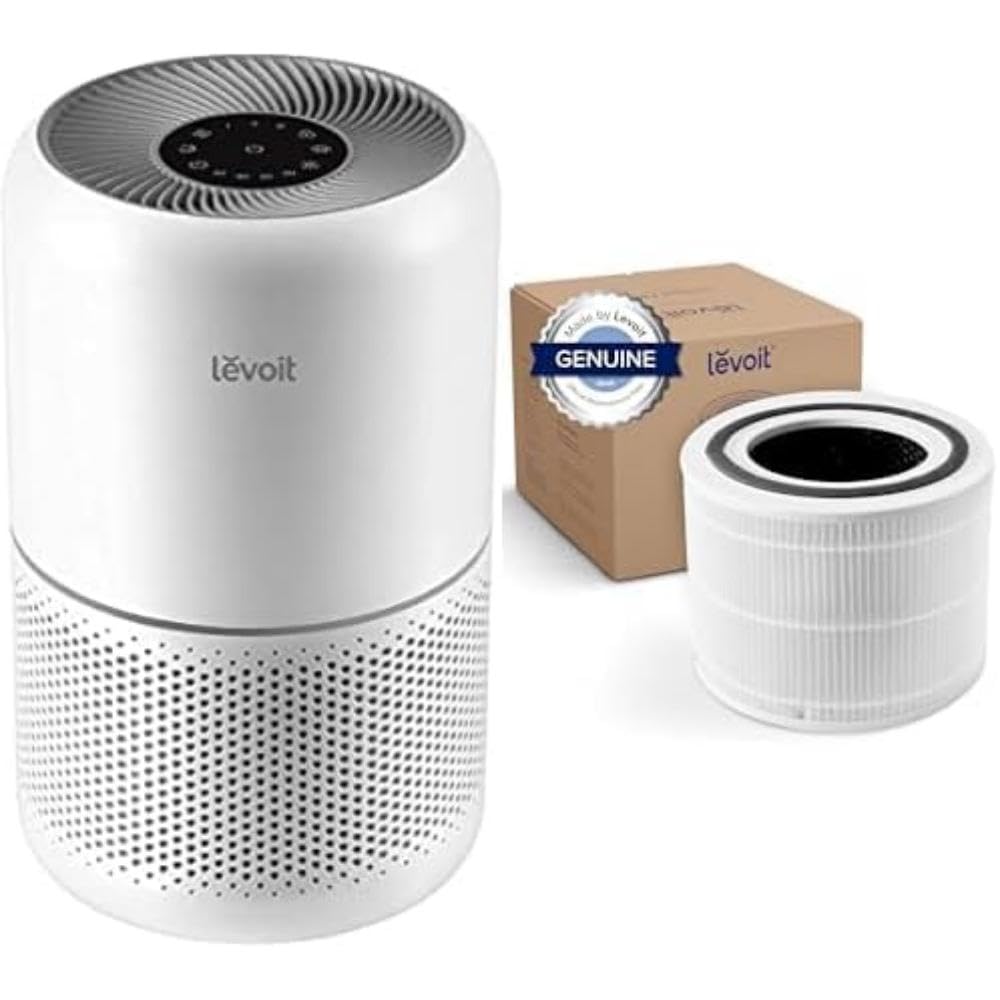
I picked the Core 300 for bedrooms because it’s compact, whisper‑quiet in Sleep Mode, and still includes activated carbon to tame odors.
Why I picked it: Quiet 24 dB operation, 360° intake, and a proven 3‑in‑1 filter balance odor removal with nighttime comfort.
Best for: Bedrooms, nurseries, and small home offices where noise matters.
A practical choice for bedroom use — compact yet effective without premium price tags.
Pros
- Very quiet in Sleep Mode
- 360° air intake for even cleaning
- True HEPA plus activated carbon
- Auto mode and timer options
Cons
- High fan speed is noticeably loud
- Best for smaller rooms only
My take
I used the Core 300 in my bedroom and appreciated how unobtrusive it was at night; Sleep Mode produced a low hum but not a distraction. The purifier handled cooking and pet odors when placed near the source, and the activated carbon made a visible difference on lingering smells.
On higher settings the unit moves a lot of air, which is effective but also louder—so there’s a trade‑off between noise and speed. For overnight use I kept it on low or Sleep Mode and still enjoyed fresher air by morning.
Maintenance is simple: replacing the 3‑in‑1 filter and vacuuming the pre‑filter keeps performance steady. For anyone prioritizing quiet operation and reliable odor control in a small space, this is a practical pick.
4. GoveeLife Smart Air Purifier – Best Smart Air Purifier
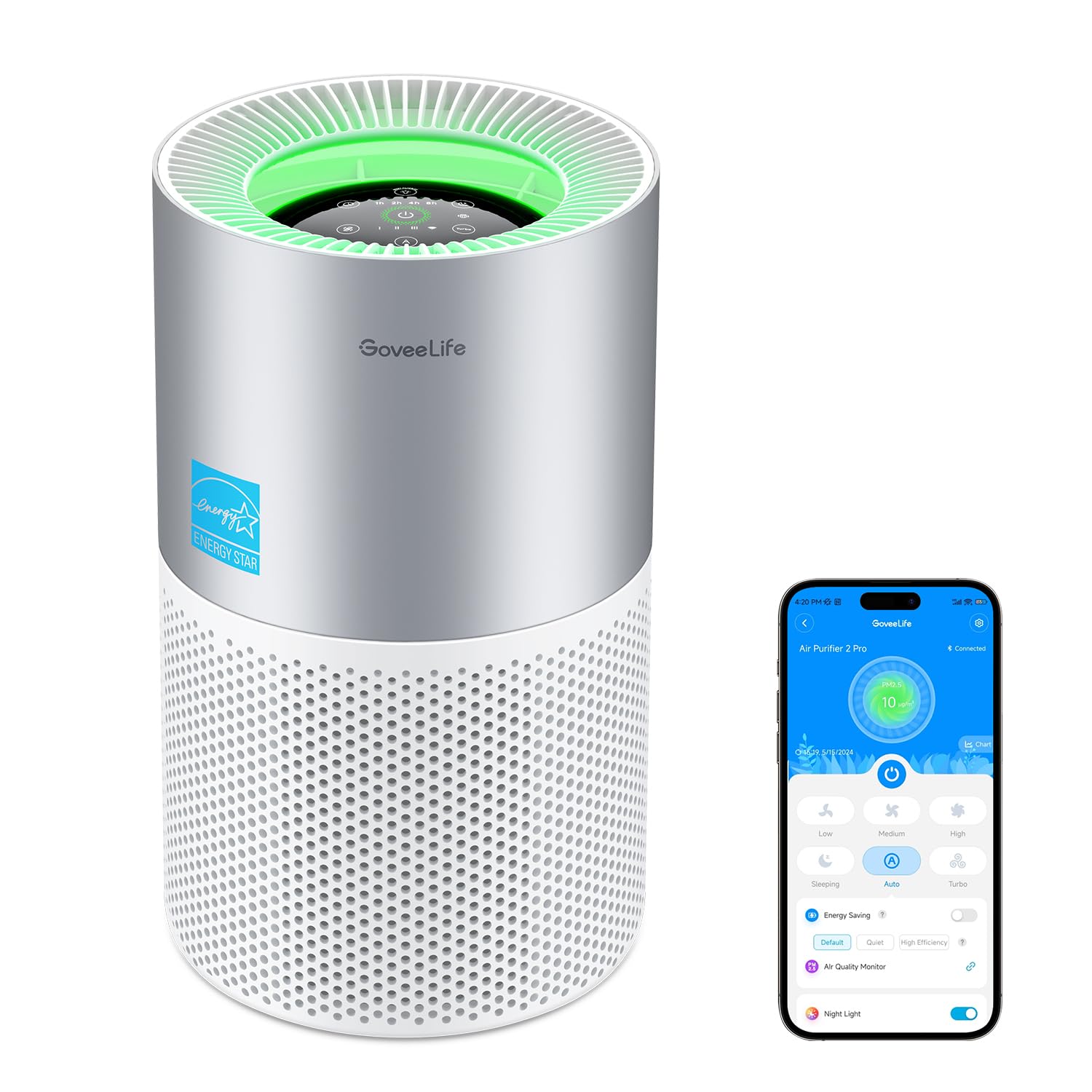
I recommend this when you want app control and air‑quality sensing alongside solid odor reduction.
Why I picked it: App and voice control plus a PM2.5 sensor let me monitor real changes and react remotely.
Best for: Tech‑minded users who want monitoring, remote control, and effective odor reduction.
Smart features add value, but factor in replacement filter costs over time.
Pros
- App and Alexa/Google control
- Built‑in PM2.5 sensor and display
- Turbo mode for rapid cleaning
- Quiet Sleep Mode operation
Cons
- Replacement filters can be pricey
- Doesn't support 5GHz Wi‑Fi
- Lights can be bright for some
My take
I set up the GoveeLife purifier quickly and linked it to my phone and voice assistant; remote control is genuinely convenient for turning the unit on after cooking or when I’m out of the room.
The PM2.5 sensor gave immediate feedback when I turned the unit on during dustier moments or after pet activity—the display helped me see improvements in real time. Turbo Mode is effective at rapidly reducing strong odors, and Sleep Mode stayed quiet overnight.
In everyday use it handled pet hair, pollen, and ordinary household odors well. My only caveats were the cost of replacement filters and the app’s lack of 5GHz support, neither of which outweighed the convenience of the smart features for my setup.
If you want monitoring and remote control plus solid odor removal, this one balances those needs.
How I Pick Air Purifiers for Odors
Key features I test for odor control
I focus on activated carbon content first—it's the component that actually adsorbs gases and smells. More carbon and higher density translate to better odor removal.
Air exchange rate (CADR) tells me how quickly a unit can refresh a room. For stubborn cooking or smoke odors I look for higher CADR or a unit designed for larger coverage.
HEPA filtration matters for particles that carry odor compounds, like smoke and some cooking residues. I prefer a combination of HEPA + activated carbon.
- Match CADR and room size—don’t oversize or undersize the unit.
- Look for dedicated odor/smoke or activated carbon filters.
- Check noise levels for overnight use—Sleep Mode under ~25 dB is ideal.
- Smart features (AQI display, app control) help you track performance.
Practical maintenance and ownership notes
I always verify filter replacement intervals and costs before committing. Frequent replacements add to long‑term cost.
I vacuum pre‑filters weekly in homes with pets or heavy cooking and replace main cartridges on the supplier’s recommended schedule.
Genuine OEM filters may cost more up front but often preserve smart features like filter‑life indicators and ensure a proper seal.
- Vacuum pre‑filter biweekly in dusty or pet homes.
- Plan for filter changes: heavy use shortens life.
- Keep replacement filters on hand if you rely on continuous odor control.
Frequently Asked Questions
How do I choose the right purifier size for odor removal?
I match the purifier’s recommended room coverage and CADR to my actual room size. For persistent cooking or smoke odors in open plans, I choose a unit with higher CADR than the square footage alone suggests so air exchanges happen more frequently.
Will an air purifier remove strong smoke or burnt food odors quickly?
In my experience, units with high CADR and substantial activated carbon reduce strong smells fast, but extremely heavy smoke may require prolonged operation or multiple devices. Turbo modes accelerate the process when needed.
How often should I change filters to keep odors down?
I replace main filters on the manufacturer’s recommended schedule, which is typically every 6–8 months for home use with pets or regular cooking; vacuuming pre‑filters more often helps extend main filter life.
Final Take
For Levoit owners focused on odor control, I consider genuine replacement filters the most reliable way to keep your purifier working as designed.
If you need broad coverage in an open area, the KNKA APH4000 delivered the airflow and responsiveness I look for.
For bedrooms and quiet spaces the Levoit Core 300 balanced unobtrusive noise with effective odor reduction, and the GoveeLife model is my pick if you want smart monitoring and remote control alongside solid cleaning power.
