
I tested six wallpapers for bathrooms and powder rooms — from vinyl peel‑and‑stick to paste‑the‑wall textured papers — and here's what stood out for ease of install, durability around moisture, and finished look.
I tested a range of bathroom wallpaper options so you can decide between renter‑friendly peel‑and‑stick, durable contact paper, and traditional paste‑the‑wall styles.
My focus was on real‑world use: how each material handled moisture, how forgiving the pattern was to hang, and how the finished wall looked after cleaning and daily use.
Below I break down the best choices by purpose — quick updates, high‑end texture, and small projects like cabinets or stair risers.
In my testing, peel‑and‑stick vinyl was the fastest to install and easiest to remove, while paste‑the‑wall and non‑woven papers deliver more texture and a higher‑end finish but require paste and a bit more skill. For humid spots I favored vinyl or properly primed surfaces; for dramatic texture I chose the paste product.
1. HAOKHOME Blue Navy Herringbone Peel and Stick Wallpaper (17.7in x 32.8ft) – Best Overall Peel‑and‑Stick
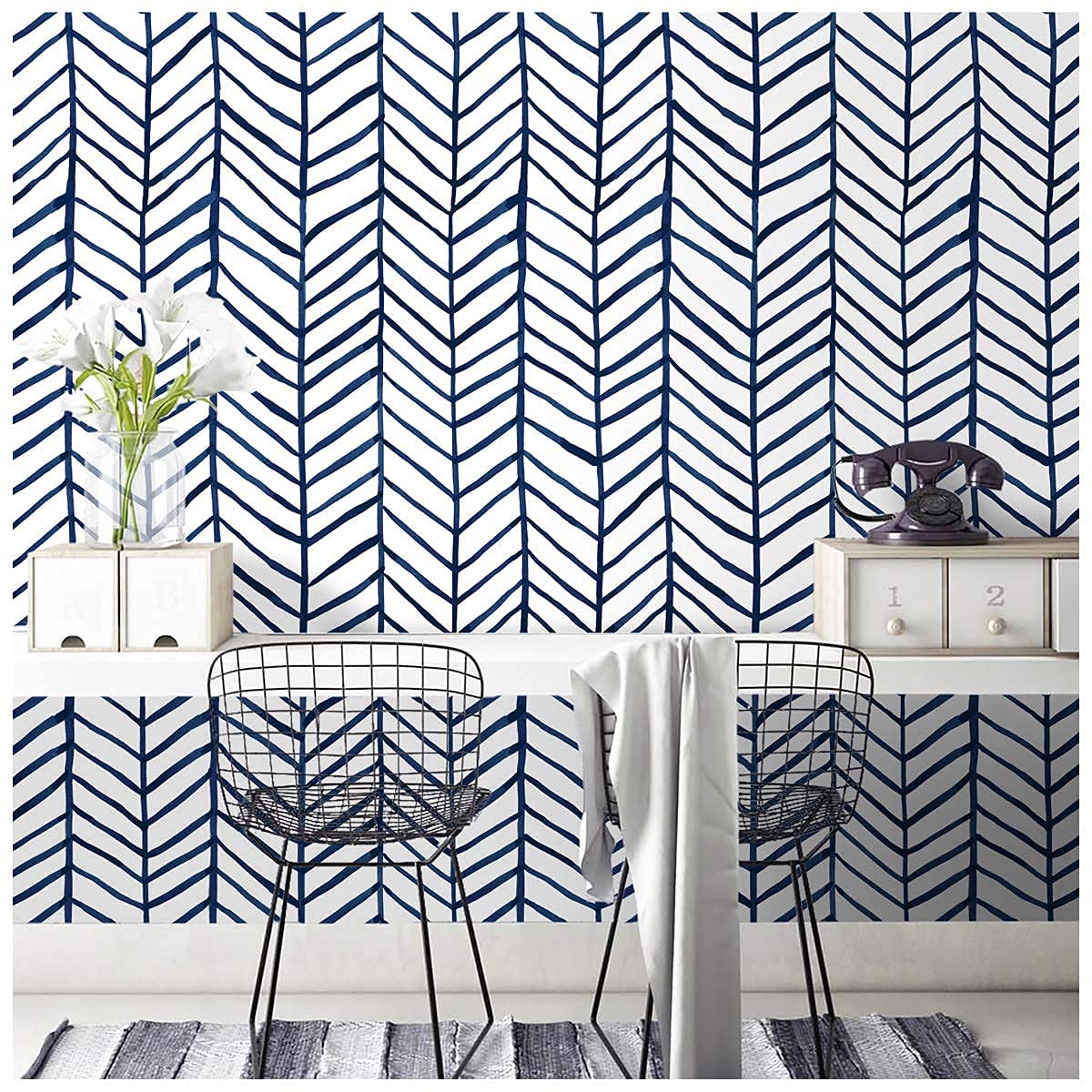
I relied on this navy herringbone for an accent wall because it’s a classic pattern, waterproof vinyl, and genuinely easy to work with.
Why I picked it: Easy install, waterproof vinyl, forgiving straight‑match herringbone pattern.
Best for: Accent walls, renter upgrades, bathrooms with occasional humidity.
Affordable and great value for a large single roll.
Pros
- Waterproof vinyl
- Straight match reduces waste
- Removable without heavy tools
- Medium weight — not flimsy
Cons
- Can leave adhesive residue
- Avoid highly textured walls
- Fixed roll width limits layout
My take
I like this navy herringbone for its clean graphic look and how easy it was to line up. The pattern’s straight match made trimming and aligning quick, so I didn't have the waste or headache of complex repeats.
Installation felt more like applying a large sticker than traditional paper: clean the wall, peel, position, and squeegee. The vinyl has enough weight that I could pull and re‑position when a seam misaligned without it tearing.
In daily use the surface wiped clean with a damp cloth and handled a humid bathroom wall for months without lifting. Be aware it can leave some adhesive on removal in places and it may pull poorly adhered paint, so I always test a small strip first.
2. NuWallpaper Mirei Peel & Stick Wallpaper (Grey Floral) – Best Floral Peel‑and‑Stick
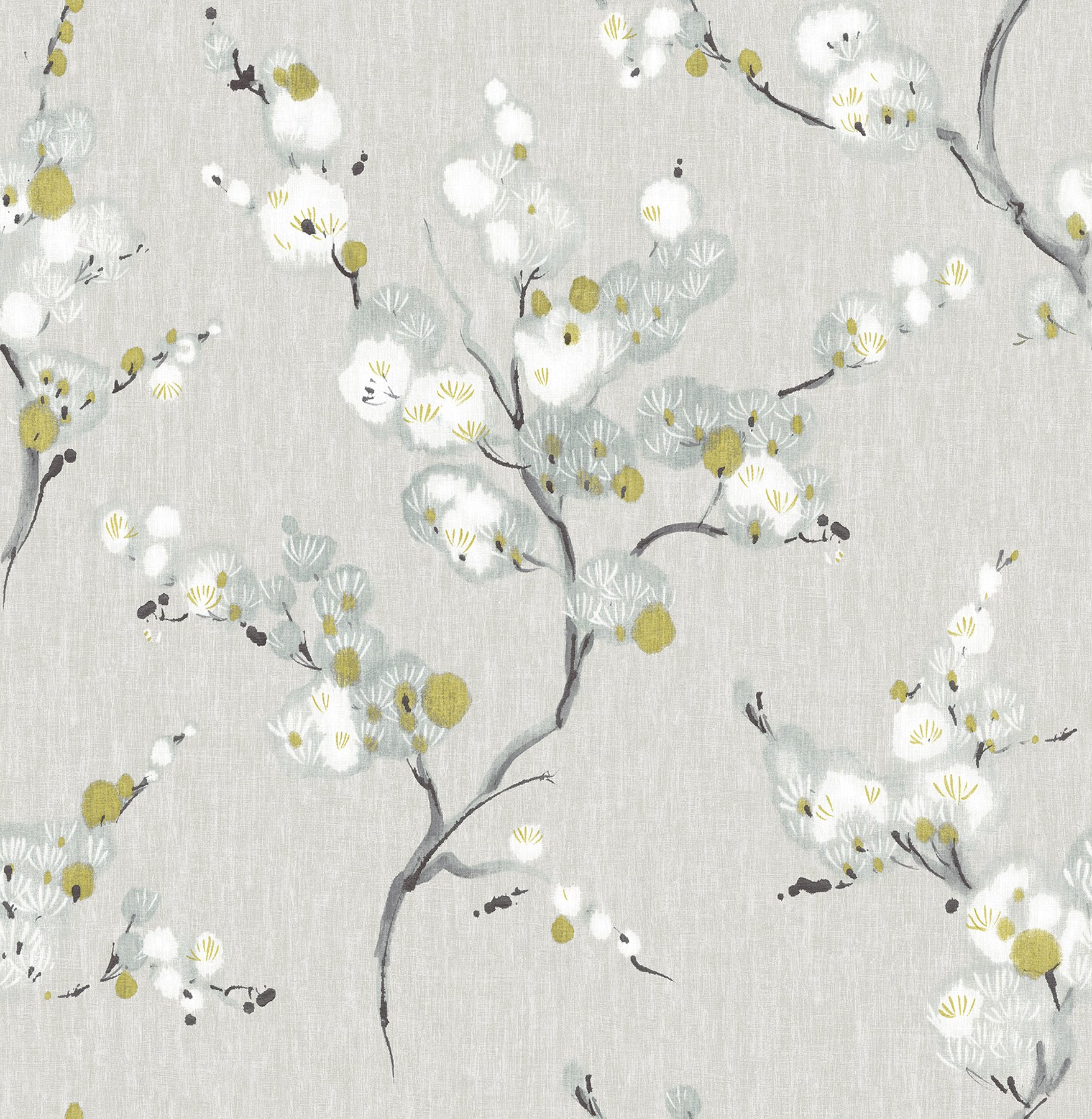
I picked this floral for a softer, elegant look; the vinyl felt thick and forgiving during installation and behaved well over time.
Why I picked it: Elegant floral linen look, repositionable vinyl, safe removal claim.
Best for: Closet accent walls, powder rooms, bedroom feature walls.
A bit pricier than basic peel‑and‑stick but worth it for the finish.
Pros
- Repositionable during install
- Leaves minimal residue
- Sturdy, thick vinyl feel
- Elegant, timeless pattern
Cons
- Can look different in varied light
- May require extra roll for wide walls
- Higher cost than basic papers
My take
The Mirei pattern read like a linen background with floral accents and gave a subtle, elevated finish. I let the roll acclimate in the room for 24–48 hours as recommended, which made it easier to apply smoothly.
I worked solo on an accent wall and appreciated the forgiving nature of the vinyl — it peeled back cleanly for small adjustments and slid into place without tearing. Over months I noticed only a tiny bit of shrinkage at the seams, barely visible but worth noting for large installs.
If you want an effortless, elegant look and don’t mind spending a little more, this one balanced installability with a finished look that felt more refined than basic contact paper.
3. Graham & Brown Superfresco Easy Charcoal Wallpaper (Paste‑the‑Wall) – Best for Texture and Drama
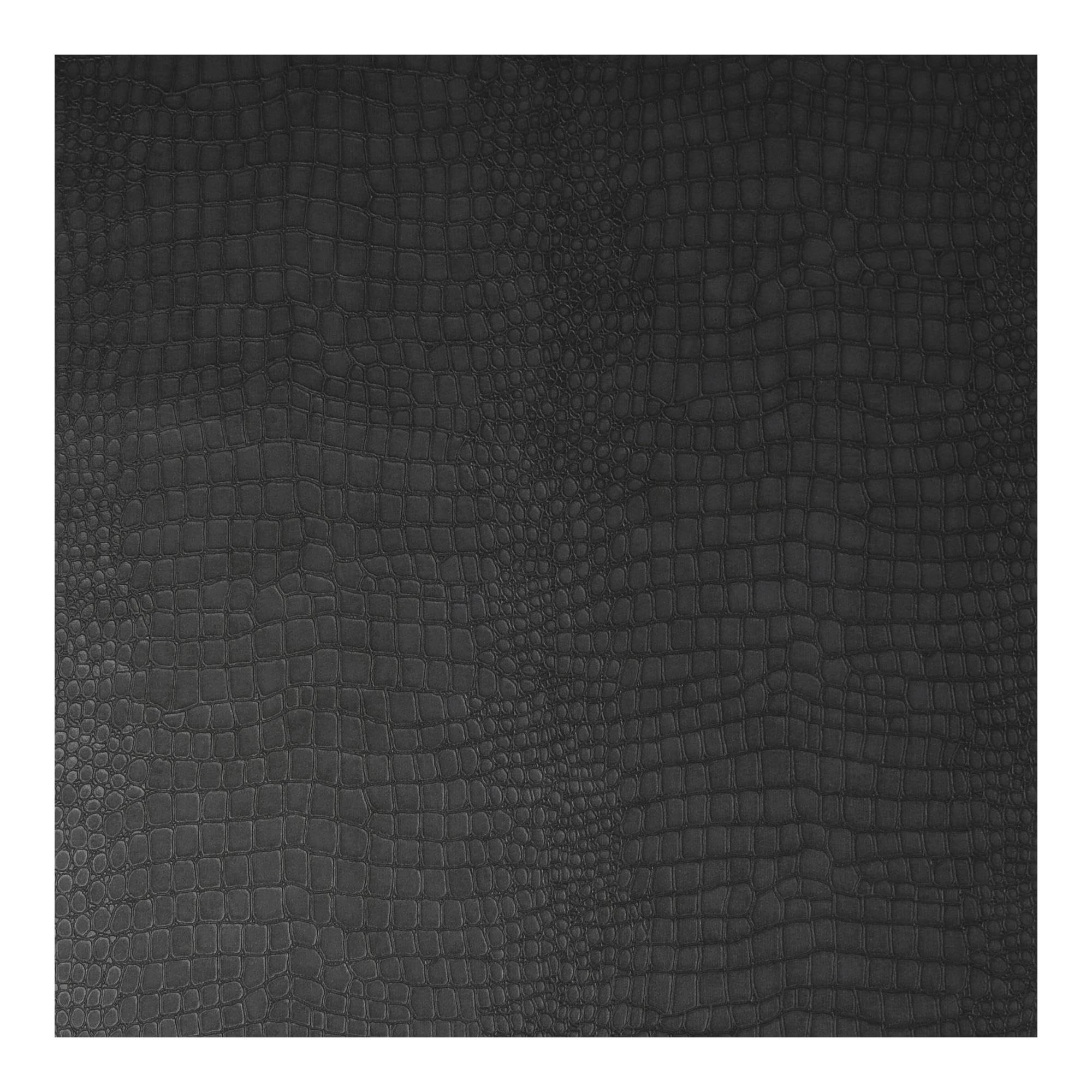
I chose this paste‑the‑wall paper when I wanted real texture and a luxe, embossed finish — it reads expensive once up on the wall.
Why I picked it: Rich texture, embossed finish, upscale appearance.
Best for: Powder rooms and moody accent walls where texture matters.
More of an investment; worth it for texture and depth.
Pros
- High‑end textured finish
- Works well on accent walls
- Forgiving to move when pasting
- Removes quickly at strip time
Cons
- Requires wallpaper paste
- Charcoal is not true black
- Color can vary between batches
My take
This wallpaper instantly upgraded a small powder room with a crocodile‑like, matte embossed texture that reads far more expensive than it costs. Because it’s paste‑the‑wall, I could slide and nudge strips into perfect alignment during hanging.
I recommend buying paste and reading a quick how‑to if you haven’t used paste‑the‑wall before. The paper itself is thick and durable, and I found it very forgiving when trimming and pressing into corners.
Two practical notes from my install: the color is charcoal rather than true black, and if you order multiple rolls for a larger area, check batch numbers so the tones match.
4. RoomMates Blue Mediterranean Tile Peel and Stick Wallpaper (20.5″ x 16.5ft) – Best Geometric Tile Look
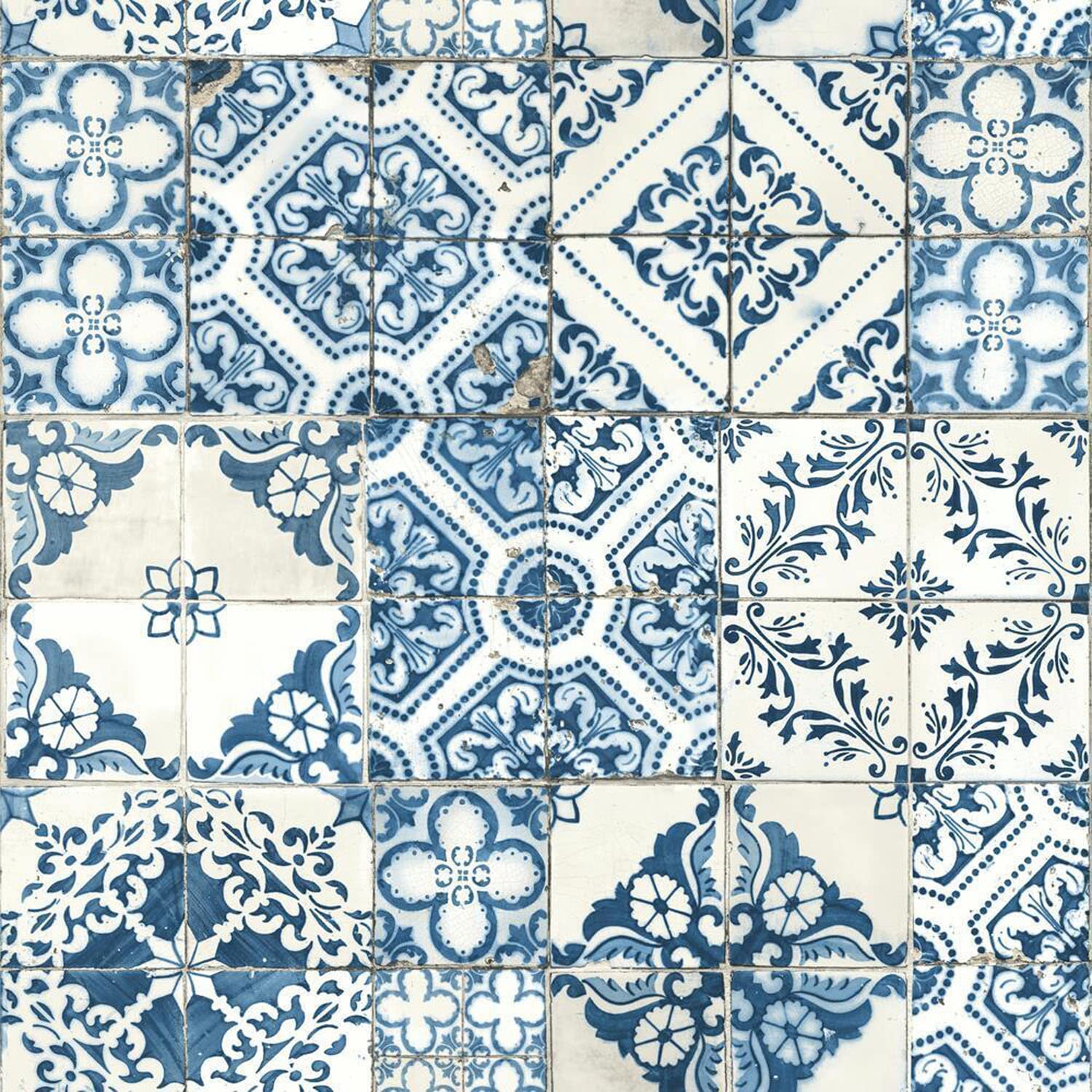
I used this Mediterranean tile print when I wanted a patterned tile effect without grout or tile work — the small repeat hid imperfections well.
Why I picked it: Small tile repeat hides mistakes, repositionable and washable.
Best for: Stair risers, laundry rooms, bathroom accent walls.
Affordable and one of the most budget‑friendly patterned options.
Pros
- Small repeat is forgiving
- Washable surface
- Easy to match pattern
- Repositionable during install
Cons
- Matte finish not tile realistic
- Paper feel less like true tile
- May need careful smoothing
My take
I appreciated how forgiving the Mediterranean squares are — the small geometric repeat made lining up seams forgiving, which is great when you’re hanging alone.
The material is peel‑and‑stick paper that cleans well and held up on surfaces described as slightly textured in my tests. It won’t fool anyone into thinking it’s real tile, but it creates a crisp, durable tile‑like pattern quickly and cleanly.
If you want to mimic tile without grout or tools, this one made a fast, attractive statement with minimal fuss.
5. Wood Contact Paper Blue Distressed Wood Grain (15.7″ x 118″) – Best for Cabinets & Small DIY
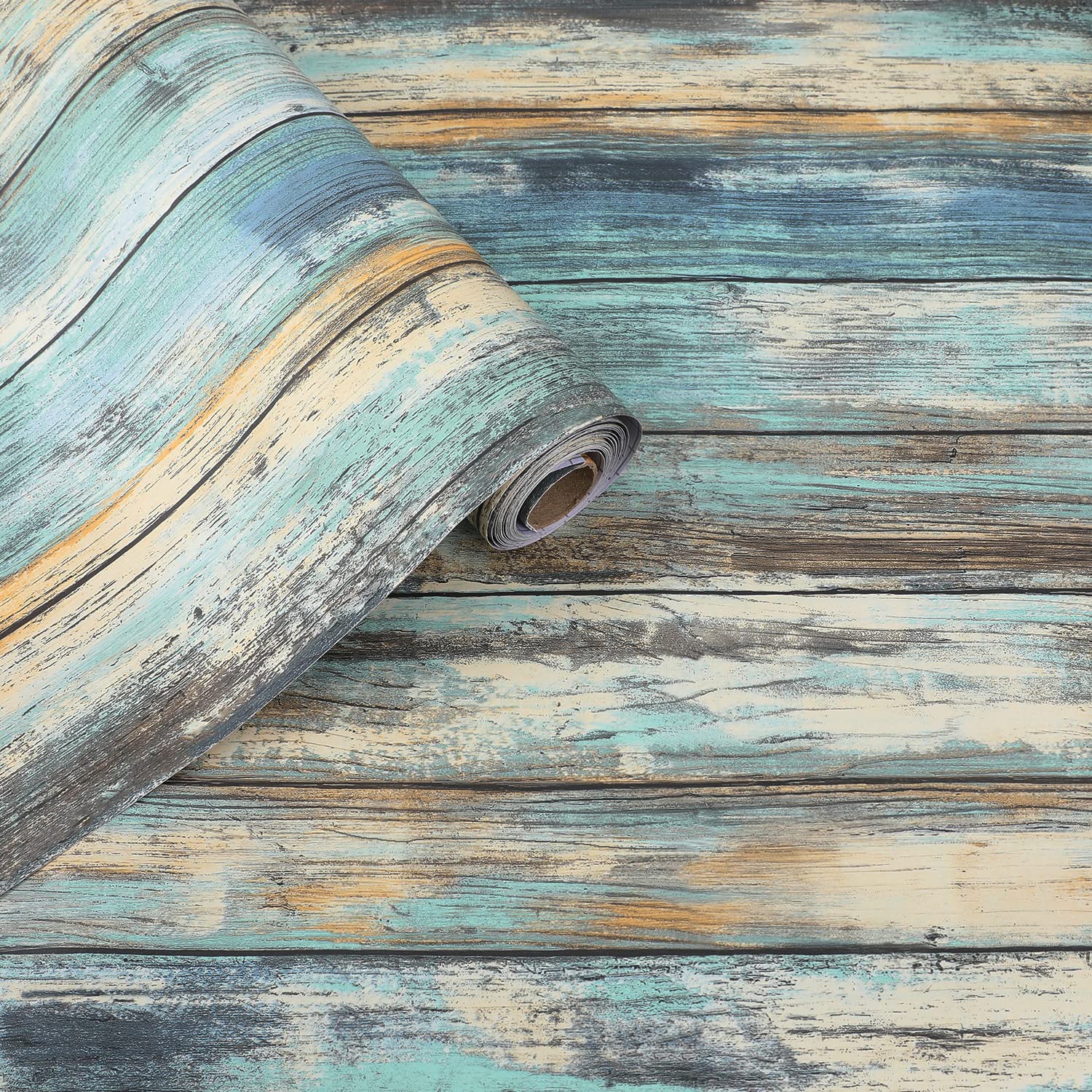
I used this blue distressed wood contact paper to refresh cabinet faces and a small accent strip; it’s waterproof and easy to clean.
Why I picked it: Designed for cabinets and small surfaces; waterproof PVC.
Best for: Cabinets, shelves, drawers, and small accent projects.
Exceptionally budget‑friendly for small projects.
Pros
- Waterproof PVC
- Thick, easy to trim
- Beachy, bright blue grain
- Removable and replaceable
Cons
- Narrow width for big walls
- Some rolls feel thin
- Smoothing tool improves finish
My take
This contact paper was my go‑to for cabinet refreshes and small accent pieces. The faux wood grain has a lively blue beach vibe and cleans up easily after spills or splashes.
I found it simple to cut to size, and the backing grid helped with straight cuts. For a professional finish, I used a plastic squeegee to remove bubbles — it makes a big difference.
If you plan to paper large walls, remember the roll width is narrow; this shines on cabinets, shelves, and small focal areas where a full wallpaper roll would be overkill.
6. A.S. Création Striped Wood Panels — Non‑Woven Wallpaper (Dark Brown) – Best Non‑Woven Wood Look
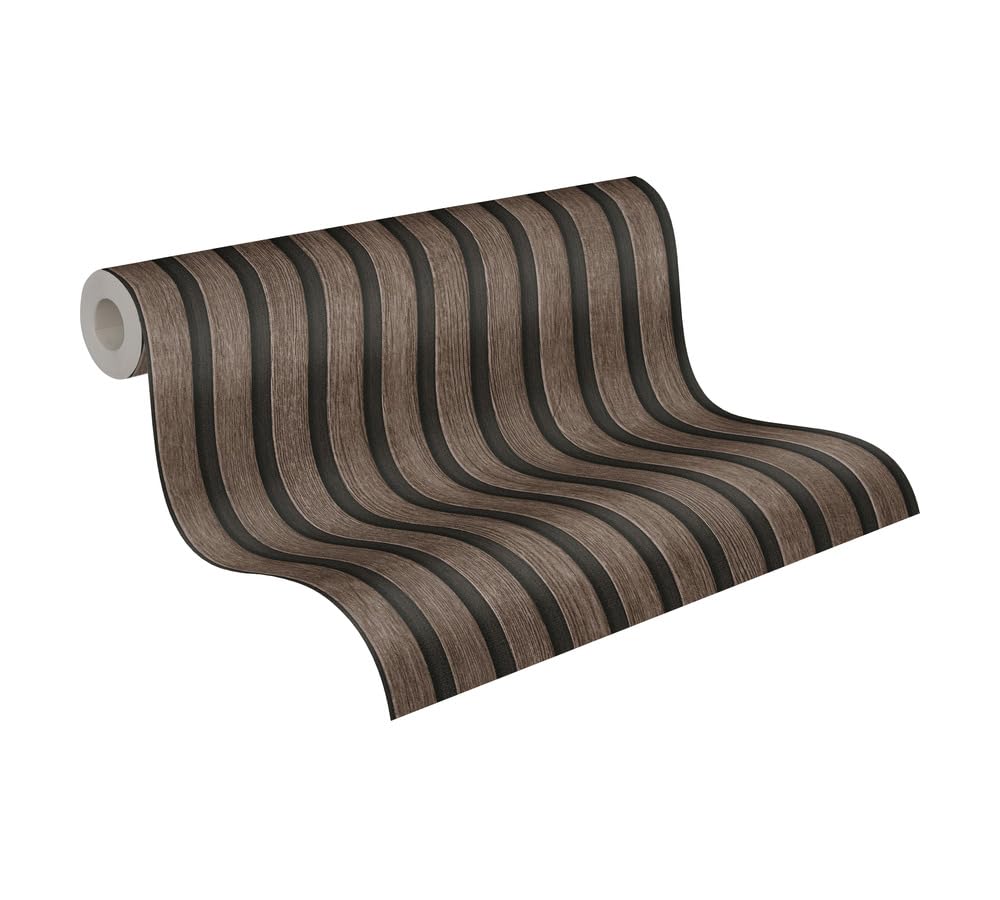
I picked this non‑woven wood panel wallpaper when I wanted a realistic wood‑panel look without the expense of real wood and with durable scrub resistance.
Why I picked it: Realistic wood grain, non‑woven durability, large strip length.
Best for: Living areas, feature walls, rooms that need a cozy wood look.
Mid‑range; good value for large areas and durability.
Pros
- Realistic wood appearance
- Non‑woven — tear resistant
- Light and scrub resistant
- Large roll coverage
Cons
- Heavier to handle alone
- Color may vary by lighting
- Requires careful alignment
My take
I used these strips to get a paneled wood effect without building costs. The print and grain feel convincingly like wood, and the non‑woven substrate made the paper forgiving when trimming and pressing into place.
Because the strips are long and durable, the finished surface looked cohesive and held up well to wiping and light scrubbing. Hanging did require an extra pair of hands on longer drops, but the result was worth the effort.
If you want a warm, natural look that’s more durable than simple paper, this non‑woven option gave me that result while being easier to manage than real wood panels.
How I Choose Bathroom Wallpaper
Peel‑and‑Stick vs Paste‑the‑Wall
I choose peel‑and‑stick when I need a fast install, renter‑friendly removal, or a waterproof surface for damp bathrooms.
When I want texture and a high‑end look, I go paste‑the‑wall — it takes more skill but the results feel more permanent and luxurious.
- Peel‑and‑stick: quick, repositionable, best on smooth walls.
- Paste‑the‑wall: textured options, requires adhesive and some skill.
- Non‑woven: durable, tear resistant, good compromise for longevity.
Preparing Walls and Surfaces
I always clean walls, remove grease, and let surfaces dry before applying any wallpaper. A smooth, clean surface makes a huge difference in adhesion.
If paint is old or flaky, I prime or repair first. Some peel papers can pull badly adhered paint.
- Clean with a damp cloth; avoid cleaners that leave residue.
- Prime patched or new drywall for best adhesion.
- Test a small scrap to see how the paper removes.
Pattern Match and Waste
I calculate pattern repeat before ordering so I don’t run short. Straight‑match patterns waste less than complex repeats.
For busy prints and large repeats, I buy an extra roll from the same batch to avoid shade differences.
- Measure height and width, add 10–15% for mistakes.
- Straight match = less waste; large repeats need careful planning.
- Buy extra from same batch when matching over big areas.
Moisture and Cleaning
I avoid putting peel‑and‑stick inside a shower enclosure; use it on walls outside splash zones instead.
Vinyl surfaces clean easily with a damp cloth; paper options vary in scrub resistance, so check the material.
- Vinyl = wipeable and better for humid zones.
- Non‑woven = better scrub resistance than standard paper.
- Avoid textured or heavily knockdown walls for peel‑and‑stick.
Tools and Tricks I Use
I keep a plastic squeegee, sharp utility knife, level, and a seam roller on hand for every install.
For stubborn adhesion or to ease sliding into place, I’ll use a little wallpaper solution or a product formulated to help reposition.
- Squeegee or smoothing tool prevents bubbles.
- Sharp blades give clean edge cuts.
- Painter’s tape helps hold long drops while aligning.
Frequently Asked Questions
Can I use peel‑and‑stick wallpaper inside a shower?
I avoid direct shower enclosures. Peel‑and‑stick vinyl handled humid bathroom walls in my tests, but I wouldn’t rely on it inside continuously wet areas like a shower stall. Use waterproof tile or properly installed wall panels for those zones.
Will peel‑and‑stick wallpaper pull paint off my wall?
It can. In my experience peel‑and‑stick can pull poorly adhered paint or leave adhesive residue. I recommend testing a small strip first, priming older paint, or using a removable primer to protect the finish.
How much extra wallpaper should I buy?
I usually order at least one extra roll for matching and mistakes, and more if the pattern has a large repeat. If matching across multiple walls, buy from the same batch to avoid color or shade differences.
Final Take
If you want the fastest update for a bathroom, I’d start with a vinyl peel‑and‑stick like the HAOKHOME herringbone or the NuWallpaper Mirei for an elegant finish.
Choose paste‑the‑wall options like the Graham & Brown paper when texture and drama matter most and you’re prepared to use paste.
For cabinets and small DIY projects, the blue distressed wood contact paper gave me the biggest visual impact for the least fuss. Measure carefully, prep the surface, and you’ll get a professional result.
