
I tested five popular beeswax wrap options — multi-packs, a bread-specific wrap, a jumbo roll, and higher-count kits — and picked the ones I reach for most for bread, cheese, bowls, and zero-waste meal prep.
I switched to beeswax wraps to cut down on single-use plastic and to keep food fresher on the counter. Over several months I used each product in everyday kitchen tasks: wrapping loaves, covering bowls, storing cheese, and wrapping cut fruit.
This roundup compares a branded multi-pack I keep in rotation, a large bread-specific wrap I use for sourdough, a roll I cut to fit odd shapes, and higher-count kits for households that want many options. I focused on sealability, durability after washing, and how easy each wrap is to handle with warm hands.
If you bake a lot, I recommend the large loaf wrap or the roll for custom cuts. For families replacing lots of single-use film, the 7- and 9-piece packs give the most everyday flexibility. If you want a branded, made-in-USA option in several sizes, the Bee's Wrap 3-pack is my go-to starter set.
1. Bee’s Wrap Beeswax Wraps (3-Pack) – Best Overall
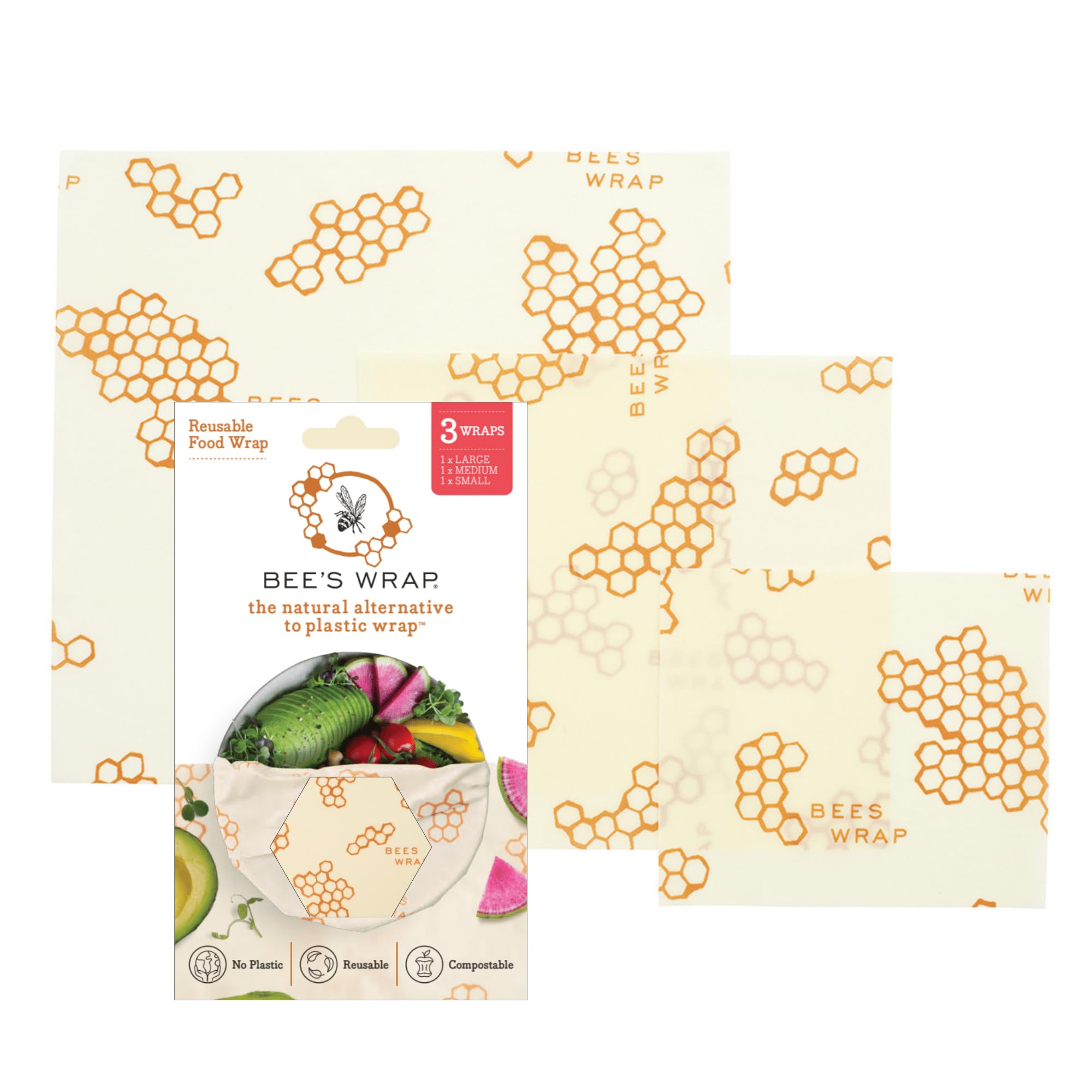
A reliable, made-in-USA three-piece set (small, medium, large) that handles sandwiches, cheese, and bowl covers with breathable protection.
Why I picked it: Trusted branded formula, three useful sizes, and consistent performance for daily tasks.
Best for: Everyday sandwich wrapping, cheese storage, and bowl covers.
A mid-range, branded starter set that balances quality and convenience.
Pros
- Made in the USA
- Three practical sizes
- Breathable yet protective
- Washable and reusable
- Attractive honeycomb print
Cons
- Not dishwasher-safe
- May need two sheets for very large loaves
- Can lose stick after heavy use
My take
This three-pack became my most-used option because the size assortment covers most kitchen tasks. I wrap sandwiches and snack bars with the small, store cheese with the medium, and use the large as a bowl cover or for cut produce.
I like how the warmth of my hands molds the wrap to form a seal; it’s intuitive once you try it a couple times. The breathability keeps bread from going soggy while protecting texture and aroma.
Cleaning is simple: a quick rinse with cool water and mild soap restores the wraps for the next use. When a wrap finally reached the end of its life I composted it, which fits my zero-waste goals.
2. Bee’s Wrap Bread Wrap – Best for Bread
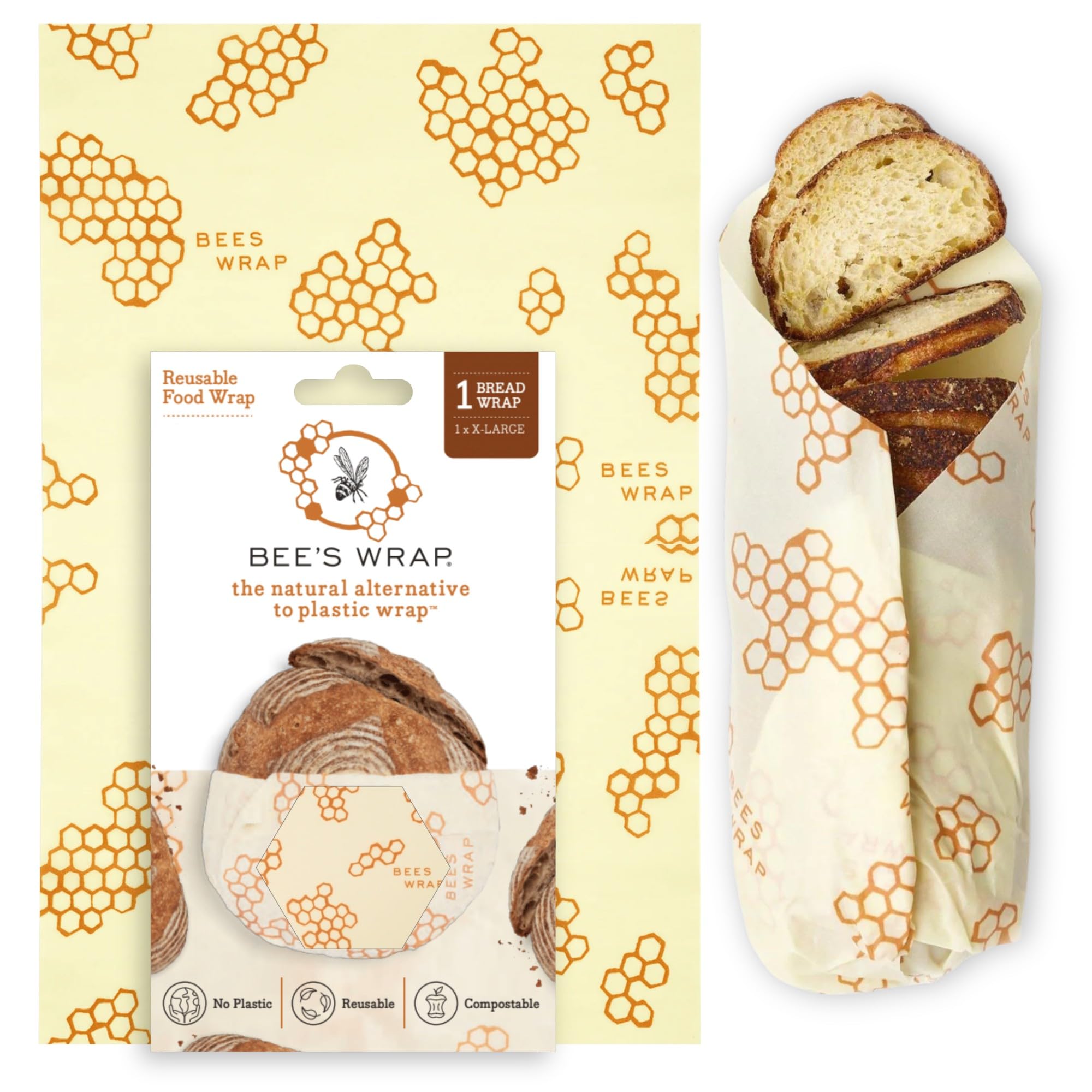
An extra-large single wrap designed to hold full loaves, perfect for sourdough and frequent home bakers.
Why I picked it: Oversized dimensions made it the easiest way for me to store whole loaves and proof dough.
Best for: Sourdough, baguettes, proofing, and large homemade loaves.
A focused single-piece option that’s cost-effective for regular bakers.
Pros
- Large coverage for full loaves
- Designed for bread storage
- Easy to clean
- Maintains loaf softness
Cons
- Single piece only
- Less versatile for small items
- Not suitable near heat
My take
I use this wrap almost exclusively for the loaves my partner bakes. It comfortably fits 2-lb loaves and keeps crusts soft while slowing mold for about a week when wrapped properly.
In humid climates I found it especially helpful—dusting with a little flour during proofing and using the wrap afterward gives great results. The material lasted close to a year with regular use before showing wear.
Because it’s one large sheet, I reserve it for bread and use smaller wraps from other sets for snacks and bowls.
3. Trifecta Living Beeswax Wraps (7-Pack) – Best Variety Pack
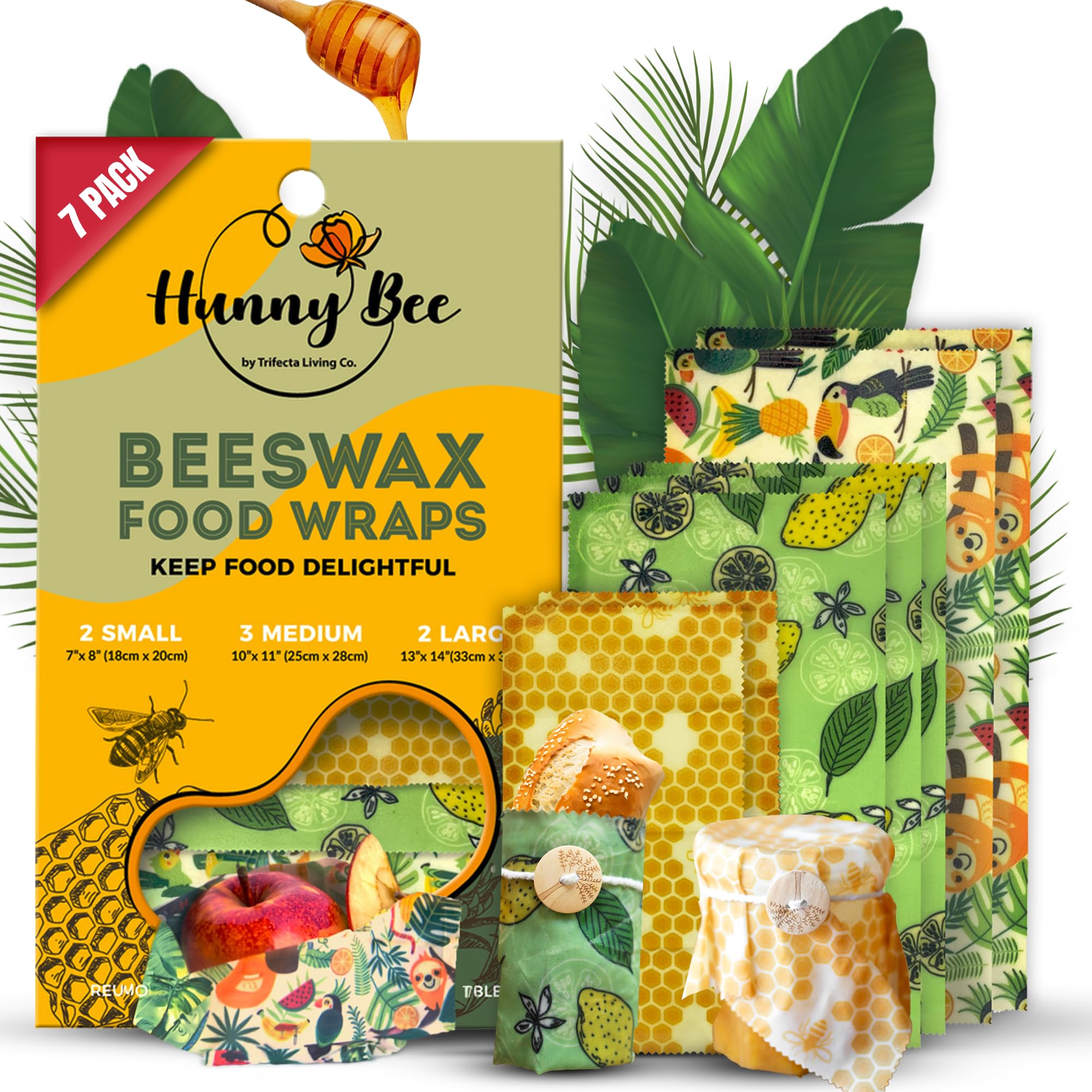
A seven-piece assortment with fun prints and a mix of small, medium, and large sizes ideal for replacing much of my plastic wrap use.
Why I picked it: Plenty of sizes and attractive designs made it my favorite for swapping out plastic across many uses.
Best for: Households replacing plastic wrap for snacks, bowls, and lunch prep.
A practical multi-pack for everyday use and gradual plastic reduction.
Pros
- Good size assortment
- Becomes pliable after a few uses
- Reusable and durable
- Attractive patterns
Cons
- Leaves a waxy residue on hands
- Initial stiffness requires warming
- Included ties are short
My take
This set gave me enough pieces to stop reaching for plastic bags and cling film. They’re sticky right out of the package, which felt odd at first, but warming them with my hands made them flexible and easy to seal.
I did notice a waxy residue on my hands the first few uses; hot water and soap removed it, and afterward the wraps handled bowls and cut fruit without trapping odors.
The variety of sizes meant I could wrap half a sandwich, cover a salad bowl, or keep cut vegetables fresh. I appreciated having extras to rotate while others were drying.
4. Akeeko Beeswax Wraps 9-Pack – Best for Quantity
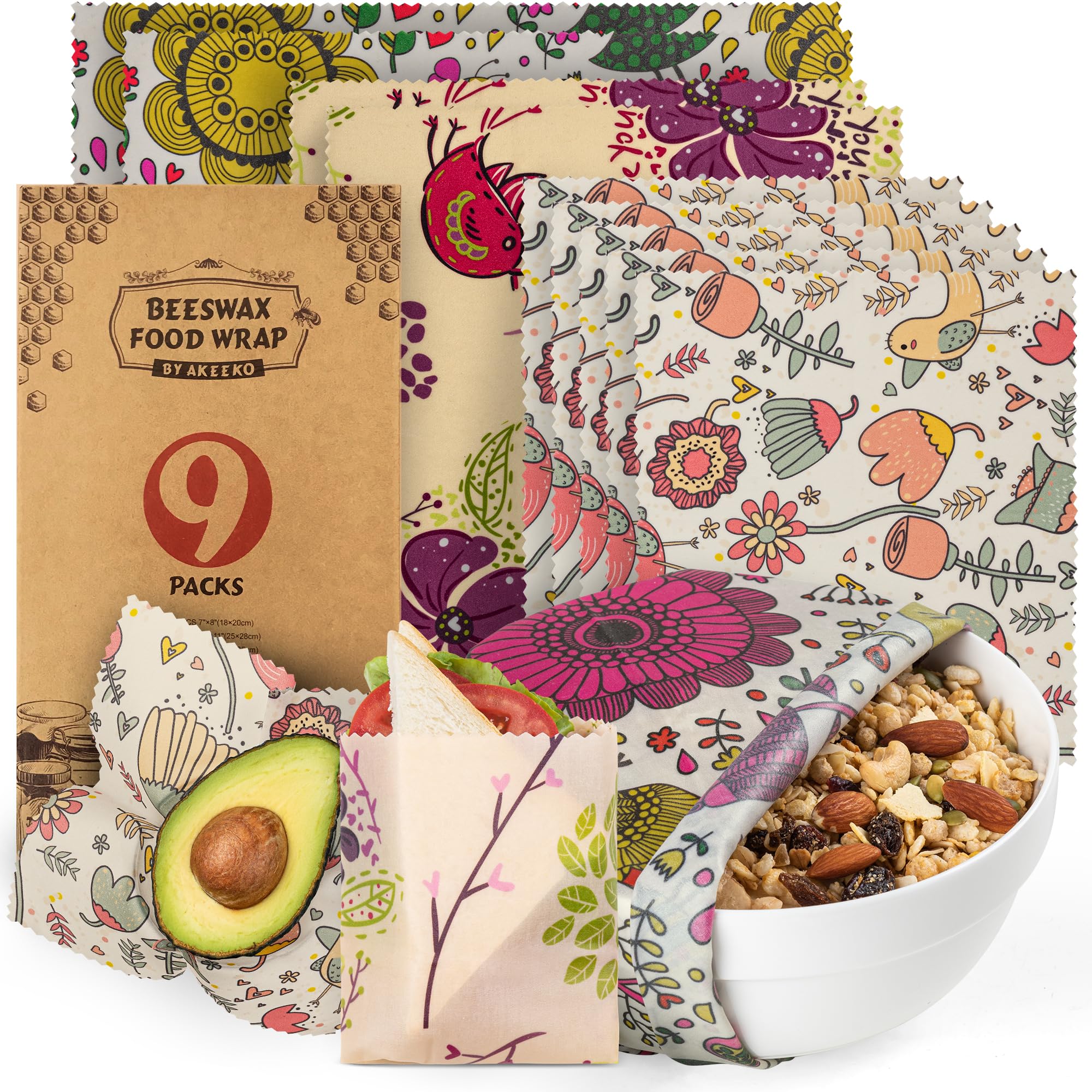
A high-count kit with five small, two medium, one large, and one extra-large wrap, plus certifications for the fabric and packaging.
Why I picked it: Certifications and the larger piece count made this my pick when I wanted plenty of replacements and eco-conscious materials.
Best for: Busy kitchens, large households, and anyone who wants many reusable wraps on hand.
Best for volume shoppers who want certified materials and multiple sizes.
Pros
- GOTS fabric certification
- LFGB safety certification
- Recycled packaging
- Includes an extra-large piece
Cons
- More pieces to store
- May need extra scrubbing on dishes
- Some patterns may be busy
My take
I appreciated the thought behind the certifications and recycled packaging. The extra-large piece is genuinely useful for bigger bowls and long loaves, while the five small pieces are perfect for snacks and cheese.
These wraps feel thicker than some budget options, which helped them stick to bowls and food without tearing. They wash up well with cool water and mild soap, and I’ve seen no peeling after several washes.
Using this kit cut down the plastic in my kitchen a lot — I kept a set in the fridge, a set near the prep area, and a couple extras for picnics.
5. Bee’s Wrap Cut-to-Size Roll – Best Roll
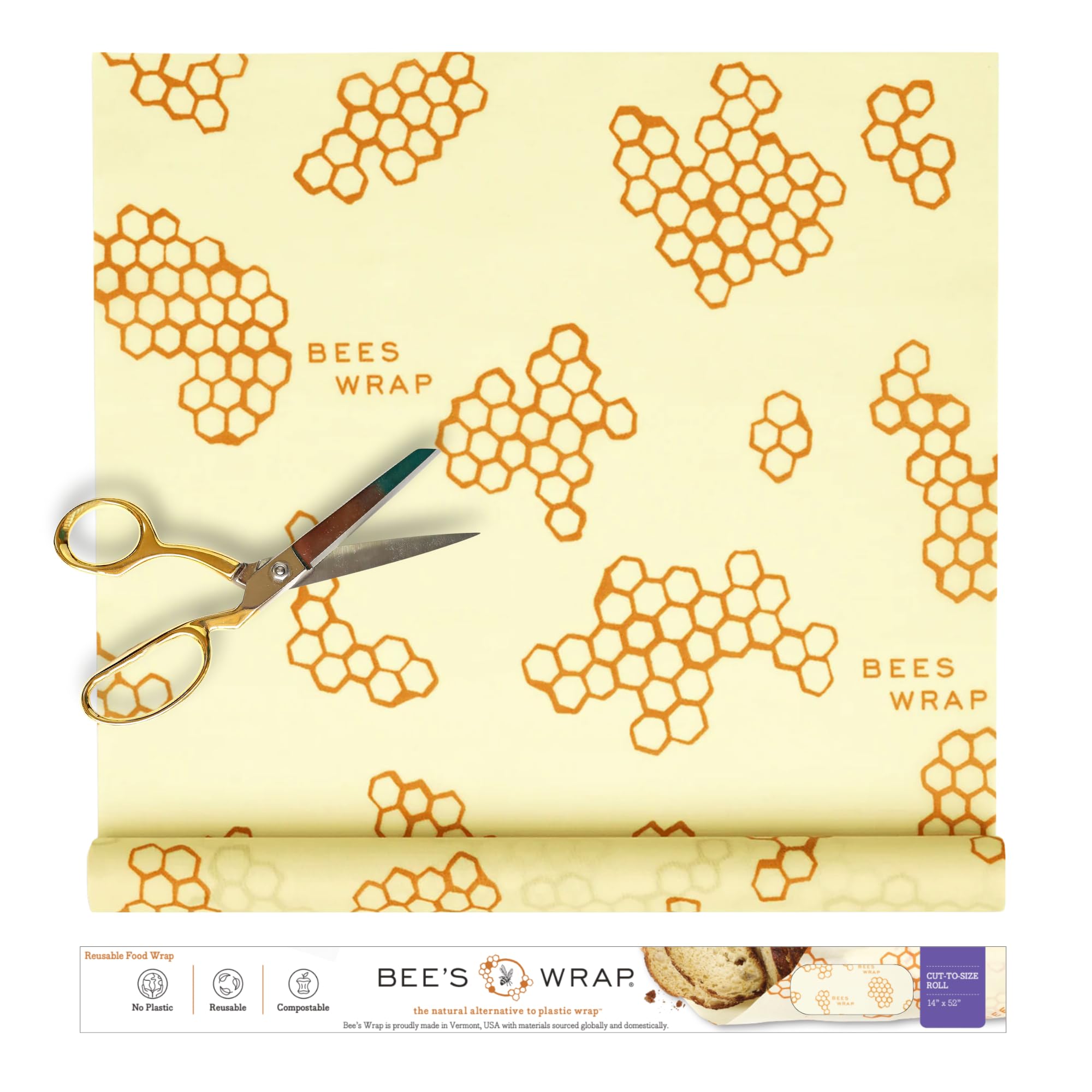
A 14 x 52-inch roll you cut to the size you need — ideal for custom wrapping and oddly shaped items.
Why I picked it: The roll gave me the flexibility to make wraps that match odd containers and oversized loaves.
Best for: Custom wraps, long loaves, and covering oversized bowls.
A premium, flexible option that reduces waste by letting you cut only what you need.
Pros
- Cut-to-size flexibility
- Great for long loaves
- Washable and reusable
- Same branded formula as other Bee's Wrap
Cons
- Can feel pricey per yard
- Requires a cutting tool
- Not ideal for very small items
My take
I reach for the roll when I need nonstandard shapes covered or when a loaf is too long for standard wraps. Cutting pieces to fit means no waste from awkward gaps.
My partner bakes frequently and the roll extended the freshness of bread noticeably compared with cloth alone. It also works well for cheese and compound butters.
While the roll seemed like a premium buy at first, the ability to tailor wraps to the food and to avoid buying many different sizes made it practical for our kitchen.
How I Choose Beeswax Wraps
Materials and Safety
I look for wraps made from cotton, ethically harvested beeswax, jojoba or plant oil, and tree resin. Certifications like GOTS or LFGB are a plus because they confirm textile safety and food-contact standards.
- Prefer natural ingredients over unknown coatings
- GOTS and LFGB certifications indicate higher quality control
- Avoid wraps with synthetic plastic additives
Size and Use Cases
I pick sizes based on what I regularly wrap. Small pieces are great for snacks and cheese, medium for sandwiches, large for bowls, and rolls or extra-large sheets for loaves and odd shapes.
- Single large wrap is best for dedicated bakers
- Multi-packs are useful for general kitchen replacement
- Rolls give the most flexibility for custom needs
Care and Lifespan
I wash wraps by hand with cool water and mild soap and let them air dry. I never put them near heat sources or in the dishwasher. With regular care, wraps last months to a year depending on frequency of use.
- Use cool water — hot water can soften the wax
- Avoid microwaves, ovens, and dishwashers
- When a wrap wears out, cut it into compostable pieces
Performance Tips
Warming the wrap with your hands before molding improves adhesion. For proofing bread, lightly dust with flour. If a wrap loses stickiness, try re-waxing or replacing it.
- Rub with warm hands to form a seal
- Use multiple sheets for very large items
- Rotate wraps so they dry fully between uses
Frequently Asked Questions
How do I clean and store beeswax wraps?
I rinse them in cool water with mild soap, wipe off any residue, and air-dry flat or hanging. I keep clean wraps folded or rolled in a drawer away from direct heat.
Can I use beeswax wraps on hot containers?
I avoid hot containers because heat can melt the wax and deform the wrap. I wait until food cools to warm the wrap with my hands and then seal.
How long do beeswax wraps last?
In my experience, lifespan ranges from a few months to about a year depending on frequency of use and care. When the wrap shows cracking or persistent residue, I compost it and replace it.
Final Take
I replaced most of my single-use cling film with a mix of these wraps: a large bread wrap for loaves, a roll for odd shapes, and multi-packs for everyday coverage.
If you bake often, choose the bread-sized wrap or the roll. If you want the easiest swap-out for household use, pick the multi-pack that matches your typical portion sizes.
