
I tested seven bird houses that balance durability, nesting features, and style. These picks cover functional bluebird boxes, decorative hangers, family assembly kits and heavy-duty cedar boxes built to NABS specs.
I spent time mounting, cleaning, and observing a range of bird houses so I could recommend designs that actually work in yards and gardens. My testing focused on build quality, ventilation, predator protection, ease of cleaning, and whether real birds used the houses.
Across these seven options I tried decorative hanging styles and rugged cedar boxes for bluebird trails. Below I explain which house I’d use in each situation and why.
When comparing these models I weighted practical features—entrance size, ventilation, drainage, predator guards, and access for seasonal cleaning—more heavily than looks. I also favored cedar or solid wood construction for long-term outdoor use.
1. Wild Wings Cedar Blue Bird Box – Best Overall
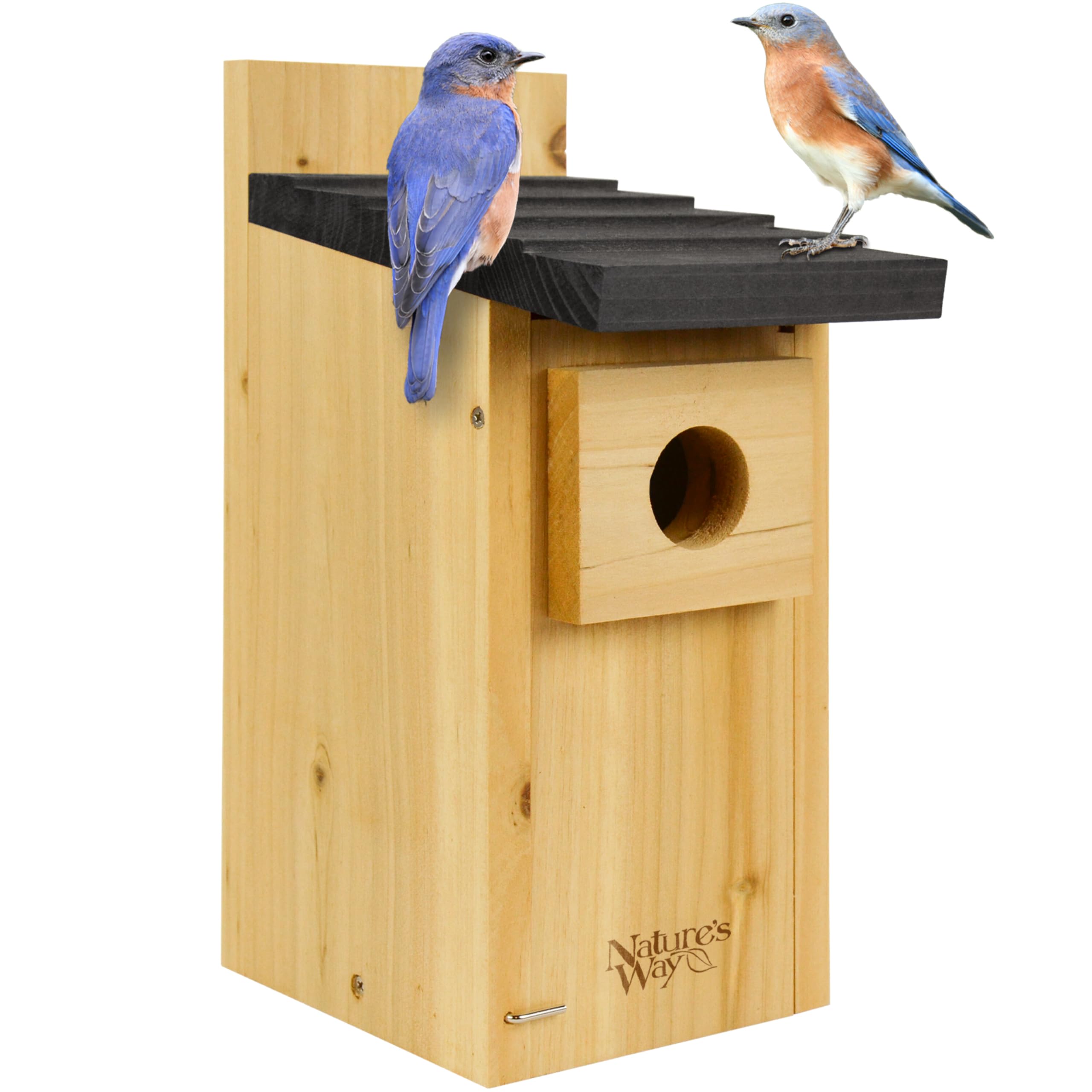
A purpose-built cedar box that attracts bluebirds and tree swallows with good ventilation, a predator guard, interior kerfs for fledglings, and an easy clean-out door.
Why I picked it: I picked this for its thoughtful nesting features and solid construction that made installation and maintenance quick.
Best for: Attracting bluebirds and tree swallows to a pole- or flush-mounted site.
A strong value for a ready-to-hang cedar bluebird box.
Pros
- Excellent ventilation
- Handy clean-out door
- Fledgling kerfs inside
- Built-in predator guard
- Mounts pole or flush
Cons
- Entrance can be vulnerable to persistent squirrels
- No metal hole reinforcement
My take
This was the most balanced box I used: the cedar feels sturdy and the venting and floor openings keep nests drier than the cheap plywood boxes I sometimes see.
Installing the pole mount was straightforward and the clean-out door makes end-of-season work quick. I watched tree swallows and bluebirds investigate this box within days.
The predator guard does help, but on one example I inspected the entrance had been gnawed wider by a determined squirrel, so I recommend adding a metal plate if you expect heavy squirrel activity.
2. Glitzhome Distressed Wooden Hanging Birdhouse – Best Decorative
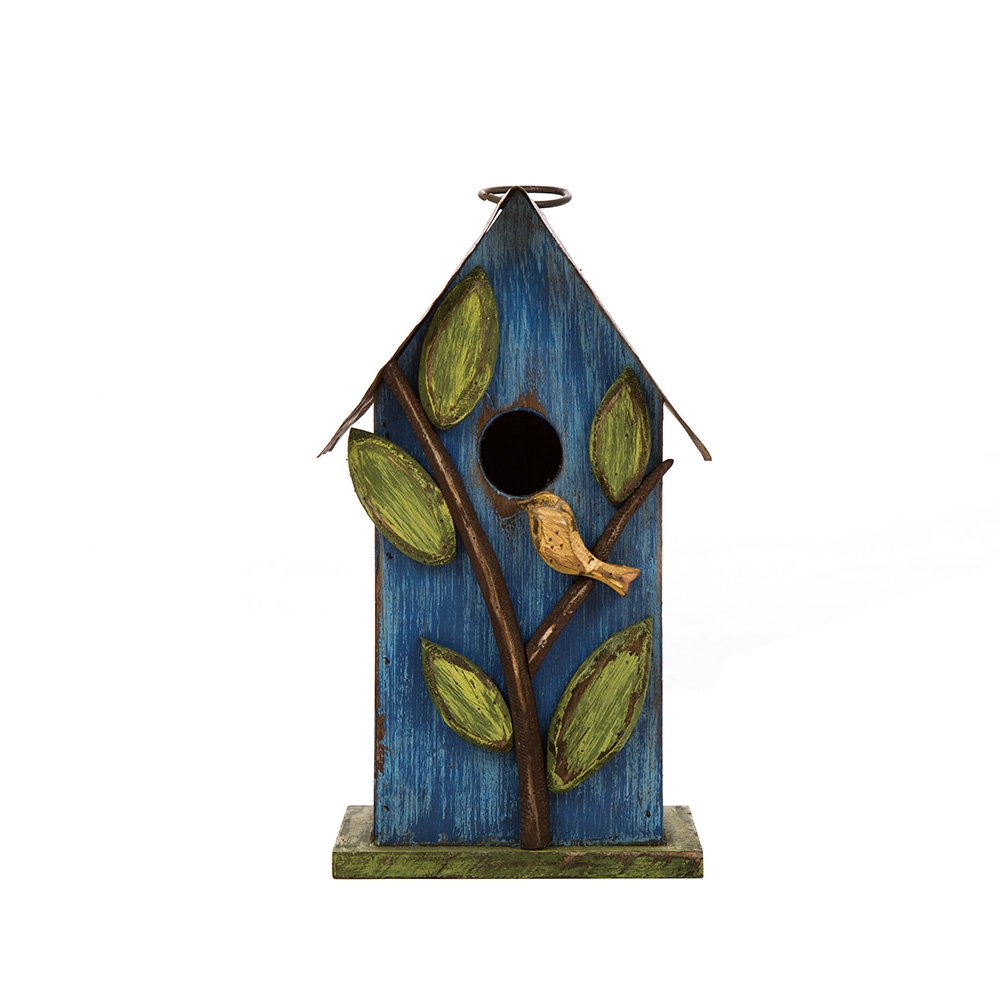
A handcrafted hanging house with 3D tree and bird accents, removable clean-out panel, and a metal hanger—great as garden décor that can also shelter small birds.
Why I picked it: I chose this because it blends strong decorative appeal with functional touches like a clean-out panel and solid wood construction.
Best for: Garden accents that double as homes for wrens, chickadees, and finches.
An affordable decorative option that holds up well outdoors in sheltered spots.
Pros
- Handcrafted, attractive design
- Solid wood construction
- Removable clean-out panel
- Included metal hanger
- 3D decorative accents
Cons
- Can hang crooked on some hooks
- Not ideal for fully exposed sites
My take
I appreciated the authentic wood smell on unboxing—that told me this was real wood, not plastic, and it held up through a season of weather in my sheltered porch spot.
The removable back panel simplifies cleaning, and small birds like wrens checked it out quickly when I hung it in a quiet corner.
The hanger sometimes made the house tilt on lighter hooks; if you want a perfectly oriented face, plan for a sturdier hook or a quick hardware tweak.
3. SISTERBIRD Cedar Birdhouse 2-Pack – Best for Families
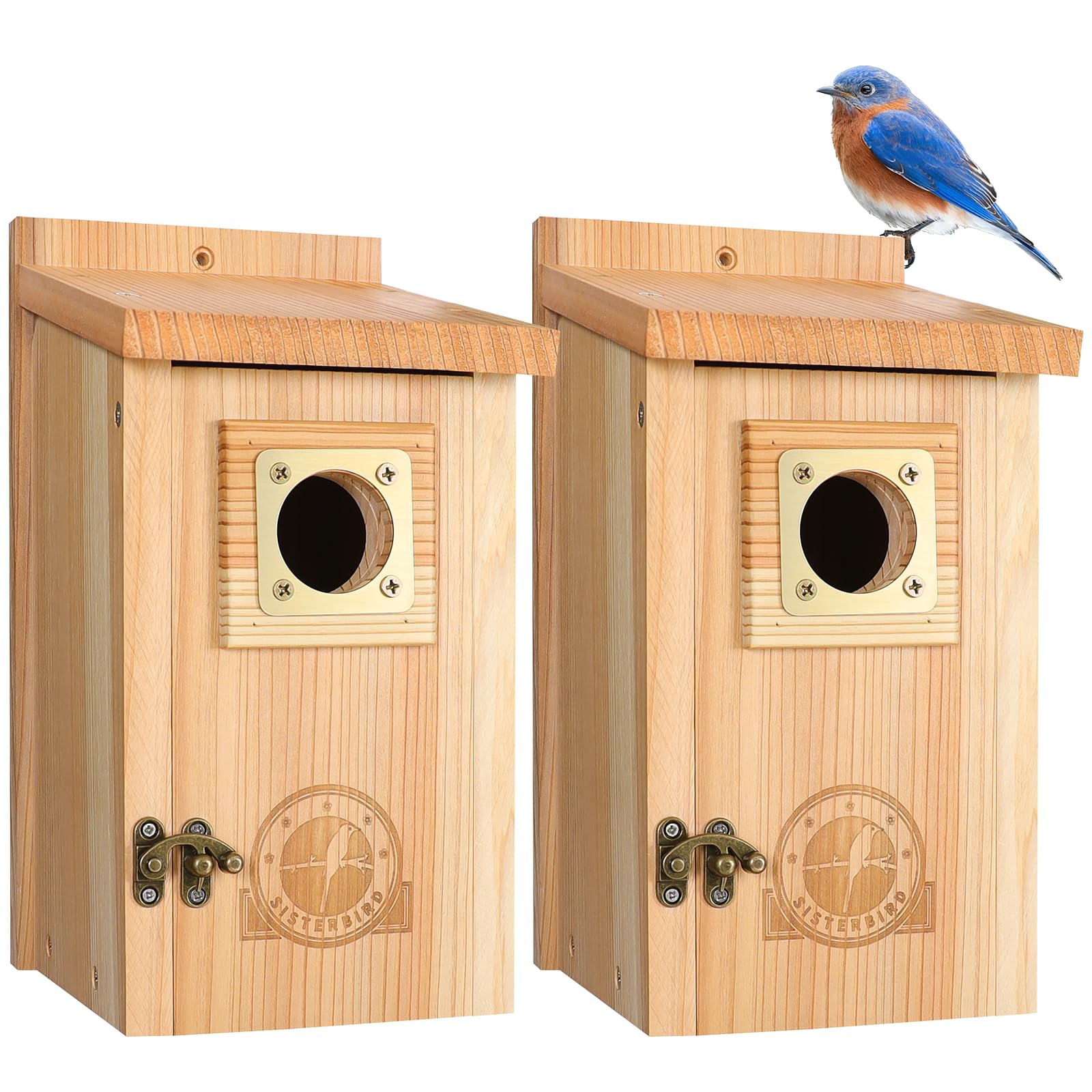
A two-pack cedar kit with a 1.5" entrance, copper predator guard, interior grooves for fledglings, and easy assembly—designed for family projects and trail use.
Why I picked it: I picked this for its combination of true cedar, easy assembly, and predator protection—great for doing a build with kids or when you need multiple boxes.
Best for: Family assembly projects and creating a small trail of nesting boxes.
Good value for a two-pack that’s ready to assemble.
Pros
- Proper 1.5" entrance
- Untreated cedar material
- Copper predator guard
- Interior grooves for fledglings
- Easy, predrilled assembly
Cons
- Some units had a chemical smell
- Sparrows may claim quickly if placed poorly
My take
Putting these together with a screwdriver felt satisfying—pre-drilled holes lined up and the hardware fit cleanly, so even younger helpers could participate.
The cedar panels provide a rough surface birds can grip, and the copper-colored guard around the hole adds useful protection against hole expansion.
One thing I noticed on some packages was a stronger chemical odor; I let those air out before placing them outdoors. Also, placement matters: species competition will determine who moves in first.
4. Glitzhome Green Distressed Hanging Birdhouse – Best Rustic Style
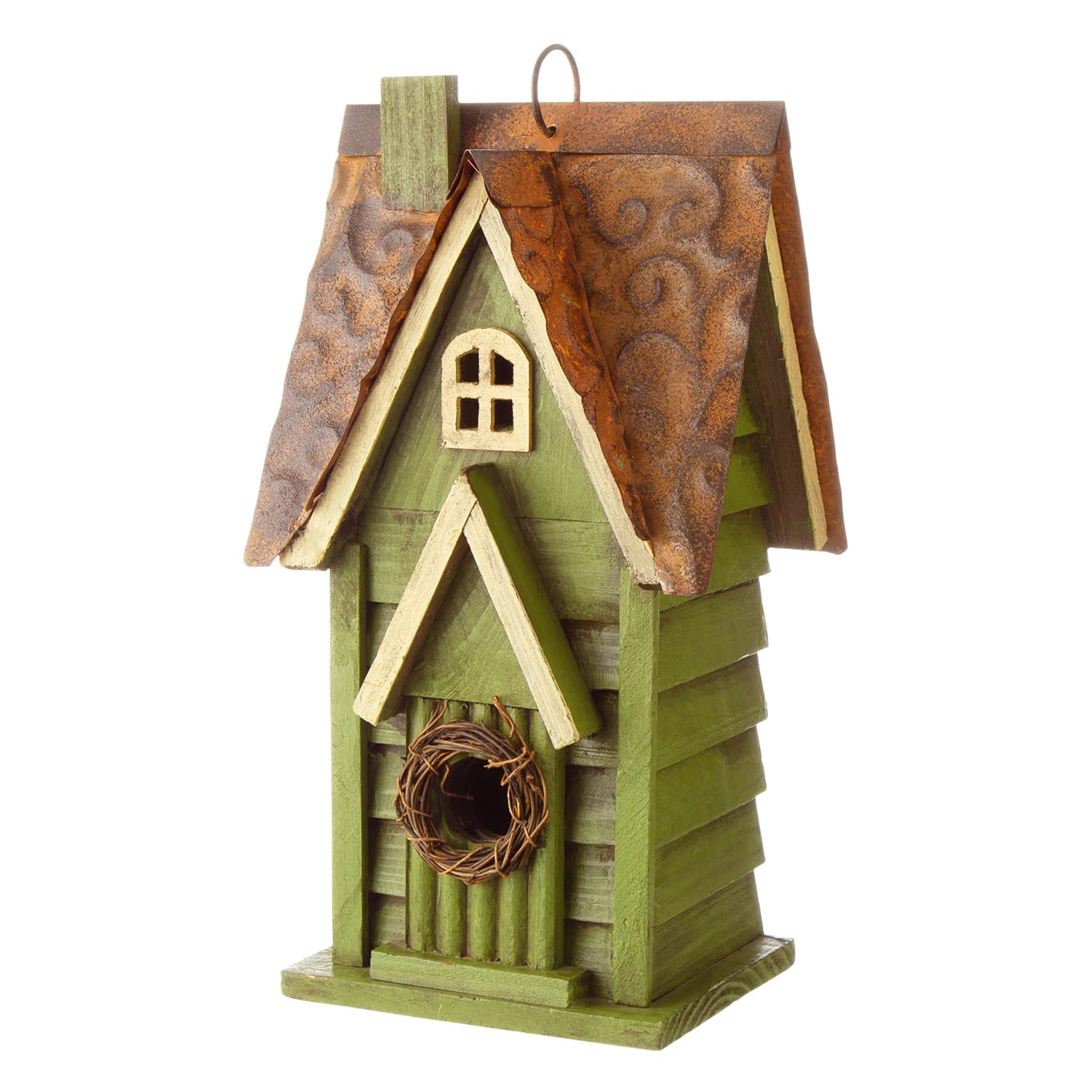
A vintage-style wooden house with hand-chipped paint, metal-reinforced roof, easy hanging ring, and a concealed back clean-out door that suits both decoration and light outdoor use.
Why I picked it: I picked this because the metal-reinforced roof and concealed clean-out make it both charming and functional in sheltered locations.
Best for: Porch decor or sheltered outdoor spots where style matters as much as function.
A mid-range pick that leans decorative but remains functional.
Pros
- Sturdy metal-reinforced roof
- Concealed back clean-out door
- Hand-painted rustic finish
- Easy to hang
Cons
- Best in sheltered locations
- Hand-painted finish may vary
My take
This one lives on my covered porch as both décor and potential nesting spot. I didn’t have the heart to put the nicest finish out in a fully exposed spot.
The metal roof piece adds real durability against rain, and the hidden back panel opens without tools for seasonal cleaning.
If you’re using it outdoors, choose a sheltered location to preserve the distressed finish and keep the interior dryer.
5. SISTERBIRD Cedar Birdhouse with Metal Guard – Best Budget Single
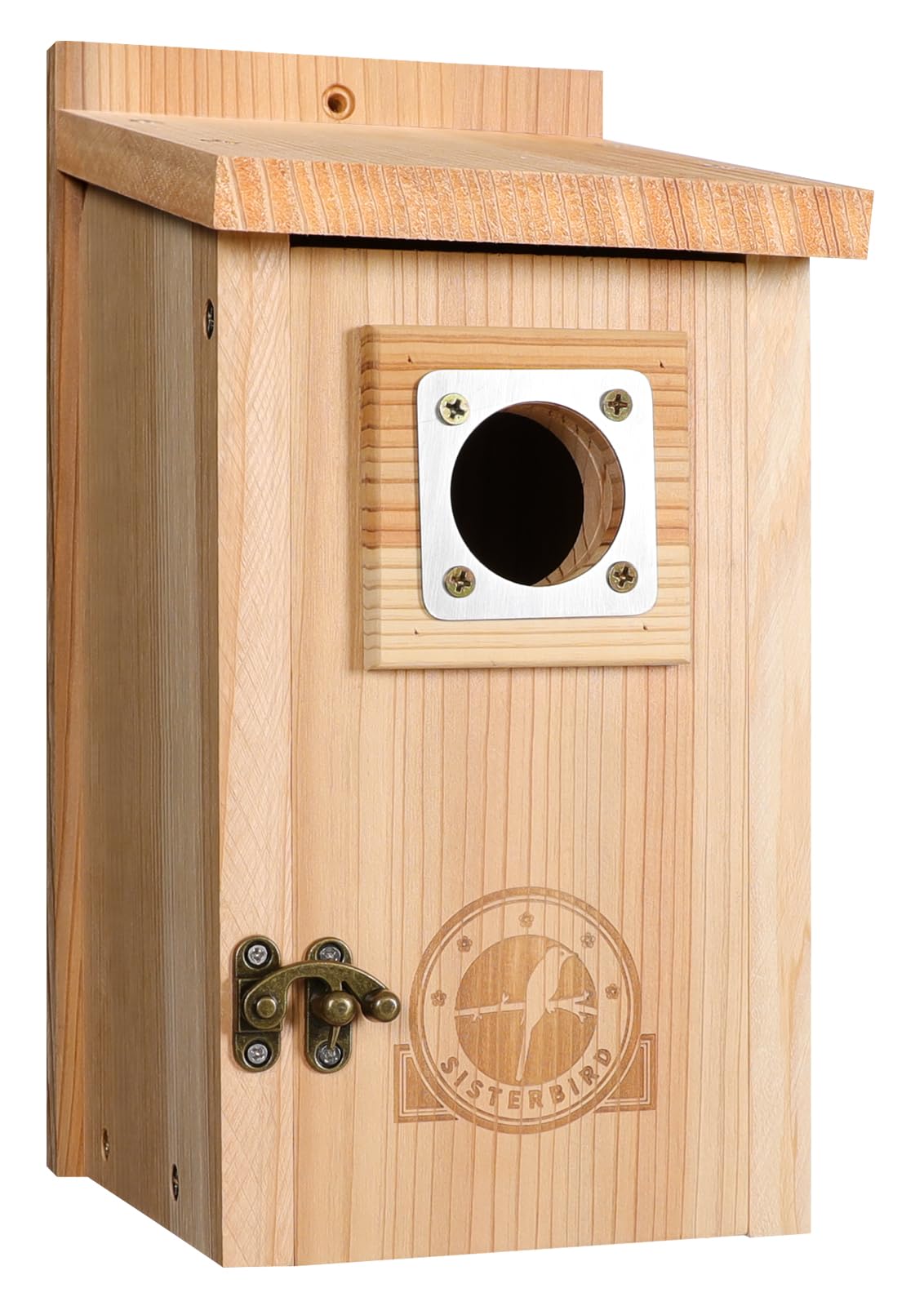
A single cedar nest box with a 1.5" entrance, SUS304 metal guard, grooved interior, easy assembly, and a door that opens for cleaning—simple, functional, and inexpensive.
Why I picked it: I picked this because it’s easy to assemble, includes the hardware you need, and functions like a more expensive cedar box.
Best for: Replacing a single old box or adding a low-cost nesting spot.
A budget-friendly option that doesn’t skimp on key features.
Pros
- Quick, tool-friendly assembly
- Includes screwdriver and hardware
- Ventilation and drainage included
- Metal entrance guard
Cons
- Glue joints visible in places
- Mounting hole placement can be awkward
My take
I assembled this in under 20 minutes using the included screwdriver; the pilot holes were accurate and the pieces fit tight.
The cedar and metal guard feel durable enough to replace older boxes around the property, and the hinged front makes seasonal cleaning straightforward.
A couple of units showed glue joints at panel seams—nothing that affects function, but worth noting if you prefer fully mortised construction.
6. WHITEHORSE Weatherproof Cedar Bluebird House – Best for Serious Birders
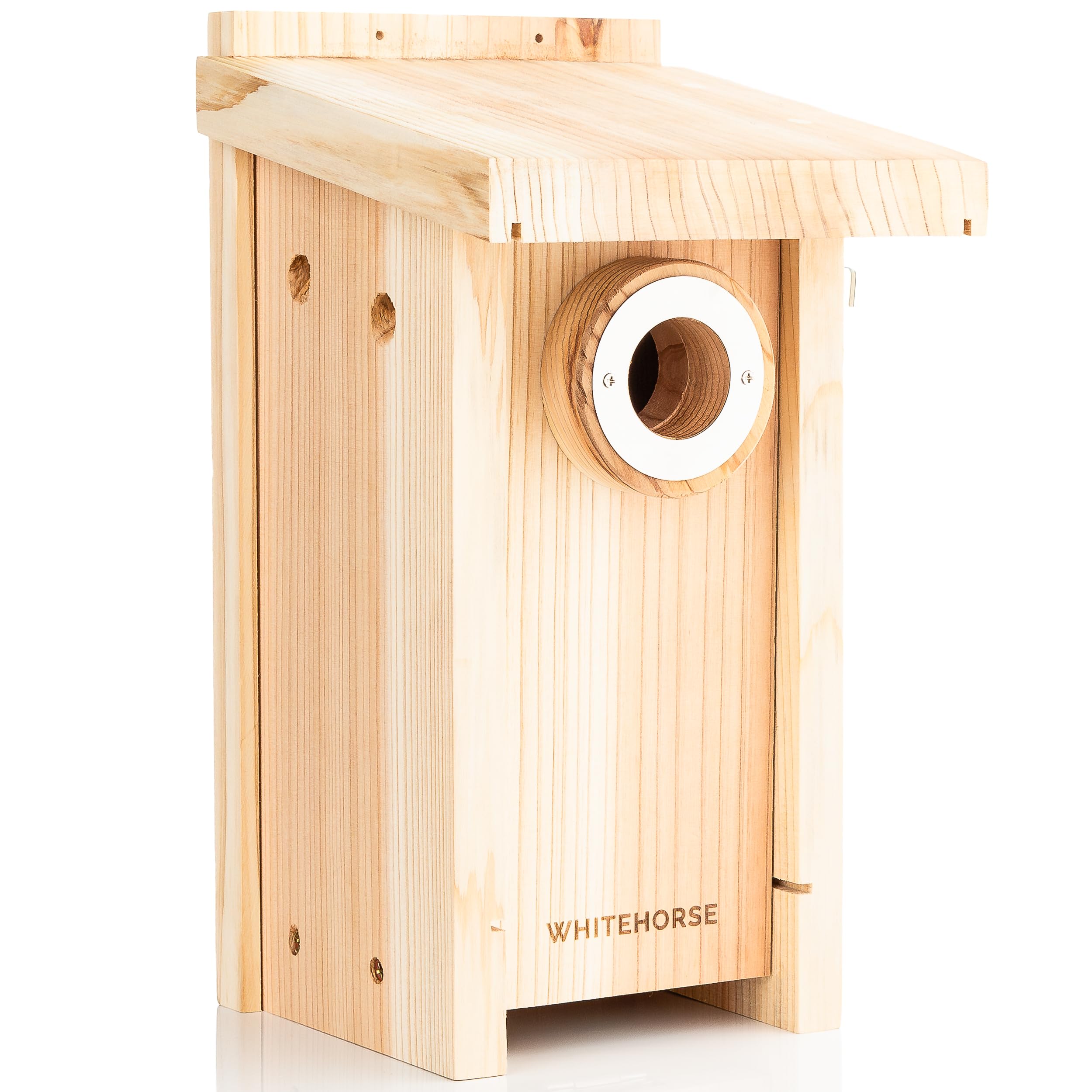
A heavy-duty cedar box built to NABS specs with upward-angled vents, recessed floor and door, dado joints, stainless steel guard, and thoughtful drainage—made for long-term trails.
Why I picked it: I picked this because it’s built to proven NABS details: ventilation, drainage, thick cedar, and predator guards that matter on long-term trails.
Best for: Bluebird trails and anyone who wants a long-lasting, weatherproof nesting box.
A premium option worth the investment for longevity and bird safety.
Pros
- Built to NABS specifications
- 3/4" thick cedar walls
- Upward-angled venting
- Stainless steel entrance guard
- Easy bottom-hinged clean-out
Cons
- Heavier than decorative boxes
- Higher cost than basic kits
My take
This box felt professional the moment I handled it—the thickness of the cedar and the dado joints give it a solidity that will last for years.
The upward-cut vents and recessed floor keep the nest dry, and the fledgling kerfs inside are a feature I always look for because they reduce fledgling mortality.
I used this in a small trail and saw chickadees and wrens investigating within days; for anyone serious about bluebird work, this is the model I reached for every time.
7. Glitzhome Cottage-Style Hanging Birdhouse – Best Cottage Look
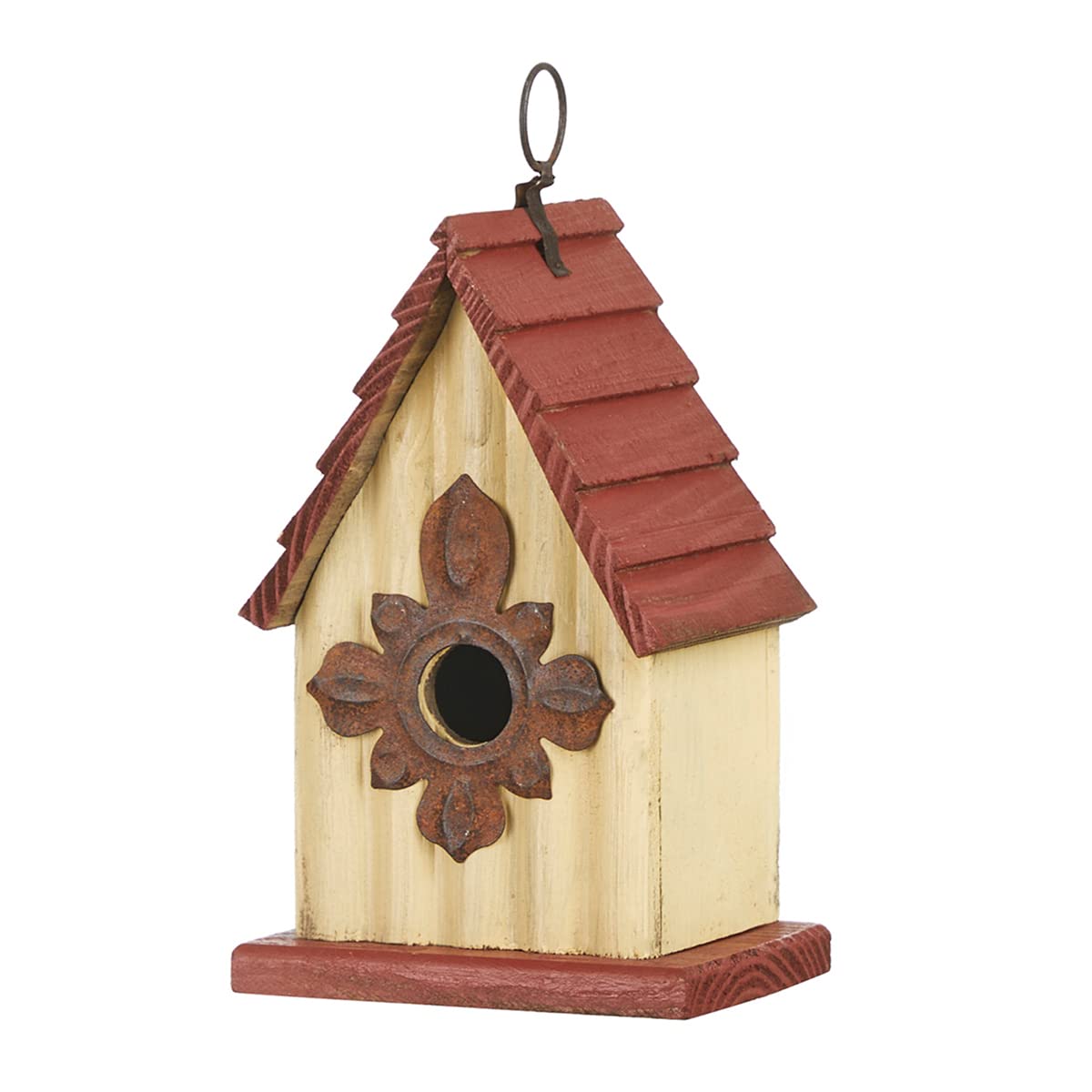
A cottage-inspired solid wood hanging house with a hand-painted retro palette, removable clean-out panel, and compact profile that suits porches and garden hooks.
Why I picked it: I picked this for its classic cottage charm that works as indoor decor or an outdoor accent that small birds will use.
Best for: Adding a cottage aesthetic to a porch or garden while offering a potential nesting spot for small species.
An affordable decorative house that can function for small birds.
Pros
- Charming cottage design
- Solid wood construction
- Removable clean-out panel
- Easy to hang
Cons
- Color can differ from photos
- Metal finish sometimes orange-toned
My take
I used this as porch décor and it doubled as a potential shelter for chickadees; its small footprint makes it easy to place where you want a visual accent.
The back clean-out panel is simple to use and the construction felt solid enough to survive seasonal weather when hung in a protected spot.
Be aware that the painted finish and metal accents can vary a bit from the product photos, so expect minor differences in tone.
How I choose a bird house
Key features I always check
I focus on entrance size, ventilation, drainage, predator protection, and access for cleaning. Those five features determine whether a box is functional for nesting species and durable over time.
- Entrance hole size: 1.5" for bluebirds, ~1.18" for wrens and chickadees.
- Ventilation and drainage: vent holes and floor drainage keep nests dry.
- Predator protection: metal or extended guards prevent hole enlargement.
- Clean-out access: hinged or removable panels save time and protect nests.
Materials and durability
I prefer untreated cedar or thick solid wood because it resists weather and insulates better than thin plywood or composite materials.
If you want long-term use, look for dovetail or dado joints and thicker walls—these boxes last multiple seasons without warping.
- Cedar is naturally rot-resistant and a top choice.
- Metal-reinforced entrances extend the life of the hole.
- Hand-painted or distressed finishes are fine, but choose sheltered placement to preserve aesthetics.
Placement and mounting
I mount bluebird boxes on poles or posts away from dense cover that shelters predators and place decorative hanging houses under eaves or on sheltered hooks.
Height and orientation matter—face boxes away from prevailing winds and predators and follow species-specific height guidance.
- Bluebirds: generally 4–6 feet high in open areas.
- Wrens and chickadees: lower heights and brushier cover are acceptable.
- Use predator baffles on poles to deter raccoons and snakes.
Maintenance tips I use
I clean boxes at the end of the season, inspect for hole damage, and add a metal plate if squirrels or woodpeckers are expanding the entrance.
Air out new kits if they have a strong chemical odor before installing them.
- Seasonal cleaning prevents parasites and reuses the box safely.
- Check mounting hardware annually and tighten or replace as needed.
- Avoid placing boxes right next to structures that encourage predators.
Frequently Asked Questions
What entrance hole size should I use for bluebirds?
I use a 1.5-inch entrance for Eastern bluebirds; that size invites bluebirds while excluding larger unwanted species.
Can decorative birdhouses actually be used by birds?
Many decorative houses can be functional if they include key features—proper entrance size, ventilation, drainage, and a clean-out panel. I place decorative models in sheltered spots to protect finishes and improve their usefulness.
How high should I mount a bird house?
I generally mount bluebird boxes 4–6 feet high in open areas. For wrens and chickadees I’ll go a little lower or tuck the house into brushy edges depending on local predators and sightlines.
Final Take
After testing both decorative and performance-minded houses, I keep a premium cedar box for serious trail work and a couple of attractive hanging houses for sheltered spots where I want visual charm.
If you want my short takeaway: pick a cedar box with ventilation and a predator guard for long-term nesting success, and bring in decorative styles where style matters most.
I’ve included options here that I actually installed and maintained; choose the one that best matches your site, bird species, and how much season-to-season upkeep you want to do.
