
I tested a range of blower fans — from compact carpet dryers to high-velocity utility fans — to find the best options for drying, ventilating, and moving air in tight spaces and large rooms.
I spend a lot of time testing fans for real-world jobs: drying carpets, ventilating crawlspaces, cooling workshops, and helping eyelash and nail work dry faster. For this roundup I focused on airflow, portability, durability, and useful features like pivoting heads, daisy-chain outlets, and rechargeable options.
Below I explain which fans I reached for in different situations, why each one earned a spot, and how I’d pick between them depending on the job you want done.
I compared airflow (CFM), build and portability, safety features, and extras like accessory outlets, daisy-chaining, and run time. I gave extra weight to units that worked well in both drying and everyday ventilation tasks.
1. Lasko U12104 12-inch Portable Utility Fan – Best Overall
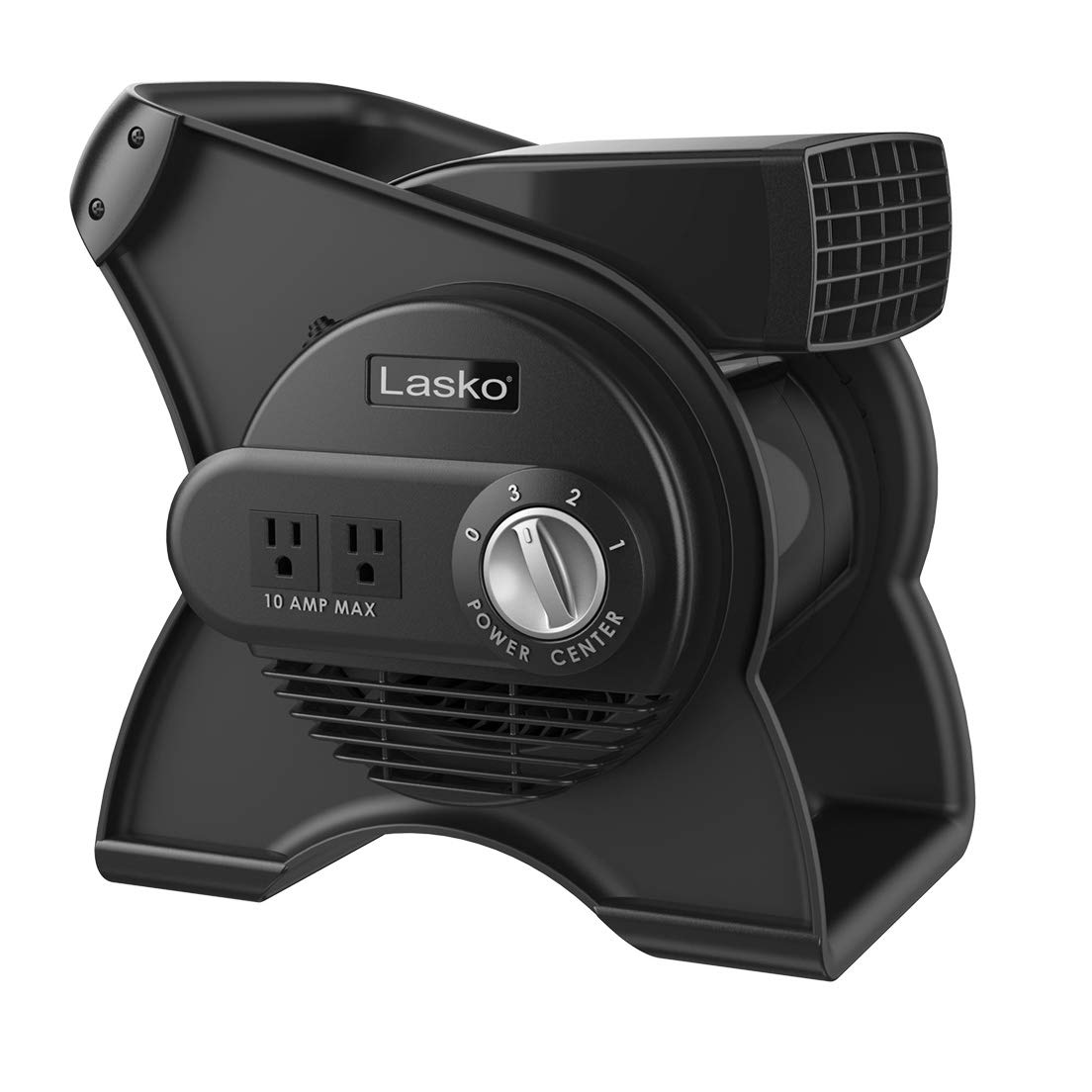
I use this compact Lasko when I want strong, targeted airflow in small rooms, basements, or to boost an air conditioner’s circulation.
Why I picked it: Powerful 289 CFM airflow in a small, easy-to-move package with safety features.
Best for: Small rooms, targeted cooling, and drying small wet spots or carpets.
Great value for a high-velocity utility fan.
Pros
- Strong airflow for its size
- Compact footprint fits tight spots
- 270-degree pivot for precise aiming
- Two grounded accessory outlets
- ETL listed with circuit breaker
Cons
- Can be loud at max speed
- Cord could be longer
- Mostly plastic housing
My take
I keep a Lasko U12104 on hand because it moves surprising amounts of air for its dimensions. When my bedroom was an oven despite the air conditioner, this fan circulated the cool air from the AC and made the room comfortable again — even on the lower speeds.
The unit arrives ready to go and weighs under eight pounds, so I carry it between rooms and point it exactly where I need airflow thanks to the pivoting head. The two accessory outlets are handy when I want to run a second small tool nearby, and the resettable circuit breaker feels like a thoughtful safety touch.
I’ll be honest: it isn’t whisper-quiet on the highest setting, but for drying carpet after the occasional spill or drying a sweaty garage during workouts, the trade-off is worth it. The footprint and 10-foot cord let me tuck it into tight spots where a larger fan wouldn’t fit.
2. Lasko U15617 15-inch High Velocity Fan – Best for Large Spaces
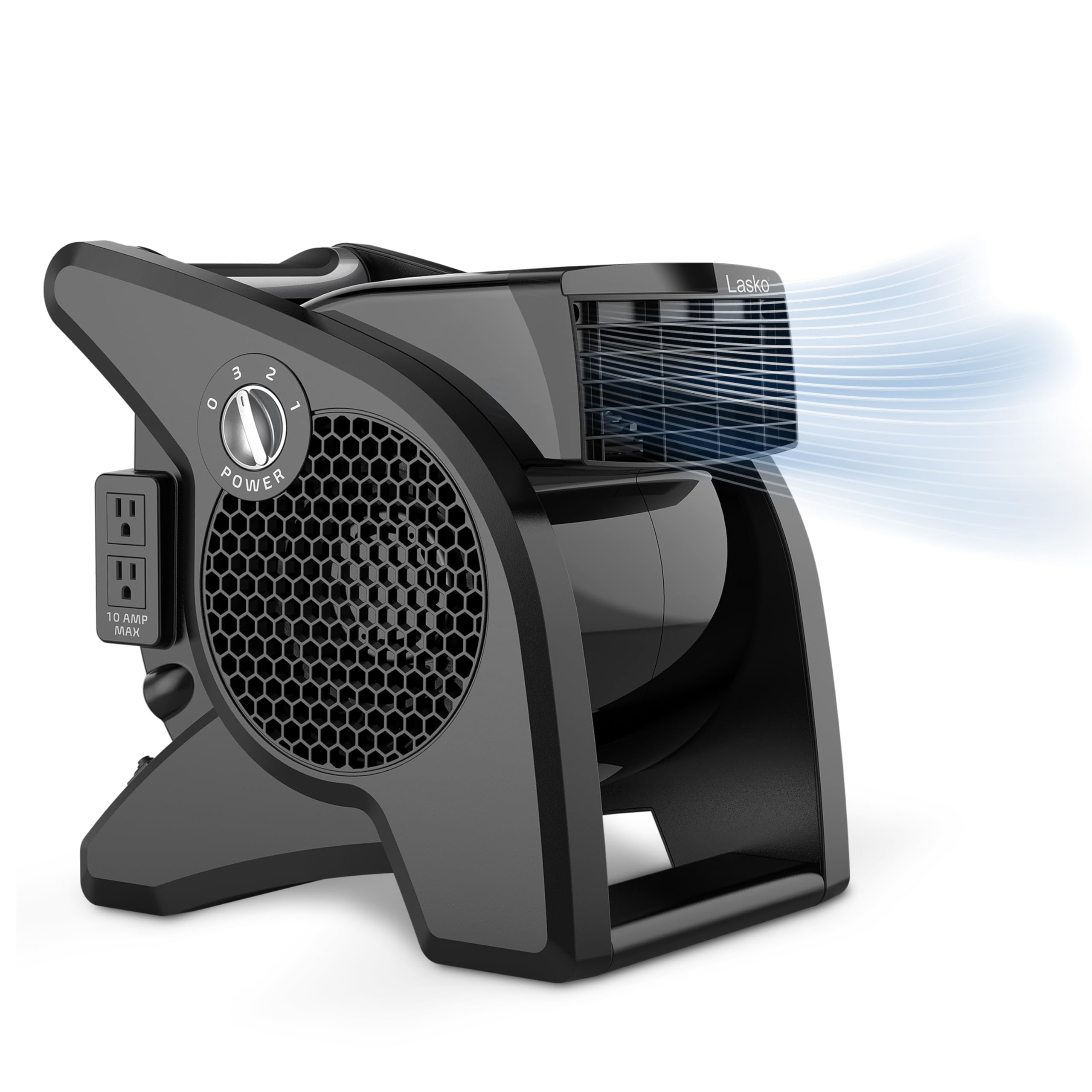
When I need real muscle — drying floors quickly or keeping a garage bearable — this Lasko’s higher airflow and rugged build are my go-to.
Why I picked it: Higher CFM and sturdier build make it the best choice for big rooms and heavy drying jobs.
Best for: Garages, gyms, large rooms, and fast drying of rugs and floors.
A bit pricier but worth it for bigger jobs.
Pros
- Very powerful airflow output
- Sturdy, durable construction
- Large handle for moving
- Two grounded accessory outlets
- Pivoting action for direction
Cons
- Air is quite directional
- Louder at top speed
- Heavier than smaller models
My take
This 15-inch Lasko is what I reach for when a small fan won’t cut it. During an HVAC failure I ran it nonstop to keep rooms usable; it pushed enough air to make a real difference and even dried a rug in a couple hours on a mid setting.
It’s built to take a little rough handling, and the pivoting housing lets me aim the stream where I want it — great for drying a specific patch of floor or blowing across a workbench. The two AC outlets and the resettable breaker are useful when I’m running multiple tools.
Expect a focused beam of air rather than a broad, room-filling breeze. That concentrated stream is perfect for targeted drying and workshop use, but if you want soft, even circulation across a whole living room a different style of fan will work better.
3. XPOWER P-80A Mini Mighty Air Mover – Best for Spot Drying
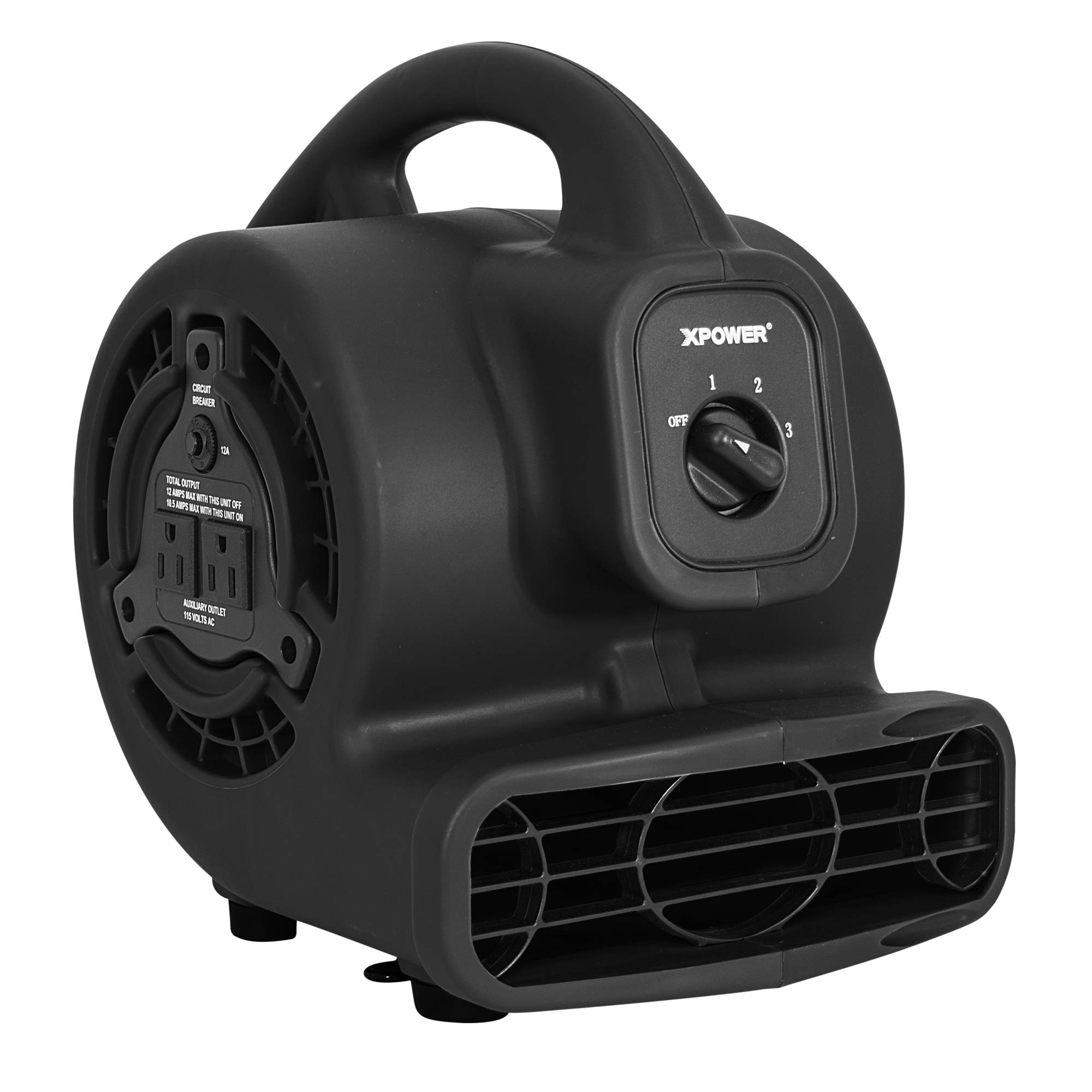
I recommend this XPOWER when I need intense, energy-efficient spot drying in crawlspaces, under cabinets, or for small flood jobs.
Why I picked it: Exceptionally high output for its size and very energy efficient.
Best for: Crawlspaces, carpets, spot drying, and tight ventilation tasks.
Mid-range option with pro-level performance.
Pros
- Up to 600 CFM for its footprint
- Energy-efficient motor
- Stackable for storage
- Multiple tilt positions
- Daisy-chain capability
Cons
- Noticeable noise on high
- Small for very large jobs
My take
The XPOWER P-80A surprised me with how much air it throws despite being compact. I used one to speed-dry damp carpets and ran another in a crawlspace for a month while remediating water intrusion — it kept running without obvious vibration or failure.
Its centrifugal design focuses airflow for faster surface drying, and the low current draw means I could run units together without overloading a circuit. The stackable body and cord-wrap make it easy to store once the job is done.
If your task is an entire house or a large open area, you’ll need something bigger. For targeted drying and ventilation in tight spaces, though, this is one of the most practical units I’ve used.
4. Buqikma Rechargeable Mini Lash Fan – Best for Lash & Nail Techs
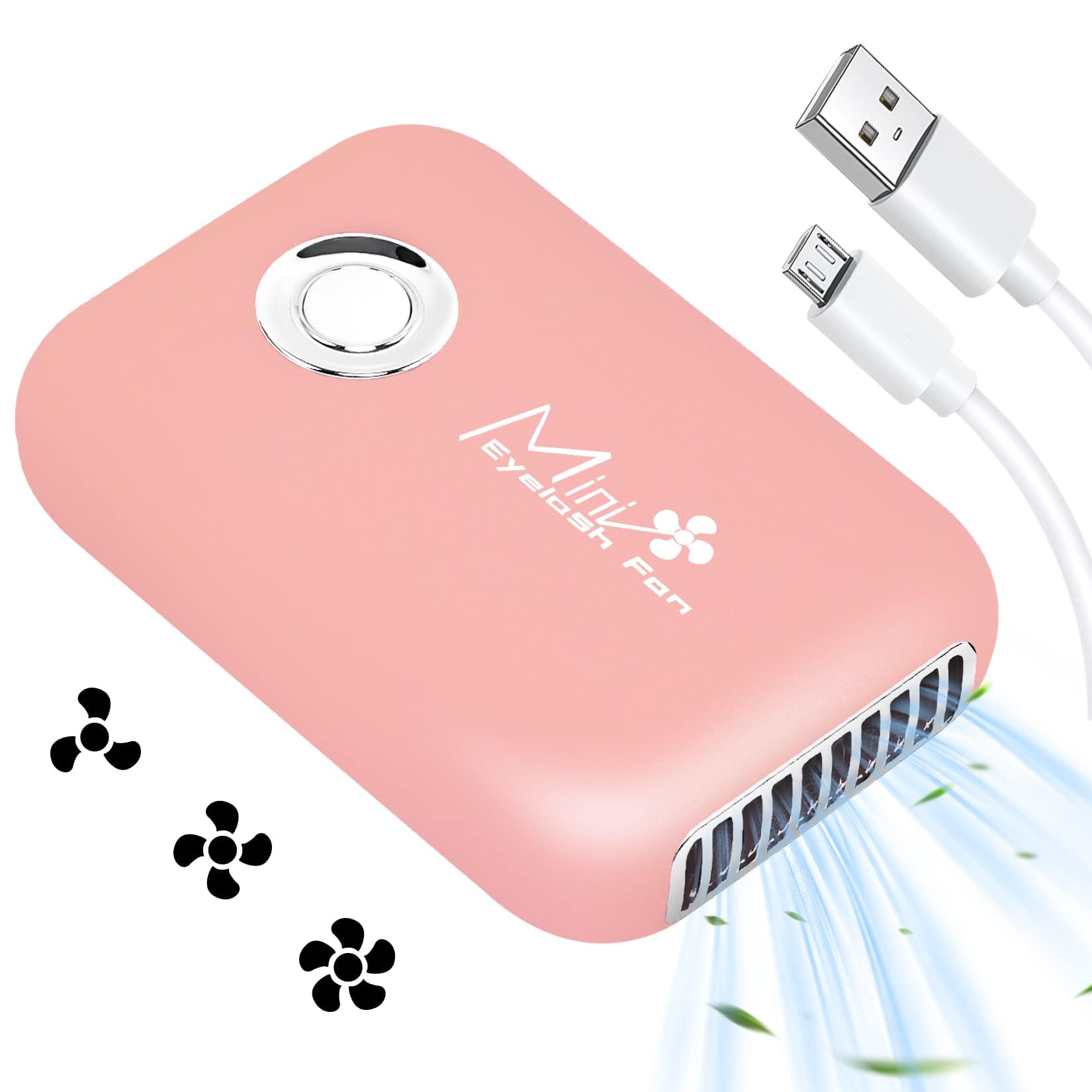
I keep this tiny rechargeable fan in my kit for eyelash and nail work; it’s compact, quiet, and exactly what you need for quick drying.
Why I picked it: Rechargeable, three speeds, and a stable T-stand designed for close-up drying.
Best for: Eyelash extensions, nail polish drying, and personal cooling on the go.
Very affordable, pocket-friendly gadget.
Pros
- Rechargeable via USB
- Three adjustable speeds
- Stable T-shaped desktop stand
- Lightweight and portable
- Good low-speed runtime
Cons
- Air is focused in the center
- Limited high-speed run time
- Very small coverage area
My take
I was skeptical about a tiny lash fan until I started using this Buqikma unit during lash appointments and while doing my own nails. It dries adhesives and polish faster than waiting, and the medium speed is my sweet spot for quick drying without disturbing delicate lash placement.
It charges from USB and holds a charge long enough for multiple appointments. The T-stand is steady on a tabletop, and at low settings the noise is minimal. For travel, quick touch-ups, or a tech’s kit, this is a surprisingly useful little tool.
Don’t expect to cool a room with it — the airflow is concentrated and intended for close-up work. For that purpose, though, it’s exactly what I want.
How I Choose Blower Fans
Key specs I check first
I always start with airflow (CFM) and the fan’s intended use. High CFM is essential for fast drying and ventilating large spaces; lower CFM in a compact unit can still be very effective for targeted spot drying.
Next I look at power draw and efficiency — lower amps with high airflow mean I can run multiple units without tripping circuits. Safety certifications like ETL/CETL and features such as resettable breakers matter when I’m running equipment for hours.
- CFM: higher numbers for big areas or fast drying
- Amps/wattage: lower draw is better for chaining units
- Certifications: ETL/CETL for peace of mind
- Extras: pivoting heads, daisy-chain outlets, stackability
Form factor and portability
I prefer lightweight, compact units for crawlspaces and intermittent jobs, and heavier, sturdier fans for workshops and long-duration drying. Handles, stackable designs, and cord length are practical details that change how much I use a fan.
If I plan to move a fan around the house regularly, a manageable weight and a reliable handle make a huge difference.
- Weight: under 8–10 lbs is easy to carry
- Cord length: at least 10 feet is ideal
- Storage: stackable or compact body saves space
Noise vs. performance
I accept some noise for high-power drying jobs, but for bedrooms and salons I prioritize quieter operation. Centrifugal and high-velocity fans can be loud at full power, so I pick the speed that balances airflow and acceptable noise for the job.
Rechargeable personal fans should be quiet at low speeds so they don’t disturb clients or sleep.
- Use lower speeds for sleeping or salon settings
- Reserve high speeds for drying or ventilating tasks
Useful features I value
Accessory outlets and daisy-chain capability let me run multiple units from a single wall plug — invaluable during big jobs. Pivoting heads help aim airflow precisely, and built-in breakers protect circuits when daisy-chaining.
Rechargeable fans and stable stands are must-haves for beauty techs.
- Daisy-chain outlets for multi-unit setups
- Pivoting heads for directional airflow
- Rechargeable options for portability
- Stable stands for close-up use
Frequently Asked Questions
Can I use multiple blower fans on one circuit?
I do this frequently, but I first check each unit’s amperage. Choose energy-efficient fans or daisy-chain models with built-in protection, and avoid overloading the circuit by keeping total amps below the circuit rating.
Are these fans safe to run for long periods?
Yes — many models are ETL/CETL listed and have thermal protection or resettable breakers. I still give units periodic breaks and ensure cords and plugs stay cool during long runs.
Which fan type dries carpets faster, axial or centrifugal?
For surface drying I prefer centrifugal-style air movers because their focused airflow moves moisture from the surface quickly. For general circulation and larger spaces, a high-velocity axial fan often does a better job.
Final Take
I’ve used all of these fans in realistic scenarios, and each earns its place depending on the task: the Lasko U12104 is my everyday, versatile go-to; the Lasko U15617 handles big jobs; the XPOWER P-80A is my compact spot-drying workhorse; and the Buqikma mini fan is indispensible for lash and nail work.
Pick based on the size of the area you’re treating and whether portability, run time, or raw airflow matters most. In my experience, matching the fan to the job produces the fastest, most reliable results.
