
I tested modular wire cubes and several mesh zipper pouch packs to find practical, affordable ways to store board games, components, and puzzles. Here are the solutions I use to keep boxes, tokens, and loose pieces tidy.
I’ve spent weeks sorting my collection of board games, puzzles, and classroom manipulatives into everything from wire cubes to color-coded mesh pouches. The goal was simple: quick access, clear visibility, and protection for small components.
In this roundup I compare a heavy-duty modular cube system and three different mesh-zipper pouch packs. I focused on fit for common game boxes, durability of zippers and connectors, and how each option performs when I actually assemble, carry, and store components.
If I need visible, shelf-style storage for boxed games I reach for the Amazon Basics wire cubes. For sorting components, rulebooks, and small games I prefer the mesh pouches — I pick the EOOUT letter/A4 set when I want color coding, the JARLINK set when I need lots of sizes, and the EOOUT 6×9 bulk pack when I need many small bags for classroom or party prep.
1. Amazon Basics 6-Cube Wire Grid Organizer – Best Overall
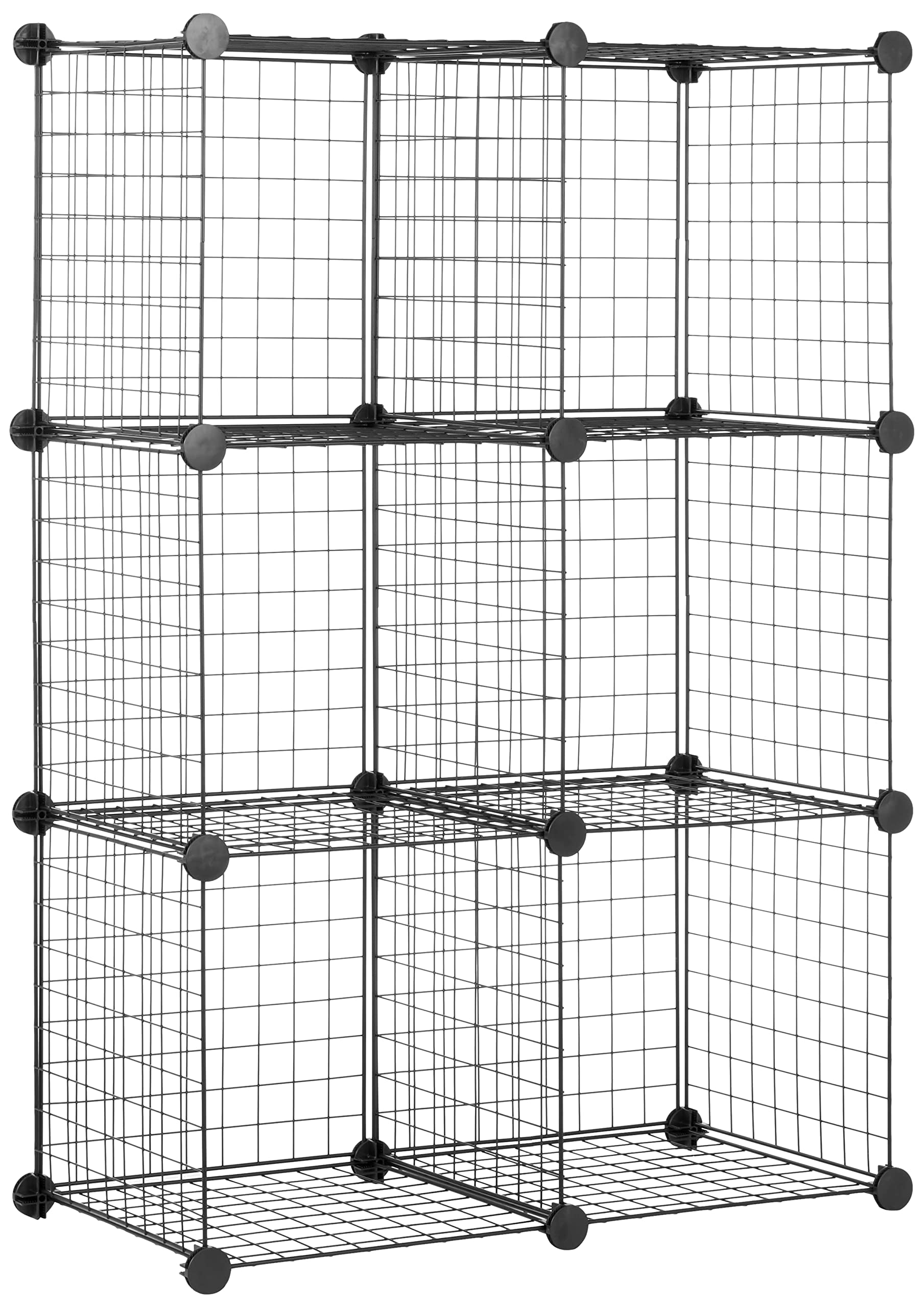
A modular, all-metal six-cube system that stacks and reconfigures to create display shelving and cubby storage for medium-sized game boxes and accessory bins.
Why I picked it: Flexible stacking and 14-inch cubes that handle boxed games and component bins.
Best for: Storing medium game boxes, component tubs, and visible shelf displays.
Good value for a modular, heavy-duty shelving solution.
Pros
- Highly modular layout options
- Solid powder-coated steel wire
- Easy tool-free assembly
- Open design for visibility
- Reasonable weight capacity per cube
Cons
- Included corner connectors can feel flimsy
- Assembly is time-consuming for multiple sets
- Shelves can bow under too much weight
My take
I assembled multiple sets of these wire cubes to build shelving for my game room and a small retail display. The panels are powder-coated steel and feel surprisingly sturdy once zip-tied or secured.
Each cube is 14 × 14 × 14 inches, which fits most medium game boxes and small plastic bins I use for tokens and cards. The modular grid layout let me stack vertically or spread horizontally to match the wall space I had.
The package includes plastic corner connectors and all the panels needed for a six-cube layout. In practice I reinforced many of the joints with heavy-duty cable ties to stop the occasional connector from popping loose — that extra step made the structure feel rock-solid.
Weight capacity is modest per cube, so I avoid piling very heavy boxed games on a single shelf. For loose pieces I use small bins inside the cubes so pieces don’t fall through the wire grid. When I need visible, reconfigurable shelving that won’t break the bank, this is my go-to option.
2. EOOUT Mesh Zipper Pouch (Letter/A4) — 16-Pack – Best for Color Coding
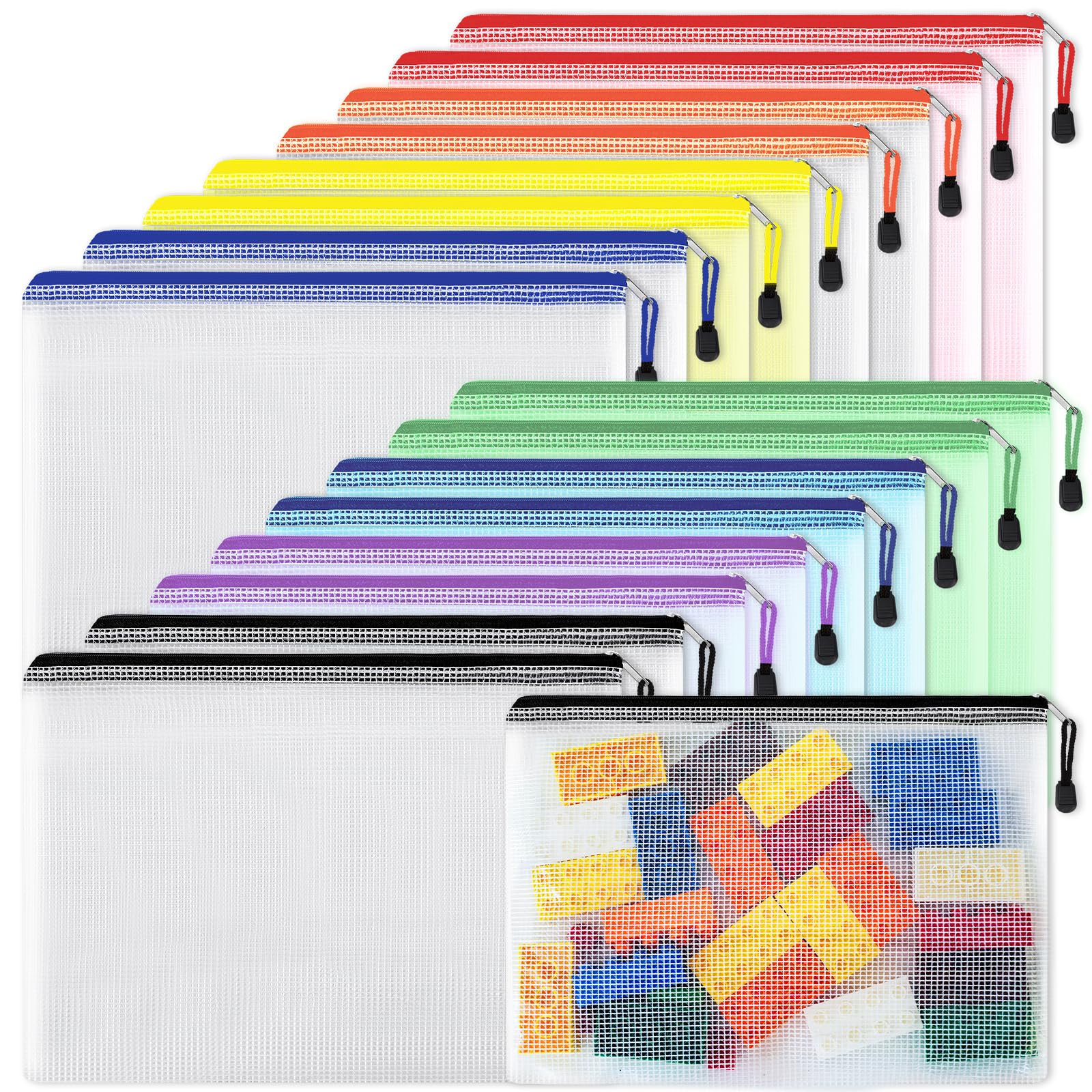
A 16-piece pack of A4/letter-size translucent mesh pouches in eight colors that I use to color-code rulebooks, puzzle pieces, and medium components.
Why I picked it: Letter/A4 sizing with vibrant colors makes color-coding quick and intuitive.
Best for: Rulebooks, puzzle pieces, and medium-sized component kits.
Very affordable for a color-coded pouch set.
Pros
- Large letter/A4 size
- Translucent mesh for quick ID
- Smooth metal zipper
- Eight colors for coding
- Water-resistant material
Cons
- Zipper end caps can be fragile
- Not fully submersible despite water-resistant claims
My take
I keep a stack of these A4-size pouches for rulebooks, card sleeves, and medium puzzle pieces. The size is generous enough to hold an instruction booklet plus a small bag of tokens.
The translucent mesh lets me identify contents at a glance while preserving some privacy. The set comes in eight colors, which I use to assign colors to game categories or player-component sets.
The PVC mesh feels robust and the metal zippers usually run smoothly. I did see one zipper pull lose its plastic end on first use, so I treat them as durable-but-not-indestructible. They’re water-resistant enough to stop spills from soaking contents, but I don’t rely on them for waterproof storage in heavy rain.
For travel I appreciate that the pouches fold flat and take almost no space in a bag, and for home organization they make it easy to separate token packs and loose components so nothing gets mixed up.
3. JARLINK Mesh Zipper Pouch — 18-Pack Assorted Sizes – Best Variety
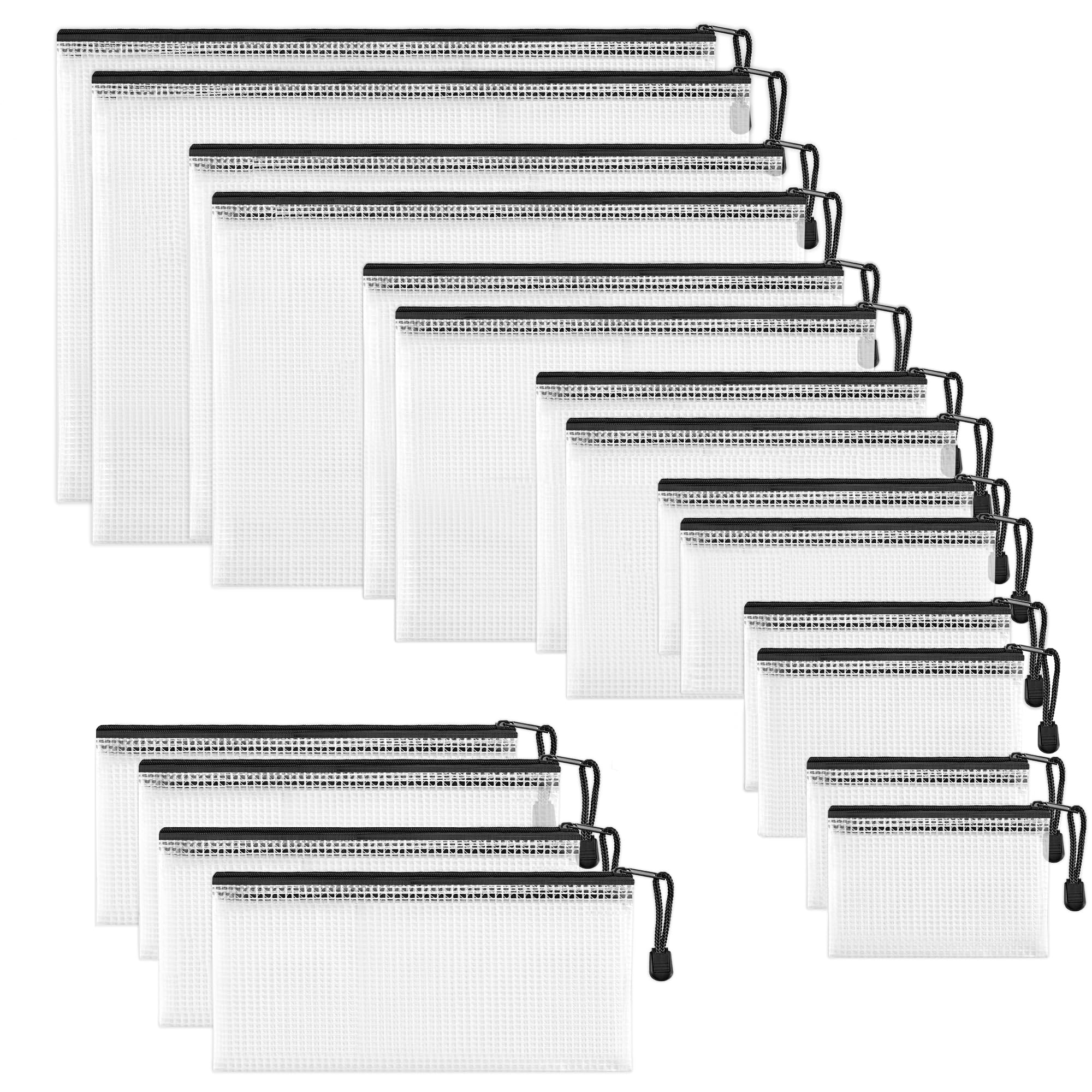
An 18-piece set with eight sizes, including larger B4 and A4 pouches, giving me the most flexibility for odd-sized components and travel kits.
Why I picked it: Assorted sizes cover everything from cards to large puzzle sections.
Best for: Mixed collections, travel kits, and small-parts organization.
Great value for a wide assortment of sizes.
Pros
- Wide range of sizes
- Transparent design for quick checks
- Sturdy mesh PVC construction
- Metal zippers with color pulls
- Includes labels in some packs
Cons
- Quality can vary between pouches
- A few zippers feel less robust
My take
I reach for the JARLINK set when I need flexibility. Two B4 and two A4 pouches handle rulebooks and larger components, while the smaller sizes are perfect for cards, dice, and small tokens.
The mesh is flexible but substantial, and the transparency makes finding components quick without opening everything. The assorted sizes let me build travel kits — phone charger, dice, a small game — all in separate pouches.
Some packs include labels, which I found handy for long-term storage. A few users (and my own experience) show occasional zipper issues, so I rotate bags in higher-use roles and reserve the most durable pouches for frequent handling.
Overall, the assortment is my favorite when a single size won’t cut it and I need an organized system that scales from tiny parts to larger sheets and booklets.
4. EOOUT Mesh Zipper Pouch (6×9) — 36-Pack – Best Bulk Pack
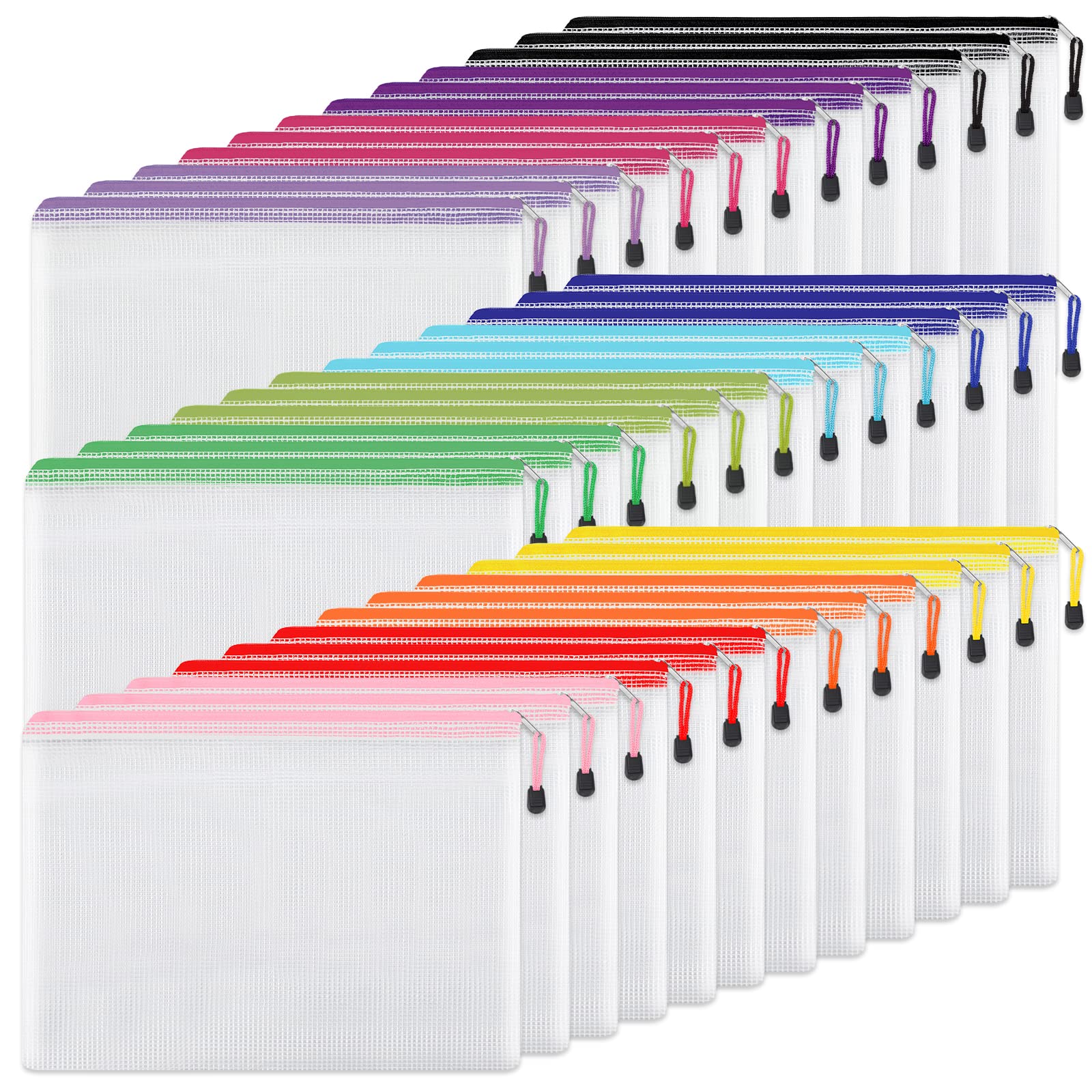
A large 36-piece pack of 6×9 mesh pouches in a dozen colors that I use when I need many small bags for classroom sets, party favors, or component sorting.
Why I picked it: Huge count and kid-friendly size for classrooms and bulk organization.
Best for: Classroom manipulatives, small game components, and party or craft sets.
Bulk-friendly price per pouch for large projects.
Pros
- Large quantity of pouches
- 12 colors for easy grouping
- Kid-friendly zipper operation
- Durable PVC material
- Translucent while preserving privacy
Cons
- Zippers can wear under heavy classroom use
- 6×9 size is too small for large game boxes
My take
I bought this 36-pack to outfit a classroom and to prep dozens of party favor kits. The 6 × 9 size is perfect for small component sets, mini-puzzles, card decks, and snack bags.
The colors make it fast to sort teams, player pieces, or different activity types. The material cleans easily and stands up to frequent handling by kids; zippers are generally easy for small hands to operate.
A few zippers have failed after extended heavy use in a classroom environment, so I keep a handful of spares for replacement. For large boxed games I still use the wire cube shelving, but for bulk organization of small stuff these pouches are the most practical choice I own.
How I Choose Board Game Storage
Size and fit
I always measure the largest item I plan to store before buying pouches or cubes. Many modern board games have oversized components that won’t fit into small zip pouches, so check box and component dimensions first.
For shelf storage I consider cube internal dimensions — 14-inch cubes fit most medium boxes, but I wouldn’t try to squeeze oversized collector’s editions into them.
- Measure rulebooks, trays, and largest game box before purchasing bags.
- Match pouch size to component size (cards vs. large tiles).
- Use bins inside wire cubes for small loose pieces.
Materials and durability
I prefer PVC mesh with metal zippers for a balance of flexibility and longevity. Cloth zippers and flimsy plastic pulls are more likely to fail under heavy use.
For structural shelving, powder-coated steel wire panels are tough but corners can loosen; I often reinforce with cable ties for long-term stability.
- Look for metal zipper pulls and thick mesh PVC.
- Reinforce modular grid connectors if you expect heavy use.
- Avoid relying on water-resistant claims for submersion—zipper areas are the weak point.
Organization strategy
I use color coding for quick identification: one color per game, player, or component type. That simple system saves time during setup and cleanup.
Combine systems: wire cubes for boxed storage and pouches for loose components inside those boxes or in a separate bin.
- Assign colors to players or game categories.
- Keep small parts in labeled pouches inside larger boxes.
- Buy a few extra pouches to replace worn ones.
Frequently Asked Questions
Can I store large board game boxes in the 14-inch wire cubes?
I fit most standard medium boxes in a 14-inch cube but oversized or collector editions may not fit. If you have large boxes, I recommend measuring first or using multiple cubes side-by-side.
Are the mesh pouches waterproof?
I find the PVC mesh water-resistant and fine for splashes, but the zipper area isn’t fully sealed—so I wouldn’t depend on them for submersion or heavy rain protection.
How do I prevent wire-cube connectors from popping loose?
I reinforce the plastic connectors with heavy-duty cable ties or zip ties. That simple fix locked everything in place and prevented the occasional panel from working loose during handling.
Final Take
I keep both systems in rotation: the wire cubes when I want visible, modular shelving for boxed games, and mesh pouches for sorting components, rulebooks, and travel kits.
If I had to pick one versatile kit for mixed needs, the JARLINK assortment covers the widest range of component sizes. For bulk kid-friendly organization the EOOUT 6×9 36-pack is unmatched, and the Amazon Basics cubes are the most practical solution when shelf-style storage is the priority.
Whichever option I choose, I always measure components, reinforce high-use joins, and color-code for faster setup and cleanup.
