
I tested five canning jars and a jar lifter so you can pick the right jar for canning, sourdough, bulk dry storage, or everyday meal prep. I focus on seal reliability, glass thickness, mouth size, and real-world use.
I work through a lot of home-preserved food, sourdough starters, and bulk pantry ingredients, so I value jars that actually perform in the kitchen.
In this roundup I compare versatile mason jars, elegant Weck tulips, large square storage jars, and the simple jar lifter I always use when canning.
My goal here is practical: help you choose the right jar for preserving, freezing, fermenting, or pantry organization based on how they handle real use.
I organized these picks by what I reach for most: everyday canning, sourdough, bulk dry storage, classic regular-mouth uses, and the canning tool I never forget.
1. SEWANTA Wide-Mouth 16 oz Mason Jars – Best Overall
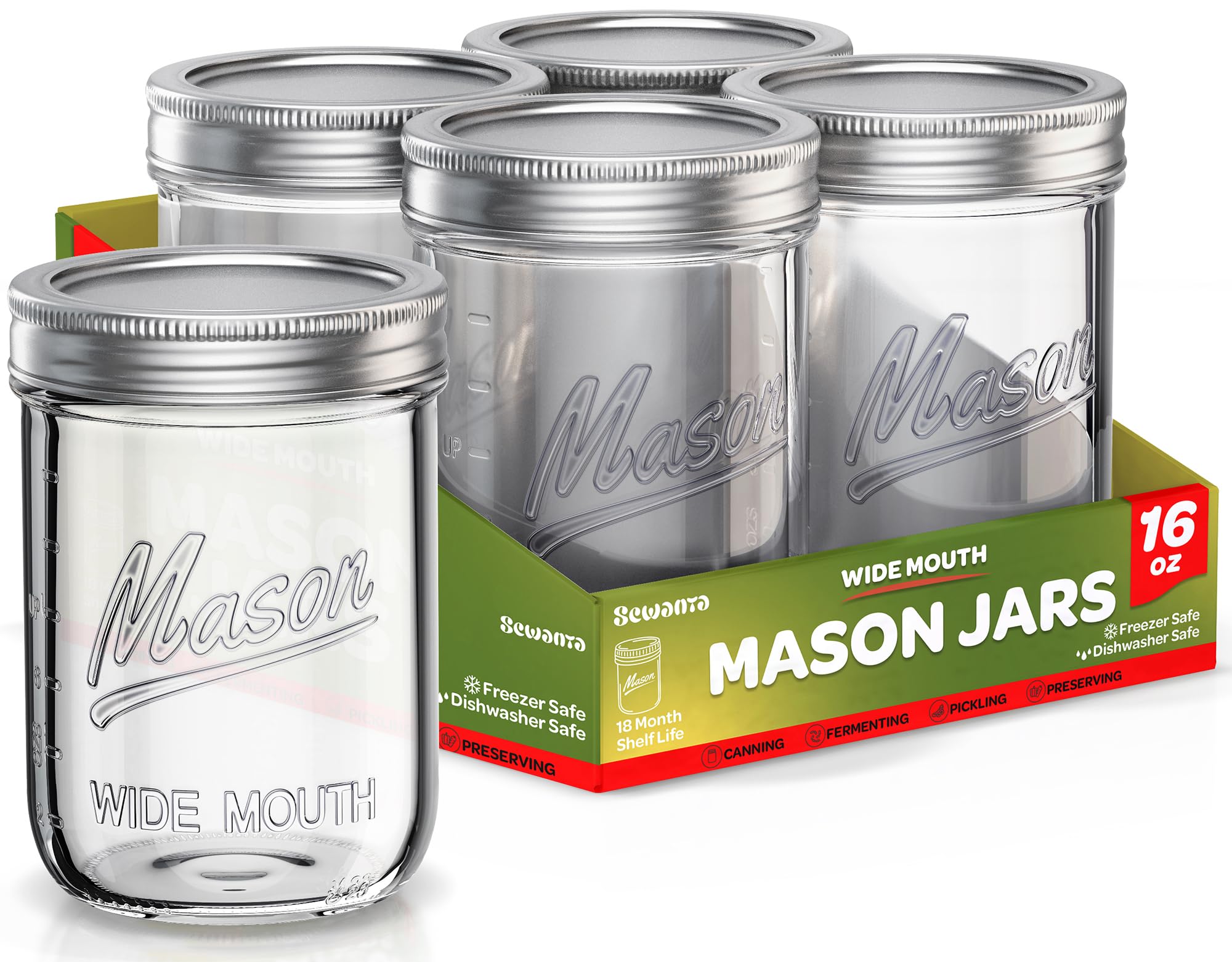
A versatile 5-pack I use for canning, freezing, meal prep, and DIY serving; wide mouth and embossed measurements make them practical.
Why I picked it: Wide mouth, embossed measurements, heat-tempered glass, and dependable two-piece lids for everyday canning and freezing.
Best for: Meal prep, small-batch canning, freezing soups, overnight oats, and crafts.
An affordable, multi-purpose 5-pack that balances quality and value.
Pros
- Wide mouth for easy filling and scooping
- Embossed measurement marks and label line
- Dishwasher and microwave safe
- Heat-tempered for water-bath canning
- Versatile for decor and serving
Cons
- Lids can dent if handled roughly
- Not intended for heavy commercial canning
My take
These 16-ounce jars are my go-to whenever I need a reliable, usable jar that does a little bit of everything. The wide mouth makes filling soups, scooping ice cream, and washing the jar painless compared with regular-mouth styles.
I appreciate the embossed measurement marks and the label line — they make portioning and rotating contents simple during busy prep days. The glass is heat-tempered, so I’ve used them in a water-bath canner and in the microwave without incident.
For freezing I follow the guidance to leave headspace (I typically fill to about 12 ounces) and the lids form a solid seal for fridge and freezer storage. I’ve stored bone broth and soups for weeks without leakage when sealed correctly.
They’re also sturdy enough for serving and crafts; I use a few for party drinks and one for overnight oats. All told, they’re the best all-purpose mason jars I reach for most.
2. Weck Tulip 1L Glass Jars – Best for Sourdough
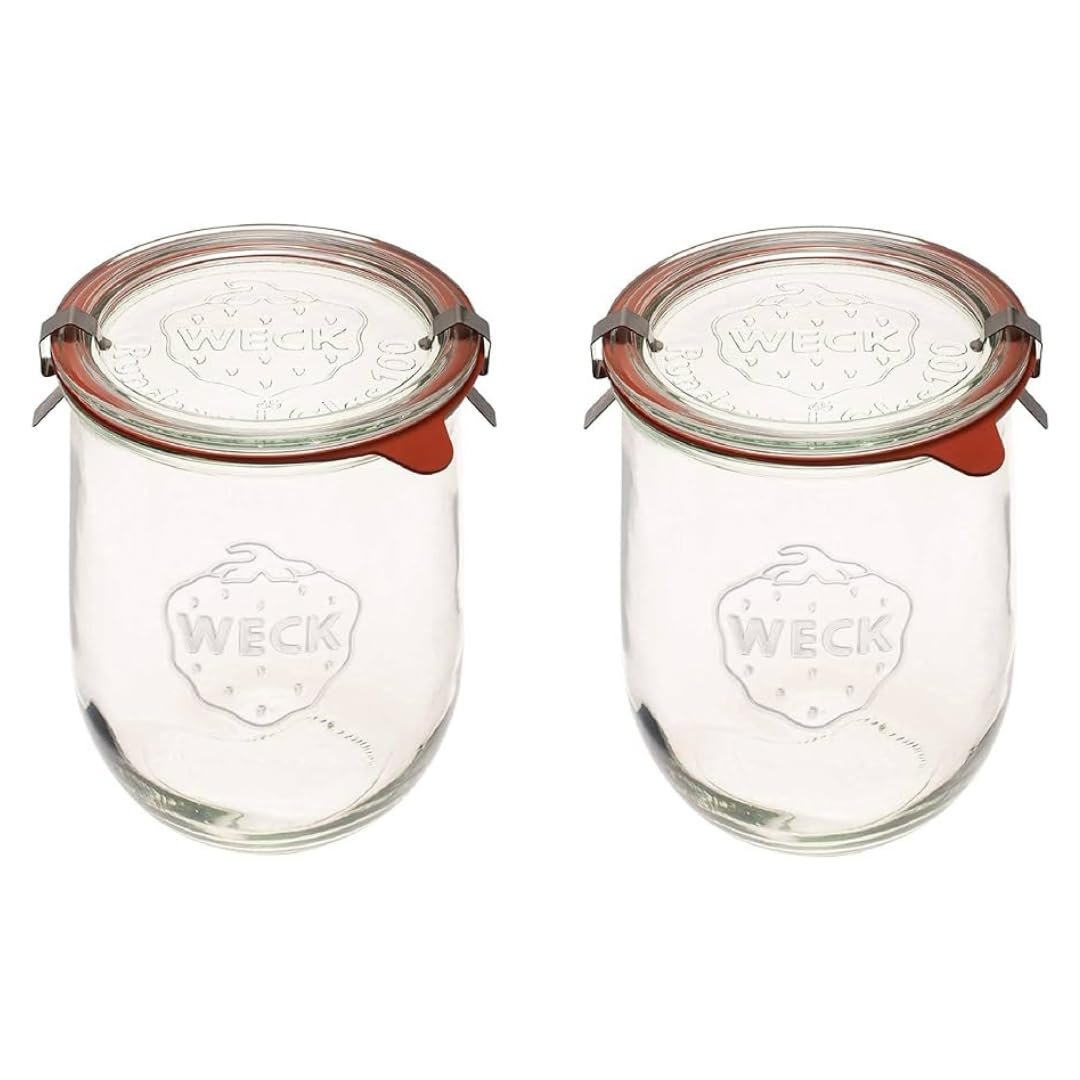
A thick, elegant 1-liter jar I prefer for sourdough starters and counter storage — glass lid plus gasket and clips give flexible sealing options.
Why I picked it: Wide, smooth mouth and no ridges make scraping and feeding starters effortless; glass lid options support both airtight and vented setups.
Best for: Sourdough starters, countertop fermentation, and upscale kitchen storage.
A higher-end option I consider an investment for serious home bakers.
Pros
- Thick, sturdy glass
- Wide opening with no ridges
- Glass lid plus gasket and clips
- Attractive, counter-ready design
- Easy to clean
Cons
- Heavier when filled
- Overkill for casual, small jars-only users
My take
When I’m maintaining an active sourdough starter I reach for the Weck tulip. The wide, smooth mouth lets me stir and scrape the jar clean — a small thing that makes feeding and measuring far less messy.
I like that I can choose between a full airtight seal using the rubber gasket and metal clips, or the simple glass lid alone when I want a little airflow for fermentation. That flexibility is what sets these jars apart for baking tasks.
The glass feels solid and attractive on the counter, though the jars do get heavy once filled. For home bakers who keep starter active, these jars are worth the premium because they make handling and cleaning easier.
3. Ball Regular-Mouth 16 oz Mason Jars (12-pack) – Best Value Bulk Pack
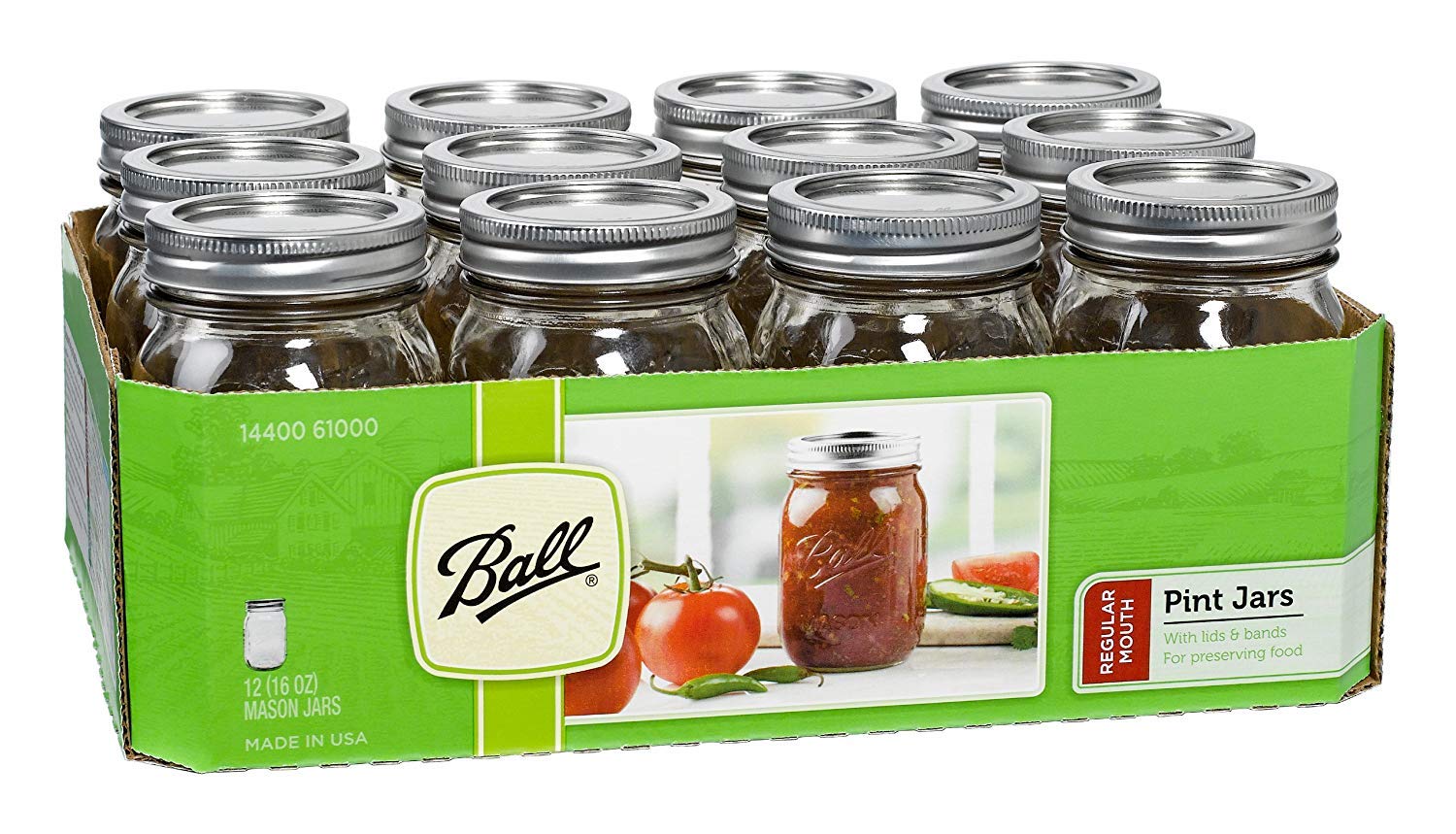
A classic bulk pack I use for jams, sauces, and storage — regular mouth works best for pourable preserves and pantry jars.
Why I picked it: Trusted, simple jars in a larger quantity suited to jellies, salsas, and bulk canning runs.
Best for: Jams, jellies, sauces, and bulk pantry organization.
A solid midrange choice that gives good value in larger quantities.
Pros
- Classic, reliable design
- Great for pourable foods
- BPA-free
- Large 12-count pack
Cons
- Regular mouth limits thick items
- Less versatile for scooping
My take
I keep a case of these Ball regular-mouth jars for anything that pours — jams, salsas, pie fillings, and tomato-based preserves. The regular mouth makes filling and pouring neater than a wide-mouth jar for those uses.
The lids form a tight seal and the jars are straightforward to clean and store. I’ve also used a few as simple centerpieces and pantry canisters because they’re clear and unobtrusive.
If you need something for scooping or thick mixes, choose a wide-mouth option, but for pourable preserves and a dependable bulk supply, these Ball jars are what I reach for.
4. Norpro Canning Jar Lifter – Best Tool
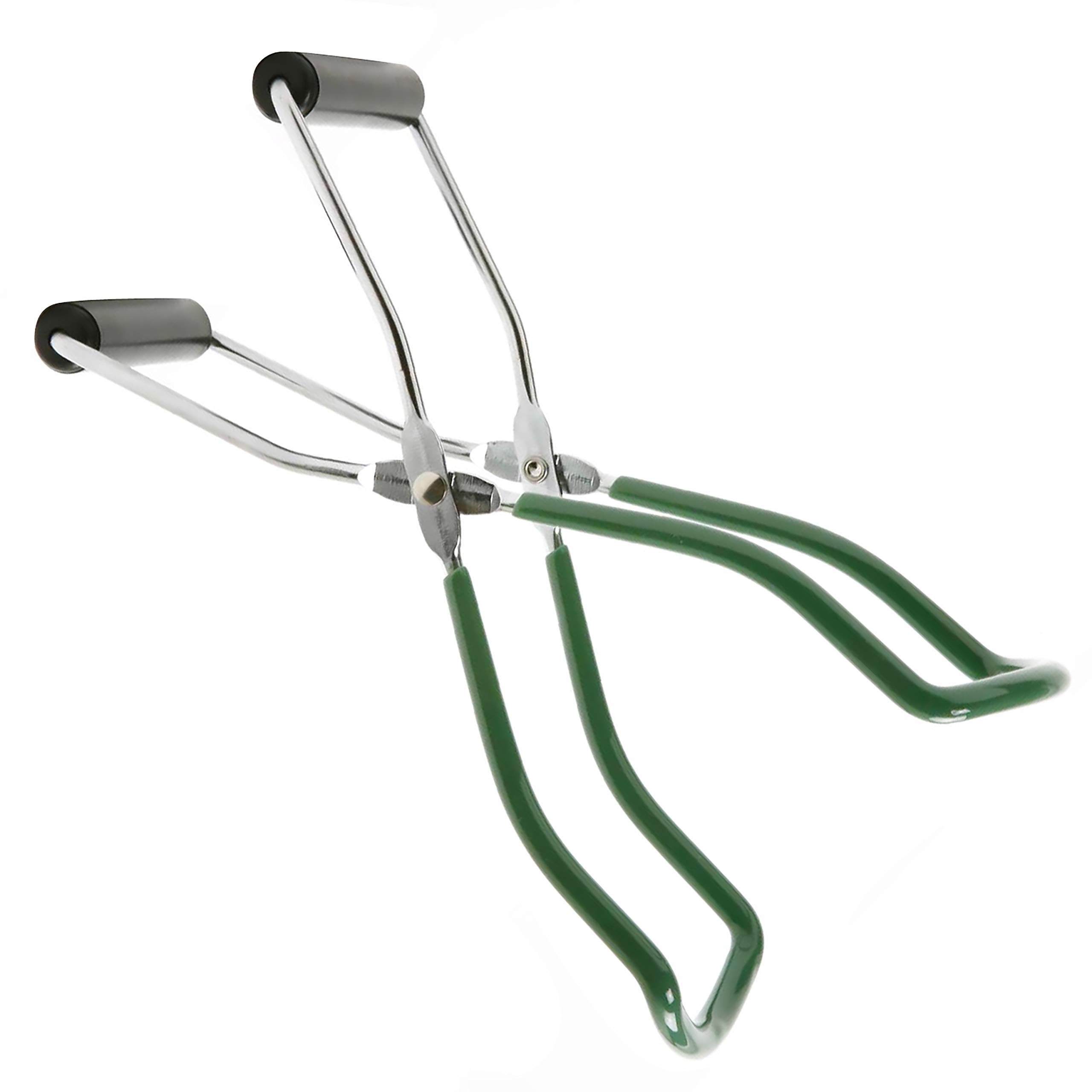
A small, inexpensive tool that made my canning safer and easier — vinyl-coated grips and a slim profile help me lift jars from boiling water.
Why I picked it: Keeps my hands away from boiling water and grips jar tops securely for safe transfers.
Best for: Water-bath canning and pressure canner use where safe lifting matters.
An inexpensive essential that I always include in my canning kit.
Pros
- Vinyl-coated grip reduces breakage
- Non-slip handle for control
- Slim profile fits between jars
- Lightweight and simple
Cons
- Half-pint jars can be squirrely
- Handles can be pried loose if forced
My take
Before I owned a jar lifter I used heat-resistant gloves and improvised tools — the Norpro lifter changed that. It lets me remove hot jars from a boiling canner without risking burns.
The vinyl-coated clamps hold the jar under the lid threads securely and the slim shape is a real benefit when jars are packed close together in a canner. I’ve used it with both wide- and regular-mouth jars and it gives me consistent control.
If you work with small half-pint jars you do need to make a confident grab to avoid them feeling 'squirrely,' but in normal use this is a cheap, reliable tool I recommend keeping in your canning drawer.
5. Square Super Wide-Mouth Airtight Glass Jars – Best for Bulk Storage
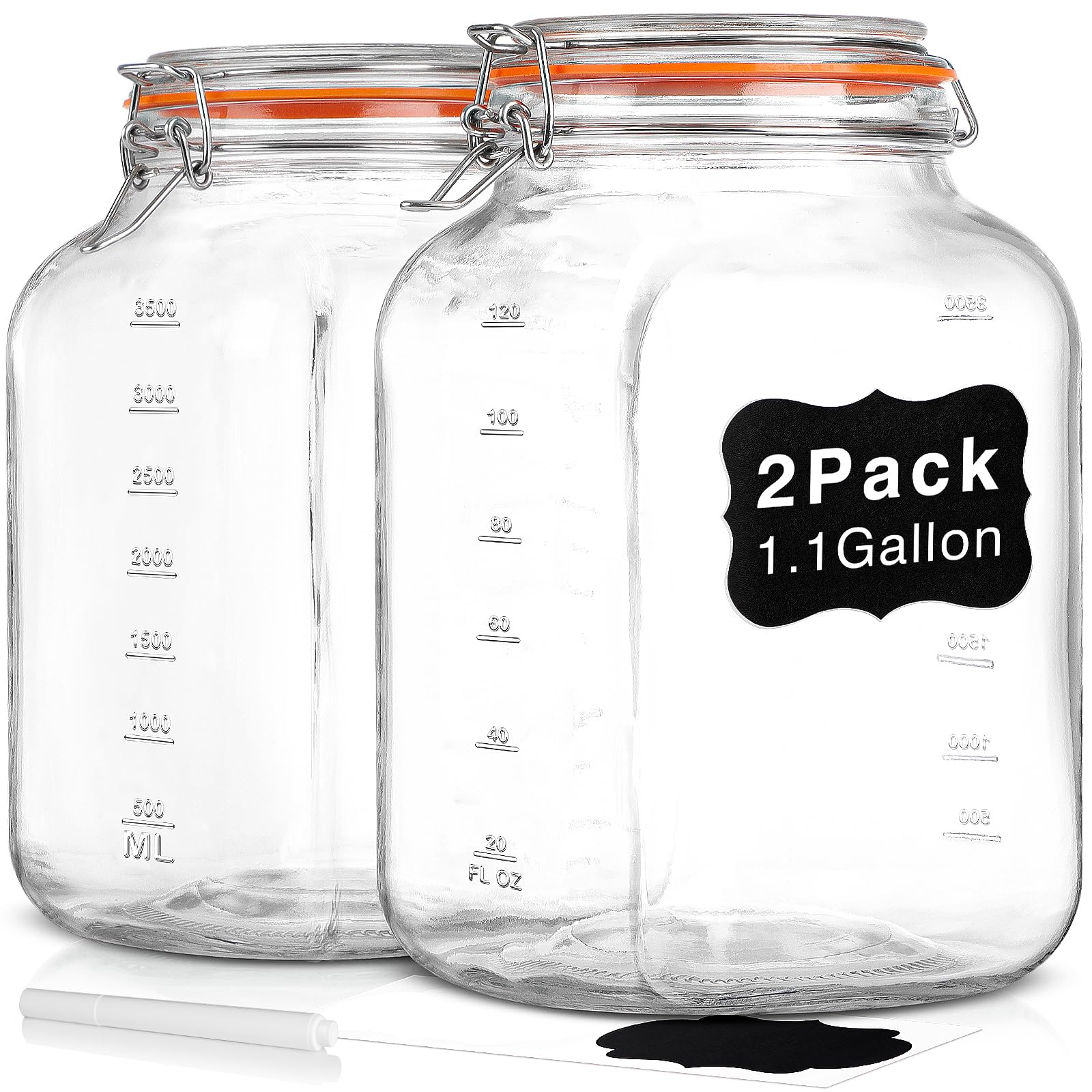
A pair of very large square jars I use for flour, grains, and bulk pantry storage — thick glass, hinged airtight lid, and measurement marks make them practical.
Why I picked it: Huge capacity, airtight hinge and gasket, and printed measurement marks for bulk pantry use.
Best for: Flour, grains, oats, and large-volume countertop storage.
A heavier-duty, larger-capacity option that costs more but replaces bulky buckets.
Pros
- Very large 4.2L capacity
- Hinged airtight lid with silicone gasket
- Printed measurement marks
- Thick, durable glass
- Includes spare gaskets
Cons
- Heavy when filled
- Takes more shelf space
My take
When I started milling my own flour I swapped one of these square jars in for a bulky bucket and never looked back. The 4.2-liter capacity holds a 5 lb bag of flour comfortably and the hinged lid seals tightly with the silicone gasket.
I like the printed tick marks for quick measuring and the thick glass feels very stable on the counter. The wide mouth makes scooping and cleaning easy, and extra gaskets in the box are a thoughtful touch.
These jars are heavier and take more shelf space than standard mason jars, but for dry bulk storage they’re a smarter, more attractive way to keep ingredients accessible.
How I Choose Canning Jars and Storage Containers
Mouth size and use case
I match the jar mouth to the job: wide-mouth jars for thick foods, scooping, and fermentation; regular-mouth jars for pourable jams and sauces.
When I’m preparing soups or scooping ice cream I reach for wide-mouth jars every time; for salsas and jellies the regular mouth is neater.
- Wide mouth = easier filling, scooping, and cleaning
- Regular mouth = better for pouring and sauces
- Consider how you’ll access the contents before choosing
Lids, seals, and fermenting
I look for the right lid for the job: two-piece metal lids for traditional canning, glass lids plus gaskets for flexible airtight or vented fermenting, and hinged silicone seals for pantry storage.
For sourdough and fermentation I appreciate the option to use a loose lid for venting or a gasket/clips setup for airtight storage.
- Two-piece lids are standard for water-bath canning
- Glass lid + gasket + clips work well for starters and fermenting
- Hinged silicone lids are great for dry goods storage
Glass quality and heat tolerance
I choose heat-tempered glass when I plan to water-bath can or pour hot liquids. Thicker glass gives a feeling of durability for countertop use and bulk storage.
If freezing, I leave extra headspace (the manufacturers often list recommended fill levels) and use jars intended for freezer use.
- Heat-tempered glass is safer for canning
- Thick glass reduces breakage risk
- Follow freeze headspace recommendations
Capacity and storage footprint
I balance jar capacity against shelf space. Large square jars save bag-and-bucket hassle for flour and grains, while 16-ounce jars are perfect for single-serve meals and preserves.
Think through how often you’ll refill a container, and choose a size that suits your workflow.
- Large jars reduce refilling frequency
- Smaller jars are easier to rotate and store
- Square jars save countertop space visually but are heavy
Accessories worth buying
I always keep a jar lifter, extra gaskets, and a set of labels and a marker on hand. A lifter makes canning far safer and spare gaskets extend the life of hinged lids.
Labels and markers let me track dates and contents quickly during busy preserving seasons.
- Jar lifter for safe handling
- Extra gaskets for hinged and clip-top jars
- Permanent or erasable labels for rotation
Frequently Asked Questions
Can I use these jars for water-bath canning?
Yes — I use heat-tempered mason jars (like the SEWANTA 16 oz and Ball jars) in a water-bath canner. For jars with glass lids and gaskets (Weck), I use the gasket and clips only when I need an airtight seal; otherwise I leave the lid slightly vented for fermentation. The large hinged airtight jars are designed for storage rather than traditional home canning.
Are these jars safe for freezing?
I freeze liquids in mason jars but leave headspace: for the 16-ounce seals I typically fill to the recommended level (about 12 ounces) to allow expansion. Thick glass jars handle freezing well if you give them adequate headspace and use freezer-safe lids.
How do I choose between two-piece lids and glass/gasket lids?
I use two-piece metal lids when I want a permanent canning seal for long-term shelf storage. For fermentation or sourdough I prefer glass lids with rubber gaskets and clips because I can control whether the jar is airtight or slightly vented.
Final Take
I recommend choosing the jar that matches how you work: SEWANTA for everyday canning and freezing, Weck for sourdough and elegant countertop storage, Ball for bulk preserves, and the square jars for flour and grains.
Don’t skip the Norpro jar lifter — it’s a cheap, effective safety upgrade that I never can a batch without.
Pick the mouth size, lid style, and capacity that fit your workflow, and you’ll find jars become one of the most useful tools in the kitchen.