
I tested cedar blocks, rings, balls, pheromone traps, and moth balls so you can protect wool, cashmere, and stored linens. Here are the options I reached for most often and when I use them.
I’ve spent months placing cedar pieces, pheromone traps, and moth balls across closets, drawers, suitcases, and storage bins to see what actually protects wool, cashmere, and stored textiles. I focused on scent longevity, ease of use, coverage, and how gentle each option is on delicate fabrics.
This roundup helps me decide between natural cedar formats (blocks, rings, balls, hang-ups), sticky pheromone traps, and chemical moth balls. I’ll show when I reach for each solution and how I refresh or replace them to keep moths and mustiness away.
I compared scent strength and longevity, piece types (hang-ups, rings, balls, blocks), ease of placement, whether sanding or refreshers are needed, and whether a product is a preventative (cedar) or an active-capture/kill option (pheromone traps, moth balls).
1. Cedar Space Aromatic Red Cedar Blocks – Best Overall
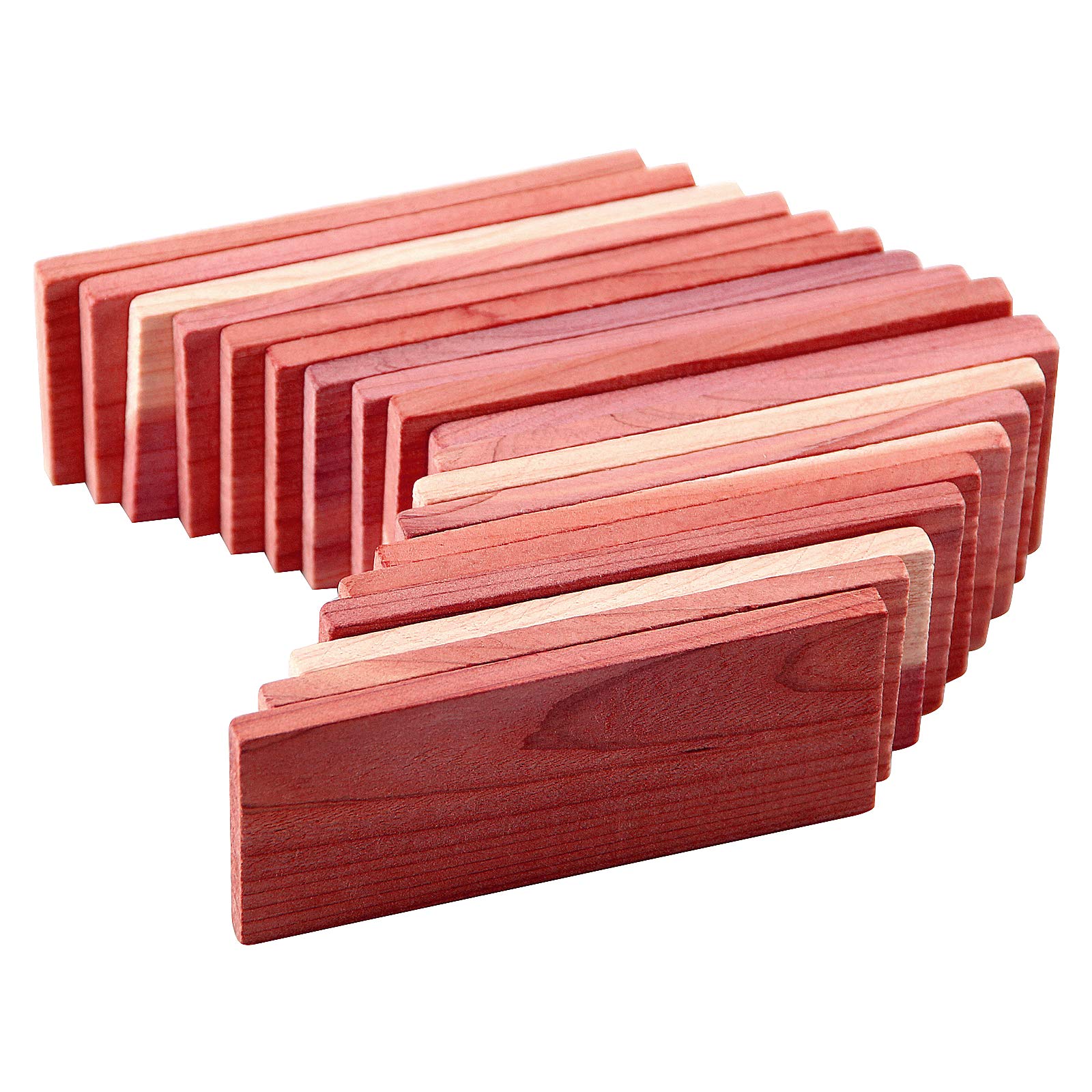
I liked these smooth, hand-polished red cedar blocks for drawer and tote use; they restore scent with light sanding.
Why I picked it: Versatile blocks that are gentle on delicate fabrics and refresh easily with sandpaper.
Best for: Drawers, small storage bags, and protecting cashmere or wool.
An affordable, no-frills cedar option.
Pros
- Smooth, hand-polished finish
- Scent restores with light sanding
- Safe on delicate fabrics
Cons
- Scent can be faint out of box
- No hanging hardware included
My take
I put these cedar blocks in several sweater drawers and a luggage tote to test how they handle close-contact storage. The finish is smooth enough that I never worried about snagging delicate knits, and when the scent faded I simply scuffed a surface with sandpaper to refresh the aroma.
The cedar oil scent is subtle at a distance but effective where it matters—right inside the drawer or bag. I appreciate how low-maintenance these are: no assembly, no chemicals, just natural wood. If you want something with an immediate punch, you’ll need to sand them first, but for everyday closet protection these struck a good balance between gentleness and functionality.
2. Homode Cedar Closet Assortment – Best Value
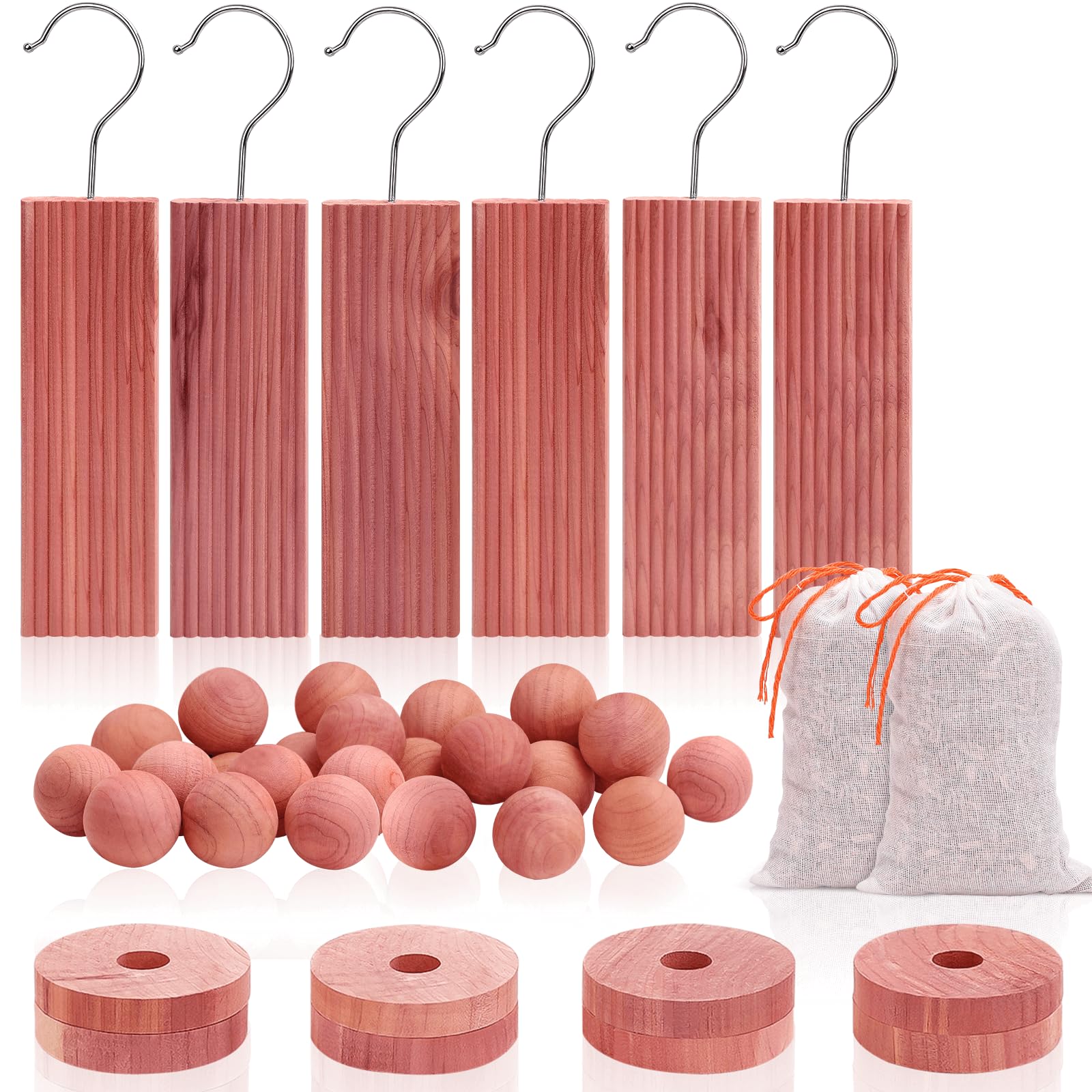
I reach for this mixed set when I need a variety of cedar formats—rings, balls, hang-ups, sachets—and a sanding stick to refresh them.
Why I picked it: Great assortment and a sandpaper refresher so I can customize placement.
Best for: Outfitting closets, drawers, shoe cabinets, and a pantry simultaneously.
Excellent value for the variety included.
Pros
- Large assortment of pieces
- Sandpaper included
- Ready to use out of the box
Cons
- Individual pieces can smell weak
- Scent needs time to build
My take
I spread these out across a pantry, a mudroom shoe cabinet, and multiple closets to see how the different formats perform. The rings are my go-to for hangers, while the balls and sachets sit neatly in drawers. The sandpaper that comes with the pack is essential: I used it right away on several pieces to wake the oils up.
It took a couple of weeks for the cedar aroma to build up enough to feel like a deterrent in the pantry, but once it did I stopped seeing activity in the places I treated. For someone who wants one box to cover a lot of small spaces, this assortment saves me having to try multiple single-format packs.
3. ACMETOP Cedar Rings & Balls 31-Pack – Best for Hangers
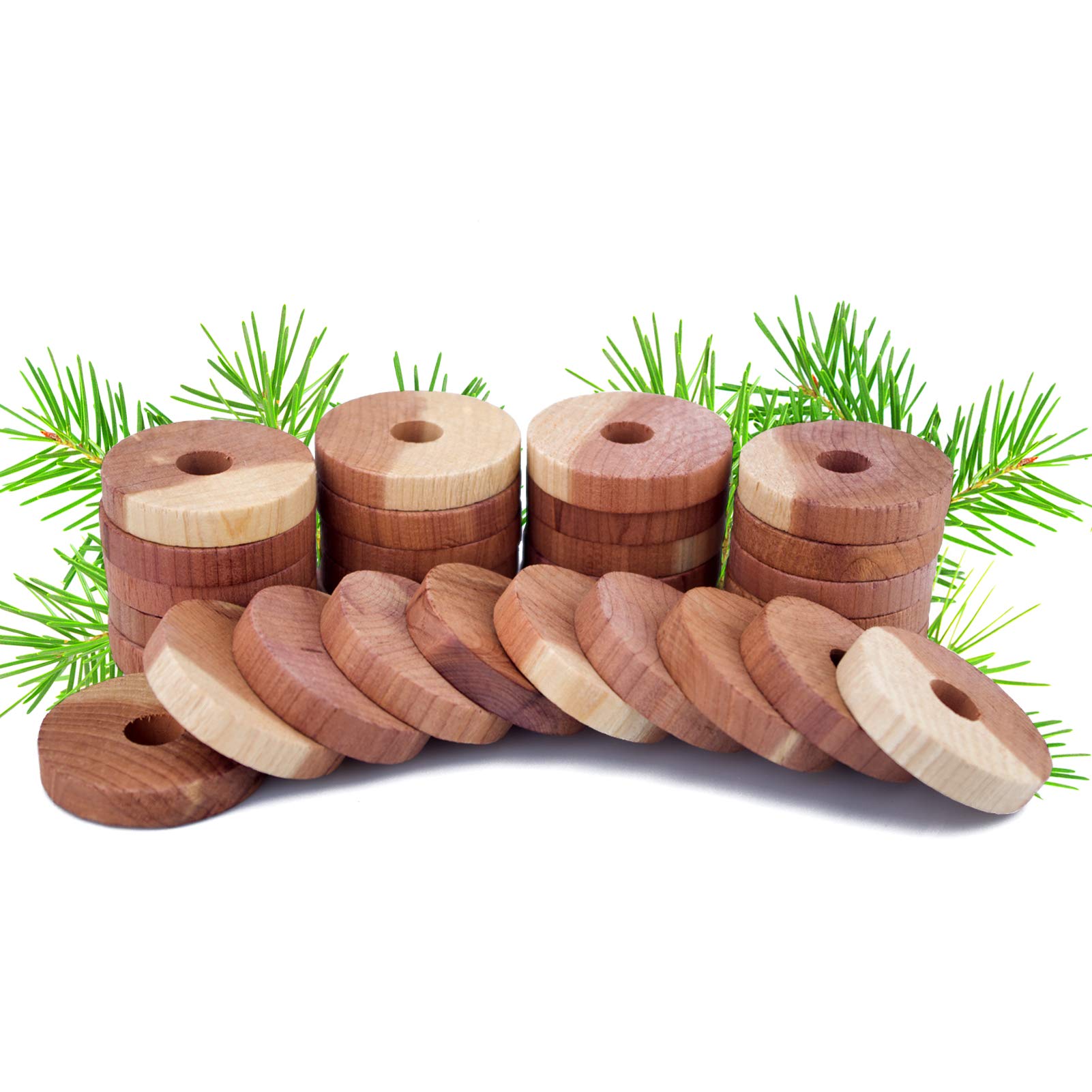
I used the rings on hangers and found them easy to install; they’re ideal when you want cedar directly on garment hooks.
Why I picked it: Rings slip over hanger hooks for continuous closet protection.
Best for: Placing cedar right on coat and sweater hangers.
A solid midrange option for hanger coverage.
Pros
- Easy to place on hangers
- Polished, safe edges
- Comes with many rings
Cons
- Scent fades with time
- Some pieces are small
My take
I placed a ring on nearly every hanger that holds wool and cashmere. The convenience is hard to beat—no fiddly attachments and no shifting around in garment bags. I liked the nostalgic cedar smell, though here too the aroma became noticeably lighter after several weeks unless I sanded or reapplied cedar oil.
If your goal is constant hanger-level protection without adding bulky blocks, these rings are the practical choice. They don’t overpower clothing with scent, which I prefer, but they do need periodic refreshing if you want maximum repellant effect.
4. Enoz Para Moth Balls (Para‑dichlorobenzene) – Best for Sealed Storage
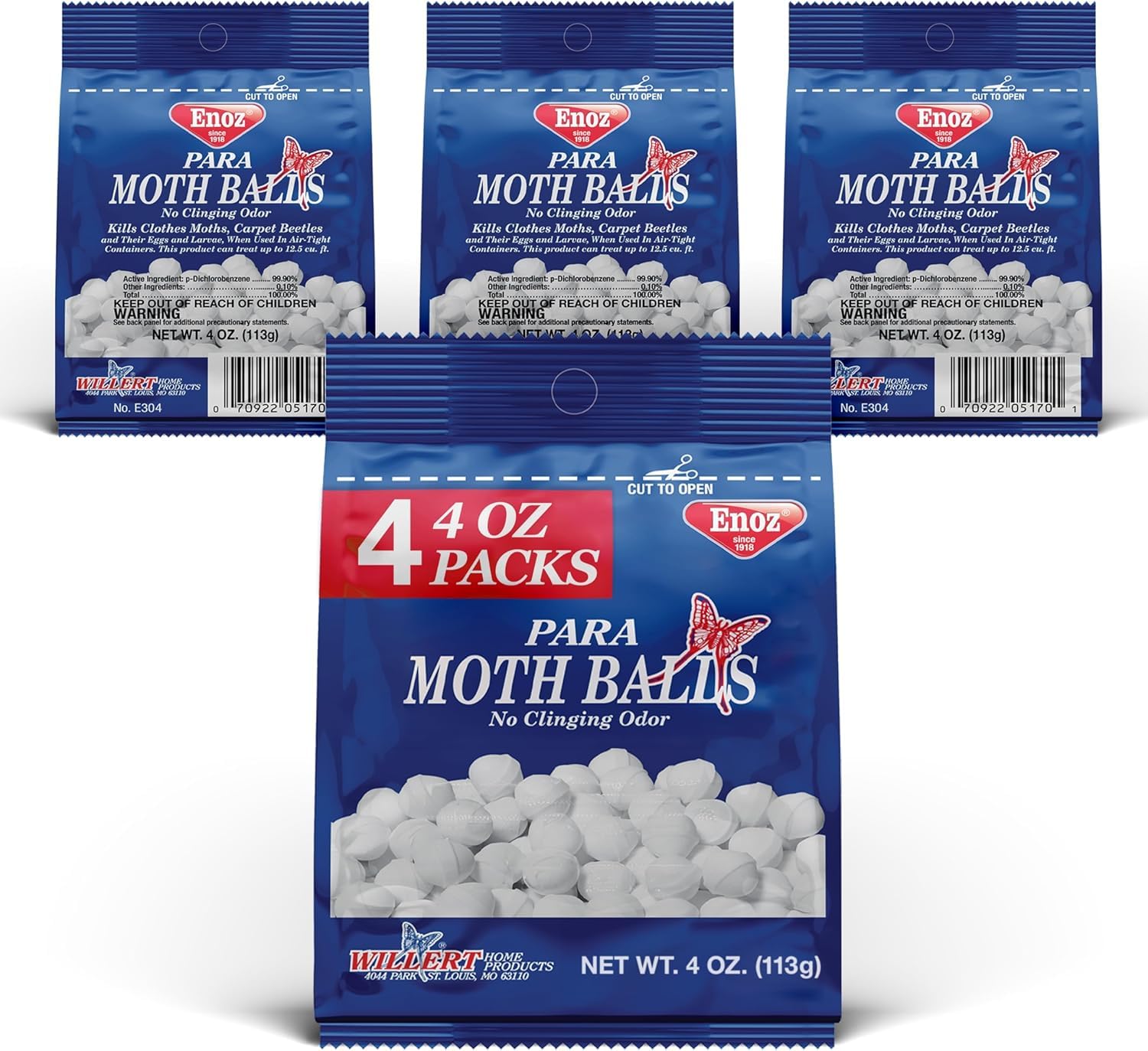
When I need a hard-working chemical solution for fully sealed trunks or seasonal storage, I use these para moth balls.
Why I picked it: Effective at killing moths, eggs, and larvae inside sealed containers.
Best for: Long-term or seasonal storage in closed chests, trunks, and sealed bins.
A cost-effective chemical option for sealed storage.
Pros
- Kills moths, eggs, and larvae
- Designed for sealed storage
- Less clinging odor than older formulations
Cons
- Chemical scent initially
- Not for open or ventilated spaces
My take
I used these inside a couple of sealed sweater boxes and a trunk I store winter bedding in. They’re effective—the storage I treated showed no subsequent moth or beetle damage. There is a noticeable chemical scent when you first open the package, but in properly sealed containers that odor dissipates and does not cling to fabrics the way older moth balls do.
Because these rely on a volatile chemical, I won’t use them in open closets or near active living spaces. For seasonal, sealed storage where I need a sure kill on eggs and larvae, they remain my go-to chemical backup.
5. ACMETOP Cedar Hang Ups 15-Pack – Best for Closet Refresh
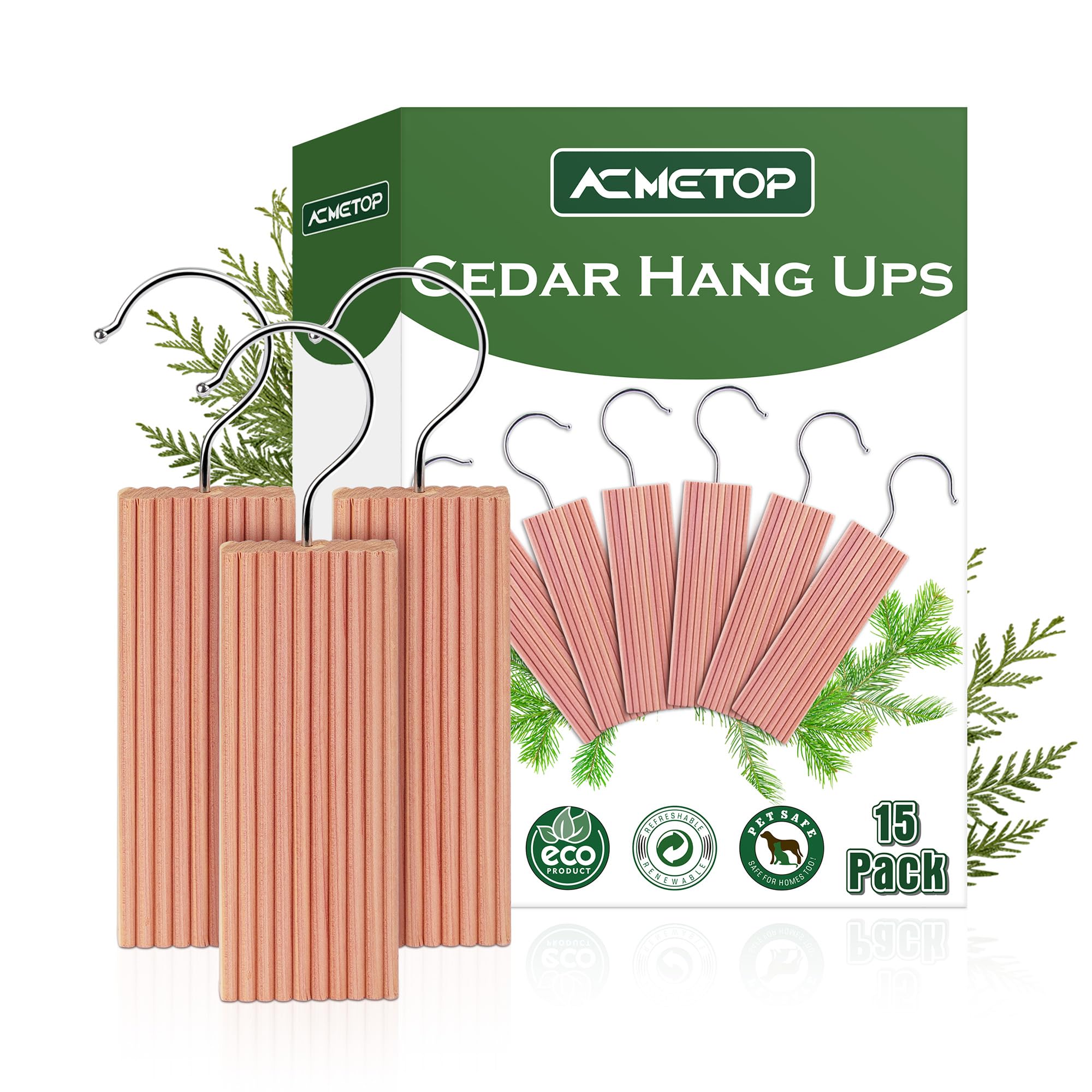
I use these slim hang-ups to evenly scent a closet without bulk; they’re smooth and safe against knits.
Why I picked it: Slim, hand-polished hang-ups that sit neatly on hangers.
Best for: Refreshing closet air and absorbing light moisture or odors.
A practical, budget-friendly refresh option.
Pros
- Smooth finish, no burrs
- Light, lasting fragrance
- Easy to hang
Cons
- Scent can be subtle
- Metal hangers may need assembly
My take
I lined a closet rod with these hang-ups and noticed an immediate improvement in closet aroma. I appreciated the smooth finish—there were no snags on wool or cashmere. They feel lightweight but do their job of imparting that cedar freshness.
If you want a closet that smells faintly of cedar without overpowering your clothes, these hang-ups strike a good balance. For heavy infestations I pair them with traps or sealed treatments, but for routine closet freshness they’re the pieces I put out first.
6. Cedar Rings & Balls 40-Pack – Best Quantity
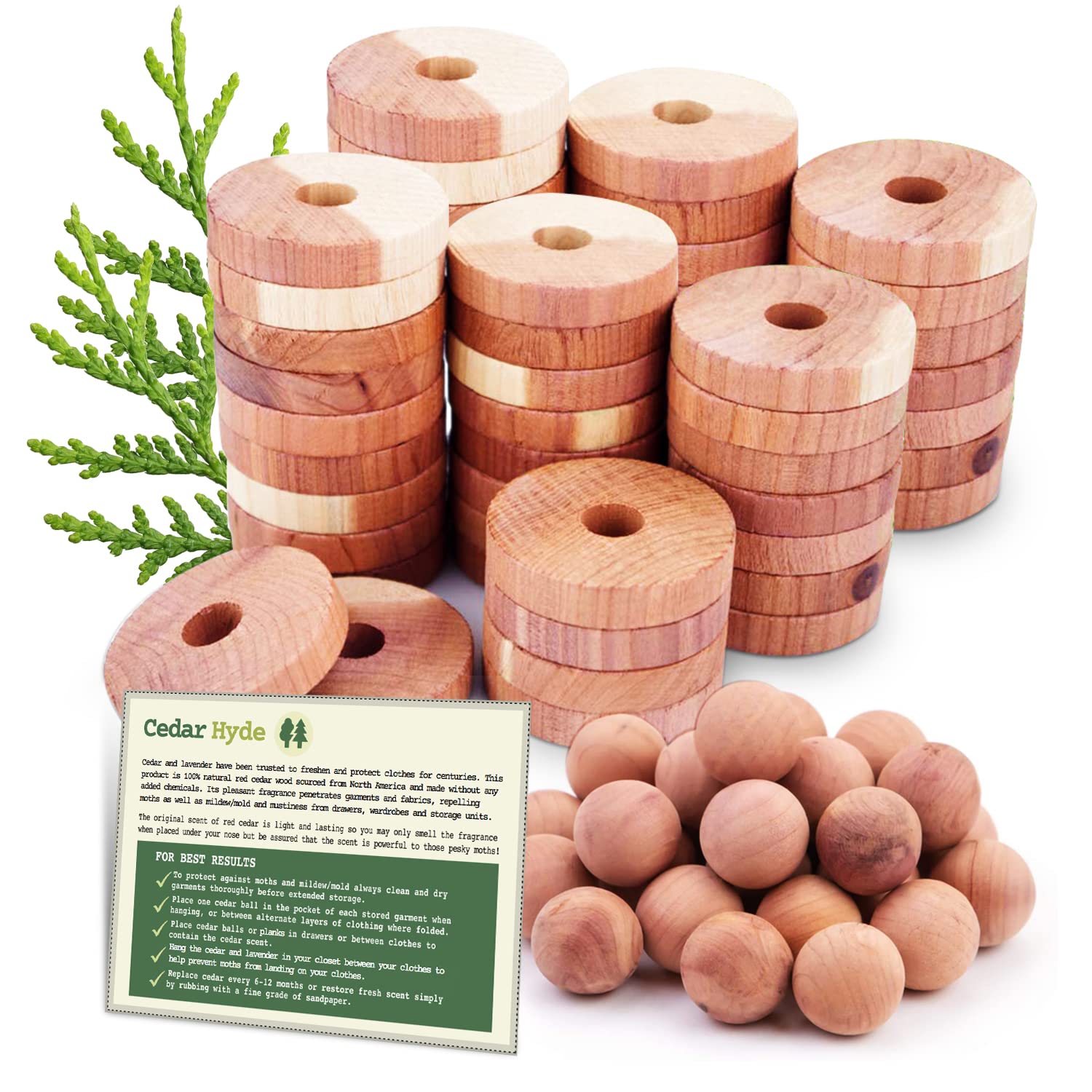
When I need to outfit multiple closets or storage bins at once, this 40-piece set gives broad coverage at once.
Why I picked it: Large piece count so I can treat whole-house storage zones.
Best for: Outfitting several closets, drawers, and storage totes at once.
Good for shoppers who want lots of pieces per package.
Pros
- Generous 40-piece pack
- Multi-use in closets and drawers
- Natural red cedar
Cons
- Some pieces smaller than pictured
- Scent may be light at first
My take
I distributed these rings and balls across three closets and a set of storage totes. The quantity made it easy to create a consistent scent profile across the house. A handful of pieces in each tote provided a noticeable cedar presence without overwhelming the fabrics.
Be aware that the rings and balls are smaller than I expected from photos, so I tended to use several together in larger bins. The scent is pleasant but on the lighter side unless refreshed, so I rotate sanding or oil refreshes every couple months for active protection.
7. BugMD Pheromone Moth Traps (6-Pack) – Best for Active Infestations
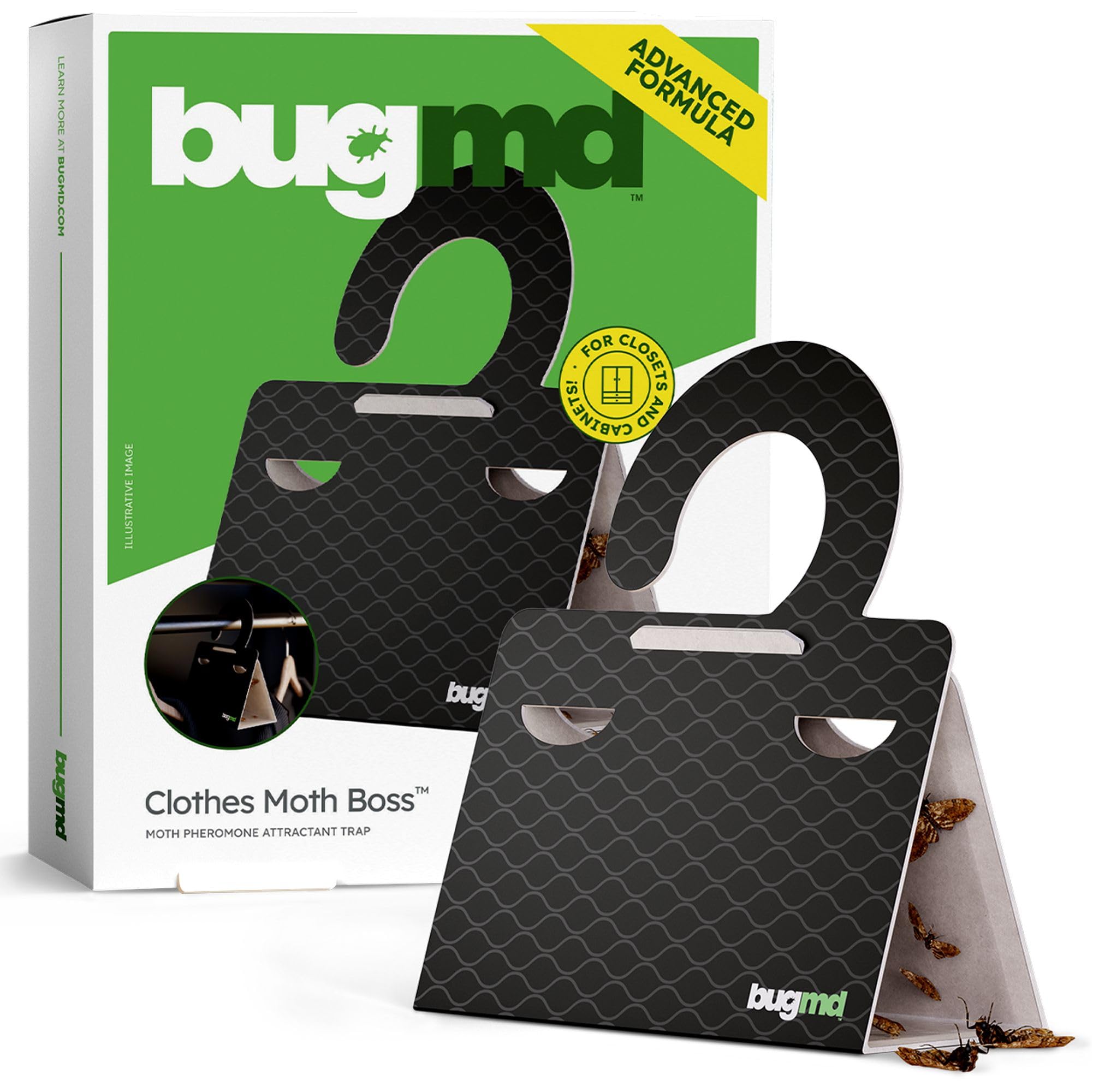
I rely on these sticky pheromone traps when I need to detect or knock down an active moth problem quickly.
Why I picked it: They actually catch moths, which tells me where infestations persist.
Best for: Detecting and reducing active moth populations in closets and pantries.
A non-chemical, targeted solution for infestations.
Pros
- Captures moths quickly
- Safe around people and pets
- Easy peel-and-place use
Cons
- Attracts males only
- Sticky can adhere to clothes if mishandled
My take
I put these traps across a closet and within a couple nights I had captured adult moths on the adhesive surface. That immediate feedback mattered—I could see where activity was highest and then focus cleaning and treatments there.
They’re convenient and non-toxic, but I did find the triangular tent tabs can spring open unless I secure them with tape. Also, because they attract males, I use them alongside other measures (deep cleaning, cedar, or sealed treatments) when I’m fighting a full infestation.
8. Extra Strength Pheromone Moth Traps 11-Pack – Best for Ongoing Monitoring
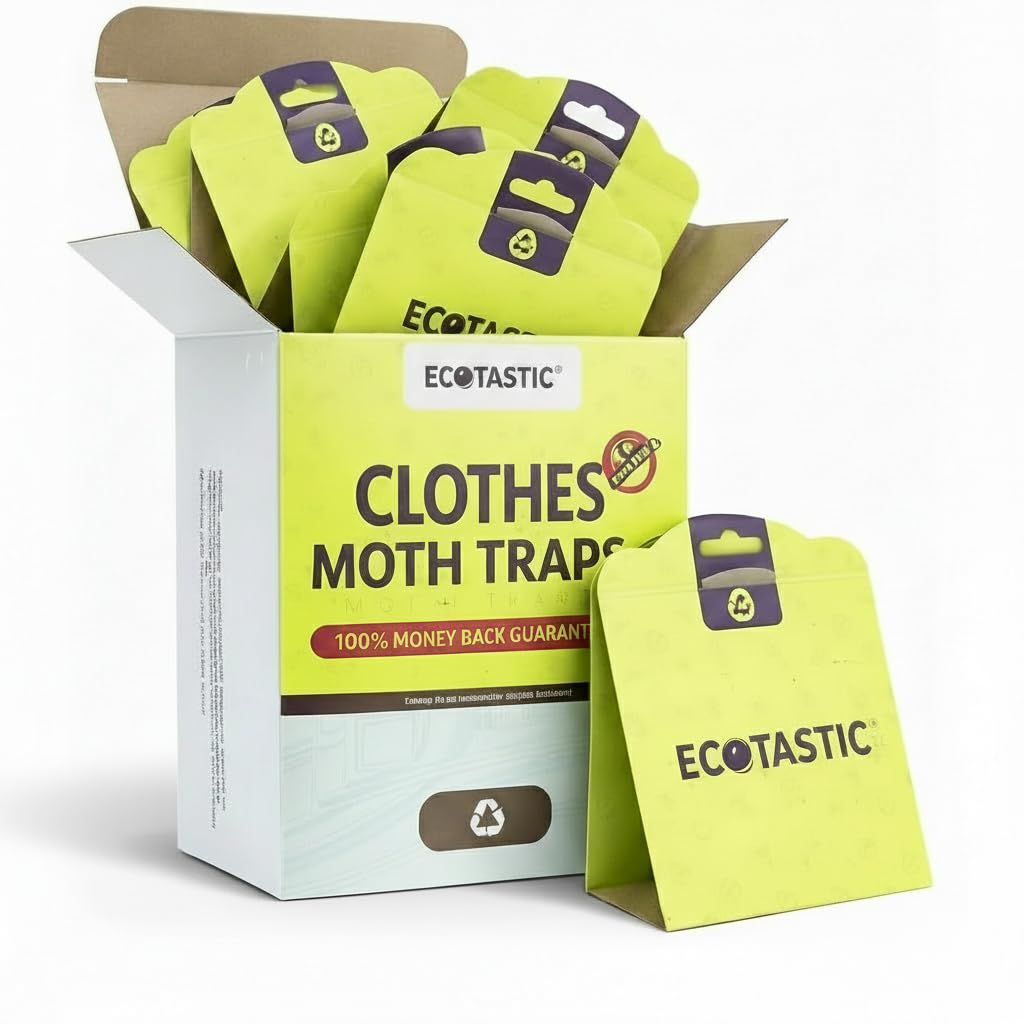
I turn to these extra-strength traps for ongoing monitoring in larger wardrobes, studios, or seasonal storage areas.
Why I picked it: Higher adhesive strength and more traps for larger coverage.
Best for: Workshops, studios, and large storage areas that need frequent monitoring.
Good for rotating replacements over time.
Pros
- Strong adhesive captures many moths
- Non-toxic, family-friendly
- Foldable, easy disposal
Cons
- Not designed for hanging
- Effectiveness wanes after months
My take
I positioned three traps across a large fabric storage area and caught dozens of moths over a week—enough to justify a broader clean-out. These traps are a useful diagnostic and control tool when paired with other steps.
They’re not a standalone cure—traps mainly remove adult males—so I use them as part of a plan that includes cedar for prevention and sealed chemical treatment for infected boxes. They do the job of keeping populations low and giving me an early warning when activity returns.
How I Choose the Right Cedar or Moth Solution
Match the format to the space
I pick cedar rings or hang-ups when I want protection directly on hangers. Blocks and balls are my choice for drawers, totes, and shoe cabinets. Pheromone traps are for active infestations or monitoring; moth balls are for sealed, long-term storage only.
- Hangers: cedar rings/hang-ups to protect hanging garments
- Drawers/totes: cedar blocks or balls for enclosed scent
- Active problems: pheromone sticky traps to capture adults
- Seasonal storage: moth balls in sealed containers when needed
Scent strength and maintenance
I expect natural cedar scent to be subtle at a distance. To refresh the oils I sand exposed surfaces lightly or use a few drops of cedar essential oil if I need a stronger effect.
- Light scent out of box is common—sand to revive oils
- Rotate or sand pieces every 2–4 months in active areas
- Use several pieces in large bins for better coverage
When to use traps or chemicals
I add pheromone traps the moment I suspect moth activity. Traps tell me where moths are congregating. I reserve moth balls for sealed containers because they use volatile chemicals that are inappropriate for open closets.
- Pheromone traps: non-toxic monitoring and capture
- Moth balls: effective in sealed, long-term storage only
- Combine methods for stubborn infestations
Protecting delicate fabrics
I avoid any sharp-edged cedar and prefer hand-polished pieces for cashmere and silk. Never store delicate items next to harsh chemicals unless they’re in separate sealed bags.
- Choose smooth, polished cedar pieces for knitwear
- Keep moth balls out of direct fabric contact
- Inspect stored textiles before and after storage
Frequently Asked Questions
How do I refresh cedar scent when it fades?
I sand the surface lightly with fine sandpaper to expose fresh wood fibers, or I add a drop of cedar essential oil occasionally. I refresh more often in high-humidity or high-use spaces.
Will cedar damage my clothes?
I’ve found that well-polished cedar pieces do not snag or damage knits. I avoid rough, splintered wood and keep cedar out of direct abrasion against delicate fabrics.
When should I use pheromone traps instead of cedar?
I use pheromone traps when I see moth activity or want to confirm an infestation. Cedar is my preventative measure; traps are my diagnostic and knockdown tool.
Are moth balls safe to use around the house?
I only use moth balls inside sealed containers or trunks because they release chemicals. I avoid placing them in open closets or near regularly used living spaces and ventilate after treatment.
Final Take
I recommend starting with cedar for routine prevention—rings and hang-ups for wardrobe coverage, and blocks or balls for drawers and totes. If I spot moths I add pheromone traps to locate activity and, for sealed long-term storage, I turn to moth balls as a last resort.
My approach is layered: cedar for daily protection and freshness, traps for detection, and targeted chemical treatment only where necessary. That strategy keeps my wool, cashmere, and treasured textiles safe without overusing harsh chemicals.
