
I tested five ceramic mixing bowl options for baking, prep, and serving. These are the ones I keep reaching for based on weight, glaze, grip, and how well they nest and clean.
I spent time using these ceramic bowls for dough, batter, salads, reheating, and everyday prep so I could recommend the ones that actually perform in a busy kitchen.
In this roundup I focus on build quality, how they handle mixing and kneading, how easy they are to clean, and which sizes work best for specific tasks.
I compared these bowls side-by-side by mixing doughs, whisking batters, nesting them for storage, and testing dishwasher and microwave convenience. My picks lean on real kitchen use — grip and rim design for hand mixing, glaze durability, and sensible size ranges for both prep and serving.
1. Mason Cash Colour Mix Cream Mixing Bowl – Best Overall
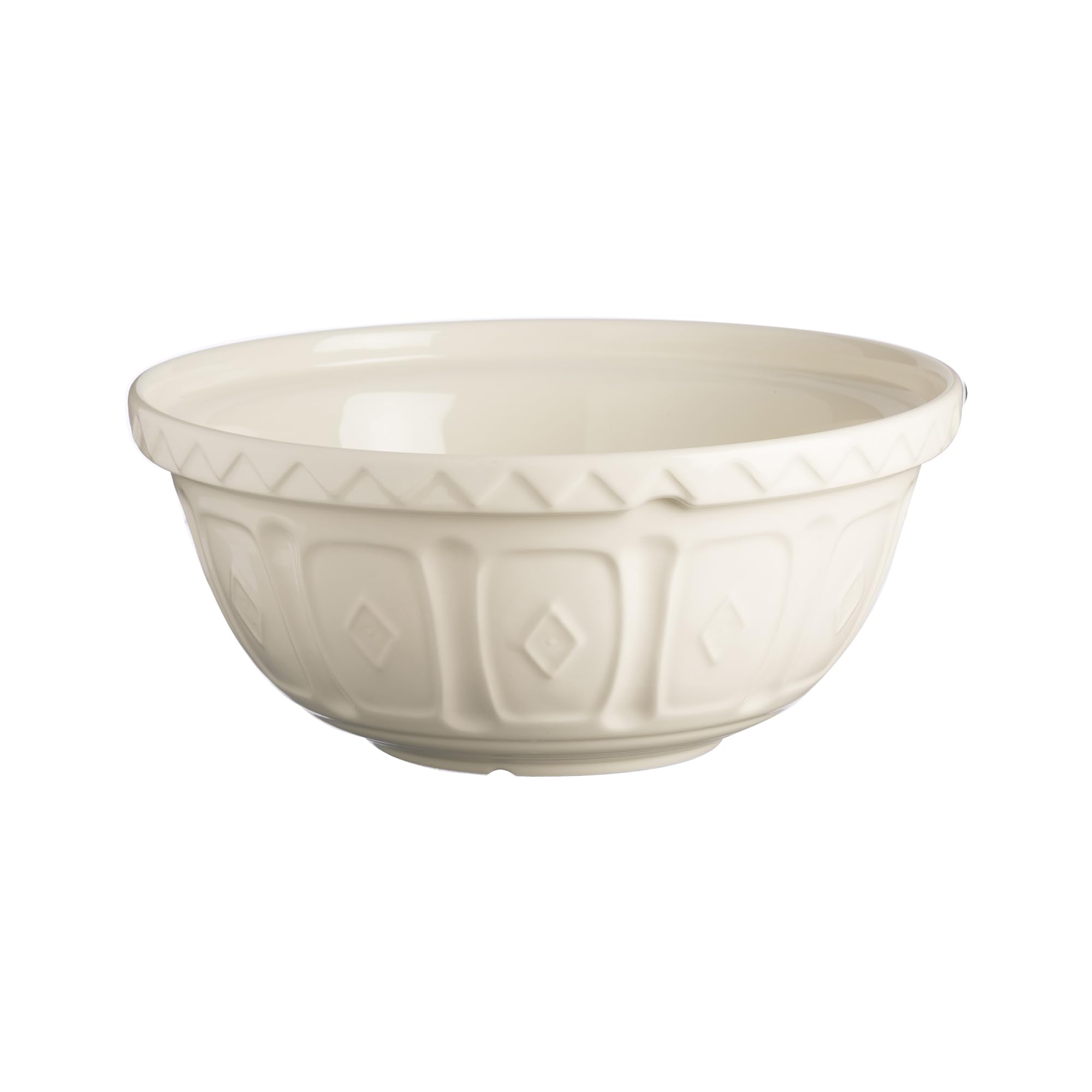
A classic earthenware bowl that balances light handling with countertop stability and a grippy rim for hand mixing.
Why I picked it: Excellent balance of weight, grip, and traditional styling for everyday baking.
Best for: Bakers who hand-mix doughs and want a classic, durable bowl.
Midrange classic heirloom-style piece.
Pros
- Sturdy earthenware construction
- Grippy exterior rim
- Dishwasher safe
- Classic, attractive finish
Cons
- Heavier than plastic
- Limited color options if you want matching sets
My take
I reach for this Mason Cash bowl when I knead dough or mix cookie batter. The earthenware is light enough to lift with one hand yet substantial enough to stay put on the countertop while I work.
The patterned exterior and pronounced rim actually make a difference: I can tip and pour with confidence without worrying the bowl will slip out of my grip. The inside glaze cleans easily in the dishwasher, and the cream finish looks at home on my counter.
It feels like a bowl built for hands-on baking — not just for show — and it’s the one I use when I want a reliable, timeless piece in my prep station.
2. DOWAN Ceramic Nesting Mixing Bowls (Set of 3) – Best Colorful Set
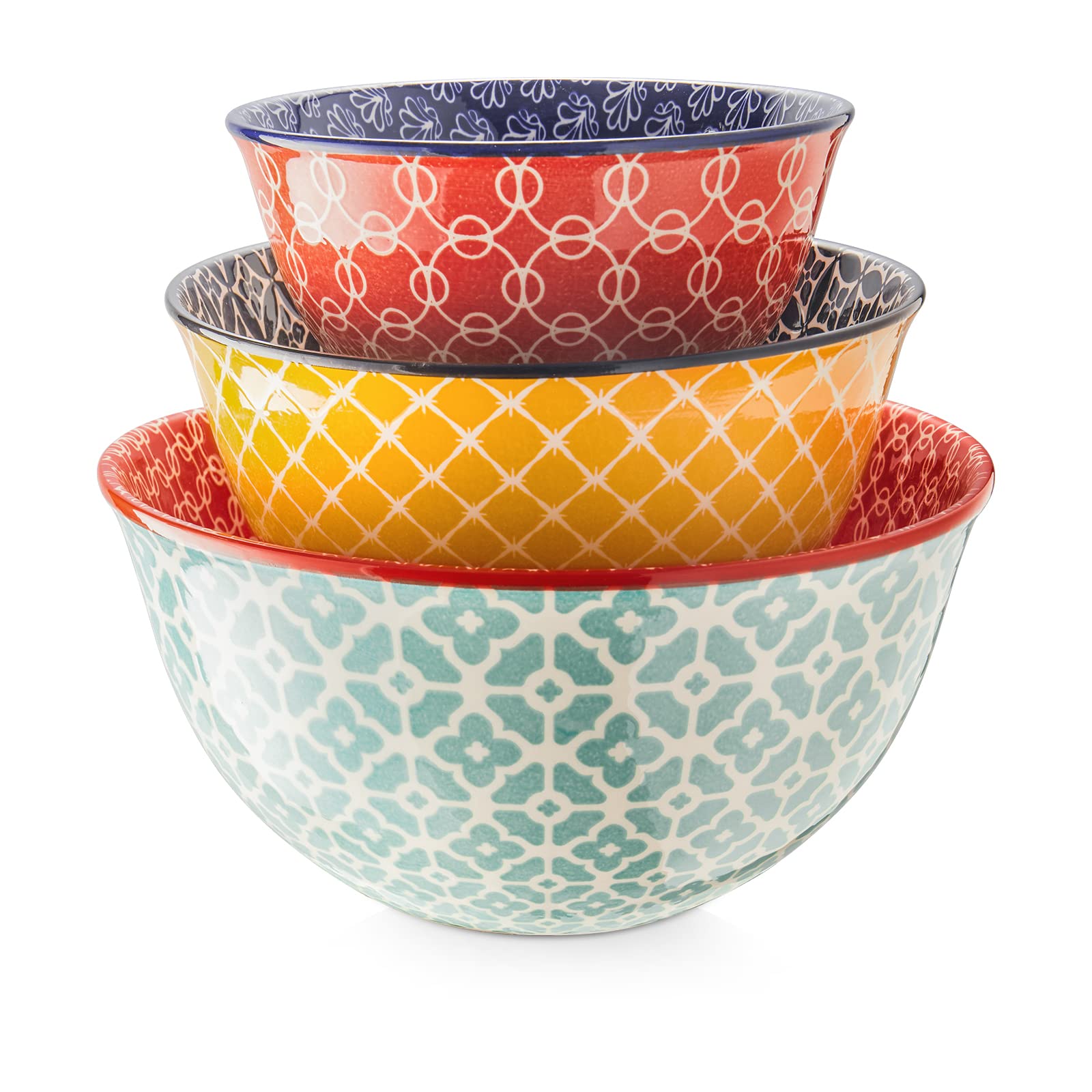
A vibrant, nestable three-piece set that covers prep-to-serving needs and stores compactly.
Why I picked it: Great range of sizes, vivid patterns, and safe ceramic construction that nests neatly.
Best for: People who want attractive, space-saving bowls for prepping and serving.
Affordable set with strong aesthetic value.
Pros
- Three useful sizes
- Bright patterns for serving
- Microwave and dishwasher safe
- Lead- and cadmium-free
Cons
- Pattern may not match all dishware
- A bit heavier than plastic alternatives
My take
I like this DOWAN set when I need prep bowls that also look good at the table. The 3.7, 2, and 1 quart sizes cover everything from mixing batter to tossing a salad for two.
They nest cleanly, which saves cabinet space, and the glaze resists sticking so cleanup is straightforward. I also appreciate that the ceramic is made without lead or cadmium — I’m happy using them in the microwave and dishwasher.
Visually they brighten my open shelving, and I keep the medium one at hand for daily chopping and staging ingredients.
3. Mason Cash Cane Mixing Bowl (5.3 qt) – Best for Heavy Mixing
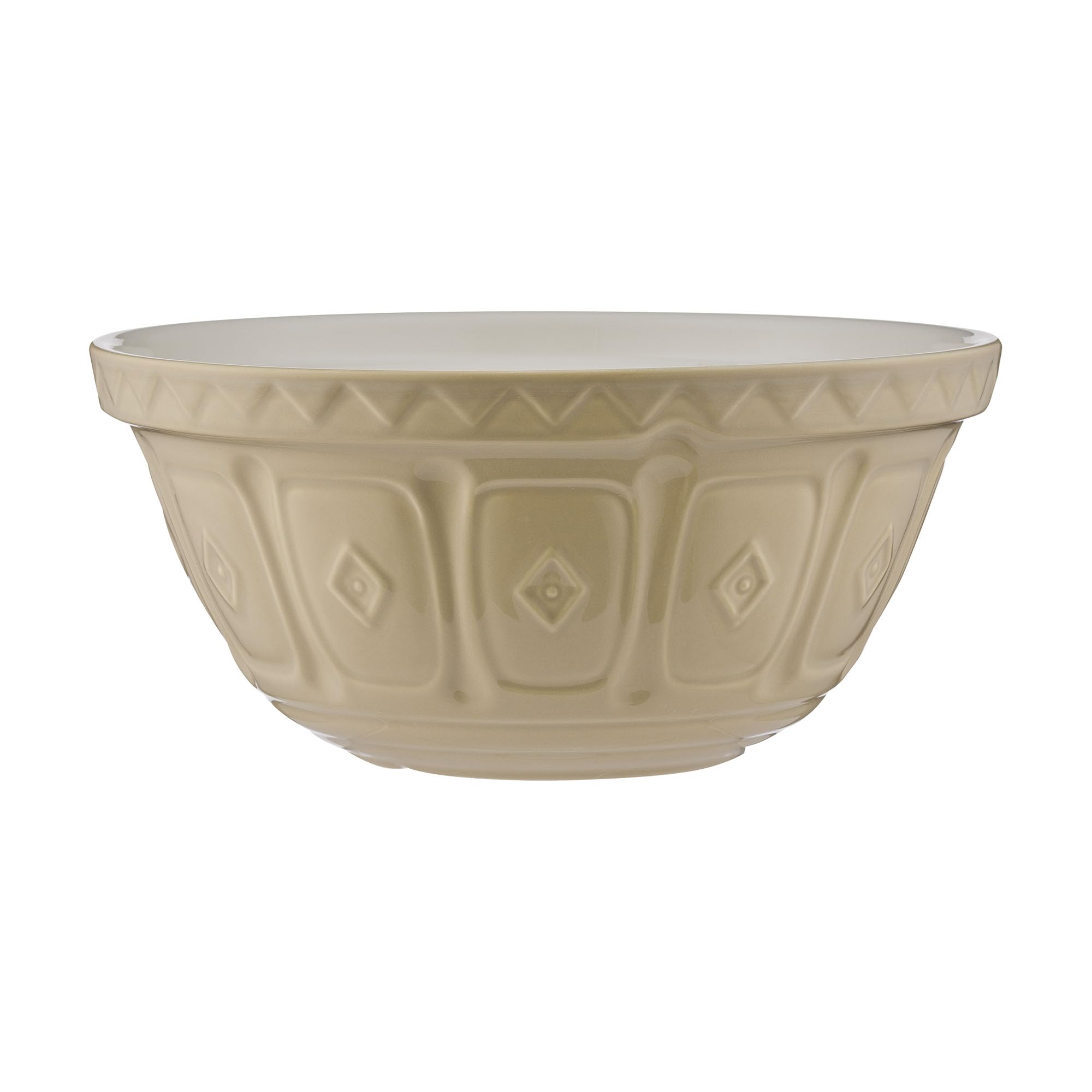
A large, traditional mixing bowl with textured exterior and chip-resistant earthenware for serious mixing tasks.
Why I picked it: Large capacity and textured exterior provide non-slip mixing and durable performance.
Best for: Bakers making large batches or kneading by hand.
Premium, heritage-style bowl.
Pros
- Ample capacity for large batches
- Textured exterior prevents slipping
- Pronounced lip for grip
- Chip-resistant glaze
Cons
- Can chip with heavy use
- Heavier than modern materials
My take
This larger Mason Cash Cane bowl is the one I reach for when I’m making big batches of dough or stirring thick cookie mixes. The wide shape and ample capacity let me work with sticky batters and dough without splashing.
The textured exterior and three notches in the outer lip make hand mixing comfortable and secure. I did notice that, with very heavy or long-term rough use, the earthenware can develop chips, so I treat it as a strong but not indestructible piece.
When I want something that looks great for serving but can handle a demanding bake, this is the bowl I pick.
4. Hasense 9-Inch Blue Ceramic Serving Bowl (Set of 2) – Best for Serving
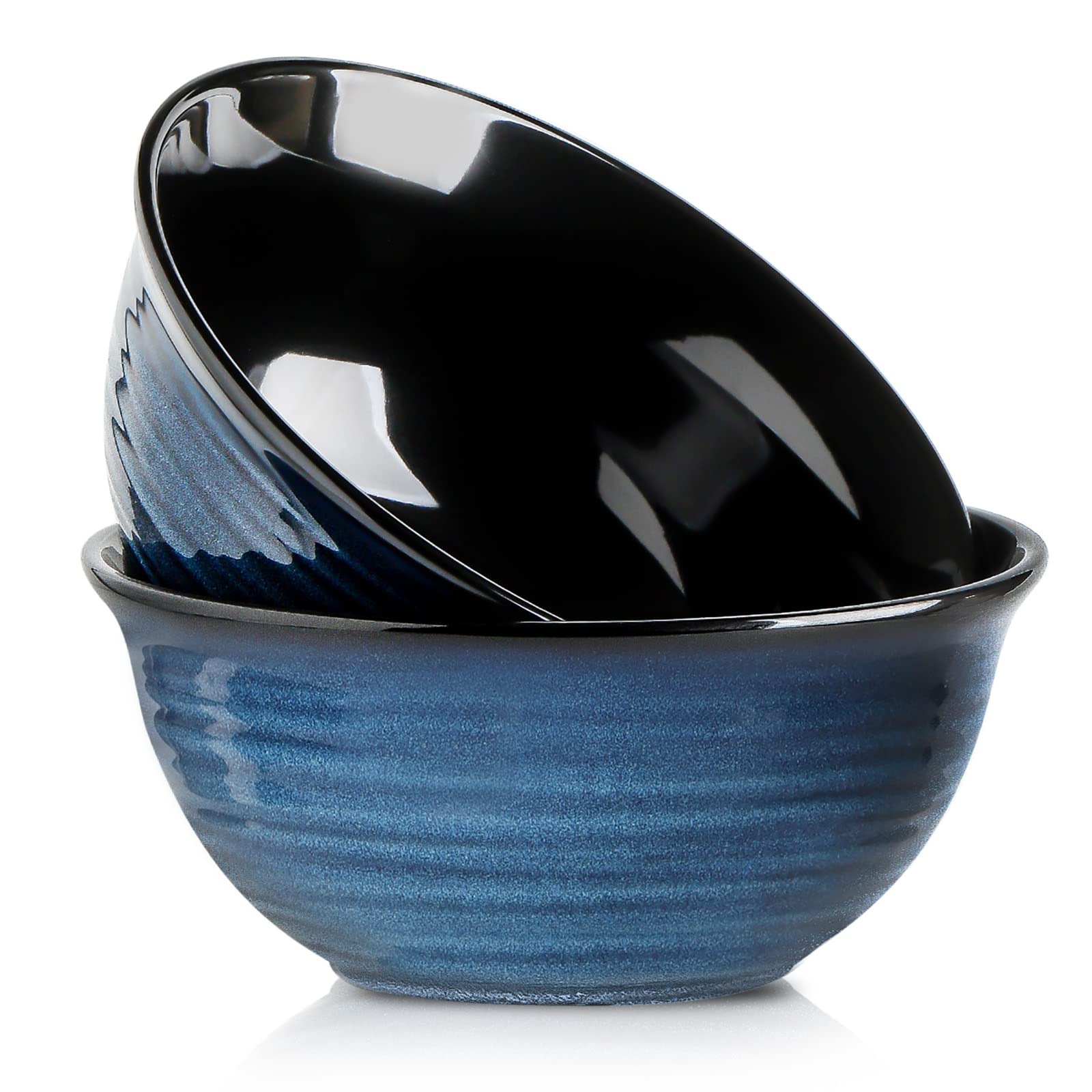
Stylish, deep blue ceramic bowls that work well for salads, pasta, and family-style serving.
Why I picked it: Bold color and roomy shape make plating and serving effortless.
Best for: Serving salads, pasta, and family meals in style.
Reasonably priced for attractive serving bowls.
Pros
- Striking blue finish
- Deep, serving-friendly shape
- Dishwasher and microwave safe
- Stacks neatly
Cons
- A bit heavy to hand-carry full
- Color may show scratches over time
My take
I use the Hasense blue bowls for salads and pasta nights because they present food beautifully and hold a generous portion. The glaze has subtle swirls that make each piece look unique on the table.
They stack well in my cabinet and clean easily in the dishwasher. Because they’re a little heavier, I avoid carrying a fully loaded bowl across the room, but for seated serving or buffet use they’re ideal.
If presentation matters to you, these add a noticeable touch without compromising everyday practicality.
5. Hasense Ceramic Nesting Mixing Bowls (Set of 3) – Best Value Nesting Set
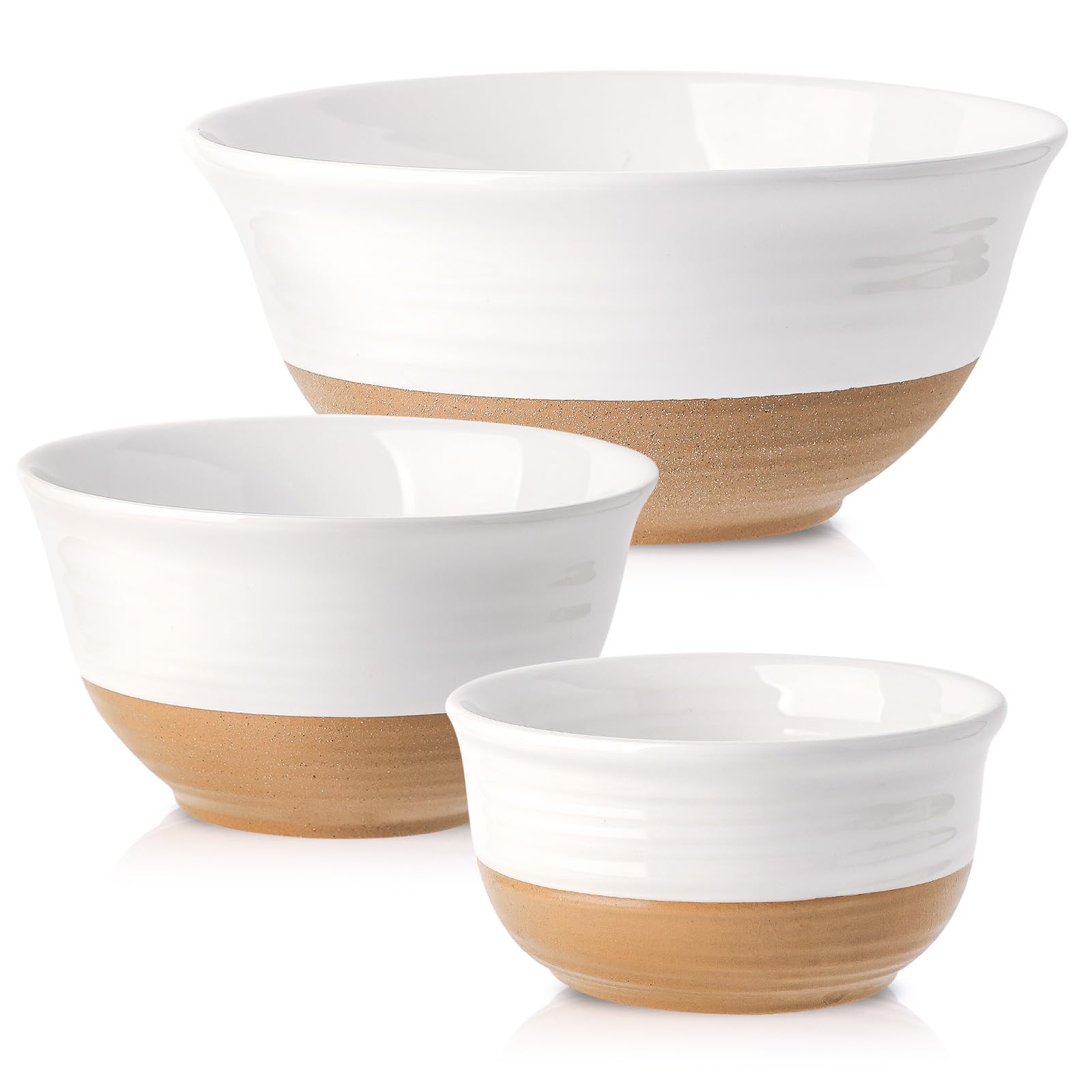
A three-piece nesting set with a simple, two-tone patchwork look that handles prep, baking, and serving tasks.
Why I picked it: Practical size spread and solid ceramic construction for mixing and proofing.
Best for: People who want a multi-size, attractive nesting set for prep and serving.
Good value for a three-piece ceramic set.
Pros
- Three versatile sizes
- Thick walls retain warmth
- Dishwasher and microwave safe
- Attractive patchwork finish
Cons
- Occasional glaze imperfections
- Some units may have small rough spots
My take
I rely on this Hasense set for everything from proofing sourdough to serving individual bowls of ramen. The thickness of the ceramic helps retain warmth — handy when I want to keep dough snug during a rise.
The white-and-matte-brown patchwork aesthetic is quiet and pairs well with rustic tableware. A small number of units can show minor glaze imperfections, so I inspect mine on arrival, but the ones I kept have been hard-working and durable.
Overall, this set gives me three well-sized bowls that nest for storage and stand up to daily kitchen use.
How I Choose Ceramic Mixing Bowls
Material and Durability
I prioritize high-grade earthenware or porcelain with a durable glaze. Thick walls resist thermal shock and help with heat retention during rises or for serving hot dishes.
A chip-resistant glaze matters if you plan to use the bowl often; handle ceramic carefully because it can chip with heavy impact.
- Choose glazed ceramic that’s labeled chip-resistant when possible.
- Avoid metal utensils when you want to preserve the interior finish.
Size and Shape
I match bowl capacity to the task: larger bowls (3–5+ quarts) for dough and big batches, medium (1.5–3 qt) for mixing and salads, and small (1 qt or less) for prep and sauces.
Wide, shallow bowls are easier for whisking, while deeper bowls are better for dough and proofing.
- Get at least one large bowl if you bake bread regularly.
- Nesting sets save space and give flexible options.
Grip, Lip, and Handling
I look for textured exteriors or pronounced lips that make hand mixing easier. Plain smooth bowls can slip when your hands get wet or sticky.
Rims designed for tipping and pouring reduce spills when transferring batter or dough.
- Prefer bowls with a rim or notches for secure handling.
- Consider weight — lighter ceramic is easier to lift, heavier ceramic resists movement.
Care and Safety
I choose bowls that are microwave and dishwasher safe for convenience, but I still hand-wash when I want to prolong finish life. Check for lead- and cadmium-free labeling if glazing safety is a concern.
Avoid sudden temperature changes to minimize cracking or hairline fractures.
- Dishwasher-safe is handy but gentle cycles extend life.
- Do not transfer a cold bowl directly to a hot oven.
Frequently Asked Questions
Can ceramic mixing bowls be used in the microwave?
Yes — the sets here that are labeled microwave-safe can be used to reheat or warm food. I still avoid extreme temperature shocks and never move a cold bowl straight into a very hot environment.
Are ceramic bowls safe for baking and dough rising?
They are. I use thick-walled ceramic for proofing because it retains warmth, which helps dough rise. For high-heat oven use, verify the manufacturer's guidance.
How should I avoid chipping my ceramic bowls?
I avoid metal utensils, don’t stack too tightly, and handle them gently when washing. Placing a silicone mat or towel while stirring reduces slipping and accidental knocks.
Final Take
After using these bowls for prep, mixing, proofing, and serving, I’ve settled on a short list that covers every kitchen task: a reliable large bowl for bread, a nesting set for prep, and a couple of attractive serving bowls for the table.
Pick the bowl or set that matches how you cook — capacity for baking, textured rims for hand mixing, and a glaze you’re comfortable using in the microwave and dishwasher. I keep at least one of each type in my kitchen and reach for them depending on the job.
