
I tested sharpening kits, replacement bars, wedges, and easy-to-use electric cutters to build a practical chainsaw kit for home users. These picks keep me cutting safely and efficiently, whether I'm pruning, bucking fire
I build and maintain my own firewood and property with a mix of full chainsaws and lighter cutting tools. Over the years I've learned that a small set of reliable accessories and the right compact cutters make the work faster and safer.
In this roundup I cover the field sharpening kit, two filing systems, a replacement guide bar, a compact electric lopper, felling wedges, and a professional-grade guide bar. I focus on tools I actually keep near my saws and use regularly.
I evaluated each item on compatibility with common home chainsaws, ease of use in the field, durability, and whether it genuinely saved time or reduced hassle during routine cutting and felling.
1. Oregon Universal Chainsaw Sharpening Kit – Best Sharpening Kit
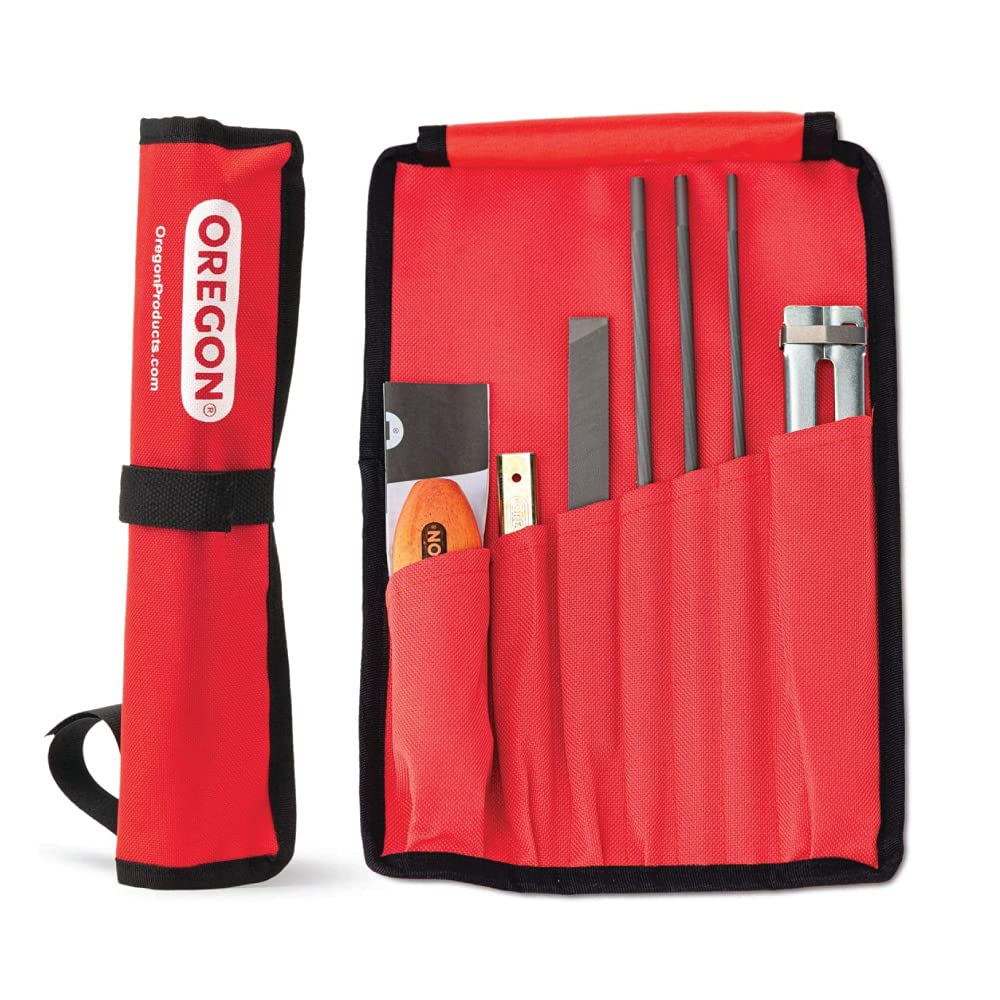
A compact field kit that gives me the right file for most chain pitches, plus a flat file and guide to set depth gauges.
Why I picked it: Complete, portable kit with multiple file sizes and a guide for consistent sharpening.
Best for: Homeowners who keep chains sharp and service multiple chains and pole saws.
An affordable, full kit that replaces piecemeal purchases.
Pros
- Three round file sizes included
- Flat file and universal handle
- Handy depth-gauge file guide
- Compact roll-up canvas pouch
- Clear instruction/filling chart
Cons
- File can occasionally slip in the guide
- Manual sharpening takes practice
My take
I carry this Oregon kit in my chainsaw bag and reach for it after every few uses. The three round files mean I can match the file to whatever pitch I encounter, and the flat file lets me knock back the depth gauges without improvising.
The file guide and the included chart make consistent angles quick to achieve, which is the difference between a chain that tears wood and one that slices clean chips. When I tune a chain with this kit the saw cuts noticeably better, especially through hardwood.
The roll-up pouch is durable and keeps the tools organized on the job. My only real gripe is that on rare occasions a file will slip in the guide if I don't seat it firmly, but that’s easy to avoid once you get used to the feel.
2. BLACK+DECKER Alligator Lopper LP1000 – Best for Easy Pruning
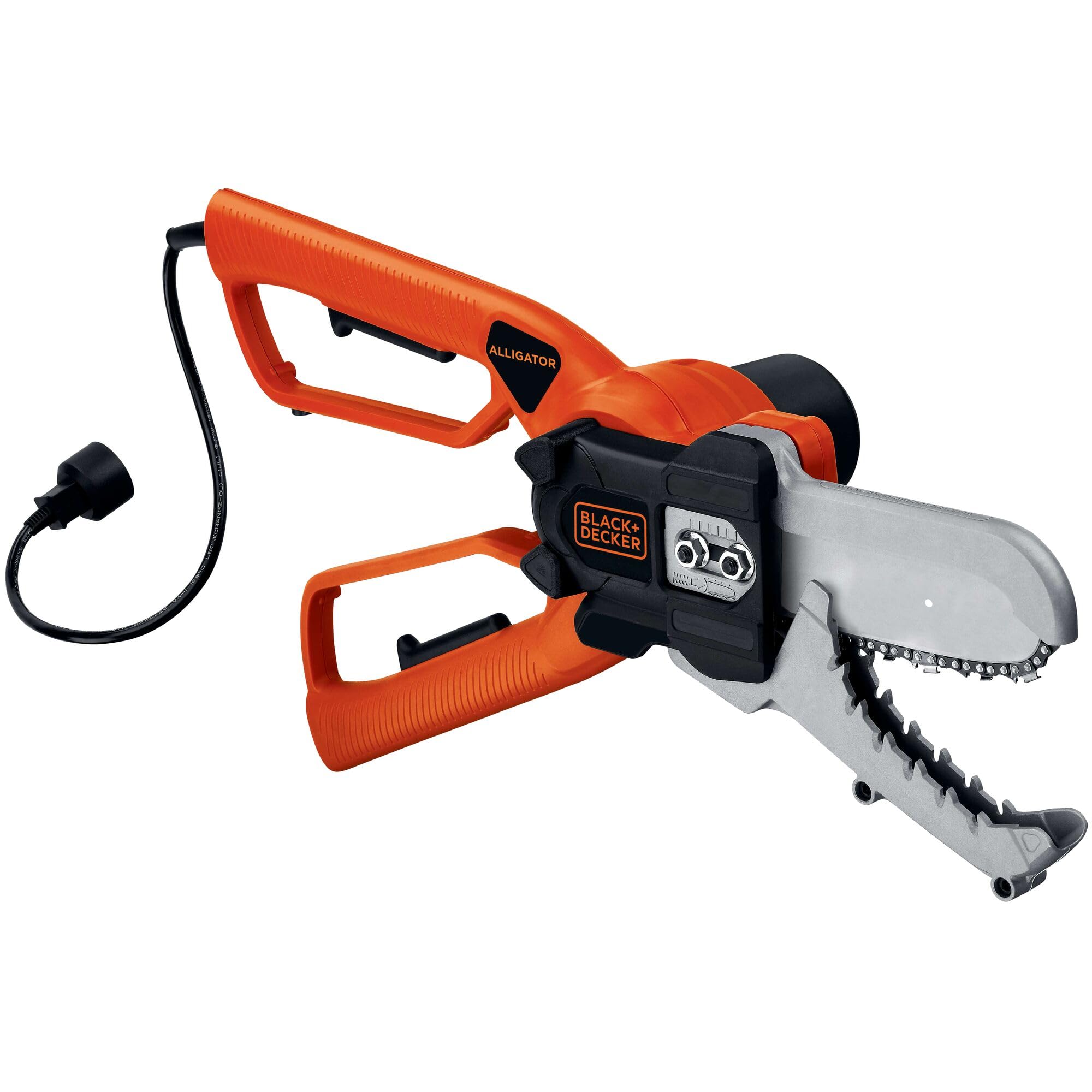
A corded electric lopper that clamps and saws in a single motion — ideal for quick pruning and turning fallen limbs into firewood.
Why I picked it: Clamping jaws and scissor-like action make pruning less taxing and more controlled than a full chainsaw.
Best for: People who need safe, effortless pruning of small trees and thick shrubs.
A midrange alternative to a full chainsaw that simplifies many yard jobs.
Pros
- Clamping jaws for controlled cutting
- Cuts branches up to 4 inches
- Auto chain tensioning
- Metal guards protect the chain
- Unlimited runtime when plugged in
Cons
- Requires an extension cord for yard work
- Not battery-powered
My take
When I'm doing pruning and cleanup, the Alligator Lopper is my go-to for anything that used to require a hand saw or heavy loppers. The jaws grab the branch, hold it steady, and the chain does the cutting. That clamp-and-cut action removes a lot of the fidgeting and slipping you get with other tools.
The 4.5-amp motor and six-inch bar chew through branches up to about four inches with minimal effort. I like that the jaw guards snap back over the blades for added protection and that the tool feels balanced when I'm cutting from a ladder or standing on uneven ground.
My main operational note is logistics: this is corded, so I plan my workspace around an extension cord. For yard work where I can keep it plugged in, it saves me time and energy compared with manual loppers.
3. EGO Power+ 16-Inch Guide Bar – Best Replacement Bar for EGO
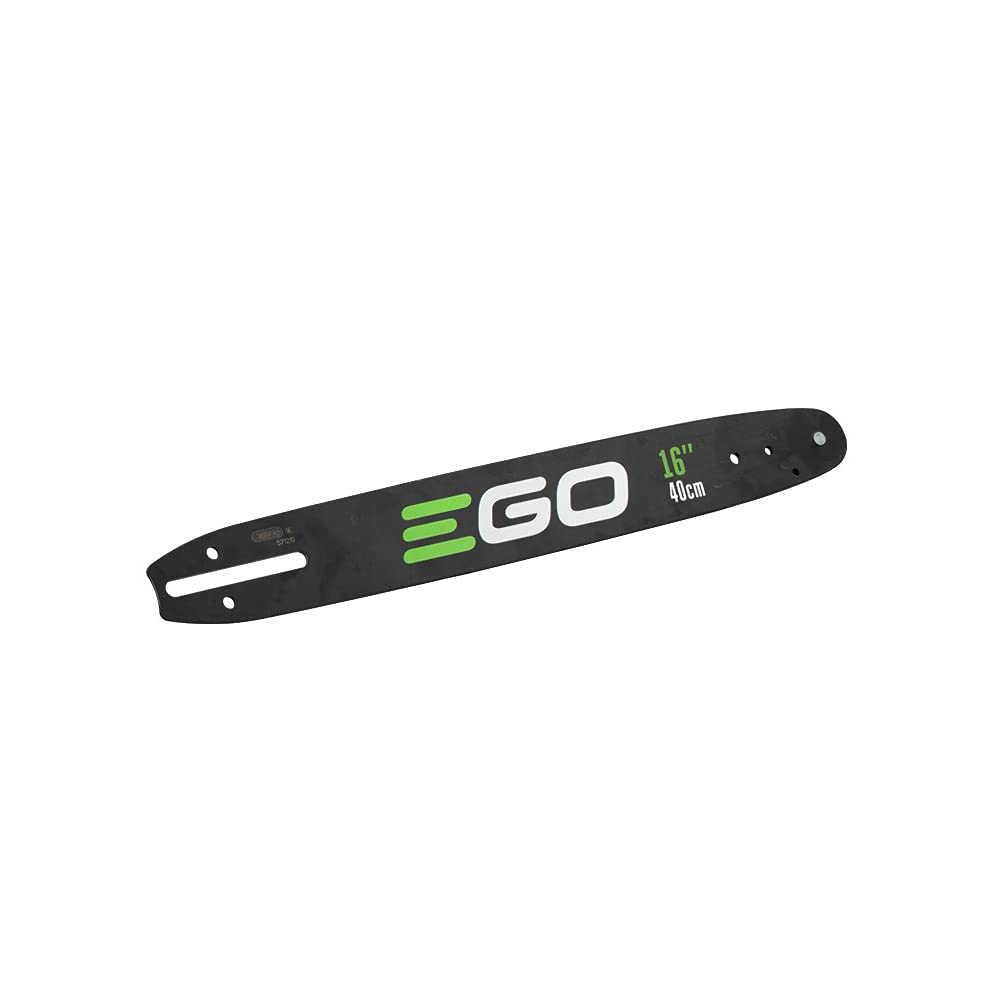
The OEM 16-inch bar I use on my EGO chainsaw for smoother, lower-kickback cuts and longer service life when reversed periodically.
Why I picked it: Genuine EGO part with reversible design and low-kickback profile for safe, smooth cutting.
Best for: Owners of EGO 16-inch cordless saws who want a drop-in, reliable replacement bar.
A sensible OEM replacement that prolongs tool performance.
Pros
- Genuine EGO compatibility
- Reversible to extend life
- Low kickback design
- Lightweight for longer run times
Cons
- Fits specific EGO 16" models
- Expect routine chain replacements
My take
I swapped this EGO guide bar onto my 16-inch EGO saw and noticed smoother cuts immediately. The low-kickback profile reduces the twitch you sometimes feel with cheap aftermarket bars.
Because the bar is reversible, I get more lifetime out of a single bar by flipping it when one side wears. That simple feature saved me from an early replacement when I was doing longer cutting sessions.
If you run an EGO 16-inch saw, this is the bar I keep in reserve and install when I want predictable handling and compatibility without tinkering.
4. Stihl 2-in-1 File Holder – Best for Precision Filing
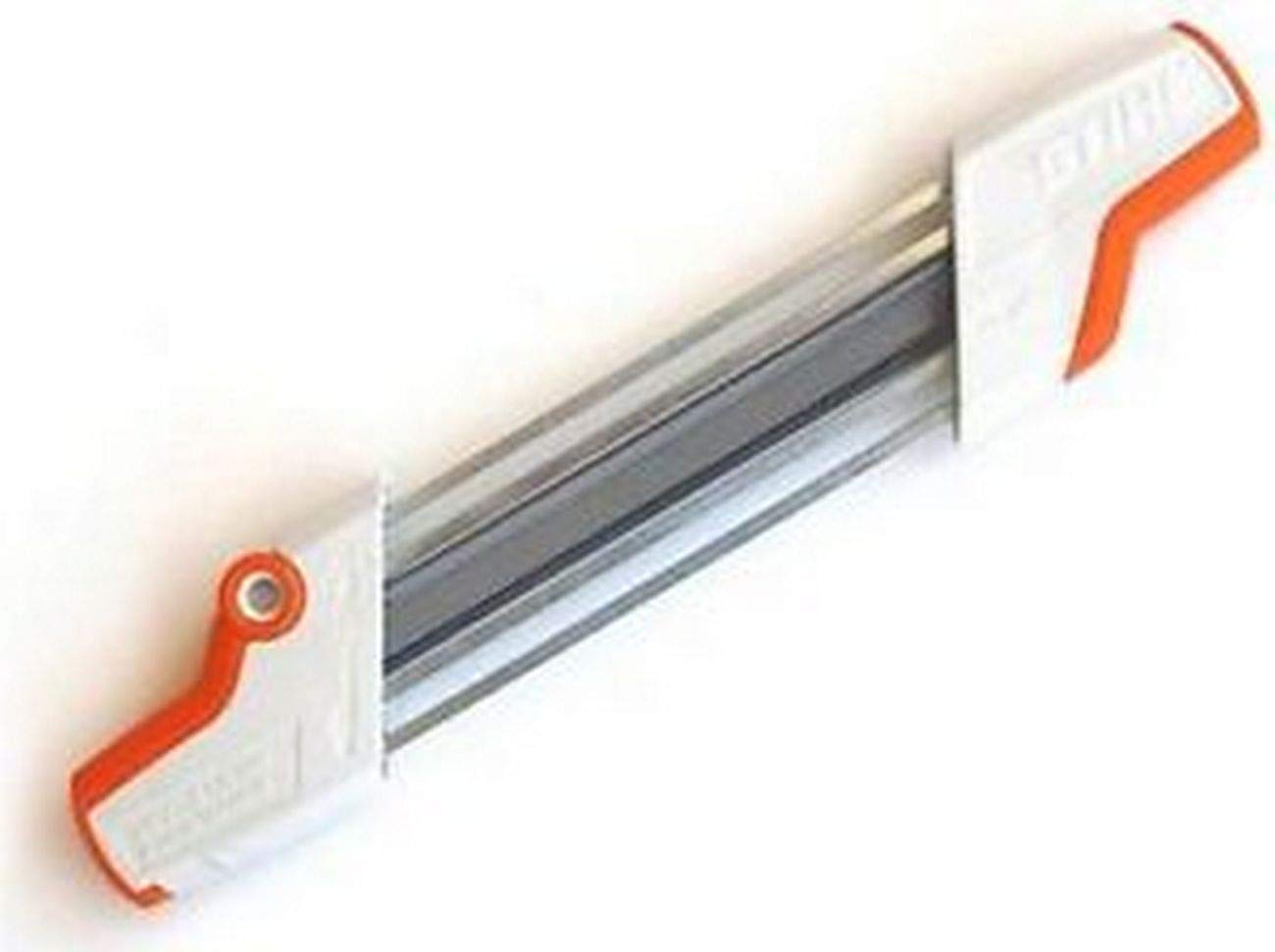
A robust file holder that sharpens cutting teeth and adjusts the depth gauge in one pass for a consistently tuned chain.
Why I picked it: Files the tooth and raker together for professional-level, repeatable sharpening.
Best for: Anyone who wants fast, accurate bench sharpening for 3/8" chains.
A premium sharpening tool that pays off with time saved and better cuts.
Pros
- Files teeth and rakers simultaneously
- Includes high-quality files
- Clear direction indicators
- Works well on bench setups
Cons
- Pricier than basic kits
- Sized for 3/8" chains
My take
When I need a quick, reliable tune-up on a 3/8" chain, the Stihl 2-in-1 file holder is what I reach for. It locks over the chain and takes out the guesswork—file the tooth and it trims the depth gauge at the same time, which keeps cutting performance consistent.
This is a tool I keep at my workbench for faster maintenance sessions. The files that come with it cut cleanly and the molded guides make it easy to maintain the correct angle even if I haven’t sharpened in a while.
I treated this as an investment: it’s a bit more money up front than a simple field kit, but for owners who tune chains often it speeds the job and produces reliable results.
5. Cold Creek Loggers Spiked Felling Wedges (5.5″) – Best for Felling Control
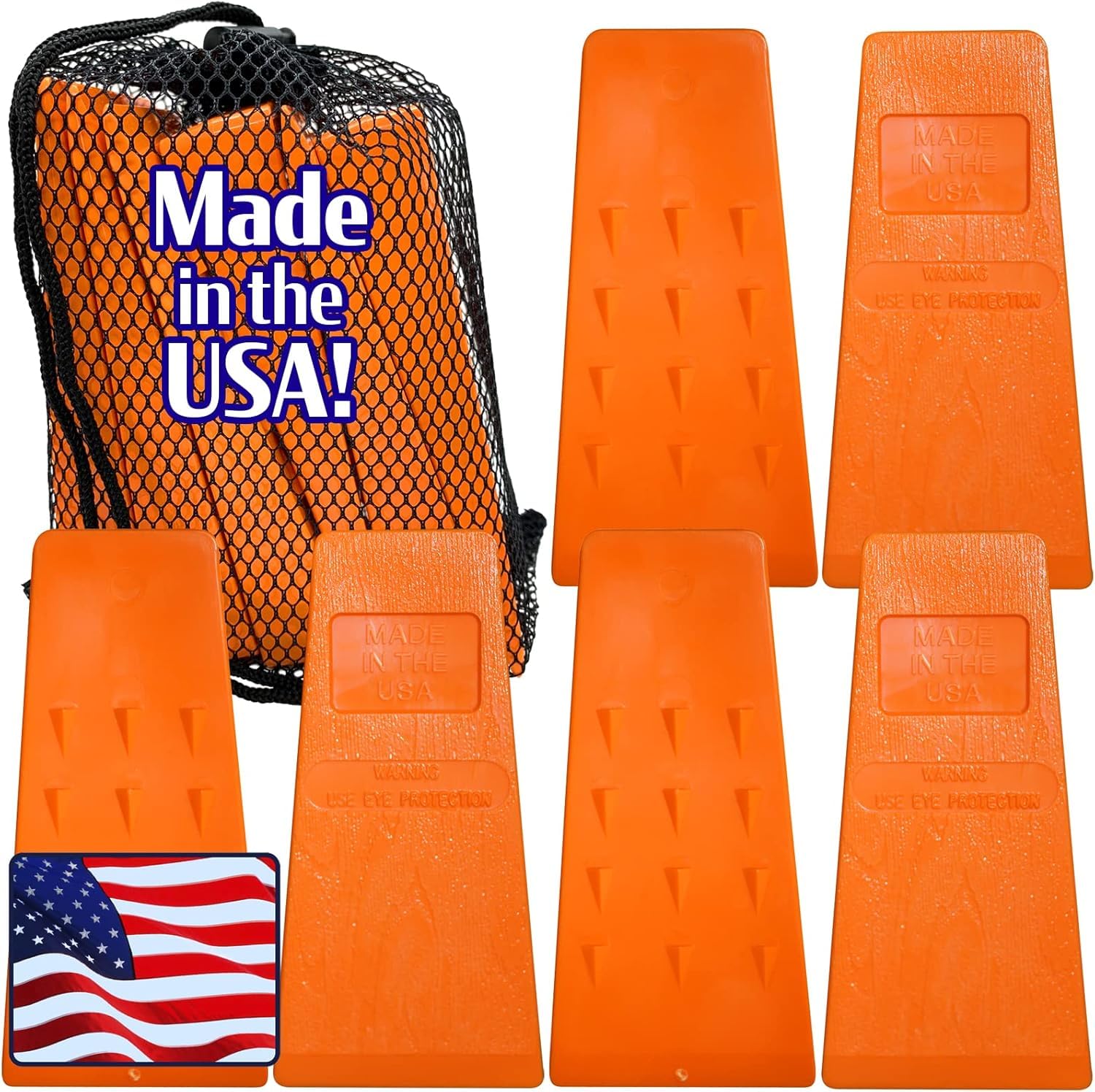
A set of bright, spiked ABS wedges I use to guide tree direction, prevent pinching, and reduce the risk of damaging my chain.
Why I picked it: Made-in-USA high-impact ABS with serrated spikes holds wedges securely in cuts.
Best for: Felling medium-to-large trees and preventing bar pinching during bucking.
A durable, lightweight alternative to steel wedges for everyday felling work.
Pros
- High-impact ABS construction
- Serrated spikes for secure hold
- Lightweight and easy to carry
- Bright orange for visibility
Cons
- Plastic can flex under extreme force
- Not a substitute for complex rigging
My take
I carry these wedges on every felling job. The ABS material is tough and doesn't rot or corrode, and the spikes bite into the wood so the wedge stays put while I finish the cut or start the back cut.
One time my saw hit an old pipe hidden in a trunk and the plastic wedge absorbed the impact without mangling my chain the way a steel wedge would have. That moment convinced me plastic wedges earn their place in the tool kit.
They’re light, easy to spot in brush thanks to the orange color, and simple to drive with a hammer or sledge to keep the tree from pinching the bar.
6. Stihl Rollomatic E 14-Inch Guide Bar – Best Upgrade Bar
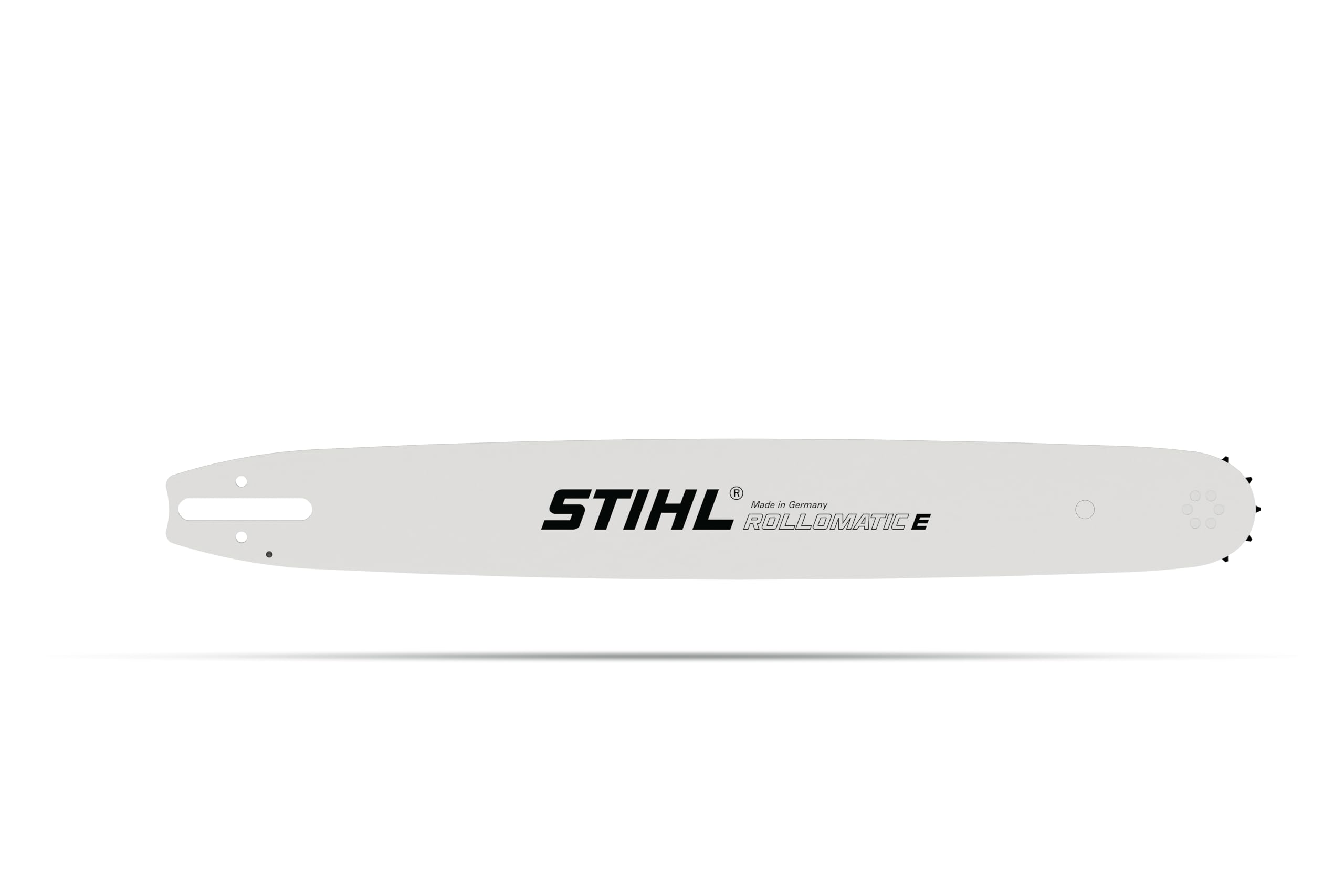
A three-part laminated 14-inch bar I use to replace thin stock bars for better stability and reduced chain-jumping.
Why I picked it: Three-part laminated construction and high-grade steel deliver durability and smoother operation.
Best for: Owners of mid-range saws who want a reliable, long-lasting guide bar upgrade.
A higher-end replacement that improves saw behavior and longevity.
Pros
- Three-part laminated design
- High-grade steel construction
- Star-shaped sprocket nose
- Versatile for many jobs
Cons
- More costly than generic bars
- Check compatibility with your saw model
My take
I swapped the Rollomatic E onto a saw that had a thin stock bar and the difference was immediate: the chain stayed on, the saw felt steadier, and cutting was cleaner.
The laminated construction gives the bar rigidity without adding excessive weight, and the star sprocket nose runs smoothly. For occasional to mid-range users who want a tougher, dependable bar, this is the upgrade I recommend keeping on hand.
A note from my experience: verify the bar spec for your saw before ordering so you get the right fit and sprocket type.
How I Choose Chainsaw Accessories and Small Cutters
Match tools to the work
I start by listing the jobs I do most: pruning, bucking firewood, felling small trees, and routine maintenance. That list tells me what bar lengths, wedge sizes, and sharpening tools I need.
For pruning and limb work I prefer compact cutters or a 14–16" bar. For bucking larger rounds I add wedges and a sturdier bar.
- Pruning and light cleanup: compact electric lopper or 14" bar.
- Regular firewood cutting: 16" bar balances maneuverability and reach.
- Felling large trees: use wedges and plan cuts; don’t rely on plastic wedges alone for complex rigs.
Keep chains sharp and tensioned
I sharpen my chain frequently rather than waiting until it’s obviously dull. A sharp chain cuts faster, uses less fuel or battery, and is safer in most situations.
Carry a field kit for quick touch-ups and a bench-style file holder for deeper maintenance sessions.
- Use the correct round file for your chain pitch.
- Check and set depth gauges after a few sharpenings.
- Keep an oil supply onboard and ensure the bar is properly lubricated.
Choose durable materials for safety
I favor proven materials: laminated steel bars for longevity and high-impact polymer wedges to reduce bar damage on hidden metal.
Genuine OEM bars often fit without modification and avoid clearing headaches during installation.
- Prefer OEM bars if compatibility is critical.
- Plastic wedges can protect chains from metal impacts.
- Store sharpening tools in a protective pouch to avoid nicks and lost pieces.
Frequently Asked Questions
How often should I sharpen my chainsaw chain?
I sharpen after a few hours of heavy cutting or whenever I notice fine dust instead of long chips. Frequent light touch-ups with a field kit keep the chain cutting efficiently and reduce the need for big bench sessions.
When should I replace the guide bar instead of the chain?
I replace the bar when wear creates an uneven rail, the chain starts jumping, or the sprocket nose shows excessive play. Reversible bars can be flipped to extend service, but a badly worn bar should be replaced to protect new chains.
Are plastic felling wedges safe to use?
I rely on high-impact ABS wedges for most felling because they’re light, visible, and protect my chain from metal contact. For extremely large trees or complicated rigging I add steel wedges or professional rigging methods.
Can I use the Alligator Lopper instead of a chainsaw?
I use the Alligator Lopper for pruning, storm cleanup, and turning limbs into firewood. It’s not a full substitute for a chainsaw when I need longer reach, deeper cuts, or portability away from power cords, but it makes many smaller jobs faster and safer.
Final Take
Over time I’ve found that keeping a few reliable accessories—an accurate file system, a solid guide bar, and a set of wedges—reduces downtime and keeps my saws cutting like new.
Whether you’re pruning with an electric lopper or replacing a worn bar, the right tools make the job safer and quicker. I keep the Oregon field kit, a Stihl bench file, an OEM bar for my electric saw, and a set of plastic wedges in my kit so I can handle almost any job around the property.
