
I tested both artificial and live chameleon-friendly plants and picked options that balance realism, durability, and habitat safety.
I keep mixed enclosures for arboreal reptiles and amphibians, so I regularly swap live and artificial plants to balance humidity, hiding spots, and climbable structure.
In this roundup I focus on realistic artificial foliage that stands up to climbing and humidity, plus a live plant set that’s actually ready to go into a closed terrarium.
Each pick reflects hands-on use: installation, cleaning, and how my animals interacted with the greenery.
I compared small decorative plastics, silk-hybrid hangers, a bendable vine kit, and a live six-plant assortment to cover different terrarium needs and budgets.
1. Exo Terra Mandarin Terrarium Plant – Best Small Plastic Plant
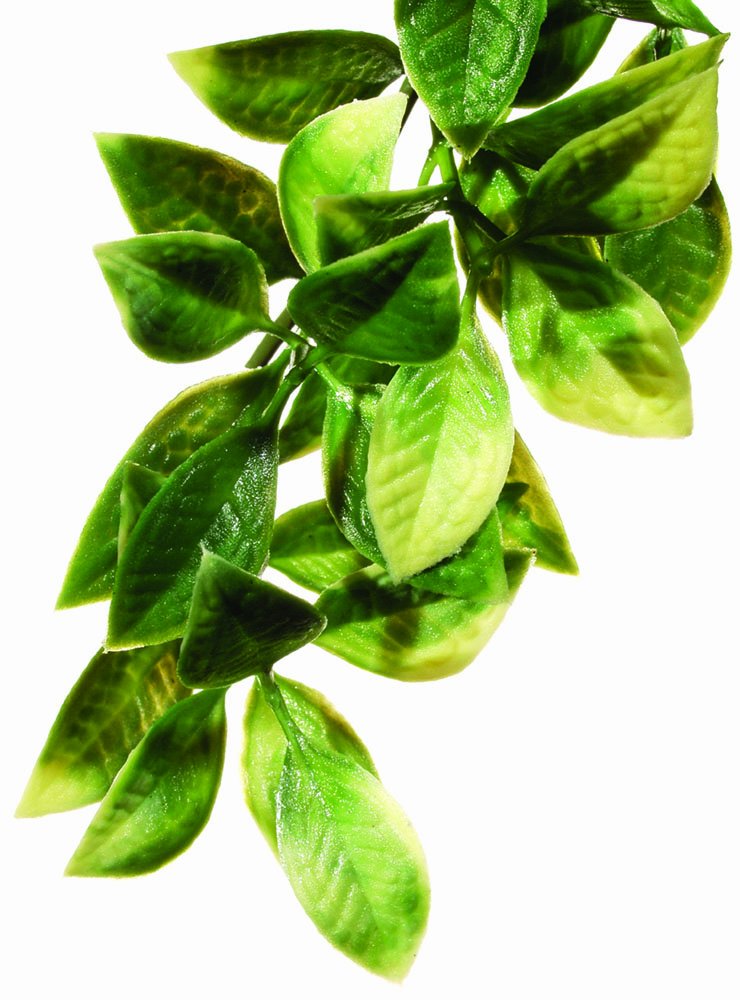
A compact hanging plastic plant with two-tone leaves and strong suction, good for accenting sterile or low-light areas where live plants won’t survive.
Why I picked it: Realistic two-tone leaves, thick plastic climbable foliage, reliable suction.
Best for: Small enclosures, geckos, hermit crabs, sterile setups.
Very budget-friendly option.
Pros
- Realistic two-tone coloration
- Thick plastic leaves for climbing
- Strong suction on clean glass
- Easy to rinse clean
Cons
- Occasional rough injection edges
- Can fall off glass sometimes
My take
I was surprised by how large and solid this little plastic plant felt when it arrived. The two-tone green and yellow leaves add a believable pop of color and my gecko uses the thicker leaves as a climbing surface more than I expected.
Installation was simple—clean the glass, press the suction cup, and it stayed put for long stretches. I did notice it fall a couple times if the glass got dusty, so keeping the contact area clean matters.
Cleaning is straightforward; a quick rinse removes debris. I detected only a faint plastic smell at unboxing that faded after a brief soak. The only real downside was a few rough plastic edges on the stems on one sample, which I smoothed with a fingernail file before putting it in the tank.
2. SLSON Hanging Silk Terrarium Plant – Best Silk-Leaved Hanging Plant
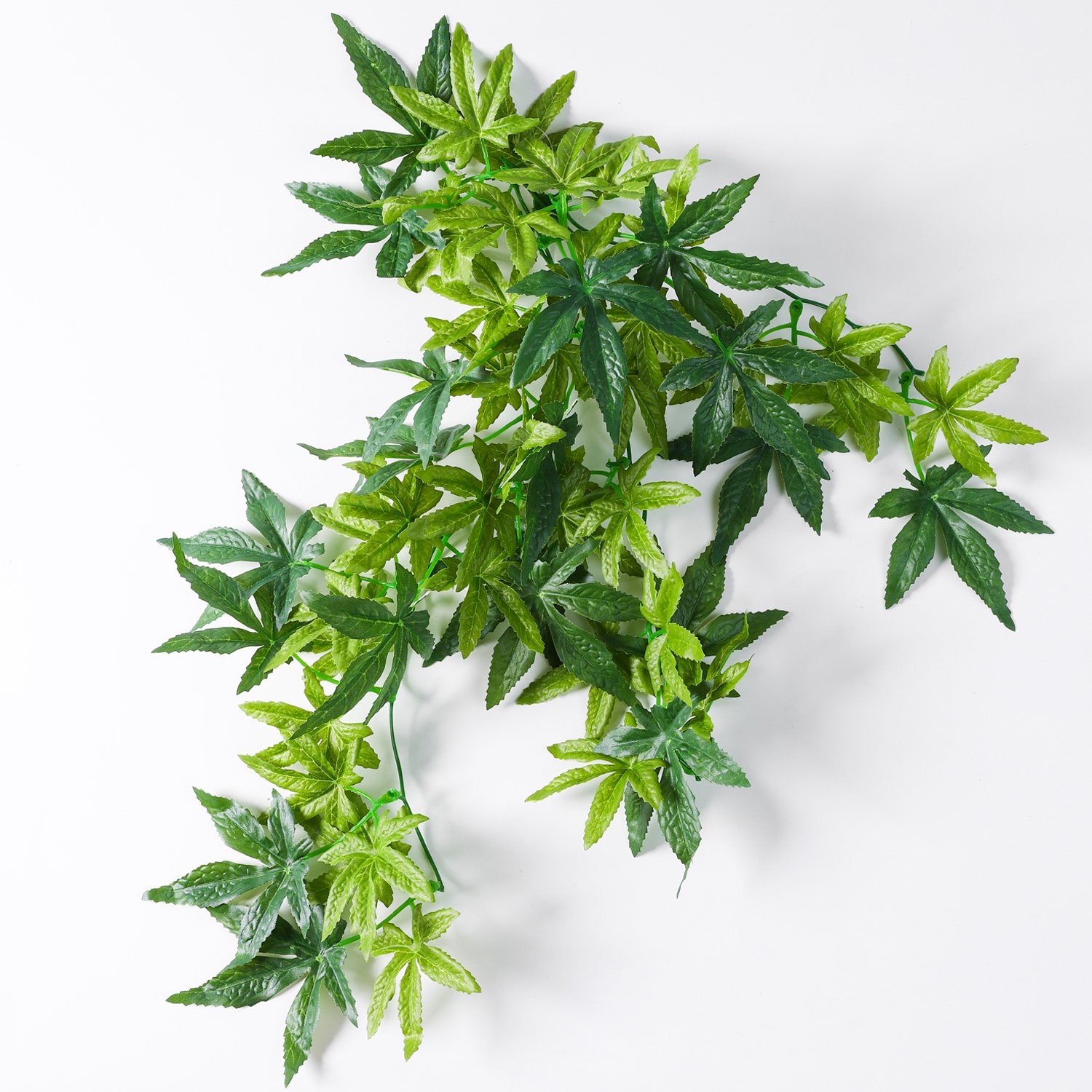
A 12-inch hybrid plant with soft silk leaves and plastic stems that installs with a suction cup and works well where a softer foliage surface is preferred.
Why I picked it: Soft silk leaves, pet-safe materials, easy to style and clean.
Best for: Bearded dragons, snakes, hermit crabs, tanks needing soft foliage.
Affordable and easy to replace.
Pros
- Soft, pet-friendly silk leaves
- Non-toxic materials
- Good size for medium tanks
- Simple suction-cup installation
Cons
- Some leaves may detach
- Suction cup can lose grip
My take
I followed the maker’s advice and rinsed the plant in warm water before placing it in an enclosure; that relaxed the fabric and made the foliage sit more naturally.
The silk leaves are soft enough that I don’t worry about sharp edges if a snake or lizard rubs against them, and the plastic stems are easy to bend into position. In regular use the suction cup held well, though in a few setups I reinforced it when my snake kept nudging at the same spot.
A few leaves did come free when I handled the plant aggressively, so I treat it gently while arranging. Overall it’s an economical way to add softer texture to a habitat without maintenance or watering.
3. Flexible Jungle Vine Terrarium Plant Kit – Best for Arboreal Pets
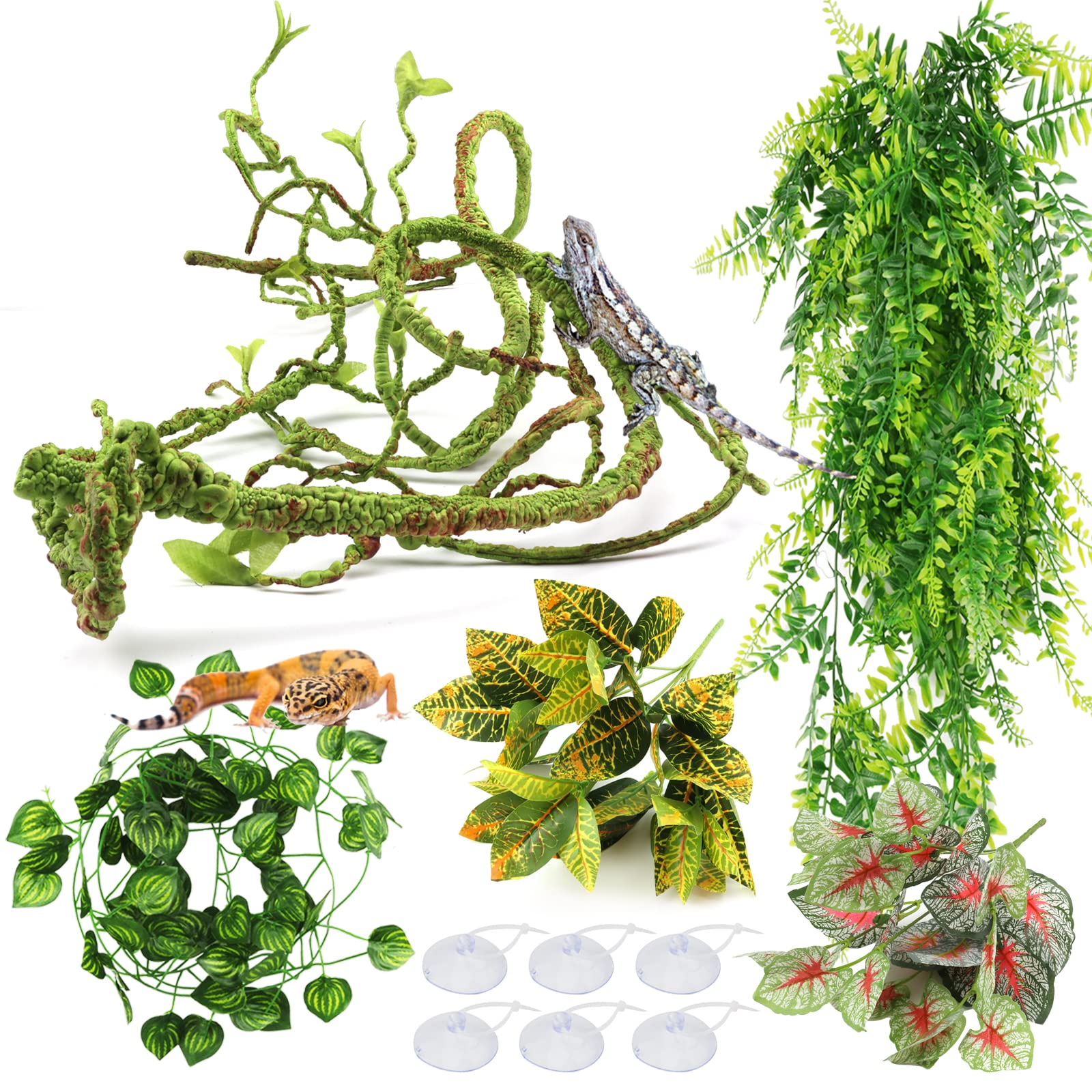
A multi-piece kit with a metal-core vine, large hanging leaves, mini ivies, and multiple suction cups that I used to build layered climbing structure and humidity-retaining foliage.
Why I picked it: Bendable metal-core vine and multiple pieces for customizable setups.
Best for: Chameleons, arboreal lizards, climbing snakes, layered terrariums.
Mid-range kit with flexibility and extra parts.
Pros
- Sturdy metal-core vine
- Includes several pieces and suction cups
- Bendable for custom layouts
- Adds volume for humidity retention
Cons
- Not odorless initially
- Some pieces feel bulky in small tanks
My take
This kit gave me the most design freedom—between the bendable vine, the large hanging leaves, and the mini ivies I was able to create climbing routes and shaded hide spots that my arboreal animals used immediately.
The metal core makes shaping easy and secure, but I was careful not to over-bend the foam-covered branches because excessive twisting can damage the foam surface. The included suction cups and zip ties make it simple to anchor heavier parts.
A strong plastic smell was obvious at first, so I soaked the pieces in a vinegar-and-hot-water solution and air-dried them; that removed most of the odor. For heavier climbers I treated the vine as decor and occasional climbing support rather than primary load-bearing structure.
4. Mini Live Terrarium Plant Assortment – Best Live Plant Set
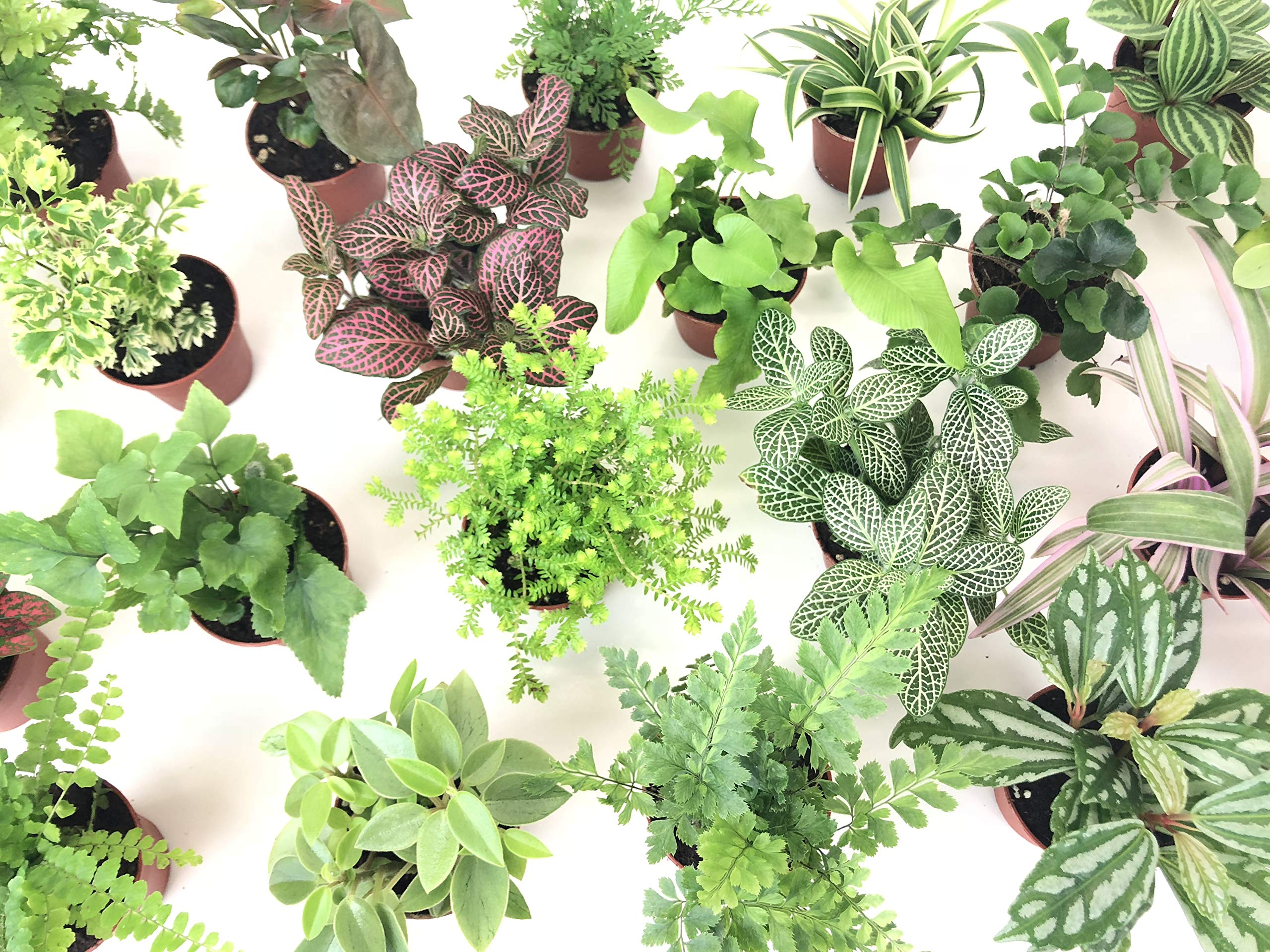
Six small high-humidity-loving live plants in mini pots, ideal for closed terrariums, fairy gardens, and propagation projects.
Why I picked it: Healthy, small-size plants that handle high-humidity terrariums and root quickly.
Best for: Closed terrariums, propagation projects, high-humidity setups.
Higher cost but gives live plant variety and growth potential.
Pros
- Ready-to-plant mini sizes
- Tolerant of high humidity
- Well packaged for transit
- Excellent for propagation
Cons
- Possible duplicate varieties in multi-set orders
- Risk of damage during shipping
My take
I received a set of six healthy mini plants that were exactly the right size for a 2–5 gallon closed terrarium. After splitting a couple for propagation, they rooted quickly and began new growth right away.
Packaging was thoughtful in my shipment and the soil remained moist without being soggy. I did see one case where a plant was damaged in transit in another batch I inspected, so I always check for broken stems at unboxing and re-pot gently when needed.
If you want real foliage that will change and grow over time, these plants are worth the extra care. They perform best in stable, humid enclosures where I can watch them thrive instead of replacing them frequently.
How I Choose Chameleon Plants for Terrariums
Live vs Artificial — when I pick each
I use artificial plants when I need durable, low-maintenance decor or when enclosure lighting and substrate won’t support live growth.
I prefer live plants when I want active humidity control, natural microclimates, and evolving cover that benefits species that appreciate foliage contact.
- Choose artificial for sterile bioactive setups or high-heat lamps.
- Choose live for closed terrariums and species that benefit from real foliage.
Materials and pet safety
I always check that artificial plants are made from non-toxic plastics or soft silk so there’s no risk if a reptile nudges or mouths a leaf.
Metal-core vines are great for shaping but I avoid exposed wire ends and inspect foam coverings for tears before placing them in habitat.
- Avoid plants positioned directly under a heat bulb—plastic can deform.
- Soak new artificial plants to reduce manufacturing odors before placing them in an enclosure.
Sizing and placement tips I use
I clean the glass and test suction points before committing to placement to reduce the chance of falls.
For climbers I create multiple staggered anchor points so animals can move vertically without relying on a single branch.
- Measure tank height and leave clear climbing paths.
- Use multiple suction cups or zip ties for heavier pieces.
Cleaning and maintenance
I rinse artificial plants regularly and deep-clean with a diluted bleach or vinegar soak when needed, then rinse thoroughly.
For live plants I manage airflow and humidity to prevent mold and check soil moisture rather than overwatering.
- Rinse silk plants in warm water to relax fibers.
- Soak plastic plants in warm water and mild disinfectant if you bring them from another enclosure.
Frequently Asked Questions
How do I remove the plastic smell from new artificial plants?
I soak new pieces in a warm water and vinegar solution for an hour, then air them out. That method reduced fumes across everything I tested.
Will suction cups hold heavy vines?
In my setups suction cups work for light to moderate pieces. For heavier vines I anchor with zip ties, hooks, or drape stems over branch anchors to avoid relying on one cup.
Can chameleons climb artificial plants safely?
Yes—if the foliage is sturdy and the core is solid. I use metal-core vines for structure and avoid pieces with loose foam or rough plastic edges that could snag toes.
Are the live mini plants hard to keep?
They thrive in closed, humid terrariums. I keep indirect light, consistent humidity, and only mist when surface soil feels dry to the touch.
Final Take
I rely on a mix of these picks: artificial pieces for durable structure and live minis when I want growth and humidity benefits.
If I need budget-friendly accents I go with the Exo Terra piece; for arboreal, shaping needs I prefer the flexible vine kit; and when I want living foliage I choose the mini plant assortment.
Whichever you pick, I recommend soaking new artificial plants and inspecting live arrivals so they settle in healthily.
