
I tested a full range of charcoal-equipped air solutions—from a high-capacity HEPA purifier to cut-to-fit carbon sheets—and I explain which works best for smoke, odors, pets, and maintaining HEPA life.
I spent time using both complete purifiers and do-it-yourself charcoal sheets so I could recommend practical, real-world options for odor control, smoke, and general air quality improvement.
Across these picks I focused on actual filtration tech, ease of use, and which pieces give you the best bang for your buck over time.
I grouped a standalone purifier that handles large rooms and active smoke alongside cut-to-fit and OEM-compatible replacement filters so you can choose between a full device or economical ways to add charcoal filtration to what you already own.
1. Instant HEPA Quiet Air Purifier – Best Overall
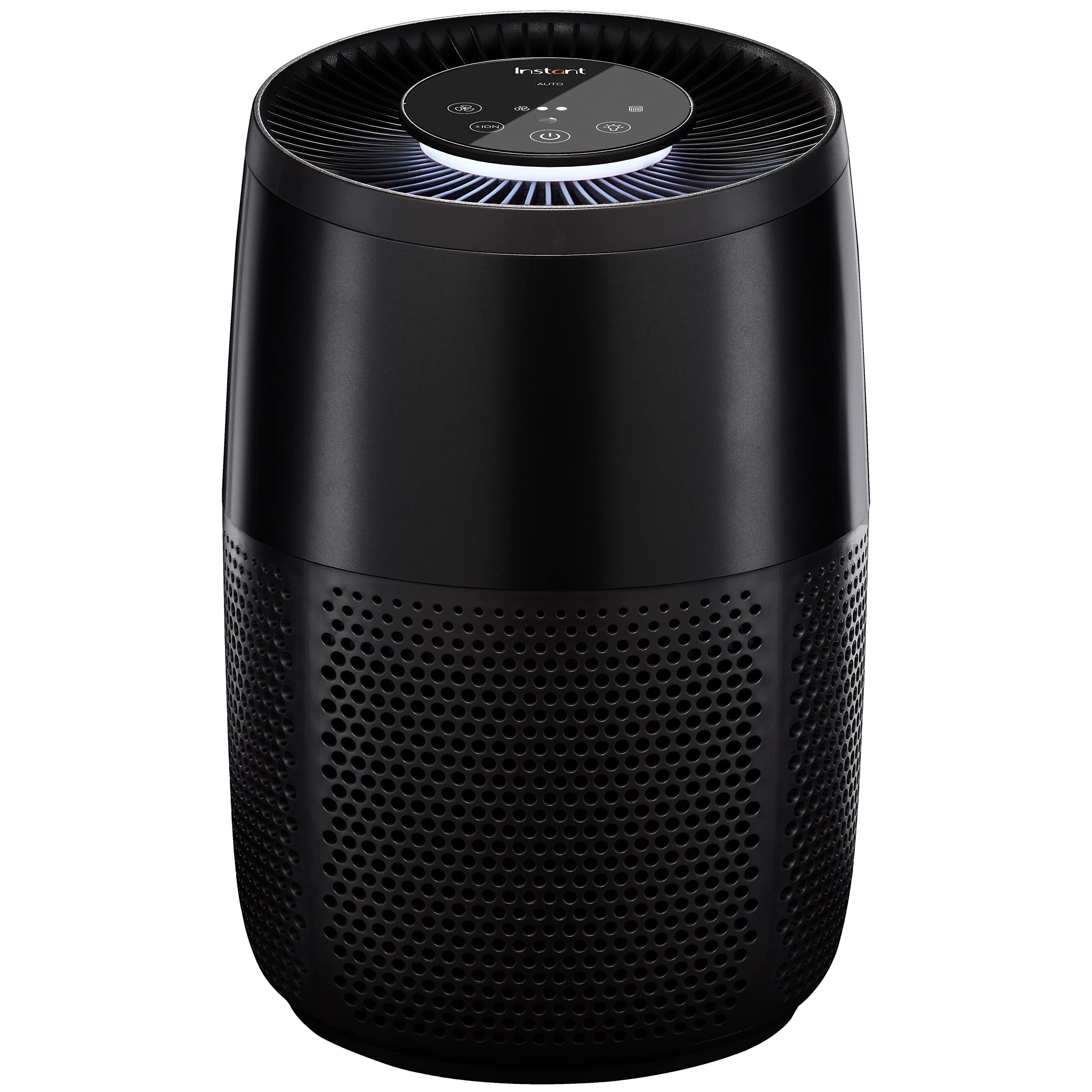
A high-capacity HEPA-13 purifier with an activated carbon layer and plasma ion tech that I rely on for large rooms, smoke seasons, and pet odors.
Why I picked it: Powerful HEPA-13 plus a carbon layer, auto air sensing, whisper-quiet operation, and room coverage up to 630 sq ft.
Best for: Large rooms, wildfire smoke, households with pets or persistent cooking odors.
A feature-rich purifier that I consider a solid investment for high-capacity air cleaning.
Pros
- True HEPA-13 filtration
- Carbon layer reduces odors
- Covers up to 630 sq ft
- Auto mode with air-quality sensing
- Very quiet at night
Cons
- Plasma ion tech may be unnecessary for some
- Not available for sale in Indiana
My take
I use this Instant purifier in rooms where smoke and pet hair are a recurring problem. The HEPA-13 stage caught the fine ash and dander I was seeing on surfaces, while the carbon layer noticeably reduced lingering cooking and smoke smells.
The auto mode took the guesswork out of fan speeds—when my room air got hazy the unit ramped up, and it dropped back down when things cleared. I also liked the light band for a quick visual on air quality.
It cycles a room multiple times per hour at its rated coverage, so I could see clearer air within minutes when testing after heavy cooking and brief smoke exposure. Energy-saving Eco mode helped when I wanted background filtration without running full blast.
If you need a quiet, powerful purifier that handles larger spaces, this one has the combination of HEPA capture and activated carbon odor control I look for.
2. Pass Carbon Pad Cut-to-Fit Charcoal Sheet – Best Budget Pre-Filter
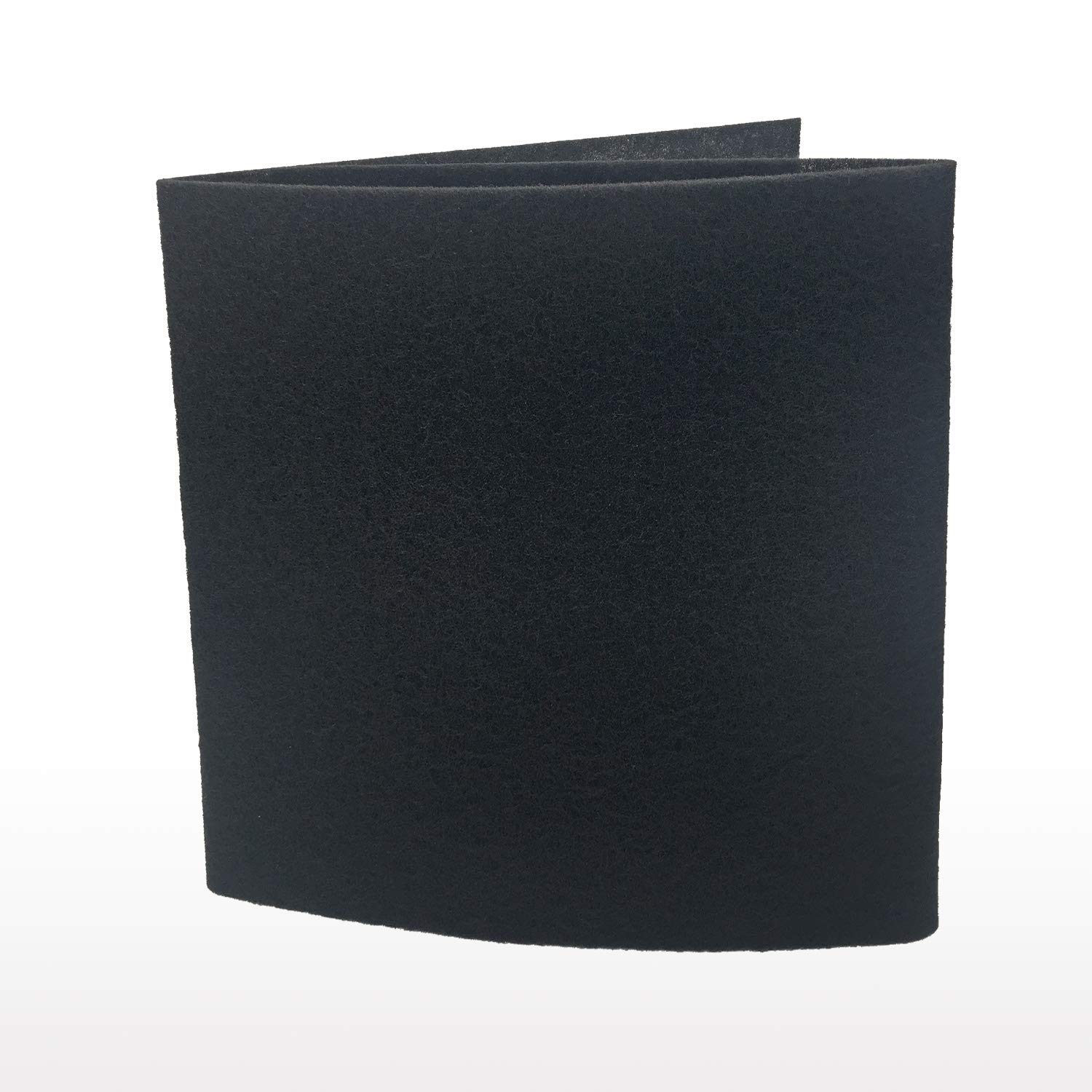
A flexible, inexpensive activated carbon sheet I cut to size to protect HEPA cartridges and trap odors and VOCs before they reach the main filter.
Why I picked it: Extends HEPA life, very versatile for odd-sized filters, and easy to trim for DIY applications.
Best for: People who want an economical pre-filter for purifiers, range hoods, vents, or compost bins.
Extremely affordable per square foot compared with many branded replacement filters.
Pros
- Easy to cut-to-fit
- Reduces odors and VOCs
- Protects HEPA filters
- Works across many appliances
Cons
- May shed light charcoal dust
- Needs occasional cleaning
My take
I keep a sheet of this carbon material on hand to wrap HEPA canisters and cut custom pieces for awkward range hoods and tabletop purifiers.
In practice it extended the useful life of my HEPA cartridges—when I vacuumed the pre-filter monthly there was noticeably less build-up on the HEPA itself.
The material cleans up with mild soap and dries quickly. I did find some loose carbon dust on my hands during installation, so I handle it over a surface that’s easy to wipe down.
3. Dyson Tower Purifier Replacement HEPA+Charcoal – Best for Dyson Owners
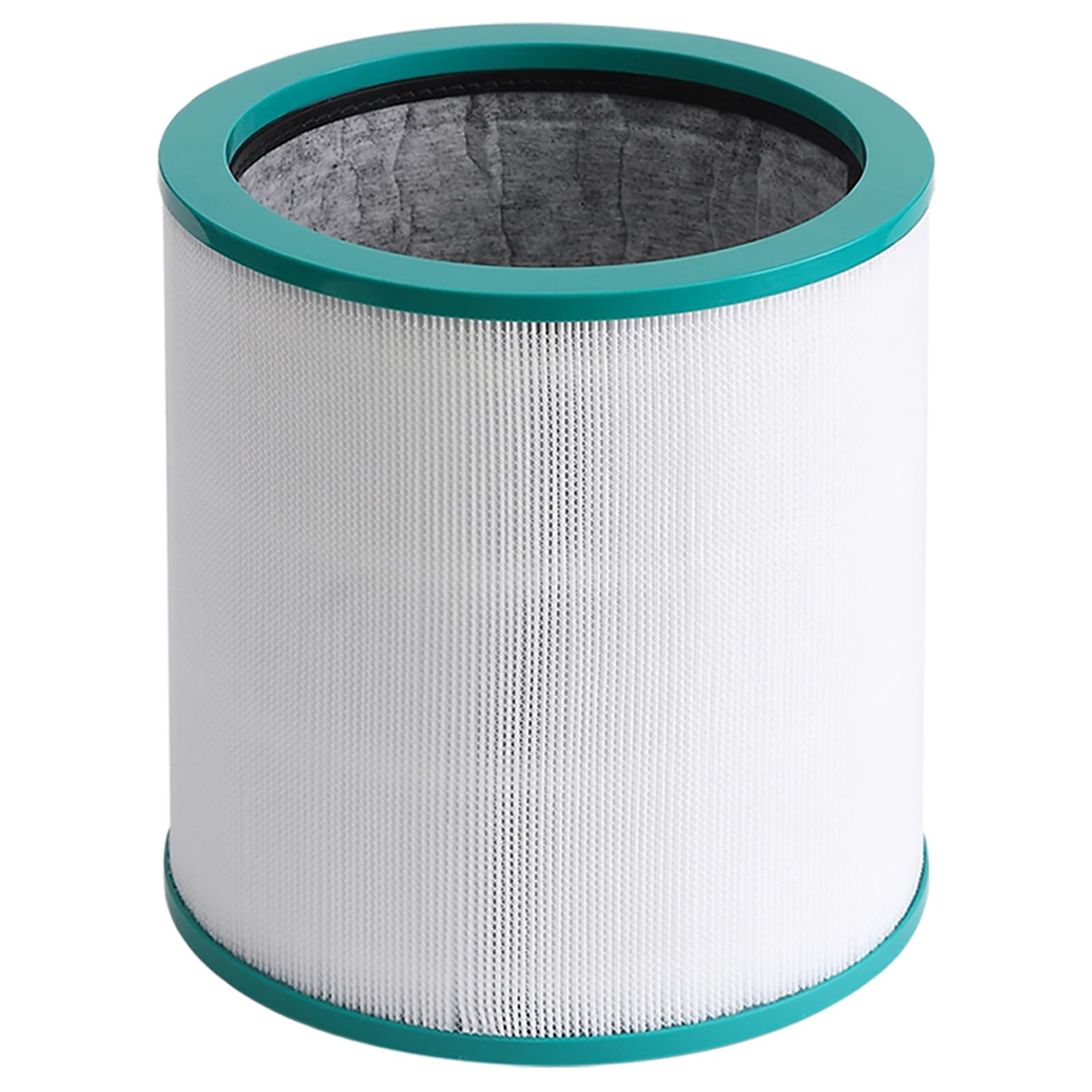
A compatible True HEPA replacement with an inner activated charcoal layer that I used as a cost-effective swap for Dyson TP-series purifiers.
Why I picked it: Direct compatibility with multiple Dyson tower models and an odor-reducing charcoal layer.
Best for: Owners of Dyson TP01/TP02/TP03/AM11/BP01 who want a replacement filter with charcoal odor control.
A more budget-friendly alternative to OEM replacements that still gives HEPA and charcoal functionality.
Pros
- Fits Dyson tower purifiers
- True HEPA filtration
- Inner charcoal layer removes smells
- Simple one-to-one replacement
Cons
- Sold as a single filter
- Needs regular yearly replacement
My take
I swapped this in for the original Dyson filter and it fit the housing perfectly with no gaps. The unit's airflow and feel were unchanged, but the air smelled fresher after changing out a heavily used element.
The charcoal layer noticeably helped with cooking and pet odors in my tests. For someone keeping up with scheduled maintenance, this replacement delivers the core HEPA-plus-carbon performance I expect from a Dyson-compatible cartridge.
4. VEVA HEPA Filters for Coway AP-1512HH – Best Value Pack
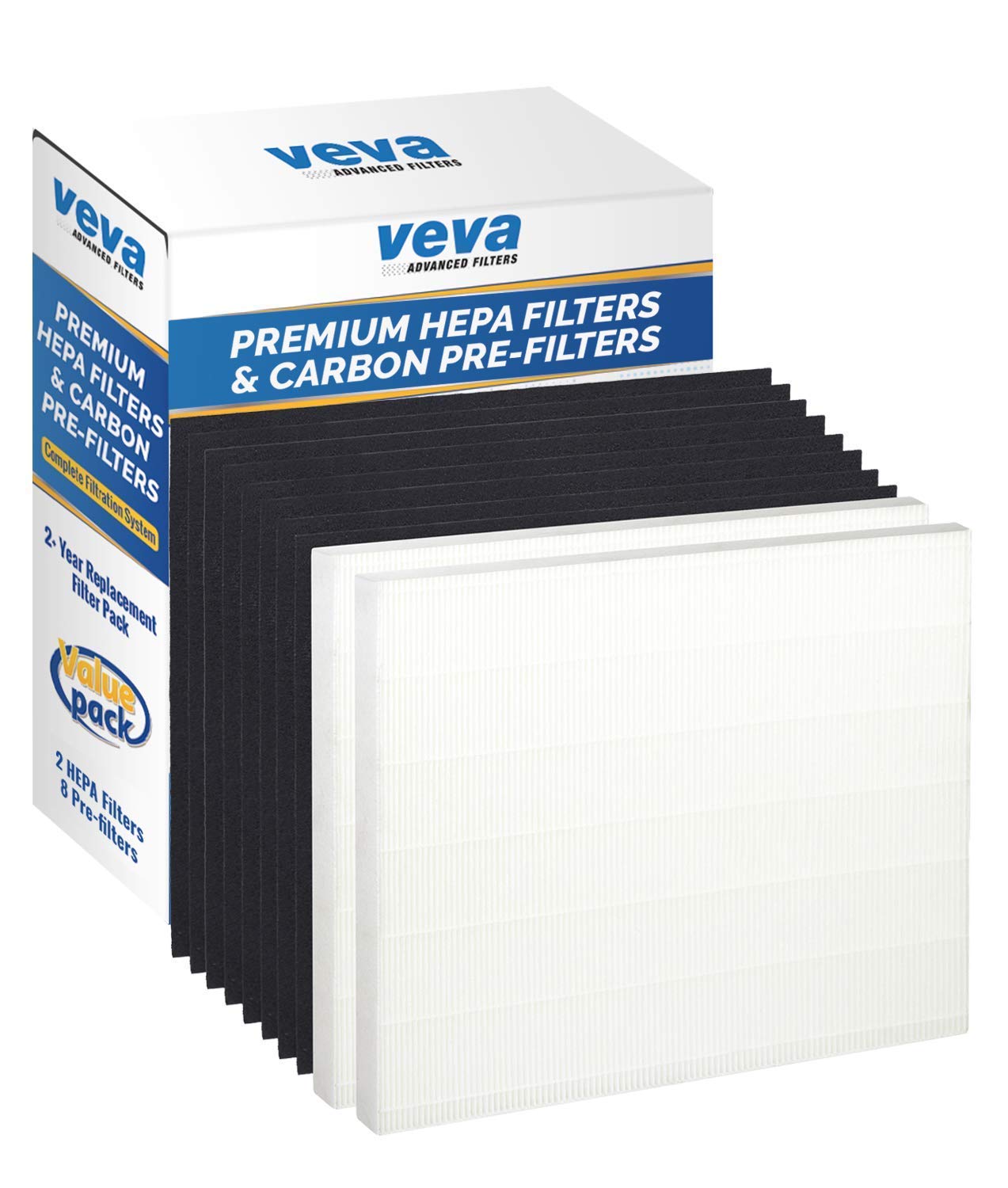
A value pack that pairs two HEPA filters with multiple activated carbon pre-filters so I can do complete replacements for Coway units and stock spares.
Why I picked it: Includes extras and matches OEM fit closely while offering more carbon pre-filters per package.
Best for: Coway AP-1512HH owners who want spare pre-filters and economical HEPA swaps.
I found this to be a cost-effective multi-pack compared with buying OEM pieces one-by-one.
Pros
- Two HEPA filters included
- Eight activated carbon pre-filters
- Good OEM-like fit
- Traps cooking and pet odors
Cons
- Some pre-filters may be slightly undersized
- Not the original-brand packaging
My take
I replaced my Coway cartridges with this VEVA set across several rooms. The HEPA elements seated well and the extra carbon pre-filters let me swap often where cooking grease builds up.
Visually the carbon pre-filters had a high visible charcoal content and seemed effective at capturing odors. In the kitchen unit I swapped carbons more frequently and appreciated having spares on hand.
Overall the set made routine maintenance simpler and felt like a smart way to keep multiple purifiers working without paying OEM prices every time.
5. CFS Cut-to-Fit Carbon Pad – Best for Heavy Odors
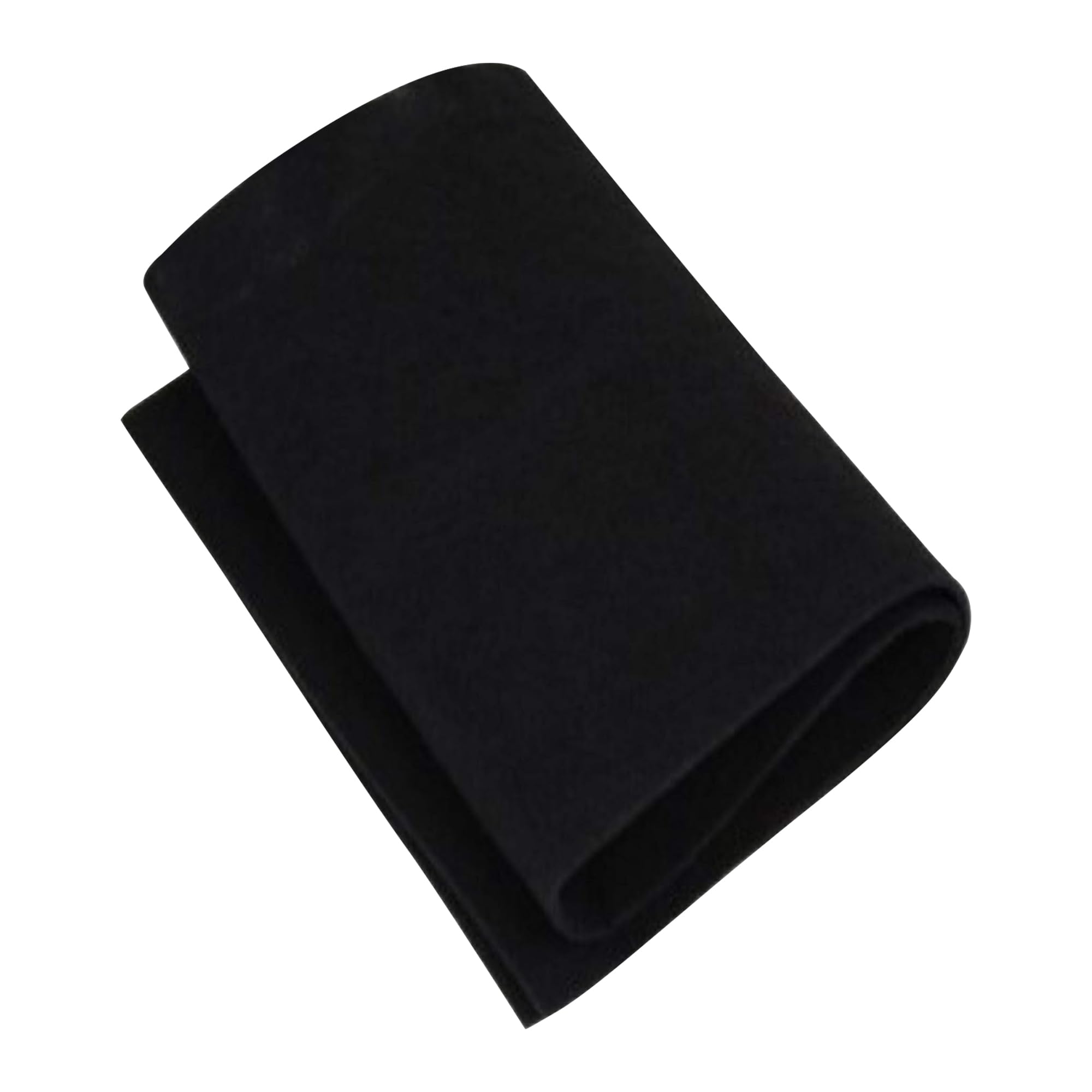
A robust 16 x 48 activated carbon pad I used for odor-heavy locations and DIY filter projects where durability matters.
Why I picked it: Durable mesh structure, high polyester electrostatic material, and good airflow—works well where odors are strong.
Best for: Range hoods, compost bins, furnace filters, and other heavy-odor spots that need a large, trim-to-fit pad.
An economical way to tackle persistent odors that would otherwise require frequent small filter replacements.
Pros
- Large cut-to-fit sheet
- Durable mesh and elastic material
- Extends HEPA life
- Good airflow retention
Cons
- Black charcoal dust can transfer during handling
- May require securing straps for round filters
My take
I used this CFS sheet to wrap HEPA canisters and cut rectangles for range hood inserts; the material held up well and kept airflow consistent.
In heavy-odor tasks like compost bins and near the kitchen, the pad noticeably reduced smells and allowed me to delay more costly cartridge replacements.
Take care when handling—some loose charcoal particles can rub off while you trim or place it, so I install it over a clean surface and vacuum the area after cutting.
How I Choose Charcoal Filtration
Charcoal vs HEPA: complementary roles
I think of charcoal as the odor and VOC catcher and HEPA as the particle remover. If you only have one, prioritize HEPA for allergies and asthma; add charcoal when smells or smoke are a problem.
- HEPA removes fine particles like smoke, pollen, and dander.
- Activated charcoal adsorbs gases, odors, and many VOCs.
- Using a charcoal pre-filter protects HEPA and extends its life.
Choosing a full purifier or a carbon sheet
I choose a standalone purifier when I need whole-room continuous cleaning, especially in large or frequently smoky spaces. I choose cut-to-fit sheets when I want to upgrade existing units or save on recurring cartridge costs.
- Full purifiers offer sensors, auto modes, and matched fan sizes.
- Cut-to-fit sheets are versatile and far cheaper per square foot.
- Replacement cartridges are easiest for exact-fit performance.
Placement, maintenance, and replacement cadence
I place purifiers where airflow is unblocked and run them continuously during poor air events. For pre-filters I clean monthly and replace according to odor buildup or manufacturer guidance.
- Keep intake clear of curtains and furniture.
- Vacuum or lightly wash cut-to-fit pre-filters monthly.
- Replace HEPA/charcoal elements when odors return or airflow drops noticeably.
Safety and handling tips
I handle loose carbon pads carefully to avoid black dust transfer. For any ion or plasma features, I check whether the unit notes ozone-free operation if that's a concern in my home.
- Trim carbon sheets on a clean surface and vacuum residues.
- Verify unit compatibility before buying replacement cartridges.
- Follow manufacturer timelines for HEPA replacement to maintain performance.
Frequently Asked Questions
Can I cut charcoal sheets to fit any purifier?
Yes—I cut these sheets to fit odd housings and range hoods often. Measure first and trim carefully; expect some loose charcoal dust the first time you handle the material.
How often should I change a charcoal pre-filter?
I typically clean a pre-filter monthly and replace it when it no longer controls odors or when airflow drops. In heavy-cooking or smoky environments I replace more frequently.
Will adding a charcoal sheet reduce HEPA effectiveness?
No—when used as a pre-filter charcoal protects the HEPA by catching larger particles and gases first, which usually helps HEPA last longer and perform more consistently.
Final Take
I find a simple rule works: buy a capable HEPA purifier with a carbon stage for whole-room problems, and keep a roll of cut-to-fit carbon on hand for DIY fixes and filter protection.
Whichever route you choose, regular maintenance and timely replacement keep both odors and particles under control without wasting money on unnecessary swaps.
