
I tested plant-based sprays, disinfecting multipurpose cleaners, and a wood-specific soap to find products that clean cabinets without harming finishes. Here are the options I rely on for everyday wipe-downs, heavy-duty‑
I spend a lot of time cleaning kitchens, so I look for products that remove grease and grime without stripping cabinet finishes or leaving sticky residue. I tested a mix of plant-based all‑purpose cleaners, a disinfecting spray, and a wood soap so I could recommend a go-to for painted and laminate cabinets as well as one for real wood.
Below I explain where each cleaner shines, what tradeoffs I noticed, and how I use them in my home to keep cabinets looking fresh and protected.
When I choose between these options I weigh surface safety first (wood vs. laminate), then whether I need disinfecting power or a gentle everyday spray. Scent, dilution, and ease of use round out my pick.
1. Mrs. Meyer’s Multi‑Surface Everyday Cleaner (Lavender) – Best Overall
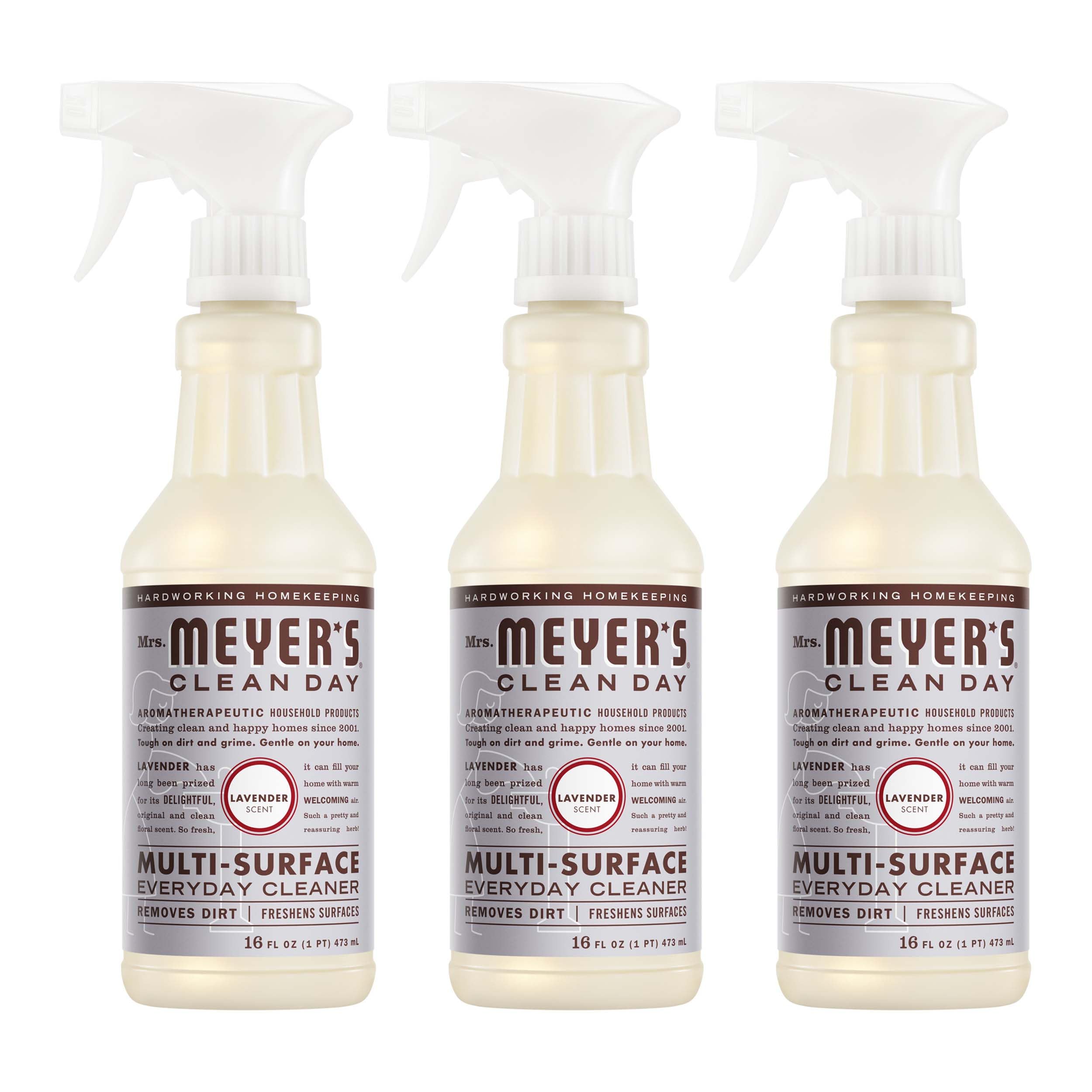
A plant‑based multi‑surface cleaner that handles daily spills and light grease while leaving a pleasant lavender scent.
Why I picked it: Versatile plant‑based formula that cleans well on most non‑porous surfaces and smells great without being overpowering.
Best for: Daily cabinet wipe‑downs, painted and laminate cabinets, and general kitchen surfaces.
Affordable and good value when bought in multipacks or concentrate form.
Pros
- Plant‑based formula
- Pleasant lavender fragrance
- Versatile on many surfaces
- Cruelty‑free ingredients
Cons
- Needs extra scrubbing for heavy grease
- Not ideal for stainless steel streaks
My take
I kept a bottle of this on my counter for everyday wipe‑downs. The spray cuts through light oils and fingerprints on painted and laminate cabinet doors with a few passes of a microfiber cloth. Because the formula is plant‑derived I feel comfortable using it around food prep areas.
The lavender scent is garden‑inspired and subtle — it freshens the kitchen without leaving a lingering chemical odor. I also like that the product is clear about its ingredient choices and is Leaping Bunny certified.
For tougher, baked‑on grease I used a little extra spray and elbow grease and the cleaner performed acceptably, but I wouldn’t rely on it as my sole degreaser for heavy grime. I also found it wasn’t the best at removing streaks on stainless surfaces, so I switch to a stainless‑specific product there.
2. Lysol All‑Purpose Cleaner Spray (Mango & Hibiscus) – Best for Disinfecting
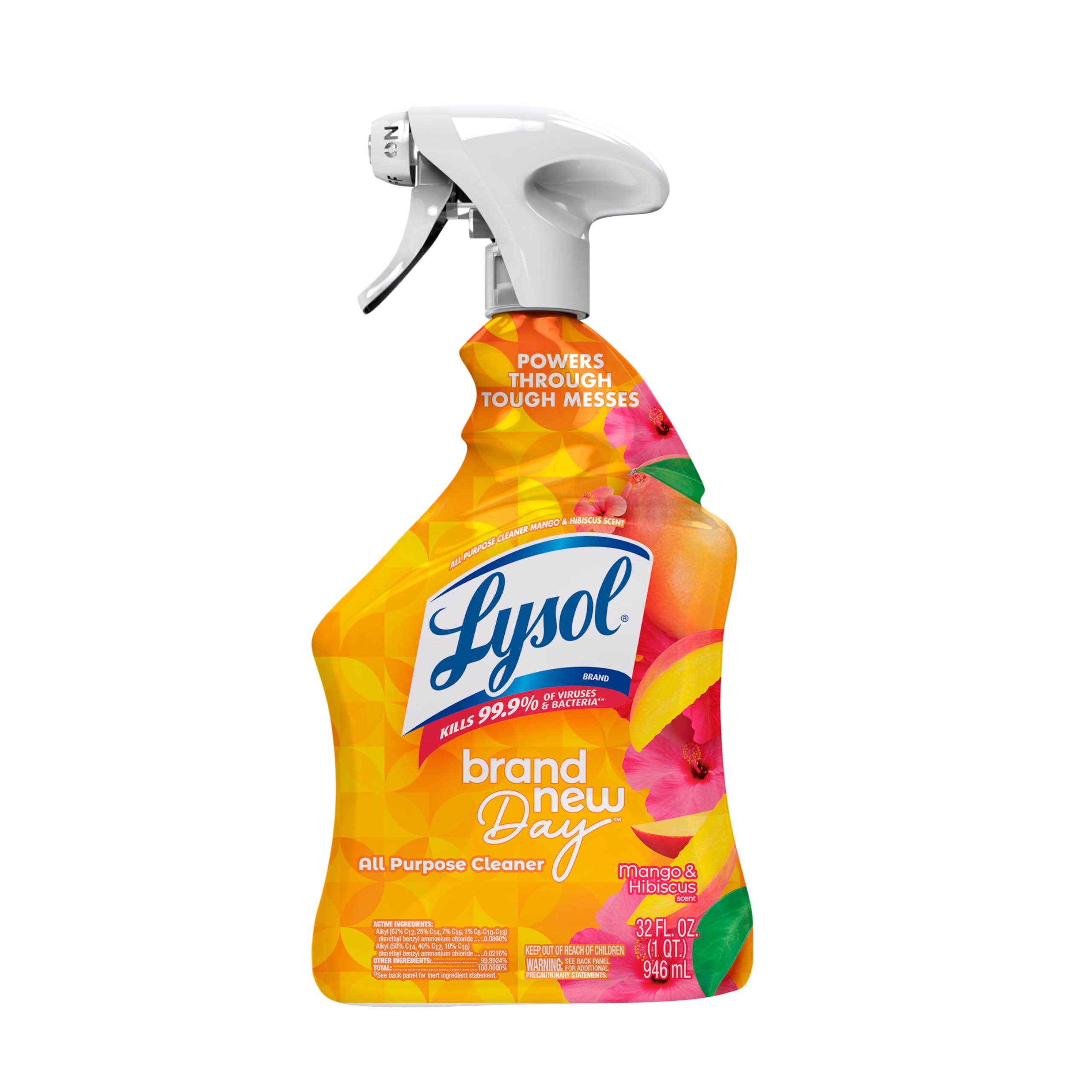
A fast‑acting disinfecting spray that tackles grease and kills 99.9% of bacteria and viruses when used as directed.
Why I picked it: Delivers disinfection and degreasing in one step, which I reach for when I want both cleanliness and sanitization.
Best for: High‑touch cabinet hardware, appliance exteriors, and areas that need quick sanitizing.
Cost‑effective for frequent use and multipurpose cleanup.
Pros
- Disinfects and cleans in one step
- Cuts through tough grease
- Fresh tropical scent
- Convenient spray nozzle
Cons
- Stronger chemical profile
- May be overkill for delicate finishes
My take
When I need to sanitize high‑touch spots like cabinet knobs and appliance handles, this Lysol spray is my go‑to. It removes grease and offers fast‑acting sanitization, which is useful after meal prep or when someone has been sick.
The mango and hibiscus scent is bright and not overpowering in my experience. The spray nozzle delivers a consistent mist that makes coverage quick and easy.
I avoid prolonged use on delicate wood finishes and always follow the instructions for dwell time and surface suitability. For routine cleaning of painted or laminate cabinet faces it works well, but for antique or sensitive wood I prefer a gentler, wood‑safe product.
3. Method All‑Purpose Cleaner (French Lavender) – Best Eco Everyday
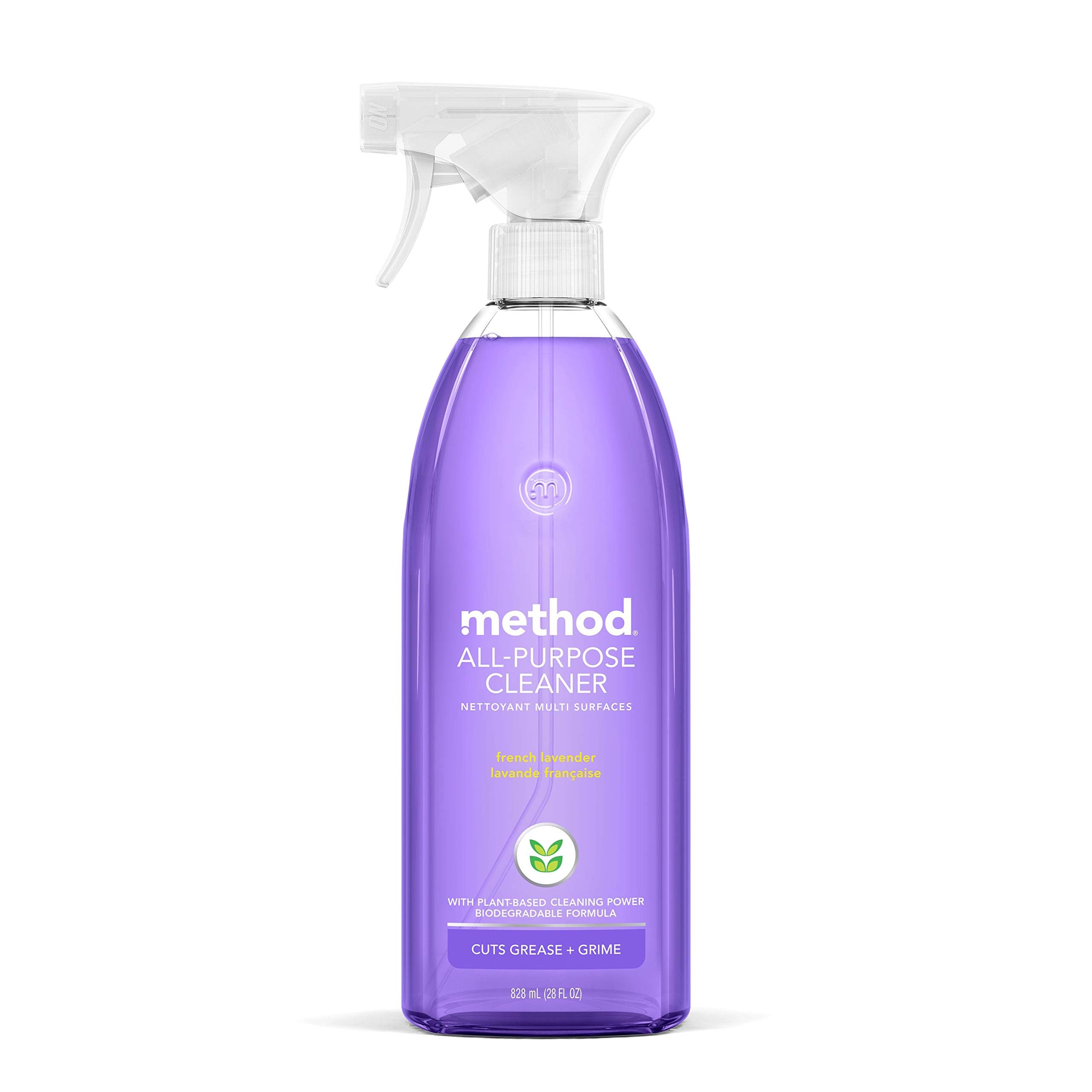
A biodegradable, plant‑based cleaner in a recycled‑plastic bottle that handles everyday dirt and light grease with a mild lavender scent.
Why I picked it: Effective on routine messes while keeping packaging and formula aligned with greener choices.
Best for: Everyday counters, laminate and painted cabinets, and quick spot cleaning.
Budget‑friendly and eco‑minded — a solid everyday option.
Pros
- Biodegradable formula
- Pleasant, mild scent
- Bottle made with recycled plastic
- Cuts through everyday grime
Cons
- Not a disinfectant
- Multiple passes for heavy grime
My take
I appreciate how this Method cleaner balances cleaning power with a gentle ingredient list. It sprays evenly and removes everyday fingerprints, crumbs, and cooking splatter from cabinets with minimal residue.
The French lavender scent is calming and never cloying, so I use it frequently without worrying about lingering chemical odors. The bottle (excluding the nozzle) is made from recycled plastic, which I prefer for the kitchen.
For really stubborn grease I still need a stronger degreaser, but for my daily routine this product gets the job done quickly and feels like a thoughtful, lower‑impact choice.
4. Murphy Oil Soap Wood Cleaner – Best for Wood Cabinets
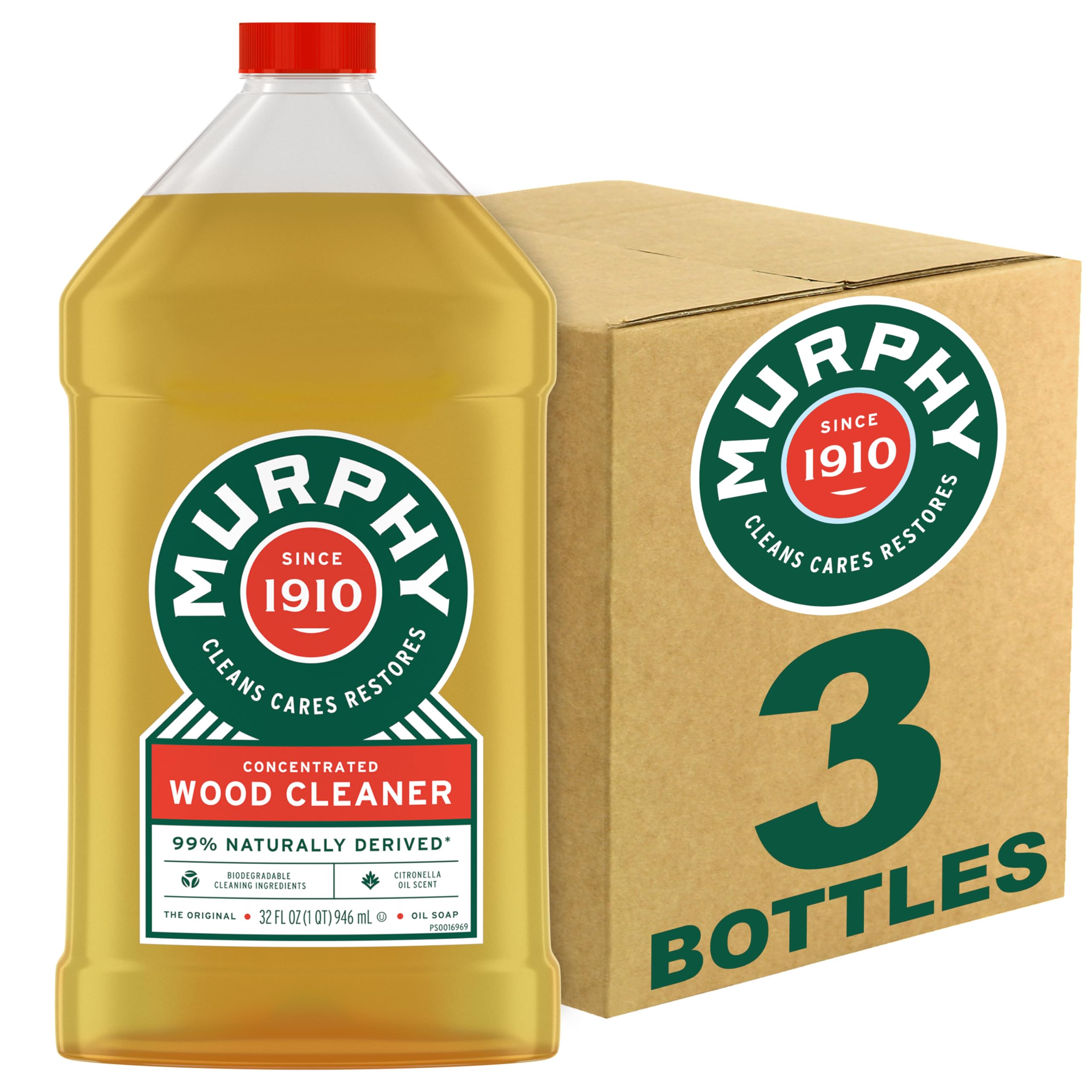
A classic wood cleaner formulated to gently clean finished wood and bring out natural shine without ammonia or bleach.
Why I picked it: Specifically formulated for wood finishes, so I trust it for cabinets and furniture that need gentle care.
Best for: Real wood cabinets, furniture, and wood trim where finish protection matters.
Good long‑term value, especially in multi‑bottle packs.
Pros
- Designed for finished wood
- 98% naturally derived ingredients
- Gentle, woodsy scent
- No ammonia or bleach
Cons
- Requires dilution for many uses
- Not meant for heavy degreasing
My take
I’ve used Murphy Oil Soap on my wood cabinets and furniture for years. Mixed per directions, it cleans wood gently, lifts dirt, and leaves a clean, subtle woodsy aroma that I find very pleasant.
Because the formula is nearly all naturally derived and avoids harsh ingredients like ammonia and bleach, I feel comfortable using it regularly on finished surfaces. It also works well diluted on laminate and stone in a pinch, which makes it versatile around the kitchen.
This isn’t a degreaser for baked‑on spills, but for routine wood care and keeping finishes looking rich and protected it’s been a staple in my cleaning rotation.
How I Choose a Cleaner for Kitchen Cabinets
Match the cleaner to your cabinet surface
I always identify the cabinet material first. Real wood and antique finishes need gentler, wood‑specific soaps, while painted, laminate, or thermofoil surfaces tolerate stronger all‑purpose sprays.
When in doubt I test a cleaner on an inconspicuous spot before wiping the whole cabinet.
- Wood: use wood soap or mild cleaners
- Laminate/paint: all‑purpose cleaners usually safe
- Stainless: use a stainless‑specific product for streak control
Decide if you need disinfection
I reserve disinfecting sprays for high‑touch areas or after illness. Disinfectants do double duty—cleaning and sanitizing—but they can be harsher on delicate finishes.
For everyday wiping I prefer gentle, plant‑based options and only switch to a disinfectant when sanitization is a priority.
- Daily cleaning: plant‑based or biodegradable sprays
- Sanitizing: EPA‑listed disinfectants for high‑risk areas
Consider scent and household sensitivities
I pick milder scents if anyone in the house is sensitive to fragrances. A pleasant aroma is nice, but it shouldn’t be overpowering.
Plant‑based formulas often have softer, natural scents compared with chemical disinfectants.
- Mild scents for frequent use
- Stronger disinfectant fragrances for occasional use
Check concentration and dilution
I look for concentrated formulas or multipacks when I want better value. Dilutable cleaners stretch further and are often gentler on finishes when mixed at the recommended ratio.
Always follow dilution instructions to protect finishes.
- Concentrates last longer
- Dilution protects finishes and saves money
Frequently Asked Questions
Can I use these cleaners on painted cabinets?
Yes — I use plant‑based all‑purpose cleaners on painted cabinets regularly. I test a small hidden area first and avoid abrasive scrubbing to protect paint.
What should I use for real wood cabinets?
For finished wood I prefer Murphy Oil Soap or another wood‑specific cleaner diluted per instructions. It cleans gently and preserves the finish without ammonia or bleach.
Do plant‑based cleaners disinfect?
Most plant‑based cleaners freshen and remove dirt but don’t carry the same disinfecting claims as EPA‑listed products. I use a disinfectant spray when sanitization is necessary.
Are these safe around kids and pets?
I find plant‑based and natural formulas easier to use around children and pets for routine cleaning, but I still rinse food contact areas and follow label safety guidance for any product.
Final Take
I keep at least two types of cleaners on hand: a gentle plant‑based spray for everyday cabinet care and a wood soap for finished wood. A disinfecting spray has its place for high‑touch hardware and occasional sanitizing.
Pick the product that matches your cabinet material and cleaning priorities, and you’ll keep cabinets cleaner and finishes looking better longer.
