
I tested different styles of wood cabinet cleaners—beeswax, spray, wipes, and classic oil—and I’m sharing the ones that performed best for restoring, cleaning, and protecting wood surfaces.
I spend a lot of time restoring and maintaining wood cabinets, so I tested several popular products to see which actually clean, protect, and improve the look of wood.
In this roundup I cover a beeswax conditioner, a spray cleaner with a microfiber towel, convenient wipes with UV protection, and a classic oil-based wood care product.
My goal was practical: remove grease and grime, revive faded finish, and add protection without leaving a sticky residue.
If you want deep restoration and a satin finish go with the beeswax. For routine cabinet cleaning choose the spray or wipes. If you have unfinished or dry wood that needs nourishment, the classic oil spray is my go-to.
1. PIPIHUA Beeswax Polish – Best Natural Conditioner
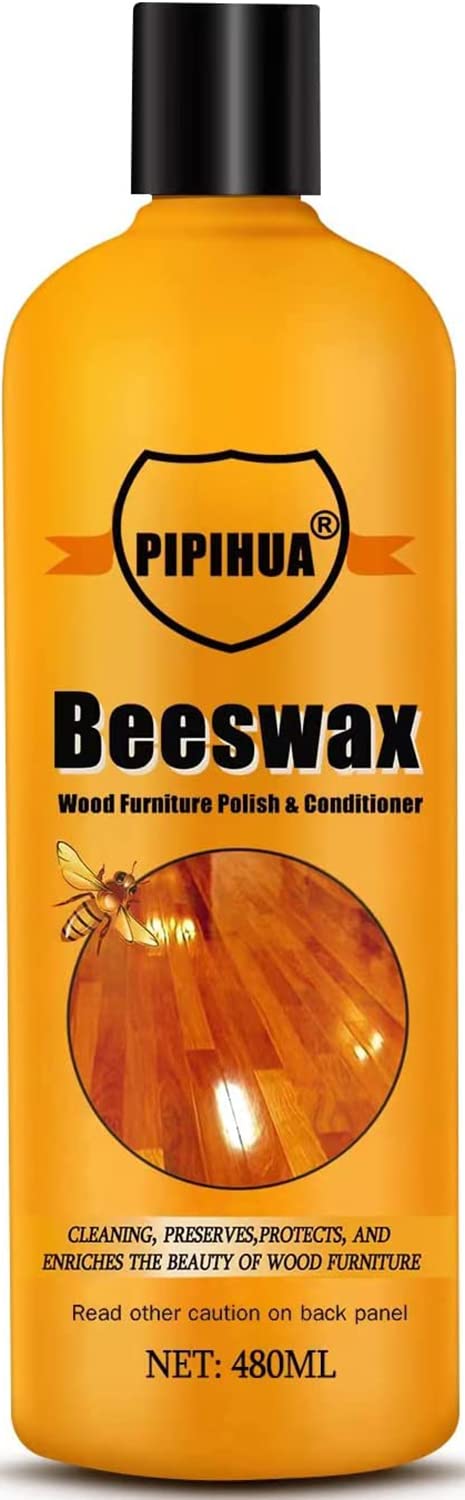
A natural beeswax and mineral oil conditioner that restores dull wood and forms a protective finish.
Why I picked it: I picked it because it revives dry, aged wood and works on finished or unfinished surfaces.
Best for: Restoring vintage or dry cabinets and furniture to a satin, renewed look.
Moderately priced for a natural, multipurpose wood conditioner.
Pros
- Natural beeswax blend
- Works on finished and unfinished wood
- Restores color and hides scratches
- Leaves a satin, waterproofing film
Cons
- Requires buffing after application
- Needs time to fully dry
My take
I use this beeswax when a cabinet or piece of furniture looks dry or faded. The mineral-oil-plus-beeswax formula soaks into the wood, and after 15–30 minutes I wipe away the excess and buff to a satin finish.
On a set of older cabinets and a vintage speaker cabinet, the product noticeably refreshed color and reduced the appearance of surface scratches. It does darken some woods initially until it fully absorbs, so I always test a hidden area first.
Application can be a bit messy if you overdo it, so I work in small sections and protect floors and textiles. It’s best for projects where restoration and a natural finish matter more than quick wipe-and-go cleaning.
2. Weiman Cabinet & Wood Cleaner Spray – Best Spray Cleaner
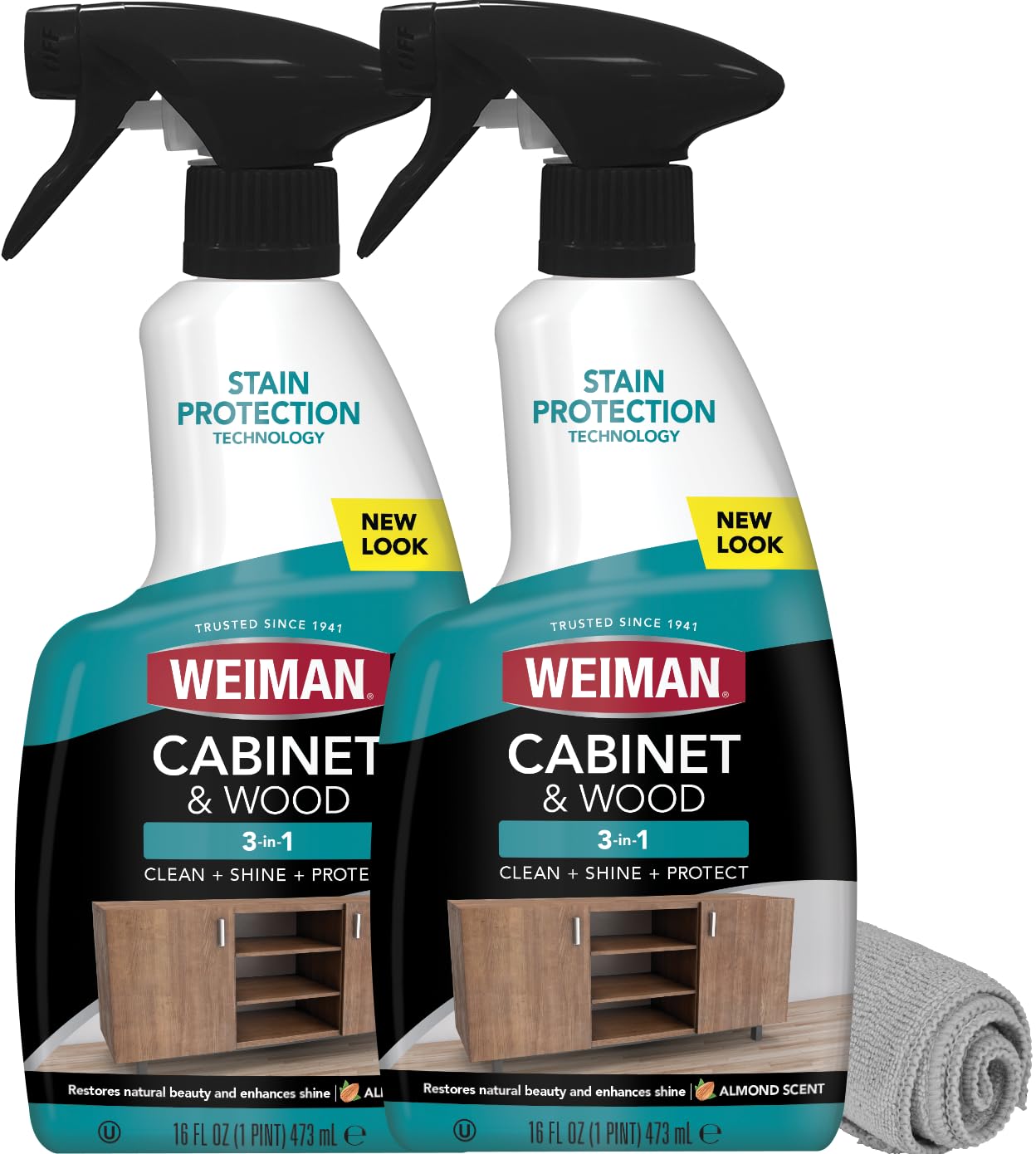
A spray cleaner that lifts grease and leaves a non-greasy shine; it ships with a microfiber towel.
Why I picked it: I picked it because it cleans grease well and leaves cabinets shiny without an oily residue.
Best for: Daily or weekly cleaning of finished kitchen cabinets and trim.
Good value for a bundled spray plus microfiber cloth.
Pros
- Cleans grease effectively
- Leaves non-greasy shine
- Fresh, light almond scent
- Comes with microfiber towel
Cons
- Not intended for wood floors
- Can change sheen on some painted finishes
My take
This spray is my go-to for routine kitchen cabinet maintenance. I spray onto the included microfiber cloth and wipe—grease and fingerprints lift quickly and the surface dries to a clean, even sheen.
The almond scent is pleasant and not overpowering in my kitchen. The formula also includes agents to help guard against water marks and grime, so cabinets stay cleaner between applications.
Because it’s designed for finished wood, I avoid it on unfinished surfaces and don’t use it on flooring. For cabinetry it strikes a good balance between cleaning power and leaving no waxy buildup.
3. Weiman Wood Cleaner Wipes – Best for Quick Maintenance
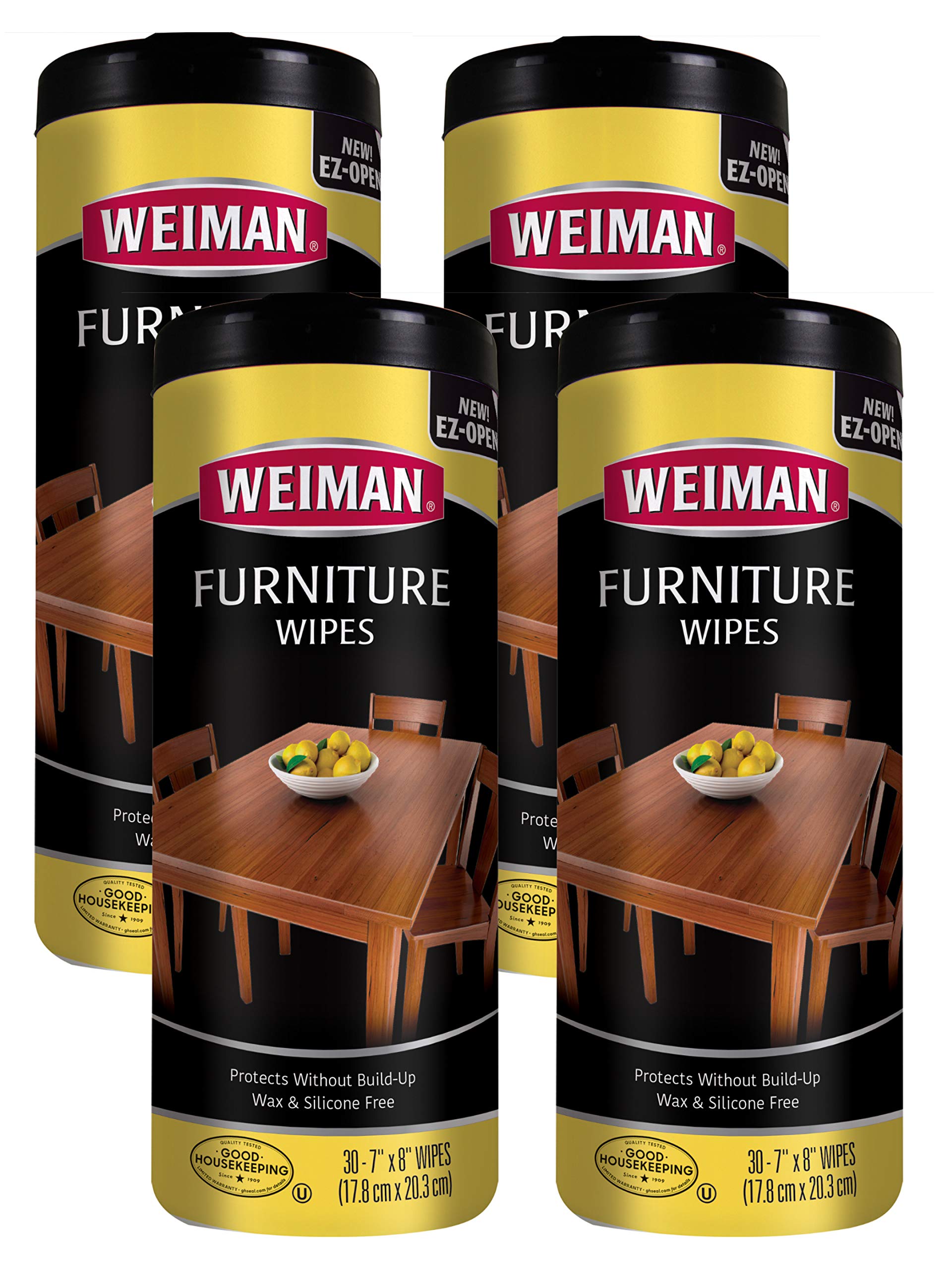
Pre-moistened wipes that clean, add a protective layer, and include UV protection for finished wood.
Why I picked it: I picked these for fast, no-mess dusting and light cleaning with UV protection.
Best for: Quick dusting and spot cleaning on finished cabinets and furniture.
Convenient bulk option for frequent use and touch-ups.
Pros
- No-rinse convenience
- Adds protective layer
- UV protection against fading
- No sticky residue
Cons
- Wipes can feel oily on skin
- Dispenser occasionally jams
My take
When I need a fast touch-up or to remove cooking grease from cabinet doors, these wipes are ideal. I pull one out, wipe the surface, and buff quickly with a dry cloth for a clean look.
The micro-filling technology helps minimize the look of light scratches and the UV component gives extra peace of mind on sun-exposed cabinets. They’re plant-based and dry to a safe finish, so I’m comfortable using them around the house.
For heavy buildup I still reach for a spray or deeper cleaner first, but for daily upkeep the wipes save time and leave no waxy film.
4. Scott’s Liquid Gold Wood Care – Best Classic Treatment
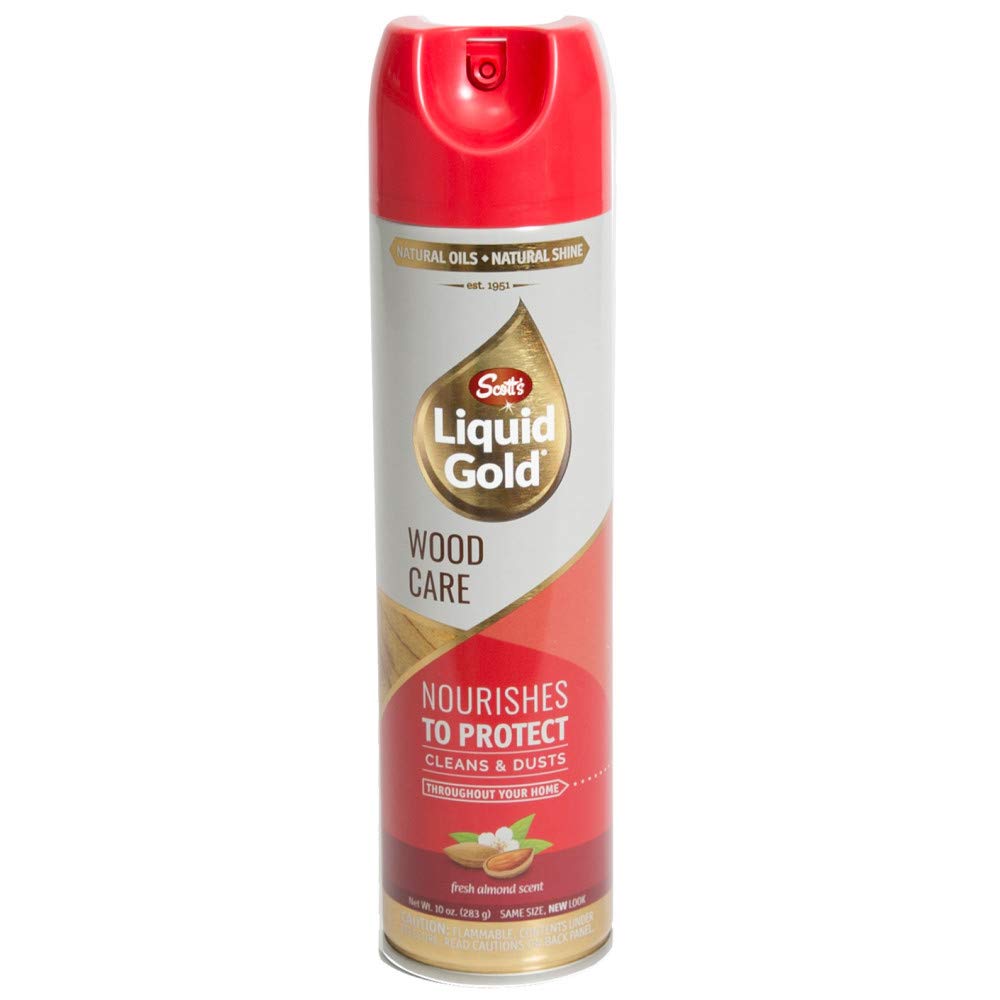
A time-tested oil-based wood care spray that nourishes natural wood and restores a hydrated appearance.
Why I picked it: I picked it because it deeply nourishes natural and unfinished wood and brings out natural grain.
Best for: Unfinished or very dry wood that needs hydration and a richer look.
A classic option with a long track record; modestly priced for an oil-based treatment.
Pros
- Deeply hydrates wood
- No wax or silicone
- Warm, familiar almond scent
- Works on unfinished wood
Cons
- Can darken wood until absorbed
- Not for laminates or veneers
My take
I reach for this aerosol oil when wood looks parched or when I want to bring out a deeper tone in natural pieces. I spray onto a lint-free cloth, spread it evenly, then remove excess and buff to avoid an oily film.
It’s especially helpful on unfinished wood or older pieces that need moisture; the finish looks revived and richer after application. Keep in mind some woods will darken temporarily while the oil absorbs.
Because it’s an organic-solvent formula, I avoid using it on polyurethane finishes and always spot-test painted or composite surfaces first. For genuine wood that needs nourishment, it’s a reliable classic.
How I Choose a Wood Cabinet Cleaner
Pick the right format for the job
I match product form to the task: wipes for quick dusting, spray for regular cleaning, beeswax for restoration, and oil sprays for deep nourishment.
- Wipes: fastest for light cleaning and dusting.
- Sprays: best for greasier kitchens and larger surfaces.
- Beeswax: ideal when wood needs restoration and protection.
- Oil sprays: use on unfinished or very dry wood to hydrate.
Test first and follow application tips
I always spot-test in an inconspicuous area. That reveals how the product alters color or sheen before I commit to larger areas.
- Wipe or clean surface free of dust before applying conditioners.
- Allow beeswax and oils time to absorb, then buff off excess.
- Avoid oil-based products on laminates, veneers, or polyurethane finishes unless the label approves.
Watch for residue and scent
I prefer formulas that leave no sticky or waxy buildup. Light, pleasant scents are fine, but I avoid anything overpowering in kitchen spaces.
- If a product leaves an oily feel, buff more with a clean cloth.
- Use products with UV protection on sun-facing cabinets to reduce fading.
Frequently Asked Questions
Can I use beeswax polish on painted cabinets?
I treat painted cabinets cautiously: beeswax is best for natural and stained wood. If I consider it for painted surfaces, I test a hidden spot first to make sure the finish doesn't change.
How often should I apply a conditioner versus a cleaner?
I clean finished cabinets weekly or as needed with a spray or wipes. I apply a conditioner like beeswax or an oil treatment only a few times a year or whenever the wood looks dry.
Are the wipes safe around kids and pets?
The wipes I tested use plant-based ingredients and dry to a safe finish, but I still keep kids and pets away until the surface is fully dry.
Final Take
For routine maintenance I keep the spray and wipes handy; they make cleaning fast and leave no sticky residue.
When cabinets are dry or faded I reach for the beeswax or the oil spray—both revive color and add protection when used carefully.
Choose the product that matches the condition of your cabinets and test before full application. With the right cleaner and a little elbow grease, wood cabinets can look renewed and stay protected for the long haul.
