
I tested five popular cleaning cloth options so you can pick the right material, pack size, and eco-friendly swap for your home. From streak-free glass to compostable dishcloths, here’s what worked for me.
I’ve spent time using a variety of cleaning cloths across kitchens, bathrooms, cars, and windows to figure out which fabrics and formats actually make chores faster and cleaner.
In this roundup I compare versatile microfiber packs, an eco-friendly Swedish dishcloth, a bulk shop towel option, and a specialized glass kit so you can match the cloth to the job.
I grouped these options by strength: versatile microfiber for everyday tasks, bulk microfiber when you use lots of cloths, biodegradable Swedish dishcloths for eco swaps, and a dedicated glass kit when streak-free windows matter most.
1. MR.SIGA Microfiber Cleaning Cloths (12-Pack) – Best All-Purpose
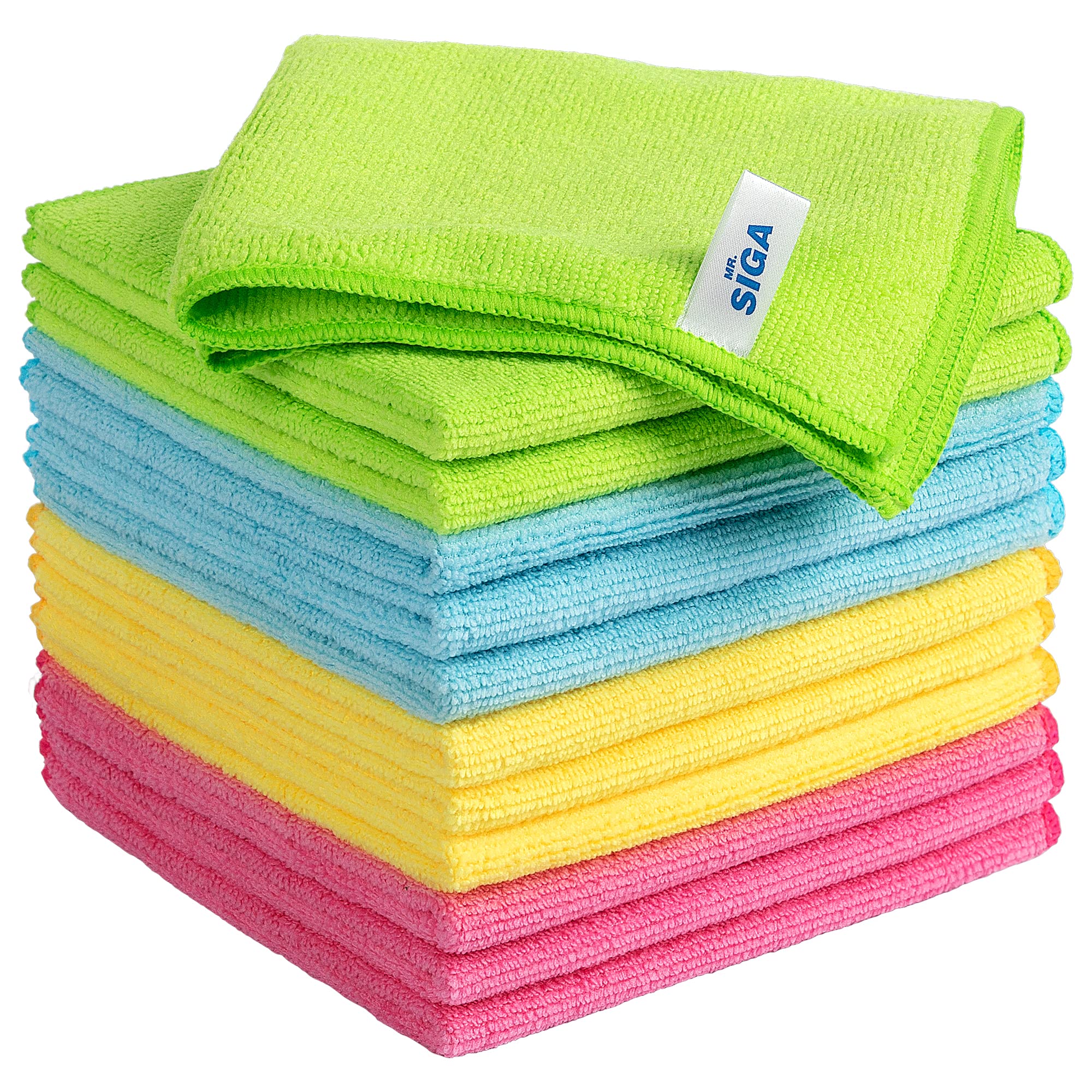
A soft, lint-free microfiber set that handled everything from mirrors to greasy pots in my kitchen.
Why I picked it: Soft, absorbent, and durable enough for everyday household cleaning.
Best for: General household cleaning, counters, glass, and light dish duty.
Affordable, good value for a reusable multi-pack.
Pros
- Very soft and scratch-free
- Absorbent without leaving lint
- Durable reinforced edges
- Suitable for many surfaces
Cons
- Smaller 12.6" square size
- Colors can fade after many washes
My take
I reach for this MR.SIGA 12-pack when I want reliable microfiber that won’t scratch delicate surfaces. The cloths feel soft against glass and chrome but are thick enough to soak up spills without shredding.
In daily use I used them on windows, countertops, and dishes. They wipe away grease and fingerprints cleanly and don’t leave lint behind, which made them especially handy for polishing silverware and glasses.
After multiple washes the stitching and reinforced edges held up well; I’ve reused these repeatedly and they dry fairly quickly between chores. For a household needing a versatile, no-fuss cloth, these covered nearly every task I threw at them.
2. Amazon Basics Microfiber Cloths (24-Pack) – Best Bulk Pack
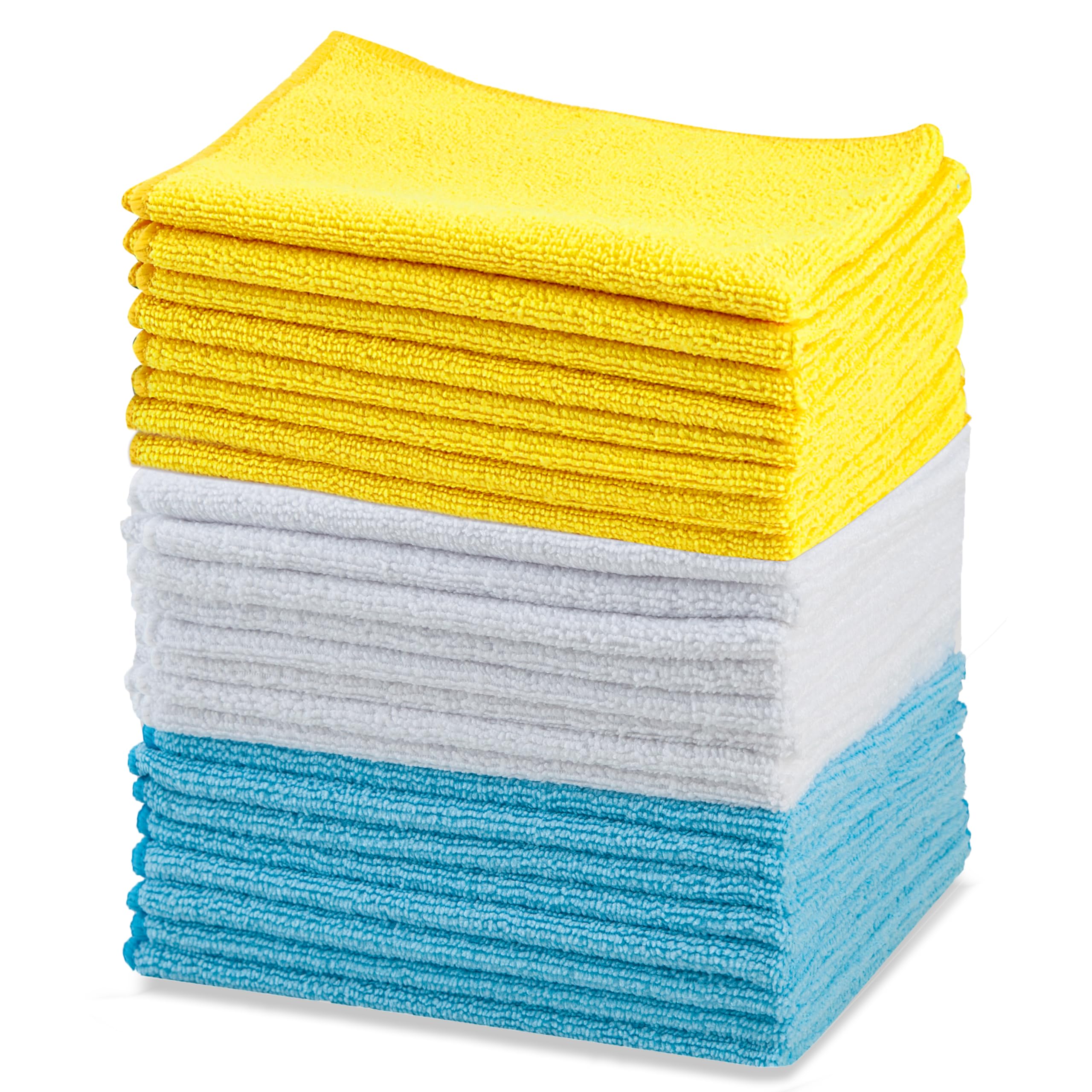
A large 24-pack that’s ideal for shops, garages, or anyone who washes and reuses cloths often.
Why I picked it: Plenty of cloths for heavy use and designated cleaning zones.
Best for: Workshops, cars, or houses that want a lot of reusable towels.
Low per-cloth cost makes frequent replacement easy.
Pros
- Large 24-piece supply
- Non-abrasive on finishes
- Works dry or with liquids
- Good absorbency
Cons
- Slightly thinner weave than premium cloths
- Threads can be smaller
My take
I bought the Amazon Basics 24-pack when I needed a lot of towels for garage and outdoor tasks. Having multiple colors let me dedicate cloths to specific jobs, which kept grease away from indoor surfaces.
These cloths performed well on windows, car glass, and greasy tools. They absorb several times their weight, and I used them damp or dry depending on the job. They’re less plush than some premium brands but wash up reliably.
If you go through towels quickly or want an economical bulk set, this pack gives me the flexibility to rotate cloths and repurpose older ones for messier work.
3. MR.SIGA Microfiber Cleaning Cloths (24-Pack) – Best Color-Coded Pack
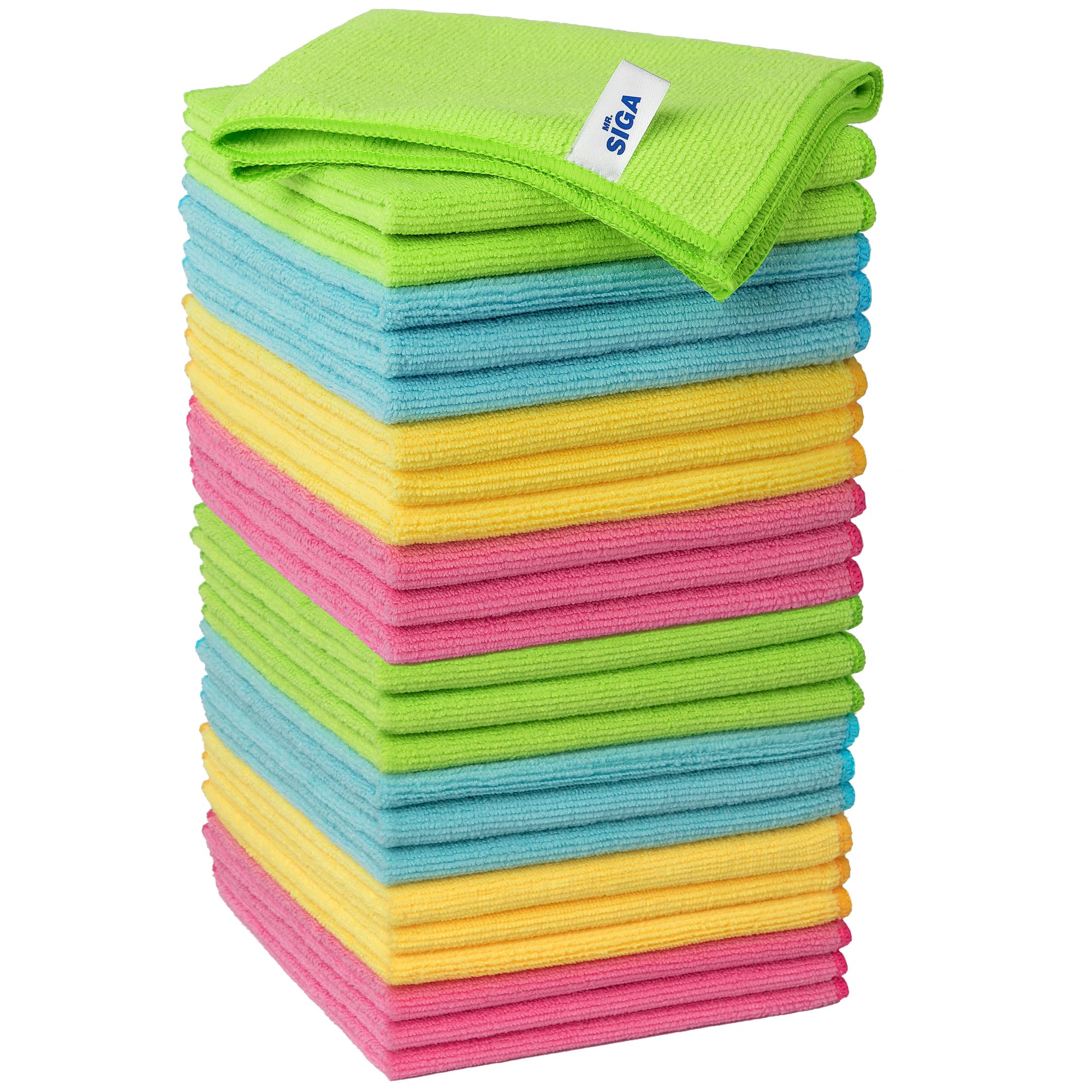
A larger MR.SIGA set with multiple colors that I used to separate kitchen, bathroom, and pet cloths.
Why I picked it: Thicker feel and color options for task separation.
Best for: Households that want durable cloths with color designation.
Bigger pack for households wanting more replacements.
Pros
- Color-coded for easy organization
- Thick, soft texture
- Holds up through many washes
Cons
- Smaller square size
- Some colors prone to fading
My take
I liked that this 24-pack offered multiple colors I could assign to different rooms. That simple system helped me avoid cross-contamination and kept cloths smelling fresher between washes.
The fabric (85% polyester, 15% nylon) felt plush and wiped away streaks and grime with minimal effort. I used these on kitchen counters, pet areas, and for quick dusting. They stayed intact after many machine washes and remained absorbent.
For anyone who wants a larger supply with the convenience of color-coding, this MR.SIGA multi-pack gave me dependable cleaning power without special care instructions.
4. SUPERSCANDI Swedish Dishcloths (10-Pack) – Best Eco-Friendly
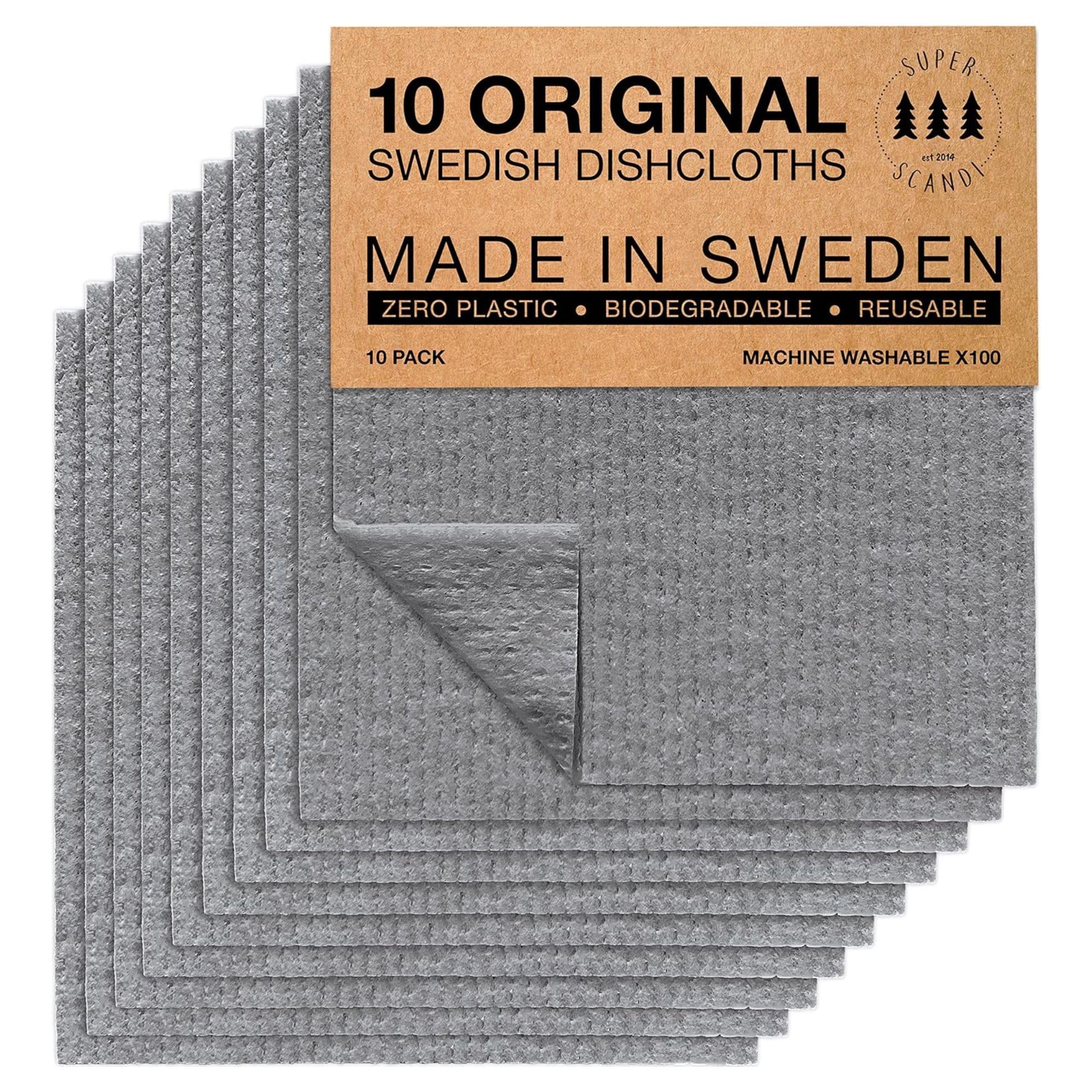
A compostable, cellulose-based alternative to microfiber that impressed me with absorbency and easy rinsing.
Why I picked it: Biodegradable and highly absorbent—an easy swap for paper towels.
Best for: Eco-minded kitchens, quick spills, and light scrubbing without plastic fibers.
An eco-forward, reusable alternative to disposable paper towels.
Pros
- 100% biodegradable and compostable
- Absorbs many times its weight
- Fast-drying and odor-resistant
Cons
- Feels stiff when dry
- Not ideal for heavy-duty grease scrubbing
My take
Switching some of my kitchen tasks to these SUPERSCANDI Swedish dishcloths cut our paper towel use dramatically. They soak up spills like a sponge, rinse out clean, and dry fast so they don’t get musty.
I appreciated the fact that they’re made from wood pulp and recycled cotton, so when they finally wear out they don’t add plastic to the landfill. They softened immediately when wet and handled countertops, dishes, and small messes without scratching surfaces.
For families trying to reduce disposable waste, these are an excellent, low-fuss choice that replaced several rolls of paper towels in my house.
5. E-Cloth Window Cleaning Kit – Best for Windows & Glass
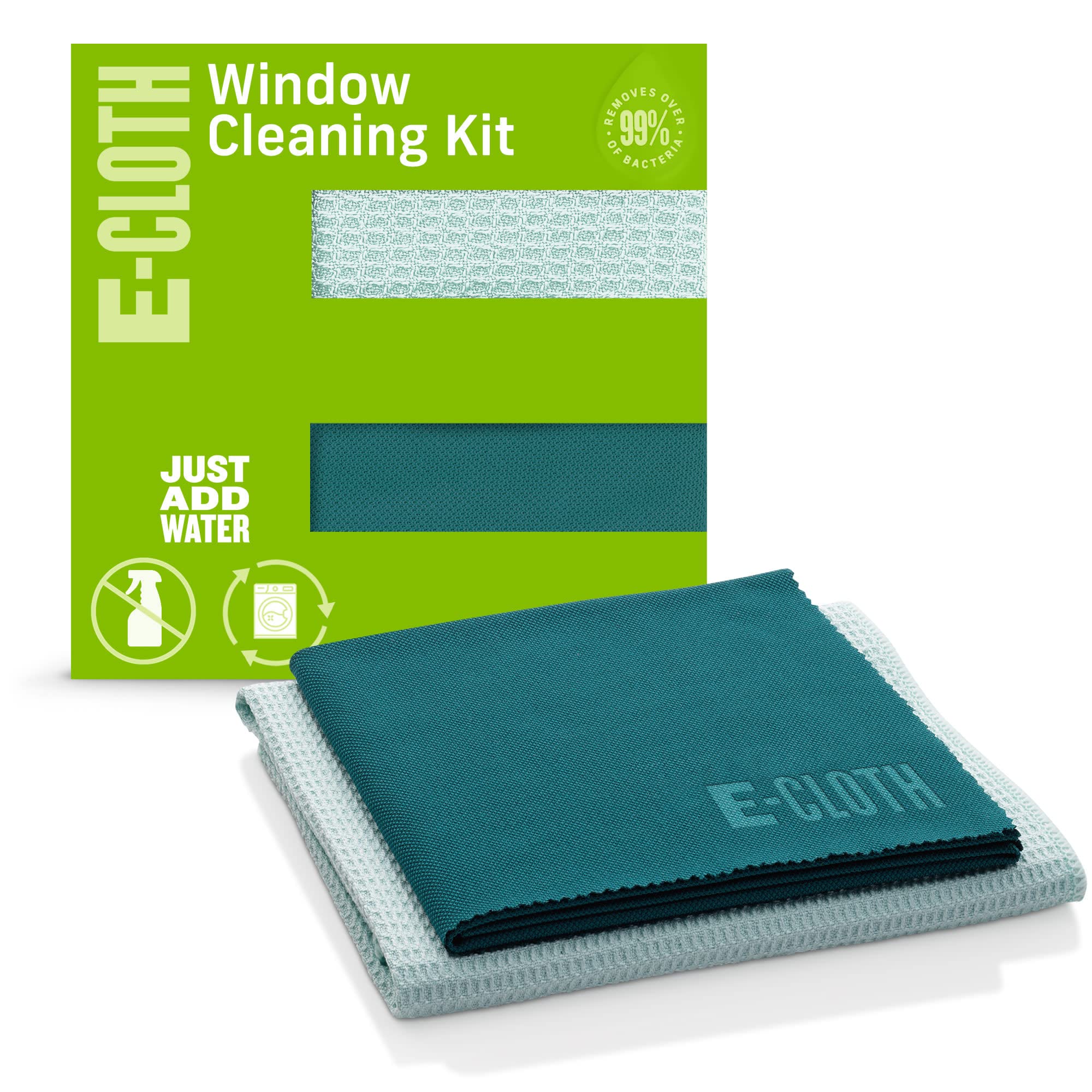
A two-cloth system that delivered streak-free windows and mirrors using only water in my tests.
Why I picked it: Specialized fibers and a two-step process that actually removes streaks with water alone.
Best for: Windows, mirrors, windshields, and any glass you want crystal clear.
A premium, specialized kit worth it if glass clarity matters most.
Pros
- Leaves glass streak-free with just water
- Two-step waffle and polishing cloths
- Long-lasting with 100-wash promise
Cons
- Higher cost than basic microfiber
- Color may fade after washes
My take
When I needed spotless windows, the E-Cloth kit outperformed every spray-and-paper routine I’d used. I wet the waffle-weave cloth, wiped the surface, then followed with the smooth polishing cloth and the glass came out clear.
I tried it on car windshields, bathroom mirrors, and sliding doors and the results were consistent—clean glass without residue or streaks, and I used only water. That made the process faster and reduced chemical use around the house.
The cloths feel well-made and the 100-wash promise gave me confidence they would last, though I did notice some color fading after repeated laundering. For anyone who prioritizes streak-free glass, this kit is worth the investment.
How I Choose a Cleaning Cloth
Key features I look for
I pick a cloth based on the job: microfiber for general cleaning, a cellulose Swedish cloth for quick spills and eco-conscious use, and a specialty glass kit for streak-free windows.
Durability and washability matter the most to me because I reuse cloths daily. Reinforced edges and hold-up across many washes translate to less replacement.
- Material: Microfiber for lint-free polishing, cellulose for compostable swaps.
- Weave and weight: Thicker weaves absorb more and feel nicer on delicate surfaces.
- Pack size: Buy bulk if you rotate cloths frequently; smaller multi-packs if you want premium texture.
- Specialized kits: Use a two-cloth glass system when you want chemical-free, streak-free windows.
- Care: Avoid fabric softener, wash with warm water, and air dry for longest life.
Frequently Asked Questions
Can I use microfiber cloths on my car paint?
Yes—I used soft, non-abrasive microfiber on my car paint and it didn’t scratch. I recommend using clean cloths and rinsing grit out frequently to avoid trapping particles that could cause scratches.
How often should I wash reusable dishcloths and microfiber towels?
I wash dishcloths and microfiber after heavy use or every few days in a hot cycle. For light-duty dusting I’ll reuse a cloth the same day, but I don’t leave damp cloths in a pile to avoid odors.
Are Swedish dishcloths actually compostable?
From my experience, Swedish dishcloths made from wood pulp and recycled cotton are biodegradable and compostable at end of life, making them a solid paper-towel alternative.
Final Take
I chose options here to match realistic routines: bulk microfiber when you need many towels, premium microfiber when you want softness and durability, Swedish dishcloths when you want an eco swap, and a specialized glass kit when streak-free results matter.
Start by matching the cloth to the task and build a small system—one color for counters, one for glass, and a few disposable-replacements for spills—and you’ll notice cleaning becomes faster and cleaner.
