
I tested five cleaning kits and supplies so you can pick the right option for quick touch-ups, full-detail washes, microfiber maintenance, or small-engine carburetor work.
I’ve spent time using everything from grab-and-go wipe packs to full foam-cannon detailing kits. In this roundup I focused on real-world usefulness: ease of use, what each kit includes, and how each product held up after multiple sessions.
If you want something for quick interior touch-ups, a starter detailing kit, a specialized microfiber detergent, or a small-engine cleaning set, I’ve included clear recommendations and trade-offs so you can choose confidently.
I grouped these products by how I used them: wipes for quick maintenance, bundled kits for full washes and foam play, a detergent to restore microfiber performance, and a needle/brush set for tight carburetor passages. That made comparing them practical for my different cleaning tasks.
1. Armor All Protectant, Glass & Cleaning Wipes – Best Overall
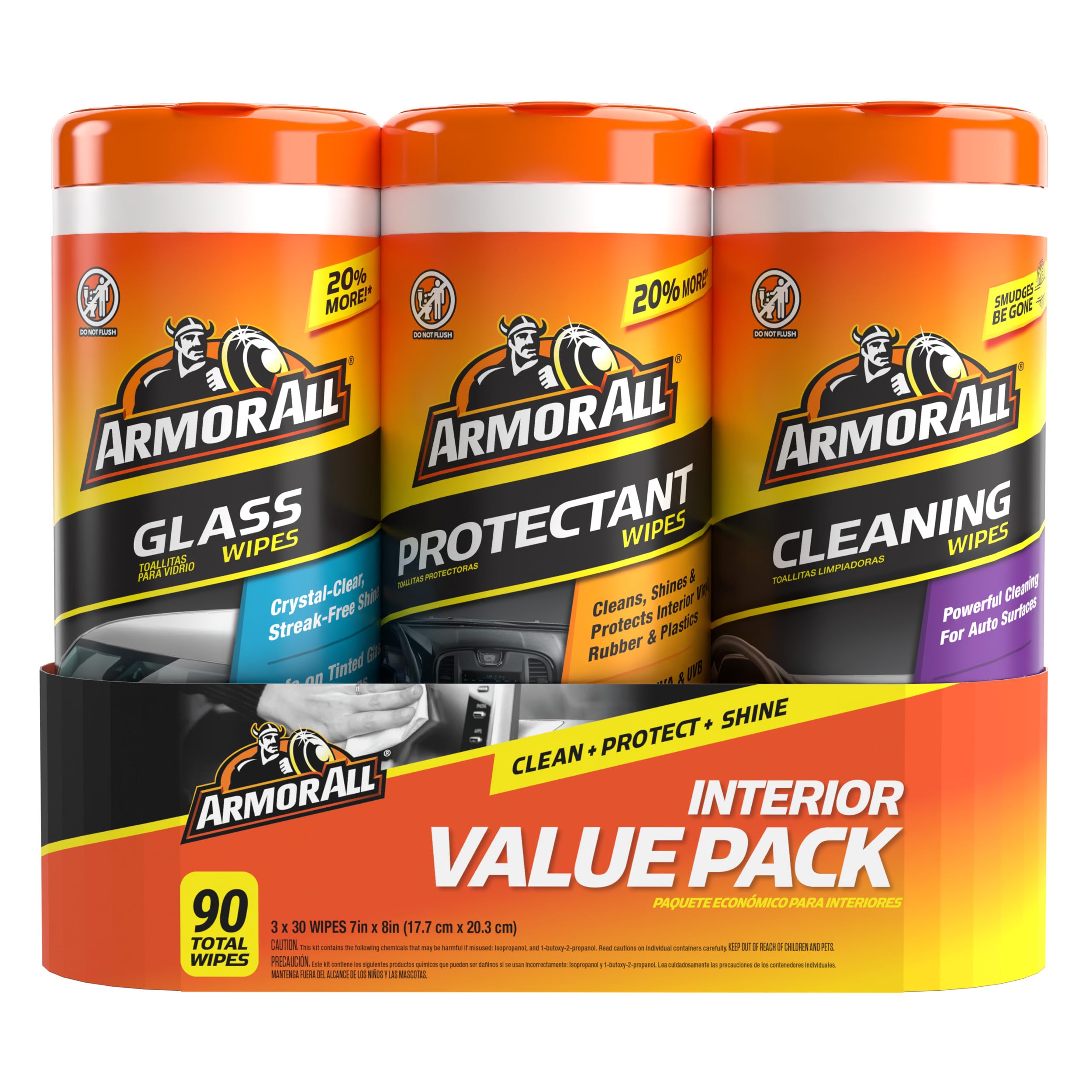
I keep this three-canister wipe set in my car and garage for fast interior and glass touch-ups that actually look finished.
Why I picked it: Because it combines cleaning, protectant, and glass wipes for one convenient grab-and-go kit.
Best for: Quick interior maintenance, rideshare touch-ups, and gifting a new driver a simple starter set.
A very affordable way to maintain interiors without extra tools.
Pros
- Three wipe types in one package
- Lint-free, no greasy residue
- Convenient single-canister storage
Cons
- Not a deep-detail solution
- Protectant leaves only a medium shine
My take
These Armor All wipes are the first thing I reach for when I need a fast, no-fuss cleanup. The pack includes cleaning wipes, protectant wipes, and glass wipes, and I appreciated having all three options ready in a single kit.
The cleaning wipes remove dust, fingerprints, and everyday grime without shredding or leaving a weird film, while the protectant wipes add a modest sheen and help repel dust for a little while. The glass wipes cleared interior smudges and light road film without obvious streaking when I used them sparingly.
For me the best part is the convenience. I stash a canister in the glove box and another in my garage bag, and one or two wipes usually do the job for dashboards, door panels, and cup holders. If I want a deeper clean or polishing, I’ll pull out other tools, but for regular upkeep this set saves time and keeps interiors looking cared-for.
2. Chemical Guys Arsenal Builder 8‑Piece Kit – Best for Beginners
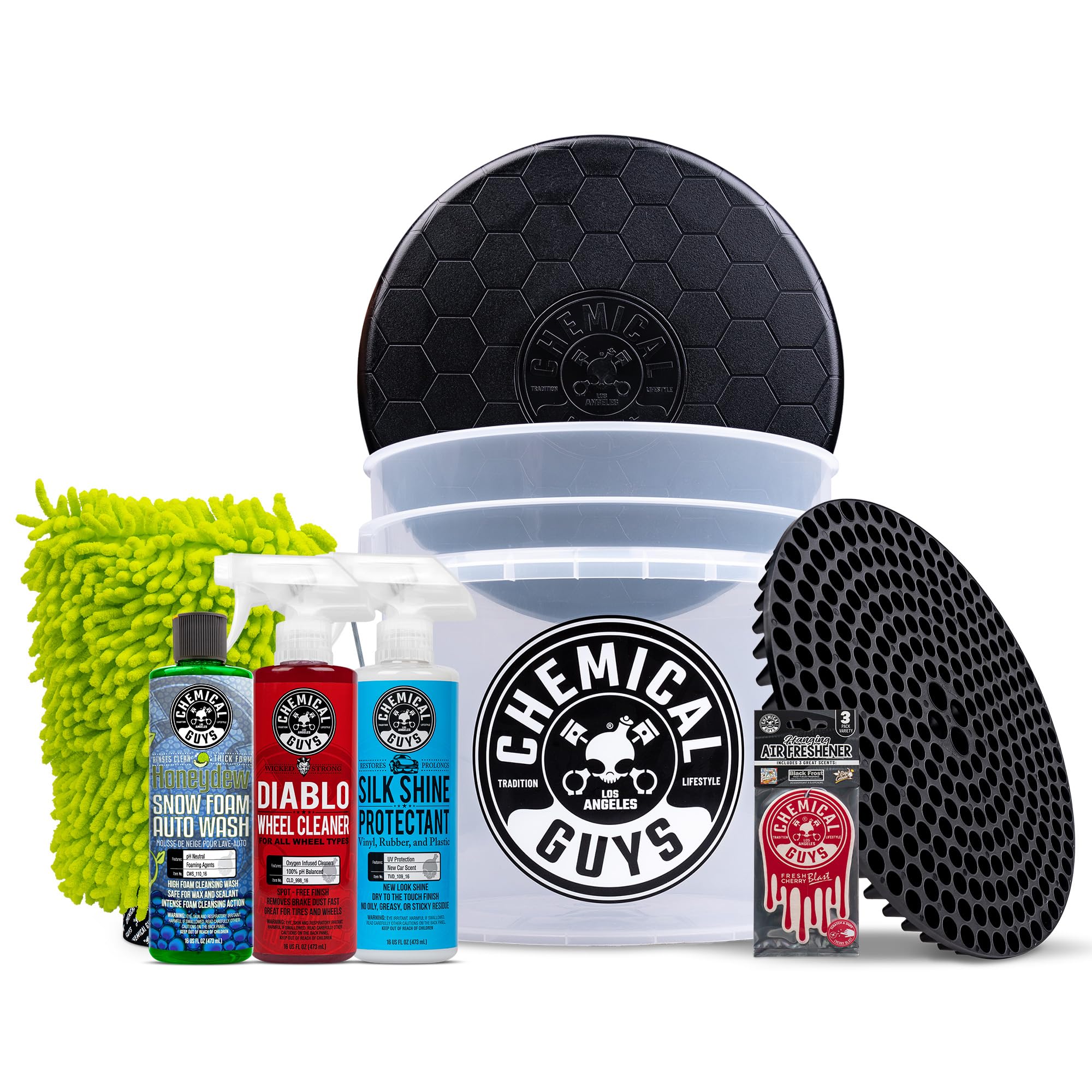
I used this compact Arsenal Builder kit to get a safe, scratch-minimizing wash without assembling separate products.
Why I picked it: It bundles essential tools and three core chemicals so beginners can start detailing without guesswork.
Best for: New detailers who want a single kit to wash paint, clean wheels, and handle basic interior touch-ups.
A sensible midrange starter kit that balances quality and convenience.
Pros
- Includes bucket, dirt trap, and wash mitt
- Three useful 16 oz chemicals
- Good balance of tools and supplies
Cons
- No dedicated interior cleaner included
- Grit guard may be smaller than ideal
My take
I found the Chemical Guys 8-piece kit to be a tidy, practical way to start detailing. The bucket, dirt trap, and microfiber mitt all felt higher quality than generic starter kits, and the mitt lifts dirt gently so I had fewer concerns about swirls.
The included chemicals cover key areas: paint safe soap, a wheel cleaner, and an interior/detailer product. In my early washes the foam and suds did a great job loosening grime, and the wheel cleaner removed brake dust with little elbow grease.
A couple of caveats: the kit doesn’t include everything I’d want for a full two-bucket system, so I added a second bucket and grit guard. Still, for someone building their detailing arsenal from nothing, this kit gives me confidence that I’m using products designed to work together.
3. Chemical Guys Microfiber Detergent – Best for Microfiber Care
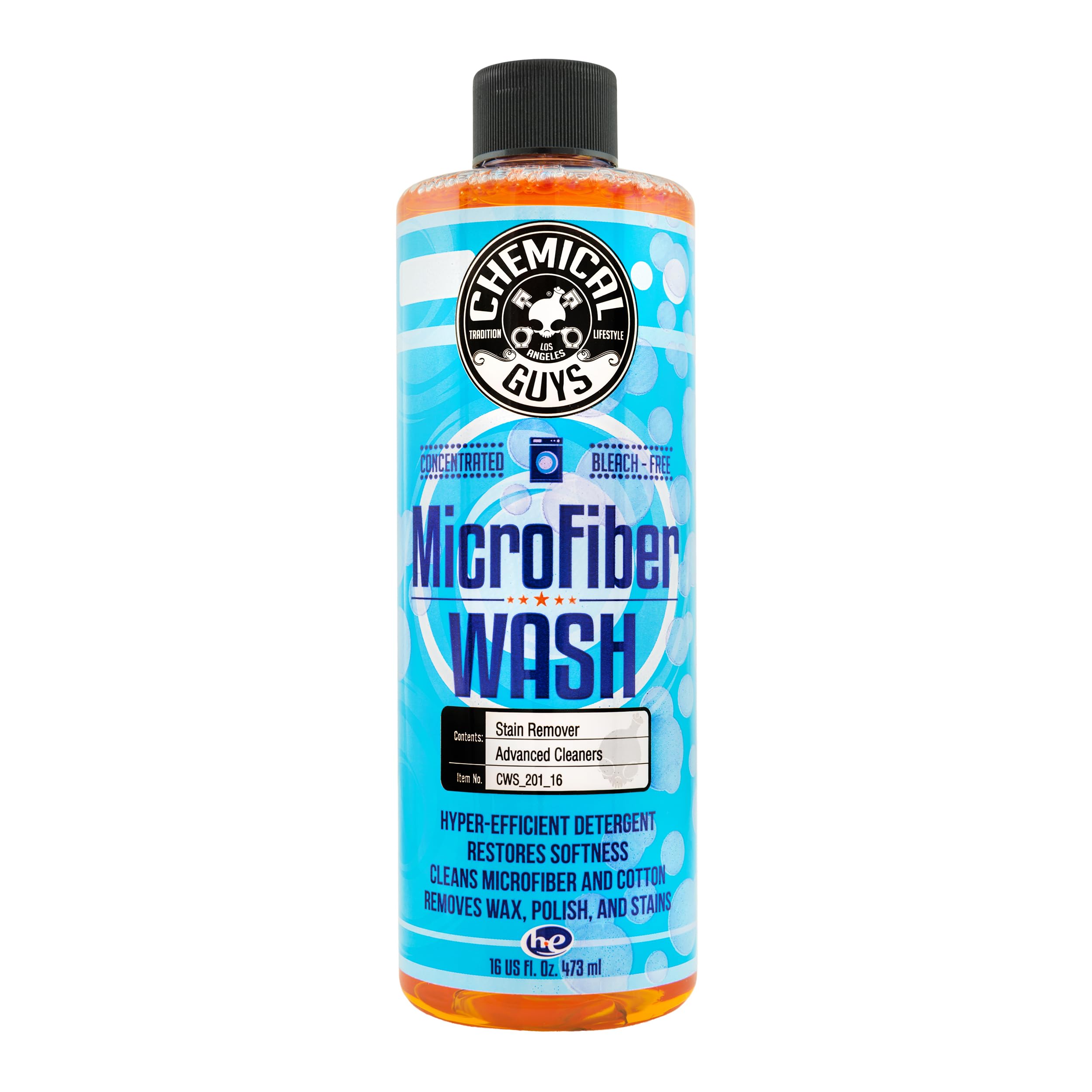
I use this concentrated detergent to restore towels and mitts so they stay soft, absorbent, and streak-free.
Why I picked it: Because it’s formulated to strip waxes, oils, and residues that ordinary detergent leaves behind.
Best for: Detailers who want to keep microfiber gear performing like new and avoid cross-contamination.
Concentrated formula, a little goes a long way.
Pros
- Restores absorbency and softness
- Concentrated — low usage per load
- Citrus scent after wash
Cons
- Not a stain remover for heavy oil
- Squeeze bottle can crease during shipping
My take
I didn’t expect a dramatic change, but this microfiber detergent made a clear difference in my towels. After one wash my microfiber regained softness and soaked up water instead of smearing it around.
The formula dissolves wax and polish residues that build up over time, so I stopped seeing streaks that used to show up after drying. I use only a small dose per load, which stretches a bottle across many washes.
If you rely on microfiber for polishing or drying, I recommend keeping a dedicated bottle for those loads. It’s the simplest maintenance step I’ve found to keep detailing results consistent.
4. Carburetor Cleaning Needle & Brush Kit – Best for Small Engines
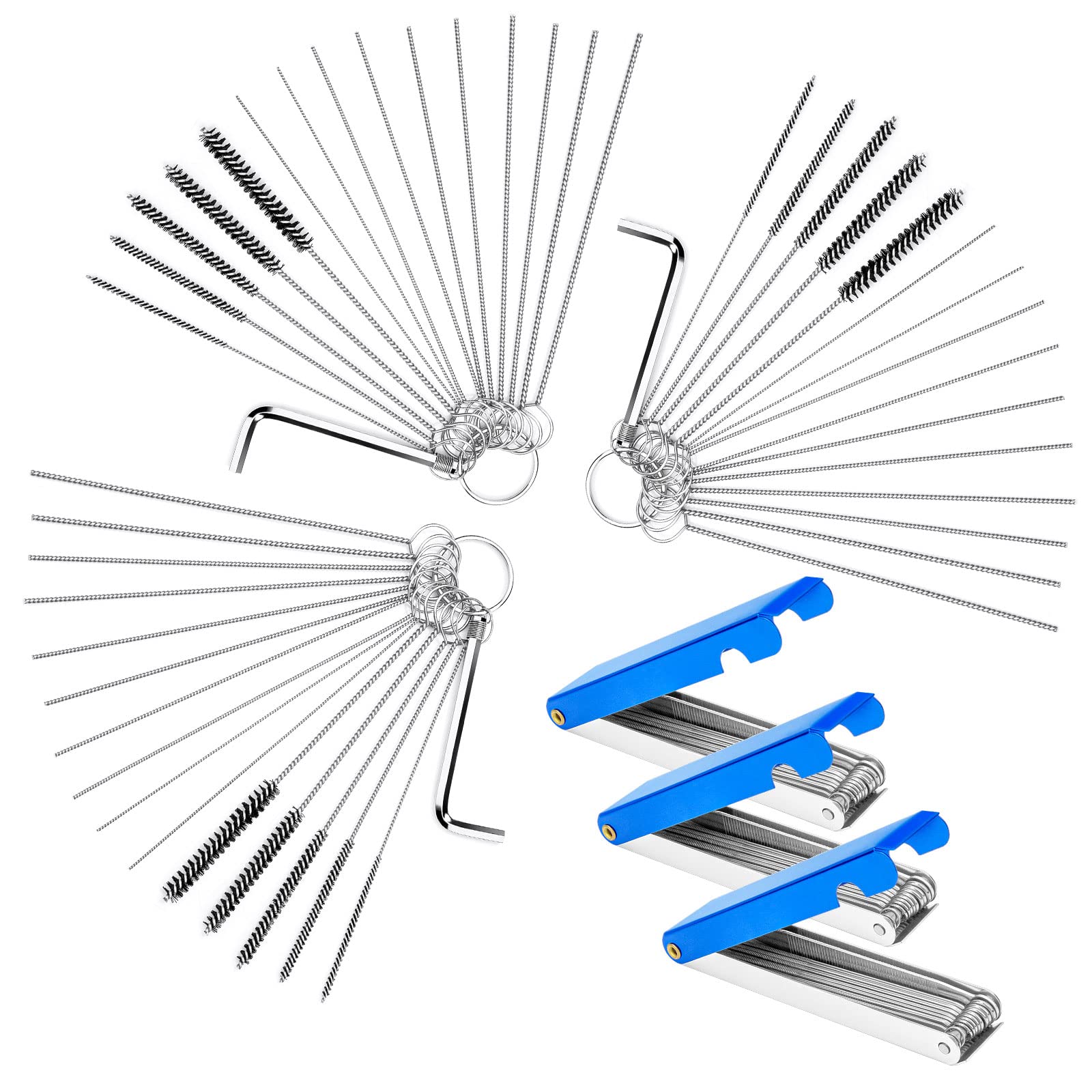
I keep this compact needle and brush set in the toolbox for clearing jets, tiny passages, and airbrush tips.
Why I picked it: Because the wide range of needle and wire diameters handles stubborn blockages in small carburetors and spray tips.
Best for: Motorcycle, ATV, chainsaw, carburetor, and small-engine maintenance where access is tight.
A very affordable parts kit that’s handy to store in a toolbox.
Pros
- Large variety of needle sizes
- Includes nylon brushes and cleaning wires
- Compact aluminum carrying case
Cons
- Not universal for every application
- Requires careful handling to avoid damage
My take
This needle and brush kit is one of those inexpensive tools that saves a lot of time. When I disassembled a carburetor on a small dirt bike, the kit’s assortment of needles and wires cleared clogged jets that compressed-air alone didn’t touch.
The nylon brushes reach passages without shredding, and the different wire diameters fit tiny orifices precisely. Everything packs neatly in a small aluminum case I can toss into my mechanic bag.
It’s not a miracle cure — I still use solvents for heavy varnish — but for general maintenance and stubborn grit, having the right diameter tool on hand makes the job straightforward.
5. Chemical Guys 15‑Piece Arsenal Kit with Foam Cannon – Best for Enthusiasts
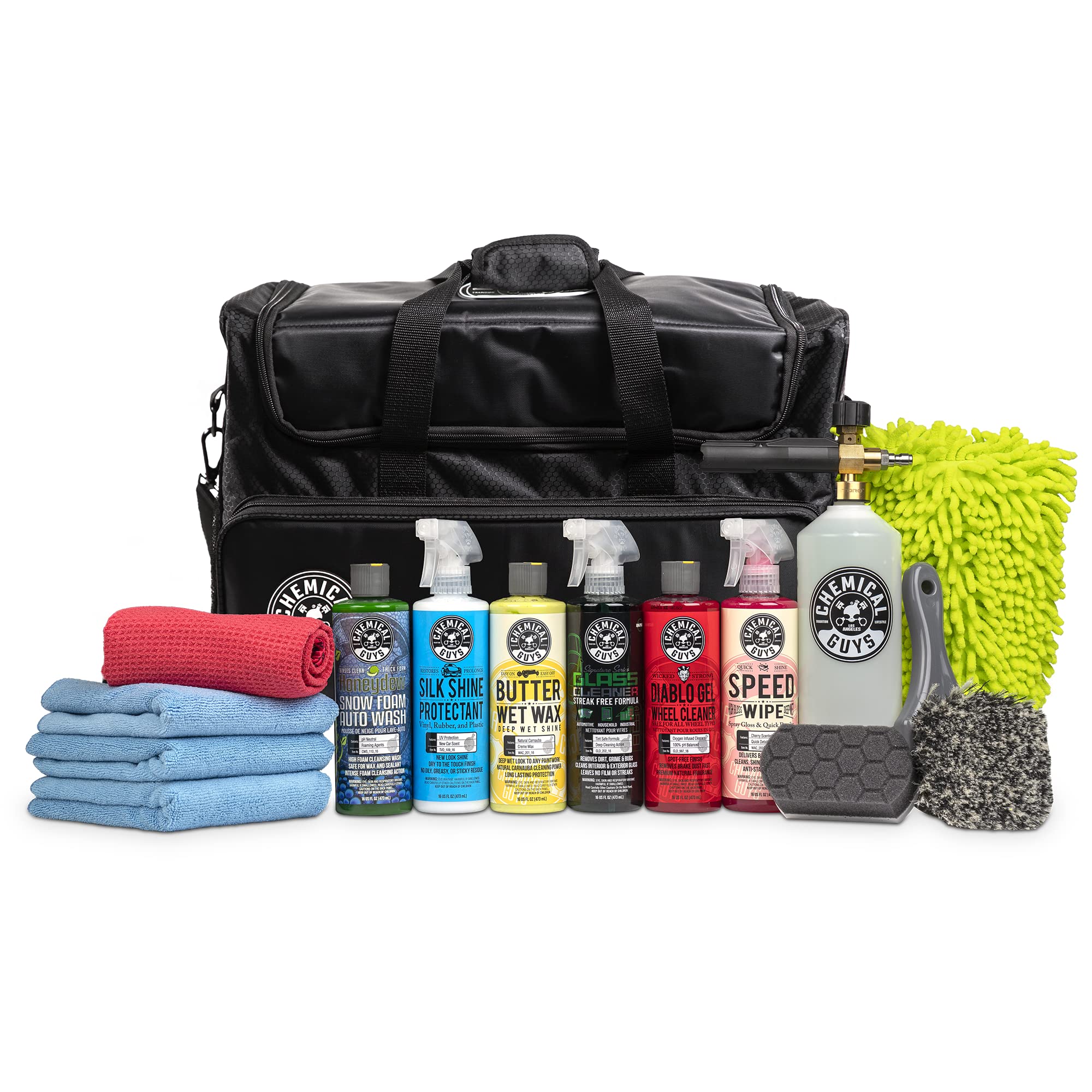
I use this larger Arsenal kit when I want foam cannon fun plus a fuller set of chemicals and tools for deep, scratch-minimized washes.
Why I picked it: The foam cannon and wider selection of chemicals give me professional-style foam cleaning at home.
Best for: Enthusiasts who want a more complete, trunk-ready detailing set with a foam cannon.
A more expensive, full-featured option for serious home detailers.
Pros
- Includes foam cannon for thick suds
- Comprehensive set of chemicals
- Large trunk organizer bag included
Cons
- Plastic foam bottle can be fragile
- Only one bucket included
My take
When I want to treat a car like a weekend project, this Chemical Guys kit is my go-to. The foam cannon produces thick suds that cling to paint and loosen heavy grime, which reduces the amount of scrubbing I need to do.
The included soaps, wax, and dressings are well chosen for a multi-step wash and protect routine. I particularly liked how little product was required to get effective suds and shine, stretching the kit across many washes.
The trunk organizer bag is a welcome addition that keeps everything tidy between uses. I did exercise extra care with the foam cannon bottle threads, but overall this kit delivers a near-professional wash experience in my driveway.
How I Choose a Cleaning Kit
Match the kit to the job
I think about the primary task before buying: quick interior touch-ups, full exterior washes, microfiber maintenance, or small-engine cleaning. That determines whether I need wipes, a multi-chemical kit, a specialized detergent, or a tool set.
Wipes beat sprays for speed and convenience, but they won’t replace a proper wash or chemical deep clean. Conversely, foam cannons and chemistry matter when I want to minimize swirls and get a protective finish.
- Wipes: Best for rapid, on-the-go interior and glass maintenance.
- Starter kits: Good for beginners wanting safe, coordinated products.
- Full kits with foam cannons: Ideal for enthusiasts seeking professional results.
- Specialty items (detergents, needles): Use for upkeep and maintenance tasks.
Tools and build quality matter
I inspect included hardware like buckets, mitts, and grit guards. A sturdy bucket and a good microfiber mitt are more valuable to me than extra little bottles of polish.
Durability matters when you plan to detail regularly. Cheap plastic bottles or a fragile foam cannon bottle can be annoying over time, so I prefer kits with robust components.
- Look for a grit guard or dirt trap to reduce scratches.
- Microfiber mitts should feel dense and soft.
- A solid bucket lid or trunk organizer improves storage and transport.
Keep microfiber performing
I always buy a dedicated microfiber detergent if I use towels for polishing and drying. Ordinary laundry soap can leave residues that reduce absorbency and cause streaks.
A concentrated detergent specifically formulated for microfiber stretches the life of your towels and keeps detailing results consistent.
- Use small doses of specialized detergent per wash.
- Wash microfiber separately from regular laundry.
- Dry on low heat and avoid fabric softener.
Specialty kits for small engines
For carburetors and tiny passages, a selection of needles, wires, and nylon brushes is far more useful than general-purpose solvents. I always match wire and needle sizes to the orifice diameter I’m cleaning.
Store these kits in a small case so you can grab the right tool mid-job.
- Measure or visually match needle/wire sizes to jets.
- Use nylon brushes where metal bristles might damage parts.
- Combine mechanical cleaning with appropriate solvents for varnish.
Frequently Asked Questions
How often should I use wipes versus a full kit?
I use wipes weekly for quick interior touch-ups and do a full kit wash monthly or as needed. Wipes keep things tidy between deeper cleans, but a proper wash with mitts and soap removes embedded dirt and protects finishes better.
Will the microfiber detergent remove wax residue?
Yes — I’ve found the dedicated microfiber detergent dissolves wax and polish residues that regular laundry soap leaves behind, restoring absorbency and preventing streaking when drying or polishing.
Can the foam cannon cause swirl marks?
Not on its own. I use a foam cannon to loosen dirt so my mitt does less abrasive work. The risk of swirls comes from dirty mitts or improper washing technique, so I pair the cannon with a grit guard and clean microfiber mitts.
Final Take
I chose these five products because they cover the most common cleaning needs I encounter: quick maintenance, beginner detailing, microfiber care, small-engine cleaning, and enthusiast-level washes.
If you want a single practical all-rounder, start with the Armor All wipe set for interiors and the Chemical Guys 8-piece kit for exterior work. For long-term care, add a microfiber detergent and a small-engine needle set to your toolbox.
Whichever path you take, matching the kit to the task will save time and deliver better results.
