
I tested six cacao and cocoa powders across flavor, mixability, sourcing, and pantry value. Here are the ones I keep returning to for baking, morning drinks, and recipes that need real chocolate depth.
I keep several cacao and cocoa powders in my pantry because each has a role—some are for everyday baking, others for smoothies or hot chocolate, and a couple are chosen for ethical sourcing or professional pastry use.
In this roundup I focused on taste, texture, how well the powders blend, and which recipes each powder lifts. I also considered ingredient transparency and pack size so you can pick the right one for your routine.
If you want deep, naturally bitter chocolate flavor, choose an unsweetened, non-alkalized cacao. For smoother, less acidic baking, Dutch-processed options are better; I note which powders are raw, fair-trade, or bulk-sized where it matters.
1. Organic Cacao Powder, Unsweetened, 1 lb — Rich Dark Chocolate Flavor – Best Overall
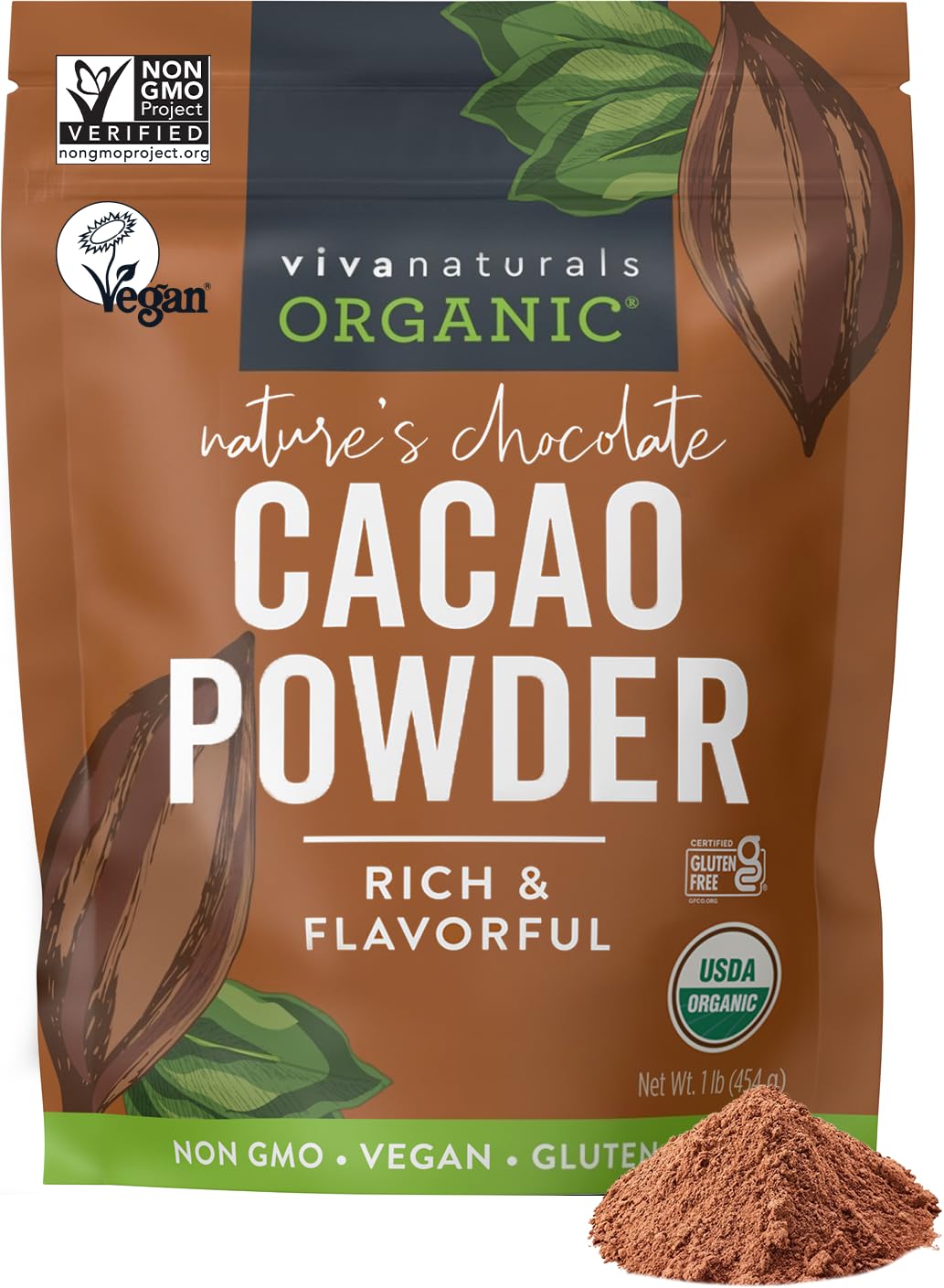
My go-to when I want a consistent, dark chocolate profile that blends into smoothies, hot chocolate, and baked goods without fillers.
Why I picked it: Consistent, rich chocolate flavor with fine texture and clean organic ingredient list.
Best for: Smoothies, hot chocolate, and swapping 1:1 into baking recipes.
Premium option that feels like an investment in quality.
Pros
- Deep, aromatic chocolate scent
- Fine, silky grind—mixes smoothly
- USDA organic and Non-GMO
Cons
- Can clump if not mixed into hot liquid
- A touch more expensive than mainstream cocoa
My take
I reach for this organic cacao when I want an honest, dark chocolate taste without additives. The powder smells rich as soon as I open the bag and gives a real chocolate backbone to smoothies and hot drinks.
Texture is one of its strengths: it's milled finely and rarely leaves gritty bits when I whisk it into warmed milk or blend it in a high-speed blender. When I add it to cold liquids I make a paste first to avoid surface lumps.
In baking, I swap it 1:1 for conventional cocoa and get reliable color and depth—brownies, cakes, and cookies all benefit. The single-ingredient label reassures me that I'm using a pure product across keto, paleo, and vegan recipes.
2. Navitas Organics Cacao Powder – Regenerative Organic Certified, 8 oz – Best Ethical Choice
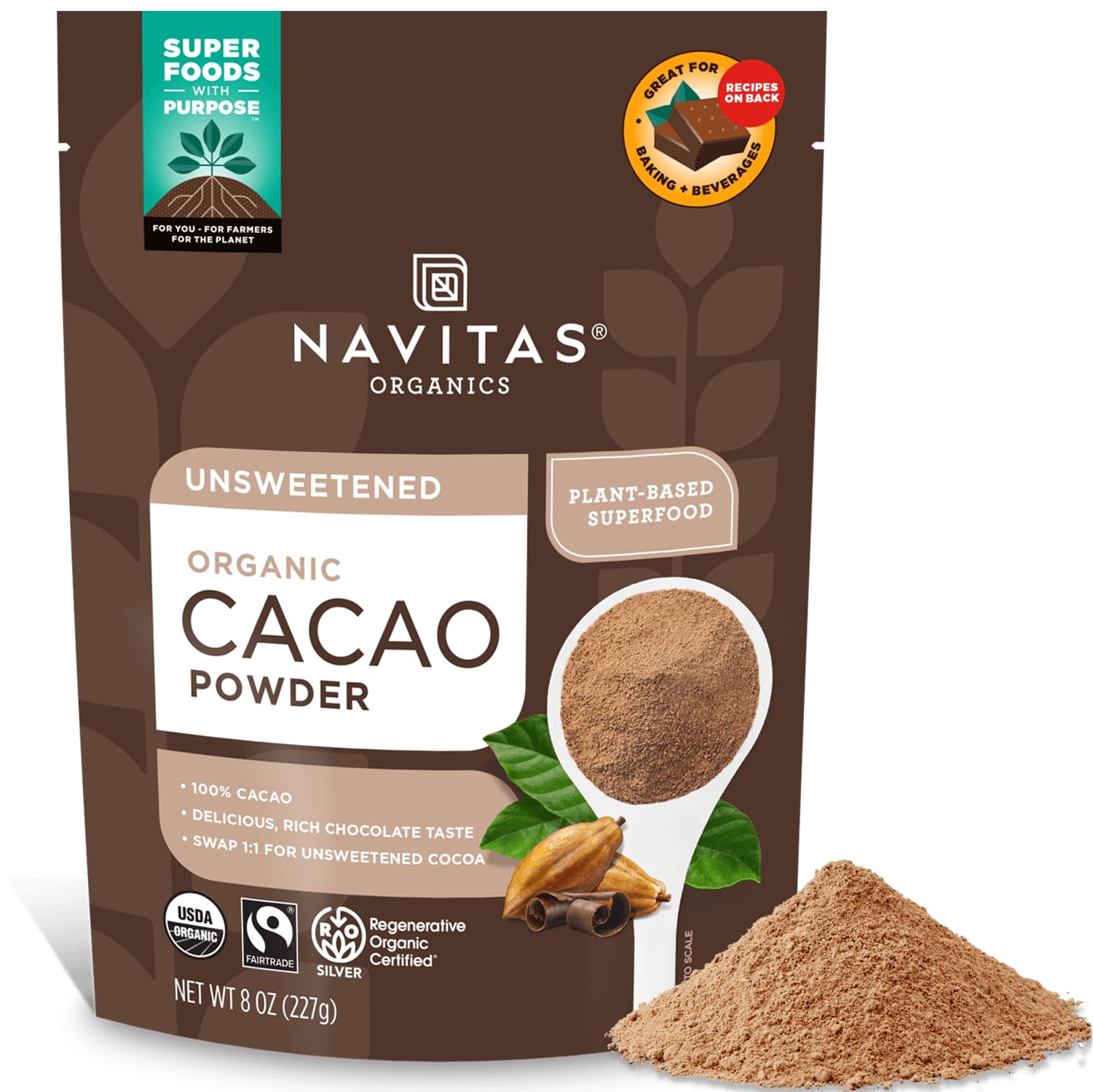
I choose this when sourcing and sustainability matter; it delivers a rich flavor and mixes easily with minimal fuss.
Why I picked it: Regenerative organic and Fairtrade sourcing plus a robust chocolate taste.
Best for: Hot chocolate, baking where ethical sourcing matters, and recipes needing bold flavor.
A premium, ethically focused option.
Pros
- Traceable, regenerative organic certification
- Rich, dark chocolate flavor
- Dissolves and blends easily
Cons
- Smaller pack—quick to finish
- Priced at a premium for the sourcing
My take
I keep Navitas on hand when I want to support regenerative practices without sacrificing taste. The flavor is deep and true to raw cacao—the kind of powder that adds complexity to hot chocolate and brownies.
Mixability impressed me: it dissolves with little effort and I rarely get clumps, which makes morning drinks and quick baking mixes faster to prepare.
Because the powder is unsweetened and intensely flavorful, a little goes a long way. I appreciate that they prioritize farmer support and traceability—it changes how I feel about an ingredient I use often.
3. BetterBody Foods Organic Cacao Powder, 16 oz — Rich Chocolate Flavor – Best for Daily Use
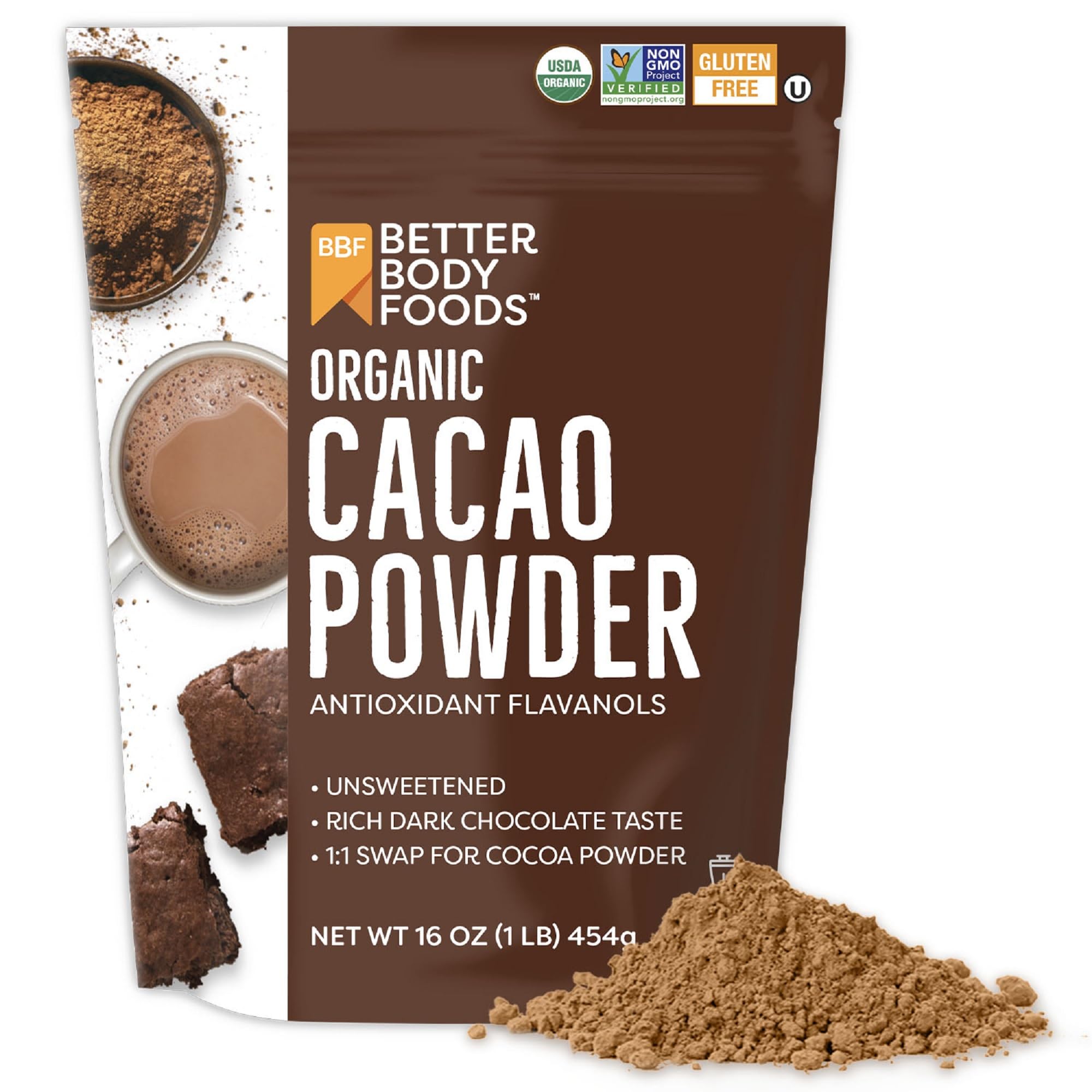
A roomy bag with a smooth, approachable cacao profile that works in coffee, shakes, and everyday baking.
Why I picked it: Smooth, versatile flavor that plays well in daily coffee and baking.
Best for: Daily coffee additions, protein shakes, and regular baking.
Everyday pantry choice with a larger pack size.
Pros
- Smooth, non-gritty texture
- Bold but not overly bitter
- Large bag lasts through regular use
Cons
- Less dark than some specialty cacaos
- Natural bitterness may surprise sugar-dependent palates
My take
This cacao is what I reach for most mornings—I stir a level tablespoon into my coffee for a chocolate lift without added sugar. It blends to a silky texture and keeps my drinks smooth.
In the kitchen, it performs consistently as a 1:1 substitute for cocoa. Muffins, brownies, and homemade granola get a clear chocolate presence without becoming overpowering.
The bag size means I don't reorder as often, which is convenient for a household that uses cacao every day. I appreciate the no-nonsense ingredient list and reliable performance across recipes.
4. Anthony’s Organic Cocoa Powder, 2 lb — Gluten Free, Non GMO, Unsweetened – Best Bulk Buy
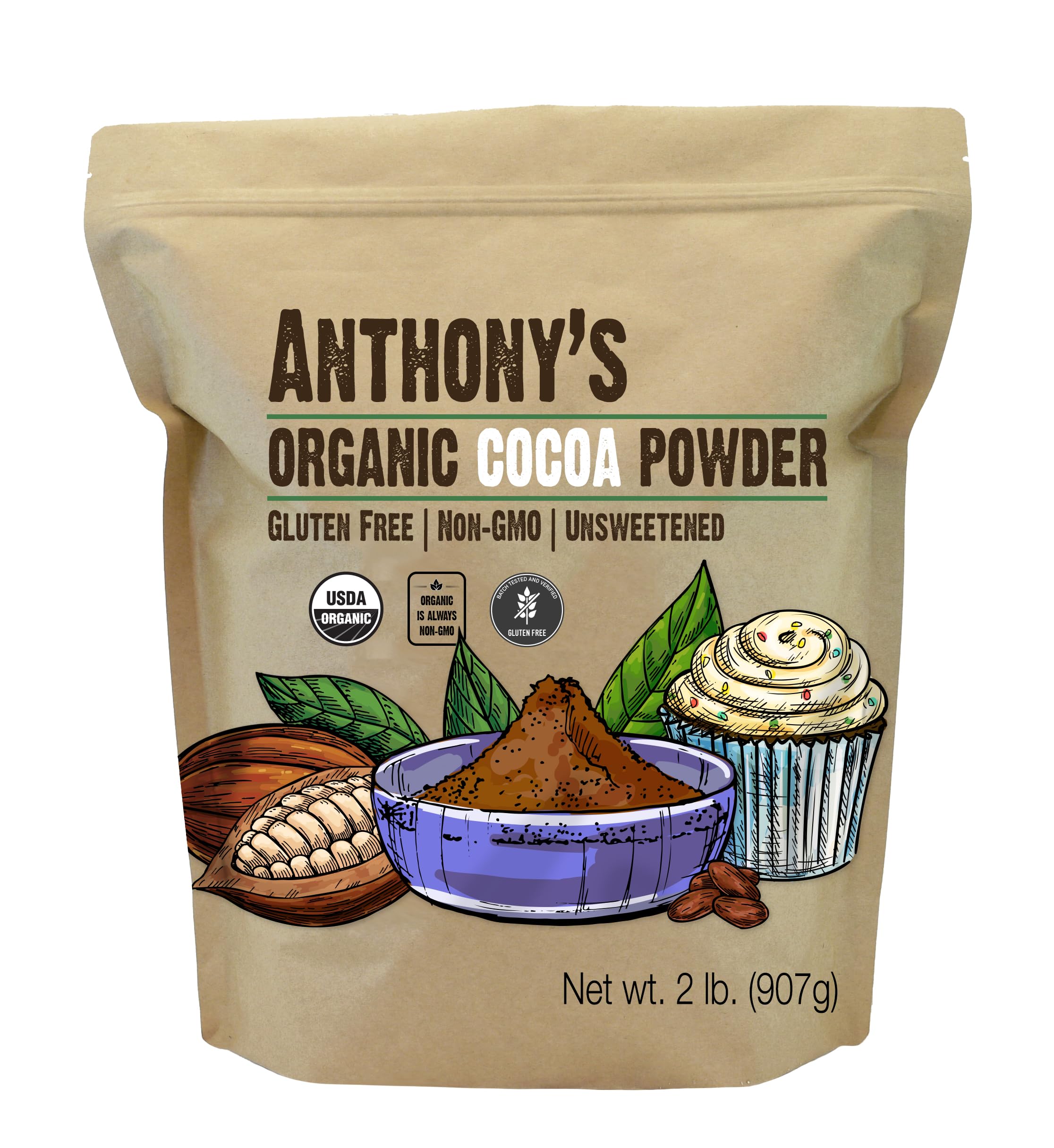
I stock this when I want a large, economical bag that still provides rich flavor and smooth mixing for frequent bakers.
Why I picked it: Large format with dependable flavor and fine grind for heavy use.
Best for: Bakers, meal-preppers, and households that go through cocoa quickly.
Economical for the size and frequency of use.
Pros
- Generous 2 lb quantity
- Rich, deep chocolate profile
- Fine grind—no grit
Cons
- Simple packaging—zip top could be sturdier
- Slightly more acidic than Dutch-processed
My take
I keep Anthony's in rotation when I'm baking in bulk or running a small kitchen. The powder has a dependable, rich taste that elevates cakes, frostings, and hot cocoa alike.
The texture is pleasingly fine, so mixing into batters and creams is fuss-free. I do wish the reseal system was more robust, but transferring to an airtight container solved that quickly.
Compared to alkalized cocoas, it has a touch more natural acidity, which I actually like in recipes that benefit from a brighter chocolate note rather than a mellow, Dutch-processed finish.
5. Healthworks Superfoods Organic Cacao Powder, 16 oz — Peruvian Bean Origin – Best for Baking
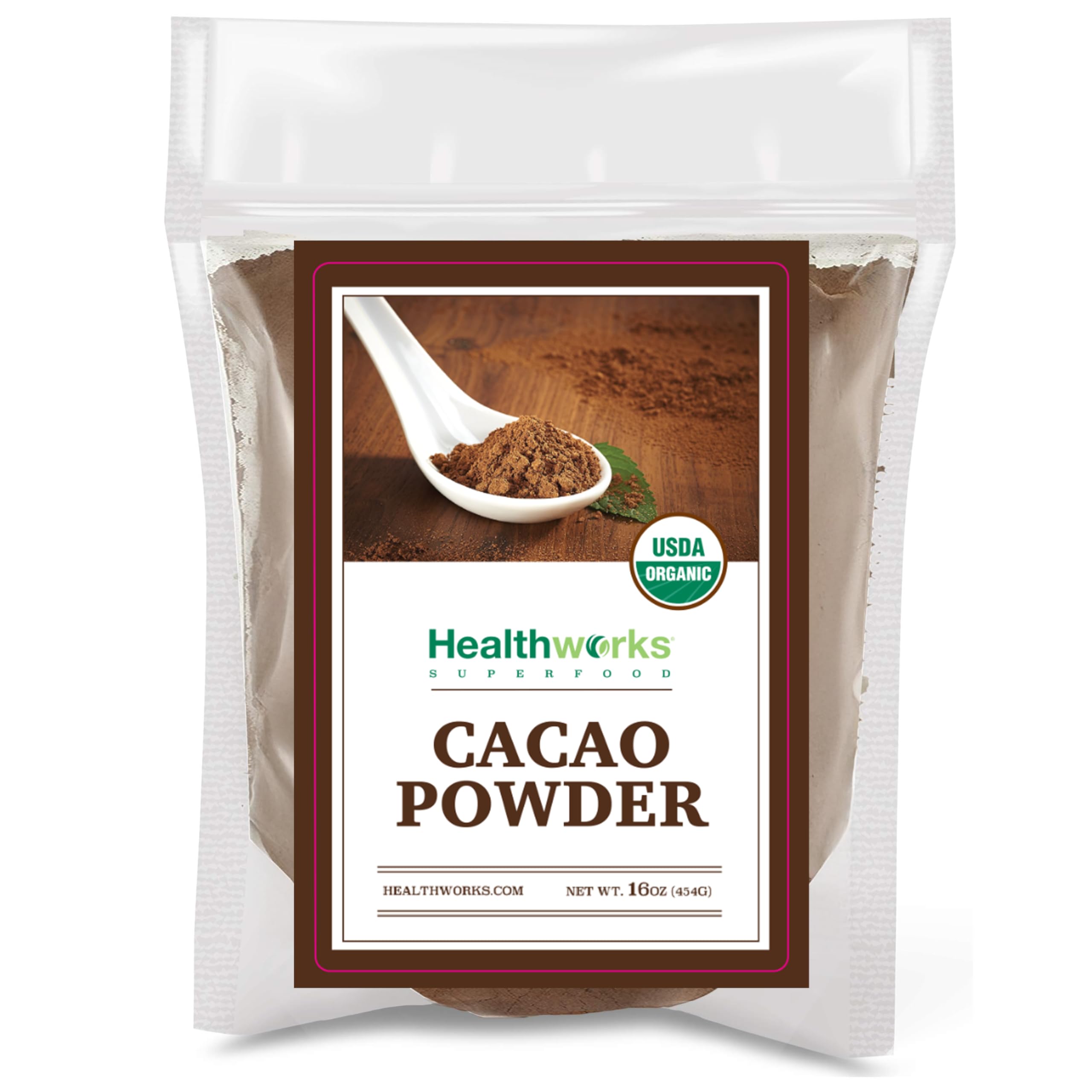
I turn to this cacao when I want an intense, bakery-grade chocolate flavor that performs under heat and in creams.
Why I picked it: Intense, authentic chocolate flavor favored in pastries and desserts.
Best for: Professional-style baking, ganaches, and recipes needing deep cacao notes.
Midrange option that delivers professional results.
Pros
- Very intense chocolate flavor
- Works well in creams and baked goods
- Raw, nutrient-dense profile
Cons
- Flavor can be strong for sweet-free recipes
- May require hot liquid to fully dissolve
My take
As a pastry chef, I appreciate cacao that gives pastries that extra level of depth—this one does just that. The aroma and dark color translate into richer ganaches and robust brownies.
It blends well into warmed creams and batter; when I make mousse or chocolate sauces I heat the liquid first to ensure a smooth suspension and avoid any settling.
Beyond baking, I find it adds a satisfying kick to morning smoothies and provides the antioxidant-rich profile I look for when choosing superfood ingredients.
6. HERSHEY’S Natural Unsweetened Cocoa Powder Can, 8 oz — Classic Cocoa – Best Classic Pantry Staple
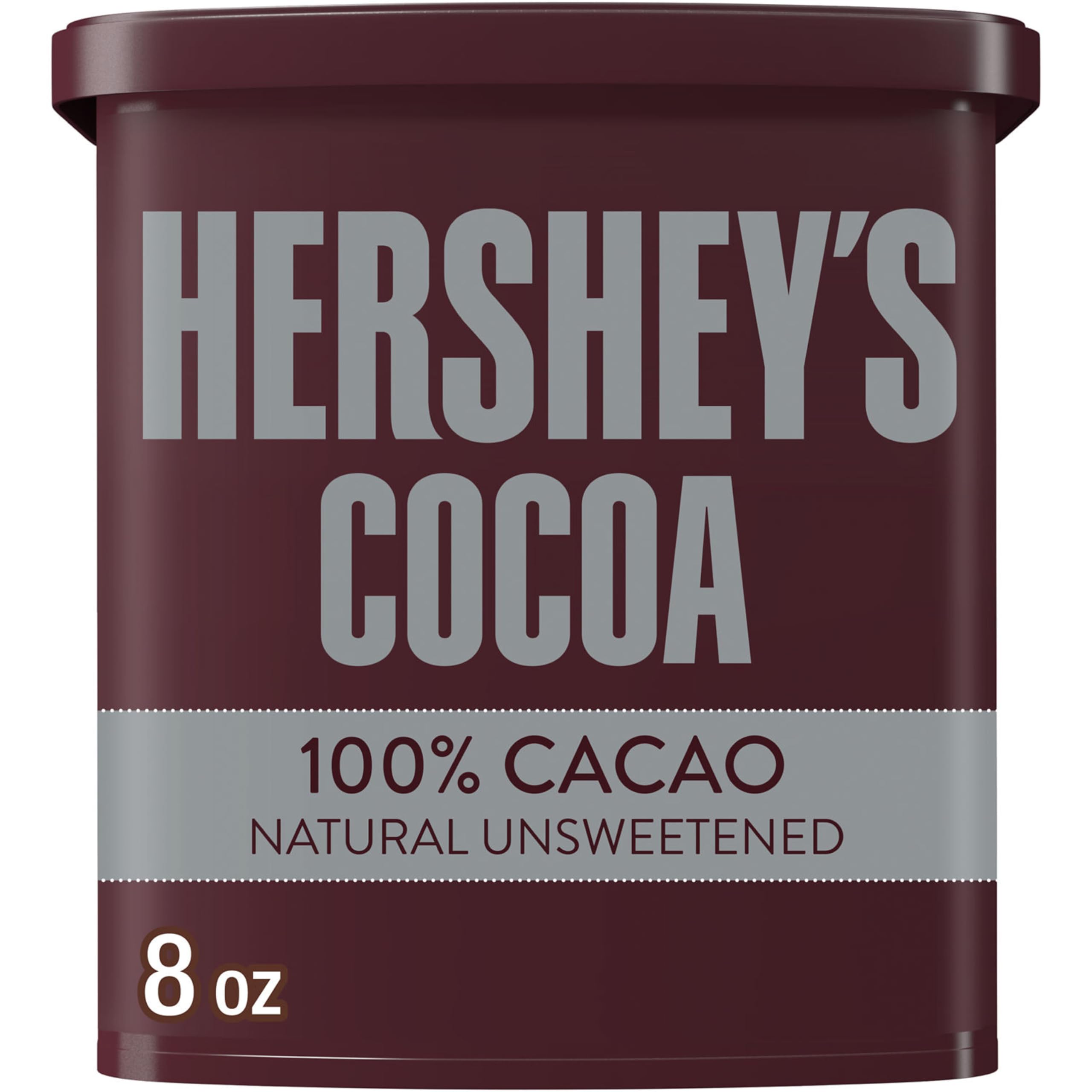
I keep a can of this classic cocoa for dependable baking and quick hot chocolate mixes that need a familiar chocolate flavor.
Why I picked it: Classic, dependable chocolate flavor that’s easy to use and widely available.
Best for: Everyday baking, quick hot cocoa, and recipes calling for natural cocoa.
Budget-friendly pantry staple.
Pros
- Classic, familiar chocolate taste
- Resealable can for easy storage
- Very versatile in recipes
Cons
- Smaller can—needs frequent replacement
- Not as specialty-oriented as some cacaos
My take
I use Hershey's when I want a straightforward cocoa taste that everyone recognizes. It performs well in brownies, cakes, and quick drinks without fuss.
The can stores neatly in my pantry and the recipe on the back is genuinely useful for last-minute baking. Texture and flavor are consistent, and it's easy to incorporate into batters and hot drinks.
If you want an all-purpose cocoa that won't surprise you, this is the one I reach for during holidays and when making comfort desserts.
How I Choose a Cocoa or Cacao Powder
Cacao vs. Cocoa: What I Look For
I distinguish raw cacao from processed cocoa by flavor and processing. Raw cacao tends to be more bitter and nutrient-dense, while cocoa (especially Dutch-processed) is mellower.
For antioxidant benefits I favor non-alkalized, minimally processed cacao. For baking that needs a milder acidity, Dutch-processed cocoa is often the better match.
- Non-alkalized = brighter, more acidic chocolate notes
- Dutch-processed = smoother, less reactive in baking
- Raw cacao = higher flavonoid content
Texture and Mixability
A fine, silky grind matters to me—especially for drinks and delicate batters. Coarser powders can leave grit unless you use a hot liquid or blender.
If I plan to use cacao in cold smoothies, I make a paste first or blend at high speed to avoid clumps.
- Look for 'finely milled' or notes about smooth mixing
- Make a paste with warm liquid for cold preparations
- High-speed blenders eliminate most clumping issues
Sourcing and Certifications
I prioritize traceability and certifications—USDA Organic, Fairtrade, and regenerative labels mean the product aligns with sustainable practices I value.
Those certifications don’t guarantee superior flavor, but they inform how I feel about using the ingredient regularly.
- Organic and Non-GMO for cleaner ingredient lists
- Fairtrade or regenerative for ethical sourcing
- Kosher or other dietary certs if required
Pack Size and Storage
Choose pack size based on how often you use cacao. I buy bulk when I use it daily and smaller packs for specialty, premium powders.
Transfer powders to an airtight container away from heat and light to keep them fresh longer.
- Store in airtight containers
- Keep away from humidity and strong odors
- Use within a reasonable time—flavor fades over months
Frequently Asked Questions
Can I substitute cacao for cocoa in recipes?
Yes. I substitute cacao 1:1 for cocoa in most recipes. Expect a slightly more intense, bitter flavor with non-alkalized cacao; adjust sugar if you want a sweeter result.
Why does my cacao sometimes clump in cold drinks?
Cacao contains natural cocoa butter which can form clumps in cold liquids. I make a warm paste first or use a blender to get a smooth texture.
How should I store my cacao or cocoa powder?
I keep mine in an airtight container in a cool, dark cupboard. Avoid moisture and strong-smelling foods to preserve aroma and flavor.
Final Take
After testing these powders across multiple recipes, I recommend choosing based on how you use cacao most: pick a bulk bag for daily baking, a premium ethically sourced powder when sourcing matters, and a classic can for reliable, familiar results.
Whichever powder you choose, focus on texture, processing (alkalized vs non-alkalized), and pack size so it supports the way you cook and drink chocolate every day.
