
I tested unsweetened organics, large decorative flakes, and moist sweetened options to find the coconut flakes I reach for in the kitchen. These picks cover baking, garnishing, and everyday toppings.
I keep coconut flakes in my pantry year-round and I judged each option on texture, moisture, flavor, and packaging.
My team and I used these flakes in yogurt, granola, macaroons, cakes, and straight from the bag so I could evaluate real-world performance.
Below are the ones I keep grabbing depending on whether I want crunch, moist sweetness, or an organic unsweetened option.
I compared medium unsweetened flakes, large decorative flakes, and moist sweetened varieties so you can pick by texture and intended use.
1. Terrasoul Superfoods Organic Coconut Flakes – Best Overall
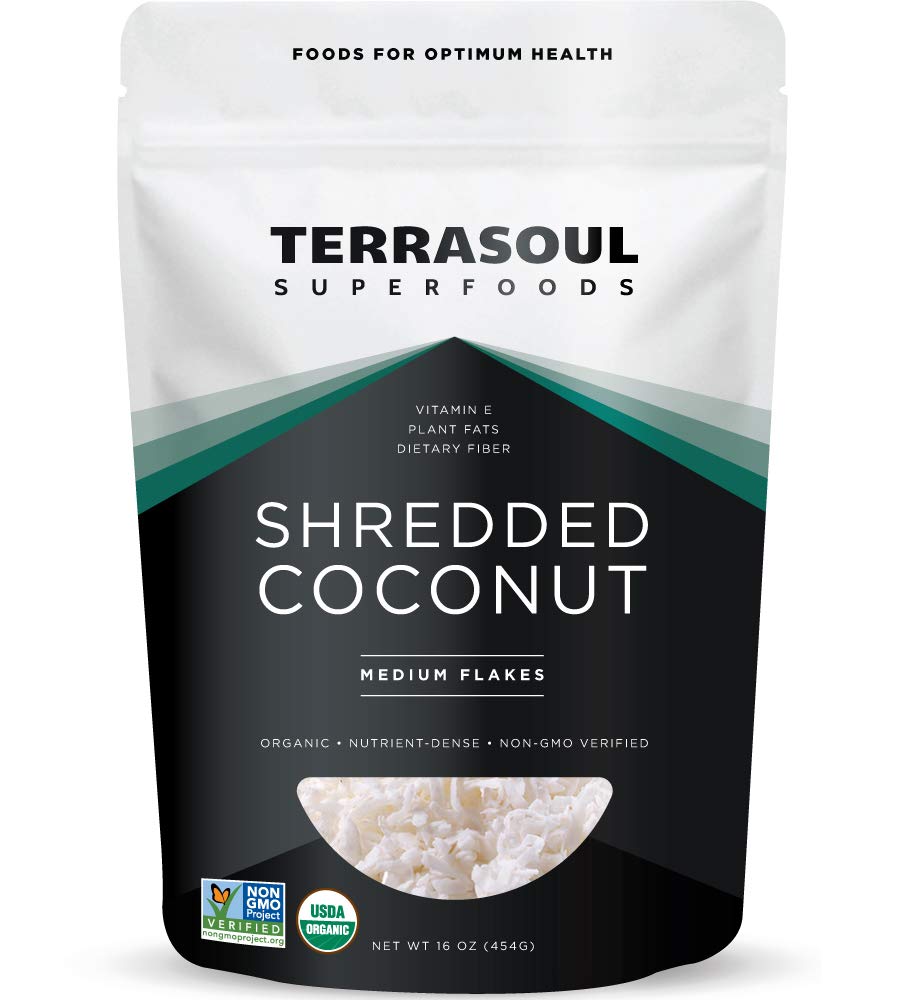
My go-to unsweetened, organic medium flakes that balance texture and versatility for everyday use.
Why I picked it: Organic, gently dried, and crisply packaged for daily use in yogurt and baking.
Best for: Everyday toppings, smoothies, keto-friendly snacks, and baking where unsweetened coconut is needed.
Solid mid-range value for certified organic flakes.
Pros
- Certified organic and non-GMO
- Medium flakes with good mouthfeel
- Unsweetened and unsulfured
- Resealable packaging keeps it fresh
Cons
- Drier than sweetened varieties
- Medium size not ideal for decorative garnish
My take
I reach for these Terrasoul flakes when I want an unsweetened, organic option that mixes easily into yogurt and smoothies. The medium shred gives a pleasant chew without overpowering a spoonful.
The flakes are gently dried and never treated with sulfites, which is obvious in the clean, fresh coconut aroma I get when I open the pouch. The resealable bag also preserves crispness between uses.
Because a little goes a long way, this ends up being a practical pantry staple for me — especially when I want to keep recipes sugar-free or keto-friendly while still adding coconut texture.
2. Bob’s Red Mill Coconut Flakes – Best for Garnish
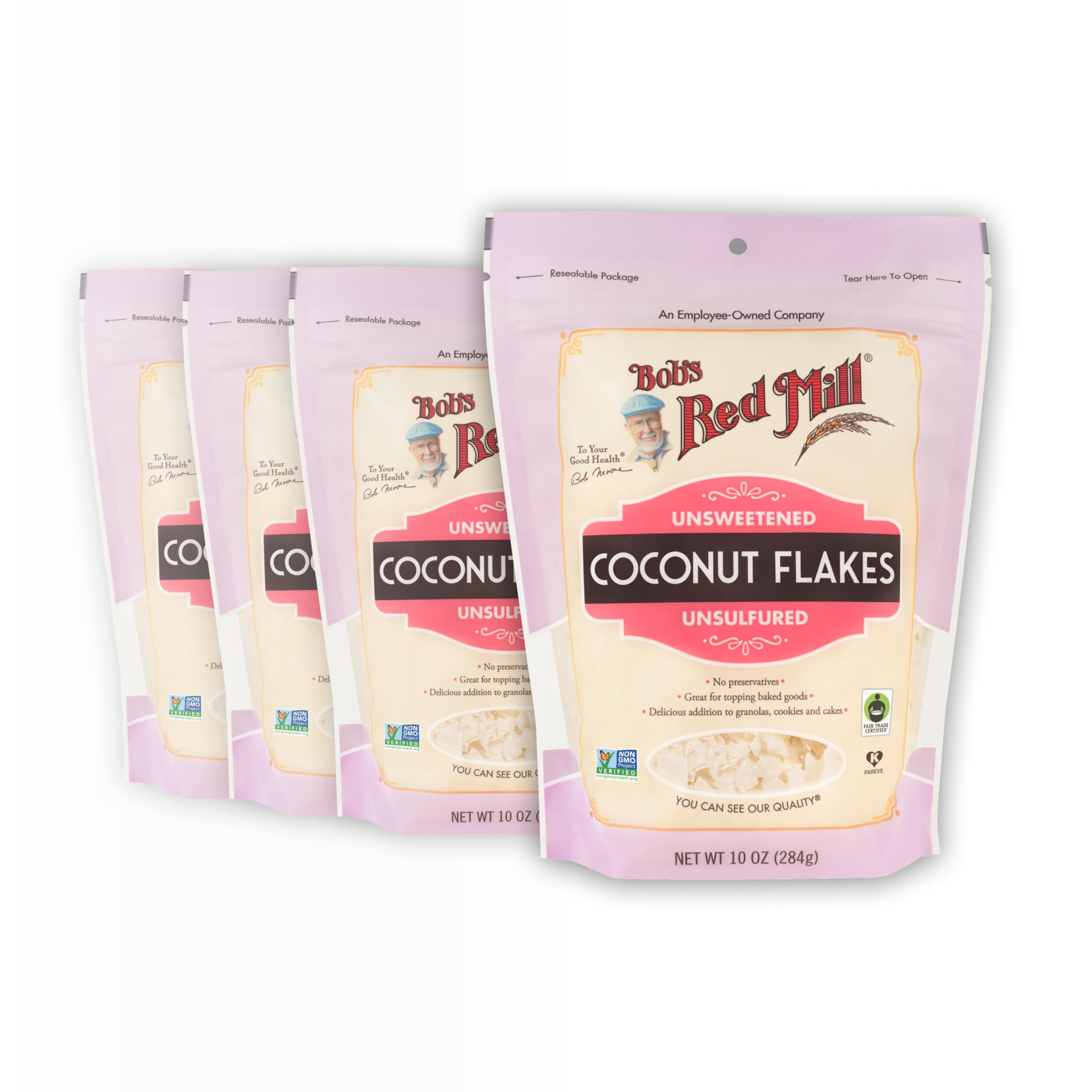
Large, showy flakes that make an attractive garnish and work well in baking and granola.
Why I picked it: Large flakes with a softer texture and ethical sourcing credentials.
Best for: Garnishing cakes and pies, stirring into granola, or adding crunch to oatmeal.
A bit more premium for larger, Fair Trade–sourced flakes.
Pros
- Large attractive flakes
- Fair Trade certified
- Non-GMO and Kosher
- Great for visual garnishes
Cons
- Softer texture, less crunch
- Less ideal for high-heat toasting
My take
When I want flakes that look as good as they taste, I reach for Bob’s Red Mill. The larger pieces create a striking finish on cakes and desserts.
These flakes are minimally processed and unsweetened, which I appreciate when I need neutral coconut flavor without added sugar. They’re slightly softer, so they fold into granola bars and baked goods without drying out the final product.
I also like that the brand supports Fair Trade sourcing; for me that adds confidence in the supply chain behind the ingredient.
3. Baker’s Angel Flake Sweetened Coconut – Best for Sweet Baking
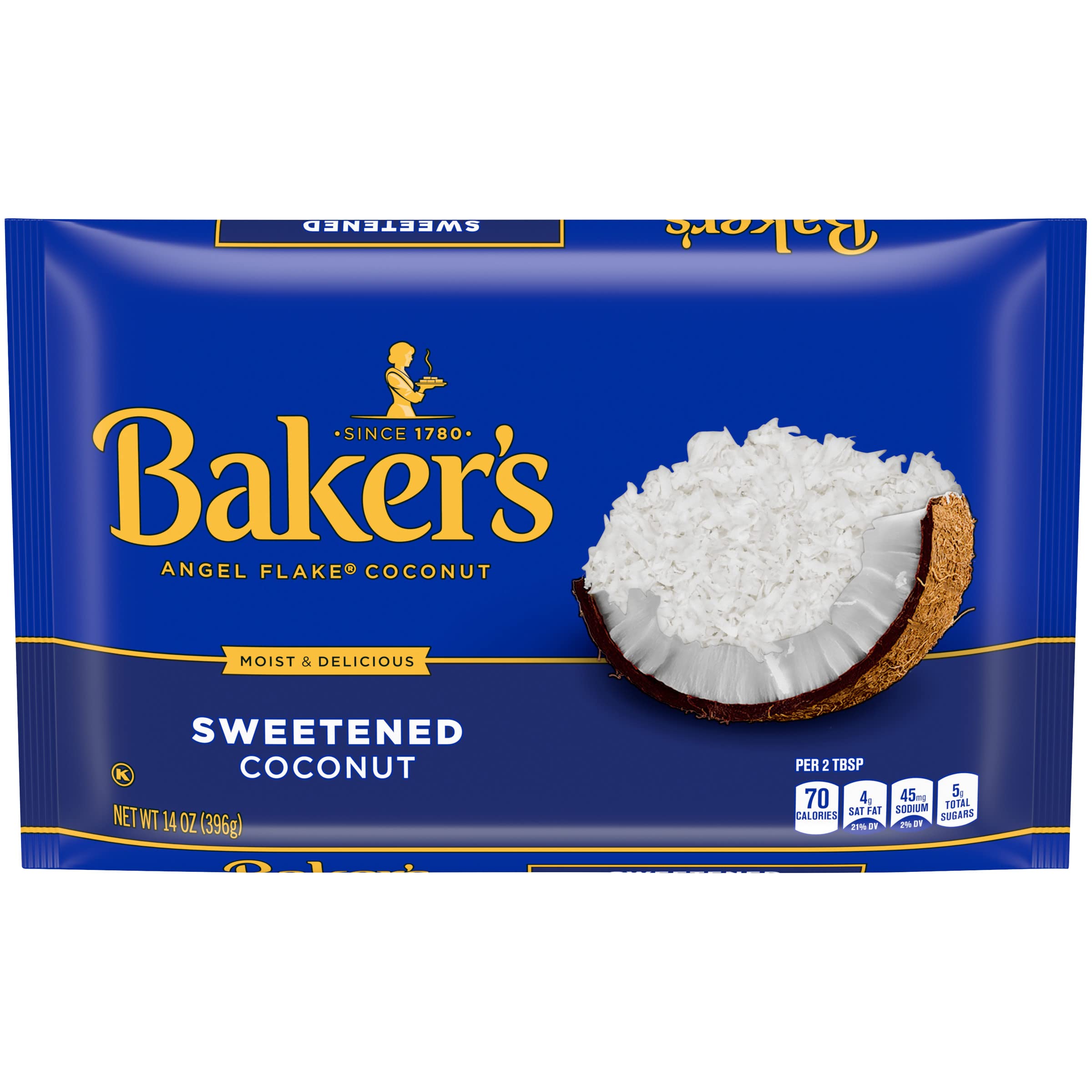
Moist, sweetened flakes that deliver a rich coconut flavor ideal for macaroons and coconut desserts.
Why I picked it: Moist texture and light sweetness that improve macaroons and coconut pies.
Best for: Macaroons, coconut cakes, pies, and any dessert that benefits from moist sweet coconut.
Great value when you need sweetened, ready-to-use coconut.
Pros
- Moist, soft texture
- Perfectly sweetened for desserts
- Holds moisture in baked goods
Cons
- Sweetened—unsuitable for savory dishes
- Shorter shelf life once opened
My take
I reserve Baker’s Angel Flake Sweetened for recipes where moisture and sweetness matter most. It makes standout macaroons and keeps coconut pies pleasantly tender.
The flakes arrive with a soft, slightly moistened texture that I find blends into batters and fillings without drying. That consistency is what separates it from drier, unsweetened options.
Because it’s sweetened, I avoid it in savory applications, but for dessert work it’s a reliable, flavorful choice that produces consistent results.
4. Baker’s Angel Flake Sweetened Coconut (2-pack) – Best Multi-Pack
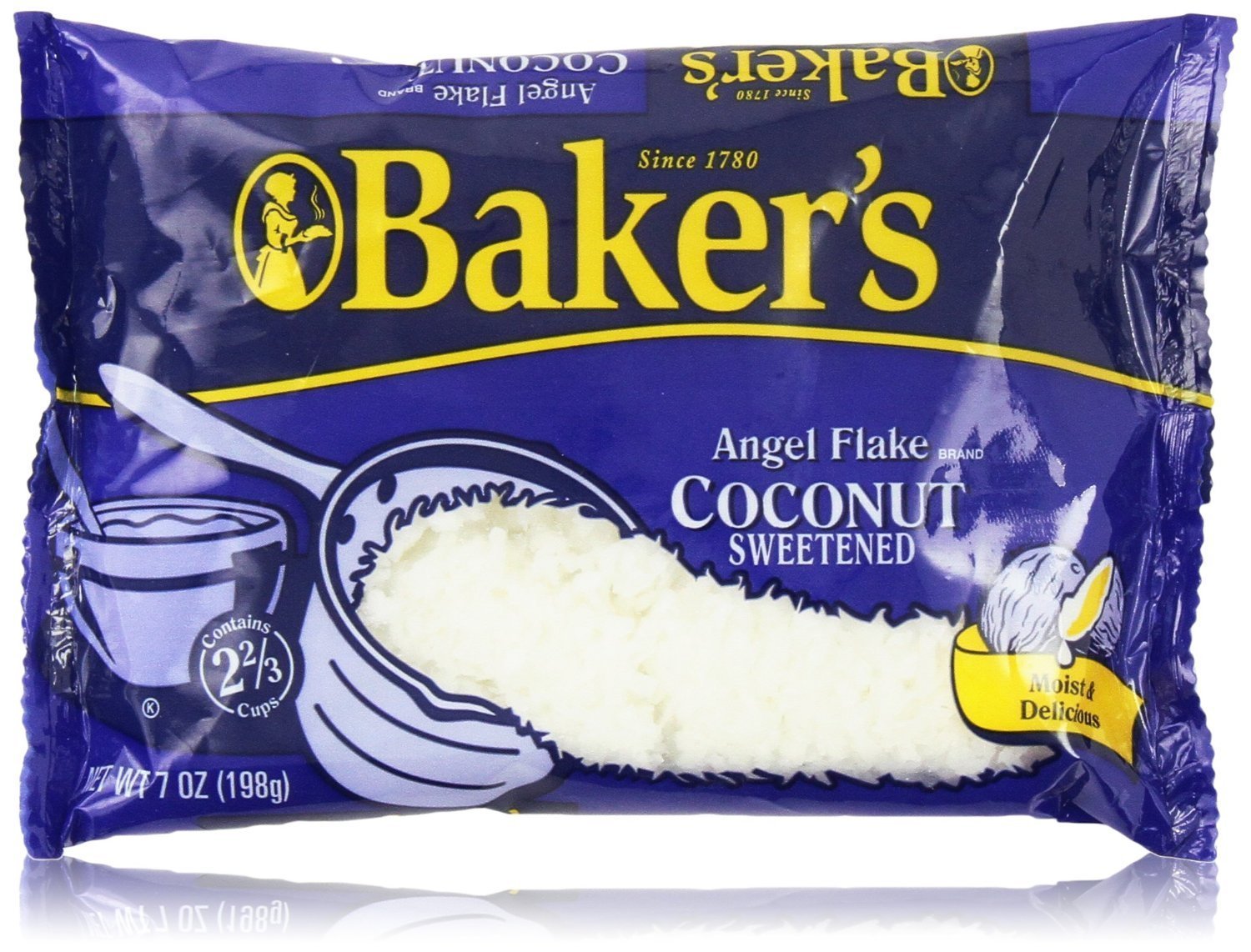
Same moist, sweet coconut as the single bag but in a convenient two-pack for regular bakers.
Why I picked it: Consistent moisture and sweetness across smaller bags—handy for frequent baking.
Best for: Home bakers who use sweetened coconut often and like portioned bags.
Practical multi-pack for regular bakers seeking consistent results.
Pros
- Consistently moist and flavorful
- Convenient smaller bags
- Perfect for classic recipes
Cons
- Sweetened only, not versatile for savory
- Two small bags can run out quickly
My take
I keep the two-pack on hand when I’m baking for family gatherings because the smaller bags stay fresher between uses. Each bag delivers the same moist texture I trust for coconut cakes and frostings.
Kids in my kitchen also eat this straight from the bag, which tells me the sweetness level is well judged. The flakes don’t dry out or turn brittle during typical use.
If you bake with sweetened coconut regularly, this multi-pack is a convenient way to maintain quality without committing to a single oversized bag.
How I Choose Coconut Flakes
Flake Size & Texture
I pick flakes based on how I’ll use them: large flakes for garnishes, medium for mix-ins, and finely shredded for folding into batters.
Texture affects how they toast and how they behave in recipes — softer flakes meld into baked goods while drier flakes keep their crunch.
- Large flakes = decorative garnish and visual appeal
- Medium flakes = versatile for yogurt and granola
- Fine shreds = best for cookies and batters
Sweetened vs Unsweetened
I choose unsweetened flakes when I want to control sugar in a recipe or use coconut in savory dishes.
Sweetened flakes are my go-to for macaroons, coconut cream pies, and any dessert that needs moisture and sweetness built in.
- Unsweetened: flexible, lower sugar, keto-friendly
- Sweetened: ready-to-use for desserts, adds moisture
Freshness & Packaging
Resealable bags matter. I favor packaging that preserves crispness and prevents clumping between uses.
For sweetened, moister flakes I transfer open bags to airtight containers or refrigerate for longer shelf life.
- Look for resealable packaging
- Store opened sweetened flakes in airtight containers
- Check for lack of sulfites if you prefer minimally treated coconut
Certifications & Sourcing
When sourcing matters to me, I choose organic or Fair Trade options to support responsible farming practices.
Non-GMO and Kosher certifications are useful signals for dietary needs and ingredient integrity.
- Organic = avoids synthetic inputs
- Fair Trade = supports growers
- Non-GMO/Kosher = dietary assurances
Frequently Asked Questions
Are coconut flakes the same as shredded coconut?
I use the terms interchangeably sometimes, but shredded coconut tends to be finer while flakes are larger and more decorative. Choose shred size based on texture needs.
How should I store opened coconut flakes?
I keep opened unsweetened flakes in a resealable bag or airtight jar at room temperature. For sweetened, moister flakes I refrigerate in an airtight container to extend freshness.
Can I toast coconut flakes?
Yes — I toast flakes in a single layer on a baking sheet at moderate heat and watch closely; larger flakes toast more quickly on the edges, while fine shreds brown faster overall.
Final Take
I rely on Terrasoul for an organic, unsweetened everyday option, Bob’s Red Mill when I want showy flakes, and Baker’s Angel Flake when recipes call for moist, sweet coconut.
Pick by flake size and sweetness to match your recipes, and keep a resealable bag or airtight jar on hand to preserve freshness.
