
I tested a range of high-capacity brewers to find fast, reliable machines that make cafe-quality coffee at home or in a small office. Here are the models I've kept or returned to, and why each one earns a spot on my list
I spend a lot of time testing coffee makers that promise commercial-level performance for home and small-office use. In this roundup I focus on brewers that handle capacity, speed, and consistent extraction.
My goal was practical: which machines deliver hot, balanced coffee without a lot of fuss, which save time when I need a pot fast, and which keep coffee tasting good as it sits? I kept notes from long-term use and daily brewing to surface real-world tradeoffs.
Across these models I weigh three things I care about most: brew temperature and extraction, how quickly a full pot is ready, and whether the machine keeps coffee tasting good while it sits. If you want speed and cafe-style saturation, the BUNN machines stand out. If you want programmability and flexibility, the Cuisinart and Ninja deliver. For cold brew concentrate, the Toddy is the best simple solution I've used.
1. Cuisinart PerfecTemp 14-Cup Coffee Maker – Best Overall
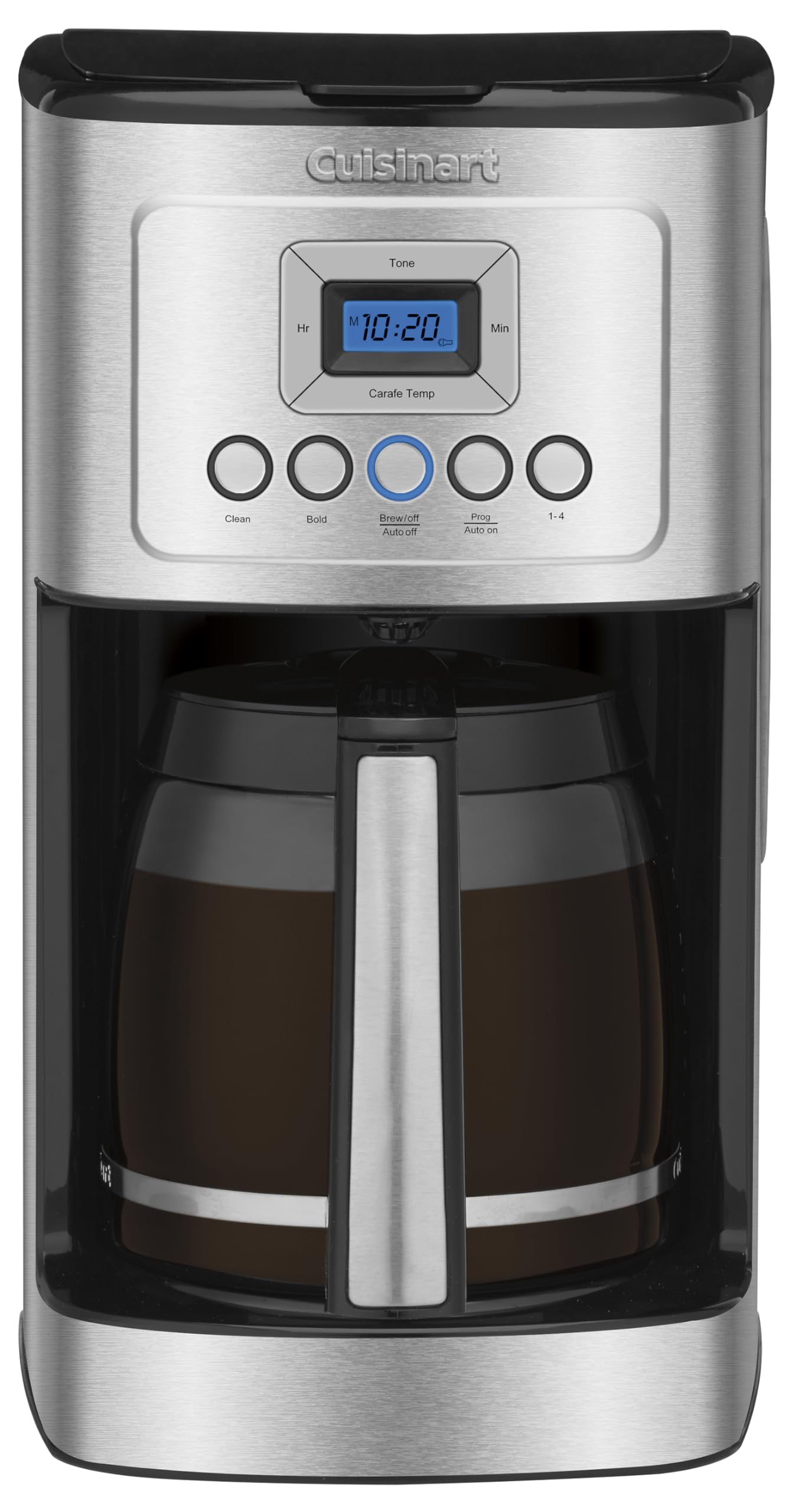
A versatile, programmable 14-cup brewer that balances temperature control, strength settings, and daily convenience.
Why I picked it: I kept this one for its mix of capacity, programmable convenience, and adjustable carafe temperature.
Best for: Homes or small offices needing large, customizable batches.
A solid midrange value for its features and capacity.
Pros
- Large 14-cup capacity
- Adjustable warming plate temperature
- Programmable 24-hour timer
- Brew strength control (Regular/Bold)
- Brew-pause to pour mid-cycle
Cons
- Warming plate can rust after years
- Occasional plastic smell during break-in
- May develop leaks with very long use
My take
I’ve owned this Cuisinart for nearly six years and it’s earned a permanent spot on my counter for big-batch days. The PerfecTemp heating system keeps brew temperatures high enough to extract flavor properly, and the three-level warming plate control means I can set how hot the carafe stays without scorching the pot.
Programability is useful: I set a brew time the night before and wake up to a full pot. When I want a stronger cup I use the bold setting; when I need just a couple of cups the 1–4 mode speeds the process while still maintaining heat.
A few practical notes from long-term use: the glass carafe and pouring performance have never been an issue for me, but the warming plate will usually show surface rust after several years in my experience. Also, I experienced an initial plastic-y aroma during first runs that was resolved with repeated cleaning cycles.
Overall, this is my go-to when I need capacity plus customization — it handles family or small-office demands without being fussy.
2. Ninja 12-Cup Programmable Coffee Brewer – Best Budget
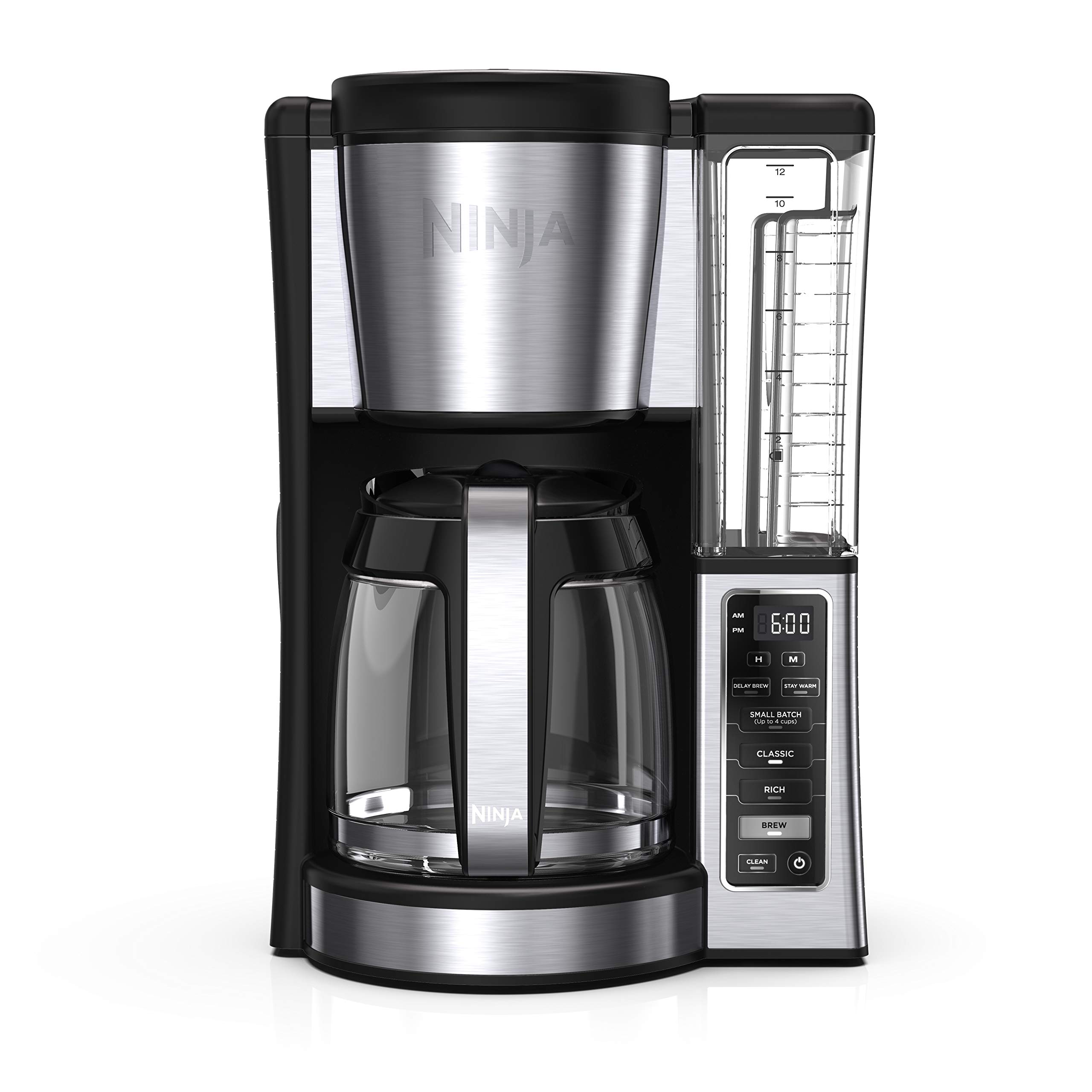
An affordable, well-built brewer with two brew styles and a small-batch mode that actually works.
Why I picked it: I liked the Ninja for its hotter-brew tech, small-batch function, and clean carafe pour at a very approachable cost.
Best for: Anyone wanting flexible brew styles and a reliable small-batch mode.
A budget-friendly pick with features usually found on pricier machines.
Pros
- Two brew styles (Classic/Rich)
- Small-batch mode that avoids dilution
- Removable water reservoir
- Adjustable warming plate
- Self-clean cycle
Cons
- Small reservoir can be awkward to fill
- May run stronger than expected on 'Rich'
My take
When my high-end machine finally gave up, I switched to the Ninja and was impressed by how much better my morning coffee tasted. The hotter brewing technology and the pre-infusion pulse (it wets the grounds, pauses, then resumes) noticeably improve extraction.
I brew everything from one cup to a full 12-cup carafe with confidence. The small-batch function is genuinely useful—I don’t get a weak, diluted cup when I only brew a few cups.
Setup and programming are simple, and the removable reservoir makes refilling far less messy than some competitors. For the price and the feature set, this is the machine I recommend when someone wants strong, consistent coffee without spending a lot.
3. BUNN GRB Velocity Brew 10-Cup – Best for Speed
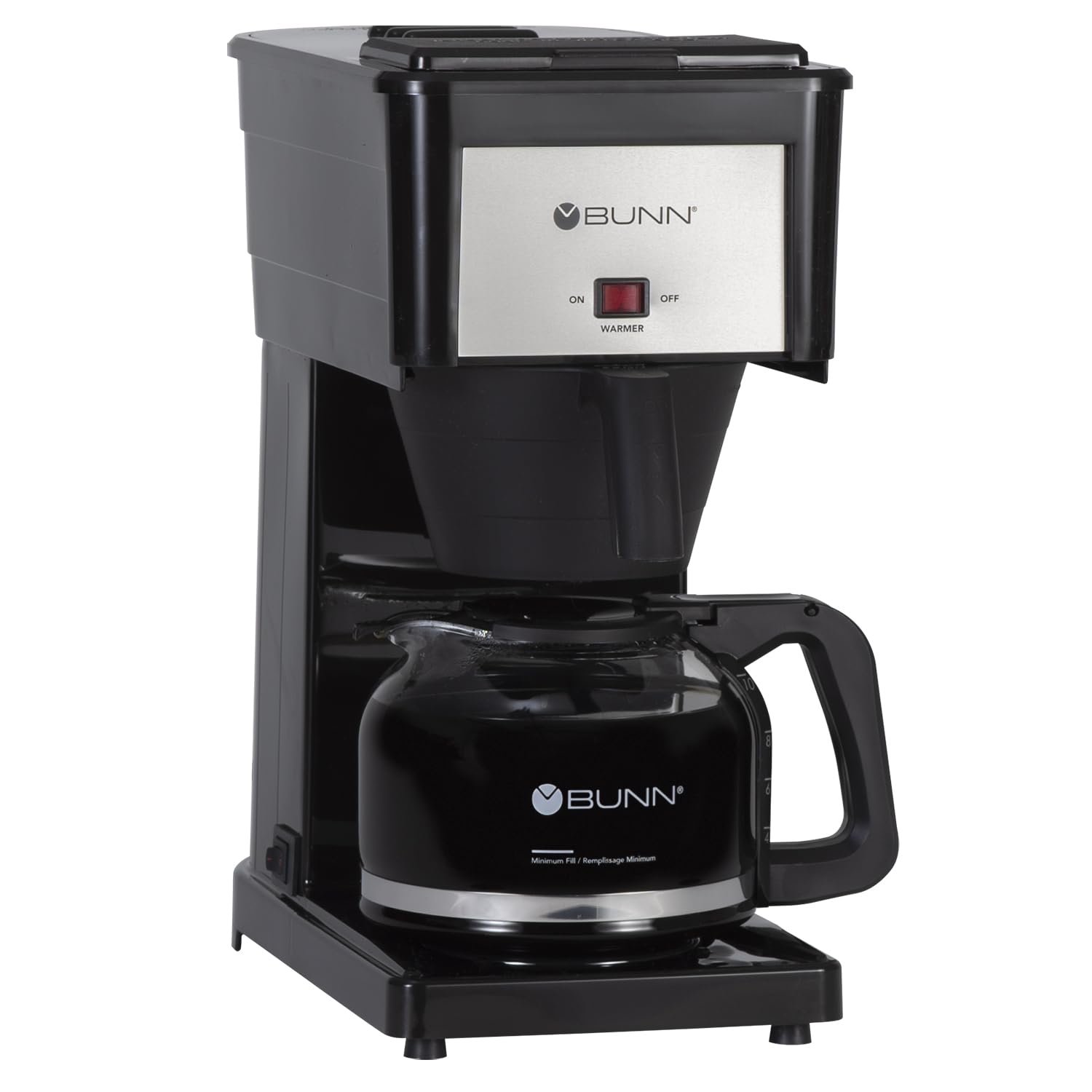
A no-frills, ultra-fast brewer that uses a hot-water tank to deliver ready-to-brew performance.
Why I picked it: I rely on the BUNN when I want a piping-hot pot in minutes with minimal fuss.
Best for: People who want near-instant brewing and consistent extraction.
A pragmatic buy for speed and durability.
Pros
- Brews a full pot in about 3–4 minutes
- Commercial-style hot water tank
- Drip-free carafe pour
- Simple, dependable operation
Cons
- Always-on tank uses standby power
- Minimal controls or programmability
My take
The BUNN Velocity Brew is my pick when speed matters. Because the internal stainless-steel tank stays hot, I flip the lid and coffee begins immediately—no long heat-up cycle. A full ten-cup pot is ready in roughly three to four minutes.
I appreciate the simplicity: add grounds, pour water, and the machine does the rest without complicated menus. The multi-stream sprayhead distributes water evenly over the grounds, and the proprietary carafe lid gives a clean, drip-free pour that I prefer over many glass pots.
This machine isn’t for people who want programmable features or delayed start options, but if consistent, fast, cafe-style brewing is your priority, it’s hard to beat.
4. BUNN Speed Brew Platinum Thermal – Best for Keeping Coffee Hot
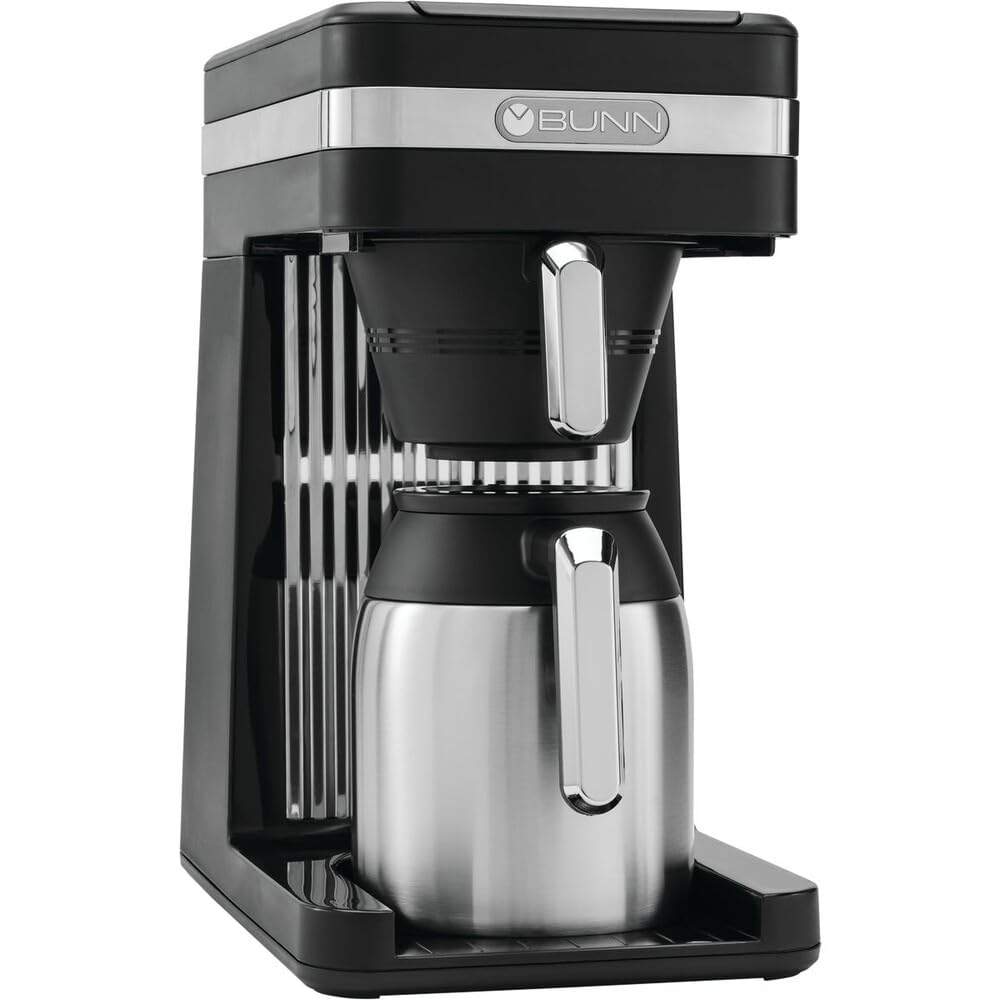
Speed-brew performance with a vacuum-insulated thermal carafe that holds temperature without a hot plate.
Why I picked it: I wanted a fast brewer that keeps coffee hot without overcooking it on a warming plate.
Best for: Offices or homes that sip over a couple of hours and want steady temperature.
A premium option worth the investment for thermal performance.
Pros
- Vacuum-insulated thermal carafe
- Brews travel mug or full carafe quickly
- Commercial sprayhead for even extraction
- Designed and assembled in the USA
Cons
- Larger footprint than basic drip machines
- Water tank uses plastic in places
My take
I switched to the Speed Brew Platinum when I decided I didn’t want my coffee sitting on a hot plate. The vacuum-insulated thermal carafe keeps coffee at a great serving temperature for a couple of hours without continuing to cook it.
The machine still uses BUNN’s fast, commercial-style tank, so I can brew a travel mug or a full carafe in minutes. The taller funnel and sprayhead design reduce overflow and improve saturation, which means better flavor extraction across the pot.
If you brew full pots and want them to stay drinkable for the duration of a morning meeting, this model delivers and cuts down on the burnt taste hot plates create.
5. BUNN BX Speed Brew 10-Cup – Best Classic Design
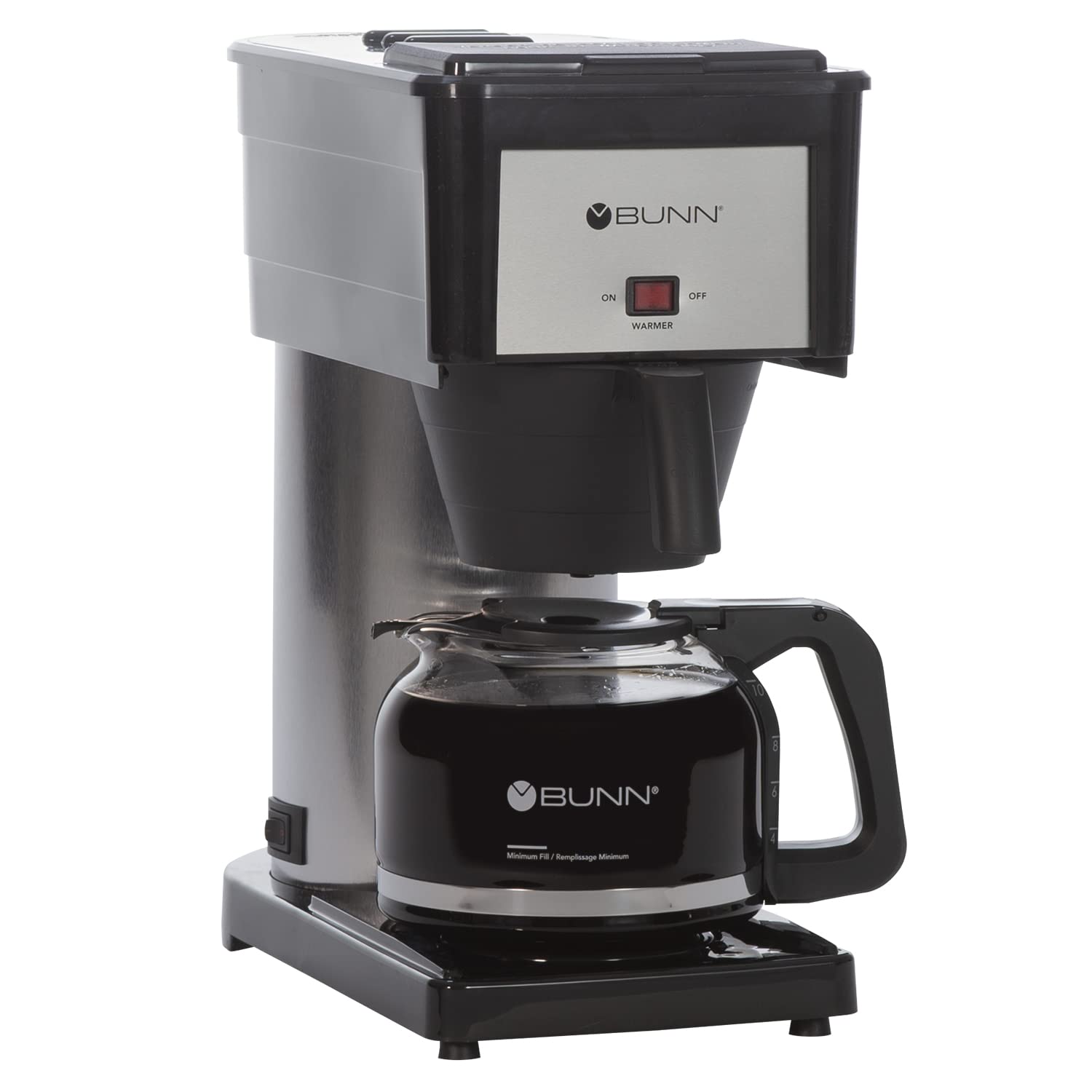
A traditional, dependable Speed Brew machine with a stainless-faceplate look and fast results.
Why I picked it: I recommend this for anyone who wants fast, consistent coffee without extra features.
Best for: People who value reliability and straightforward operation.
A sensible choice for long-term dependability.
Pros
- Consistently fast brewing
- Drip-free carafe design
- Stainless-steel faceplate
- Built to last
Cons
- Heater is always on
- Less intuitive for programmable fans
My take
This BUNN has the classic Speed Brew behavior I’ve come to trust: water stays hot in the internal tank, and brewing begins the moment you add water. That means a full pot in about four minutes—great for busy mornings.
I like the no-nonsense approach. There are no complicated controls to learn, and the exclusive carafe lid and spout design give a clean pour. If you want dependable performance and longevity over gadgetry, this is the kind of machine that becomes 'old reliable' in my kitchen.
6. BUNN BT Speed Brew 10-Cup Thermal – Best for Longevity
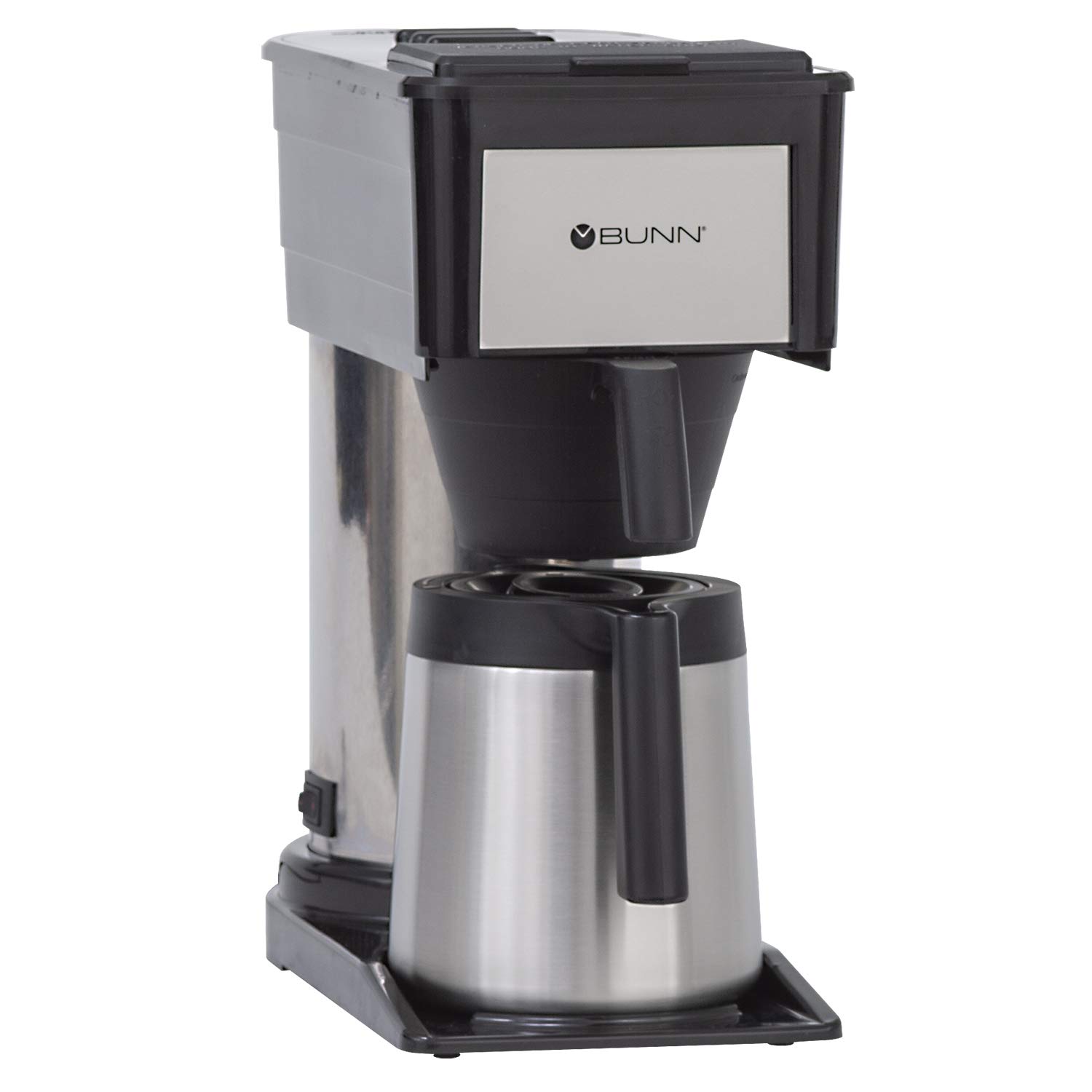
A robust Speed Brew with a durable thermal carafe that I’ve found to last for years.
Why I picked it: I picked this model when durability and a thermal carafe were top priorities.
Best for: Users who want a long-lived machine and thermal retention.
A long-term value for frequent brewers.
Pros
- Durable construction
- Thermal carafe keeps coffee hot for hours
- Fast brewing times
- No hot plate—less overcooking
Cons
- Thermal carafe adds weight
- Takes space on the counter
My take
This BUNN model has been one of the most durable machines I’ve used. Mine has handled thousands of brew cycles over many years without significant issues, and the thermal carafe keeps coffee hot for several hours without a hot plate.
Because there’s no glass carafe on a warming element, I never worry about overcooking the pot. The machine is simple to maintain, and I appreciate that it’s designed to be serviceable rather than disposable.
If you want a machine that will likely outlast many alternatives and keep coffee tasting fresh over longer periods, this is the unit I recommend.
7. Toddy Cold Brew System – Best Cold Brew System
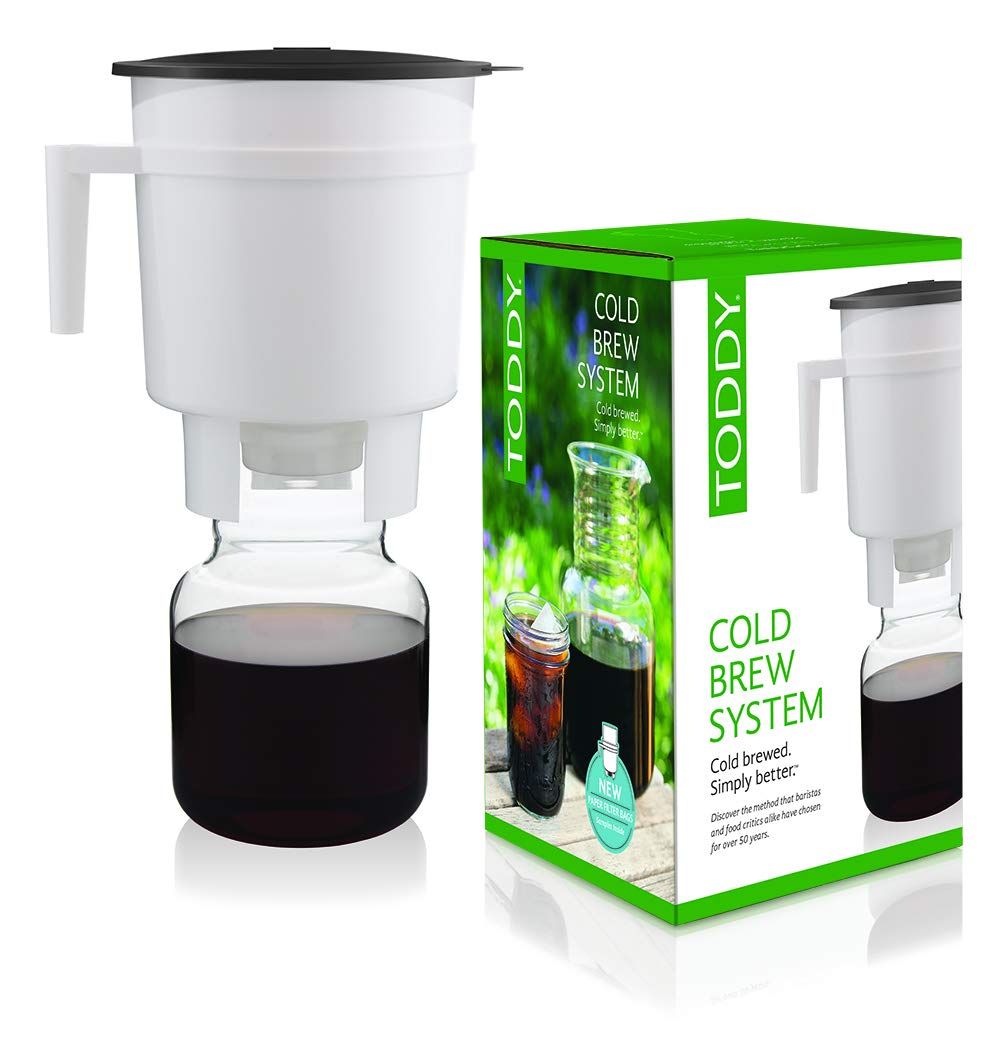
A simple, reliable cold-brew system that makes smooth, low-acidity concentrate that lasts the week.
Why I picked it: I use the Toddy when I want smooth, low-acid concentrate that I can stretch through the week.
Best for: Cold-brew lovers who want consistent concentrate without complex gear.
An inexpensive way to produce a week’s worth of concentrate.
Pros
- Produces very smooth, low-acid coffee
- Makes a concentrated batch for the week
- Simple to use and easy to clean
- Compact and portable
Cons
- Glass decanter can be fragile
- Takes hours to steep
My take
I switched to the Toddy for cold brew because it yields an exceptionally smooth concentrate with much lower acidity than hot brew. Once I dialed in grind and ratio, I stopped needing cream or sugar in my cups.
The system is straightforward: a single weekly brew provides enough concentrate to last several days, which is great for travel or a busy schedule. The glass decanter is elegant but I did break one by accident, so I keep extra care when handling.
For anyone who drinks cold brew regularly, the Toddy is a compact, affordable way to make concentrated, delicious coffee at home.
How I Choose a Commercial-Style Coffee Brewer
Key factors I weigh before recommending a brewer
Capacity and workflow: I pick machines that match how you use coffee. If you brew full pots for meetings, a 10–14 cup machine with fast brew times is essential. If you brew one or two cups most days, small-batch or programmable options save time and avoid waste.
Brew temperature and saturation: Proper extraction requires consistently hot water and good distribution over the grounds. Machines with a dedicated hot water tank or an advanced sprayhead produce more consistent flavor than ones that rely on a brief heat cycle.
Heat management: Decide between a warming plate or a thermal carafe. I prefer thermal carafes when coffee sits for an hour or more; warming plates are fine if you drink immediately and want to keep a pot hot for short periods.
- Speed vs. control: BUNN-style tanks give instant hot water and speed; programmable machines give scheduling and strength control.
- Small-batch performance: Look for a dedicated 1–4 cup mode—many brewers dilute small brews unless they have a specific setting.
- Build and serviceability: Stainless tanks and simple mechanical designs tend to last longer and be easier to repair.
- Maintenance: Self-clean cycles, removable reservoirs, and easy-to-clean sprayheads reduce long-term hassle.
Practical buying tips from my tests
Break-in: Some new machines can have a faint plastic smell out of the box. Run a few full-water cycles and clean parts per the manual before brewing coffee.
Filter choice: Using the recommended filter type (paper versus gold-tone) can change extraction and sediment. I switched back to brand-specific filters on some machines for better flavor.
Power considerations: Speed-brew machines keep a tank hot and use a small amount of standby power. If energy use concerns you, pair with a timed outlet or choose a programmable model that fits your schedule.
- If you want instant brewing, prioritize internal hot-water tanks.
- Choose a thermal carafe to avoid burnt flavor from hot plates.
- For week-long convenience, cold-brew systems provide low-acid concentrate.
Frequently Asked Questions
Why do BUNN brewers make coffee so quickly?
I’ve found that BUNN’s design keeps an internal stainless-steel tank at brew-ready temperature. Because hot water is already available, the brew starts the moment water is added, so a full pot can be done in three to four minutes.
Should I choose a thermal carafe or a warming plate?
If you drink coffee over a couple of hours or want to avoid the overcooked taste from hot plates, I recommend a thermal carafe. For immediate consumption or shorter windows, a warming plate is convenient and works fine.
My new coffee maker smelled like plastic at first. What should I do?
I run several cycles of plain water, wash removable parts with dish soap, and run one or two full brews (discarding the first pots) to clear any manufacturing residue. That usually solves the issue.
Can I make small batches without weak coffee?
Yes—look for a dedicated small-batch or 1–4 cup mode that adjusts flow and pre-infusion. The Ninja’s small-batch setting and Cuisinart’s 1–4 option both handled reduced volumes well in my testing.
How long does Toddy cold-brew concentrate last?
I store concentrate in the refrigerator and typically use it within a week. It stays fresh longer than hot-brewed coffee and keeps its smooth flavor when diluted before serving.
Final Take
I chose these brewers because each excels at a clear use case: fast, commercial-style speed; programmable flexibility; thermal retention; durability; and cold-brew concentrate.
If you need speed and reliability, pick a BUNN Speed Brew. If you want programmability and value, the Cuisinart or Ninja will serve you well. For smooth cold brew concentrate, the Toddy is the simple, consistent option I keep using.
Whichever route you take, pay attention to how you brew (grind, dose, and filter) — the machine sets the stage, but the coffee itself still makes the difference.
