
I tested a range of commercial-grade kitchen gear for durability, temperature tolerance, and everyday usefulness. These five items—from storage and thermometers to a heavy-duty juicer, sheet pans, and waterproof aprons—t
I assemble tools for kitchens that get real work done. For this roundup I focused on durability, easy maintenance, and features that matter in a busy prep environment.
Each item here has earned a place on my shelf or in my workflow because it solved a specific pain point: space-efficient storage, reliable temperature checks, heavy-duty juicing, dependable bakeware, or protective clothing.
I grouped these items to cover core needs: food storage, temperature monitoring, produce prep, baking/roasting, and personal protection. I picked products that balance commercial durability with everyday practicality so you can mix and match depending on your kitchen’s workload.
1. Rubbermaid Commercial Space Saving Food Container – Best Overall Food Storage
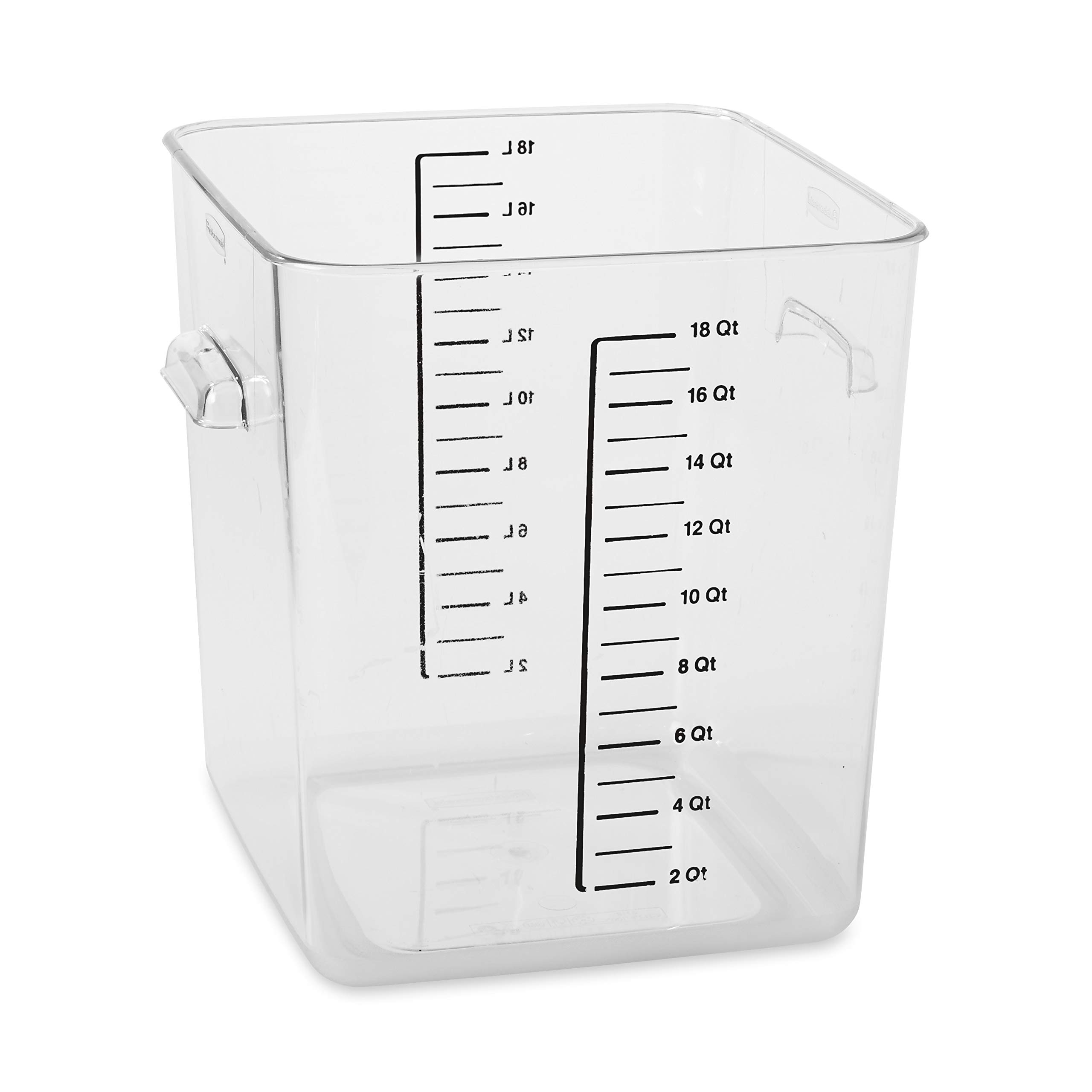
I rely on this container for brining, sous vide staging, and organized dry storage. Its square profile and graduated markings make daily prep faster and neater.
Why I picked it: Space-saving square shape, wide temperature range, and commercial-grade polycarbonate.
Best for: Brining, sous vide prep, freezer and dry storage where visibility and space matter.
A cost-effective commercial-grade storage solution.
Pros
- Space-saving square shape
- Clear polycarbonate for visibility
- Graduated measurements on the side
- Wide -40°F to 212°F temperature range
- Commercial dishwasher safe
Cons
- Large lid sold separately
- Polycarbonate can show light scuffs over time
My take
I keep this Rubbermaid container in heavy rotation. The square profile really does free up shelf and refrigerator real estate compared with round tubs, and those blue/red graduated marks save me steps when I’m measuring liquids or portions.
Its break-resistant polycarbonate feels substantial and makes it easy to see contents at a glance. I’ve used it for sous vide staging, brining whole poultry, and long-term freezer storage — the stated temperature tolerance is one reason I trust it for those tasks.
The molded handles with drain holes are a small detail that speeds cleanup, and the container goes through commercial dish cycles without issue. The one thing to note is that lids aren’t included in the base unit, so plan accordingly if you need sealed storage.
2. Analog Refrigerator/Freezer Thermometer (4-pack) – Best Temperature Monitoring
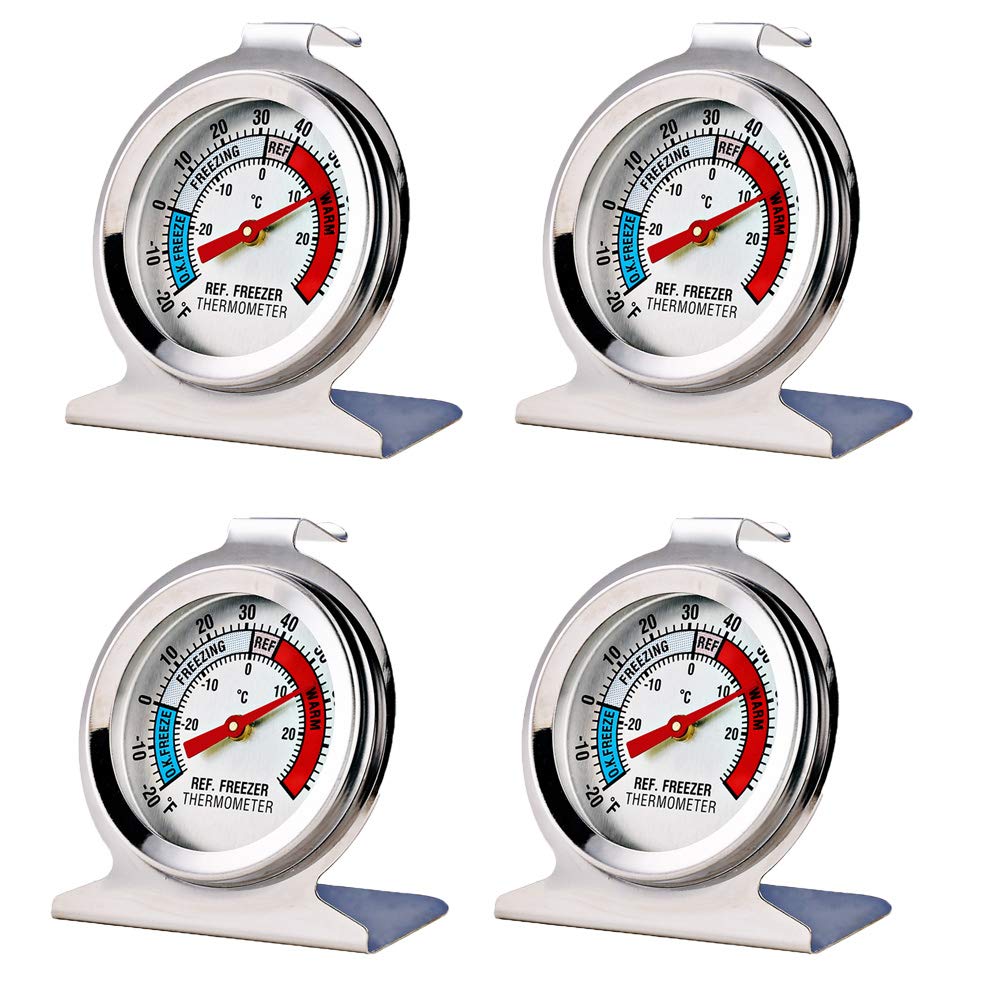
I use these simple dial thermometers to keep multiple cold zones in check. The clear dials and versatile mounting make them a fast, no-fuss solution.
Why I picked it: Large, easy-to-read dials and multiple units let me monitor several compartments at once.
Best for: Refrigerator and freezer temperature checks in prep areas and storage rooms.
An affordable way to monitor multiple cold zones.
Pros
- Large, easy-to-read dial
- Includes four units for multiple spots
- Stainless steel construction
- Wide base and hanging hook
Cons
- Analog requires manual checks
- Range limited to typical fridge/freezer temps
My take
I place one thermometer in the fridge, one in the freezer, and keep extras for prep stations. The dials are big enough to read from a short distance, even on crowded shelves.
They’re stainless steel and feel solid; the integrated hook and wide base let me place them exactly where I need the reading. Against a calibrated digital unit I tested, these analog dials were consistent enough for everyday food-safety monitoring.
If you want continuous logging or remote alerts, go digital. For simple, reliable spot checks across a busy kitchen, this four-pack gives me practical coverage at a good value.
3. Zulay Cast Iron Manual Citrus Press – Best for Heavy-Duty Juicing
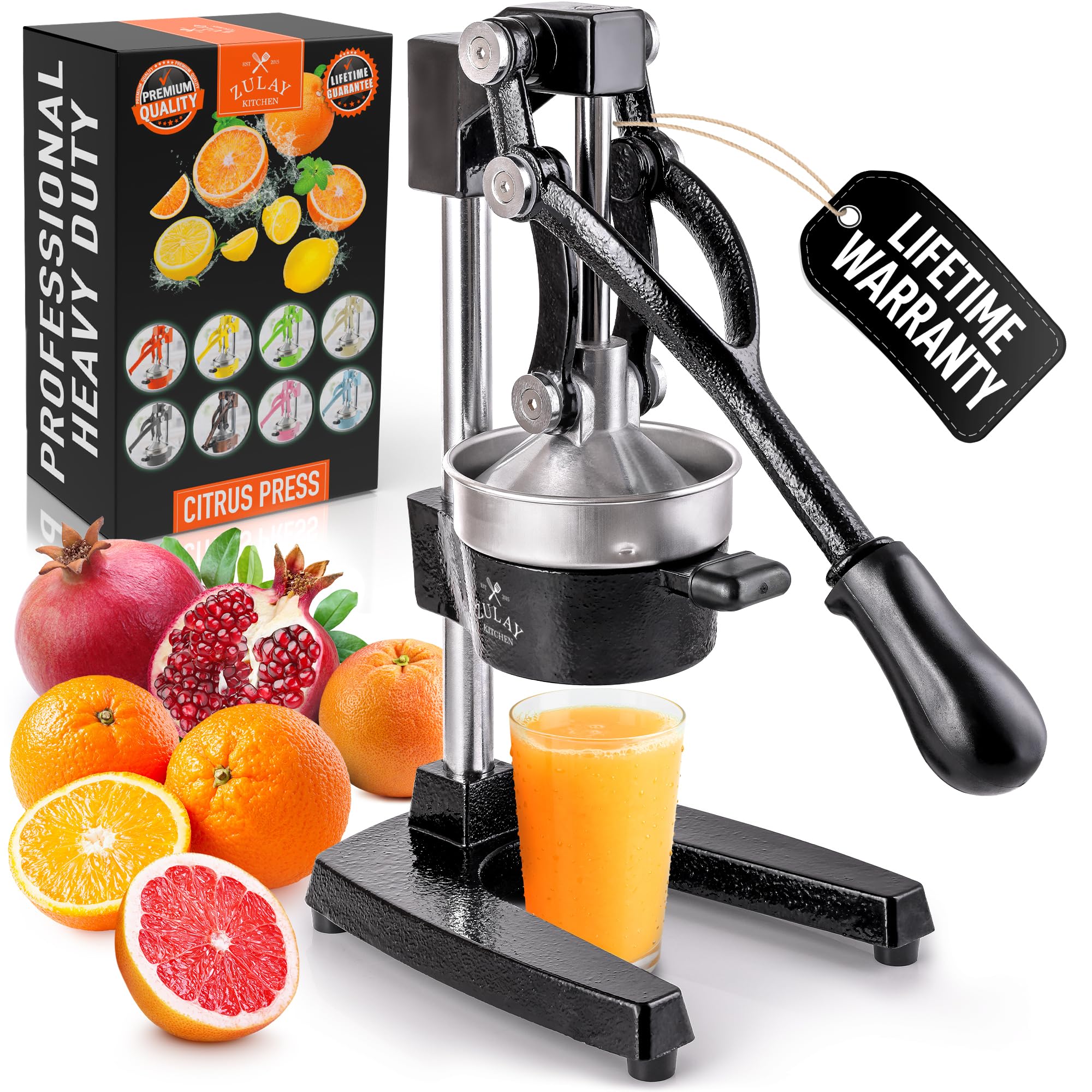
I used this press to convert daily citrus prep from a chore into a one-handed operation. It extracts more juice than handheld squeezers and stands up to heavy use.
Why I picked it: Cast-iron leverage, stainless steel bowl, and a stable base for high-volume juicing.
Best for: Commercial-style citrus extraction for cocktails, dressings, and high-volume prep.
A durable, long-term investment for high citrus usage.
Pros
- Heavy-duty cast iron construction
- Extracts juice with minimal pulp
- Removable stainless-steel parts
- Rubberized base for stability
Cons
- Requires some force on large fruit
- Heavy and takes counter space
My take
When I switched from an electric juicer to this manual press, I noticed I was getting more juice and far less pulp to strain. The cast-iron frame and leverage arm mean one firm pull captures what other units leave behind.
All food-contact parts are stainless steel and detachable, which makes cleanup straightforward. The heavy rubberized base keeps the press planted even when I’m processing bigger oranges or grapefruits.
A quick tip from my testing: the mechanism runs smoother with a light food-safe lubricant on the hinge. It’s not for someone who can’t apply a bit of arm power, but for steady kitchen use it’s a reliable piece of equipment.
4. Nordic Ware Naturals Aluminum Sheet Pan Set – Best Bakeware Set
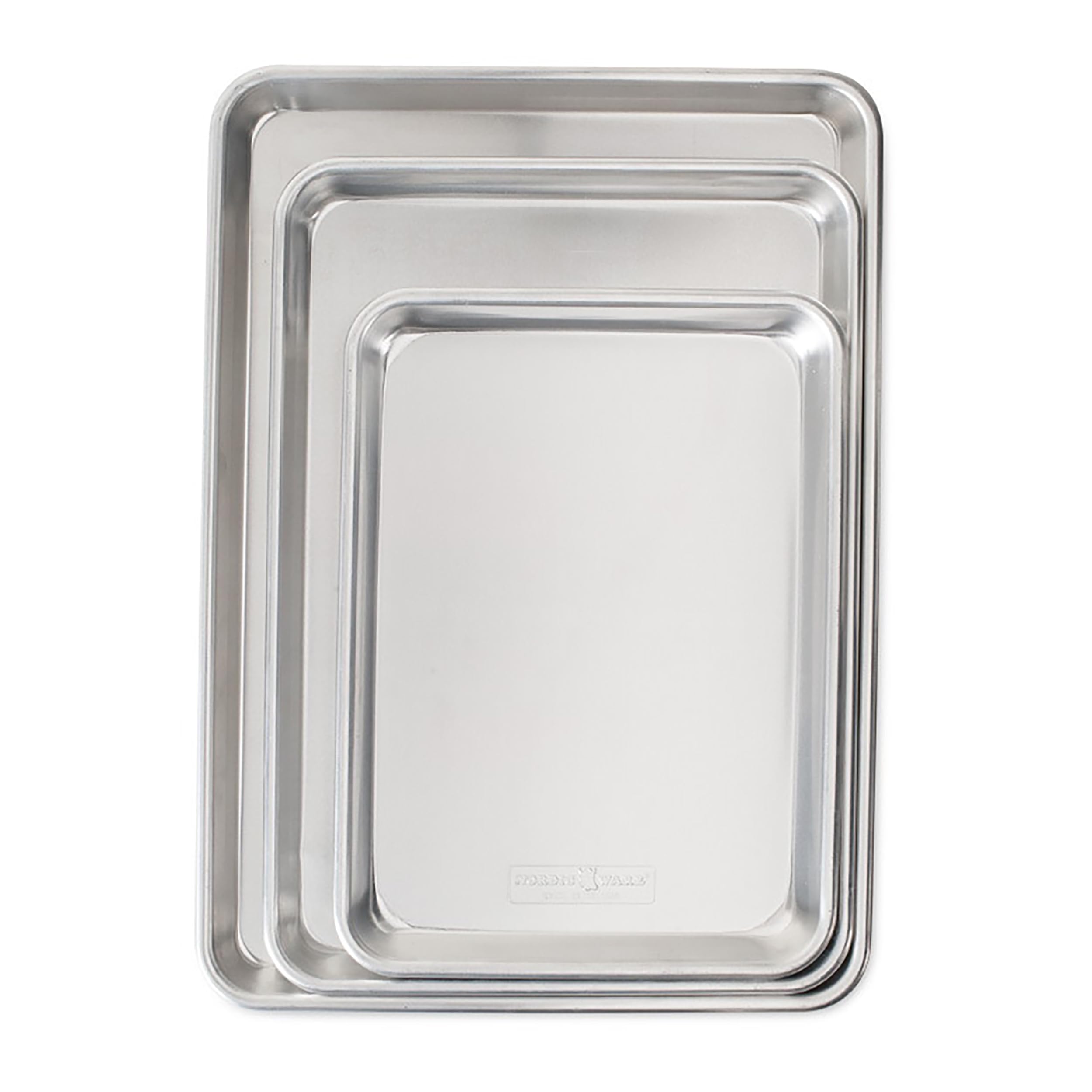
I use this three-piece set for everything from sheet-pan dinners to cookies. The pure aluminum heats evenly and the steel rims prevent warping under heavy use.
Why I picked it: Pure aluminum delivers quick, even heat and built-in rims resist warping.
Best for: Baking, roasting, and sheet-pan cooking in both busy home and small commercial kitchens.
A long-lasting set that outperforms cheaper pans over time.
Pros
- Superior heat conductivity
- Encapsulated steel rim prevents warping
- Three versatile sizes
- Made from uncoated aluminum
Cons
- Can scratch easily
- Reactive with acidic foods
My take
These pans feel like professional equipment — they’re sturdy and have a reassuring weight that keeps their shape under heavy loads and high heat. I get consistent browning across batches, which is crucial when I’m timing multiple sheet-pan dishes.
Because they’re uncoated aluminum, I avoid using harsh acidic sauces directly on the surface to prevent discoloration. I typically line them with parchment or silicone mats for sticky bakes.
They clean easily with gentle scrubbing and should last a long time if you avoid abrasive scouring. For me, the even bake and no-warp performance justify keeping these pans in constant rotation.
5. Gotega Waterproof Vinyl Apron (2-pack) – Best Protective Apparel
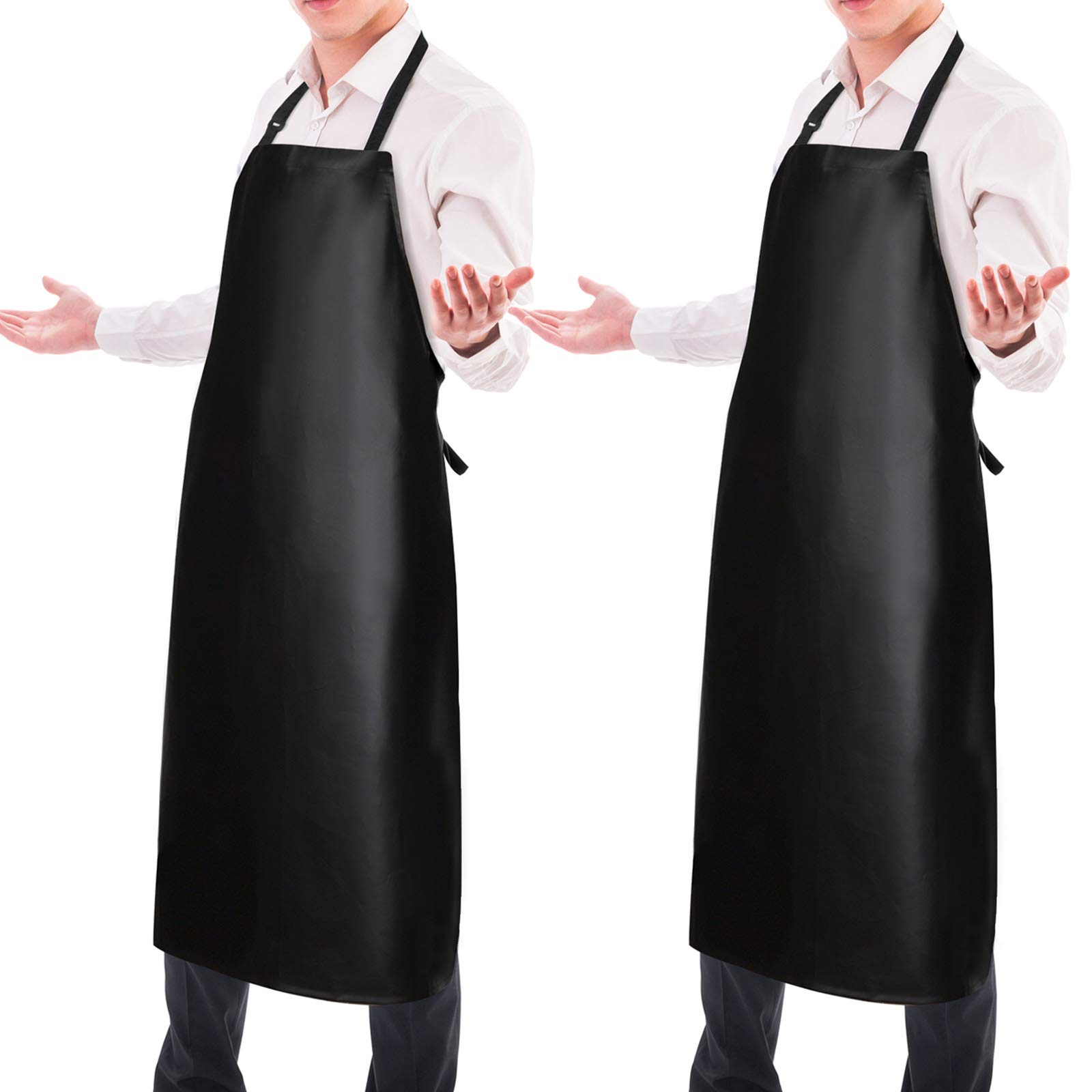
I favor these aprons when I’m prepping fish, butchering, or doing heavy washing. They keep my clothing dry and are simple to clean between shifts.
Why I picked it: Waterproof vinyl, adjustable neck strap, and a two-pack for rotation.
Best for: Butchery, dishwashing, grilling, and messy prep where splash protection is essential.
An economical way to outfit staff or maintain rotation.
Pros
- Waterproof and oil resistant
- Adjustable neck strap
- Soft, flexible material
- Comes as a two-pack
Cons
- Some units may peel over time
- One-size may not suit every build
My take
I wear these aprons for messy prep sessions and appreciate how quickly they come off and get rinsed clean. The vinyl repels liquids and light oils, which keeps my clothes dry during extended tasks.
The adjustable neck loop is simple to use and makes the apron easy to slide over my head without disturbing other gear. They’re lightweight enough to wear for a full shift and store flat without taking up much space.
A caution from hands-on use: treat the material gently around sharp tools and avoid prolonged abrasion. I had one apron that developed peeling at high-stress points, so I keep a spare from the two-pack in rotation for backup.
How I Choose Commercial Kitchen Equipment
Materials and Durability
I prioritize materials that hold up to heavy use. Polycarbonate and stainless steel survive day-to-day handling; cast iron and uncoated aluminum provide longevity for frequent heat and mechanical stress.
If a product claims "commercial grade," I still check how easy it is to service and whether replacement parts (like lids or filters) are available.
- Choose uncoated aluminum or stainless for heat transfer and longevity.
- Prefer break-resistant polycarbonate for clear storage containers.
- Look for heavy-duty cast iron or steel in high-leverage tools.
Temperature and Safety
I match equipment to the temperature ranges I routinely use. For example, containers rated for -40°F to 212°F work for freezer storage and sous vide staging.
For food-contact items, I check certifications and materials to ensure they meet HACCP or equivalent food-safety practices in my kitchen.
- Verify temperature tolerance for freezing, simmering, or sous vide.
- Use thermometers with a suitable range for your fridge and freezer zones.
- Look for NSF or USDA guidance when available.
Size, Capacity, and Fit
I size containers and pans to how I plan to store, stack, and prep. Square containers save shelf space; sheet-pan sets should match oven and storage dimensions.
Apparel and protective gear should be adjustable and rotated frequently to extend life and hygiene.
- Measure oven and storage space before buying sheet pans.
- Pick container shapes that maximize shelving efficiency.
- Choose aprons with adjustable straps for better fit.
Maintenance and Cleaning
I avoid items that need specialized care unless the performance gains justify it. Dishwasher-safe and removable parts speed turnaround in busy environments.
For uncoated metals, I use liners or mats to prevent discoloration and simplify cleanup.
- Prefer dishwasher-safe parts for high-volume kitchens.
- Protect uncoated pans from acidic foods to prevent pitting.
- Keep spare aprons and thermometers for rotation.
Value and Longevity
I evaluate cost relative to how long a tool will last under daily use. Investing in a heavy-duty press or durable sheet pans often pays off versus repeatedly replacing cheaper items.
Two-pack or multi-pack items can be a smarter buy when they allow rotation and reduce downtime.
- Weigh upfront cost against expected lifespan.
- Choose multi-packs for consumable or hard-used items.
- Factor serviceability and parts availability into value.
Frequently Asked Questions
Can the Rubbermaid container be used for sous vide?
Yes — I’ve used the Rubbermaid container for sous vide staging because it’s rated for temperatures up to 212°F and is sturdy enough to hold an immersion circulator. I do recommend pairing it with a compatible lid for longer cooks to limit evaporation.
Are the analog thermometers accurate enough for food safety checks?
For daily spot checks I trust these analog thermometers. I validated them against a calibrated digital unit and found the readings consistent. If you want continuous logging or alarms, choose a digital system instead.
How do I keep aluminum sheet pans looking and performing their best?
I hand-wash uncoated aluminum with gentle cleaners and avoid abrasive scouring. Lining pans with parchment or silicone mats prevents sticking and protects the surface from acidic foods that can react with aluminum.
Final Take
I chose these five items because each addresses a real, repeatable need in a busy kitchen: efficient storage, reliable temperature checks, heavy-duty juicing, dependable bakeware, and solid personal protection.
If you outfit your kitchen with these pieces, you’ll streamline prep, reduce downtime, and build a toolkit that stands up to daily commercial use.
