
I tested popular cooling-weighted blankets to find the models that balance cooling performance, even weight distribution, and everyday durability. These five stood out in different ways depending on sleep style and care.
I spend a lot of time testing sleep gear, and cooling weighted blankets are one of the most practical upgrades I recommend for hot sleepers who still want the calming pressure of a weighted layer.
For this roundup I focused on blankets that use glass beads, breathable fabrics, and construction details that help temperature regulation—things I can feel night after night.
Below I explain which blankets worked best for me and why, plus how I compared them so you can pick the right one for your sleep needs.
I compared each blanket for coolness, weight distribution, construction details (stitching, pocket size, tie loops), and ease of care to highlight the best choices for different sleepers.
1. YnM 15 lb Weighted Blanket (48×72) – Best Overall
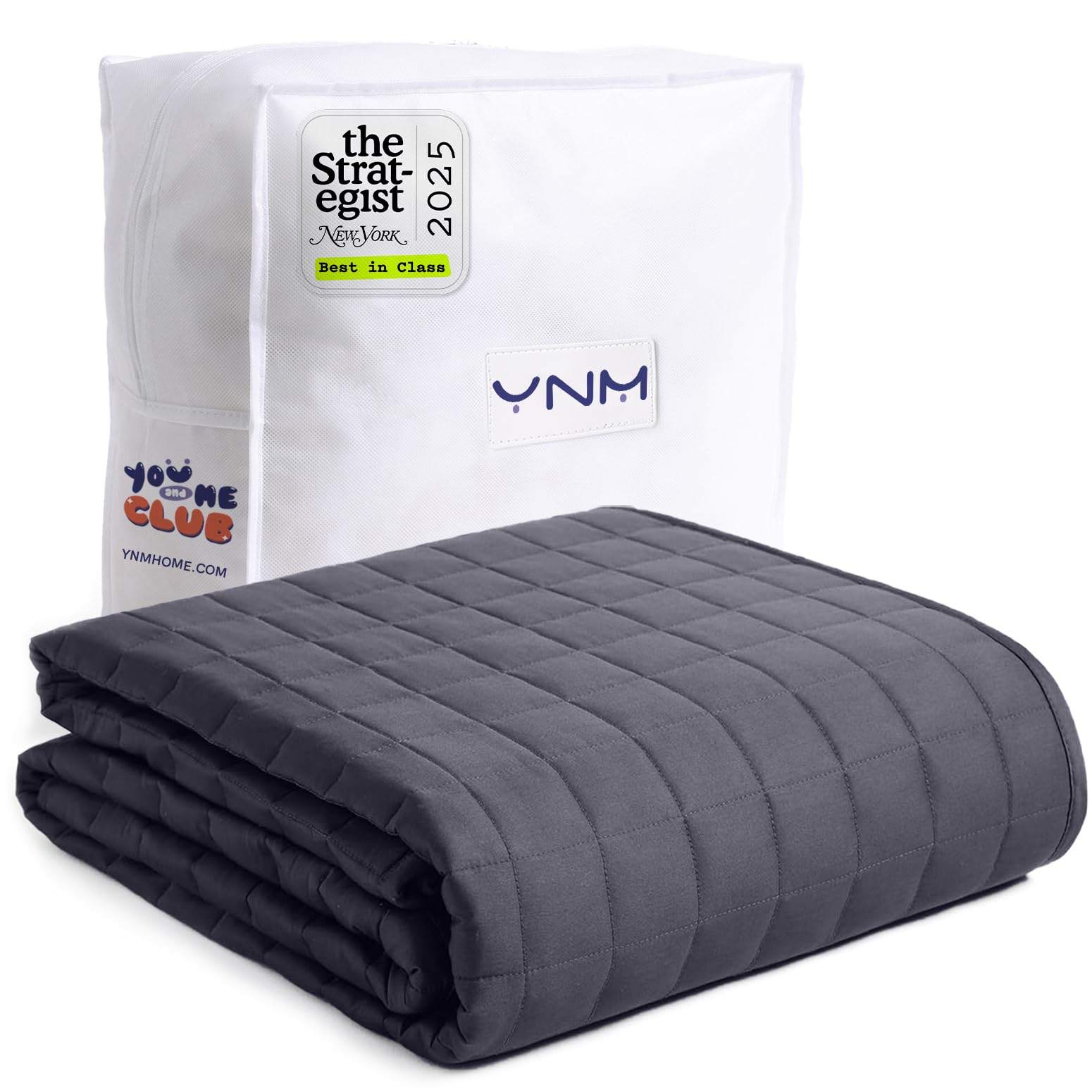
I picked this as my go-to because it balances cooling glass beads, tight stitching, and useful attachment loops.
Why I picked it: Excellent bead-to-fill ratio and 2×2 compartments for even weight and cooler sleep.
Best for: Hot sleepers who want precise weight distribution and secure duvet attachment.
Affordable midrange option
Pros
- High bead-to-fill ratio for a cooler feel
- 2×2-inch compartments for even weight
- 16 corner loops to secure a duvet cover
- Fine stitching to prevent bead migration
Cons
- Thinner than some heavier-style blankets
- Can feel firm on sensitive joints
My take
I bought three of the grey 15 lb YnM blankets and put them into regular use across bedrooms to test consistency. Right out of the package they were well packed and surprisingly thin compared with plush comforters, which actually helped with breathability.
The 7-layer design and higher proportion of glass beads (less fiberfill) give this blanket a noticeably cooler sleeping surface than fluffy alternatives. I appreciated the 2×2-inch compartments because the weight stays even instead of bunching up.
The blanket has 16 sturdy loops that let me secure a duvet cover, which stopped the all-night slipping that I sometimes fight with weighted blankets. Stitching felt precise; I didn’t notice bead leakage.
One person in my household reported knee pressure after a couple of nights—if you have joint replacements or very sensitive knees, I recommend trying the blanket for short naps first to see how the pressure feels.
2. Waowoo 15 lb Weighted Blanket (60×80) – Best Breathable
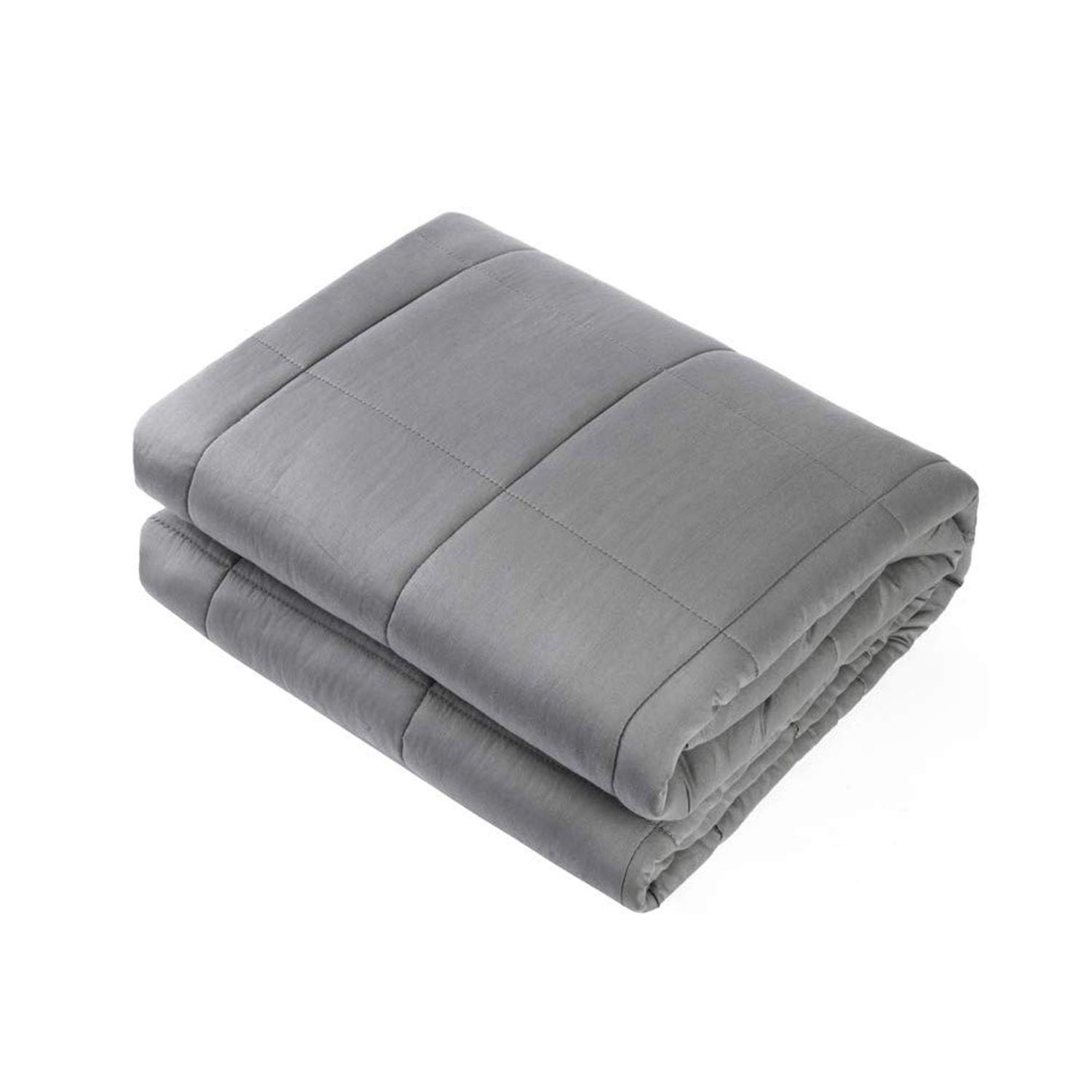
I liked this blanket for its lightweight-feeling fabric and breathability while still providing steady pressure.
Why I picked it: Thinner, breathable fabric and smaller pockets keep beads evenly distributed without trapping heat.
Best for: Warm sleepers who want a lighter-feeling fabric that still distributes weight well.
Budget-friendly breathable option
Pros
- Thin, breathable fabric
- Small pockets for even bead distribution
- Lightweight feel despite solid weight
- Machine-wash guidance included
Cons
- Not as plush as comforter-style blankets
- Smaller than traditional queen bedding
My take
I used the Waowoo on a queen bed and noticed it behaves more like a focused weighted layer than a full comforter. The fabric is thin and lets skin breathe, which kept me from overheating on most nights.
The smaller internal pockets do a reliable job of holding glass beads in place, so the pressure feels even rather than patchy. It isn’t plush, so if you’re after a soft, fluffy cover you’ll want to add a duvet.
Care instructions recommend washing in a bag on gentle cycles or hand-washing, and I found a dedicated duvet cover simplifies long-term upkeep while protecting the blanket.
3. ZonLi 20 lb Weighted Blanket (60×80) – Best for Bigger Sleepers
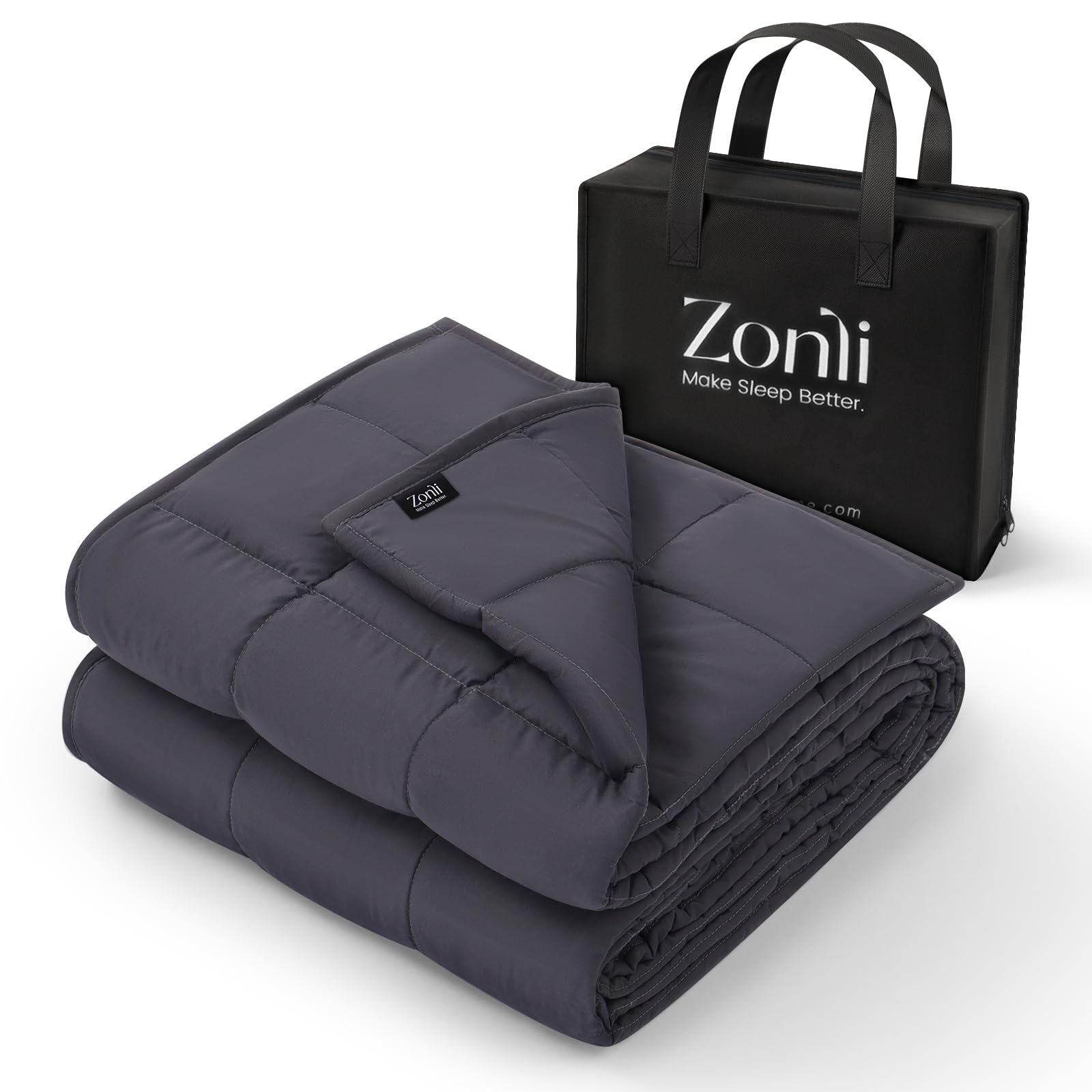
I reached for the ZonLi when I needed a heavier, durable option with solid construction for larger bodies.
Why I picked it: Heavier weight option with 5×5 compartments and a reinforced multi-layer lining.
Best for: People who need a heavier blanket for larger body sizes.
Good value for heavier-weight needs
Pros
- 5×5-inch compartments for stable weight
- OEKO-TEX fabric and recyclable glass beads
- Upgraded 5+2 layer lining resists leaks
- Feels substantial and durable
Cons
- Care can be cumbersome for heavier sizes
- Smaller overall dimensions than comforters
My take
I tried the ZonLi in its heavier configuration and immediately noticed the dense, evenly spread pressure—exactly what I want for deep, steady contact. The 5×5 pocket grid keeps beads from shifting across the blanket.
ZonLi’s use of OEKO-TEX certified fabric and recyclable glass beads gave me confidence about materials against skin, and the 5+2 lining feels engineered to stop leakage.
A practical note: because of the blanket’s weight, I treated it as a special-care item. I avoided machine washing heavy versions and used a separate duvet cover to handle regular laundering.
4. Hypnoser 15 lb Weighted Blanket (48×72) – Best Twin Size
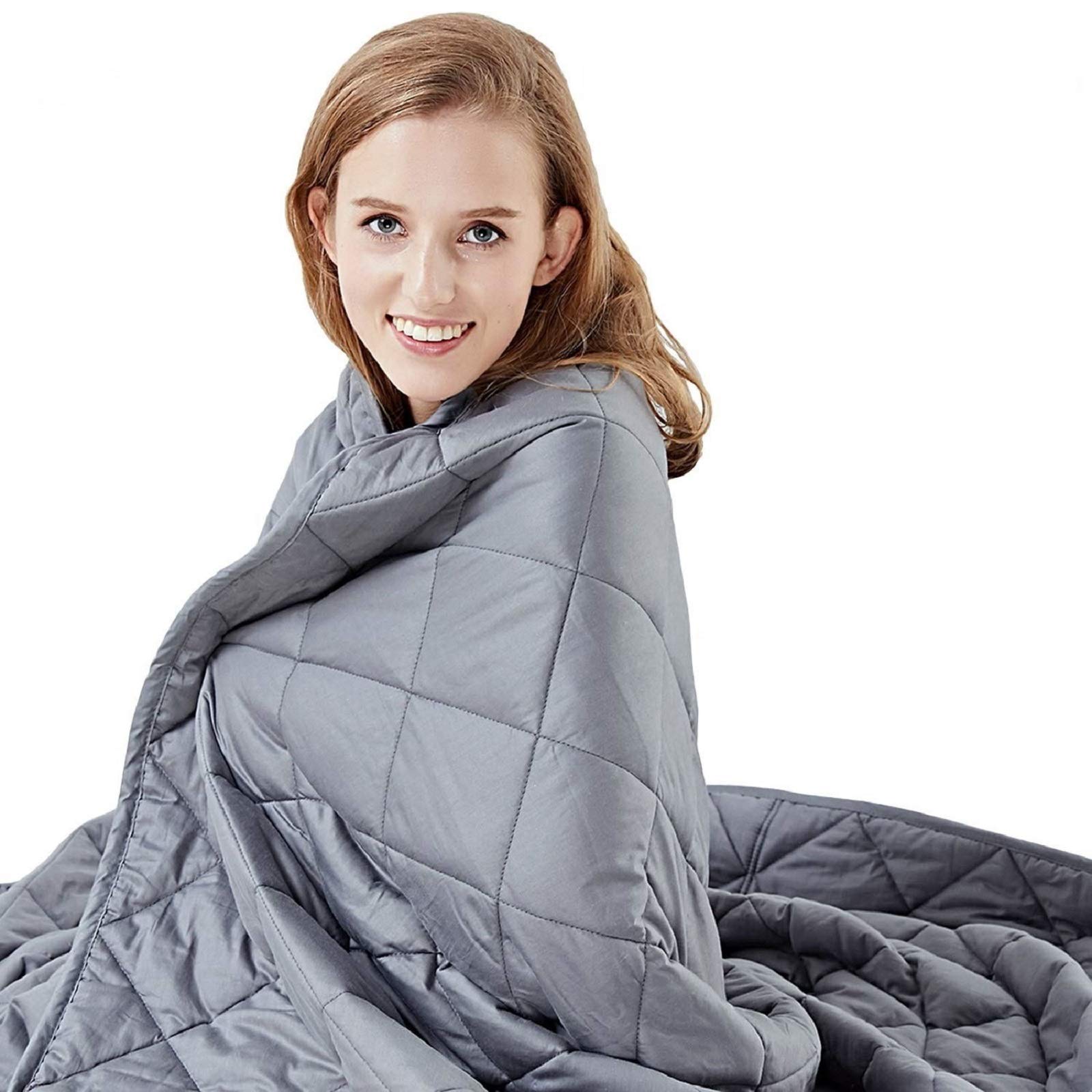
I recommend this twin-size blanket when you want a compact, evenly weighted option that works well as a personal layer.
Why I picked it: Diamond 4×4 pockets and breathable fabric make it stable and comfortable for single sleepers.
Best for: People using a personal weighted layer on a twin or full bed.
Value-friendly option for gifting or trial
Pros
- Diamond 4×4 pockets for even distribution
- Breathable, soft fabric
- Corner tabs for securing a cover
- Machine-washable on gentle
Cons
- Can slip without a duvet cover
- May feel warm after extended use
My take
I bought a Hypnoser and loved the first few nights—the weight felt secure and calming, and the diamond quilt kept the beads where they should be.
The blanket is clearly designed to perform with a duvet cover; the corner tabs make that easy. Without a cover it can shift a bit across the bed during the night.
After about a week I noticed it ran a bit warm during humid nights, so I switched to lighter bedding and used it as a top layer rather than full bedding to keep cooler.
5. Bare Home 15 lb Cotton Weighted Blanket (48×72) – Best Natural Fabric
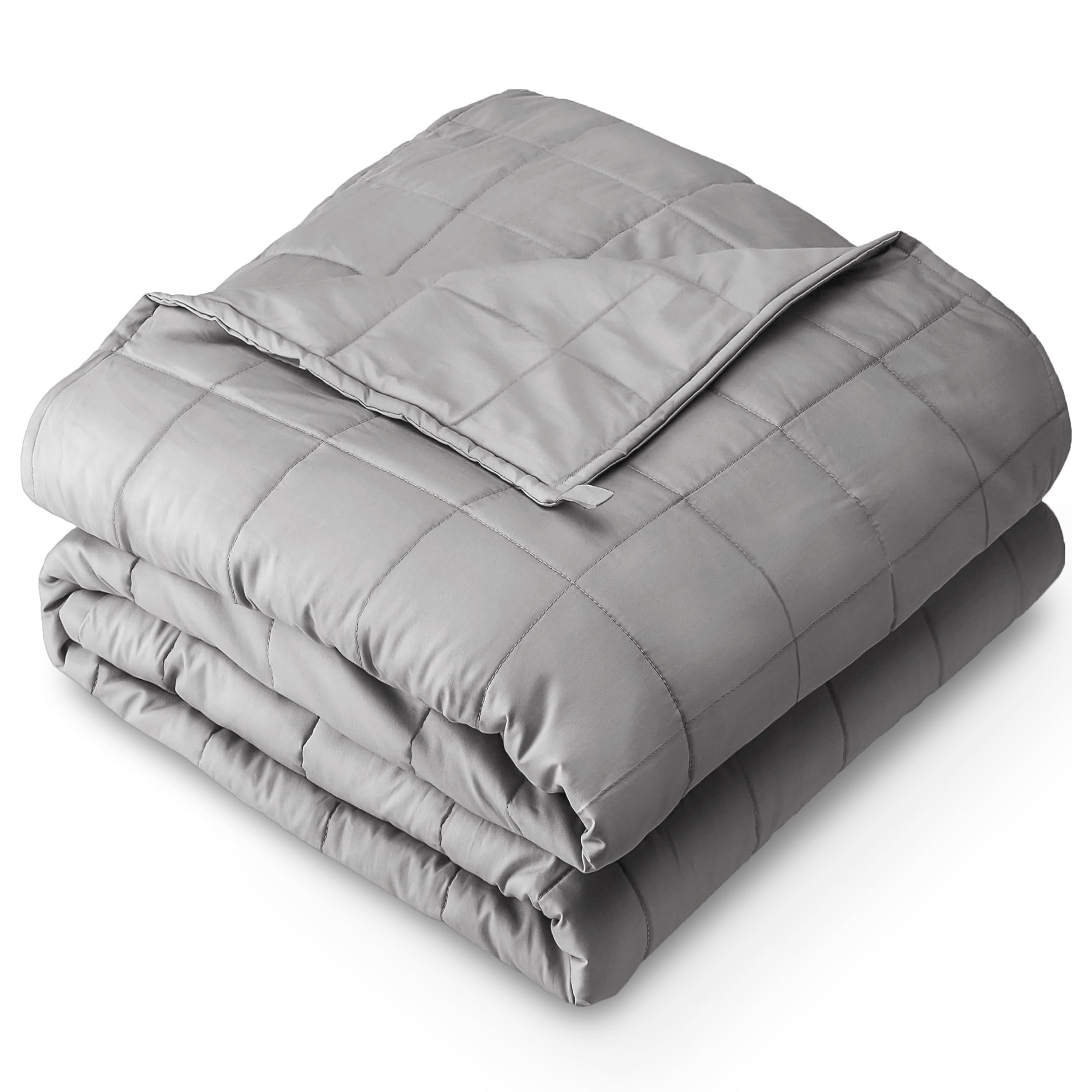
I reached for Bare Home when I wanted a natural cotton cover and reinforced stitching for long-term use.
Why I picked it: 100% cotton shell with reinforced stitching and OEKO-TEX certification for sensitive skin.
Best for: People who prefer natural fibers and chemical-free materials.
Premium natural-fabric option
Pros
- 100% cotton shell, soft on skin
- Reinforced stitching prevents bead shift
- OEKO-TEX certified, low chemical load
- No noticeable packaging smell
Cons
- Heavier sizes are hard to move
- Air-dry recommended for longevity
My take
I loved the cotton hand-feel right away. The fabric is soft and breathable, which is a big plus for anyone who reacts to synthetic shells.
Construction is solid—small pocket spacing and reinforced stitching made bead migration a non-issue in my tests. I also noted no chemical odor out of the bag, which matters if you have sensitive skin.
Because the brand recommends gentle washing and hang-drying, I treated this as a more cared-for piece. It’s held up well through spot washes and occasional full washes when I used a duvet cover to protect it.
How I Choose a Cooling Weighted Blanket
Pick the right weight and size
I use the simple rule of thumb most brands recommend: aim for roughly 8–10% of body weight for a single sleeper. I try lighter options first if you’ve never used a weighted blanket.
I also expect weighted blankets to be smaller than traditional comforters—the goal is concentrated weight on the torso, not long hems that drape the bed.
- If you share a blanket, choose a larger size and slightly higher weight.
- For joint sensitivity or recent surgeries, try a lighter weight or test during naps first.
Look for cooling materials and construction
I prioritize blankets that use glass beads with less fiberfill, breathable shells (cotton or lightweight microfiber), and smaller internal pockets for even distribution.
A tighter stitch pattern and a multi-layer lining help prevent bead migration and let you sleep cooler than a fluffy, heavily filled blanket.
- Glass beads generally feel cooler than plastic beads or heavy fiberfill.
- Smaller compartments (2×2 to 5×5 inches) keep weight even and reduce hot spots.
Consider care and durability
I always check care instructions before committing. Heavy blankets can be awkward in a household washing machine, so I either choose machine-friendly models or plan to use a duvet cover to simplify laundering.
I also check for corner loops or ties if I want to secure a duvet cover; that accessory makes a big difference in nighttime shifting.
- Use a removable duvet cover to reduce washing frequency.
- Reinforced stitching and multi-layer linings add long-term value.
Frequently Asked Questions
Are glass-bead weighted blankets actually cooler?
In my experience glass beads transfer heat less than fluffy fiberfill, so blankets designed with more beads and less fill often sleep cooler. Pairing that design with breathable shell fabrics (cotton or thin microfiber) gives the best cooling effect.
How should I choose the best weight?
I follow the 8–10% body-weight guideline for single sleepers. If you’re new to weighted blankets, I recommend starting at the lower end and testing with naps before committing to full-night use.
Can I wash a weighted blanket in my machine?
I check each brand’s care instructions first. Many lighter or medium-weight blankets can be washed on gentle cycles in a washing bag, but heavier sizes may need hand washing or a laundromat commercial washer. Using a duvet cover simplifies routine cleaning.
Final Take
I found there’s no single best blanket for everyone—your sleep style, body size, and fabric preference matter most.
If you want a cooler, evenly distributed option go with the YnM for its bead-focused construction and secure loops. Choose Waowoo for breathable fabric at a budget-friendly feel, ZonLi for a heavier, durable option, Hypnoser for a compact twin choice, and Bare Home if you prefer natural cotton.
I recommend pairing any weighted blanket with a removable duvet cover and testing the weight gradually to get the best nights possible.
