
I tested eight crochet books so you can find the right guide for learning stitches, making amigurumi, exploring granny squares, or diving into Tunisian crochet.
I spent time with eight crochet books to see which ones actually help me stitch, learn, and finish projects. Some books became my go-to references, others sparked new design ideas, and a few forced me to reach for a video to fill gaps.
In the sections that follow I summarize who each book works best for, what stood out in use, and the small frustrations I ran into. I focused on clarity of photos and diagrams, usability of patterns, and how the book handled teaching techniques.
I compared these books by how clearly they teach stitches, the usefulness of photos and diagrams, binding/format for working from the book, and the variety of projects included.
1. Crochet Techniques & Tips – Best Beginner Spiral Guide
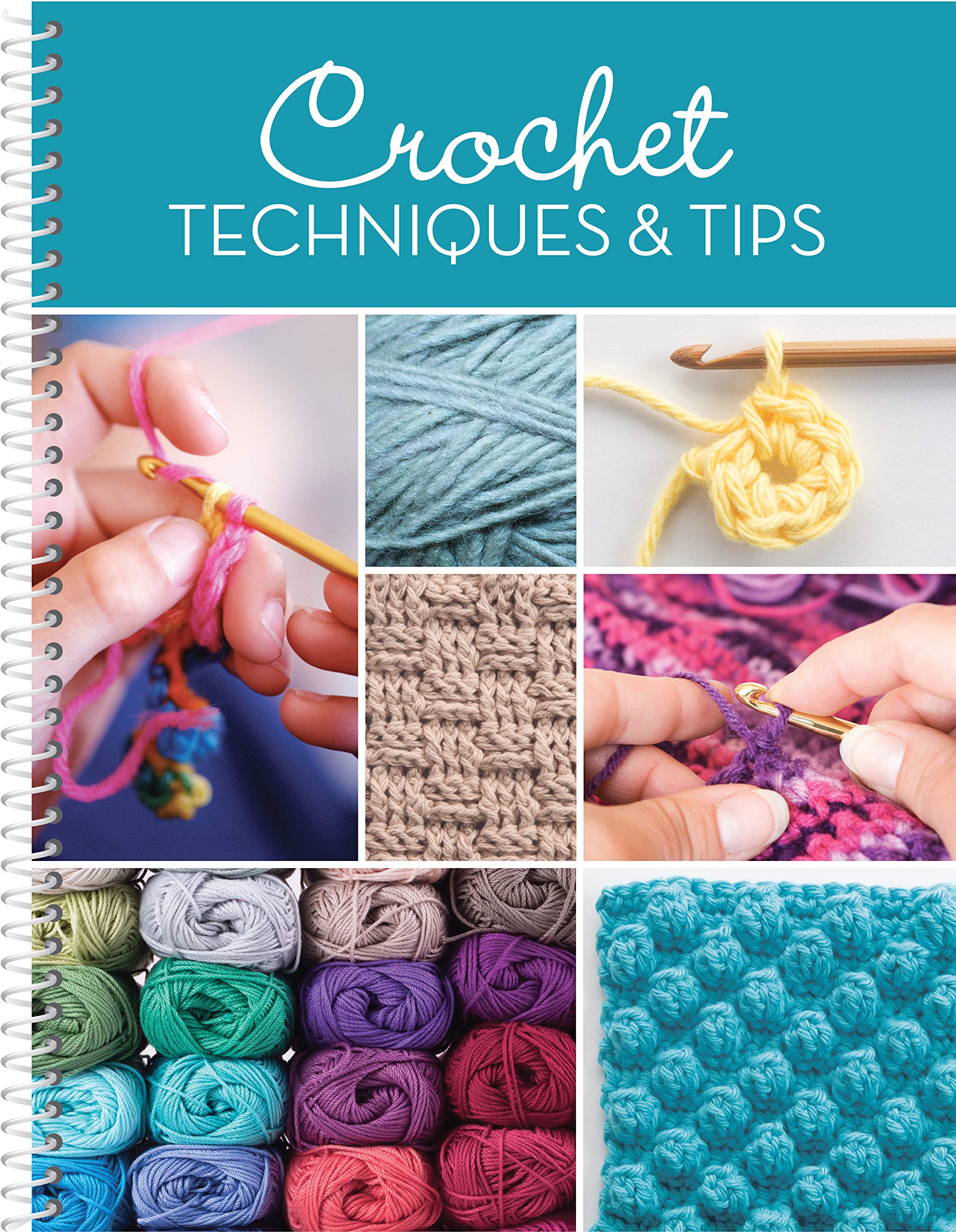
A spiral-bound primer that walks me through basics, textured stitches, and common tools with clear step-by-step photos.
Why I picked it: I value the spiral binding and step-by-step photos for learning fundamentals.
Best for: Absolute beginners who want clear photos and basic stitch progression.
Very affordable basic reference.
Pros
- Spiral binding lies flat
- Clear step-by-step photos
- Covers textured stitches
Cons
- One incorrect hook-holding photo
- Some chain-count wording is ambiguous
My take
I used this spiral-bound guide as my first paper reference when I wanted something easier to follow than a video. The photos and written instructions walk me through basic stitches, abbreviations, and textured stitch variations in a practical order.
Because it lies flat on my table I can copy stitches directly from the page while I work, which made steady progress in my rows much easier. I did notice one photo showing the knife hold that didn’t match how I hold my hook, and the book could be clearer about whether initial chains count as a stitch depending on pattern conventions.
Overall, I keep this on my hook caddy when I’m learning new basic stitches or refreshing forgotten techniques.
2. Whimsical Stitches: Amigurumi Patterns – Best for Amigurumi
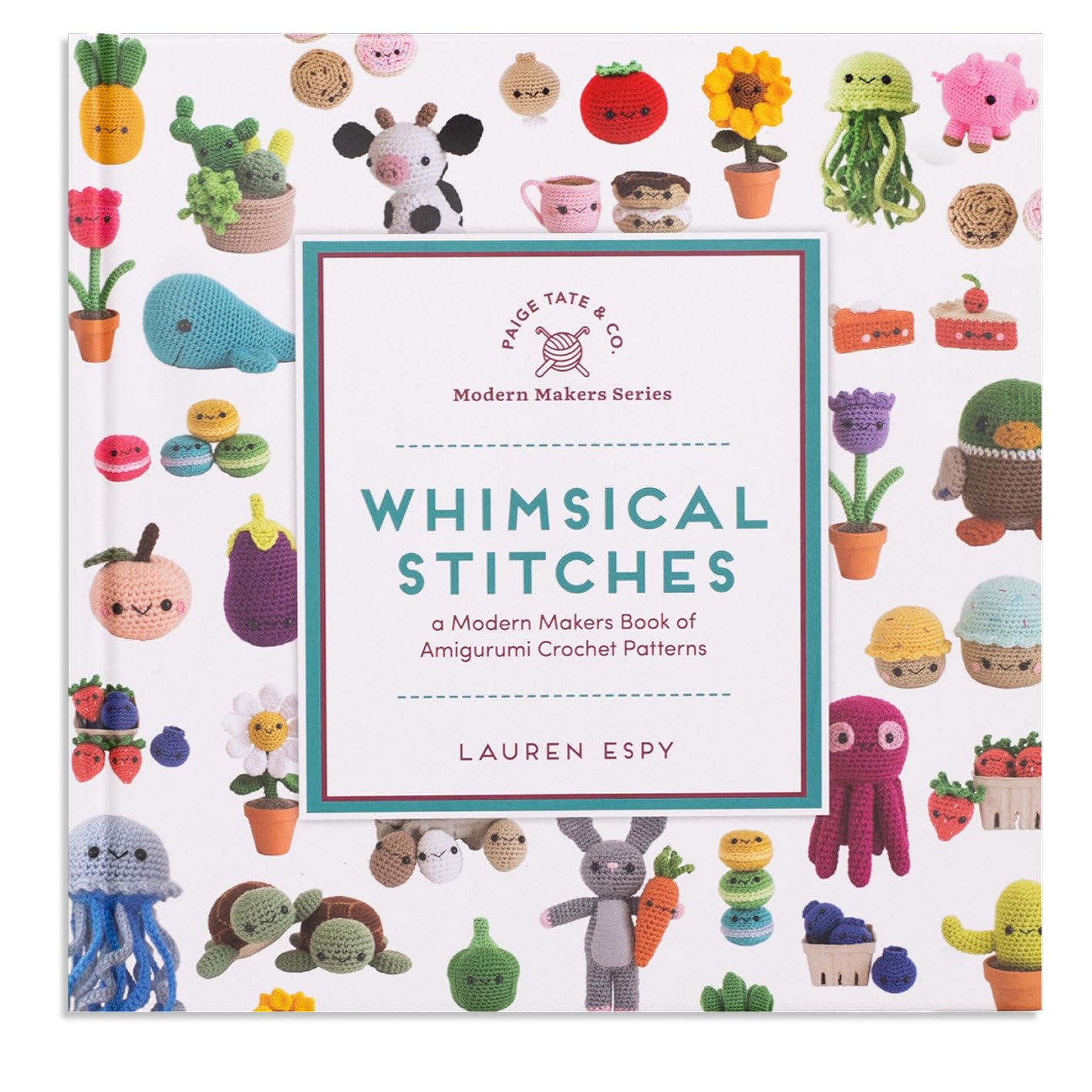
A joyful collection of amigurumi designs with bright photos and playful patterns that inspire immediate projects.
Why I picked it: I love the whimsical, highly photographed amigurumi designs that make me want to start a new toy.
Best for: Crocheters ready to make amigurumi with charming designs.
A moderately priced splurge for pattern-driven makers.
Pros
- Gorgeous, colorful photography
- Cute, varied amigurumi designs
- Patterns range in complexity
Cons
- Not a complete how-to for absolute beginners
- Little guidance on sewing piece placement
My take
This book made me smile the moment I opened it—each design is photographed beautifully and the layouts are joyful to flip through. The patterns are creative and many are easy to follow if you already know the basic stitches.
I would not try to learn crochet from this book alone; I leaned on it once I had basic stitch skills. I did wish for clearer instructions on sewing small pieces into place—sometimes it simply says 'sew the leaf on' without showing placement tips.
When I wanted quick, charming amigurumi to gift or keep, this book gave me dozens of ideas that translate well across yarn weights and color choices.
3. Harry Potter Crochet Wizardry – Best Licensed Theme
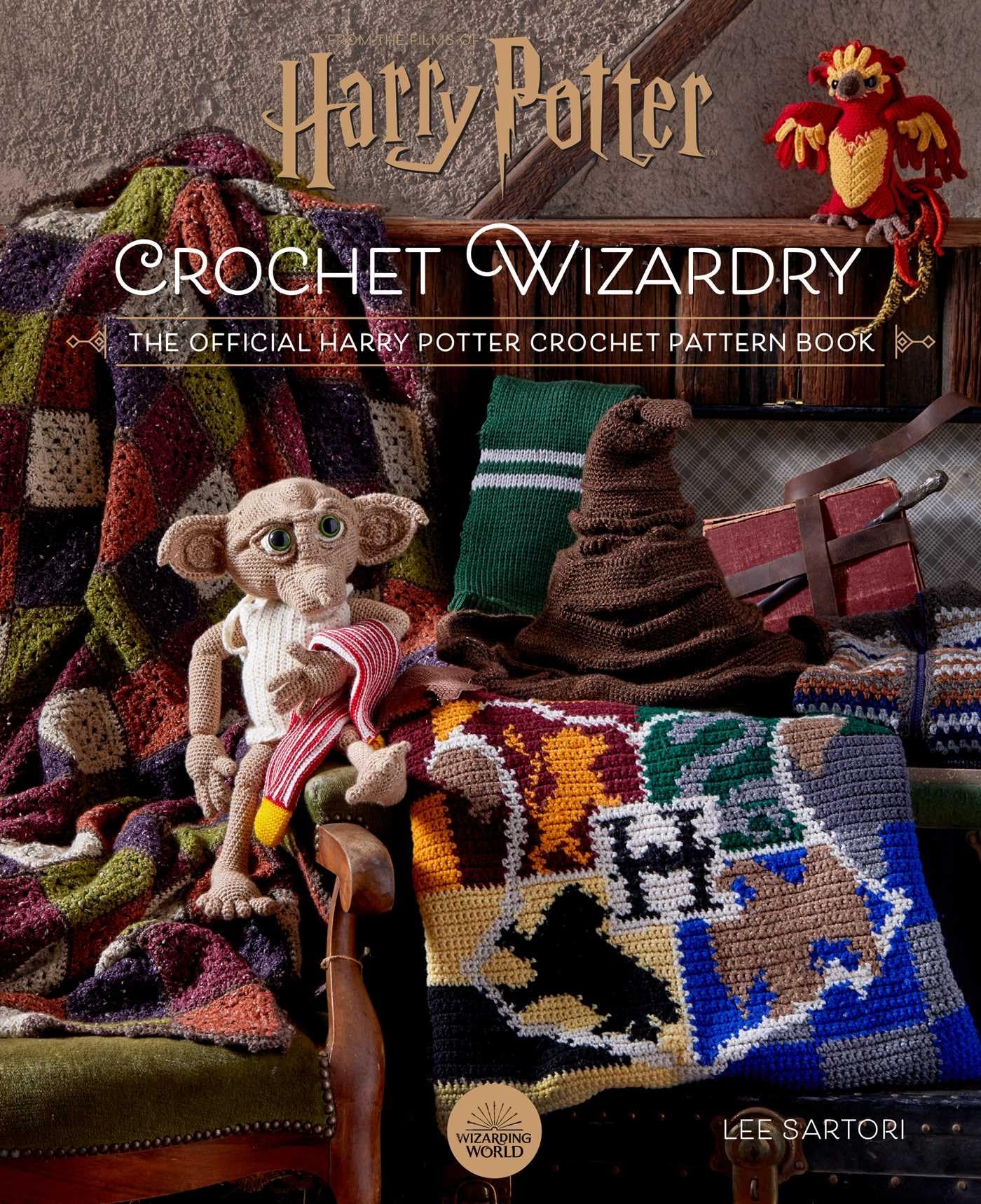
A well-organized collection of Harry Potter–inspired crochet projects including dolls, clothing, and blankets for fans who crochet.
Why I picked it: I appreciated the book's variety and fan-focused patterns that range from dolls to blankets.
Best for: Harry Potter fans who crochet and want themed projects.
A solid mid-range themed pattern book.
Pros
- Varied HP-themed projects
- Clear organization and labeling
- Appealing, on-theme photography
Cons
- Some production issues with pages
- Assumes basic crochet proficiency
My take
I enjoyed the balance of small amigurumi-style dolls, wearable pieces, and home items—there’s something for every fan who crochets. The book is easy to navigate, so I could quickly find a costume accessory or a small doll pattern.
A minor annoyance: a few copies have production issues where pages were stuck together, which is easy to fix but worth knowing. Most patterns read cleanly and produced charming results when I followed them.
If I’m making a fandom gift, this is the book I reach for first because of the variety and the attention to themed details.
4. Complete Book of Crochet Stitch Designs – Best Stitch Encyclopedia
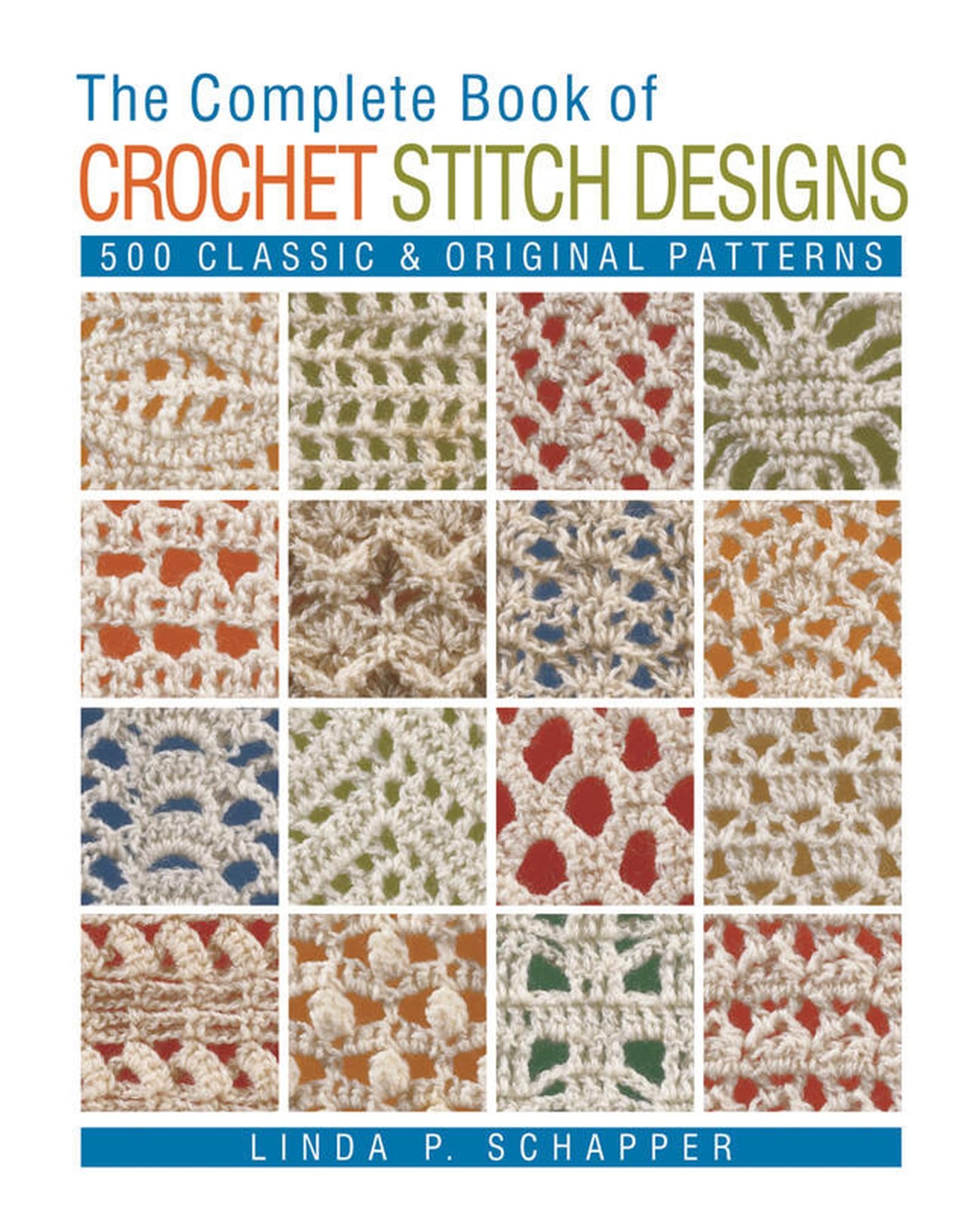
An extensive stitch library with 500 patterns, diagrams, and repeat counts that I use as a design reference and formula book.
Why I picked it: I use it as a stitch encyclopedia when I need repeat counts and diagrams for design work.
Best for: Pattern designers and crocheters seeking a huge stitch library.
A higher-priced, comprehensive reference.
Pros
- Massive variety of stitches
- Diagrams and repeat counts
- Good for creating patterns
Cons
- Some patterns feel similar
- Photos occasionally use drab colors
My take
This is the reference I reach for when I want to mix stitch patterns or design my own motifs. The inclusion of diagrams and clear repeat counts makes it quick to calculate foundation rows and adapt patterns to my desired width.
I found a mix of very simple and very advanced designs, which is useful if I want to challenge myself or pull something straightforward into a project. A small gripe is that several stitches feel similar to one another, so I often flip between patterns to compare details.
For anyone who wants a go-to source of stitch options, this book earns its space on my shelf.
5. Crochet for Beginners: Stitch Dictionary – Best Beginner Stitch Dictionary
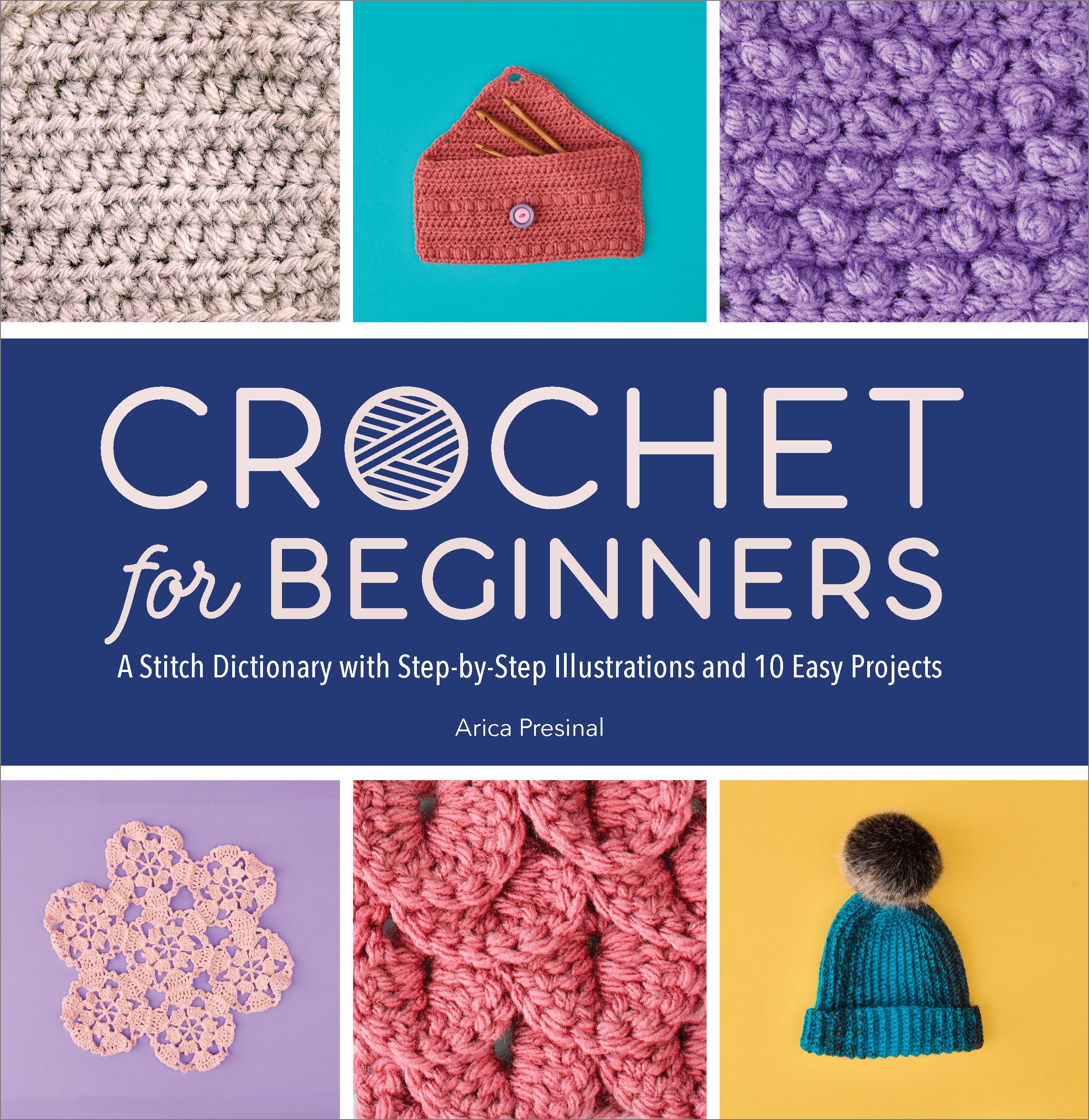
A clear, illustrated stitch dictionary with ten easy projects that I use when teaching new crocheters or helping friends learn stitches.
Why I picked it: I appreciate the enlarged illustrations and step-by-step pictures for teaching stitches.
Best for: Absolute beginners and teachers of new crocheters.
Budget-friendly beginner resource.
Pros
- Clear illustrations of each stitch
- Helpful for visual learners
- Includes a few easy projects
Cons
- Project selection is basic
- Some learners still prefer video help
My take
When someone asks me for a paper primer, I hand them this book. The enlarged pictures and focused stitch illustrations make it easy to see exactly what a stitch should look like as you practice.
I taught a beginner who was making simple scarves within a week using this as a companion to short videos. While the projects are straightforward, the book’s real value is the way it visually isolates each stitch for learning.
If I want to introduce someone to crochet without overwhelming them, this is the book I choose.
6. The Ultimate Granny Square Sourcebook – Best Mix-and-Match Squares
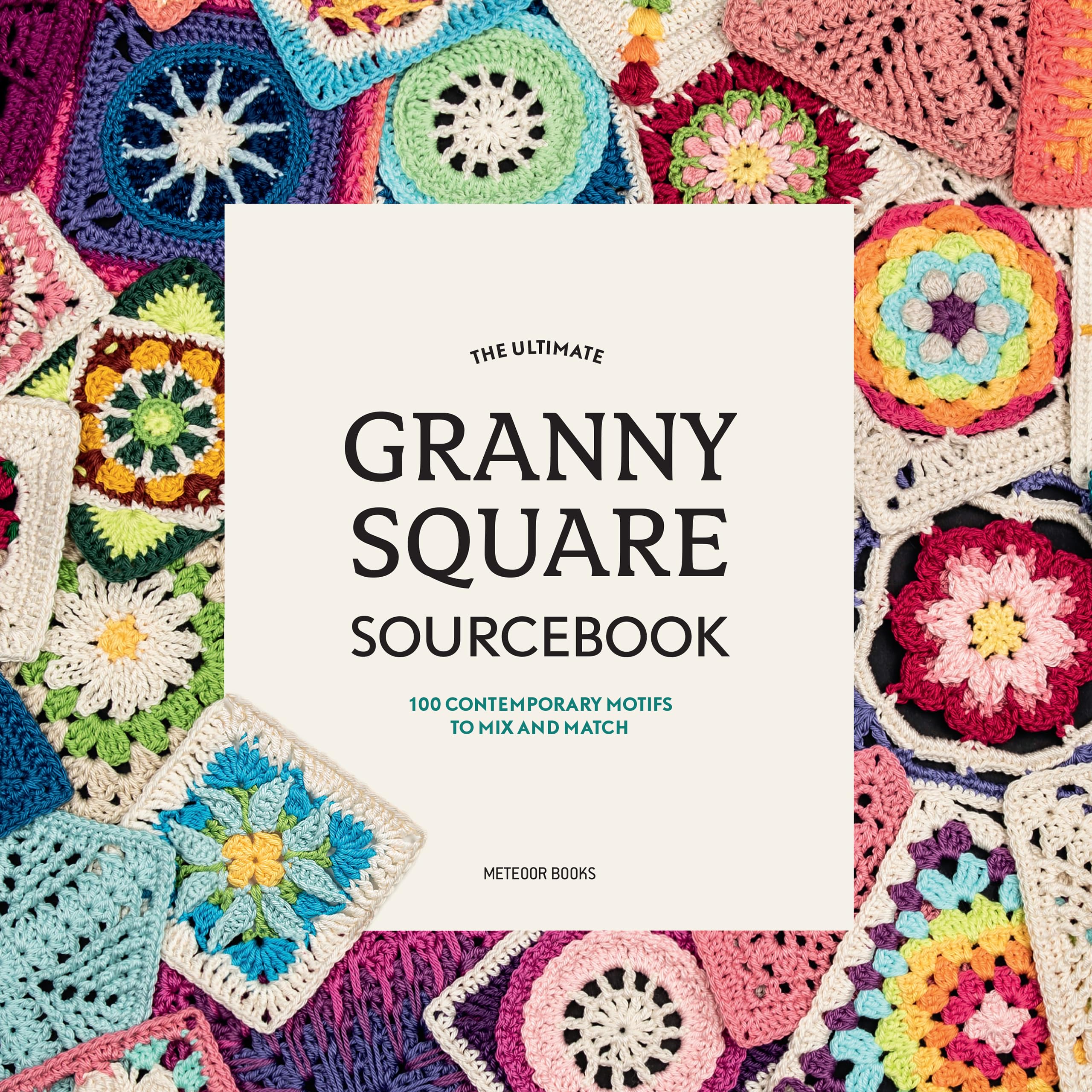
A contemporary collection of 100 granny square motifs with charts, photos, and a layout that makes mixing and matching effortless.
Why I picked it: I like the picture-led table of contents and mix-and-match approach to motifs.
Best for: Mix-and-match blankets, bags, and motif-based projects.
Mid-priced specialty resource.
Pros
- Picture table of contents
- Charts and written instructions
- Patterns show finished stitch counts
Cons
- Some techniques need practice
- Not every stitch worked on first try
My take
This book is set up the way I like to work: I can see all motifs at a glance in the pictorial contents and pick a few that play nicely together. Each square includes diagrams, written instructions, and how many stitches the finished block uses, which saves me prep time.
The binding lies flat so I can follow a chart while I crochet. A few motifs required more practice than they first appeared, but that’s normal—some designs are intended for intermediate crocheters.
I reach for this book when I’m assembling a blanket or a bag and want cohesive, contemporary granny-square options.
7. The Tunisian Crochet Handbook – Best for Tunisian Crochet
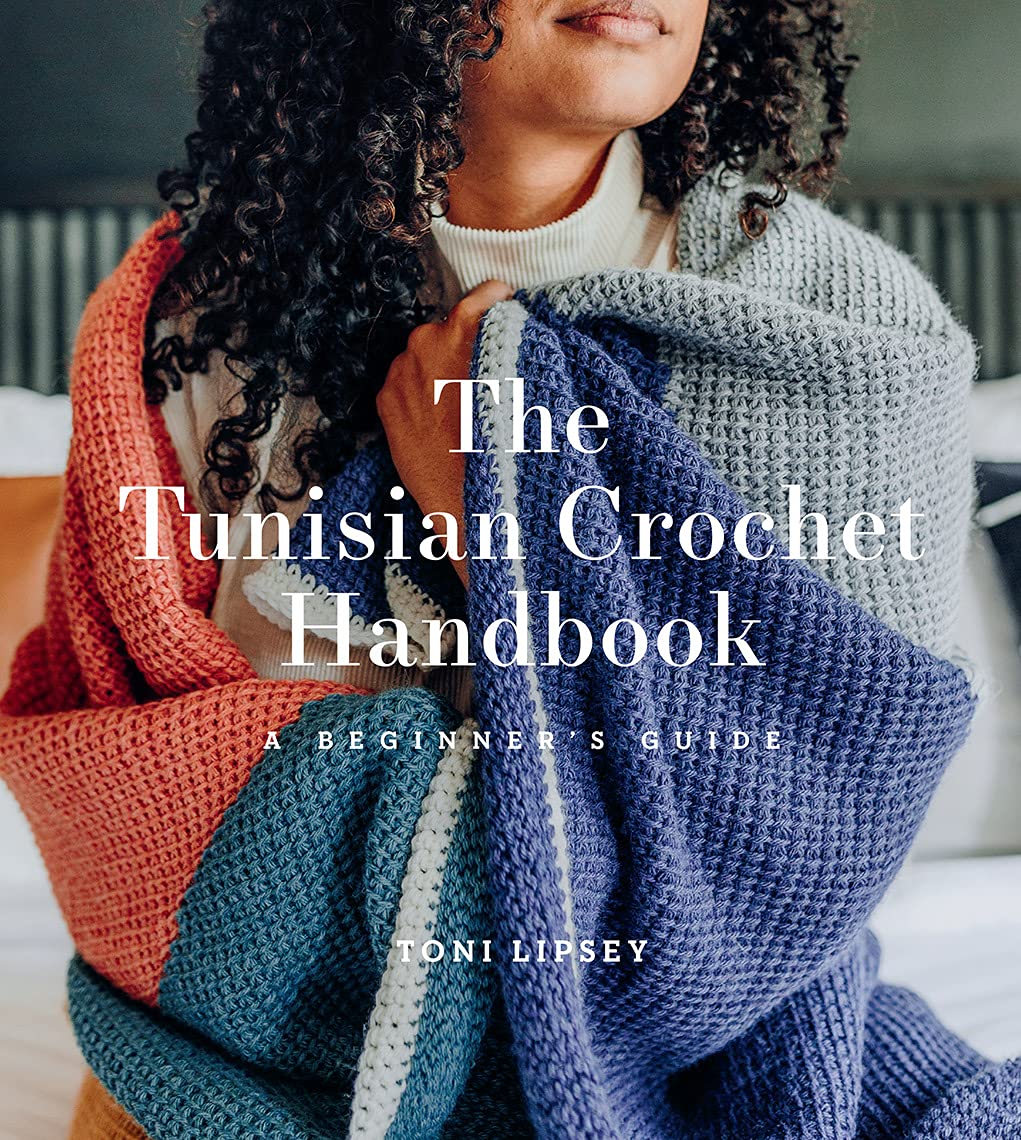
A focused beginner’s guide to Tunisian crochet with excellent photos, reference charts, and both Tunisian and traditional crochet techniques.
Why I picked it: I turned to this book to learn and refresh Tunisian stitches with excellent step photos.
Best for: Crocheters learning or returning to Tunisian crochet.
Mid-priced specialty handbook.
Pros
- Excellent step-by-step photos
- Includes reference charts
- Covers mixed traditional techniques
Cons
- Kindle format can be hard to read
- Some projects assume prior experience
My take
Toni Lipsey’s handbook is the practical guide I used when I wanted to learn Tunisian crochet properly. The photos are high quality and the step-by-step approach made the first Tunisian stitches click for me.
I recommend buying the physical copy rather than the Kindle if you want an easy-to-read, working reference—my Kindle copy was difficult to navigate. The book also includes useful needle-size charts and projects that blend Tunisian and traditional techniques.
For re-learning a grandmother’s afghan stitch or trying Tunisian fresh, this is the book I reach for.
8. The Granny Square Book (2nd Ed.) – Best Classic Granny Squares
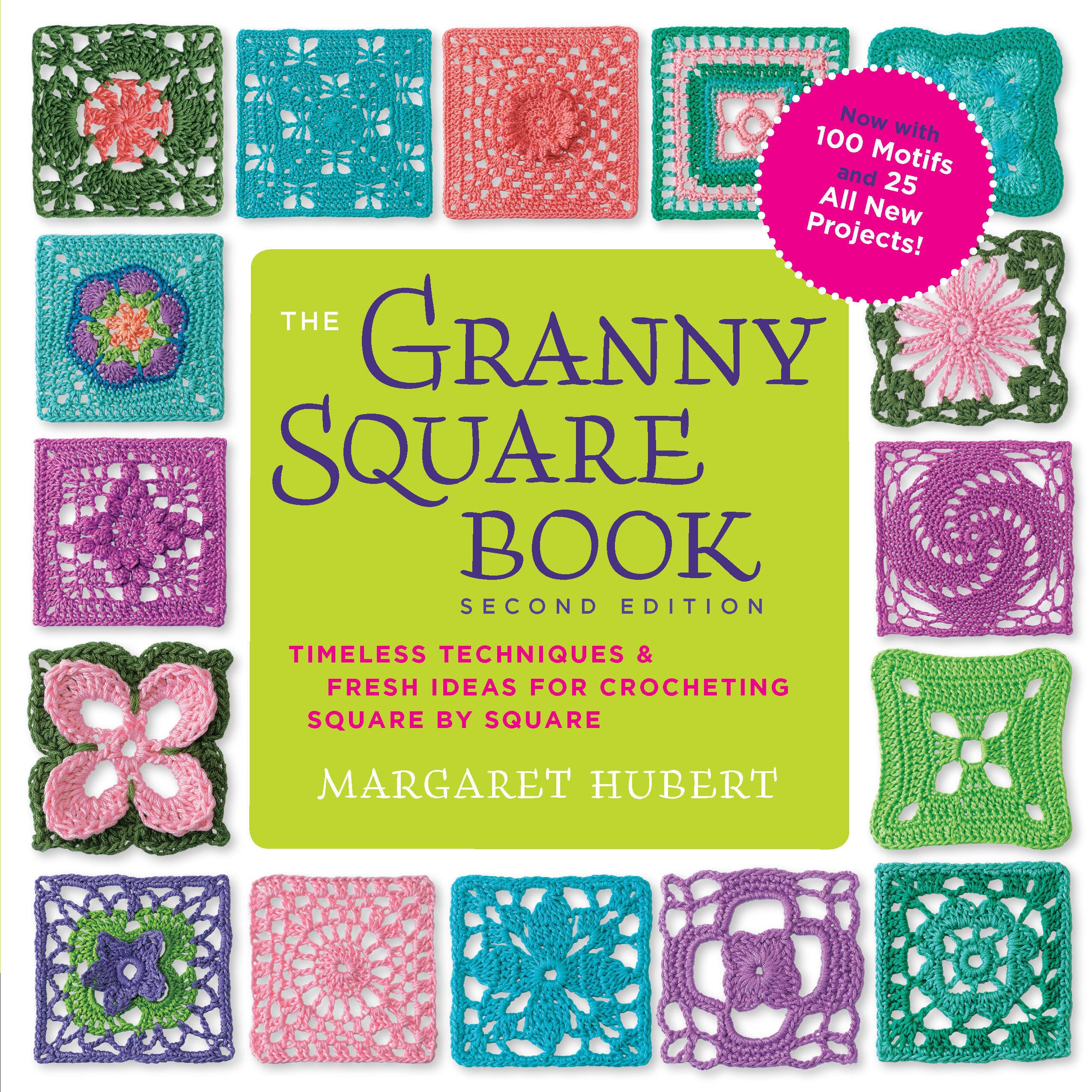
A modern take on granny squares with 100 motifs and 25 new projects that refreshed my view of square-by-square construction.
Why I picked it: I found fresh, modern twists on granny squares that renewed my interest in classic motifs.
Best for: Crafters wanting updated granny square techniques and project ideas.
Good value for motif-rich content.
Pros
- Updated granny-square variations
- Symbols and written instructions
- Great introductory stitch photos
Cons
- Not every step has a photo
- Some patterns use thin thread
My take
This second edition gave me lots of inspiration—new shell variations, floral motifs, and eye-popping squares that aren’t the same old granny. The combination of symbol charts and written instructions makes it usable whether I prefer diagrams or words.
I wished the layout placed the finished square photo before the instructions in some places, which would have helped me visualize the end result faster. That’s a small layout gripe compared with the wide range of designs inside.
When I want to reimagine a classic granny square blanket or make smaller motif details for bags and garments, this is the first book I consult.
How I Choose Crochet Books
Decide what you need
I always start by deciding my goal: learning a stitch, following patterns, or finding inspiration. An illustrated stitch dictionary works best if I’m learning; amigurumi or themed pattern books are best when I want finished projects.
If I plan to design, I prioritize stitch libraries with diagrams and repeat counts so I can calculate foundation rows quickly.
- Want to learn? Choose books with step-by-step photos.
- Want patterns? Look for clear written instructions and finished photos.
- Designing? Prioritize diagrams and stitch repeat counts.
Consider format and binding
I prefer spiral or lay-flat bindings because they stay open on my work table. Thin Kindle formatting can make stitch diagrams hard to read, so I often opt for physical copies for reference.
Large photos and a pictorial table of contents save me flipping time when I want to pick motifs quickly.
- Spiral or lay-flat binding is best for working projects.
- Physical copies are easier to use for technical diagrams.
- Pictorial contents help when mixing motifs.
Match the book to your skill level
I choose beginner-focused books with enlarged stitch illustrations when teaching others or relearning basics. For intermediate and advanced work I want pattern variety and technique-specific books like Tunisian or granny-square collections.
When a book assumes prior knowledge, I pair it with short video references to bridge the gaps.
- Beginners need photo-heavy, step-by-step guides.
- Intermediate makers benefit from stitch encyclopedias and motif collections.
- Specialty techniques deserve dedicated handbooks.
Frequently Asked Questions
Which book should I get if I’m an absolute beginner?
I recommend an illustrated beginner book—either Crochet Techniques & Tips or Crochet for Beginners—because both offer step-by-step photos that make the first stitches approachable.
Can I learn amigurumi from Whimsical Stitches alone?
I would use Whimsical Stitches alongside basic stitch instruction; it’s packed with creative patterns but assumes you already know fundamental stitches or can supplement with a short tutorial.
Are diagrams and stitch counts included in the stitch encyclopedias?
Yes—books like the Complete Book of Crochet Stitch Designs and the granny square sourcebook include diagrams and repeat counts, which I find essential when I adapt patterns or design my own.
Final Take
I kept the books that matched my goals: picture-led guides for learning, themed books for gifts and fandom projects, and stitch encyclopedias for designing. Each book here served a clear purpose in my crochet toolkit.
If you’re starting out, pick a photo-heavy beginner book. If you want inspiration or a huge stitch library, reach for the stitch encyclopedia or the granny-square collections. I use these books together depending on the project and skill I want to build.
