
I tested six popular curtain sets so you can pick the right balance of blackout, insulation, and style for your windows. I focused on build quality, light blocking, thermal performance, and how they hang and wash.
I spent time hanging and living with six curtain sets across bedrooms, a sliding door, and a living room to see which ones actually deliver on blackout, insulation, and design.
In this roundup I explain which panels I’d choose for sleeping rooms, smaller windows, sliding doors, and rooms where style matters more than total darkness.
I compared true blackout heavyweight panels against lighter room-darkening and light-filtering options to highlight trade-offs: heavier curtains block light and insulate better but need sturdier hardware, while light-filtering panels brighten a room but won’t create a pitch-black environment.
1. NICETOWN Blackout Curtain Panels – Best Overall
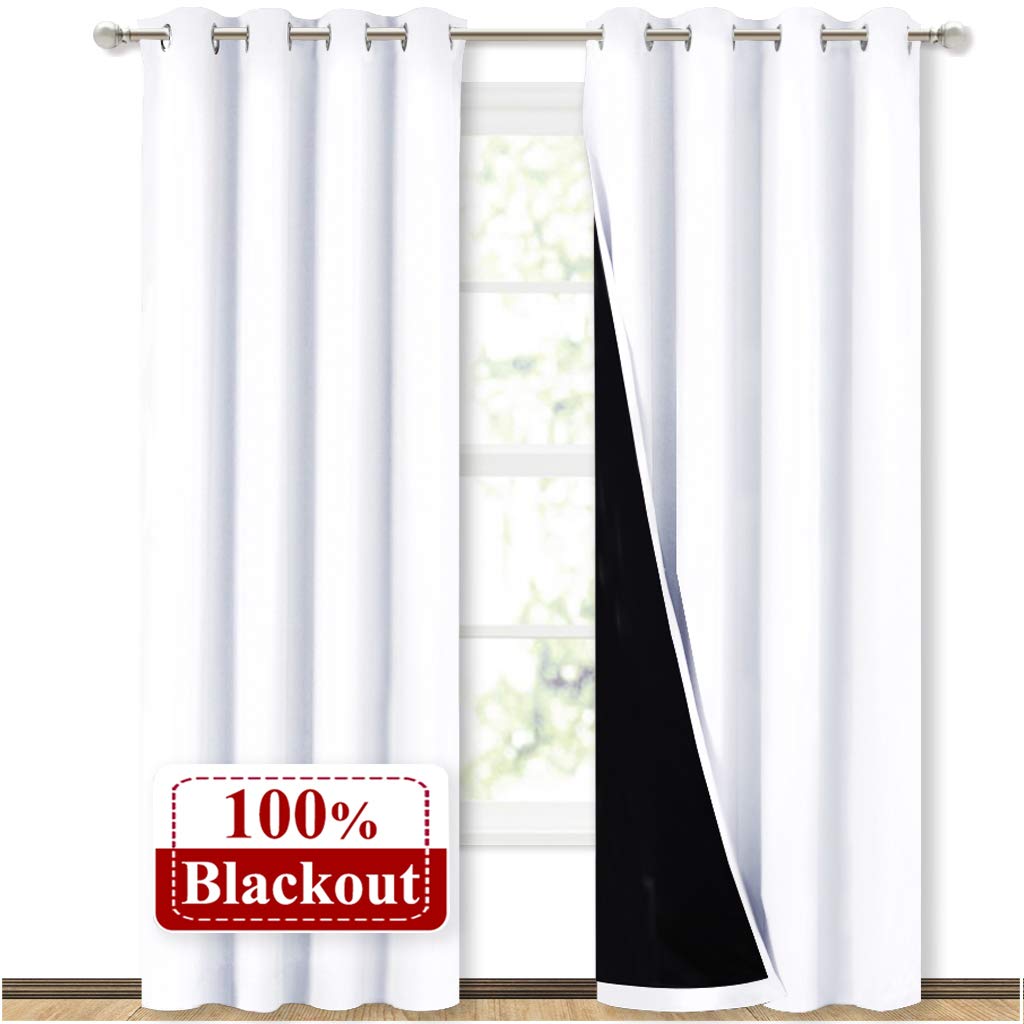
I found these to be the most reliable full-blackout, insulating curtains in the group—thick, well-finished, and very effective at making a room dark and quieter.
Why I picked it: True blackout backing, heavy drape, and solid thermal performance.
Best for: Bedrooms where total darkness and temperature control matter.
Great value for a heavyweight blackout panel.
Pros
- Genuine blackout liner
- Thick, heavy drape
- Good thermal insulation
- Smooth grommet sliding
- Wide panels cover large windows
Cons
- Requires gentle washing
- May need a heavy-duty rod
My take
I used these NICETOWN panels in my master bedroom and they made an immediate difference. The sewn-in black liner truly blocks light—the room is noticeably darker even on bright afternoons.
The fabric feels substantial and hangs with full folds that give an upscale look without a high price. The silver grommets slide easily and installation was straightforward.
Beyond darkness, I noticed the room stayed cooler in summer and warmer in winter, which confirmed the insulating benefit of a double-layer, triple-weave construction.
Care instructions are conservative—avoiding heavy washing preserves the finish—so I treat these like a long-term textile rather than a disposable panel.
2. ChrisDowa Grommet Blackout Curtains – Best for Small Windows
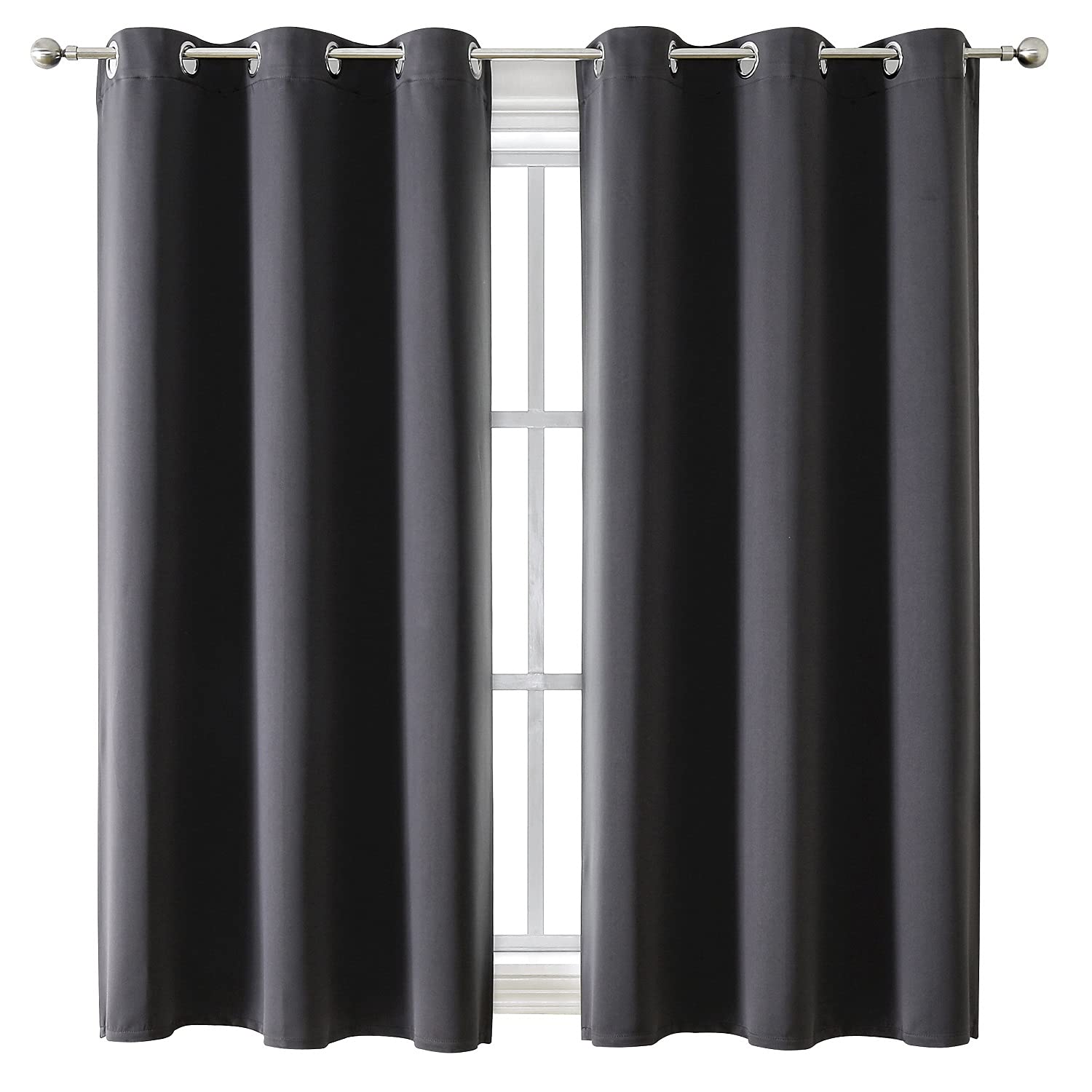
These compact panels are a budget-friendly way to darken smaller windows and keep rooms comfortable without adding bulk.
Why I picked it: Shorter length and light weight fit small windows and apartments.
Best for: Small windows, dorms, and rooms where a lighter panel is preferred.
An affordable option for short windows.
Pros
- Blocks most sunlight
- Machine washable
- Soft hand feel
- Easy to hang
Cons
- Less heavy than true blackout
- Shorter length limits floor coverage
My take
I installed the ChrisDowa panels on a small bedroom window and appreciated how easy they were to handle—lightweight and quick to hang.
They block the majority of daylight and help tame UV fading, but they feel lighter than the heavyweight blackout sets, so you get room-darkening rather than cave-like darkness.
Their machine-washable construction makes maintenance easy, and the fabric stayed soft with no lingering chemical smell after laundering.
If you need full blackout for shift-work sleep or a media room, I’d pair these with a blackout liner or a second layer, but for apartment windows they strike a practical balance.
3. BGment White Blackout Curtains – Best Crisp White Look
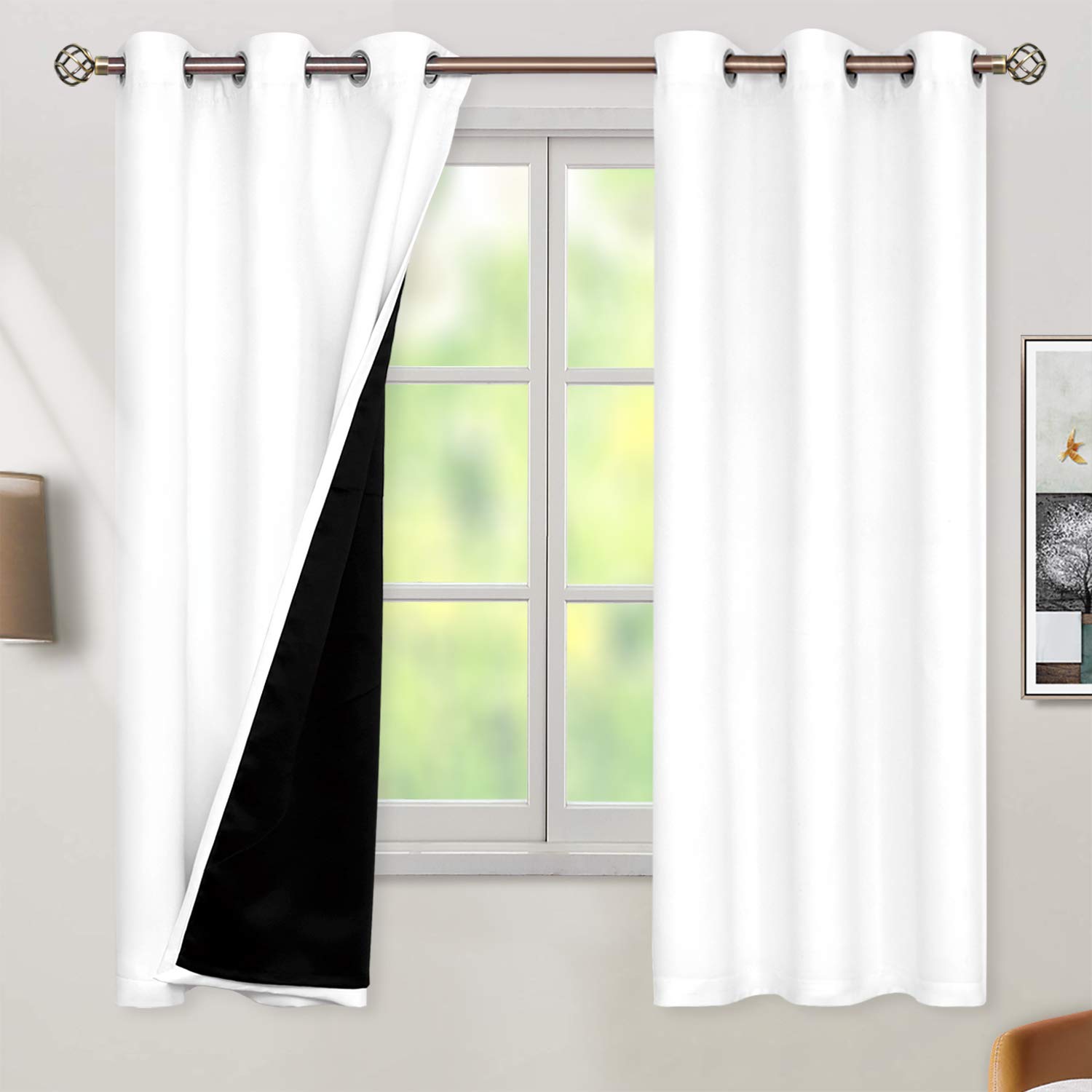
I liked these when I wanted a clean white aesthetic combined with serious light blocking and thermal performance.
Why I picked it: True blackout liner in a fresh white panel that still feels polished.
Best for: Bright rooms where you want a crisp, clean look plus blackout performance.
Solid midrange choice for style and function.
Pros
- Real blackout backing
- Clean, bright white look
- Energy-saving insulation
- Machine washable
Cons
- White shows dirt more easily
- Color choices off in some batches
My take
I used BGment panels in a sunny guest room and was impressed that white panels could still deliver such effective light blocking thanks to the black lining.
They hang with a neat, modern feel and the silver grommets make them easy to open and close. The thermal layer reduces heat transfer noticeably on hot days.
I did want to flag that colored versions can vary from product images, so I stuck with white to avoid surprises. After washing they retained shape and color well.
4. Yakamok Blackout Curtain Panels – Best for Insulation
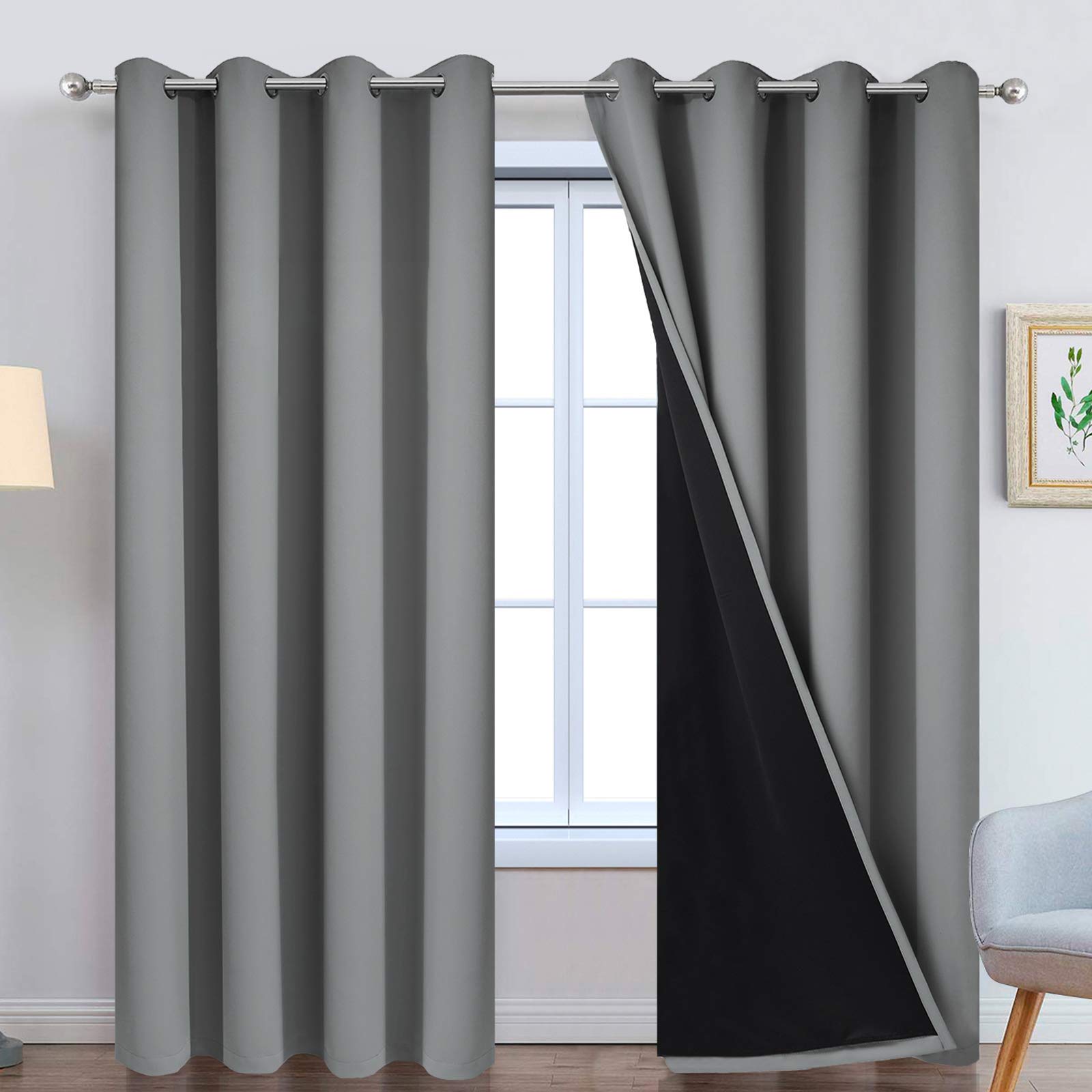
These heavy-duty, long panels are my top pick for sliding doors and large windows where insulation and total darkness are priorities.
Why I picked it: Long length and heavyweight fabric make them effective for patio doors and big windows.
Best for: Sliding glass doors and rooms that need extra insulation.
A practical choice if insulation and blackout matter most.
Pros
- Full blackout performance
- Heavyweight, insulating fabric
- Long lengths for tall windows
- Durable construction
Cons
- Very heavy; needs strong rod
- Less luxurious look than velvet
My take
I put the Yakamok panels on a sliding patio door and immediately noticed less heat gain during the day and reduced cold drafts at night.
The panels are truly substantial—double-layer, triple-weave fabric that blocks light without much seepage. That weight means they hang with deep, attractive folds, but I upgraded my rod to a heavier-duty one to support them.
They wash up well on gentle cycles and keep their blackout abilities after repeated use, which makes them one of my go-to options for functional window treatments.
5. MANGATA CASA Triple-Weave Blackout Curtains – Best for Kids’ Rooms
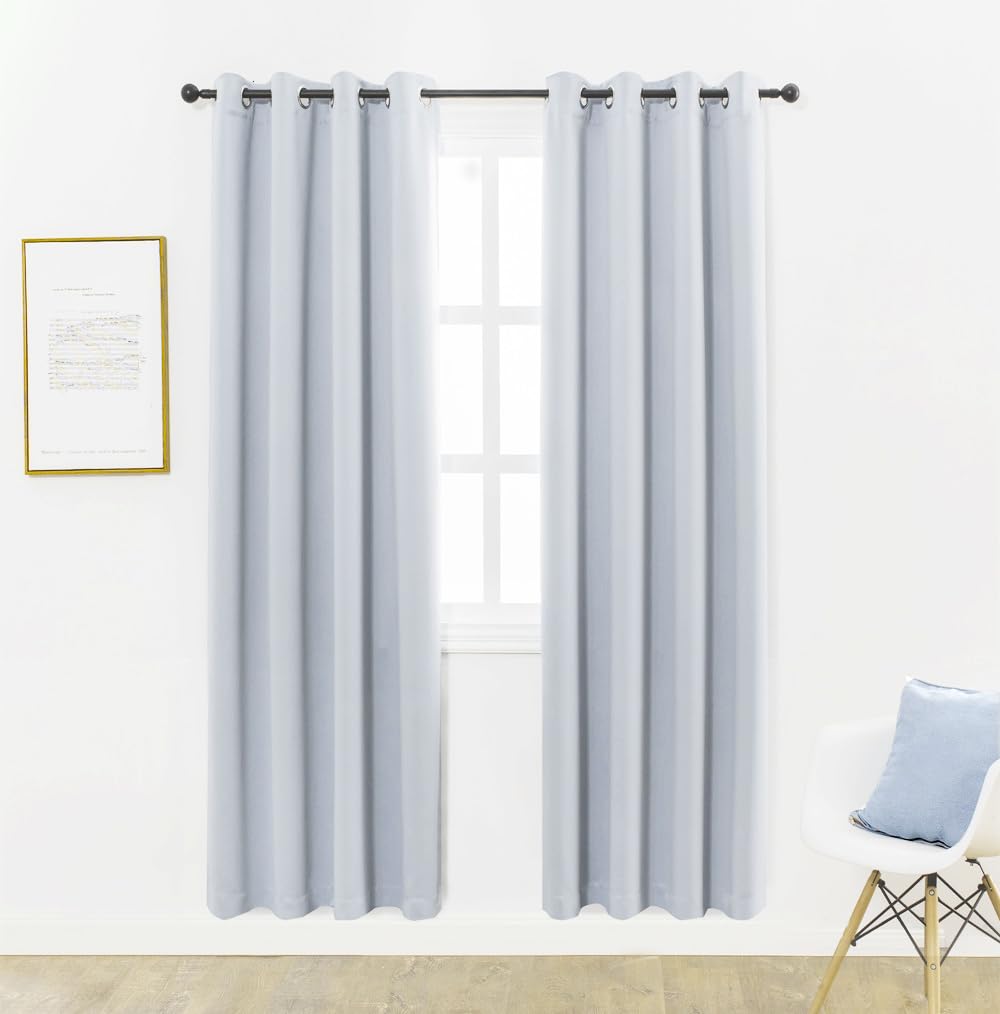
I reached for these when I needed a softer look and tie-back options for a child’s room—solid blackout performance without a heavy, formal feel.
Why I picked it: Soft, silky finish with practical tie-backs and decent blackout.
Best for: Nurseries and kids’ bedrooms where style and sleep help matter.
Mid-priced with decorative details.
Pros
- Soft, silky texture
- Tie-backs included
- Good thermal control
- Refined stitching
Cons
- Not 100% blackout
- Only modest noise reduction
My take
I used the Mangata CASA panels in my child’s room and appreciated the combination of a soft hand and practical features like tie-backs and large grommets.
They block the majority of morning light and help with temperature control, which improved early-morning wakeups in my house.
The fabric has a refined finish that reads more decorative than austere blackout drapes, so they work well wherever I want a cozier vibe rather than a media-room blackout.
6. Lush Decor Leah Light Filtering Curtains – Best Light-Filtering Style
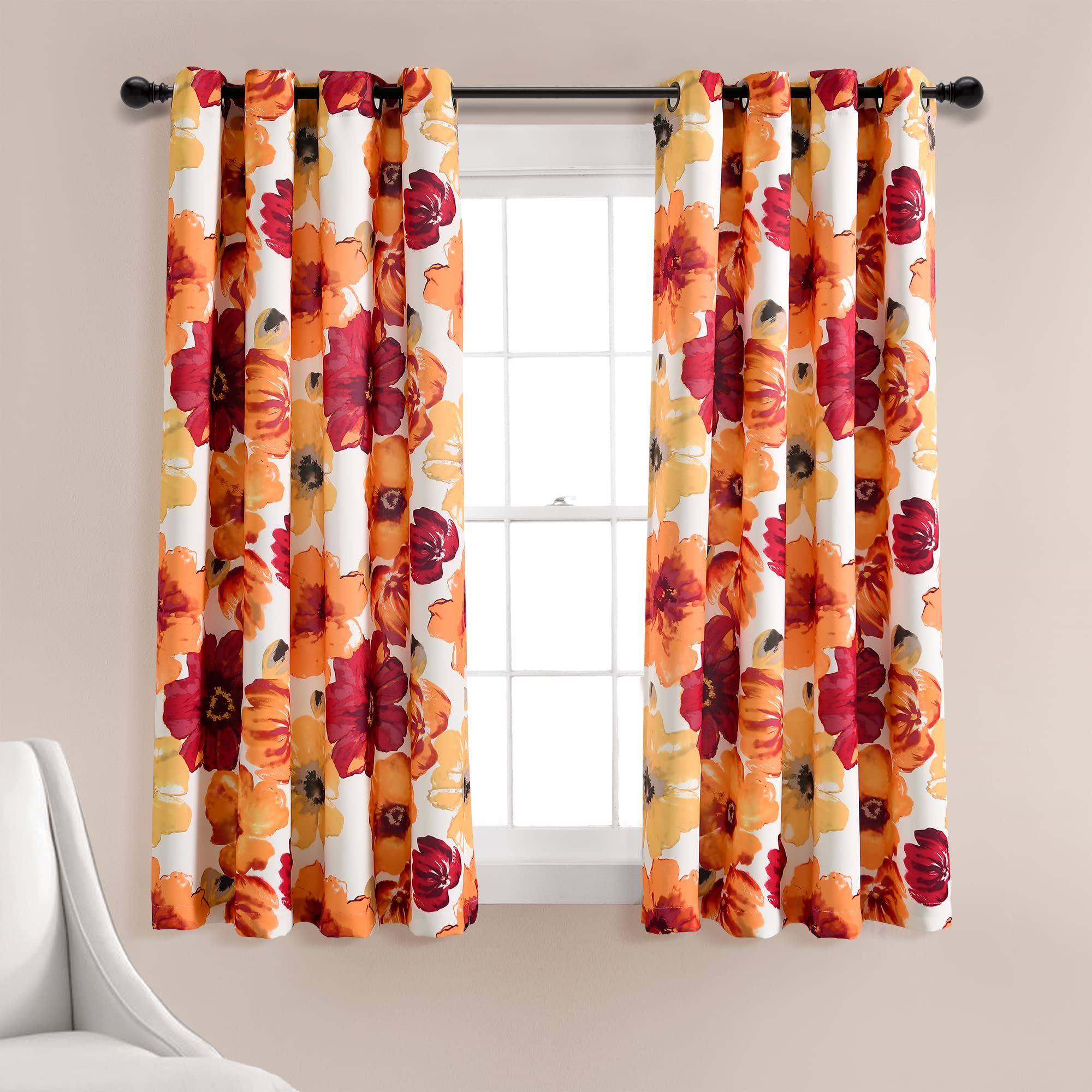
I picked these when design mattered: bold florals and light-filtering fabric that brightens a room while keeping privacy.
Why I picked it: Decor-forward floral print with soft light filtration.
Best for: Living rooms and dining areas where brightness and pattern are priorities.
A design-forward option rather than a blackout panel.
Pros
- Vibrant floral print
- Soft light filtration
- Microfiber feel
- Easy care
Cons
- Print not on both sides
- Not suitable for full blackout
My take
I installed the Lush Decor Leah panels in my living room and they changed the room’s mood instantly—the large watercolor florals bring warmth without overpowering the space.
The panels filter sunlight into a pleasant glow that preserves privacy while keeping the room bright. They hang straight out of the package and the microfiber fabric has a pleasant hand.
These aren’t a choice when darkness is the objective, but they’re perfect when style and a soft daylight feel are what I want.
How I Choose Curtains
Key factors I consider
I evaluate blackout ability, fabric weight, thermal performance, and how the curtains hang and wash.
I always measure windows precisely and consider whether I want floor-grazing panels or a shorter fit for practicality and style.
- Blackout vs. light-filtering: choose true lined blackout for sleep or media rooms.
- Hardware: heavy panels need a sturdier rod and proper anchors.
- Fabric care: machine-washable is convenient, but heavyweight lined panels often require gentler care.
- Color and print: order swatches when possible; some colors vary in real life.
Sizing and installation tips I use
I add 6–12 inches to rod width for full coverage and fullness, and I hang panels higher than the window to create the illusion of taller ceilings.
When insulating is a priority, I overlap panels over the frame and add a thermal liner or pair with cellular shades.
- For fullness, aim for 1.5–2x the window width in total panel width.
- For sliding doors, choose longer panels and a sturdier rod.
- Grommet inner diameter should match the rod thickness for smooth sliding.
Frequently Asked Questions
Can I machine wash blackout curtains?
I machine wash some blackout panels on gentle cycles, but for heavyweight or lined curtains I follow the brand’s care notes and usually opt for hand washing or gentle machine cycles to preserve the lining.
Do blackout curtains also reduce noise and energy loss?
Yes — I’ve found double-layer, triple-weave panels noticeably reduce both sound and heat transfer; heavier fabrics offer the best insulation effects.
What rod do I need for heavy curtains?
I use a heavy-duty metal rod with secure brackets for heavyweight panels; standard decorative rods work fine for light-filtering or thinner panels.
Final Take
If I need absolute darkness and insulation, I reach for the NICETOWN or Yakamok panels. They deliver on blackout and thermal performance.
For smaller windows or a budget-friendly darkening option I choose the ChrisDowa panels. For a crisp, clean look with blackout power, BGment in white is my pick.
When style and daylight are the goal, the Lush Decor Leah panels give the biggest design uplift. For a kids’ room where comfort and decor matter, Mangata CASA strikes a nice balance.
