
I tested a range of short and standard-length curtains to find options that suit small windows — from true blackouts to decorative light-filtering panels that still give privacy and style.
I focused on curtains that actually fit and perform on small windows. That meant checking short-length panels, compact widths, and products that deliver either full blackout or flattering light filtration without overwhelming a small frame.
In this roundup I describe how each curtain handled light control, insulation, installation, and daily use. I also note when a liner or extra panel made a big difference for darkness or fullness.
If you need pitch-black darkness pick a panel with a sewn-in black liner and triple-weave fabric; for a brighter, styled look choose a light-filtering panel and add a liner if you want more darkness.
1. NICETOWN 100% Blackout Curtain Panels – Best Overall
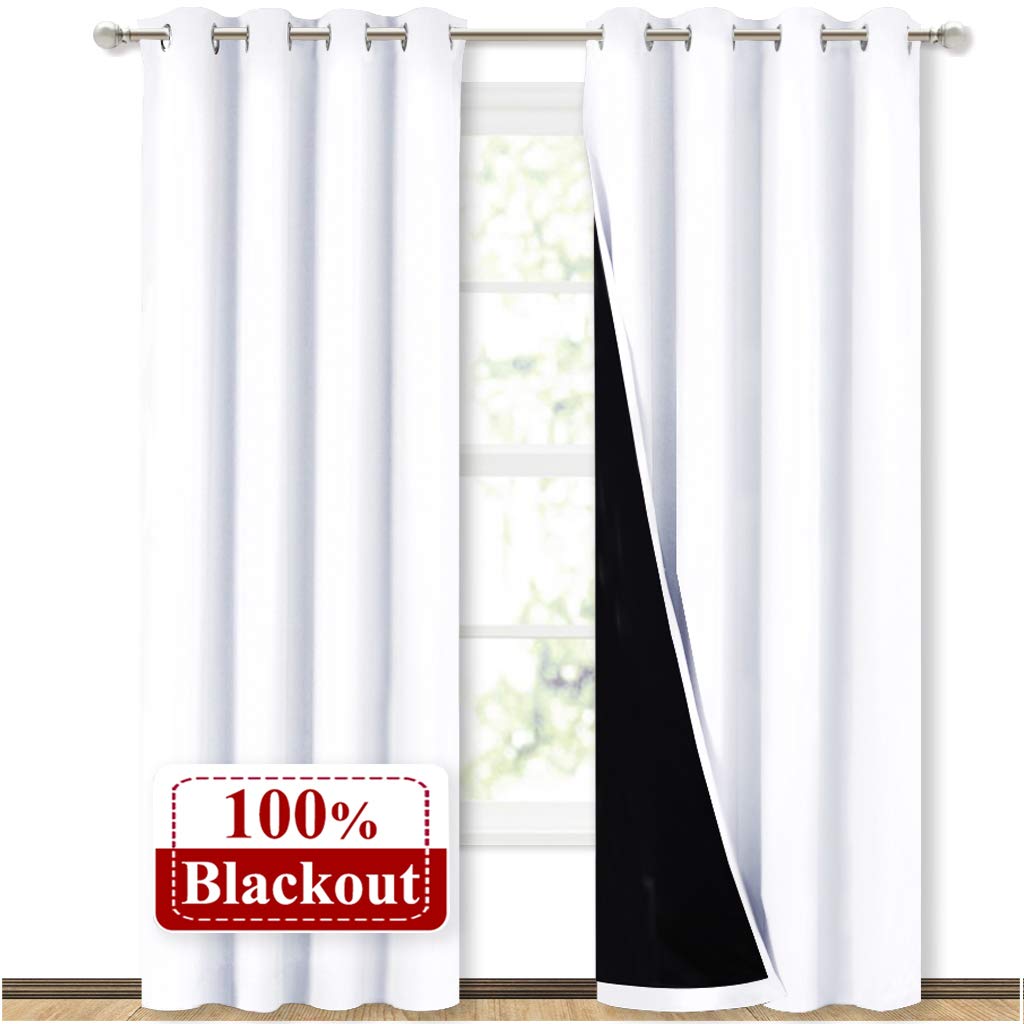
I picked these when I wanted true blackout performance, solid thermal insulation, and heavyweight fabric that still slides easily on a rod.
Why I picked it: Real sewn-in black liner and triple-weave fabric that deliver complete darkness and temperature control.
Best for: Bedrooms, nurseries, and anyone who needs daytime sleep or strong light control.
A very affordable option for full blackout and insulation performance.
Pros
- True blackout with sewn-in liner
- Heavyweight, insulating triple-weave fabric
- Large grommets for easy hanging
- Noticeable noise reduction
- Good balance of price and performance
Cons
- White panels show dirt more easily
- Best care requires hand wash or gentle cycle
My take
I installed these NICETOWN panels in my bedroom and was impressed by how dark the room became with them closed. The sewn-in black liner and triple-weave construction genuinely keep out daylight and UV light, which helped me sleep through bright mornings.
The fabric feels substantial — heavier than typical single-layer curtains — and it does an obvious job insulating my windows. I noticed the room stayed a bit warmer overnight and cooler in direct sun during the day.
Grommets are generous and the panels slide easily on standard rods. Because each panel is wide, I got good fullness even on a small window with just one panel per side.
Care is straightforward if you follow the label: I avoid harsh washing, and minor wrinkling relaxed after a short tumble-dry on low. For the performance you get, these are a solid value in my experience.
2. BGment Short 100% Blackout Curtains – Best Short-Length Option
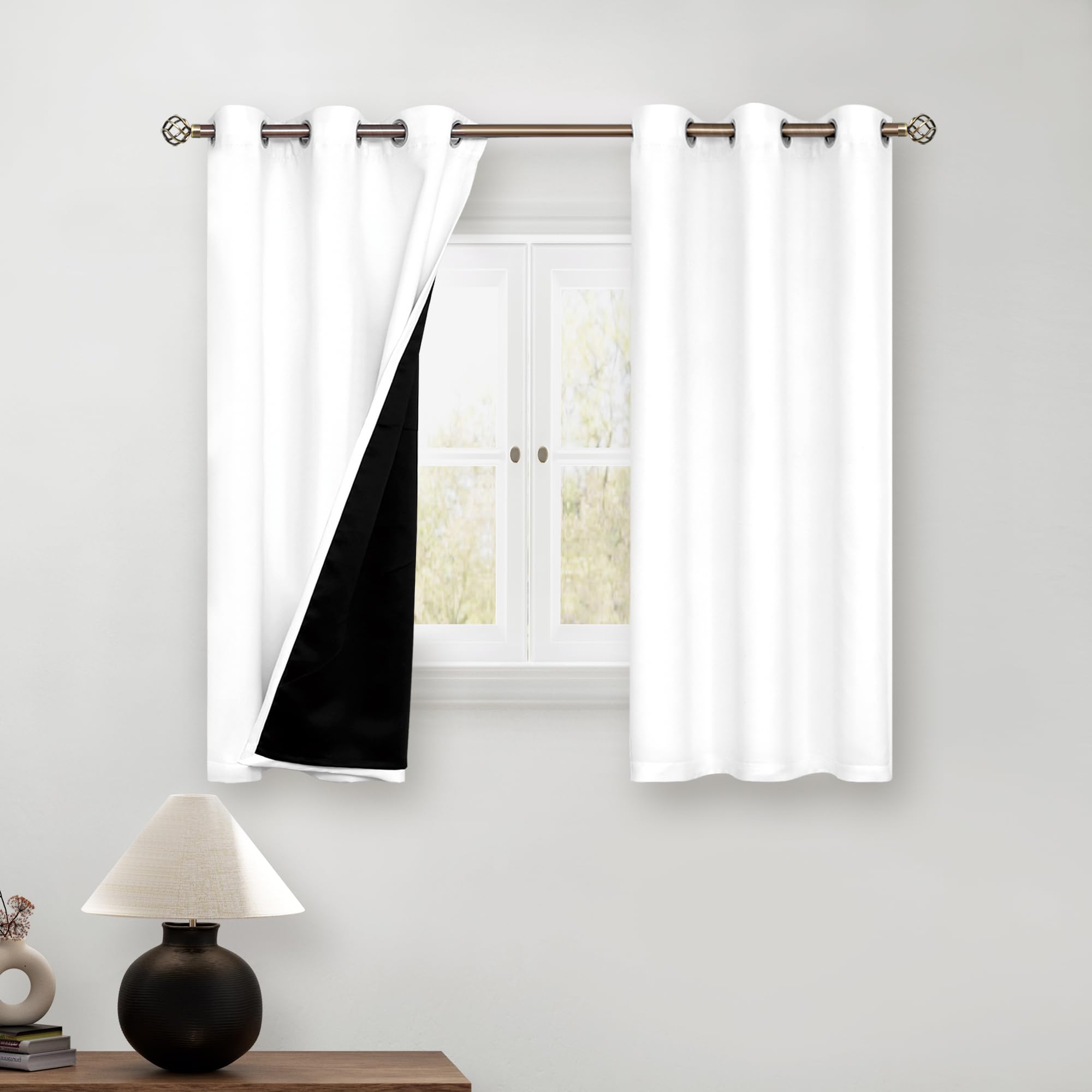
I recommend these when your window is shallow or you need a short drop — they’re designed specifically for small windows and still deliver real blackout.
Why I picked it: Short 45-inch length with sewn black backing gives true darkness on small windows.
Best for: Small windows, basement windows, or rooms where standard-length panels overwhelm the space.
A practical choice that balances fit and full-blackout function.
Pros
- Specifically sized for small windows
- Full blackout with black backing
- Machine washable fabric
- Grommet-top for easy hanging
Cons
- Limited length options for taller windows
- Grommets fit rods under 1.6-inch diameter
My take
I used the BGment short panels on a small bedroom window and appreciated the exact 45-inch drop — no awkward pooling or leftover fabric. The sewn black liner is real blackout and kept the room dark even on bright afternoons.
These panels are surprisingly soft but dense. I ran them through a gentle machine wash and they came out without losing shape or color. The silver grommets slide smoothly and the panels hang flat.
If you have a taller opening you’ll need a different length, but for compact windows this is my go-to option because it fits without extra tailoring and still performs like a full blackout curtain.
3. Yakamok 100% Blackout Curtains – Best Value Long Panel
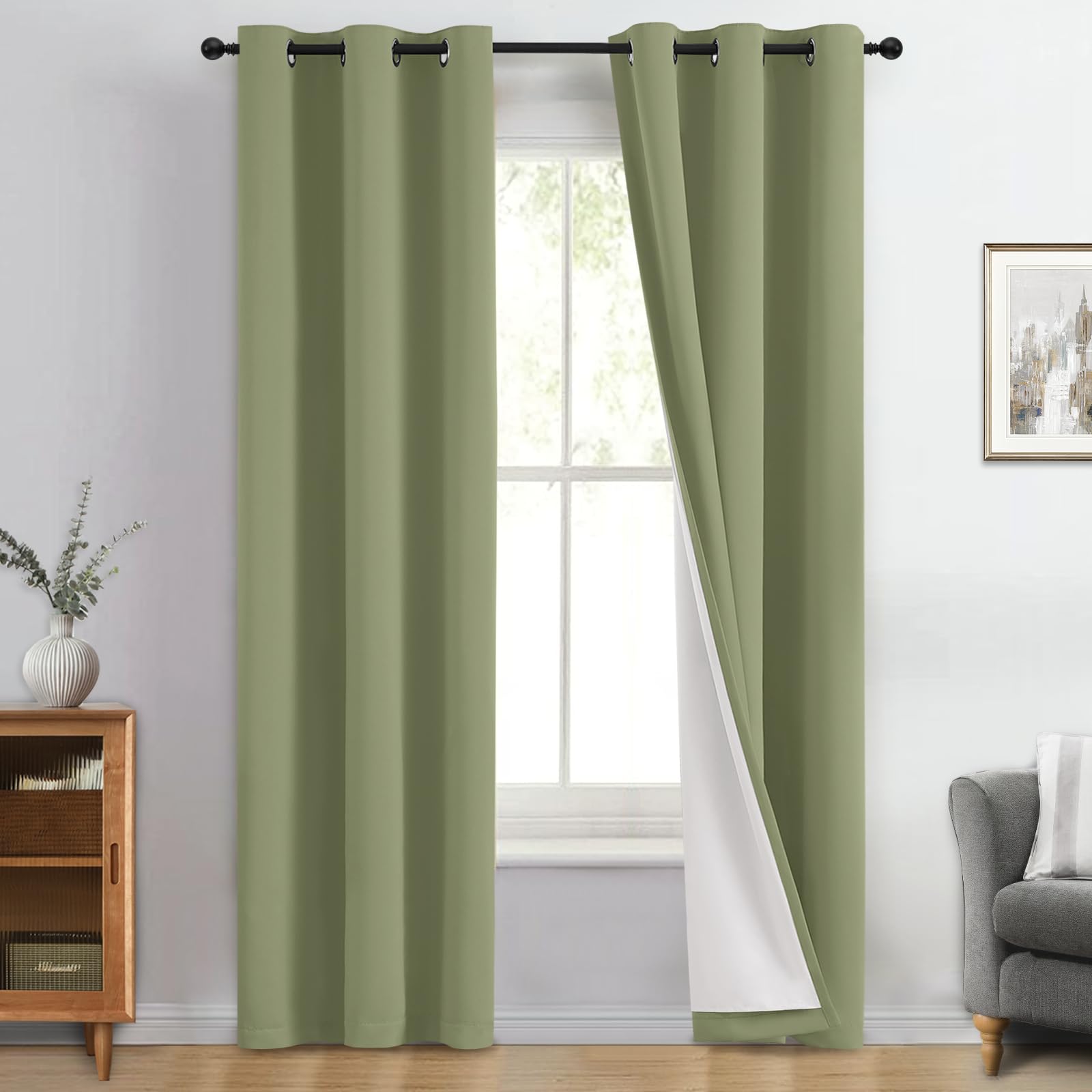
I liked these when I wanted long panels with a true blackout white backing at a low price — they balance thickness, washability, and color choices well.
Why I picked it: Thick triple-weave fabric with a white backing that creates true blackout and easy care.
Best for: Bedrooms and living rooms where full-length panels add height and coverage.
A budget-friendly long-panel that still delivers heavy-duty blackout performance.
Pros
- Complete blackout with white backing
- Durable triple-weave fabric
- Machine washable and low maintenance
- Good color selection
Cons
- Not as plush as luxury velvets
- Heavier weight may need stronger rod
My take
I installed the Yakamok panels on a larger window and they provided excellent darkness. The white backing is a nice touch — it blocks light effectively while keeping the curtain’s face color looking true from inside.
The weight of the fabric gives a very neat drape; for my wider openings I used multiple panels to achieve full folds. These washed well in cold water and dried without problems when I used a low-heat dryer setting.
I’ve used this style in several rooms and found them to be a very practical option — they won’t replace a high-end velvet curtain for luxury feel, but they do everything else very well for the price.
4. MANGATA CASA Star Print Blackout Curtains – Best for Kids
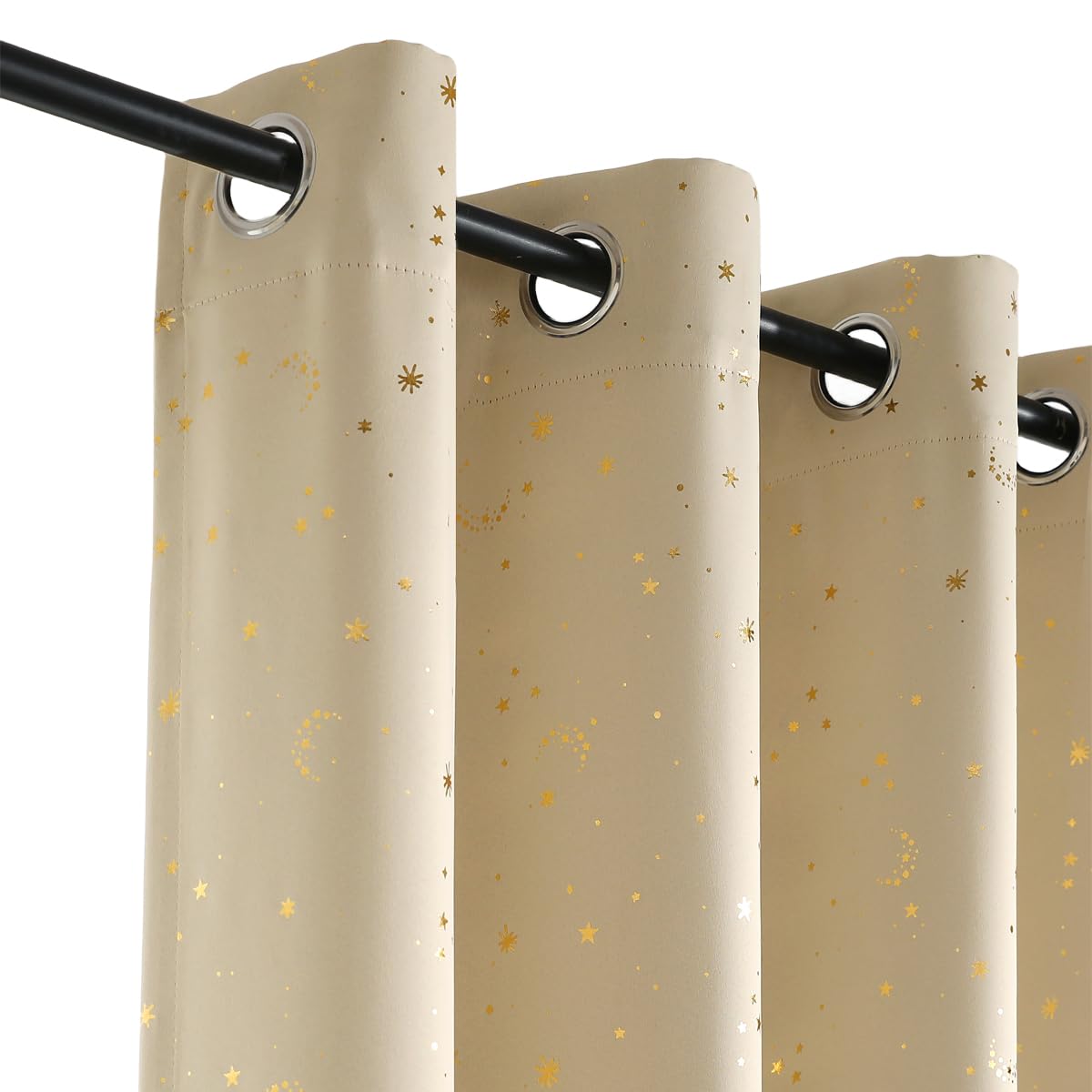
I chose these for a nursery because the printed moon-and-star pattern is playful while the triple-weave fabric blocks most light and is safe for a child’s room.
Why I picked it: Cute star pattern and child-friendly printed fabric that still blocks most sunlight.
Best for: Nurseries and kids’ rooms where style and room-darkening matter.
An affordable decorative blackout option made with children in mind.
Pros
- Adorable moon-and-star print
- Triple-weave fabric for room darkening
- Easy to hang and slide
- Machine washable
Cons
- Blocks about 80% light, not total blackout
- Grommet color may not match every décor
My take
I put these up in my child’s room and they instantly felt more cozy. The stars let a little sparkle through but the fabric blocks most daylight — great for naps and late sleepers.
The panels are lightweight but well-made, and I liked that they aren't coated or chemically treated; they feel appropriate for a kids’ space. Hanging was quick and the panels wash up well.
If you need absolute blackout for very early sunrise situations I recommend layering these with a blackout liner or a blind. For a nursery where a little morning glow is fine, they’re a terrific, cheerful choice.
5. Lush Decor Leah Light-Filtering Curtains – Best for Style
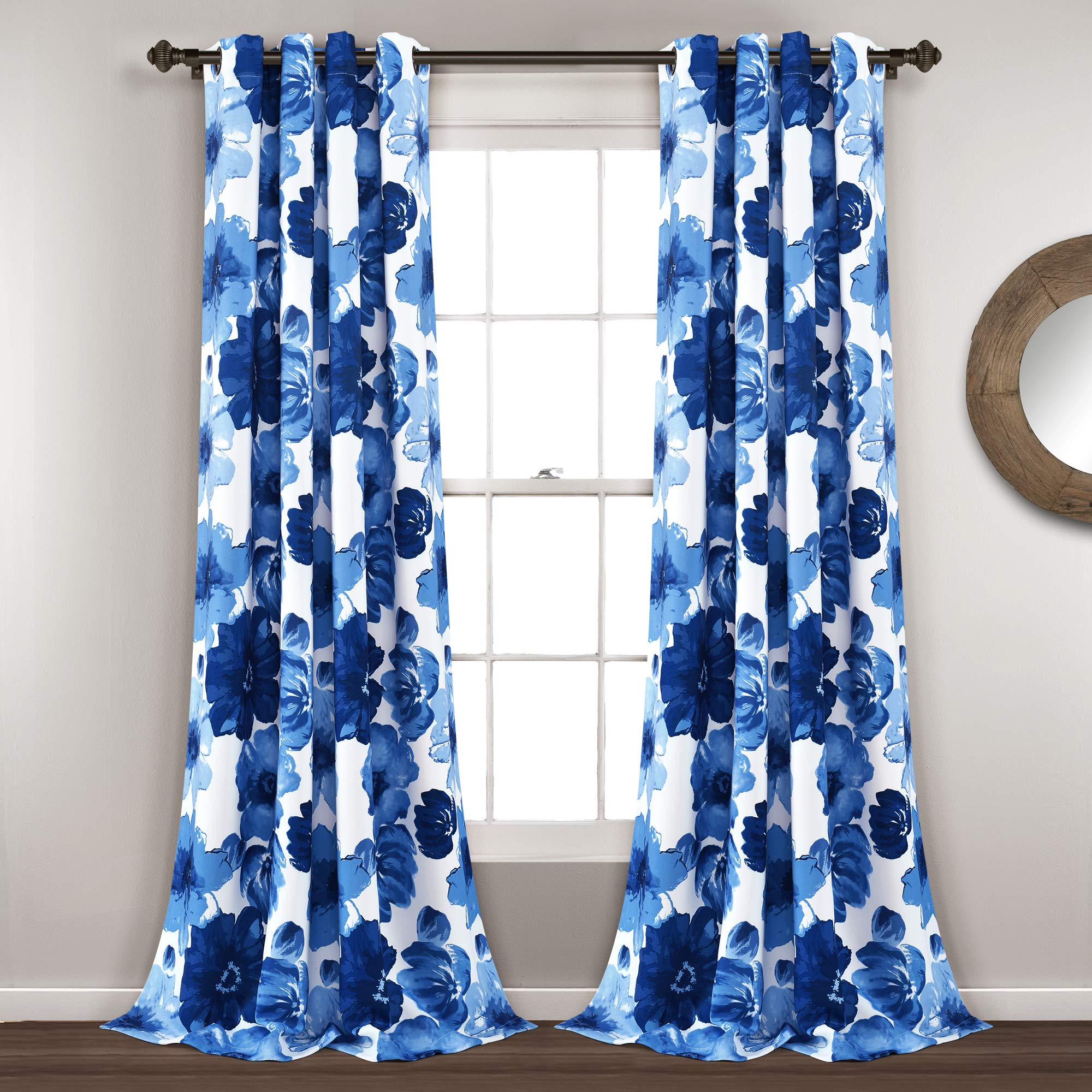
I reached for these when I wanted to add pattern and a soft filtered glow rather than full blackout; they transformed a living space without making it dark.
Why I picked it: Large floral print that brightens a room while providing privacy and soft light diffusion.
Best for: Living rooms, dining rooms, and farmhouse or cottage-style spaces.
A slightly more decorative, design-forward choice compared with basic panels.
Pros
- Bold, cheerful floral print
- Soft light filtration and privacy
- Microfiber hangs straight
- Machine washable and easy care
Cons
- Not a blackout panel
- Print is single-sided only
My take
I used the Lush Decor Leah panels in a front-room window and they immediately warmed the space. The floral watercolor print reads vibrant in person and the panels allow a pleasant, soft glow rather than harsh direct sun.
Fabric is soft microfiber and hangs neatly without a lot of steaming. I did notice the pattern isn’t printed on both sides, so if you mount curtains where the backside is visible you may want to add a decorative liner.
These aren’t for darkening a bedroom, but for creating a welcoming, light-filled living area they’re one of my top picks.
How I Choose Curtains for Small Windows
Measure and pick the right length and width
I always measure the window frame and the distance from rod to desired hem before buying. For small windows a short drop (like 45 inches) prevents excess fabric and looks tailored.
Multiply window width by 1.5–2 to get enough fullness; narrower panels mean you’ll need more pieces to avoid a stretched look.
- Measure curtain rod width and window opening.
- Choose panel width that provides 1.5–2x fullness for a proper drape.
- Select a drop that either kisses the sill or hangs slightly below, depending on style.
Blackout vs light-filtering
I pick blackout panels with a sewn liner and triple-weave fabric when I want true darkness and temperature benefits.
For a brighter room that still needs privacy, I choose light-filtering panels and add a liner if I later need more darkness.
- Sewn-in black liner = best blackout performance.
- Light-filtering panels are better for living spaces and style.
Hardware and hanging
Grommet-top panels are easiest to install and slide smoothly; just check inner grommet diameter and rod thickness.
Heavier panels need a sturdier rod and good brackets — I upgrade the rod if panels feel too heavy when drawn.
- Check grommet inner diameter for your rod.
- Use a heavy-duty rod for wide or heavy panels.
Care and maintenance
I prefer machine-washable fabrics for everyday use, but follow care labels closely to keep liners and finishes intact.
Lightweight polyester tends to wash and dry without much shrinkage; heavyweight triple-weave benefits from gentle cycles.
- Follow manufacturer care instructions.
- Low-heat drying or air-dry to reduce wrinkles and protect liners.
Frequently Asked Questions
How do I measure for curtains on a small window?
I measure the full width of the rod and the drop from the rod to where I want the hem. For small windows I typically aim for a shorter, tailored drop (for example 45 inches) and 1.5–2 times width per panel for nice fullness.
Are blackout curtains machine washable?
In my experience many blackout curtains are machine washable on a gentle cycle, but panels with sewn-in liners sometimes recommend hand wash or low-heat drying. Always check the care label before washing.
Can I make light-filtering curtains darker?
I usually add a removable blackout liner or layer a blind behind light-filtering panels to increase darkness without replacing the decorative drape.
Will heavy blackout panels help with energy bills?
Yes — I noticed that heavyweight, triple-weave blackout curtains help retain heat in winter and block solar gain in summer, which can reduce the workload on heating and cooling systems.
Final Take
I rely on blackout panels when darkness and insulation matter, and pick short-length or narrow-width options when windows are small to avoid excess fabric.
For a styled living space I prefer light-filtering patterned panels and add a liner later if I need more darkness.
Use the quick tips above and match the curtain length, weight, and hardware to your small window for the best result.
