
I read these four books front to back and used their systems in my home. Each one taught me a different, actionable path to less clutter—practical steps, wardrobe overhauls, family-friendly routines, and faith-centered s
I tested these books in real life, applying tactics to my closets, kitchen, and family routines. Each book offered a distinct path: a stylish, step-by-step system; a methodical, category-driven approach; a mom-first, practical playbook; and a faith-rooted perspective that reframed why I keep things.
My goal here is to help you pick the book that matches how you live and how you want to change—whether you need motivating prompts, folding and category rules, realistic family strategies, or spiritual clarity for owning less.
I compared these titles for clarity of method, real-world applicability, and how easy their steps were to use in a busy household.
1. Minimalista — Shira Gill – Best for Style & Wardrobe
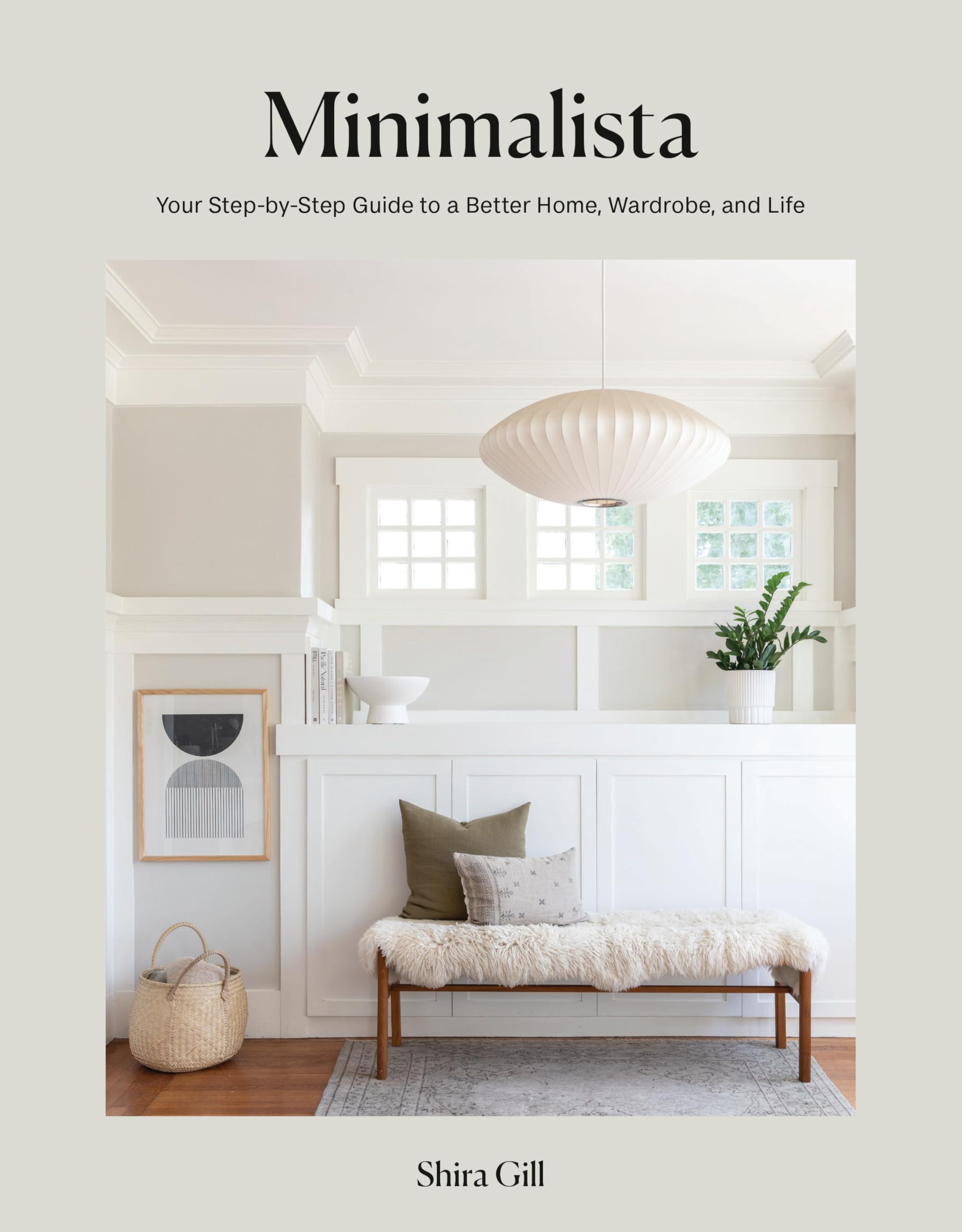
A visually driven, step-by-step guide that pairs design references with decluttering prompts for home and wardrobe.
Why I picked it: Beautiful design references plus a clear, practical system I could use room by room.
Best for: People who want a stylish, values-driven approach to home and wardrobe edits.
Midrange paperback that's worth the investment for the design and prompts.
Pros
- Lovely visual layouts and photos
- Concrete, step-by-step system
- Helpful writing prompts
- Room-by-room practical tips
Cons
- Text can feel a bit dense
- Occasional shipping damage reported
My take
I enjoyed how Minimalista blends pretty layouts with practical action. The book reads like a design-forward guide and a prompt journal at once, so I found myself both inspired and actually doing the work.
Shira's writing pushes beyond checklist decluttering and asks values-based questions that helped me make harder decisions. The room-by-room sections made it easy to chip away at specific areas rather than trying to overhaul everything at once.
The wardrobe chapters were especially useful — clear systems for editing clothes that respect daily life and personal style. I also liked that the book looks great on a shelf if you want a reference that doubles as decor.
One caveat from my experience: beautiful physical design can make the book feel text-heavy in spots, and I’ve seen copies arrive with bent covers, so I kept that in mind when choosing a format.
2. Tidying Up with Marie Kondo — Book Collection – Best for Methodical Tidyers
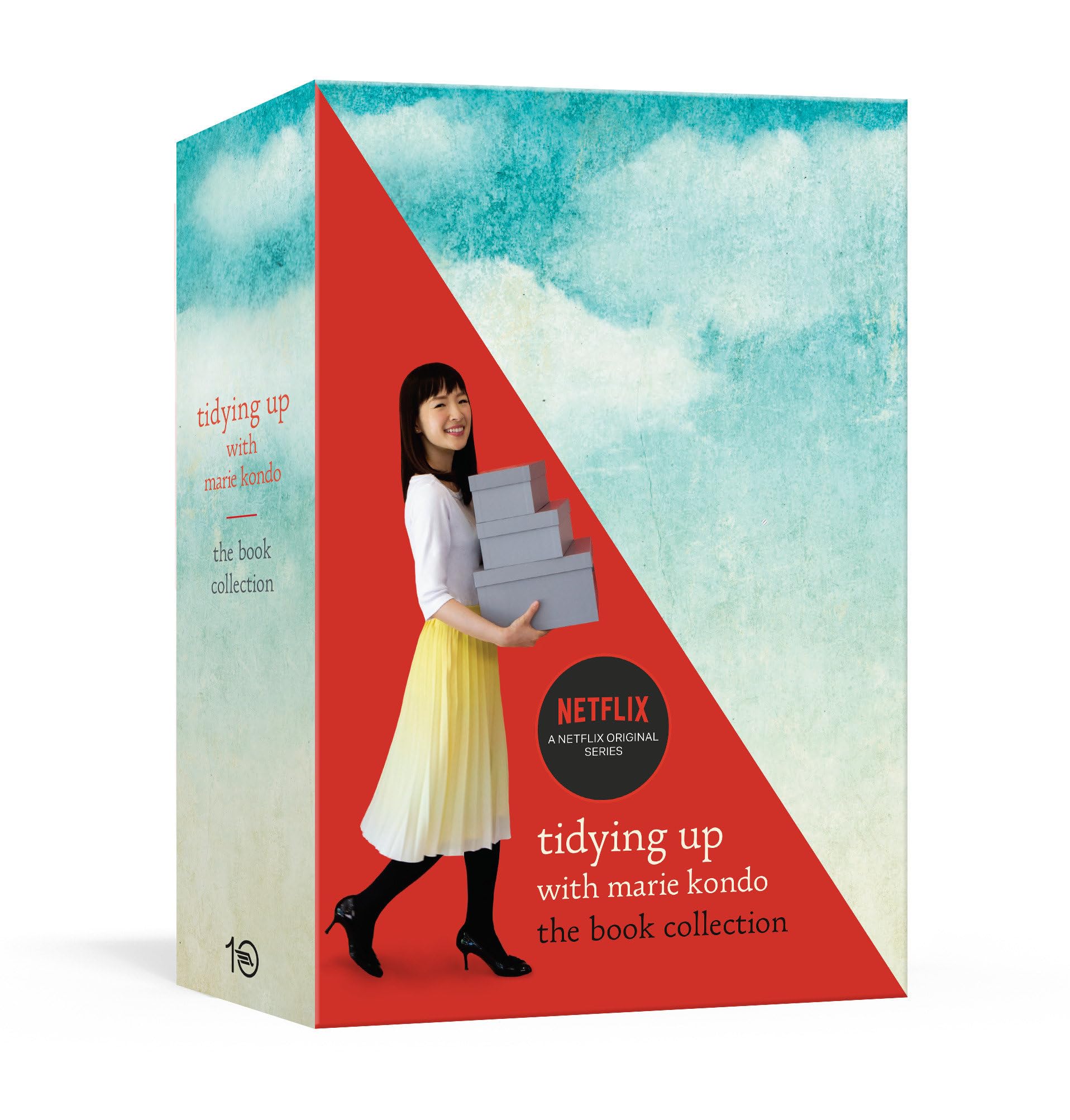
Marie Kondo's paired titles give a complete, category-based method and the mindset work that supports long-term tidying.
Why I picked it: A thorough, category-first system with specific folding and handling techniques I could apply immediately.
Best for: Anyone who wants a disciplined, repeatable method for decluttering and organizing.
Higher-value set if you want both the method and the mindset books together.
Pros
- Clear category-based method
- Practical folding techniques
- Engaging personal anecdotes
- Concrete, repeatable rules
Cons
- Takes time and focus to apply
- Method can feel rigorous
My take
I found the Marie Kondo collection transformational for how I approach belongings. The category-first approach forced me to handle everything at once, which delivered quicker, clearer results than room-by-room purges.
Her folding methods genuinely freed up drawer space in my home, and I appreciated the way she links tidying to a change in mindset. The books are thorough — expect to invest time if you want to follow the method properly.
Reading both books together felt like getting both the blueprint and the motivation: one gives the ‘how,’ the other gives the ‘why.’ If you want clear rules you can repeat, this collection delivered that for me.
3. M.O.M. Master Organizer of Mayhem – Best for Busy Parents
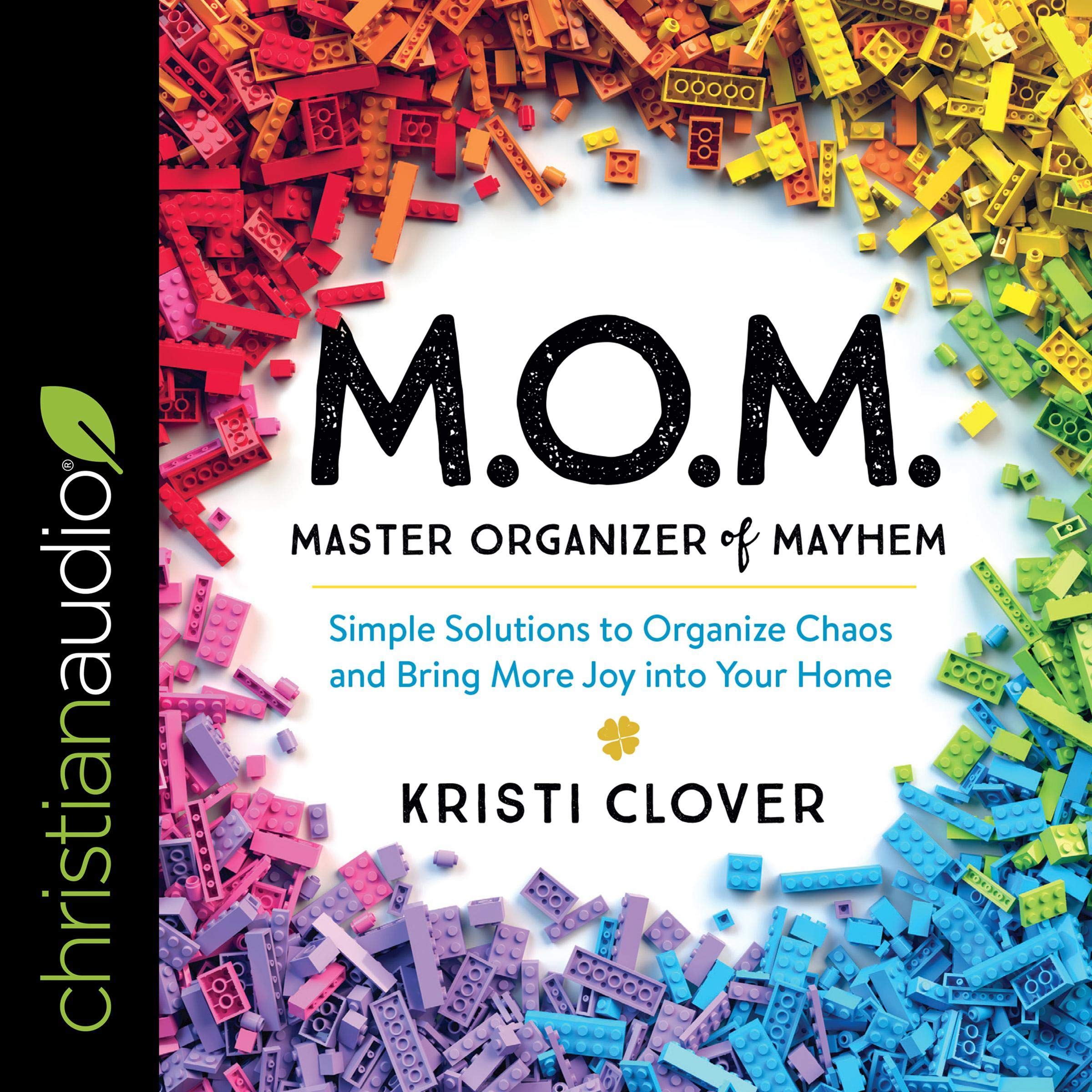
A candid, practical guide that acknowledges messy family life and offers bite-sized systems parents can actually use.
Why I picked it: Written specifically for families, with realistic steps and permission to be imperfect.
Best for: Parents juggling kids, schedules, and household demands who need doable, empathetic guidance.
Affordable and practical for busy households.
Pros
- Practical for busy parents
- Encouraging, empathetic tone
- Action-oriented baby steps
- Handy reference structure
Cons
- Feels like a call to immediate action
- Some readers may want less prescriptive content
My take
This book spoke my language as a parent trying to keep a home running. The author acknowledges social pressure and the reality of kids, and she gives small, doable steps instead of perfectionist rules.
I appreciated the encouragement to show myself grace and the practical schedules and routines that actually fit a busy life. The structure makes it easy to use the book as an on-the-go reference rather than a single read.
I also found the audio companion useful when life was too full for reading — hearing the chapters let me absorb tips in short bursts and apply them right away.
4. Uncluttered Faith — Joshua Becker – Best for Faith-Based Minimalism
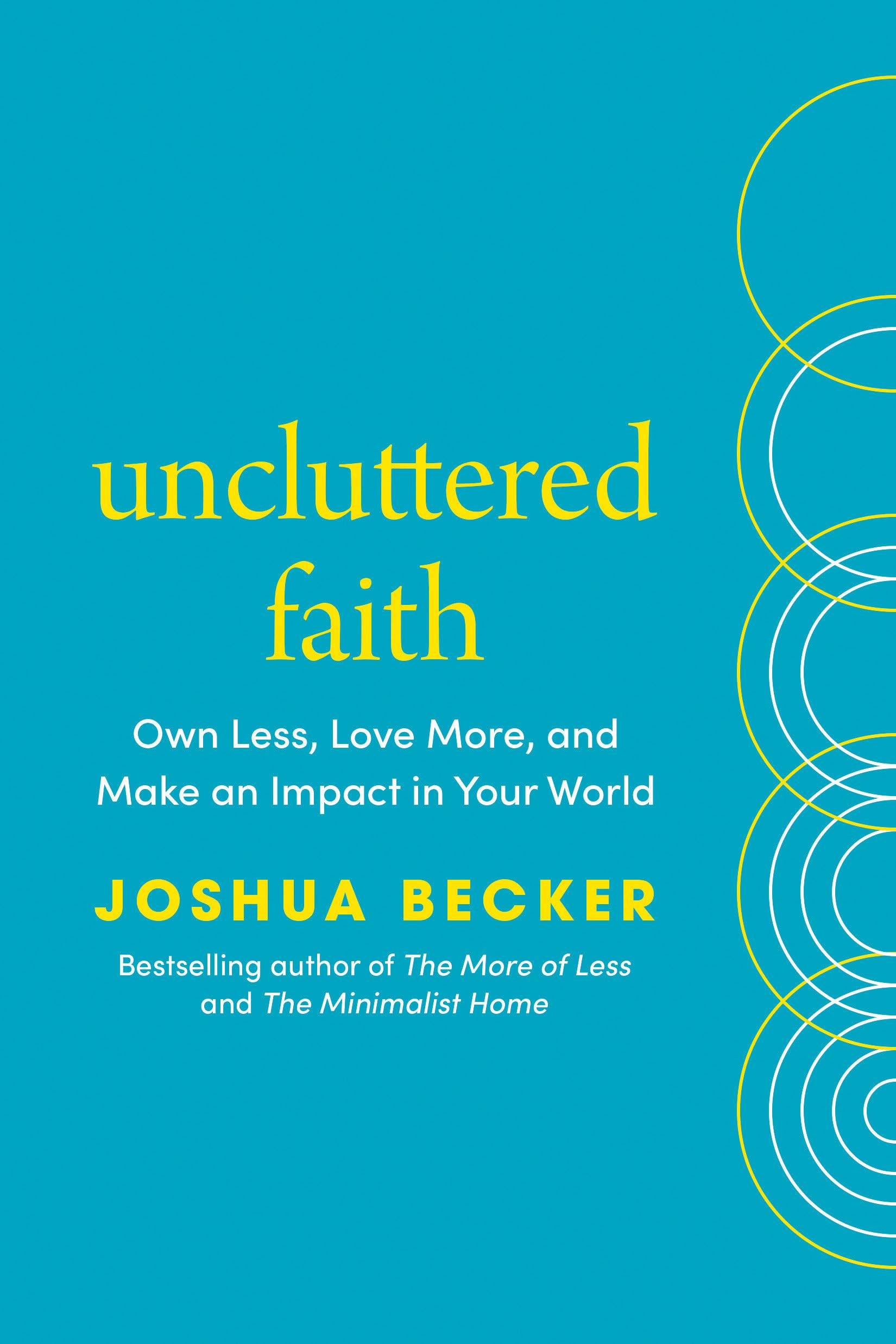
A thoughtful blend of spiritual reflection and practical minimalism that reframes possessions in light of faith and purpose.
Why I picked it: Combines spiritual perspective with practical steps I could use to simplify and give more intentionally.
Best for: Readers who want minimalism informed by faith and meaningful stewardship.
Reasonably priced, especially if you want a values-focused approach.
Pros
- Faith-centered minimalism
- Thought-provoking and challenging
- Practical suggestions for generosity
- Connects possessions to purpose
Cons
- Religious framing may not suit everyone
- Prompts can be emotionally challenging
My take
Uncluttered Faith reoriented how I think about possessions—less as items to manage and more as resources to steward toward purpose. That shift made decision-making easier and more meaningful.
The book balances spiritual reflection with concrete actions, like keeping a donation box ready and practicing generosity. I felt motivated to simplify not just for a calmer home but to free resources for others.
If faith is part of how you make choices, this book gave me language and rituals to make minimalism sustainable and impactful.
How I Choose Decluttering Books
What I look for
When I pick a decluttering book I check whether it offers practical steps I can finish in real life, not just aspirational advice.
I also look for a clear framework—room-by-room, category-based, or habit-focused—so I know what to start with on a weekend or over a month.
- Clear, repeatable method I can follow
- Tangible, small actions for busy days
- Tone that matches my needs (firm, gentle, or faith-based)
- Good format availability (paperback, audio, or ebook)
Format and durability
If a book has useful visuals or layouts, I prefer a physical copy to reference while I work. For busy schedules, audio or ebook formats help me maintain momentum.
I also consider print quality—sturdy binding helps if I'm flipping through it while sorting boxes.
- Paperback for design-heavy guides
- Audio for on-the-go reinforcement
- Ebook for searchable tips
Match the book to your life
Pick a book that fits your daily reality: families should choose a parent-specific guide, people seeking mindset change should pick a values-driven title, and anyone who wants rules should pick a methodical book.
I often combine books—one for immediate tactics and one for longer-term mindset—to get both fast wins and lasting change.
- Parents: choose family-focused guides
- If you want structure: choose methodical systems
- If you want meaning: choose values- or faith-focused books
Frequently Asked Questions
Which book should I start with if I want quick wins?
I start with Marie Kondo's approach for quick, visible results; the category method produced immediate decluttering momentum in my home.
Are these books realistic for families with kids?
Yes—M.O.M. specifically addresses family life, and I found its small, forgiving steps easiest to apply with children in the house.
Do I need both Marie Kondo books in the collection?
I recommend both if you want the full experience: one gives the step-by-step method and the other provides the mindset that helps you maintain results.
Final Take
Each of these books changed how I handle stuff in a different way. I used tactics from all four to create lasting habits and quieter spaces.
Pick the one that matches your lifestyle: style and wardrobe, strict method, family life, or faith-driven purpose—and then start small so the changes stick.
