
I tested peppermint essentials, floral fragrance oils, and woody blends to find dependable scents that diffuse well, blend easily, and hold up in candles and DIYs.
I spend a lot of time blending oils, testing diffusers, and creating candles, so I know which oils perform and which disappoint.
In this roundup I focus on peppermint essentials and a few fragrance oils I keep on hand for DIY projects and daily diffusion.
Expect notes about potency, purity, mixing behavior, and which oils I reach for in each situation.
I separate true essential oils (therapeutic, steam-distilled plant extracts) from fragrance oils (synthetic or blended compounds). Essentials like peppermint give a bright, functional aroma and therapeutic uses; fragrance oils like teakwood and rose give consistent scent throw for candles and crafts.
1. Cliganic Organic Peppermint Essential Oil — USDA Organic, 2 fl oz – Best Organic Peppermint
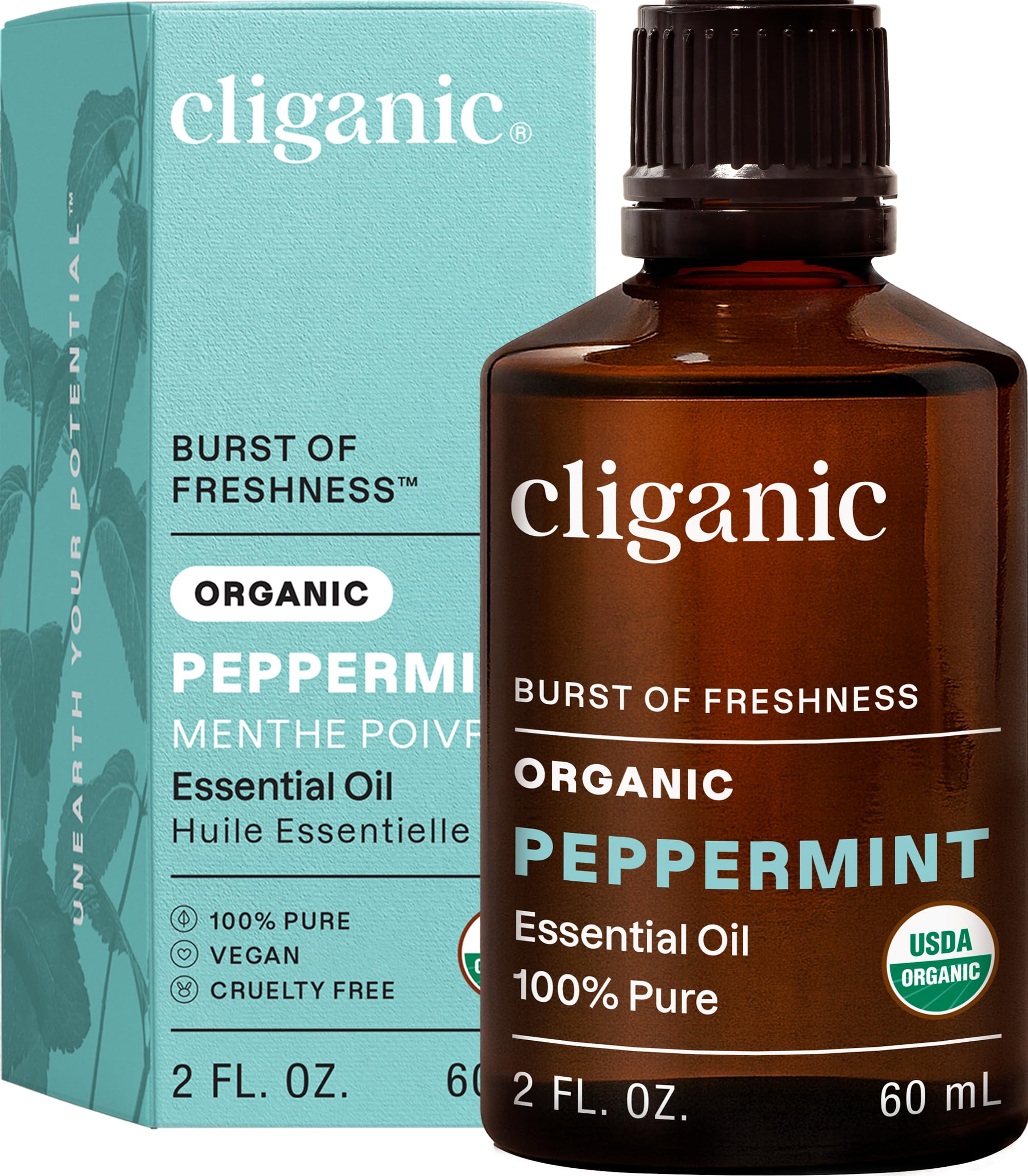
A USDA-certified organic peppermint oil that’s 100% single-ingredient, third-party tested, and strong enough that a few drops go a long way.
Why I picked it: USDA organic, single-ingredient purity, and independent lab testing.
Best for: Anyone who wants an organic, reliable peppermint for diffusion and DIY blends.
Premium organic option worth the investment.
Pros
- USDA organic certified
- 100% single-ingredient oil
- Third-party purity testing
- Strong, long-lasting scent
Cons
- Very potent—needs careful dilution
- Only a single scent option
My take
I reach for this Cliganic peppermint when I want a clean, unmistakable mint that’s verifiably organic. The oil is bright and sharp out of the bottle; in my diffuser two or three drops fill a medium room without feeling cloying.
Because it’s USDA organic and non-GMO certified, I’m comfortable using small amounts in topical blends after proper dilution. It mixes beautifully with citrus and eucalyptus when I want a fresher profile.
My practical tip: start with one or two drops in a small diffuser and dial up only if needed. The potency delivers great scent throw, so I rarely use more than that.
2. Brooklyn Botany Peppermint Essential Oil — Huge 4 fl oz, Amber Bottle – Best Large Bottle Value
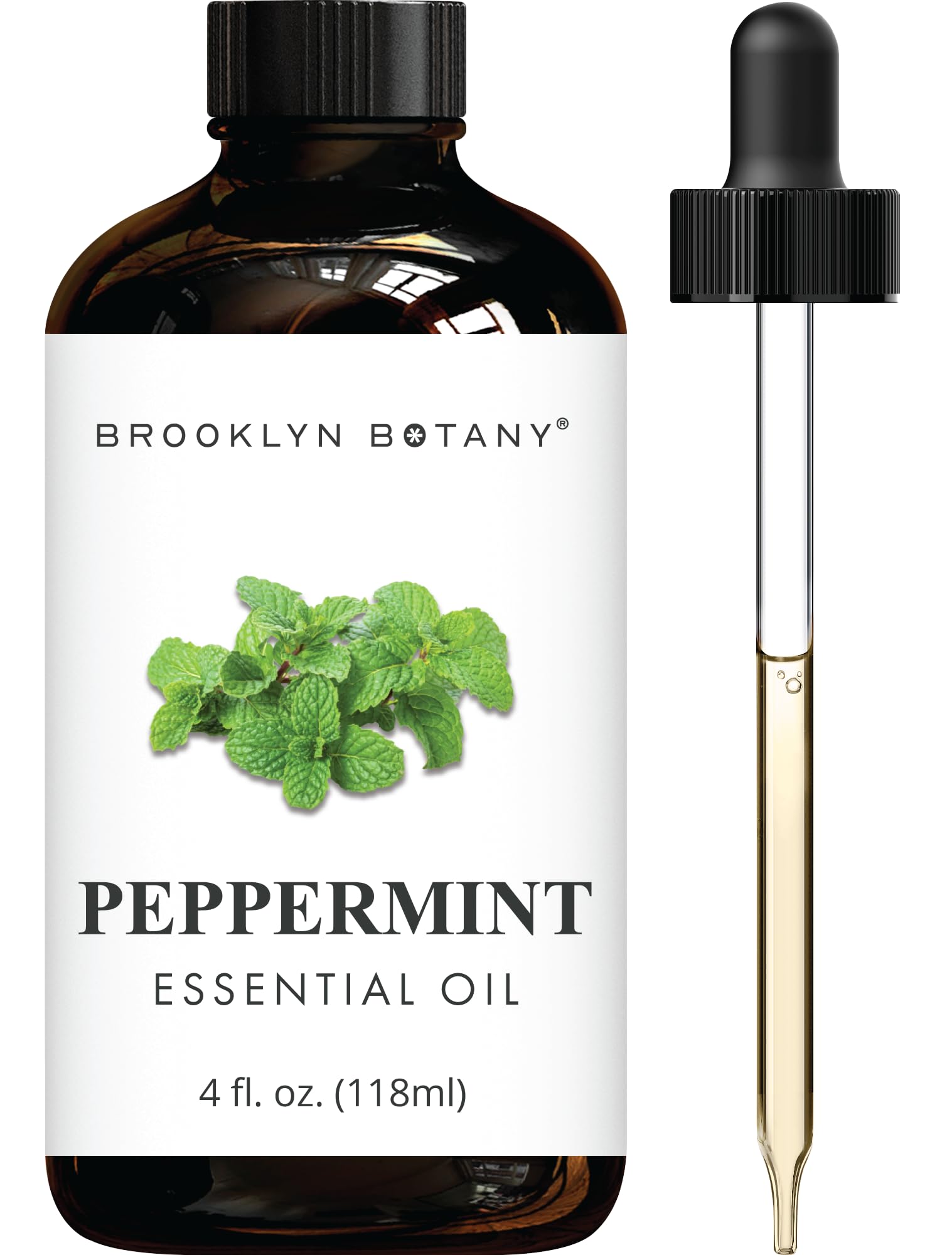
A very potent peppermint oil offered in a large amber bottle with a dropper—ideal when you use peppermint frequently or in larger projects.
Why I picked it: Big bottle size, amber glass with dropper, and potent, single-ingredient formula.
Best for: People who use peppermint daily for diffusers, DIY cleaners, or pest deterrent mixes.
Great value for heavy users thanks to the large format.
Pros
- Generous 4 fl oz bottle
- Amber bottle protects from UV
- Included dropper for controlled dosing
- Very potent and versatile
Cons
- Can overpower small spaces
- Large bottle may be heavy to store
My take
When I need peppermint in bulk—for diffusers across the house or for DIY sprays—Brooklyn Botany’s large bottle has been my go-to. The amber glass and dropper are practical; I can dose precisely without wasting oil.
In my experience the scent stays true for a long time, and a few drops mixed with water and a tiny bit of dish soap makes an effective, natural pest-deterrent spray I use around the garage and pantry.
If you primarily scent a single small room, use fewer drops than you think. The potency here is an asset for larger projects and long-term value.
3. Pure Body Naturals Peppermint Essential Oil — Pure Mentha Piperita, 4 fl oz – Best Economical Large Bottle
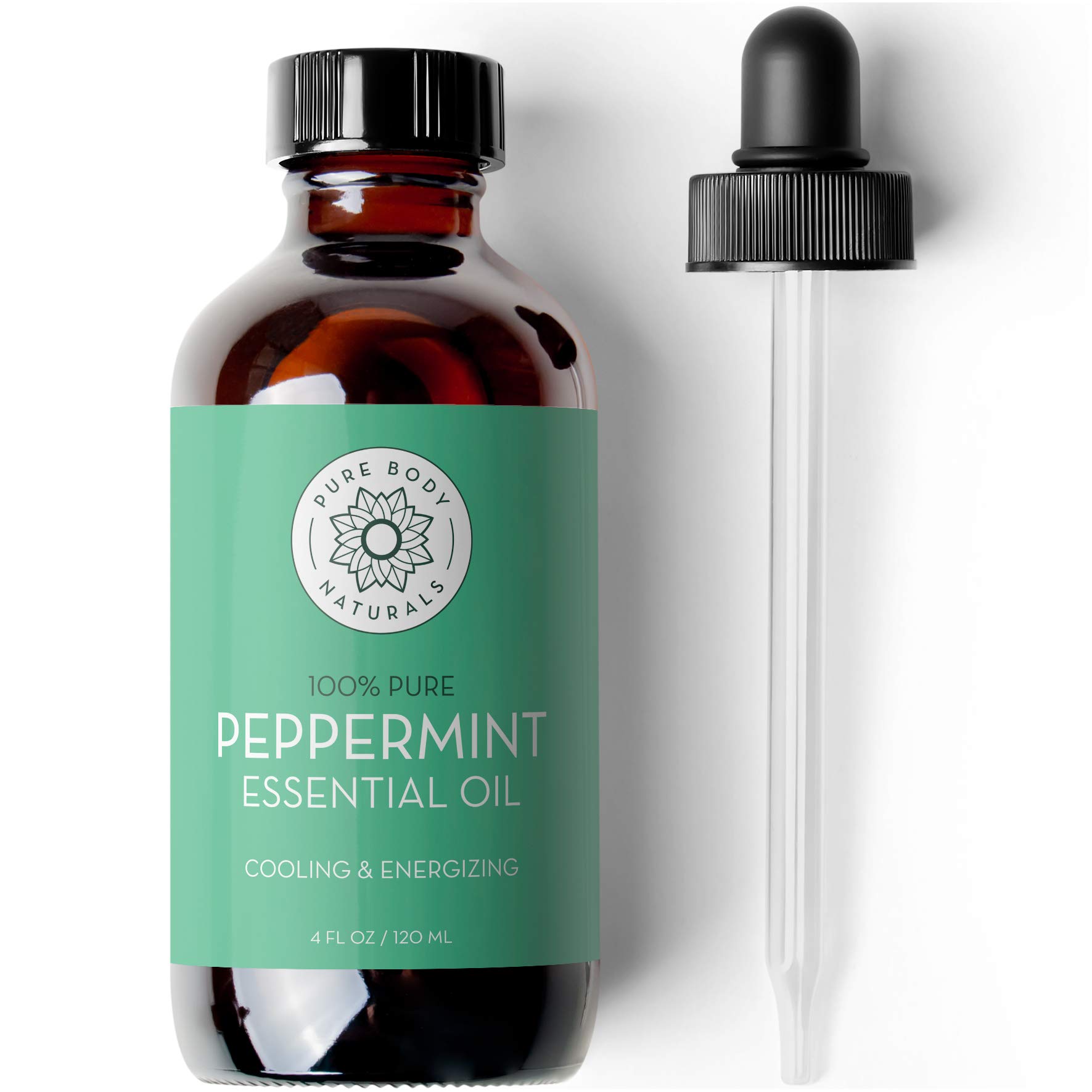
A large, economical bottle of undiluted peppermint with a sweet, sharp aroma and independent lab testing to confirm purity.
Why I picked it: Large volume, lab-tested purity, and an assertive mint profile.
Best for: Anyone who wants a strong peppermint for diffusion, topical blends (diluted), and household uses.
Value-oriented large bottle suited to regular use.
Pros
- Large 4 fl oz supply
- Strong, sweet-sharp aroma
- Independent lab-tested
- Versatile applications
Cons
- Eye-watering potency for some
- Must dilute for topical use
My take
I keep a bottle of Pure Body Naturals in my supply shelf because it delivers a true, sharp peppermint that performs in every use I’ve tried—diffusers, homemade balms (properly diluted), and even in small cleaning mixes.
The dropper controls flow well, which matters with this level of potency; a little truly goes a long way. For diffusion I typically use five drops in a larger ultrasonic tank and two to three drops in smaller units.
As with any undiluted peppermint, I’m careful on skin. I always mix it into a carrier oil for topical applications and avoid undiluted contact.
4. P&J Trading Rose Scented Oil — Fragrance Oil for Candles, Soap, Diffuser, 30 ml – Best for DIY Rose Scent
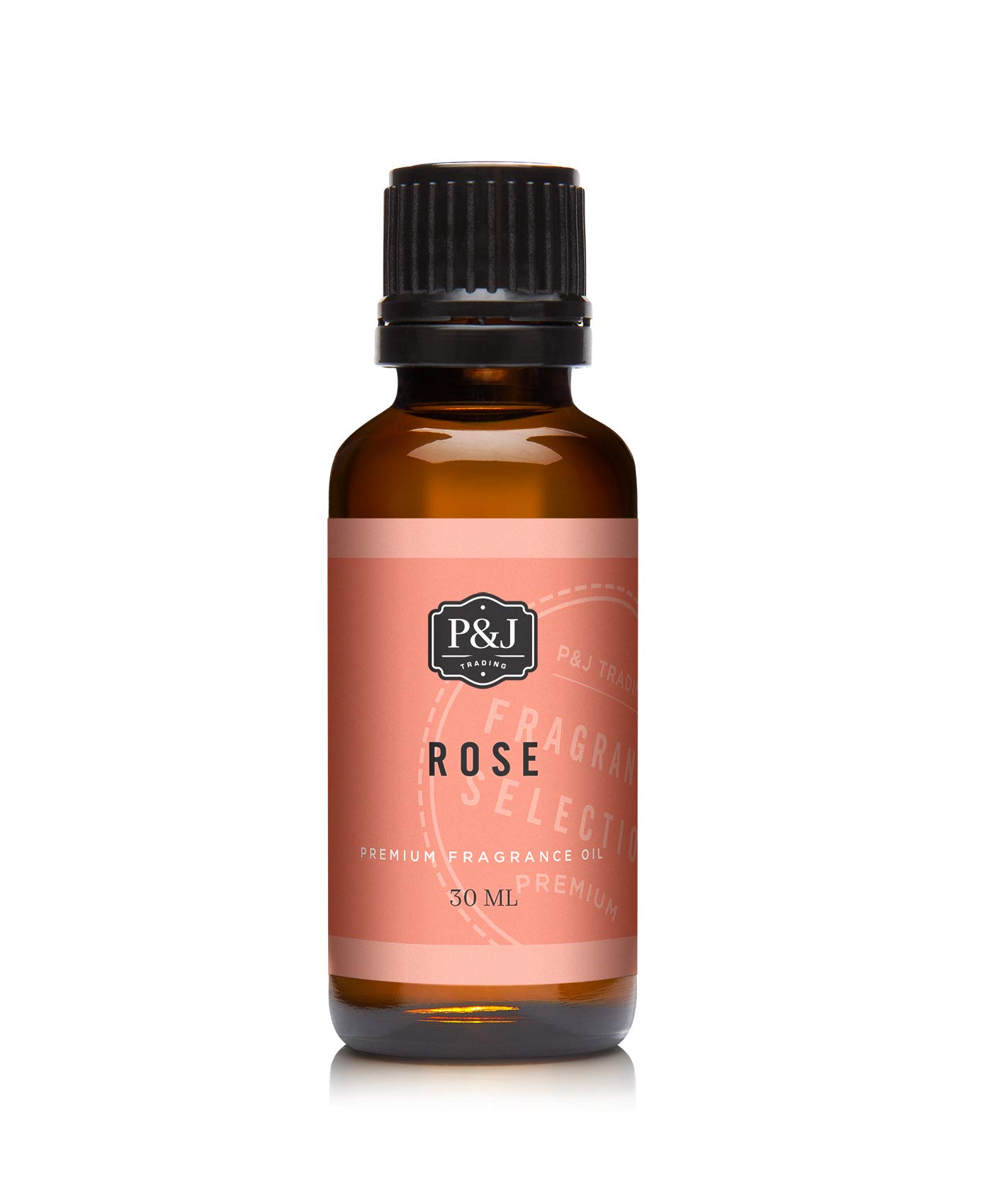
A concentrated rose fragrance oil developed by master perfumers, engineered for strong scent throw in candles, soaps, and diffusers.
Why I picked it: Realistic rose aroma, strong scent throw, and crafted for DIY applications.
Best for: Candle makers, soap crafters, and anyone wanting a true rose scent in projects.
Craft-grade fragrance oil built for DIY and large projects.
Pros
- Authentic rose fragrance
- Strong scent throw in candles
- Amber bottle with euro dropper
- Made in the USA
Cons
- Not intended for lip products
- Highly concentrated—easy to overdo
My take
I use P&J’s rose oil when I want a floral centerpiece in a candle or soap. It’s one of the truest rose scents I’ve blended into soy candles; the throw remains impressive even in larger rooms.
It’s formulated by experienced perfumers, so the scent is layered rather than one-note. That makes it easy to pair with lighter florals or use as a dominant single note.
Practical note: start small in formulations. A tiny amount heats up the scent profile quickly, so measure carefully when working with hot wax or body products.
5. P&J Fragrance Oil Teakwood — Candle & Diffuser Scent, 100 ml – Best Woody Fragrance for Crafts
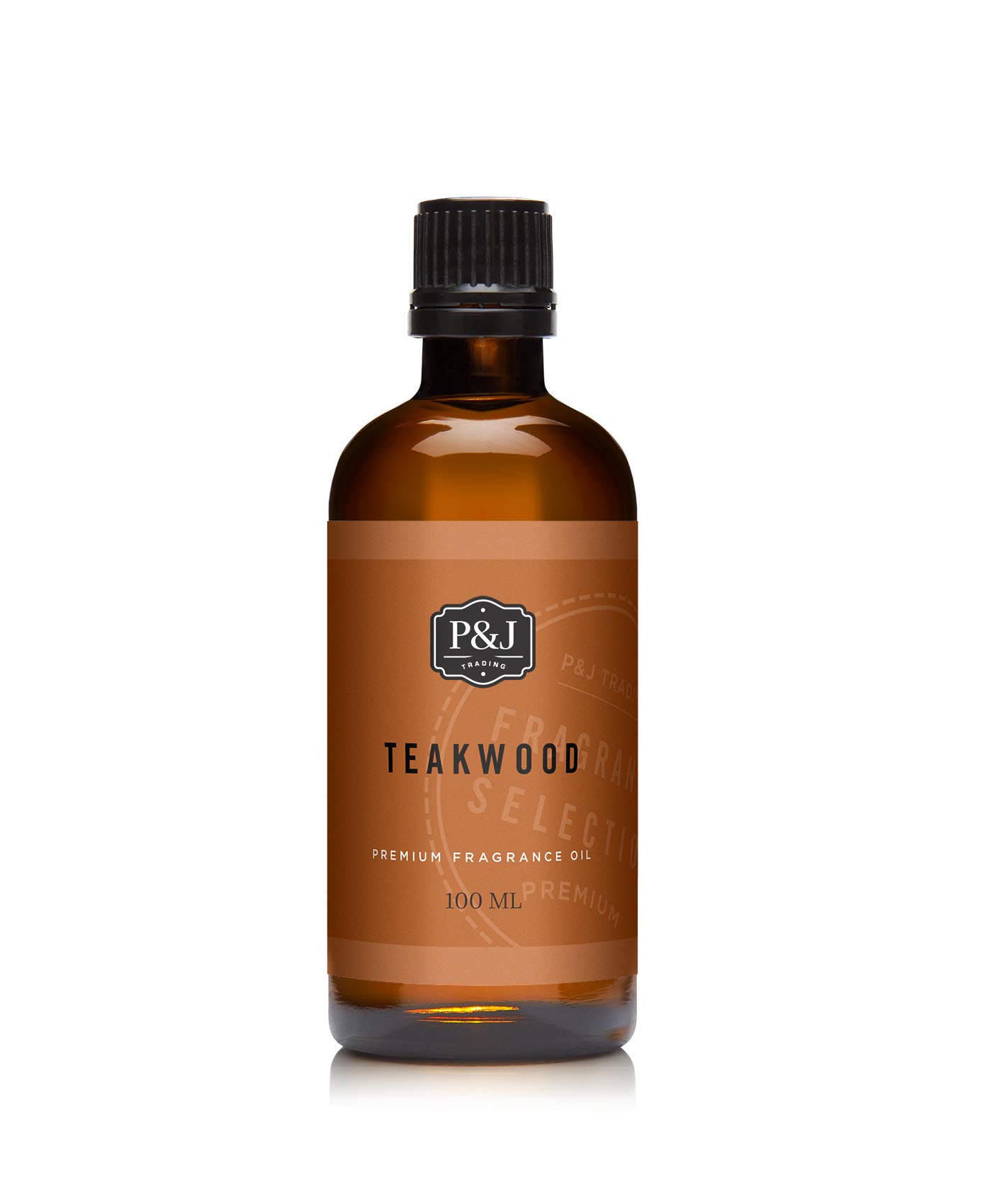
A warm, slightly smoky teakwood fragrance that reads as a clean, masculine base note—excellent for soaps, candles, and signature home scents.
Why I picked it: Smooth, rich teakwood that blends well as a base note in many formulas.
Best for: Crafters and anyone who wants a long-lasting, masculine wood scent.
Larger craft-sized bottle good for hobbyists and small businesses.
Pros
- Smooth, true teakwood scent
- Great as a base note
- Blends well with other fragrances
- Works heated or cold
Cons
- Highly concentrated—use sparingly
- Can be intense if overapplied
My take
I’ve mixed this Teakwood into soaps, wax melts, and lotions and consistently come away impressed by its clean, gentlemanly profile. It doesn’t skew sweet or artificial; instead it sits as a warm, smoky base that carries other notes well.
A dab goes a long way. When I’m crafting, I add it as a mid or base note and layer lighter top notes for complexity. It warms nicely in wax warmers and gives a steady, non-sharp throw.
My workflow tip: test blends on small batches. Teakwood is powerful as a foundation, but balancing top notes keeps it from dominating a finished product.
6. Edens Garden Peppermint Essential Oil — GC-MS Tested, 10 ml – Best for Transparency & Therapeutic Use
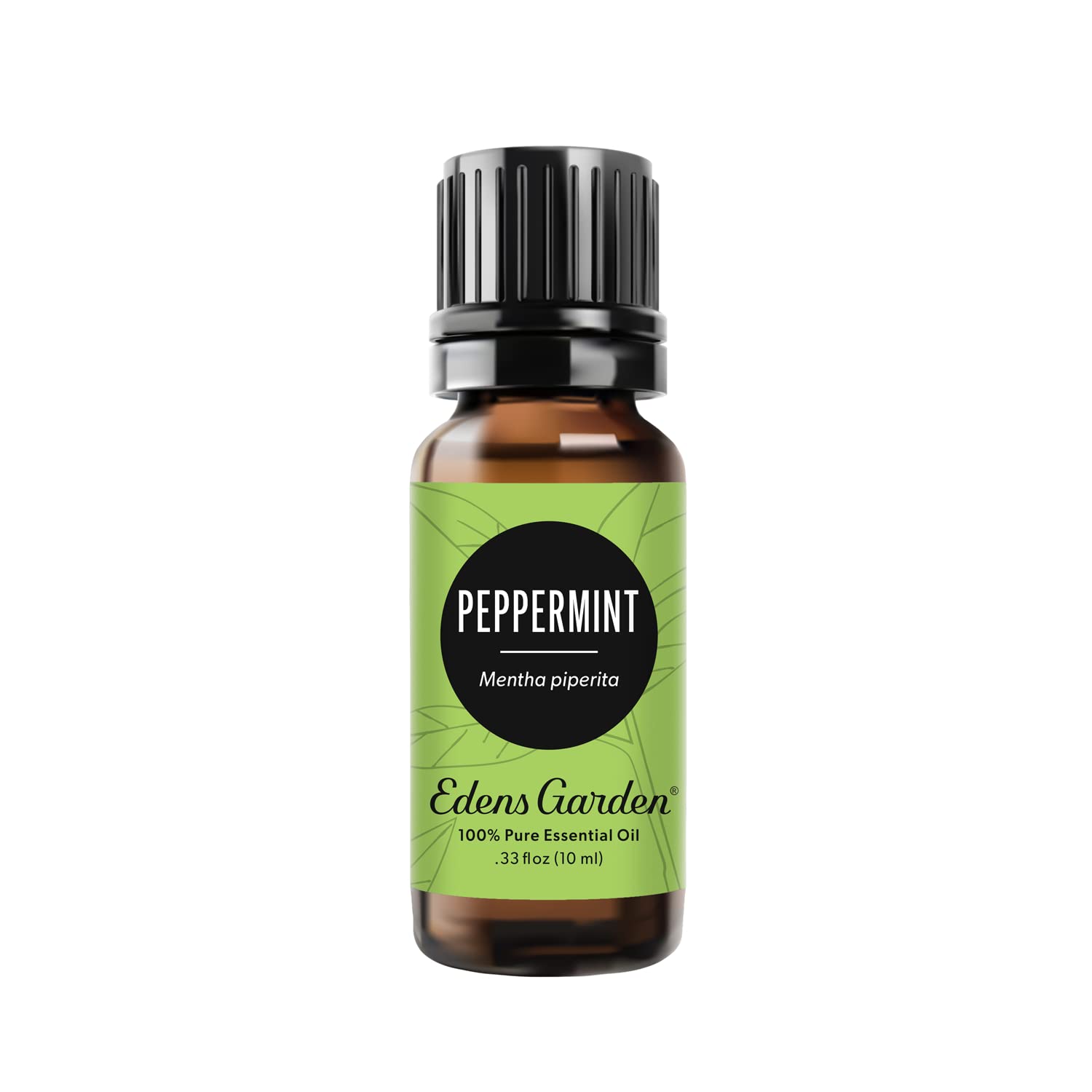
A compact peppermint oil that emphasizes transparency with GC-MS reports for every batch, offering a crisp, invigorating aroma suited to aromatherapy.
Why I picked it: Batch-level GC-MS reports and therapeutic-grade sourcing.
Best for: People who value analytical transparency and therapeutic-grade oils.
A small-format, premium option focused on lab transparency.
Pros
- GC-MS reports for every batch
- Therapeutic-grade sourcing
- Clean, invigorating aroma
- Blends well with citrus and florals
Cons
- Small bottle for heavy users
- May require replenishing more often
My take
I appreciate Edens Garden when I want a peppermint oil backed by lab data. The GC-MS reports give me confidence about composition, and the aroma reads crisp and clean in both diffusers and topical blends.
In practice I use this bottle for targeted aromatherapy sessions and for mixing into personal inhalers. It lifts the air immediately and pairs nicely with lavender when I want a calmer minty blend.
If you diffuse peppermint daily throughout a large home, plan for more frequent repurchases because the 10 ml format is compact and intended for focused use.
How I Choose Diffuser Oils
Essential Oils vs. Fragrance Oils
I treat essential oils as plant-derived, often steam-distilled aromatics that I use for diffusion and diluted topical work. Fragrance oils are engineered blends designed for consistent scent throw in candles and body products.
When I want therapeutic benefits or true botanical aroma, I pick an essential oil. For reliable candle performance or crafting consistency, I reach for a fragrance oil.
- Use essential oils for aromatherapy and dilute for topical use.
- Choose fragrance oils for candle-making, lotion bases, and soaps.
- Check for GC-MS or third-party testing when purity matters.
Potency, Dosage, and Dilution
Potency varies wildly. I always start with fewer drops than I think I need—especially with peppermint and concentrated fragrance oils.
For topical applications I dilute essential oils into a carrier at appropriate ratios and perform a patch test.
- Diffusers: 2–6 drops depending on unit size.
- Topical blends: typical dilution is 1–5% in a carrier oil.
- Candles/soap: follow supplier guidelines for fragrance load.
Storage and Bottle Types
I store oils in amber glass away from heat and light to preserve aroma. Dropper tops and euro caps help me measure and keep the bottle sealed.
Large bottles make sense if you blend frequently; small bottles are perfect for rotation and specialty scents.
- Store in amber glass, cool and dark.
- Use droppers or pipettes for precise dosing.
- Label blends and dates to track shelf life.
Frequently Asked Questions
Can I use fragrance oils in a diffuser?
Yes—I use fragrance oils in electric or heat-based diffusers for scenting rooms, but I avoid putting fragrance oils into ultrasonic diffusers that are intended for water-only essential oil use. Fragrance oils are formulated for scent throw rather than therapeutic properties.
How many drops of peppermint oil should I use in a diffuser?
I typically use 2–3 drops in a small ultrasonic diffuser and 4–6 drops in larger tanks. Start low and increase gradually to find the balance that works for your space.
Are essential oils safe around pets?
I’m cautious with pets: I limit diffusion time, ensure good ventilation, and avoid direct skin application to animals. Some oils can be more irritating to pets, so I consult reliable pet-safety resources and my vet for specific guidance.
Final Take
Across my testing, organic, lab-tested peppermint oils deliver the cleanest, most functional mint scent, while P&J’s fragrance oils excel in candle and craft work.
Pick the format that matches your goal: essentials for aromatherapy and therapeutic use, fragrance oils for reliable scent throw in DIYs.
I keep a mix of these in my kit so I can choose the right oil for diffusing, blending, or making candles.
