
I tested six dried mushroom options across texture, flavor, rehydration, and convenience. Here are the ones I keep stocked for risotto, ramen, sauces, and quick weeknight meals.
I cook with dried mushrooms year-round because they concentrate flavor, store forever, and rescue any dish that needs instant umami. For this roundup I focused on how well each variety rehydrates, how true the flavor is to the fresh version, and how easy they are to work into everyday recipes.
I included porcini for classic Italian dishes, shiitake for Asian cooking, morels for special occasions, freeze-dried dices for convenience, and compressed wood ear for big-yield soups. Below I explain where each shines and when I reach for it in my kitchen.
I evaluated these mushrooms on flavor intensity, piece size and condition, rehydration time and yield, packaging convenience, and how they performed once cooked into complete dishes.
1. Vigorous Mountains Dried Porcini Mushrooms – Best Value Porcini
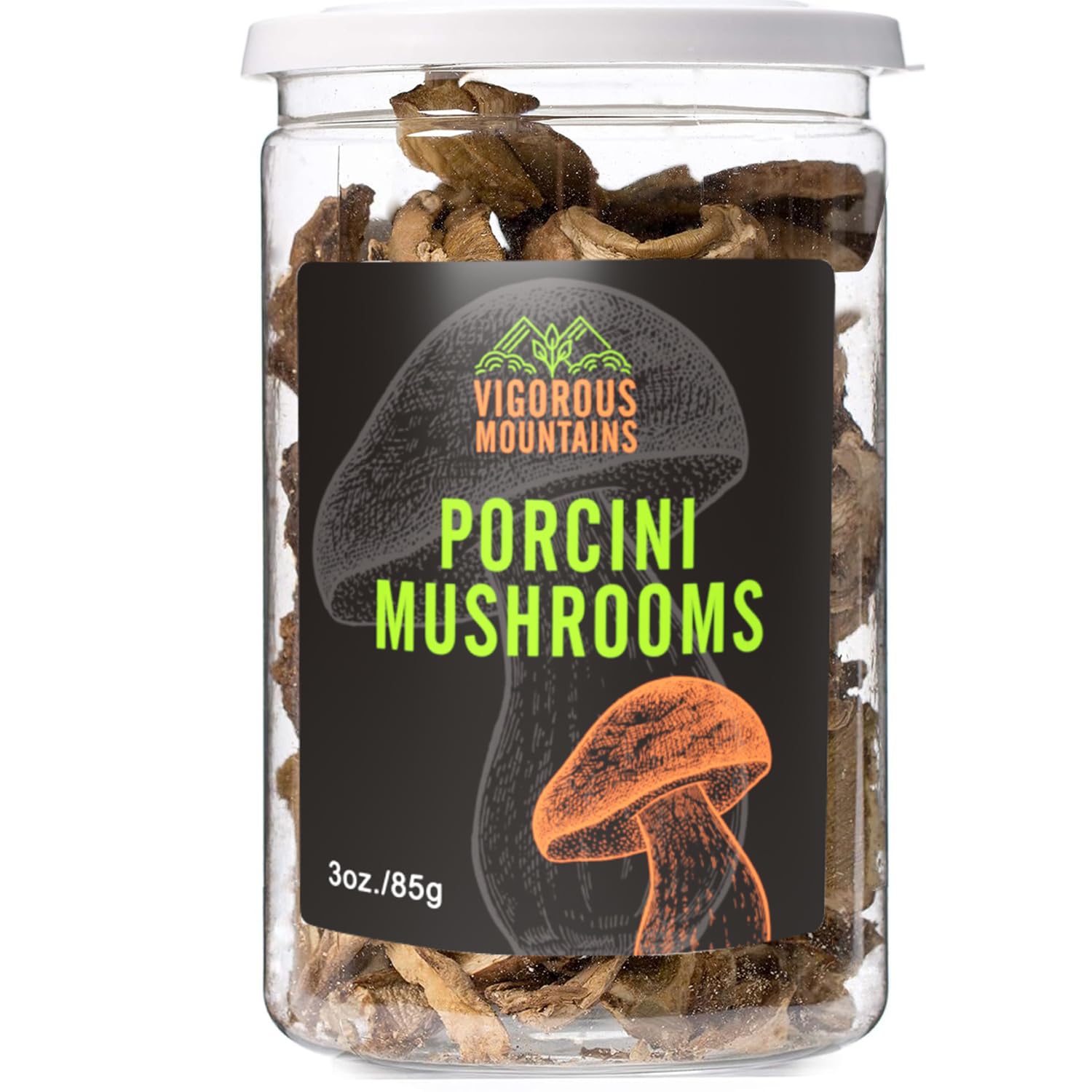
I reach for these porcini when I want a solid umami kick without fuss. The pieces are large, hydrate predictably, and the resealable bag keeps them handy for several uses.
Why I picked it: Big pieces with concentrated, meaty porcini flavor and easy resealable packaging.
Best for: Risottos, mushroom sauces, braises and quick pan sautés.
An affordable pantry porcini that delivers good flavor for everyday cooking.
Pros
- Robust, meaty umami
- Large pieces that hydrate well
- Resealable bag for storage
- Versatile across recipes
Cons
- Smaller pack size than some competitors
- Flavor varies slightly batch to batch
My take
I used these porcini for a classic mushroom risotto and the result was impressive: deep, savory flavor without needing long reduction. The pieces rehydrated quickly when I soaked them in warm broth and retained a pleasant, meaty bite.
The bag arrives clean and I found very little grit in the soaking water. Because the pieces are large, I could slice some for the risotto and reserve whole mushrooms for a pan-fried garnish. The resealable pouch makes it easy to use a portion and keep the rest fresh.
2. Dynasty Dried Shiitake Mushrooms – Best for Asian Dishes
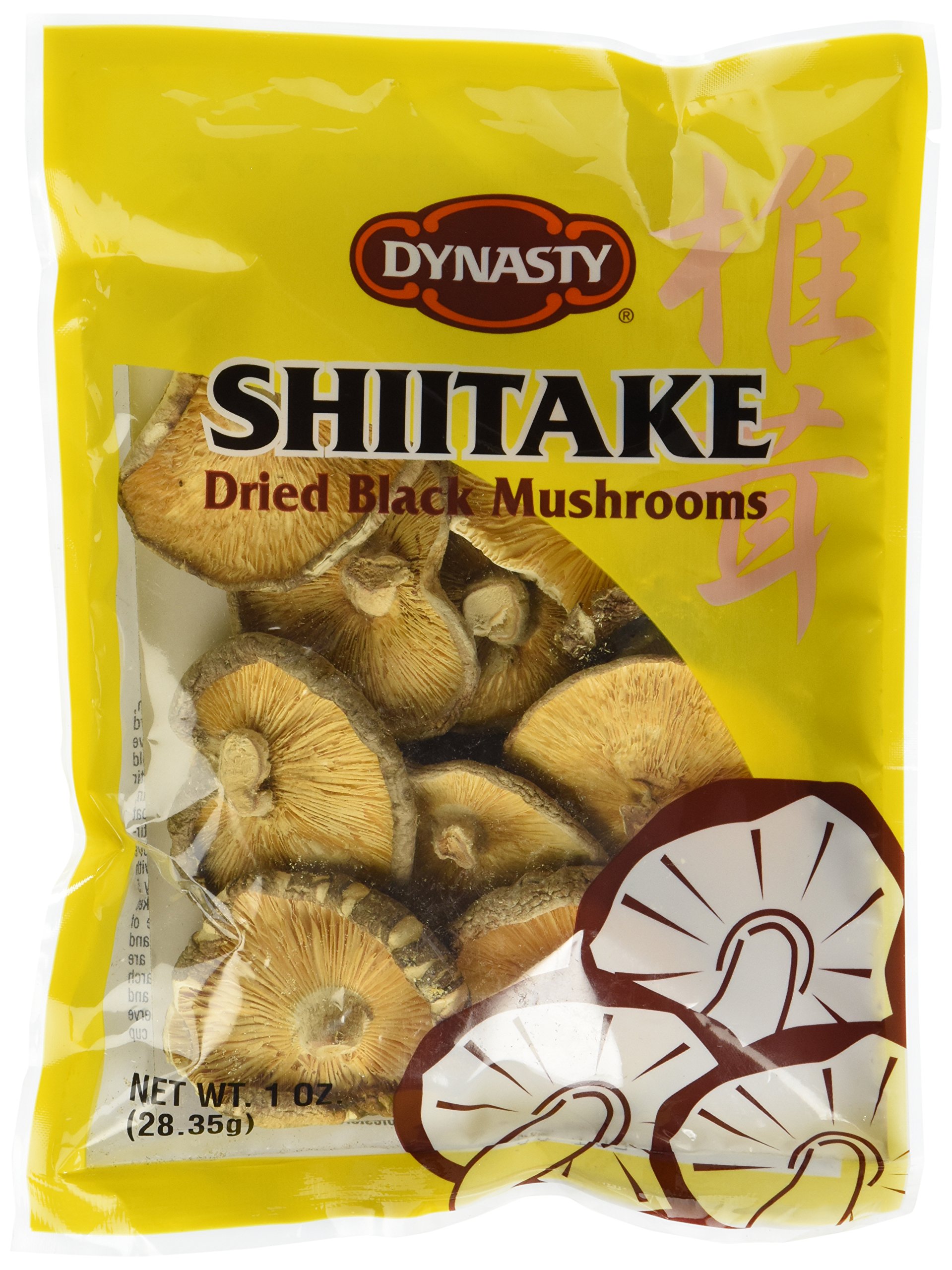
I keep a jar of these shiitakes in the cupboard for quick soups and stir-fries. They rehydrate rapidly and add a sweet-savory backbone to broths and noodle bowls.
Why I picked it: Fast rehydration and a sweet-savory shiitake note that suits ramen and stir-fries.
Best for: Ramen, stir-fries, soups, and rice dishes.
A budget-friendly staple for everyday Asian-inspired cooking.
Pros
- Rehydrates quickly
- Sweet-savory flavor
- Holds shape after soaking
Cons
- Thinner slices, less meaty
- Flavor not as deep as fresh shiitake
My take
These shiitakes are my go-to when I need mushrooms for a quick ramen or a stir-fry. I often soak them for 10–30 minutes depending on how I’ll use them; they plump up fast and add a clear shiitake aroma to the broth.
Texture is pleasantly chewy rather than rubbery, and the pieces keep their shape so they’re easy to slice or dice after rehydration. They won’t replace very meaty fresh shiitake for a show-stopping mushroom course, but they do an excellent job as a convenient pantry option.
3. Slofoodgroup Dried Morel Mushrooms – Best Gourmet Morel
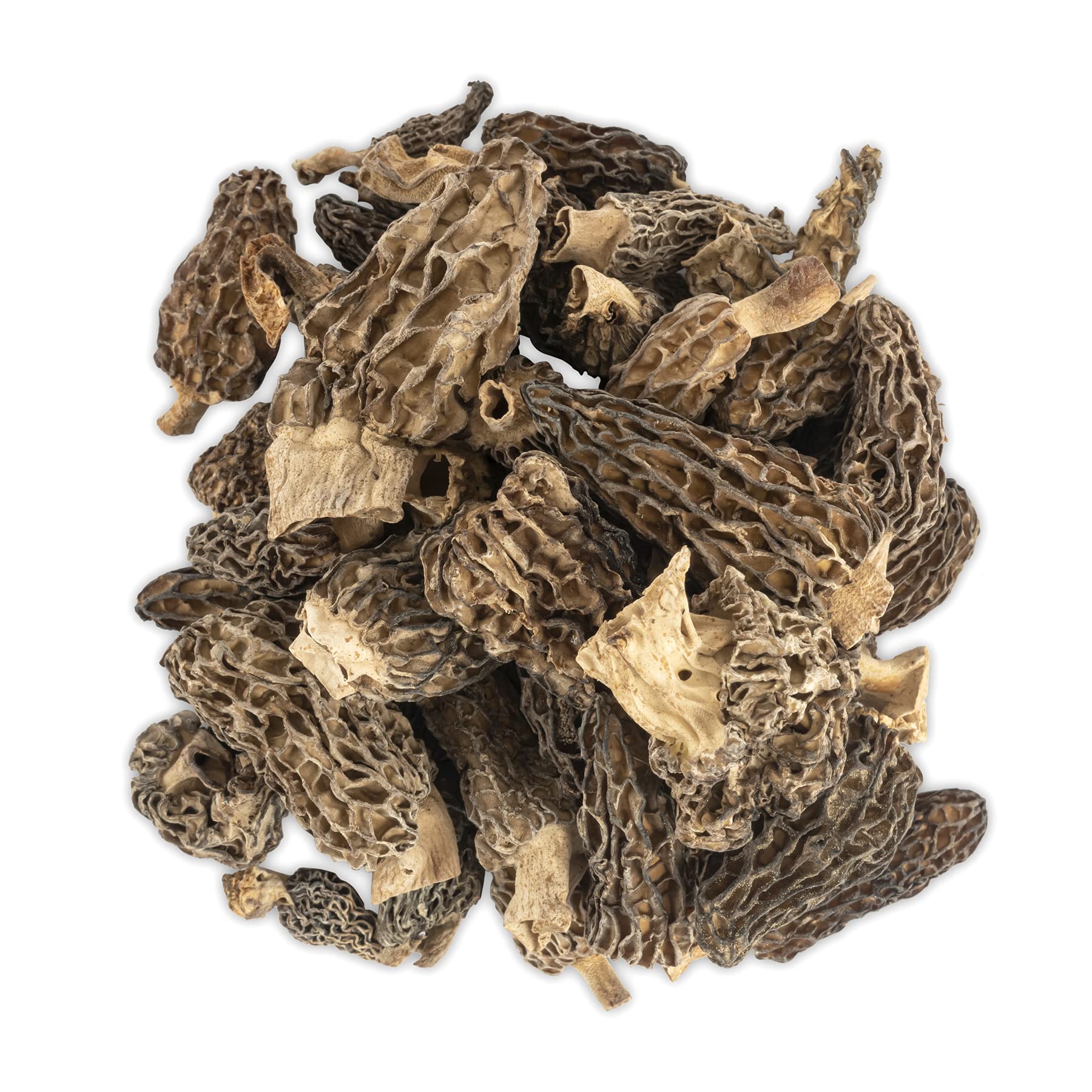
When I want true morel character—smoky, earthy, and fragrant—I pull out these wild-harvested morels. A little goes a long way in pasta, sauces, and special dishes.
Why I picked it: Authentic wild morel aroma and flavor that elevates special-occasion recipes.
Best for: Gourmet pasta, stroganoff, sauces, and dishes where morel flavor can shine.
A pricier, gourmet ingredient best reserved for special meals.
Pros
- Bold, smoky-earthy flavor
- Wild-harvested authenticity
- Kosher and non-GMO
Cons
- More expensive than common dried mushrooms
- Size and shape vary by batch
My take
These morels are a treat. I reconstitute them in very hot water for a full hour when I want the deepest flavor; that produced the closest result to fresh morels in my experience. For quicker uses I still get a noticeable earthy, almost oyster-like nuance.
I use a small amount of the soaking liquid in sauces so the morel essence carries throughout the dish. They worked beautifully in a pasta and in a pork Wellington, where just a few minced morels layered extra complexity into the filling.
4. Mushroom House Dried Porcini – Best Sliced Porcini
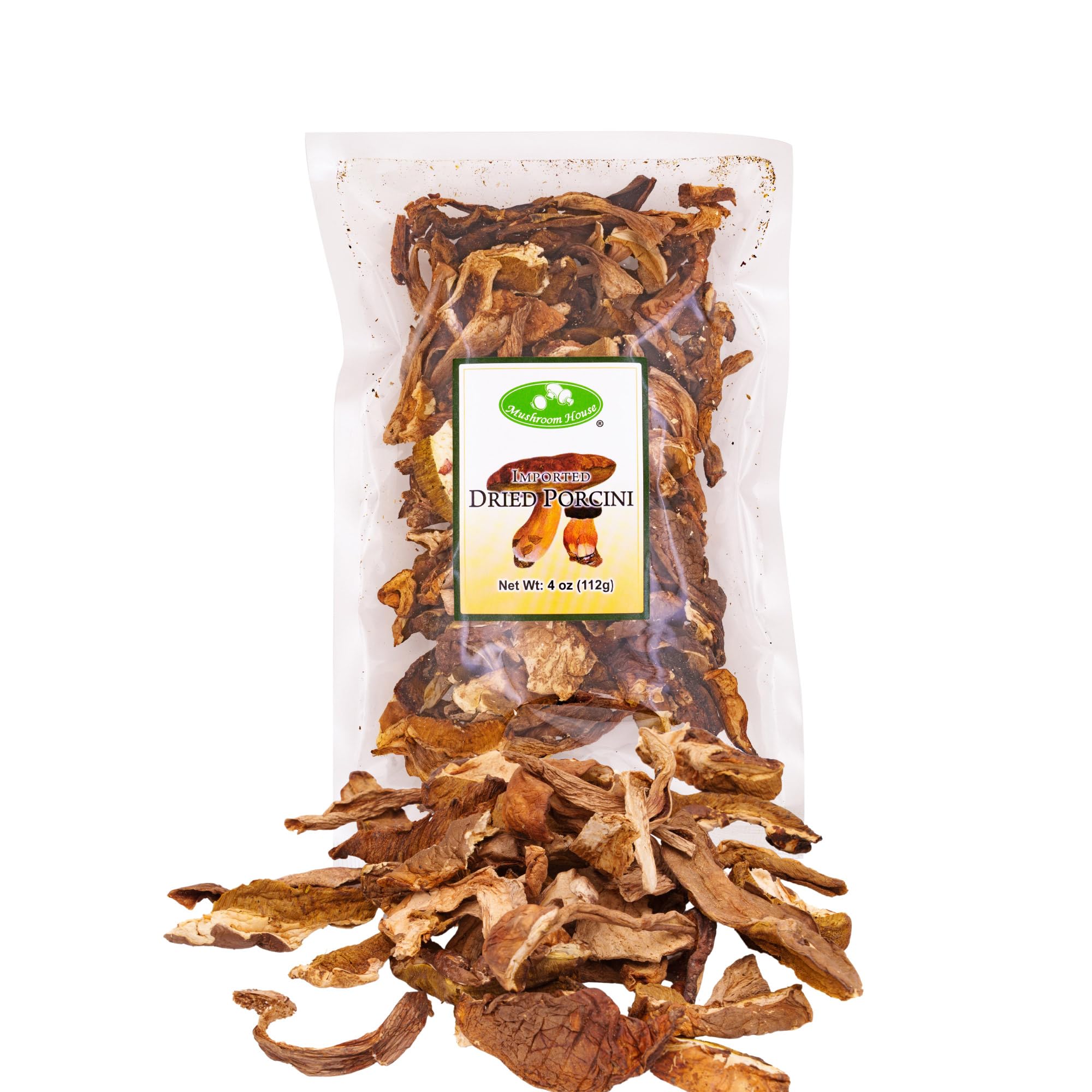
I appreciate the pre-sliced format when I want to speed up prep. These porcini deliver strong flavor and meaty pieces that are easy to fold into stews and sauces.
Why I picked it: Sliced for convenience with meaty pieces and a pronounced umami punch.
Best for: Sauces, risotto, lasagna, and any dish that benefits from ready-to-use slices.
A midrange porcini bag that’s convenient and pantry-ready.
Pros
- Pre-sliced for easy use
- Meaty, large pieces
- Long shelf life
Cons
- Batch-to-batch aroma can vary
- Occasional darker aroma notes
My take
Because these are sliced, I can toss them straight into a simmering sauce after a quick soak and save myself chopping time. They rehydrated into substantial, tender pieces that complemented a lasagne I made.
I did nibble a few straight from the bag and found them pleasantly tender. On one batch I detected a darker aroma that some might notice; in cooked applications that intensity mellowed and translated into extra depth on the plate.
5. Harmony House Freeze-Dried Mushroom Dices – Best for Convenience
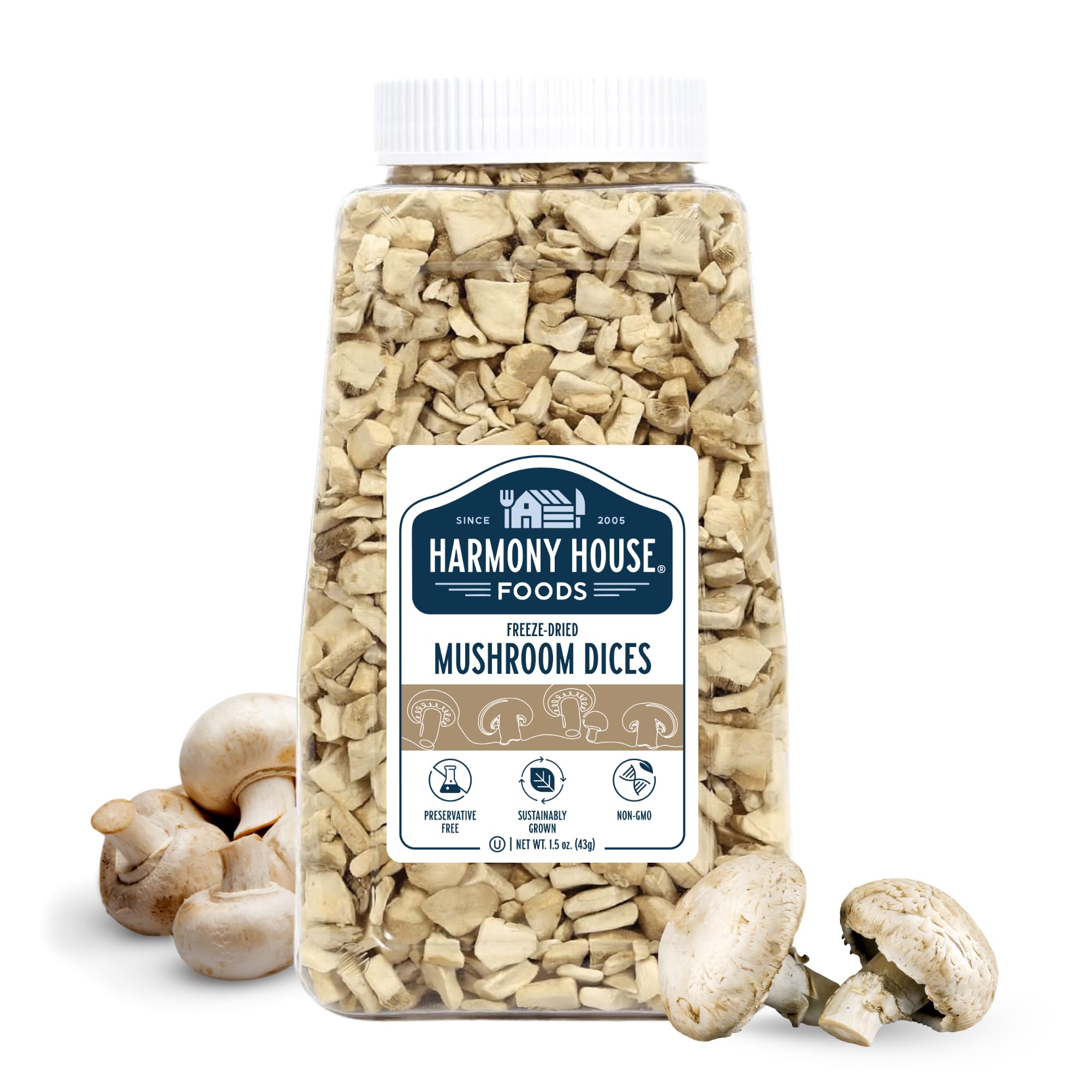
When I want zero prep time, these freeze-dried dices are invaluable. They rehydrate quickly and bring mushroom body to soups, stews, and emergency meal kits.
Why I picked it: Ready-to-use dices that rehydrate fast and remove chopping time.
Best for: Instant soups, ramen, gravies, and mixes for camping or emergency kits.
A convenience-focused option that saves prep time and reduces waste.
Pros
- No slicing or dicing needed
- Long shelf life
- Rehydrates predictably
Cons
- Less fresh-like texture
- Jar packaging can be bulky
My take
I add these dices to ramen and microwaveable meals when I want a quick upgrade. They rehydrate by the time the noodles are ready and add real mushroom presence without extra work.
In a cream soup I made, they blended into the base and I couldn’t tell they were freeze-dried in the finished texture. For meal kits, travel, or when I’m short on time, these are the most convenient option I keep on hand.
6. Compressed Dried Wood Ear (Black Fungus) – Best for Soups & Ramen
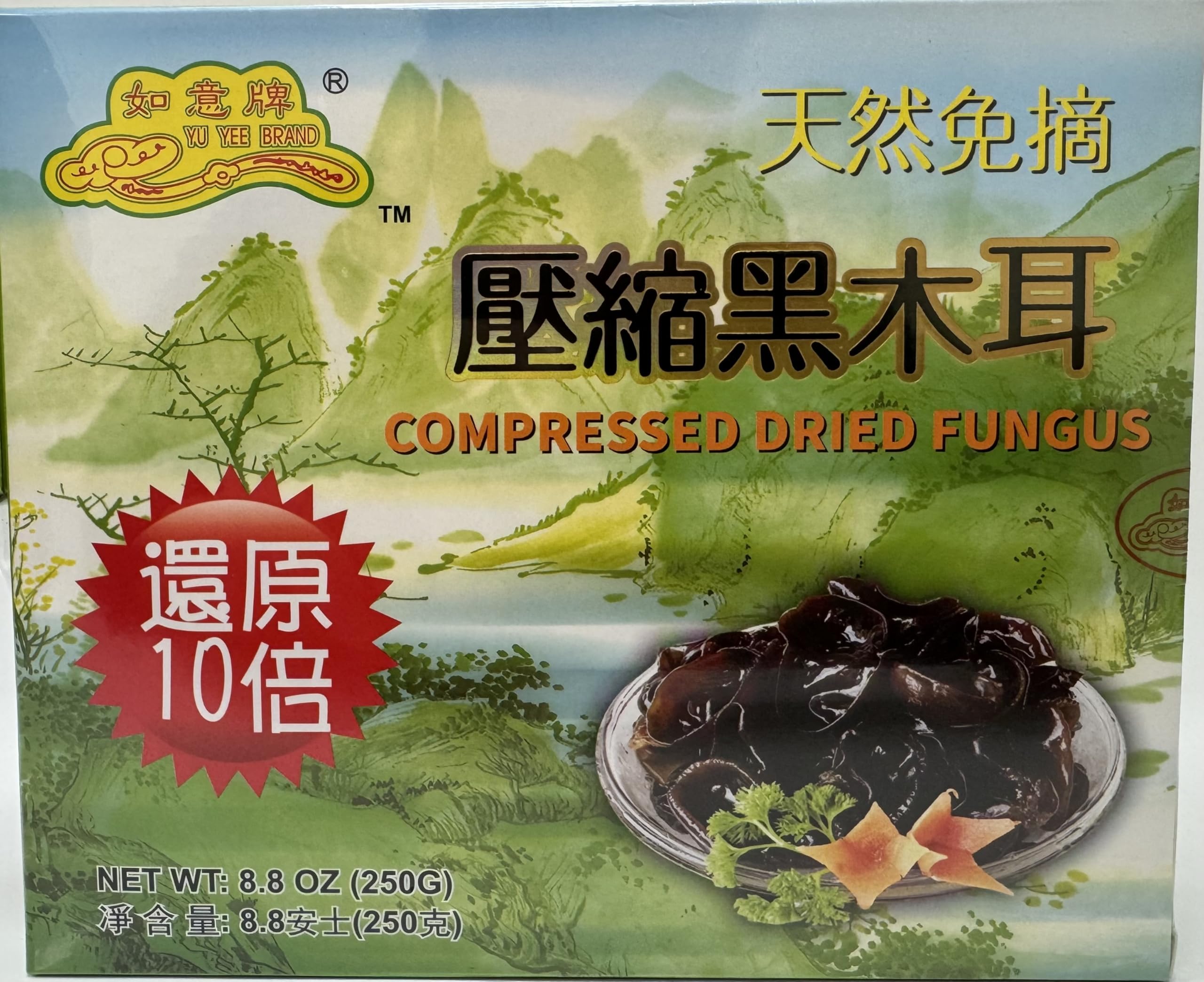
I use these compressed wood ear bricks when I need a huge yield and a pleasant crunchy texture in Asian soups and hot-and-sour dishes. They expand dramatically and rehydrate fast.
Why I picked it: Massive expansion from tiny compressed bricks and a satisfying, crunchy bite.
Best for: Ramen, hot-and-sour soup, stir-fries, and dishes needing texture contrast.
Economical for high-yield uses and bulk cooking.
Pros
- Expands roughly tenfold
- Crisp, crunchy texture after rehydration
- Great yield per package
Cons
- Packaging date not always printed clearly
- Not labeled organic
My take
These compressed bricks are deceptively tiny, but after 10–30 minutes in warm water they produced a huge volume of plump wood ear. I split one brick across multiple bowls of ramen and still had plenty left for another meal.
Texture is the highlight: a satisfying, slightly crunchy chew that I love in hot-and-sour soup and noodle bowls. I did notice the expiration date was applied to the wrap rather than printed on each block, so I keep them in a cool, dry place and use the oldest bricks first.
How I Choose Dried Mushrooms
Types and When I Use Them
I match the mushroom to the dish: porcini and morel for rich, creamy sauces and risotto; shiitake for broths, stir-fries, and ramen; wood ear for texture in soups; freeze-dried dices for instant convenience.
Wild-harvested morels and porcinis give pronounced, gourmet flavor, while shiitake and wood ear are workhorse mushrooms that perform across cuisines.
- Porcini: deep, meaty umami—use in risotto and sauces.
- Morel: smoky, floral-earth—reserve for special dishes.
- Shiitake: sweet-savory—great for broths and stir-fries.
- Wood Ear: crunchy texture—ideal for soups and salads.
- Freeze-dried dices: no prep—best for quick meals and kits.
Rehydration Tips I Follow
I tailor rehydration time to mushroom type and desired outcome. Lightly soak most porcini and shiitake for 20–30 minutes; morels benefit from hotter water and a longer soak to unlock deeper flavor.
I always reserve and strain the soaking liquid when I want additional flavor in stocks or sauces.
- Use warm water for quick rehydration; near-boiling for morels.
- Soak longer for fuller flavor; drain through a coffee filter if gritty.
- Add soaking liquid to sauces for concentrated mushroom flavor.
Storage and Shelf Life
I store dried and freeze-dried mushrooms in airtight containers in a cool, dark place. Properly sealed, most dried mushrooms keep their quality for many months to years.
If I open a resealable pouch or jar, I label it with the date opened and rotate older stock to the front.
- Keep away from heat, light, and moisture.
- Use resealable packaging or transfer to an airtight jar.
- Freeze-dried mushrooms are best for long-term kits; dried whole mushrooms excel for flavor.
Frequently Asked Questions
How long should I soak dried mushrooms?
I usually soak shiitake and porcini in warm water for 20–30 minutes. For morels I prefer very hot water and an hour if I want the fullest flavor. Freeze-dried dices often rehydrate in minutes, sometimes as the dish cooks.
Can I use the soaking liquid?
Yes—I always strain and save the soaking liquid to add into stocks or sauces for extra mushroom depth. If the water looks gritty, strain it through a fine-mesh sieve or coffee filter first.
Do dried mushrooms last a long time?
Properly sealed and stored in a cool, dry place, dried mushrooms keep their quality for many months to years. I label opened packages and use older product first to maintain best flavor.
Final Take
I keep at least three kinds of dried mushrooms on hand: porcini for Italian dishes, shiitake for Asian cooking, and either morels or freeze-dried dices for special occasions or convenience. Each brings something different to the table.
Use the tips above to get the most from your mushrooms: soak appropriately, save the soaking liquid, and store them tightly sealed. A small investment in the right dried mushroom transforms ordinary meals into something memorable.
