
I tested popular dusters for reach, dust-trapping, and everyday usability. These are the tools I use when I want fast, reliable dusting — from blinds and ceiling fans to wheels and pest control.
I spent time using each tool across common dusting jobs — blinds, ceiling fans, shelves, car wheels, and problem corners — to see which actually traps dust, which reaches, and which lasts.
My picks prioritize dust capture, ergonomics, and fit-for-purpose design so you can choose the right duster for quick maintenance or heavier-duty jobs.
Across these options I compared disposable refills (great for fast, allergen-trapping cleaning), extendable heads for high and awkward spots, a natural powder for pest control, and a washable microfiber tool for wheels and fan blades.
1. Swiffer Heavy Duty Duster Refills – Best Overall
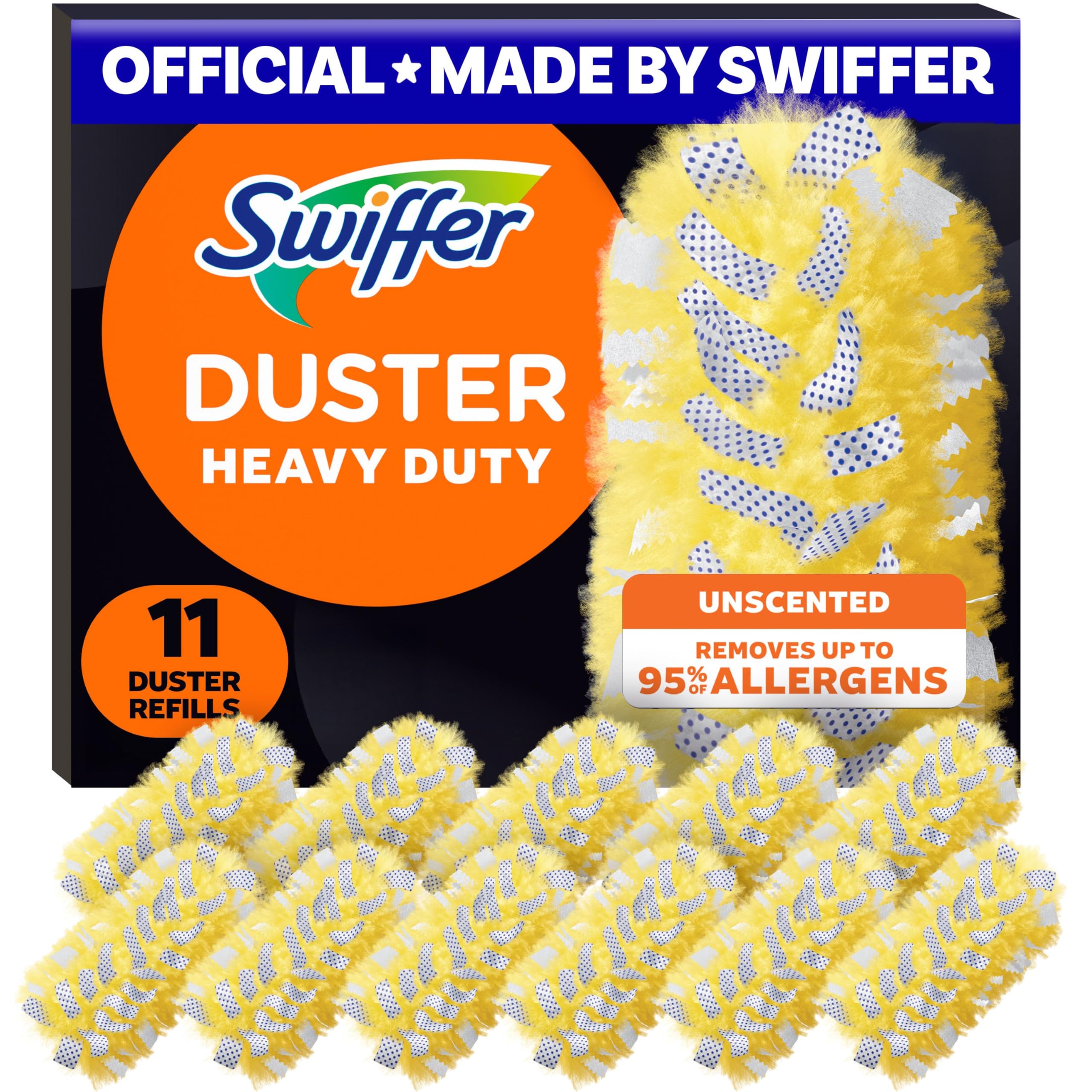
I rely on these heavy-duty refills for everyday dusting because their dust-busting strips and 360° fluffy fibers actually trap dust instead of just spreading it around. The pack includes multiple unscented refills; the handle is sold separately.
Why I picked it: They grab layers of built-up dust and reach nooks I normally skip.
Best for: Quick daily dusting, blinds, fan blades, tight spaces in apartments.
Good value for a multi-refill pack; factor the separate handle into cost.
Pros
- Traps dust instead of pushing it around
- 360° coverage for awkward surfaces
- Unscented — no artificial fragrance
- Lightweight and compact
- Great for blinds and slatted surfaces
Cons
- Handle sold separately
- Disposable heads add recurring cost
- Not for heavy grime removal
My take
I used these refills around my home for several weeks and they consistently held dust in the head rather than sending it back into the air. The dust-busting strips feel like they break up compacted dust so the coated fibers can grab it.
They work brilliantly on mini blinds and slatted furniture because I can clean both faces in one pass. For low furniture and narrow gaps the compact, flexible head gets into places my broom or cloth can’t reach.
I prefer the unscented version; it keeps surfaces neutral and avoids masking smells. Each head lasted longer than I expected with routine use, though I keep a mental stock because the handle is not included.
For fast, regular upkeep these refills make dusting painless. I set up auto-delivery when I started using them regularly because they’re that easy to reach for and replace.
2. Swiffer Duster XXL Extendable – Best for Reach
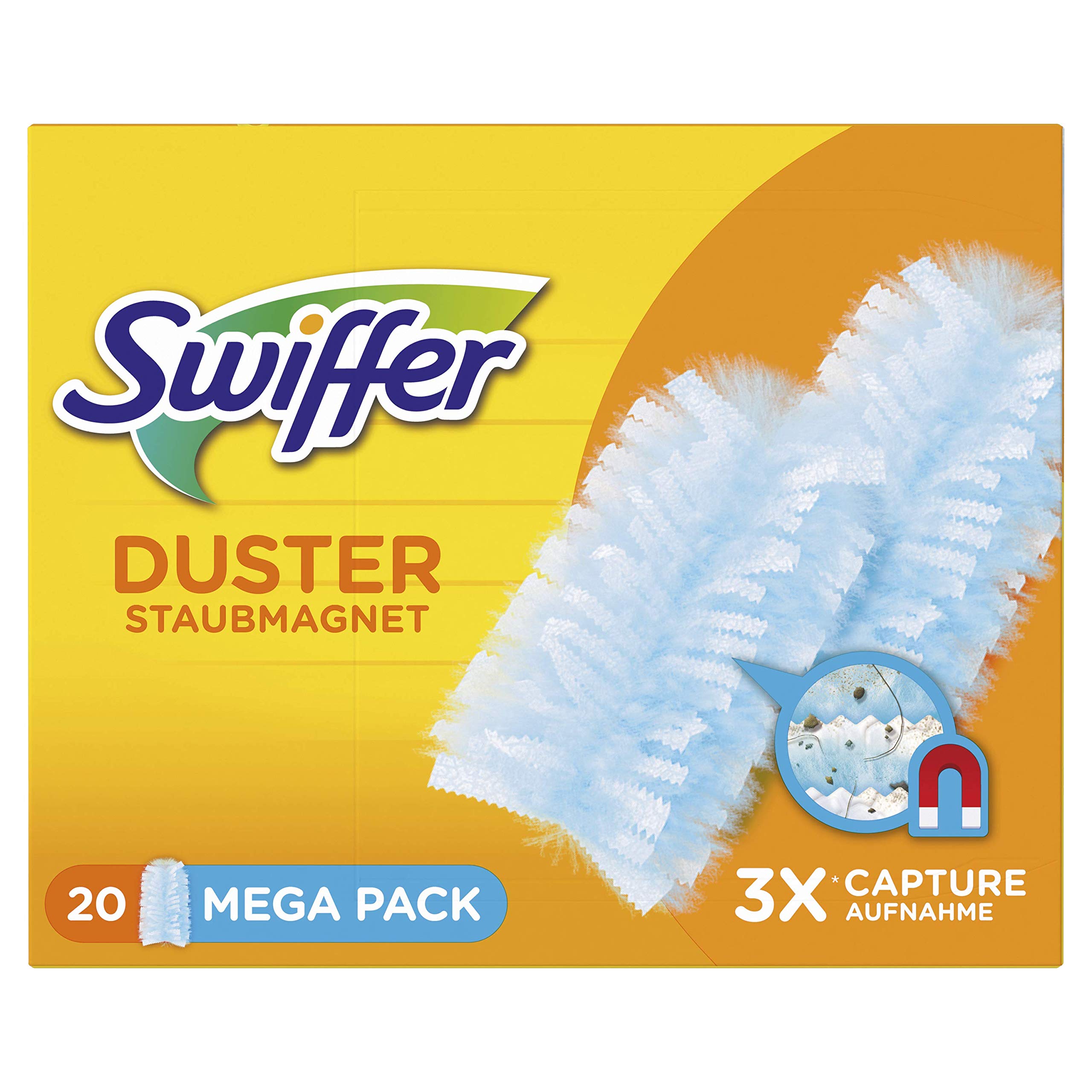
I picked the extendable, XXL Swiffer for jobs that require height or awkward angles — the head rotates and locks, and the fibers adapt to capture hair and allergens without scratching delicate surfaces.
Why I picked it: Extendable length and a rotating, lockable head for high and angled surfaces.
Best for: Ceiling fans, tall shelves, radiators, and dashboards.
Larger pack plus extendable design gives good utility for its cost.
Pros
- Extendable reach for high spots
- Rotating head locks in positions
- Gentle on electronics and finishes
- Fibers capture pet hair effectively
Cons
- Handle usually sold separately
- Can feel bulky in tight spaces
My take
When I needed to get ceiling fans and the top of bookcases, the XXL extendable duster saved me from dragging out a ladder. It telescopes to reach high areas and the head locks at several angles so I can swipe fan blades flat or at a tilt.
The lightweight fibers change shape to access corners and vents; I used it on radiators and car dashboards with no scratches. It’s especially helpful for homes with pets since it picks up fur without smearing.
I did notice the bulk of the extended setup makes it less nimble for narrow crevices, but for tall or awkward surfaces it’s the tool I reach for first.
3. Harris Food-Grade Diatomaceous Earth – Best Natural Option
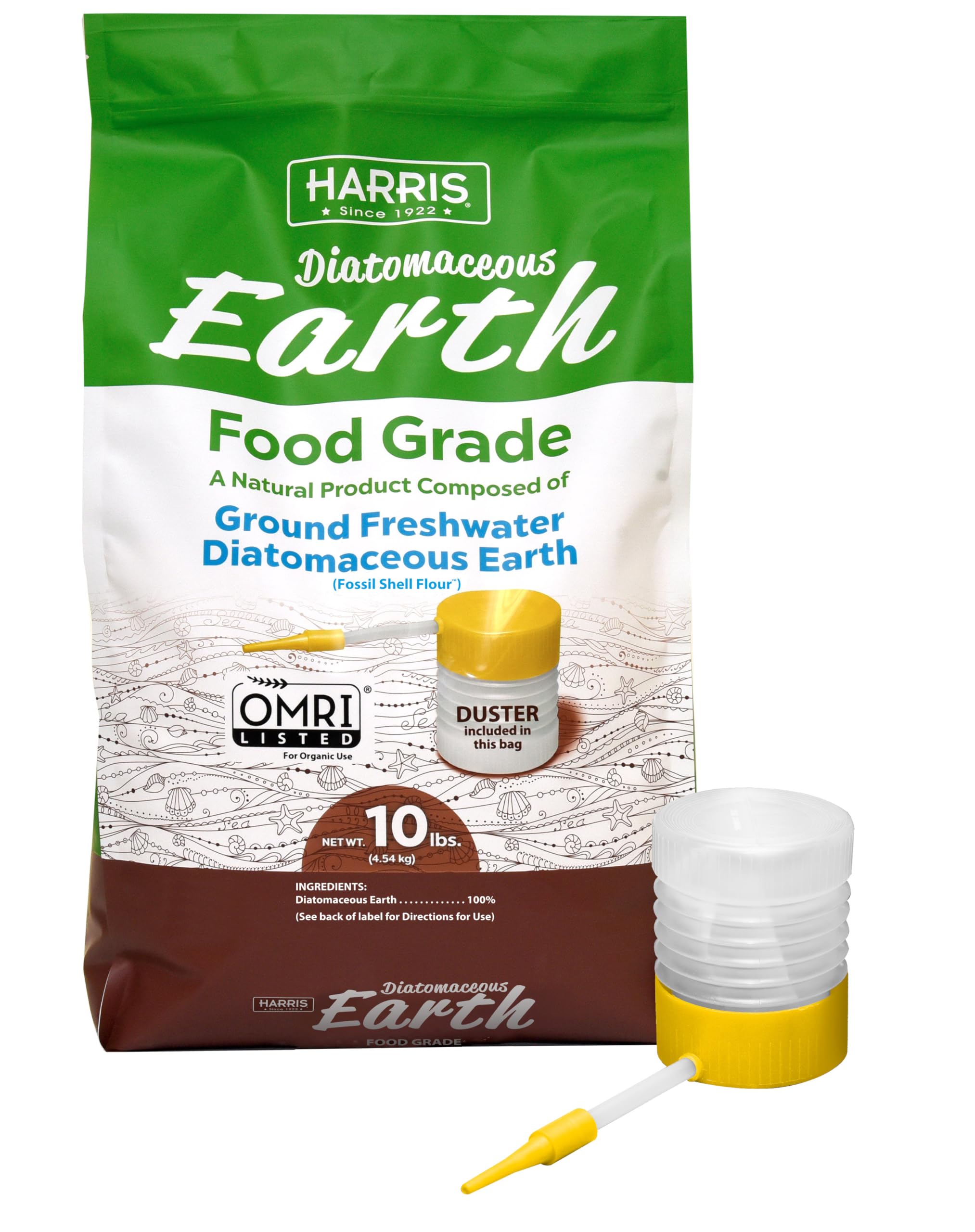
I turn to this food‑grade diatomaceous earth when I want a chemical-free powder for pest control and soil amendment. The 10 lb bag is OMRI-listed and includes a powder duster for precise application.
Why I picked it: Food-grade, OMRI-listed powder with a duster included for targeted use.
Best for: Dry pest control around the home, chicken coops, garden beds, and cracks.
A large, long-lasting bag that’s economical for repeated outdoor and indoor applications.
Pros
- 100% chemical-free
- OMRI listed for organic use
- Powder duster included
- Versatile for indoor/outdoor jobs
Cons
- Dusty to apply — use protection
- Texture can be coarser than fine powders
- Less effective on some crawling pests
My take
I used the bag around my garage and garden and appreciated that it’s food‑grade and OMRI-listed. The included powder duster (the little "poofer") makes it easy to deliver powder into cracks, planter edges, and coop corners without constant hand scooping.
The powder does the job on many crawling insects; I saw results within days in treated zones. It’s a coarse, effective abrasive, so I always wear a mask while applying and avoid windy conditions.
For long-term use the 10 lb bag is economical. I’d call this my go-to when I want a nonchemical option for pest control or when I need a mineral amendment that’s safe when used as directed.
4. California Car Microfiber Wheel Duster – Best for Wheels & Fans
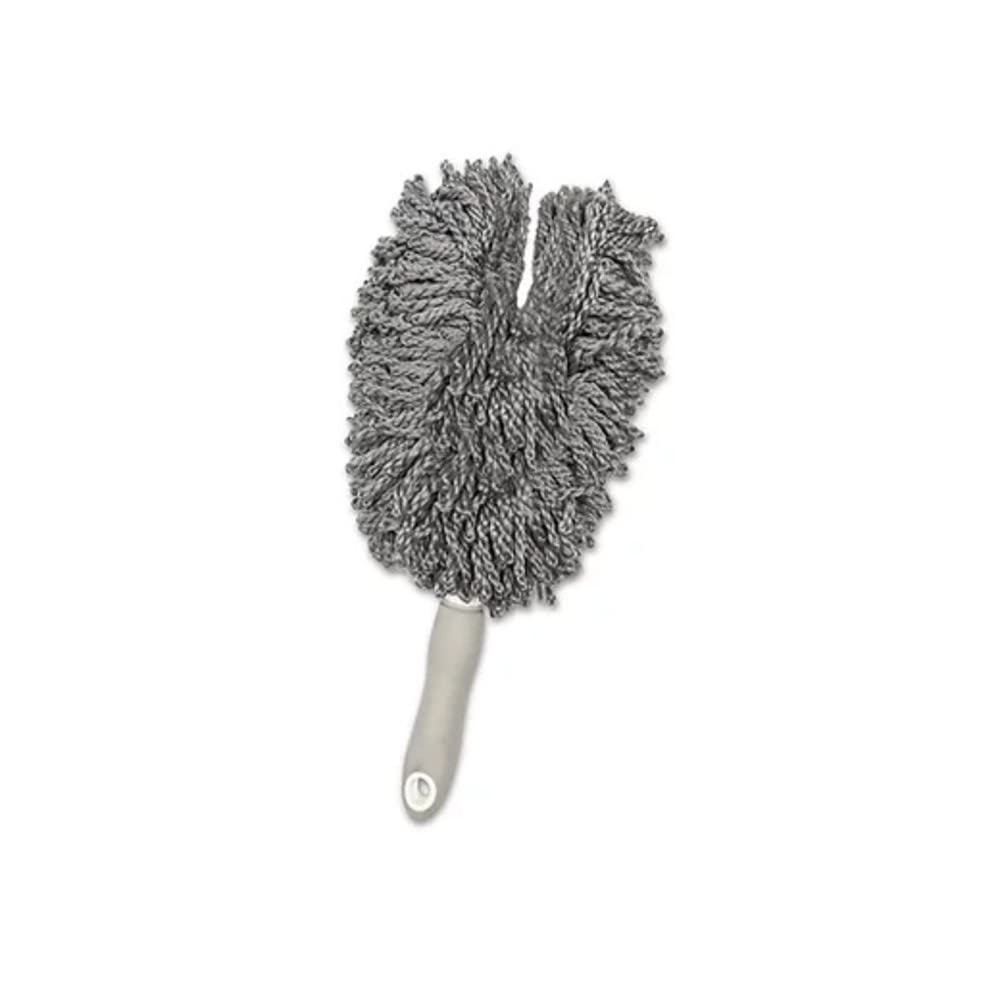
I use this forked microfiber duster when I want to clean both sides of fan blades or wheel spokes quickly. The split head clamps around objects and is washable for repeated use.
Why I picked it: Forked microfiber head cleans both sides at once and is washable.
Best for: Car wheels, fan blades, grilles, and tight spokes.
Durable, washable design makes it a cost-effective reusable tool.
Pros
- Forked head cleans both sides simultaneously
- Soft microfiber won’t scratch finishes
- Washable and reusable
- Compact and maneuverable
Cons
- Not for heavy caked-on grime
- May require multiple passes for stubborn dust
My take
I keep this duster in my garage for wheel upkeep and inside for ceiling fans. The split fork design is clever — it clamps around spokes and thin surfaces so I can remove brake dust and settle dust from fan blades in fewer passes.
The microfiber head rinses clean and stands up to repeated use, which I like compared with disposable heads. The handle length is short but gives me good control for precise swipes.
It won’t replace a deep-clean with soap and water, but for quick touch-ups and regular maintenance it’s one of the most practical, nonabrasive tools I own.
How I Choose a Home Duster
Material and Dust Capture
I look for fibers or coatings that actually trap and lock dust rather than push it around. Microfiber and specially coated synthetic fibers are my first choice for indoor dusting.
Powders like diatomaceous earth serve a different purpose: they work as an abrasive or pest-control agent rather than a surface duster.
- Coated fibers trap allergens and pet hair effectively.
- Microfiber is gentle on electronics and finishes.
- Powders require protective gear during application.
Reach and Flexibility
For high or awkward spots I choose extendable dusters with lockable heads so I can get the right angle without a ladder.
Compact, forked heads are better for spokes, fan blades, and narrow gaps where you need to clean both sides at once.
- Extendable shafts for ceilings and tall furniture.
- Rotating heads for angled surfaces.
- Split-head designs for two-sided cleaning.
Disposable vs. Reusable
Disposable refills are convenient for quick cleanup and allergen management; I keep them on auto-delivery for busy homes. Reusable microfiber tools save money and waste over time if you’re willing to wash and maintain them.
Consider how often you dust and whether you prefer a low-maintenance disposable or an eco-friendlier washable option.
- Disposable: easy, hygienic, recurring cost.
- Reusable: washable, durable, up-front investment.
Special-Purpose Tools
If you need pest control, choose a labeled, food‑grade powder and apply it with a duster for targeted placement.
For automotive or heavy brake dust, use a microfiber wheel duster that won’t scratch finishes and can be rinsed clean.
- Choose OMRI-listed or food-grade powders for safer use.
- Use washable microfiber on painted or delicate surfaces.
Frequently Asked Questions
Are Swiffer refills compatible with all Swiffer handles?
I’ve found most Swiffer refills fit the standard Swiffer handle, but some extendable or XXL models require specific head sizes. If you already own a handle, check the listing to confirm compatibility before ordering refills.
How often should I replace or wash reusable duster heads?
I wash microfiber heads when they look grimy or stop attracting dust — roughly every few uses for dusty areas. Disposable heads get swapped when they’re visibly saturated; frequency depends on how often you dust.
Is diatomaceous earth safe around pets and kids?
I use food‑grade DE because it’s considered safer than chemical pesticides when used as directed, but I still avoid letting pets and kids inhale the dust. I wear a mask during application and keep traffic away from treated areas until powder settles.
Final Take
I recommend matching the duster to the task: disposable Swiffer refills for fast, allergen-trapping upkeep; the XXL extendable for hard-to-reach spots; Harris DE for chemical-free pest control; and the forked microfiber for wheels and fan blades.
Once I dial in the right tool, dusting stops being a chore and becomes a quick maintenance task I don’t dread.
