
I tested a range of electric and microwave egg poachers so you can pick the one that fits your kitchen and routine — from compact single-serve options to family-sized steamers.
I’ve cooked dozens of eggs across electric cookers, microwave poachers, silicone cups, and stovetop poacher pans to find the models that reliably deliver the texture I want. In this roundup I share which units I reach for for single breakfasts, meal prep, family cooking, travel, and stovetop poaching.
I focused on real-world use: capacity, consistency, cleanup, and versatility. My picks favor appliances that save time without sacrificing texture — whether I’m making a runny poached egg for avocado toast or a week’s worth of hard-boiled eggs for meal prep.
1. Dash Rapid Egg Cooker – Best Overall
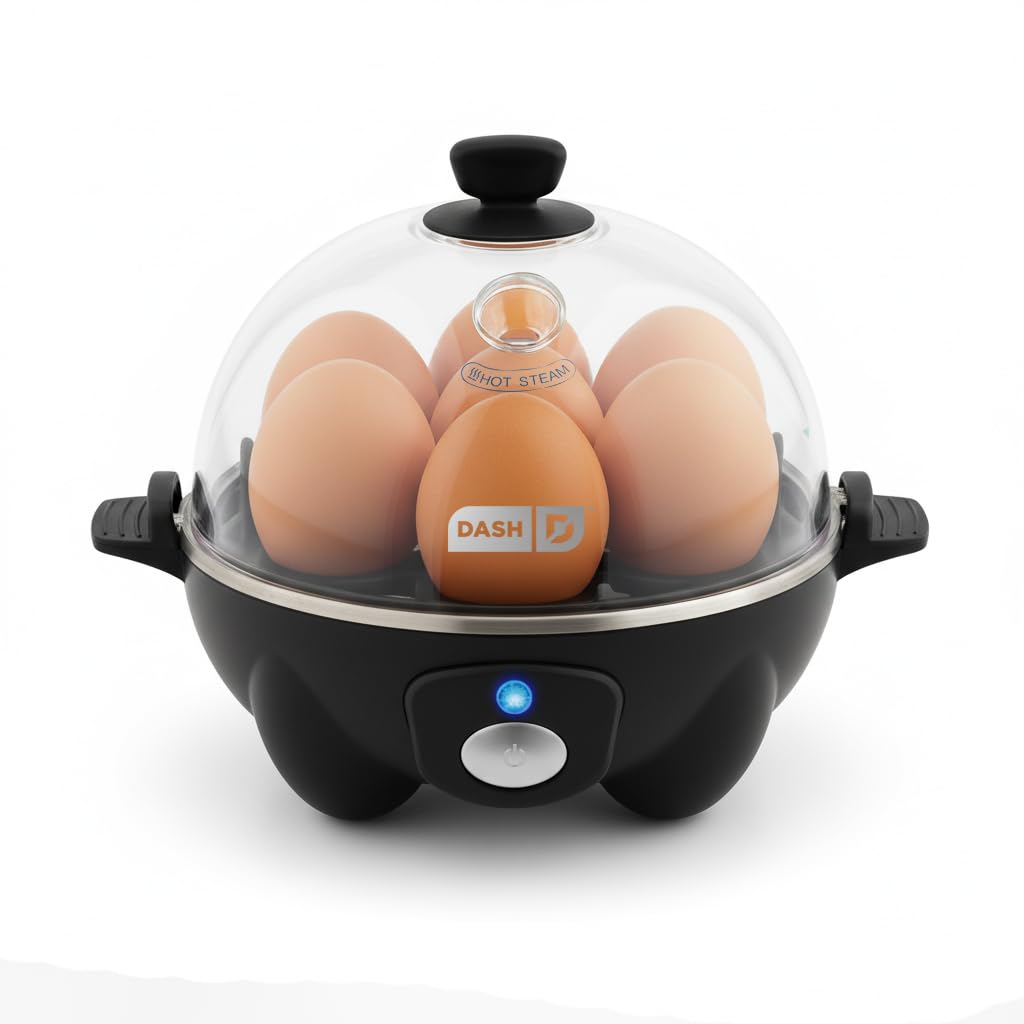
I rely on this compact multi-cooker when I want speed and flexibility — it steams, poaches, makes omelets, and holds up to seven eggs.
Why I picked it: Versatile, compact, and consistent with easy cleanup.
Best for: Small households, quick batch cooking, and meal-prep portions up to seven eggs.
Affordable and strong value for a multi-function cooker.
Pros
- Multi-mode: boil, poach, omelet
- Precision thermal sensor
- Holds seven eggs
- Dishwasher-safe parts
- Compact storage
Cons
- Requires piercing which can crack eggs
- Occasional slight doneness variability
My take
I keep the Dash Rapid Egg Cooker on my counter because it turns a fiddly stove task into a push-button routine. The measuring cup + markings make it simple to dial soft, medium, or hard results, and the poaching tray and omelet bowl expand what I can cook beyond plain boiled eggs. I’ve used it for deviled-egg batches and single breakfast poaches.
Cleanup is real-world easy — the non-electric parts go in the dishwasher and the accessories nest inside the unit for storage. On a few runs I had to tweak the cup water level for my preferred yolk firmness; once I found that sweet spot the results were reliably good. Be mindful that the included piercing pin helps vent eggs but can sometimes crack fragile shells, so I reserve that step for eggs with sturdy shells. Overall, this is the unit I grab when I want a flexible, no-fuss egg appliance.
2. Dash Deluxe Egg Cooker – Best for Families
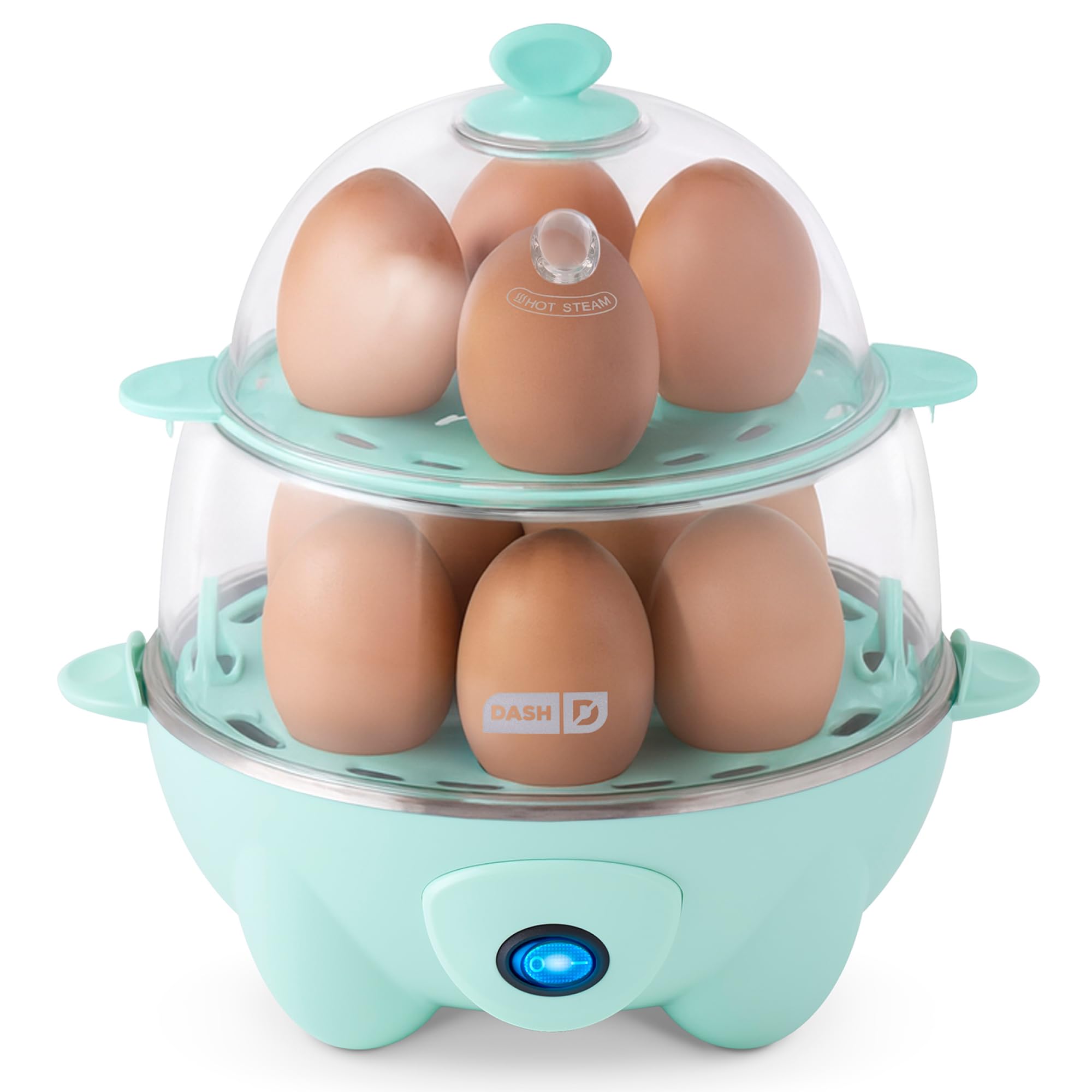
I choose this when I need capacity — it cooks up to a dozen eggs using a double-decker design and doubles as a steamer for vegetables.
Why I picked it: Big capacity and double-decker steaming for family meal prep.
Best for: Larger households, meal prep, and steaming extras like veggies or dumplings.
A mid-range pick that pays off if you batch-cook often.
Pros
- Holds 12 eggs
- Double-decker tiers
- Can steam vegetables
- Dishwasher-safe parts
- Audible chime when done
Cons
- Must use double-decker even for small loads
- Clear dome fogs, limiting visibility
My take
When I need a dozen hard-boiled eggs in one go, the Dash Deluxe is my appliance of choice. The double-decker design lets me run larger batches and the chime gives a clear signal when the cycle ends — helpful when I’m prepping other dishes at the same time.
I’ve also used the top tier for steaming vegetables; the thermal sensor produces even cooking and the eggs peel easier than stovetop methods I’ve tried. The only practical compromise is that the unit tends to require the double-decker setup even for smaller batches, so I add a touch more water than with single-layer cookers. For families and meal-preppers, that tradeoff is worth the capacity.
3. Elite Gourmet Rapid Egg Cooker – Best Value
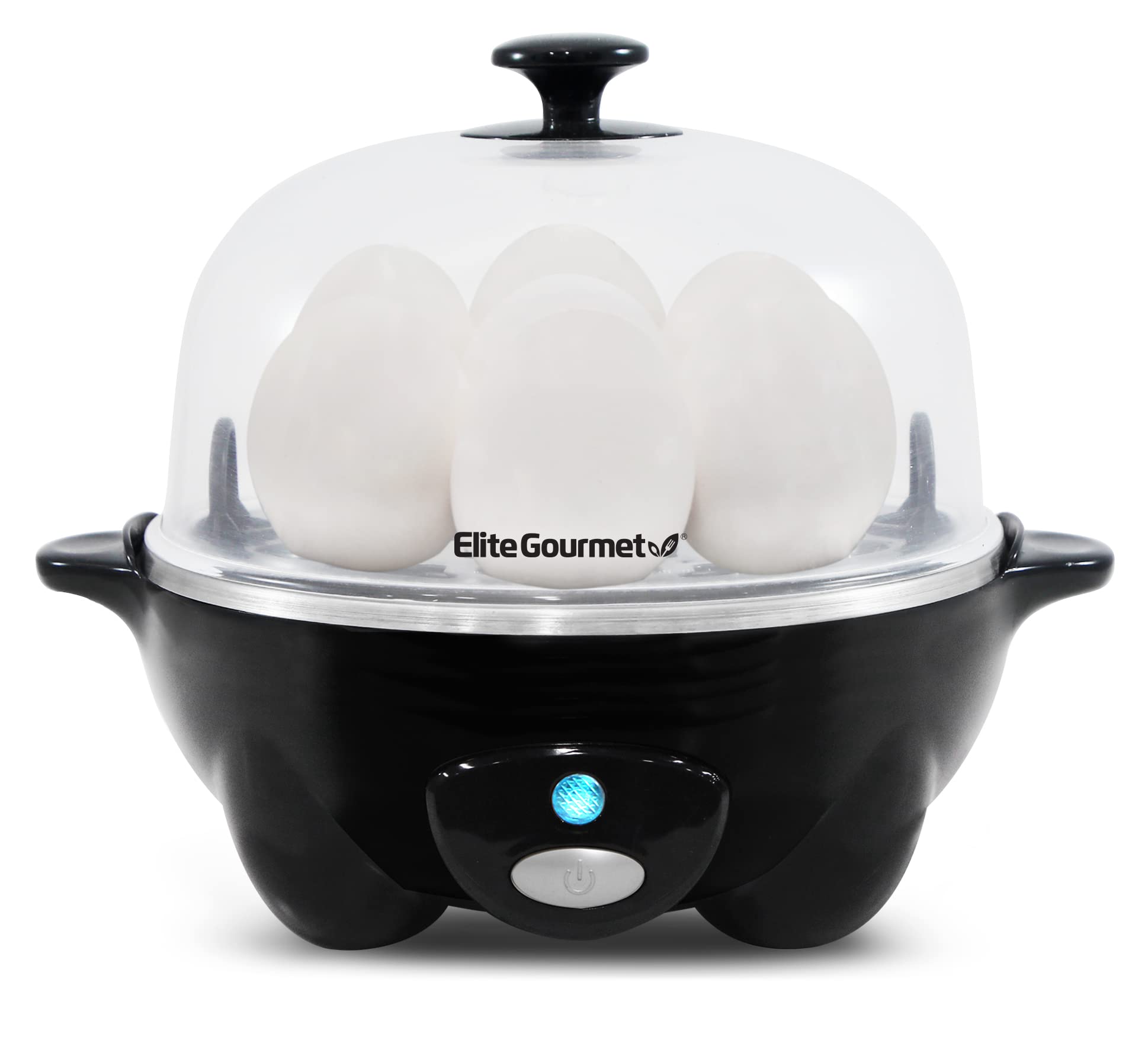
I turn to this compact cooker when I want straightforward, fast eggs — it auto shuts off, beeps when done, and includes poaching and omelet trays.
Why I picked it: Simple, fast, consistent results with auto shut-off and accessories included.
Best for: Dorms, campers, and anyone who needs fast breakfasts.
Very budget-friendly with useful accessories.
Pros
- Auto shut-off with buzzer
- Easy-to-peel eggs
- Includes poach and omelet trays
- Measuring cup with piercing pin
- Recipe booklet included
Cons
- Buzzer keeps sounding until stopped
- Heating plate can show spots over time
My take
This Elite Gourmet unit is one of the quickest ways I’ve found to get consistently easy-to-peel hard-boiled eggs. The measuring cup makes water calibration intuitive, and the automatic shut-off plus audible buzzer takes the guesswork out of timing.
I use the poaching tray for a couple of mornings a week and the omelet tray is handy for single-serve eggs. The buzzer will continue until you unplug or switch the unit off, so I make a habit of attending the finish — it’s not a major downside, just part of the routine. For the price, it’s an efficient, no-nonsense cooker that I’m happy to recommend.
4. Elite Gourmet Easy Egg Cooker – Best for Simplicity
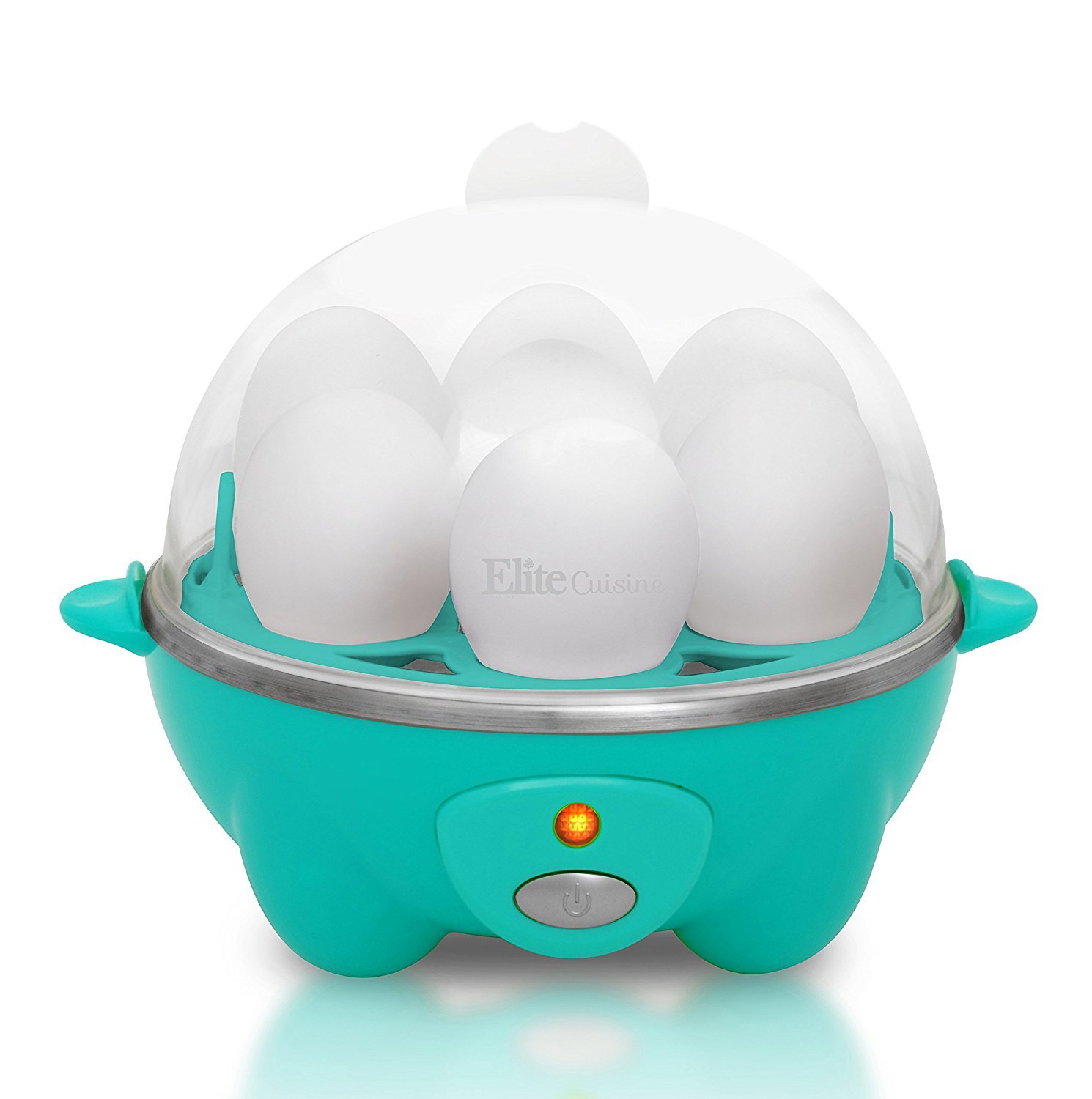
I pick this model when I want fuss-free results: it cooks 1–7 eggs, includes a piercing pin, and uses an auto shut-off with audible alert.
Why I picked it: Foolproof, straightforward controls and consistent egg texture.
Best for: People who want reliable soft, medium, or hard eggs with minimal tinkering.
An affordable entry-level choice that still includes essentials.
Pros
- Auto shut-off and voice alerts
- Cooks 1–7 eggs
- Easy cleanup
- Includes piercing and measuring cup
Cons
- Takes a few tries to nail exact yolk firmness
- Plastic face can discolor with some water
My take
This Elite Gourmet variant is the model I lend to friends who want simple results. I appreciate how quickly it heats and that I can run anything from one egg up to seven without changing settings. Once I spent a couple cycles calibrating the cup markings to my fridge’s egg sizes, the yolks came out how I like them every time.
The unit is light and compact, and the accessories are dishwasher-safe, so cleanup is quick. I do recommend testing water levels with your preferred egg size for the first few runs — it takes very little time to get exactly the yolk you want.
5. Sistema Microwave Easy Eggs – Best Microwave Option
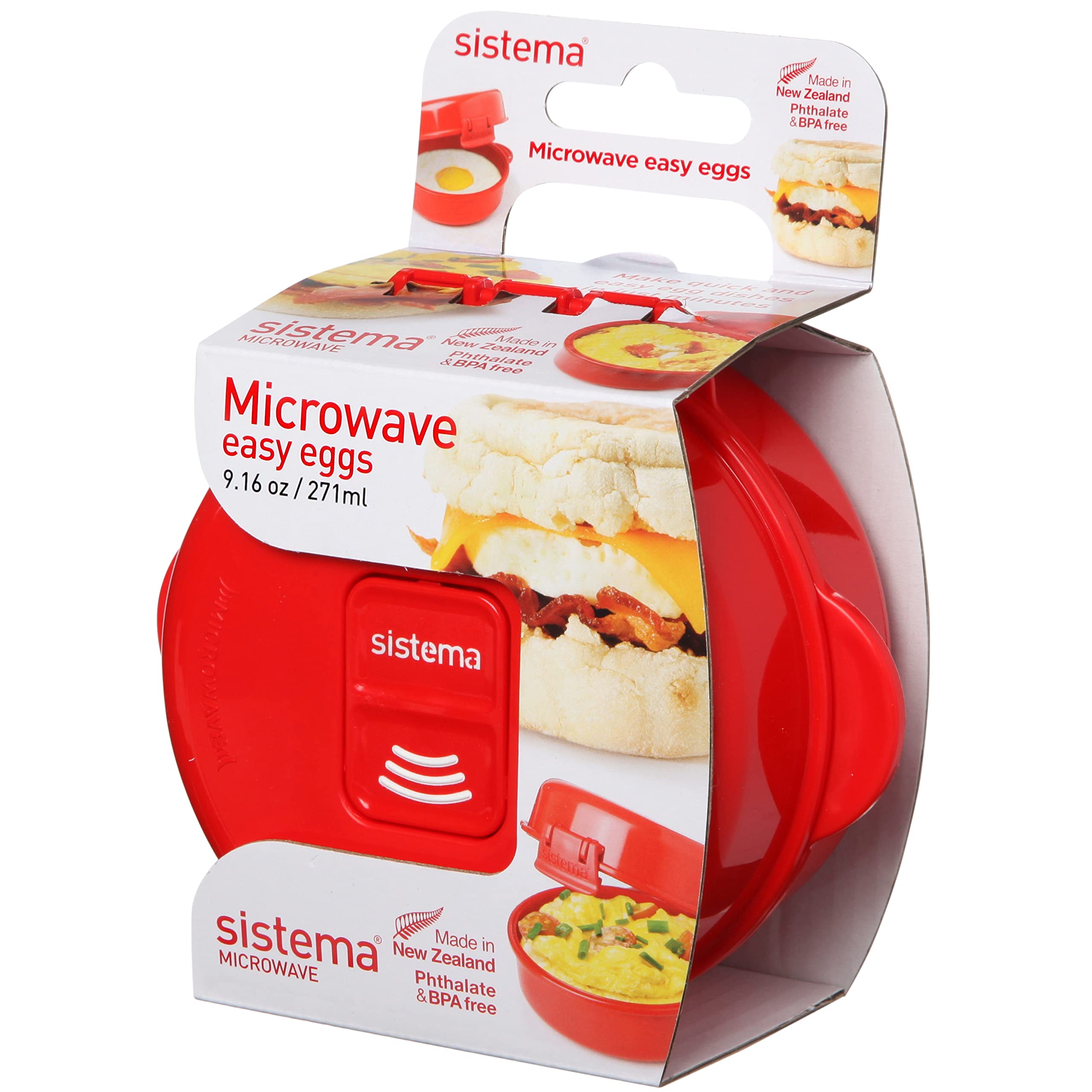
I use this microwave poacher when I want ultra-fast poached or scrambled eggs with a splatter-free lid and dishwasher convenience.
Why I picked it: Microwave speed plus a vented lid that prevents splatters.
Best for: Microwave-only kitchens, dorms, or single-serve poached eggs.
Low-cost, fast microwave solution.
Pros
- Microwave-safe and fast
- Steam-release vent reduces splatter
- Dishwasher and freezer safe
- Lightweight and portable
Cons
- Small capacity (about two eggs)
- Steam vent button can be stiff
My take
When time is tight I reach for the Sistema poacher and get a perfectly poached egg in the microwave in under a minute. The hinged lid stays attached so I never hunt for a cover, and the steam-release vent really keeps microwave mess to a minimum.
I usually spray the interior lightly with oil so the egg slides out cleanly — that tip made cleanup effortless. The unit fits in my top-rack of the dishwasher and the small footprint makes it ideal for travel or a tiny kitchen. It won’t replace a family-sized cooker, but for quick single servings it’s indispensable.
6. BELLA Egg Cooker – Best for Meal Prep
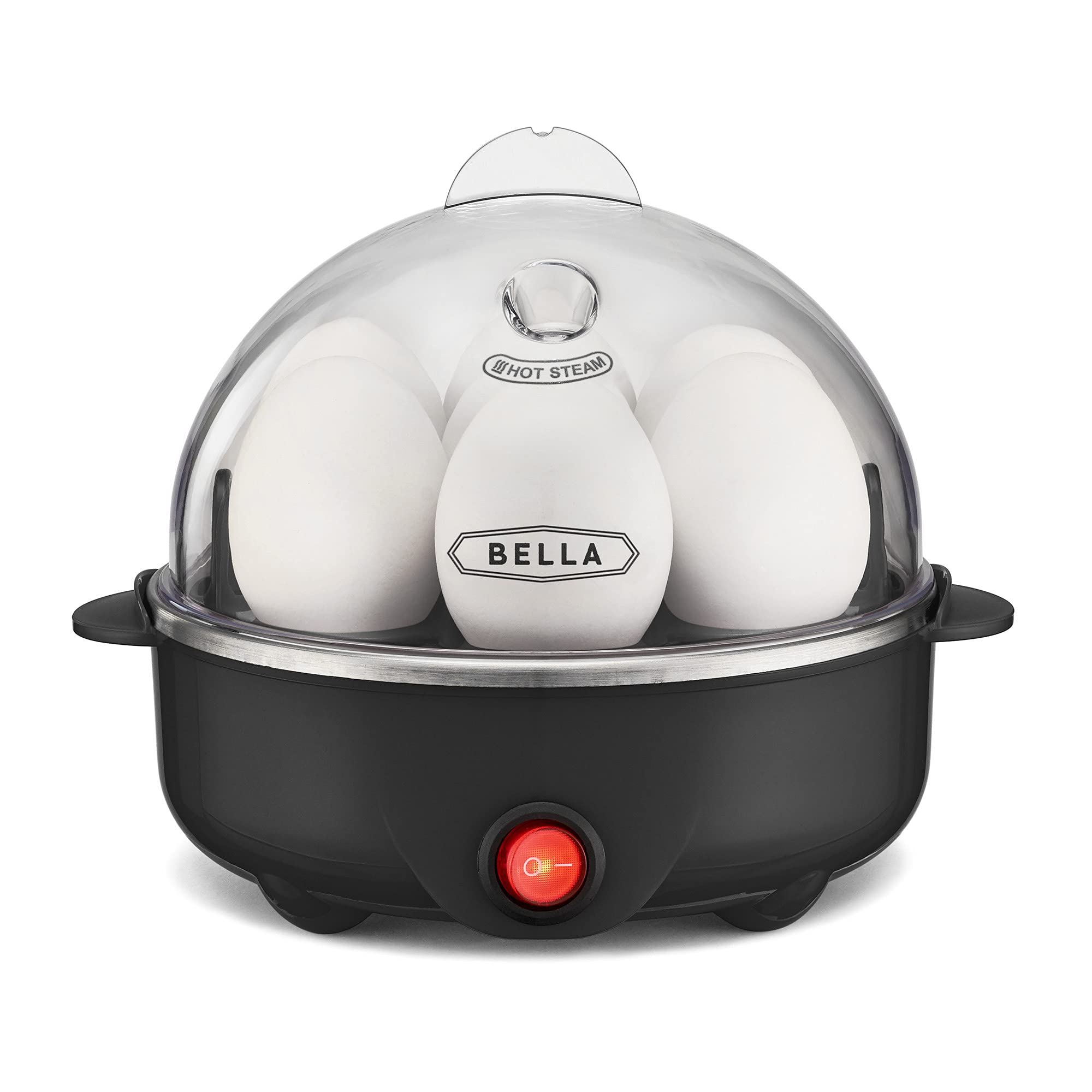
I recommend this when I prepare weekly egg batches: it cooks up to seven eggs plus two poached eggs and uses a stainless heating plate for even heat.
Why I picked it: Designed for meal prep — stainless heating plate and nonstick trays make batch cooking easy.
Best for: People who meal-prep eggs for the week and family breakfasts.
Competitively priced for a meal-prep focused model.
Pros
- Makes 7 boiled + 2 poached eggs
- Stainless steel heating plate
- PFOA-free nonstick trays
- Dishwasher-safe lid and trays
- Indicator light for readiness
Cons
- You should be nearby at cycle end
- Nonelectric parts still need quick rinsing
My take
I bring the BELLA cooker out for weekend meal-prep sessions because I can get a week’s worth of boiled eggs ready in one cycle. The stainless heating plate gives steady, even results and the eggs peel cleanly every time I’ve tried it.
The nonstick poaching tray works well for two soft poaches while the rest cook. Parts are dishwasher-safe and cleanup is painless. I do make a point to be present when it finishes — I find it’s best to remove and cool eggs promptly for easy peeling. For regular meal-prep use, this model earns a permanent spot on my counter.
7. Eggssentials Silicone Poacher Cups – Best Portable Poacher
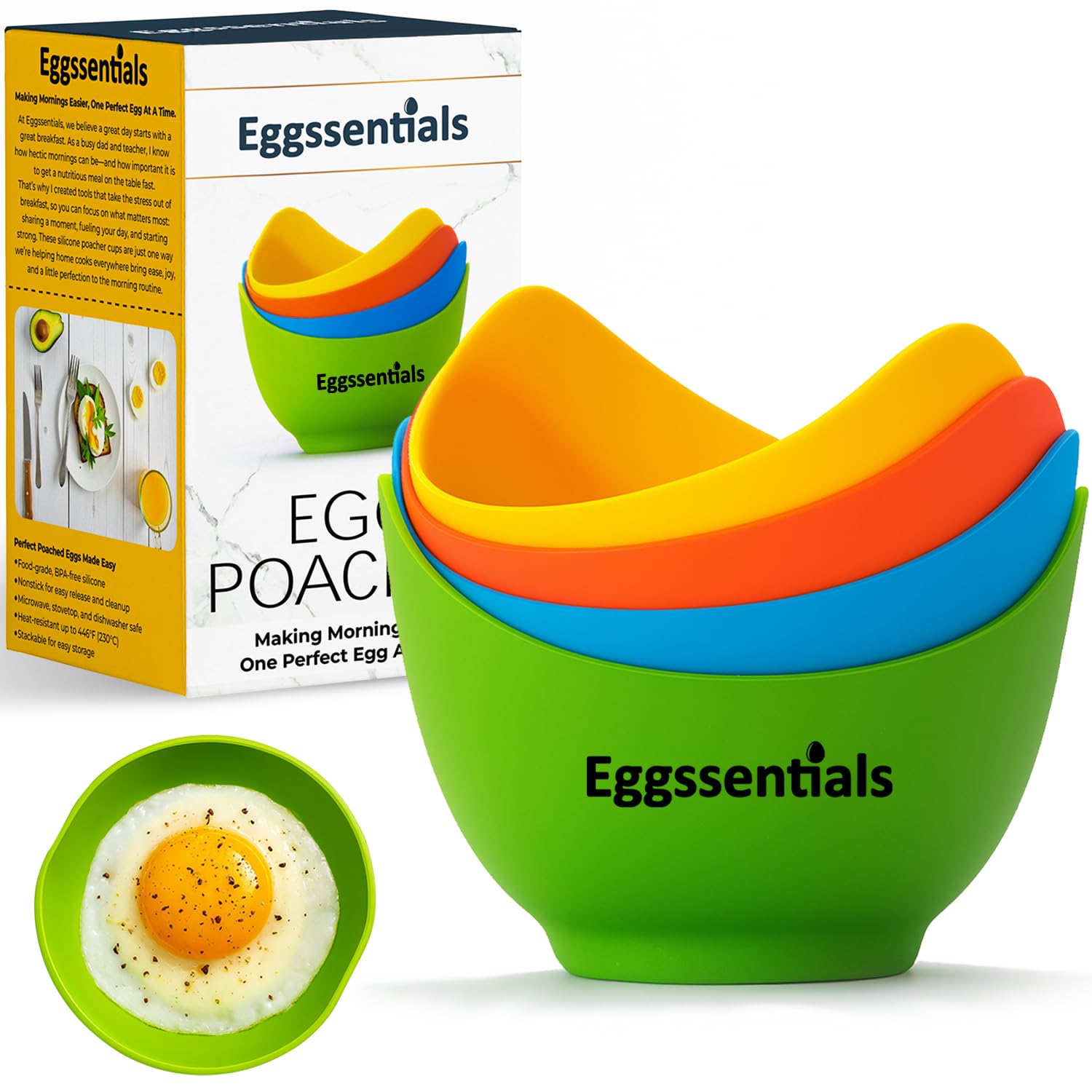
I pack these silicone cups when I need lightweight, microwave- and stovetop-ready poaching that’s easy to clean and travel with.
Why I picked it: Flexible, heat-resistant silicone that releases eggs easily and stacks for travel.
Best for: Camping, RVs, travel, and small kitchens that need microwave or stovetop poaching.
An inexpensive, versatile set ideal for travel or small kitchens.
Pros
- Microwave & stovetop compatible
- Nonstick silicone, easy release
- Stackable and color-coded
- Dishwasher-safe
Cons
- Best with light oil spray to avoid sticking
- Single-cup capacity per egg
My take
These silicone cups have become my go-to when I travel or cook in tiny spaces. I can microwave a poached egg in 30–45 seconds or steam on the stovetop in a few minutes; the flexible material makes removal painless.
I lightly spray the cups before use and the eggs slide out perfectly — cleanup is a quick rinse or throw in the dishwasher. They’re also light and stack neatly in a bag, so I bring a set on camping trips and in the RV. If you want an ultra-portable poaching method that doesn’t rely on an electric base, these are excellent.
8. Modern Innovations Egg Poacher Pan – Best Traditional Poacher
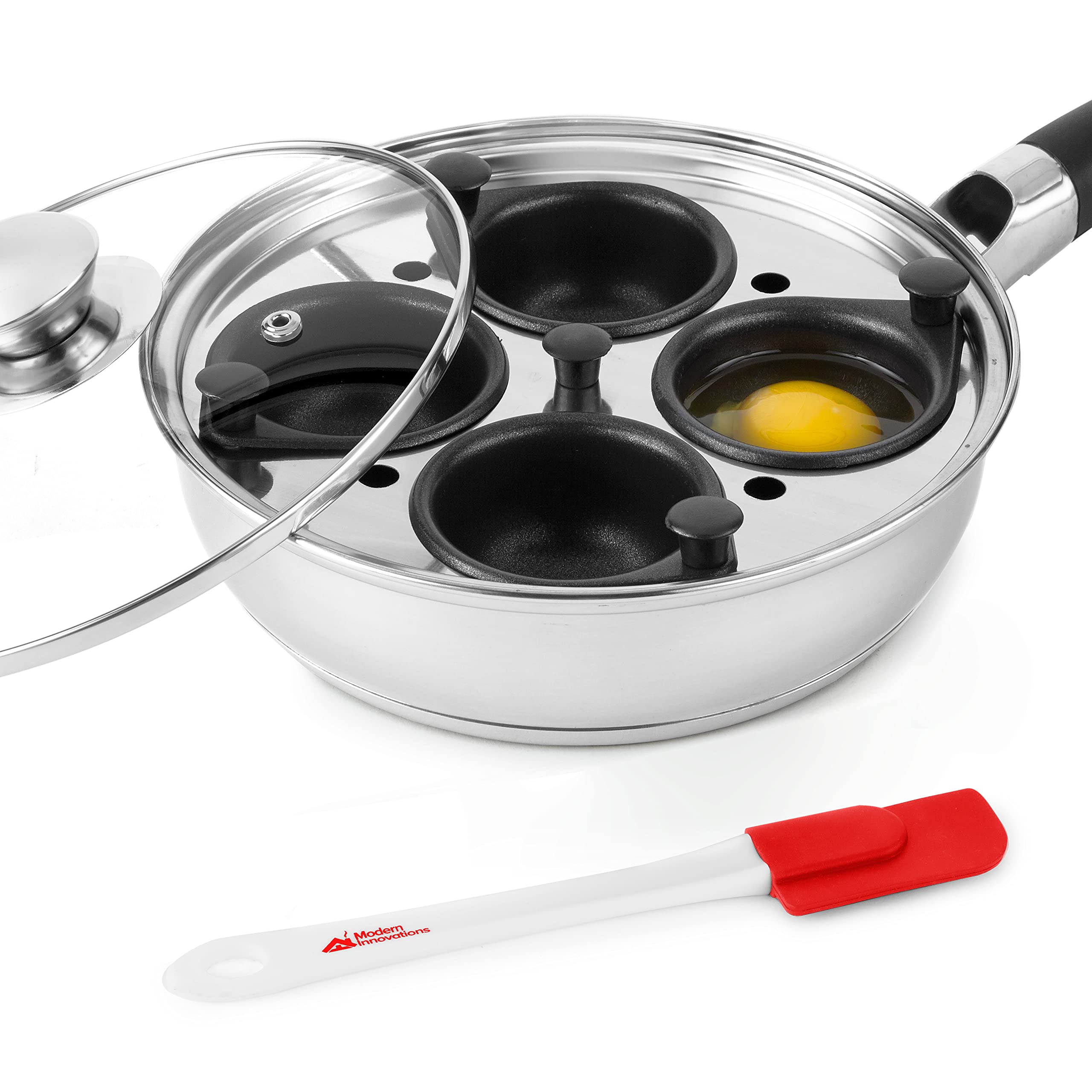
I prefer this stainless stovetop poacher when I want a durable pan, clear lid to watch eggs, and removable tray for four poaches at once.
Why I picked it: Sturdy stainless pan, glass lid, and removable tray for consistent stovetop poaching.
Best for: Home cooks who prefer stovetop poaching and a multipurpose pan.
A higher-cost, durable option worth it for frequent stovetop use.
Pros
- Stainless steel pan and glass lid
- Removable poaching tray
- Four nonstick cups included
- Dishwasher safe
Cons
- Included spatula quality varies
- Takes practice to perfect timing
My take
When I want classic stovetop poached eggs I reach for this Modern Innovations pan. The stainless base heats evenly and the tempered glass lid lets me watch the whites set without lifting the cover.
The removable tray and nonstick cups make four simultaneous poaches a breeze, and once I dial in the timing the results are reliably restaurant-quality. The silicone spatula that comes with it is handy but not the sturdiest — I keep my own offset spatula nearby. If you enjoy stovetop control and a pan that doubles for other tasks, this one is a keeper.
How I Choose an Egg Poacher
Capacity and Use Case
First, I match capacity to how I cook: single-serve microwave poachers or silicone cups for solo breakfasts, 7-egg units for couples or regular meal-prep, and 12-egg models when I need family-sized batches.
- 1–2 eggs: microwave or silicone cups
- 3–7 eggs: compact electric cookers
- 8–12 eggs: double-decker or large-capacity steamers
Cooking Styles & Features
I decide whether I want boiled eggs, poached eggs, omelets, or multi-use steaming. I prioritize units with a measuring cup and thermal sensor for consistent doneness, and I value auto shut-off or audible alerts so I don’t overcook.
- Poaching: look for trays or cups with nonstick surface
- Omelets: include a dedicated omelet bowl
- Boiling: measured water levels and thermal sensors are helpful
Cleanup, Storage, and Materials
I prefer dishwasher-safe non-electric parts and stainless heating plates for durability. Silicone cups are great for travel and clean quickly, while larger electric units should store accessories inside the dome for neat storage.
- Dishwasher-safe parts save time
- Stainless heating plates resist wear
- Stackable or nesting accessories reduce storage footprint
Practical Tips I Use
I always test water level with one or two eggs before a full run, pierce large eggs carefully to avoid cracking, and cool boiled eggs immediately for easier peeling. For microwave units, I spray lightly with oil to prevent sticking.
- Calibrate water level on first use
- Pierce eggs only when necessary
- Cool boiled eggs in cold water for easy peeling
Frequently Asked Questions
Can I poach eggs with an electric egg cooker?
Yes — I use poaching trays that come with many electric cookers to make gentle, consistent poached eggs; silicone cups and stovetop poacher pans also work well for that purpose.
Do these cookers handle different egg sizes?
They do, but I always calibrate the water level the first few times because jumbo or extra-small eggs change the timing slightly; the measuring cup markings are a helpful guide.
Are the accessories dishwasher-safe?
Most of the removable, non-electric parts are dishwasher-safe. I typically pop trays and lids on the top rack and wipe the heating plate clean by hand.
Should I pierce eggs before cooking?
I pierce only when the manufacturer includes a piercing pin and I’m using sturdier eggs. Piercing helps vent the egg but can crack fragile shells, so I proceed cautiously.
Final Take
I’ve relied on all of these poachers in real kitchens — some shine for capacity and meal prep, others for travel or microwave convenience. Pick the one that matches how many eggs you cook and where you’ll cook them.
For flexible everyday use I reach for the Dash Rapid. For large batches the Dash Deluxe performs best. And when I’m traveling or short on counter space, the Sistema or silicone cups consistently get the job done.
