
I've tested wires, polywire and insulators across pastures and portable paddocks. This roundup highlights dependable options I use to keep cattle contained and fences low-maintenance.
I spend a lot of time building and maintaining fences for cattle, and I've learned which materials make that work predictable and headache-free. In this guide I cover the wires and insulators I reach for when I need durability, conductivity, portability, or easy installation.
Below you'll find the products I put to use on my farm, why each stood out to me, and practical advice for picking the right combination for permanent or temporary fencing.
For permanent perimeter fence I prefer aluminum or stainless steel conductors for long-term conductivity; for temporary paddocks I favor polywire for visibility and easy handling; insulators need to be robust and simple to install—this lineup covers those needs.
1. Zareba Fi‑Shock 17‑Gauge Aluminum Wire – Best Overall
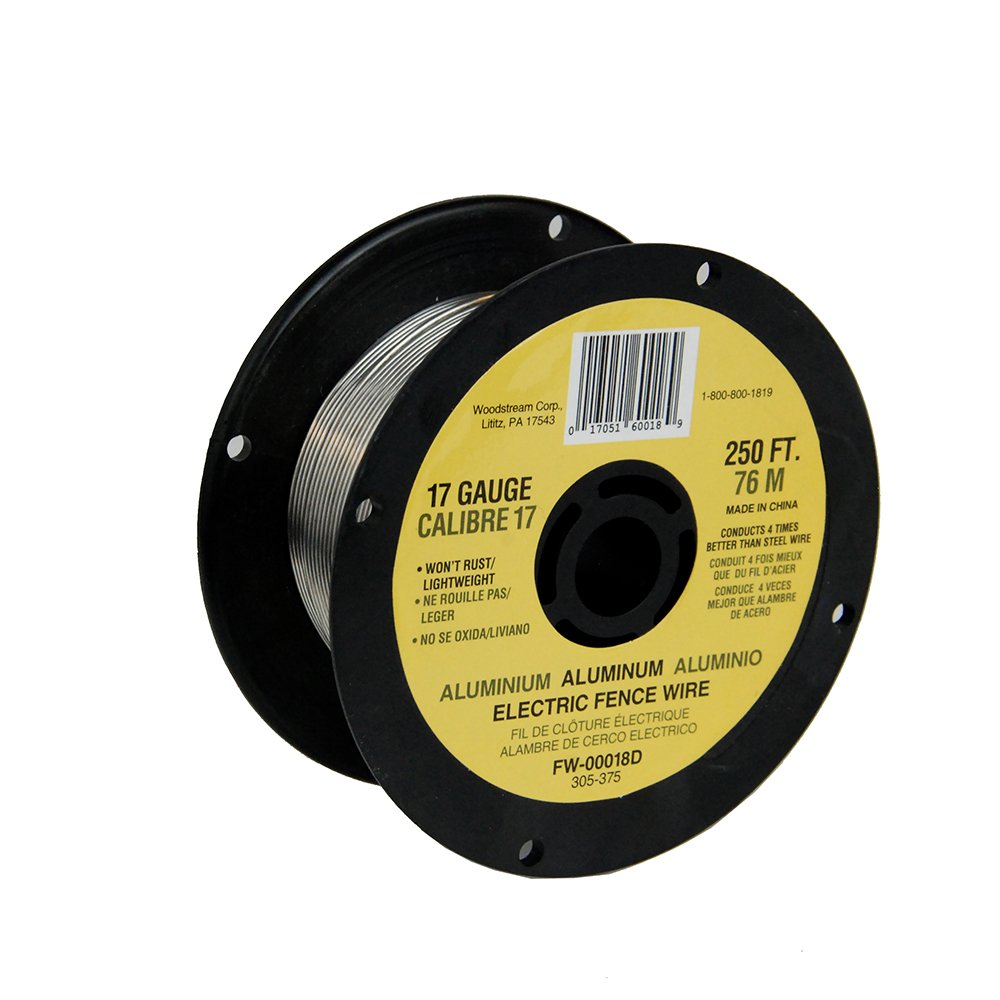
Rust‑proof, lightweight 17‑gauge aluminum wire with strong tensile strength and an easy‑spool for faster installs.
Why I picked it: Balanced conductivity, strength, and easy handling for permanent shock fences.
Best for: Long‑term perimeter fences for cattle and horses.
An affordable, durable option for general fence builds.
Pros
- Aluminum resists rust
- High conductivity compared with steel
- Built‑in spinning spool for quick installs
- Good tensile strength for larger animals
Cons
- Not as abrasion‑resistant as stainless steel
- Breaking load limits heavy mechanical strain
My take
I reached for this Zareba 17‑gauge aluminum wire whenever I needed a rust‑resistant conductor that’s still easy to handle. The spool spins freely, which saved me time on long runs and made tensioning several lines less tedious than standard coils.
On my farm the aluminum delivered reliable shock transfer — aluminum’s higher conductivity helped when I paired it with a decent energizer. The wire’s 38,000 psi tensile strength and listed breaking load handled cattle and horses without the constant sagging I’ve seen from lighter materials.
One practical note from my experience: the wire is soft enough to splice by twisting, so repairs in the field are straightforward. I did notice a packaging warning that it may contain lead, so I avoid using cut scrap near feed or water where contamination could be a concern.
2. NQN Screw‑In Ring Insulators (100 Pack) – Best Insulators
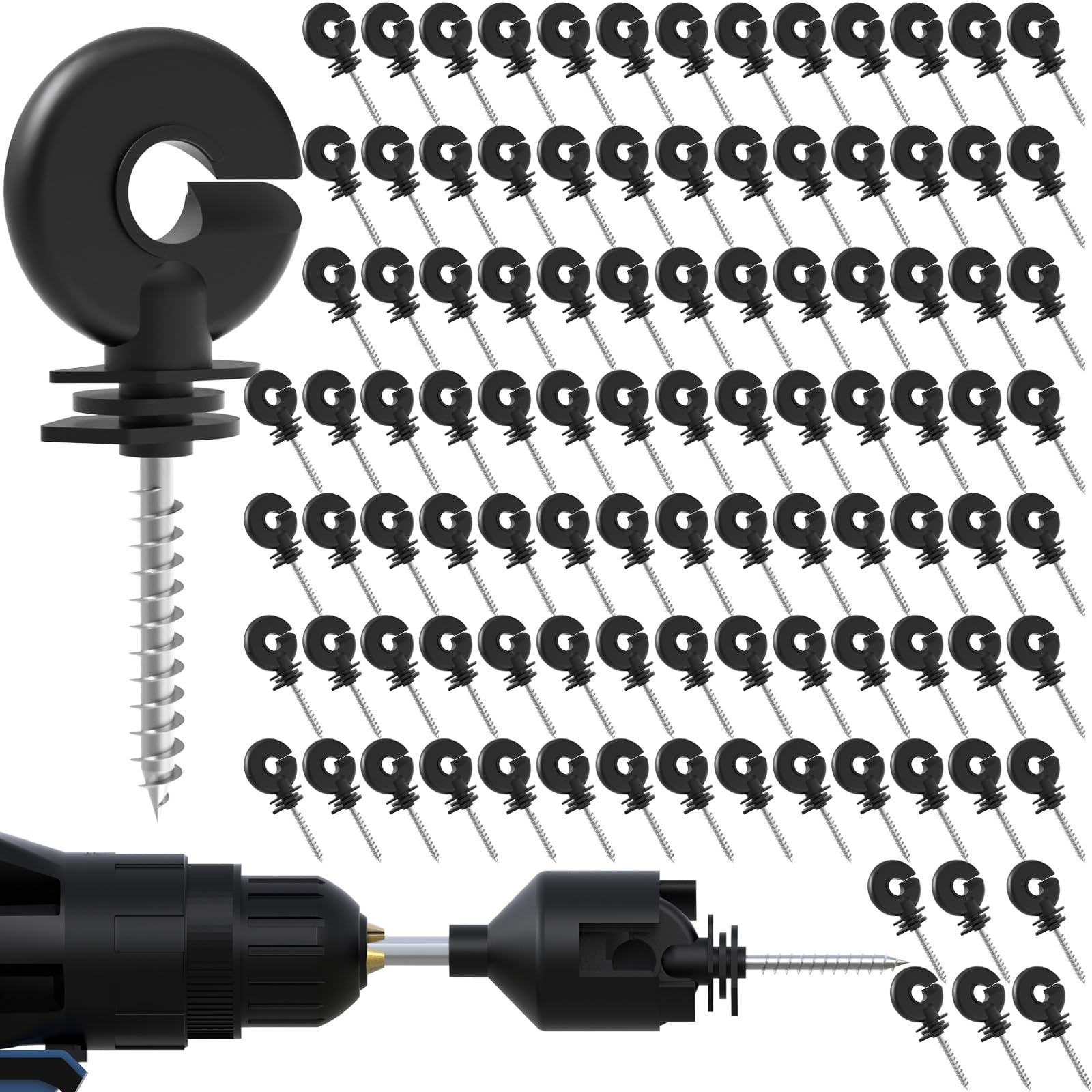
Self‑tapping screw‑in insulators with a driver socket — engineered for speed and weather resistance.
Why I picked it: Fast to install and suitable for a wide range of wire types and gauges.
Best for: Wood posts, trees, and starting/ending points on line fences.
A practical bulk pack that speeds up post work.
Pros
- Self‑tapping for quick installation
- Includes socket tool for drills
- UV and weather resistant materials
- Fits many wire types and gauges
Cons
- Can snap if over‑torqued
- Removal is difficult once set
My take
When I need to attach conductors to wood posts or trees, these screw‑in ring insulators are my go‑to. The self‑tapping screws bite well and hold tight, so I stopped fighting slips and loose rings that used to cause shorts.
The included socket tool that fits a drill sped up my crew’s install rate substantially. I’ve used these as line, corner, and end insulators with steel, aluminum, polywire and tape — the angled slot keeps the conductor away from the post to avoid shorts.
A practical caveat: some of the heads will snap if you overdrive them, and they aren’t easy to remove once installed. I keep extras on hand and drive them carefully with a drill clutch to avoid breakage.
3. 6‑Strand Stainless Steel Polywire (1026 m) – Best for Long Runs
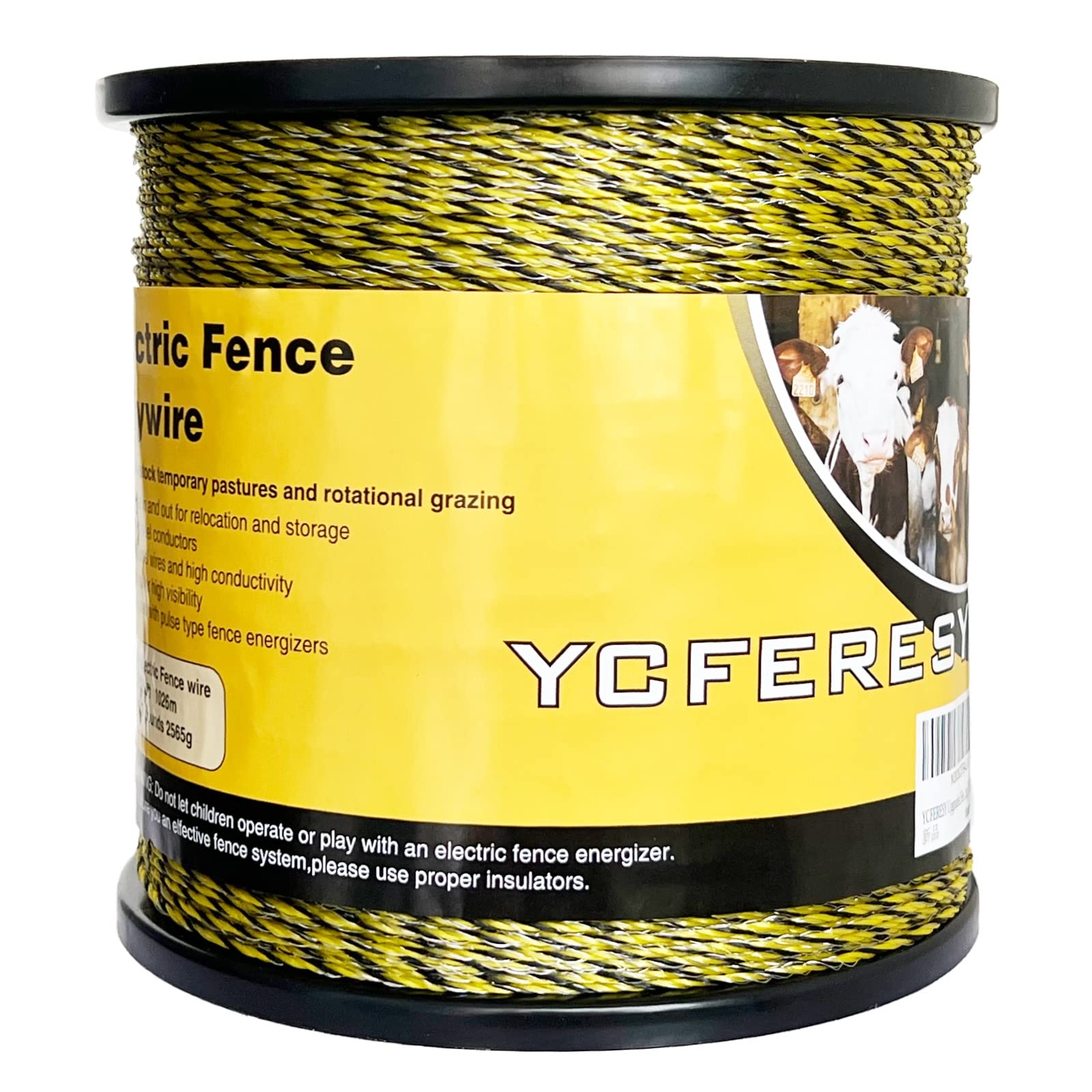
Very long spool of polywire that pairs stainless steel conductors with high visibility and reduced resistance for lengthy or permanent runs.
Why I picked it: Large quantity and stainless strands for low resistance and long life.
Best for: Extensive perimeter lines and multi‑field layouts.
A cost‑effective choice when you need a lot of line and durable conductors.
Pros
- Large spool for long runs
- Stainless strands resist rust
- Bright color improves visibility
- Lower electrical resistance than aluminum poly
Cons
- Splicing requires care
- Bulk spool can be heavy to handle
My take
I put this 6‑strand stainless polywire across long sections where visibility and conductivity matter. The stainless steel conductors hold up better to weather than aluminized wire, and the bright webbing helps cattle see the line so they’re less likely to run into it.
Deploying and reeling this spool is easy with a proper reel; I had no trouble getting solid amps across long runs when the wire was tied or spliced correctly. Splicing takes a little patience — I peel the outer webbing, twist the inner conductors, and secure the joint with a knot and tight wrap — but the finished connections held up under animal pressure.
Because this spool is large, I used it for continuous lines and for converting top lines on existing fences. If you want long service life and reduced conductivity loss, the stainless strands are a clear advantage.
4. Farmily 6‑Conductor Polywire (200 m) – Best Portable
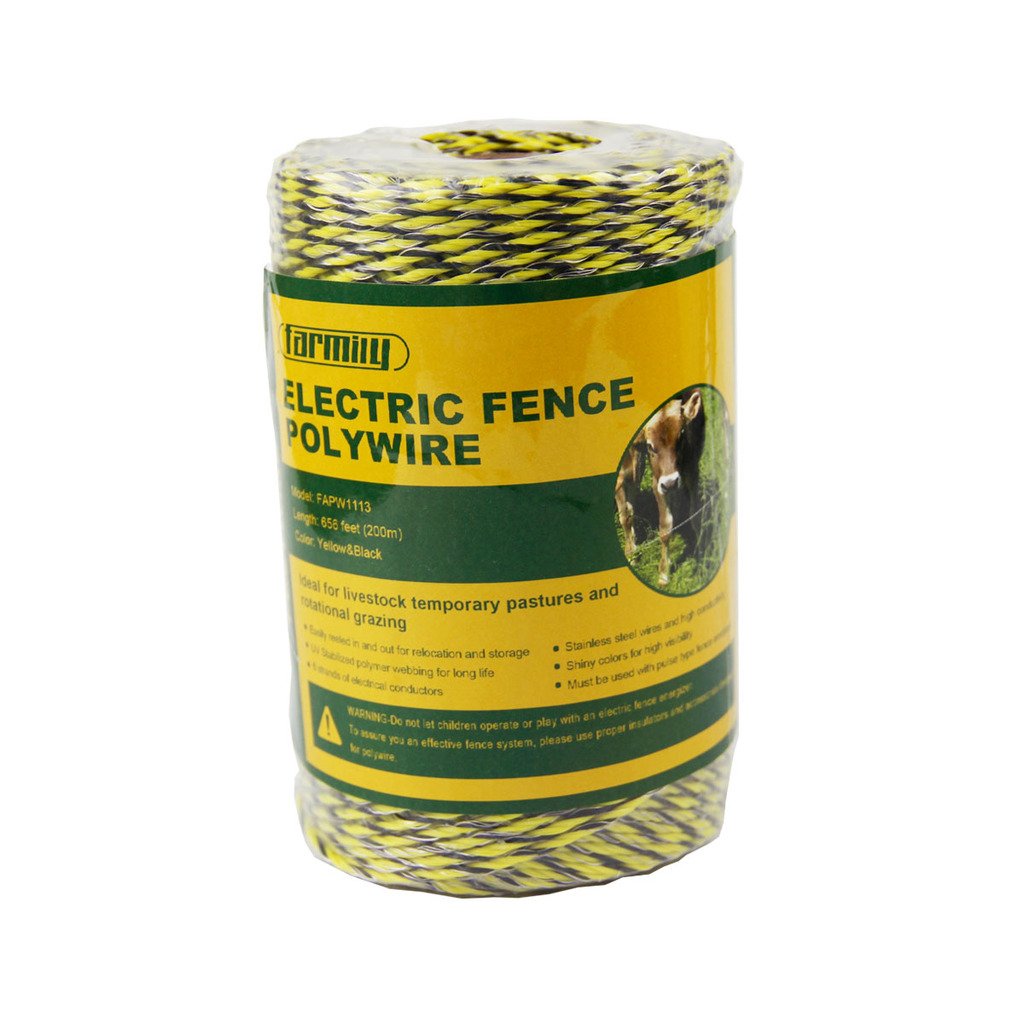
Compact, easy‑to‑rewind polywire ideal for temporary paddocks, rotational grazing, and quick setups.
Why I picked it: Portable spool size with 6 stainless conductors for reliable temporary fencing.
Best for: Rotational grazing and fast temporary enclosures for cattle and sheep.
Small, convenient spool for frequent relocation tasks.
Pros
- Easy to reel and redeploy
- UV treated for longer outdoor life
- Good visibility in field
- Six conductors for dependable shock
Cons
- Thinner than heavier permanent wire
- Not ideal for high‑abrasion zones
My take
For temporary paddocks and rotational grazing I favored this Farmily polywire. The 200‑meter spool is light enough to carry and rewind by hand, and the woven webbing resists UV damage so the spool survives multiple seasons.
I used it for quick paddock builds and as a top line over existing fences to discourage leaning and pressure points. It ties and repairs simply, and the stainless conductors offered consistent conductivity across short to medium distances.
If you expect persistent abrasion from trees or heavy rubbing from livestock, I treat this as a movable solution rather than my go‑to for permanent, high‑stress lines.
How I Choose Electric Fence Gear
Wire and Conductor Types
I decide between solid metal wire and polywire based on permanence and visibility. Aluminum wire gives me rust resistance and good conductivity at a reasonable cost, while stainless steel conductors last longer and resist abrasion better.
Polywire blends visibility and portability; I reach for it when I need temporary paddocks or moveable grazing systems.
- Aluminum: lightweight, rust‑resistant, good conductivity for permanent fences
- Stainless steel: best for abrasion resistance and long life
- Polywire: ideal for temporary fencing and rotational grazing
Insulators and Fasteners
I always match insulators to my post material and conductor type. Screw‑in ring insulators are versatile for wood posts and trees and save time when you have many posts to outfit.
Good insulators keep the conductor off the post to prevent shorts and preserve shock efficiency.
- Use self‑tapping screw insulators for wood — faster installs
- Choose UV‑stable materials for long outdoor exposure
- Keep spare insulators; some will break if over‑driven
Installation and Maintenance Tips
I tension lines properly but avoid overloading the breaking load of the conductor. Regularly check connections and splice points — poor splices raise resistance and create weak spots.
When using polywire, secure the webbing to handles and reels for fast redeployment and minimal tangling.
- Use a reel for long spools to speed deployment
- Peel and twist conductors carefully when splicing polywire
- Inspect connections seasonally and after storms
Safety and Placement
I position electrified lines where livestock can see them and keep them away from gates and heavy traffic areas to reduce accidental contact. Grounding and energizer selection matter — a good ground system makes the fence effective.
Avoid placing conductors too close to feed or water receptacles. If packaging mentions possible contaminants, I keep wire scraps out of animal feed areas.
- Ensure visible top lines to reduce collisions
- Maintain a solid ground rod system for consistent pulses
- Keep energized lines clear of feed and water areas
Frequently Asked Questions
Which conductor should I use for a permanent cattle perimeter?
I prefer aluminum or stainless conductors for permanent perimeters. Aluminum is rust‑resistant and easy to handle; stainless is tougher against abrasion and tree contact. Pick based on local conditions and how much mechanical stress the line will face.
Can I use screw‑in insulators on trees?
Yes — I’ve driven self‑tapping screw insulators into trees and wood posts. They hold well, but I avoid over‑driving them to prevent snapping and I leave a small gap so tree growth doesn’t pinch the conductor.
Is polywire reliable year‑round?
Polywire works well year‑round for visibility and portability. I use UV‑stabilized, stainless‑strand polywire when I need permanent performance from a poly conductor, but for high‑abrasion spots I prefer a metal core line.
Final Take
Over years of installing and reconfiguring fences, I’ve settled on a mix: metal conductors for permanent perimeter strength, stainless‑strand polywire for long runs where corrosion is a concern, and screw‑in insulators to speed up installs on wooden posts.
Pick materials that match your fence purpose — permanent lines need durability and strong conductors, temporary paddocks benefit from visibility and portability — and keep spare insulators and a good reel on hand to make maintenance painless.
