
I tested a range of polywire rolls, netting, and accessories to find the most practical electric fencing options for goats and small livestock. Here are the tools I keep reaching for for portable paddocks, predator-proof
I’ve run goats and other small livestock for years, and I treat electric fencing as a daily tool rather than a gimmick. In this roundup I’m focusing on polywire rolls, a few must-have accessories, a tester, and portable netting so you can set up flexible paddocks and predator protection quickly.
My priority on the fence line is simple: visible, conductive polywire that stands up to weather and repeated moves; reliable connectors and a tester so the system actually stays 'hot'; and a portable net if I need quick predator protection for poultry. I used each item on actual fences and wrote the notes below from hands-on use.
For long, reusable runs I prefer 1/8" polywire with multiple stainless conductors; for quick predator protection around poultry I go with pre-poled netting. Keep a digital tester and sturdy leads on hand—those two items save the most time troubleshooting.
1. Upgraded Polywire 3366 ft – Best Overall
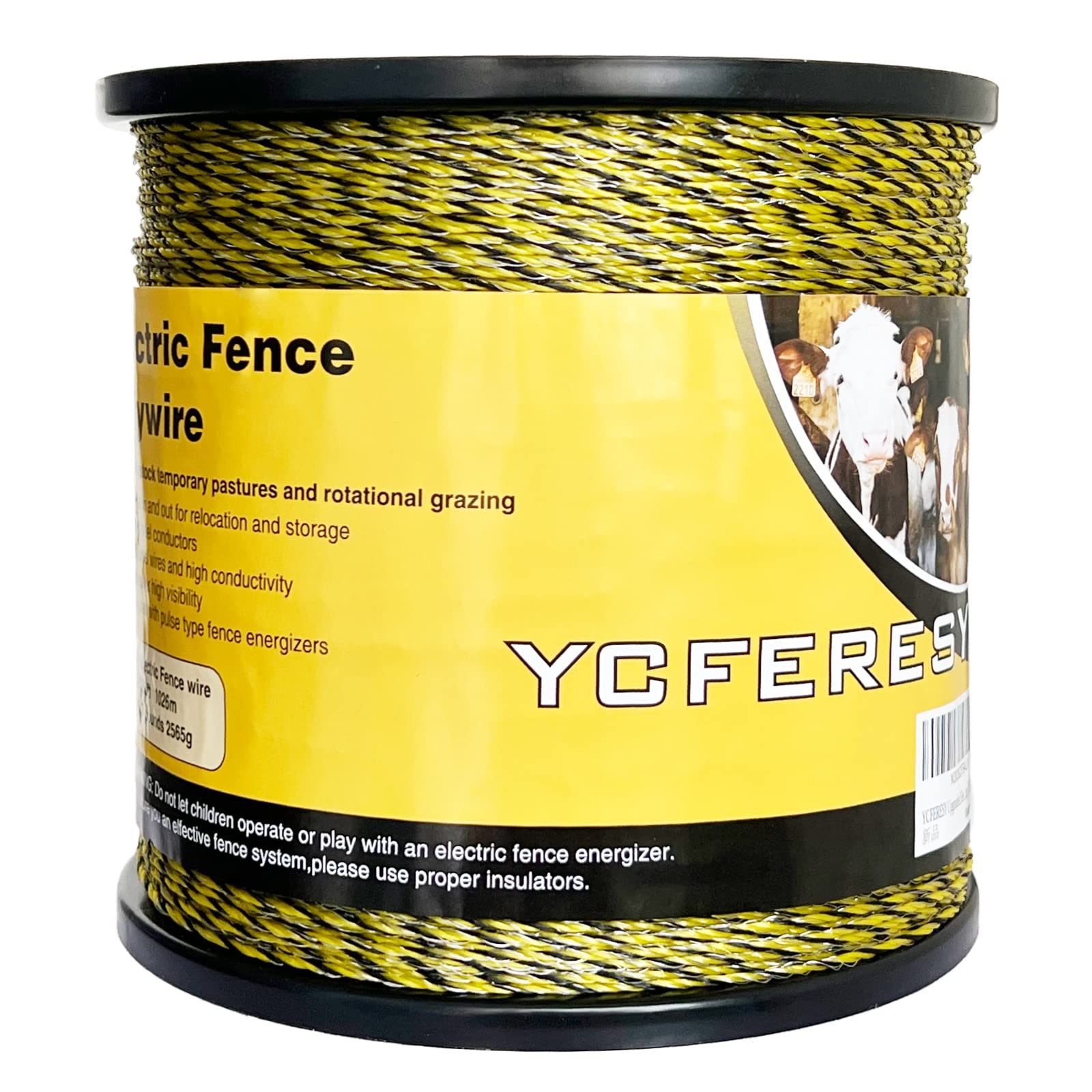
A very long spool of 1/8" polywire with six stainless conductors, bright visibility, and UV/rust resistance for large portable perimeters.
Why I picked it: The spool length and six stainless strands give low resistance over long portable runs, and the bright webbing stays visible.
Best for: Large temporary paddocks, rotational grazing, and anyone who wants a single long spool to cover acres.
Cost-effective for long runs compared with buying multiple shorter rolls.
Pros
- Huge 3366-foot spool
- Six stainless steel conductors
- UV and rust resistant
- High visibility webbing
- Easy to splice and reuse
Cons
- Bulk spool can be cumbersome
- No reel included
My take
I used this spool when I needed to establish a very long portable boundary for rotational grazing. The 1/8" webbing felt light in my hands but packed enough contact points from the six stainless strands to deliver consistent shocks when paired with a capable energizer.
What I liked most was the visibility—the bright color reduced accidental fence hits during handling—and the stainless conductors resisted corrosion where older aluminum products would have dimmed. I tied and spliced cut sections without losing continuity, though splicing takes a little patience to get a clean connection.
If you plan to move the line frequently, plan a reel or reel accessory. The raw spool is economical for distance but easier to manage once it's on a proper reel. Also keep vegetation away from the line; even this durable polywire will ground out if grass or brush is touching it.
2. Farmily Polywire 656 ft – Best Budget
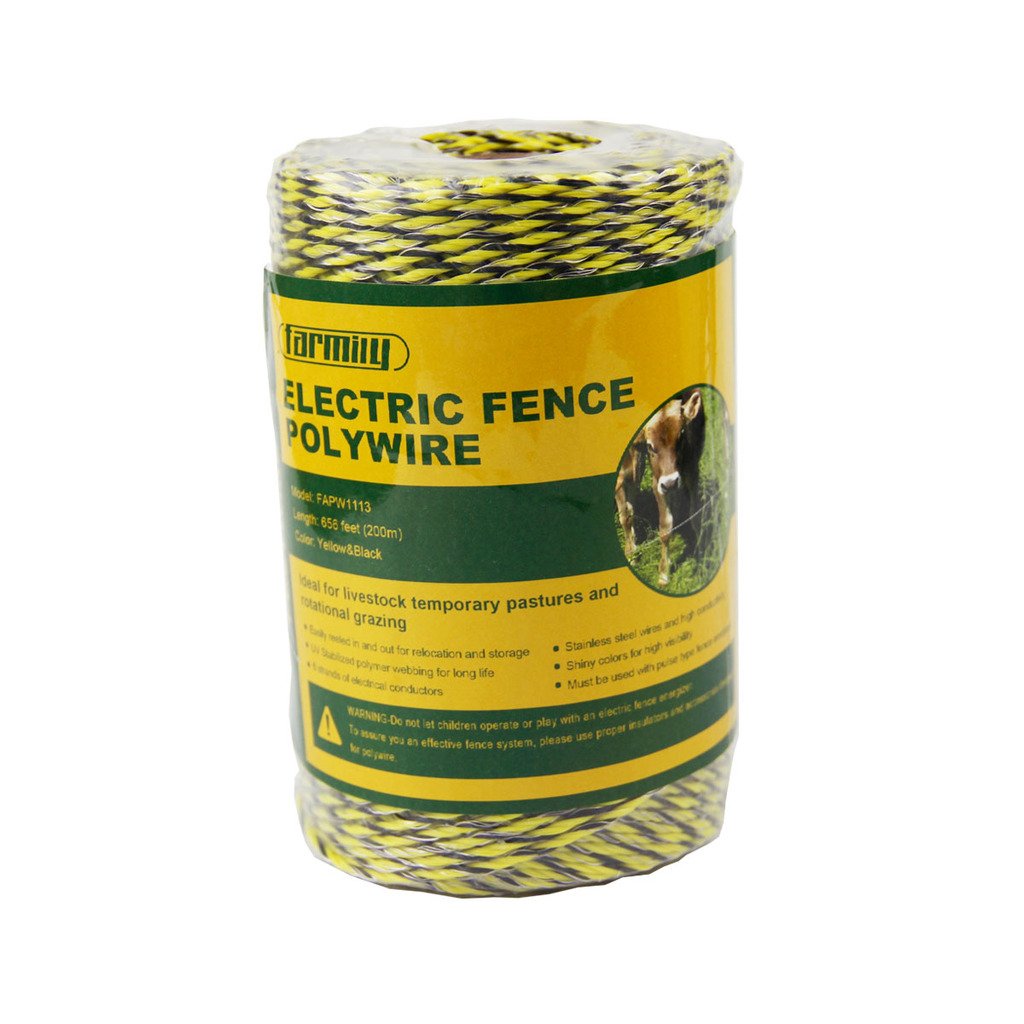
A lightweight 656-foot roll with six conductors and UV-treated webbing—simple to deploy and a good entry-level choice for small paddocks.
Why I picked it: Portable, easy to handle spool that I can throw up quickly for temporary paddocks and small herds.
Best for: Small pastures, sheep or goat paddocks, and quick temporary enclosures.
An affordable, entry-level option ideal for short-term or occasional use.
Pros
- Handy 656-foot spool
- Six stainless conductors
- Lightweight and portable
- UV treated for longevity
Cons
- Shorter run than large rolls
- Slightly thinner than older wire
My take
I keep a roll of this on hand for fast setups around garden plots and small paddocks. It reels out cleanly, knots securely, and is easy to move when I rotate grazing.
The color isn’t neon bright but is noticeable enough to cut animal collisions. It’s a little thinner than some heavier polywires I’ve used, but that also makes it easier to knot and store.
For lightweight, budget-conscious fencing where I don’t need acreage coverage, this spool hits the sweet spot: fast to install, easy to repair, and durable enough to reuse year after year.
3. Gallagher Poly Wire Combo Pack – Best Value
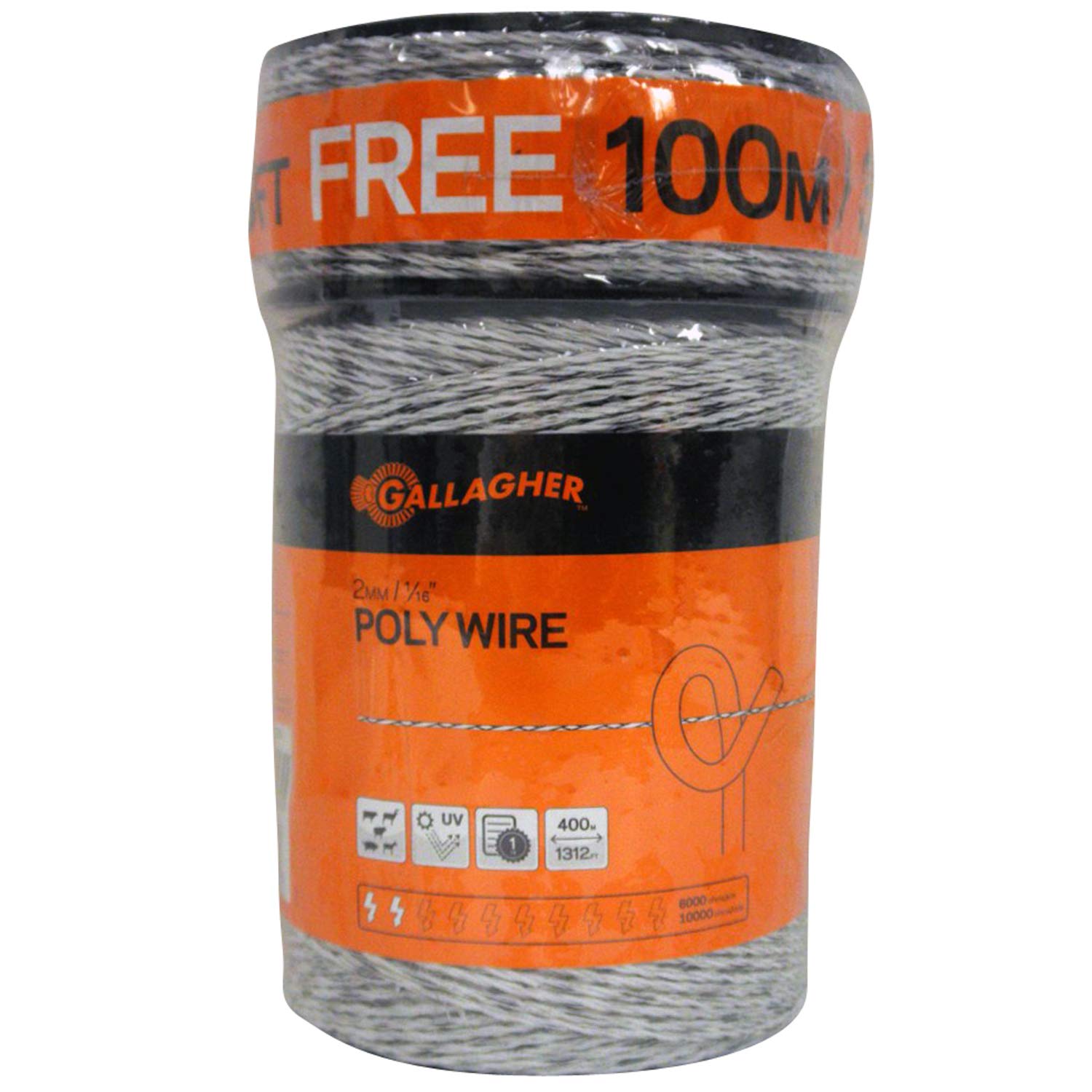
Two-roll combo (primary plus bonus roll) of 6-strand stainless polywire—durable, UV resistant, and backed by a well-known brand.
Why I picked it: I like the combo format: a large roll plus a bonus roll gives flexible coverage without repeatedly ordering replacements.
Best for: People who want a trusted brand with extra length for multiple paddocks.
Midrange option that delivers extra length and reliability for the price.
Pros
- Includes a bonus roll
- Trusted brand quality
- 6 stainless strands
- UV resistant and reusable
Cons
- Can break under extreme stress
- Reel not included
My take
I used this Gallagher combo on a temporary paddock and appreciated the brand’s build: the polywebbing runs smoothly on reels and the stainless conductors delivered reliable shocks across multiple strands.
The bonus roll makes it easy to extend coverage without hunting for additional stock, which saved me time when I reconfigured paddocks. It’s lightweight and forgiving—if a horse or goat comes through on a temporary post the line often pops off rather than slicing an animal.
For very long, permanent runs Gallagher recommends heavier turbo wire; for everything else this combo is a practical, durable choice I reach for first.
4. ALLOSUN Electric Fence Tester EM555 – Best Tool
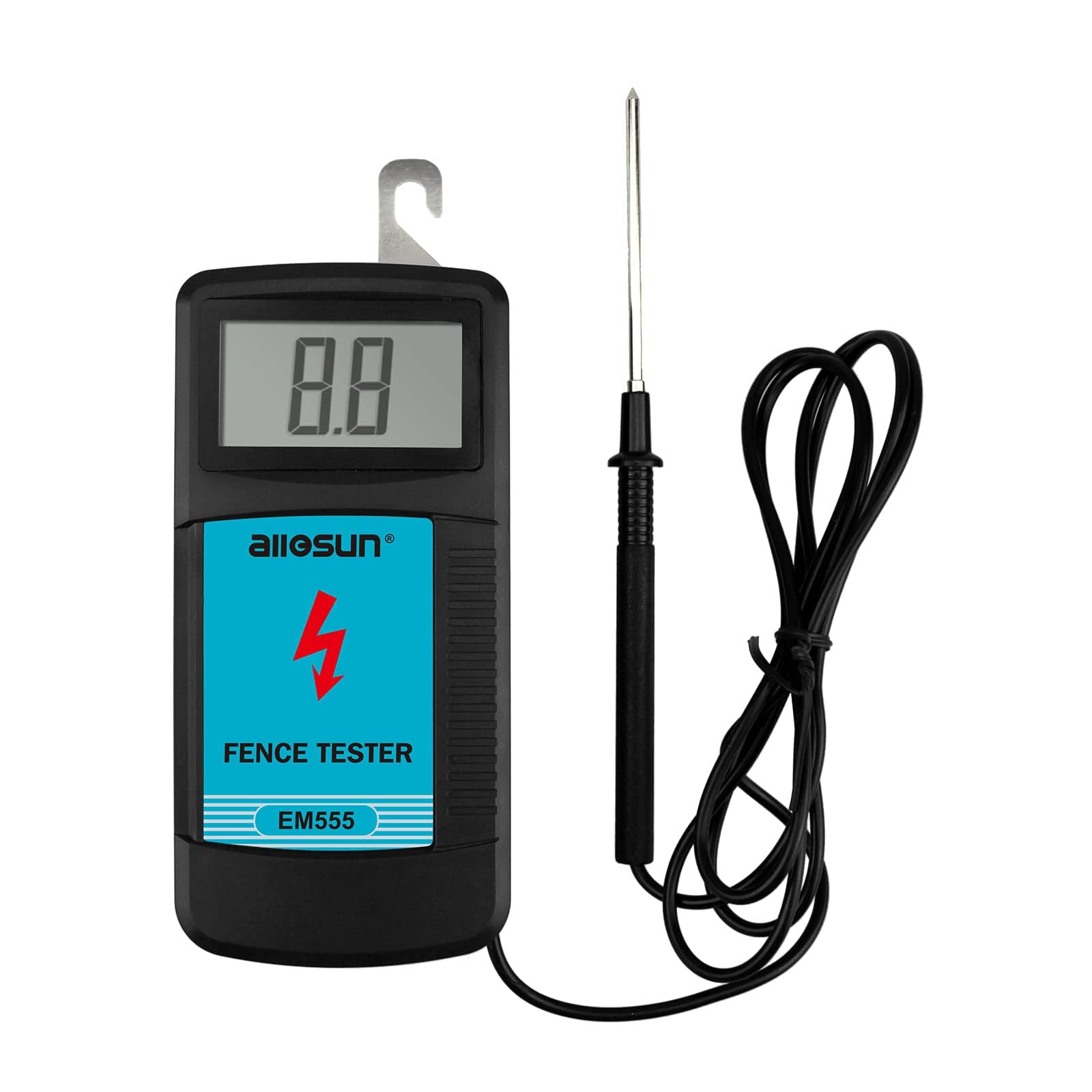
A compact digital tester that reads 0.3–9.9 kV and powers on with pulse detection—handy for line checks and fault finding.
Why I picked it: I use it to confirm fence voltage and locate faults quickly; the digital readout is easier to interpret than neon testers.
Best for: Routine fence maintenance and finding shorts or weak sections.
An inexpensive tool that pays for itself in troubleshooting time saved.
Pros
- Digital readout 0.3–9.9 kV
- Auto power-on with pulse
- Compact and easy to hang
- Good daylight readability
Cons
- No manual on/off switch
- Max reading limited to 9.9 kV
My take
I check fence strength with this tester every time I set a new line. The screen turns on when it senses a pulse and gives me a clean number so I can tell whether weed contact or a bad connection has reduced the output.
It’s small and has a handy hook so I can hang it and use both hands. I recommend carrying spare batteries and remembering there’s no manual on/off, which can confuse new users when the display goes dark due to dead batteries.
For everyday fence maintenance and quick fault finding this tester is the first tool I reach for; it saves hours compared with guessing why an energizer looks like it’s working but animals are still getting through.
5. BESTEEL Polywire 1650 ft – Best for Durability
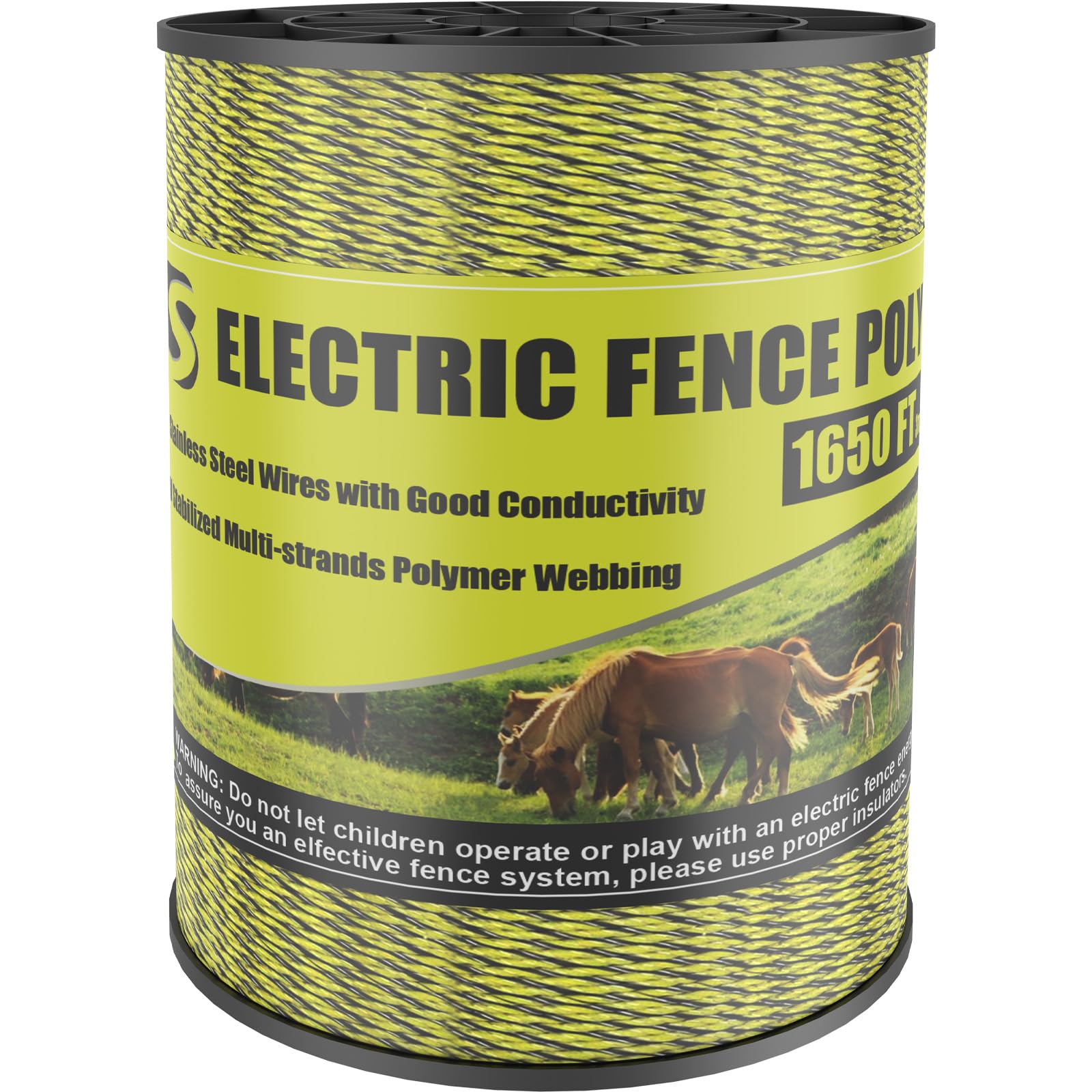
A 1/8" polywire with six stainless conductors plus extra nylon strands for strength—designed for reusable, heavy-duty portable fencing.
Why I picked it: The extra nylon strands and 1/8" webbing make this roll feel sturdier in real-world use while keeping conductivity high.
Best for: Temporary enclosures that get frequent re-use and situations where durability matters.
Solid midrange choice for repeat use and heavier-duty applications.
Pros
- 1/8" diameter for strength
- Six stainless conductors
- Added nylon strands for durability
- Reusable and easy to handle
Cons
- Reel not included
- Needs regular vegetation clearance
My take
I’ve used this BESTEEL roll across several seasonal setups and it’s held up well for a couple of years. The thicker webbing and multiple nylon strands resist abrasion when I run the line near brush or through tighter posts.
It’s forgiving during installs: I cut and retied sections when animals wrapped a line around a leg and was able to restore tension without losing performance. Conductivity remains solid thanks to the stainless conductors.
If you plan to leave wire close to grass and weeds, expect to clear vegetation regularly—no polywire will stay hot through heavy grounding. For durability and easy reuse, this roll is one I return to.
6. 330 ft Polywire – Best Short Roll
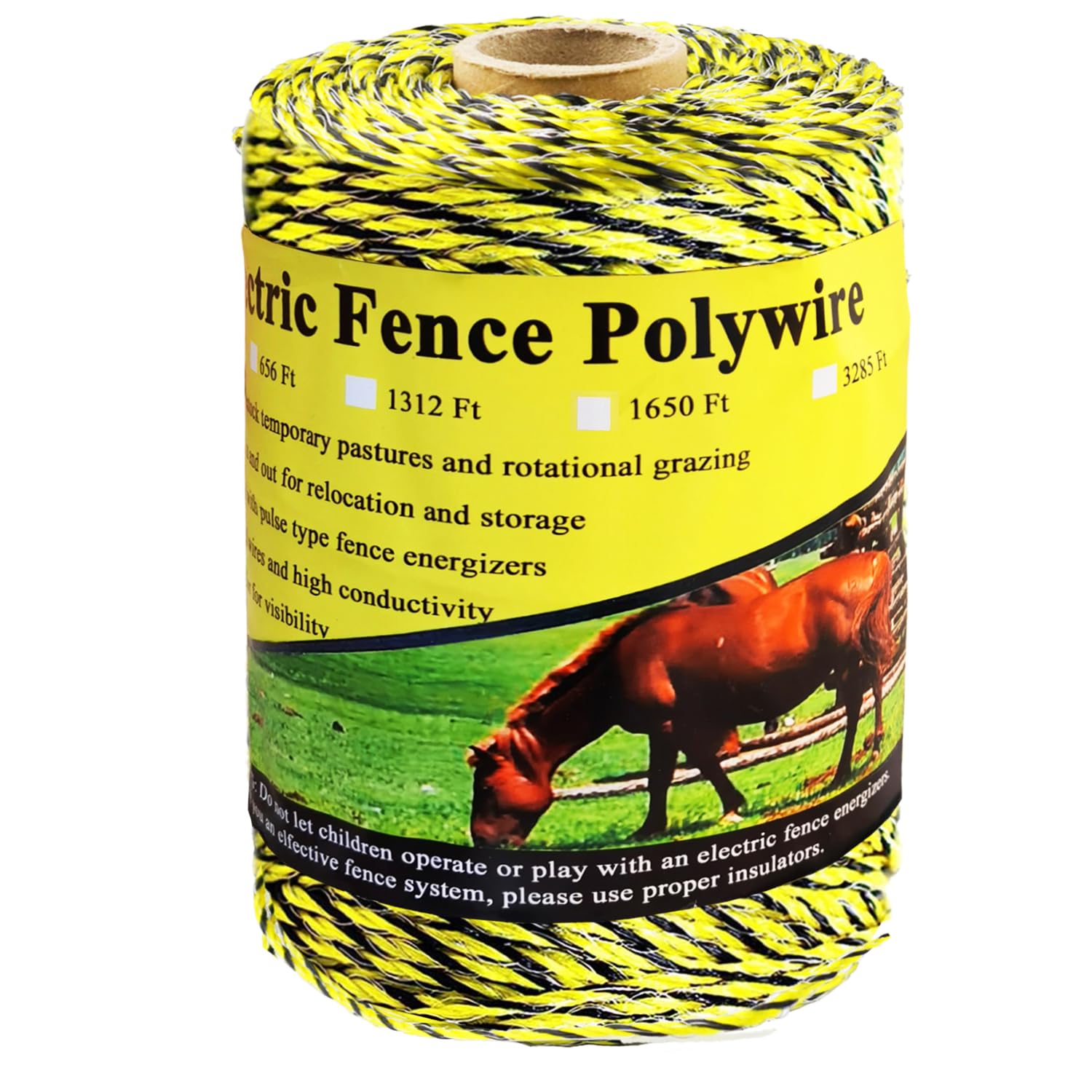
A compact 330-foot roll that’s handy for gardens, small enclosures, and trial installs—lightweight and easy to stow.
Why I picked it: Perfect when I only need a short run or when I’m protecting a garden bed or small poultry area.
Best for: Vegetable gardens, small pens, and trial fence layouts.
Very budget-friendly for short-term or small-area use.
Pros
- Compact 330-foot roll
- Six stainless conductors
- Easy to cut and install
- Includes holder on some packs
Cons
- Limited length for bigger plots
- Multiple rolls needed for larger areas
My take
I use the 330-foot roll for garden protection and small pen trials. It’s quick to deploy and only takes a moment to string up around raised beds.
On one garden I had persistent raccoon trouble; a single line of this polywire convinced the critters to stay away after a single contact. It’s also easy to coil and store once the season is over.
Given the length, I don’t use it for larger paddocks, but for focused work around vegetables and small projects it’s an inexpensive and effective tool.
7. Fence Lead Wire with Alligator Clips – Best Accessory
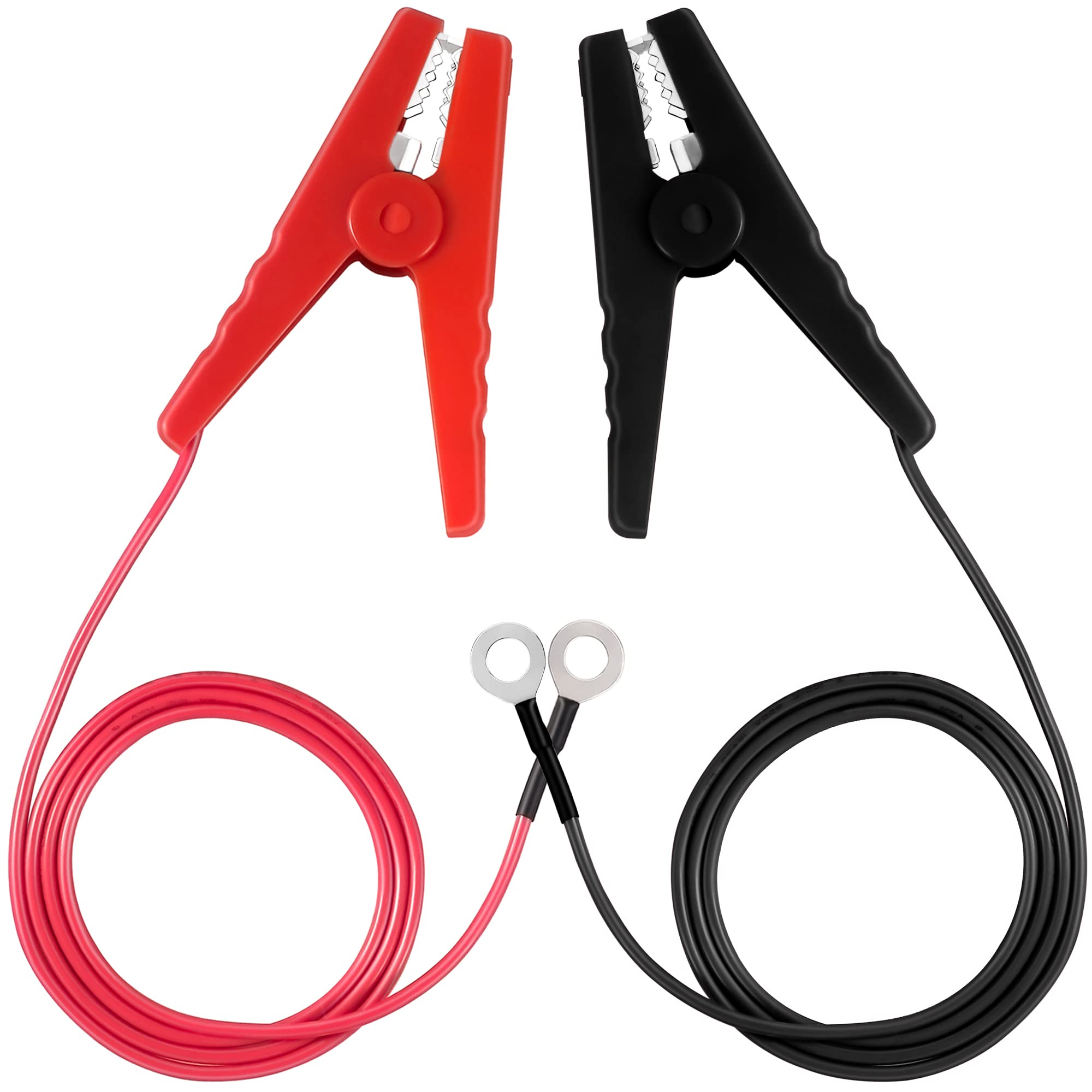
Pair of 3-foot lead wires with alligator clips to connect energizers to fence lines and ground rods—sturdy outdoor-rated connectors.
Why I picked it: I keep spare leads for quick replacements; these clips are robust and make energizer connections simple.
Best for: Replacing damaged leads and making fast, secure energizer connections.
Low-cost accessory that solves common connection headaches.
Pros
- Sturdy alligator clips
- Fits most energizers
- Outdoor-rated materials
- Quick to install
Cons
- Leads are short
- Ground rod reach may be limited
My take
When my original leads failed I swapped these in and the energizer was back online in minutes. The clips grip ground rods securely and the brass pegged ends line up with common energizer terminals.
They’re rugged enough for outdoor use and handled winter conditions on my setup without corrosion. My only caveat is to check the lead length—if your ground rod sits far from the energizer you may need longer leads or to position the energizer lower.
For the price I treat these as essential spares: they’ve saved me from lengthy downtime several times.
8. Electric Poultry Netting 48×164 ft – Best for Poultry
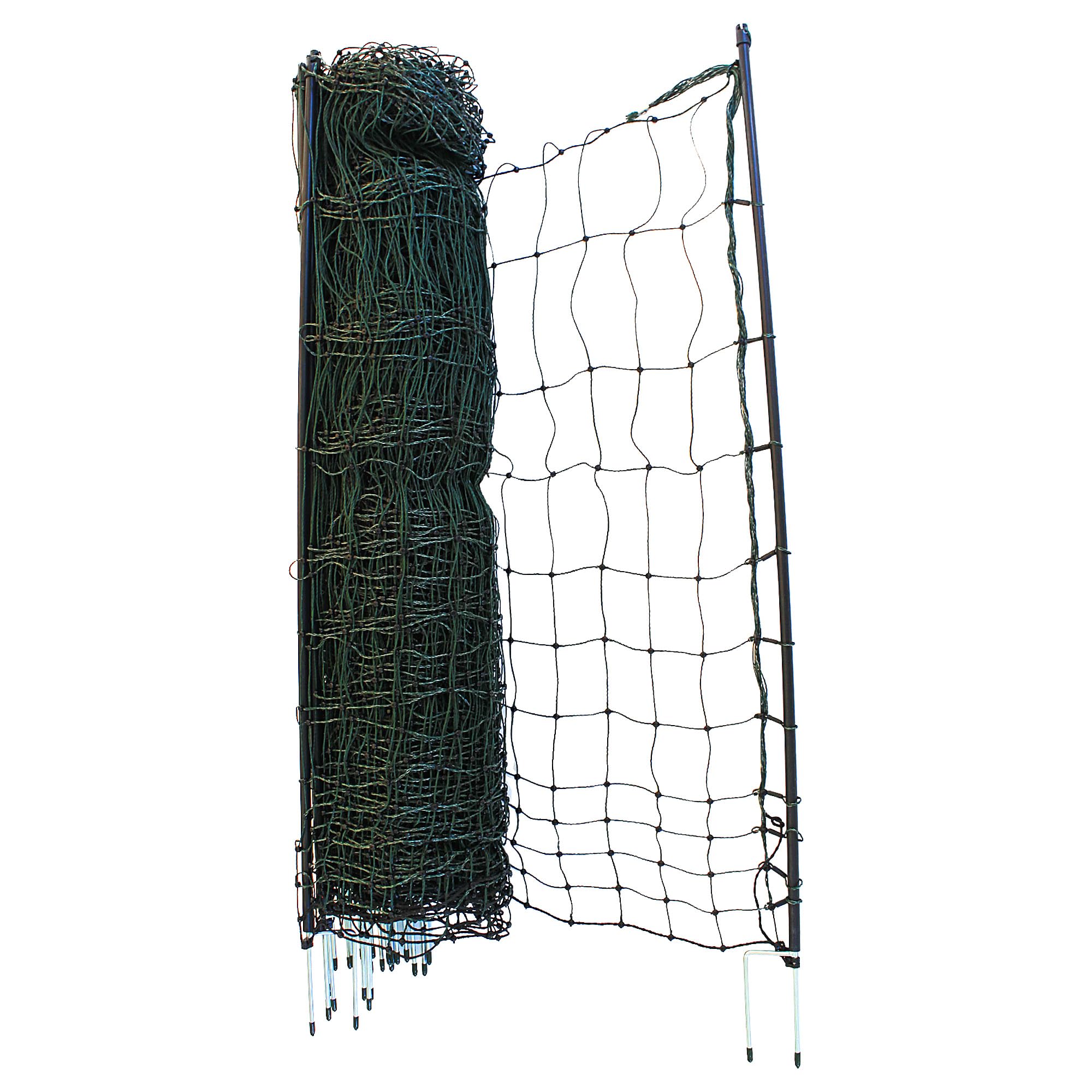
Pre-poled, portable electric netting with a 48" height and 164' length—works with any charger and is designed for easy setup and predator protection.
Why I picked it: The built-in poles and compatibility with any energizer make this my go-to for quick, reliable poultry perimeter protection.
Best for: Protecting chickens and small flocks from predators and creating fast, portable runs.
Premium option that combines convenience and ready-to-use portability.
Pros
- Pre-attached poles for tool-free setup
- 48-inch height keeps birds in
- Weatherproof and UV resistant
- Works with any charger
Cons
- Needs solid anchoring on uneven ground
- Higher-end option
My take
When I needed to give chickens a larger free-range area while keeping predators out, this netting was the fastest solution. The poles are pre-attached so I could stand it up with one person and start connecting to my energizer.
It handled strong winds and stayed upright when I anchored corners well. On uneven terrain I had to pay attention to anchor points and clear grass touching the secondary lines to avoid grounding the energizer.
I liked that it’s compatible with solar, battery, or AC energizers—no guessing about charger match. For anyone protecting poultry or needing quick portable predator protection, this netting gives the most practical, ready-to-use coverage I’ve tested.
How I Choose Electric Fencing for Goats
Wire type and strand count
I prefer polywire with at least six stainless steel conductors for good conductivity and corrosion resistance.
Webbing around the conductors improves visibility and handling; 1/8" diameter offers a nice balance of strength and flexibility.
- Six stainless strands = better long-term conductivity than aluminum.
- 1/8" webbing is sturdier for frequent moves.
- Bright colors reduce accidental animal contact.
Length and logistics
I match spool length to the size of the area I plan to fence and always factor in extra for corners and splices.
If I’m moving fences frequently I mount the polywire on a reel for faster deployment.
- Buy a longer single spool to avoid multiple joins.
- Use a reel for frequent moves to save time.
Power and energizer selection
I size the energizer to the total line length and vegetation load, not just the acreage.
Solar and battery units are great for remote paddocks, while mains-powered units give the most consistent output.
- Match energizer output to fence length and expected grounding.
- Keep a digital tester to verify actual line voltage.
Accessories and tools I keep on hand
Keep spare lead wires, a tester, insulators, and a small tensioner kit in your vehicle or fix-it box.
Insulator choice depends on post type; I carry both pin and ring insulators for wooden and t-posts.
- Tester to check voltage and faults.
- Alligator-clip leads for quick energizer hookups.
- Spare insulators and knots/ties for emergency repairs.
Practical installation tips
I always clear vegetation under and near the hot line to prevent grounding and loss of shock.
Stagger multiple hot lines or mix hot and earth lines to improve containment without increasing total voltage.
- Keep grass and brush trimmed near lines.
- Use temporary posts for rotational grazing.
- Test every connection after installation.
Frequently Asked Questions
How much voltage do goats need to respect a fence?
From experience, goats respond to a sharp, brief pulse rather than constant high voltage. I aim to see a healthy reading on my digital tester—usually mid-range on units rated up to 9.9 kV—and remove grounding vegetation so the pulse is effective.
Can I use polywire year-round?
Yes—I’ve left polywire up seasonally and reused it for several years. UV-treated webbing and stainless conductors will last, but I clear vegetation and inspect splices each season to prevent losses.
Do I need a special energizer for poultry netting?
No. I’ve hooked netting to solar, battery, and mains energizers successfully. The key is proper grounding and keeping the secondary lines off wet vegetation that can short the system.
What’s the easiest way to repair a cut polywire?
I strip back the webbing, twist the stainless conductors together, and secure the splice with twine or a short sleeve knot before re-tensioning. It’s quick and restores functionality without special tools.
Final Take
I depend on polywire for most of my portable fencing needs: for long runs I favor the 3366-foot and combo rolls, while the 330–656-foot spools are perfect for gardens and quick paddocks. The poultry netting is my go-to when I need instant predator protection.
Keep a digital tester and spare leads with you—those two items save the most time when a fence goes quiet. Now pick the roll or kit that matches your pasture size and how often you’ll move the line, and you’ll have a reliable, low-effort system for managing goats and small livestock.
