
I tested a range of electric fireplaces and kept the models that delivered the most realistic flame, useful heat, and easy installation for different spaces.
I live with these units and tested them in real rooms, so I know which designs actually perform and which are mostly decoration.
In the picks below I balanced flame realism, installation style, supplemental heat output, and user-friendly controls so you can choose the right fit for your room.
When I compare these models I focus on installation type (free‑standing, insert, recessed), how convincing the flame looks, and whether the heater actually moves meaningful warmth in a typical living area.
1. LegendFlame 23″ EF290 — My compact free‑standing insert – Best Compact Insert
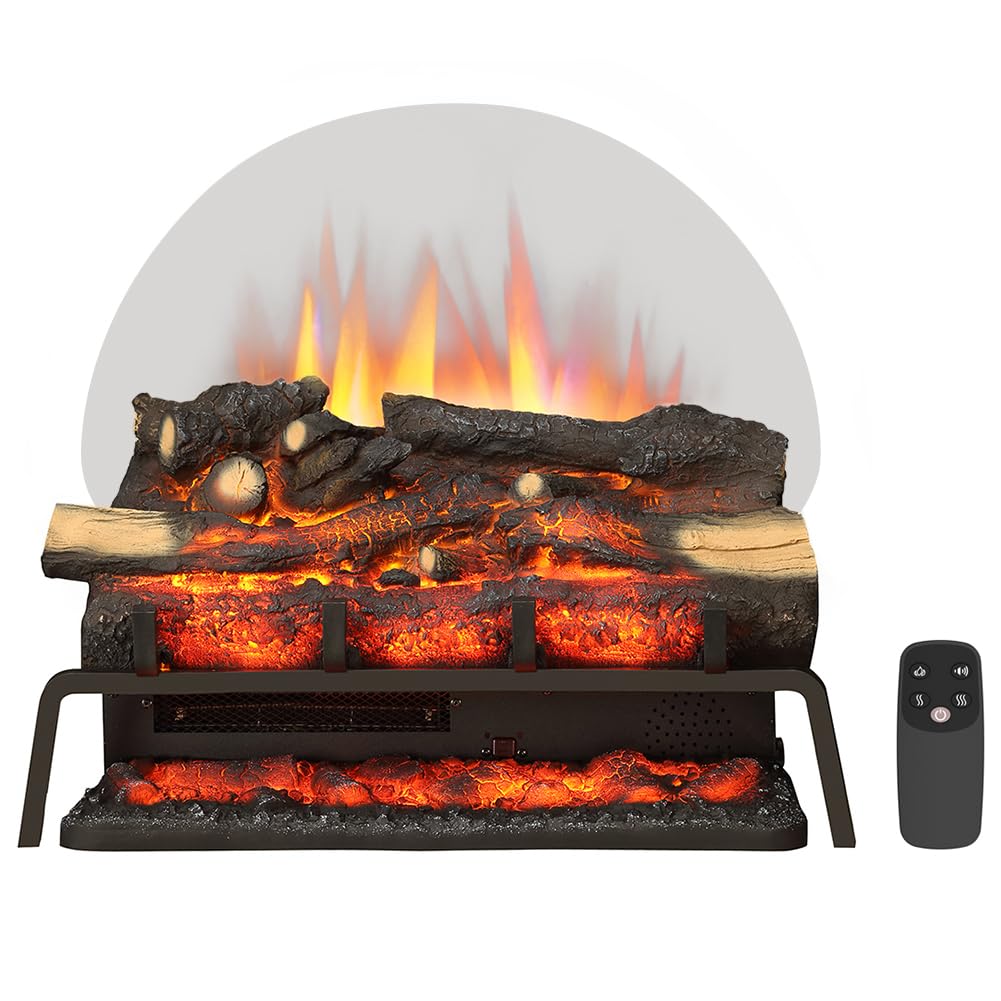
I value this unit for its small-footprint fit, realistic resin logs, and the ability to run the LED flame without heat year‑round.
Why I picked it: Small, easy to drop into existing openings; excellent flame realism for its size.
Best for: Tight fireplace openings, apartments, and anyone wanting a plug‑and‑play insert.
Affordable option for a realistic-looking insert.
Pros
- Realistic resin log flame effect
- Runs flame without using heat
- Remote control included
- Useful supplemental heat for small rooms
Cons
- Remote range can be limited
- Crackle sound can be loud
- Not a primary heat source
My take
I dropped this unit into an existing opening and appreciated how simple the setup was—no carpentry required. The flame rises from realistic resin logs and the ember bed looks convincingly warm even from across a room.
I regularly run the flame with the heater off in warmer months; the LEDs give a cozy look without the noise or mess of a real fire. When I do use heat, the fan produces pleasant white noise and moves enough warmth for a small living area.
The remote is easy to use, though I noticed its effective range is short. The crackling sound is charming from time to time but can be louder than I prefer on its lowest setting. Overall, I consider this a sturdy, good-value compact insert.
2. PuraFlame Klaus 33″ — My traditional glass‑door insert – Best Classic-Style Insert
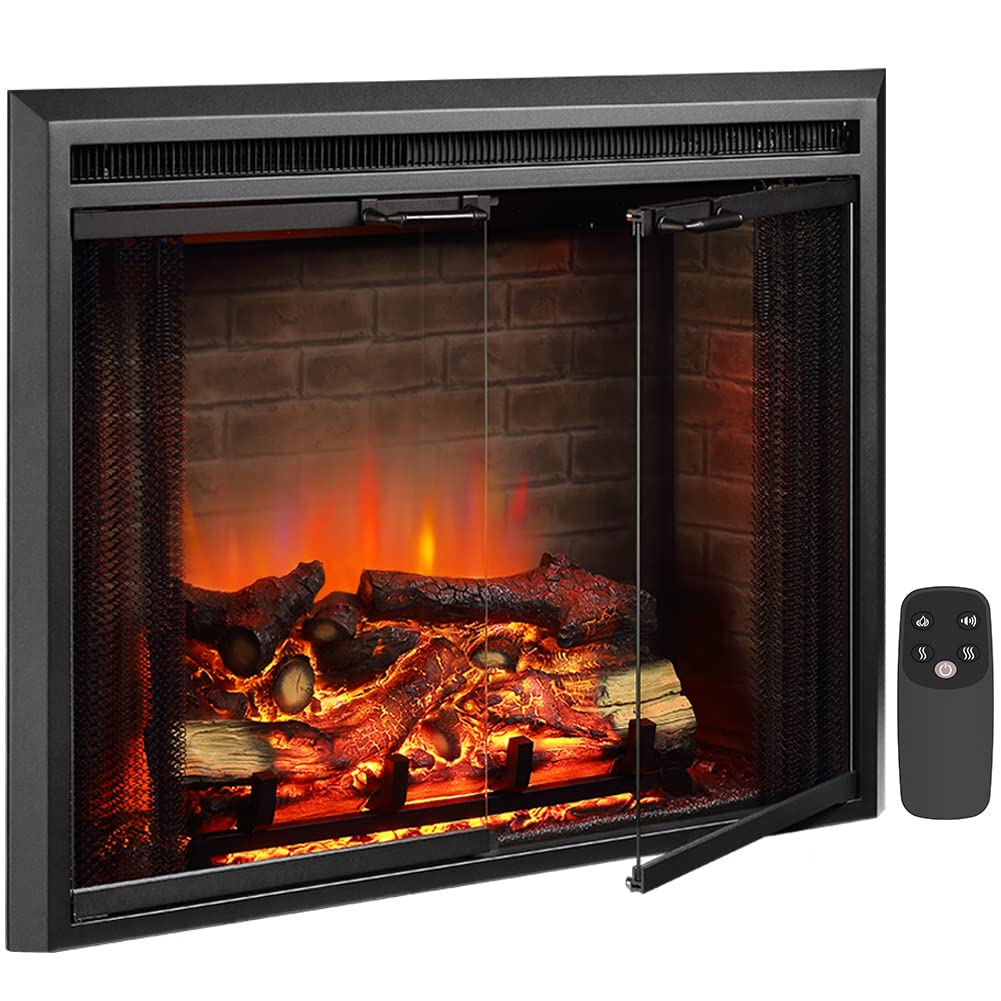
I picked this for a more traditional fireplace look: glass doors, a mesh screen, and a taller resin log that mimics a wood-burning fire.
Why I picked it: Antique-style glass door and three-sided interior for authentic, closed‑fireplace appearance.
Best for: Homes that want a period look without the hassle of a real fireplace.
Mid-range option for a classic look.
Pros
- Glass door and mesh screen
- Three flame intensity settings
- Adjustable thermostat
- Solid build and materials
Cons
- Crackle sound can seem artificial
- May need professional help to fit trim
My take
I installed this insert into an existing surround and enjoyed the traditional feel immediately—the glass door and brick‑style interior sell the illusion of a real hearth.
The three flame settings and variable brightness let me dial in atmosphere day or night. I used the adjustable thermostat to reduce drafts from the chimney, which cut my heating cycles in practice.
The crackle feature felt a little synthetic to my ears, so I leave it off most of the time. If you want a convincing, classic look with useful supplemental heat, this unit performs reliably.
3. Touchstone Sideline Elite 60″ — My smart, large recessed fireplace – Best for Smart Homes
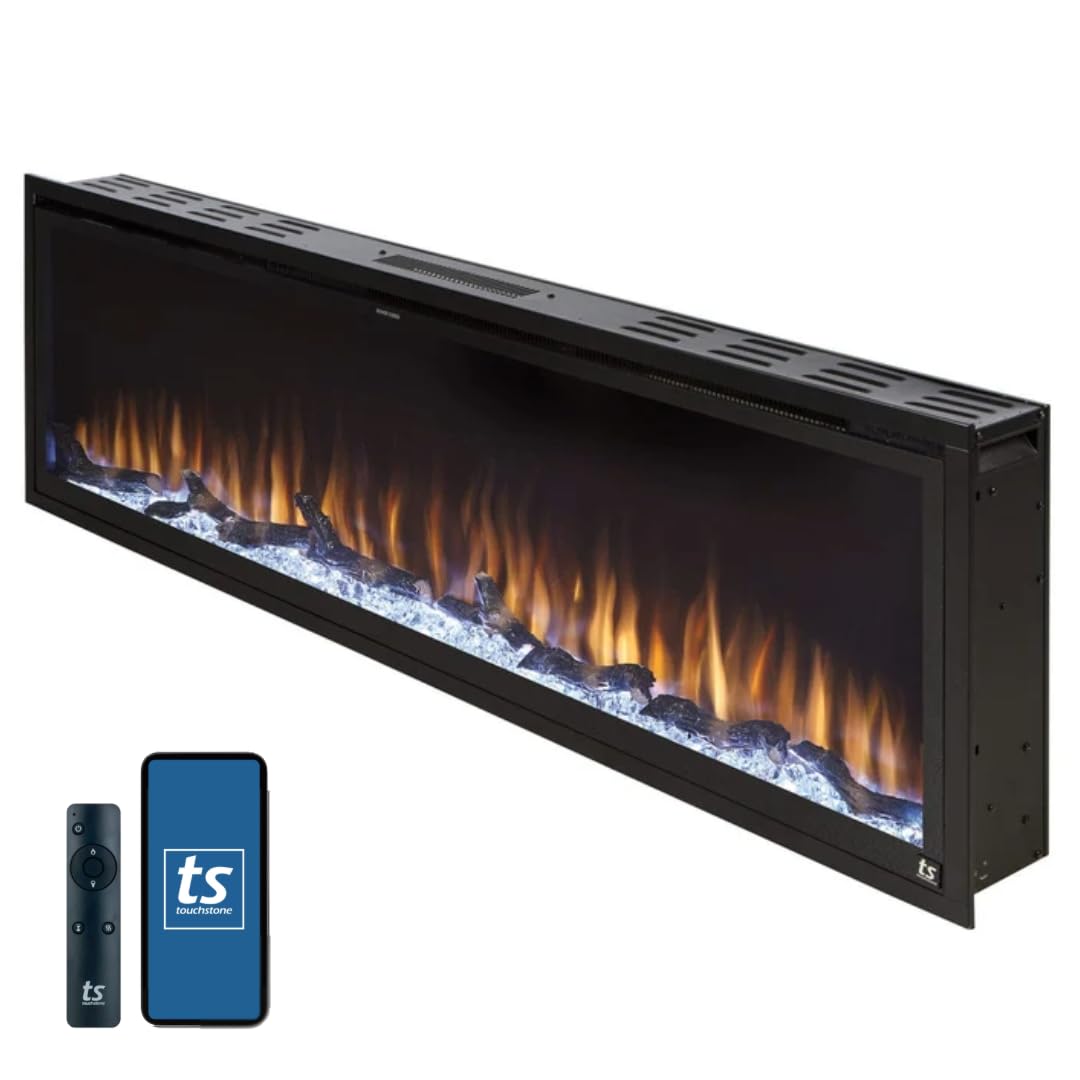
I rely on this model when I want a statement recessed fireplace with smart controls, many flame and media color options, and solid heat output for larger rooms.
Why I picked it: Wi‑Fi control, extensive color options, and full recessed integration make it a versatile centerpiece.
Best for: Open living rooms and custom installations where the fireplace is a focal point.
A higher-end option for a large, feature-rich recessed unit.
Pros
- Wi‑Fi and app control
- Extensive flame and media colors
- Large 60-inch viewing window
- Good supplemental heat for big rooms
Cons
- Requires careful measuring
- More expensive than basic inserts
My take
I recessed this unit into a feature wall and appreciated how the wide viewing window and minimal frame create a modern, high-end look.
The app made daily use effortless—scheduling, a timer, and color control are simple from my phone, so I rarely touch the physical remote. The thermostat and two heat settings let me use it as meaningful supplemental heat on cold evenings.
Installation is doable as a DIY for experienced people but I had a contractor handle the rough‑in. The unit is quieter than I expected and the variety of flame and media options means I can swap looks depending on the mood.
4. EUHOMY 50″ — My flexible wall‑mounted and recessed fireplace – Best Wall‑Mounted Value
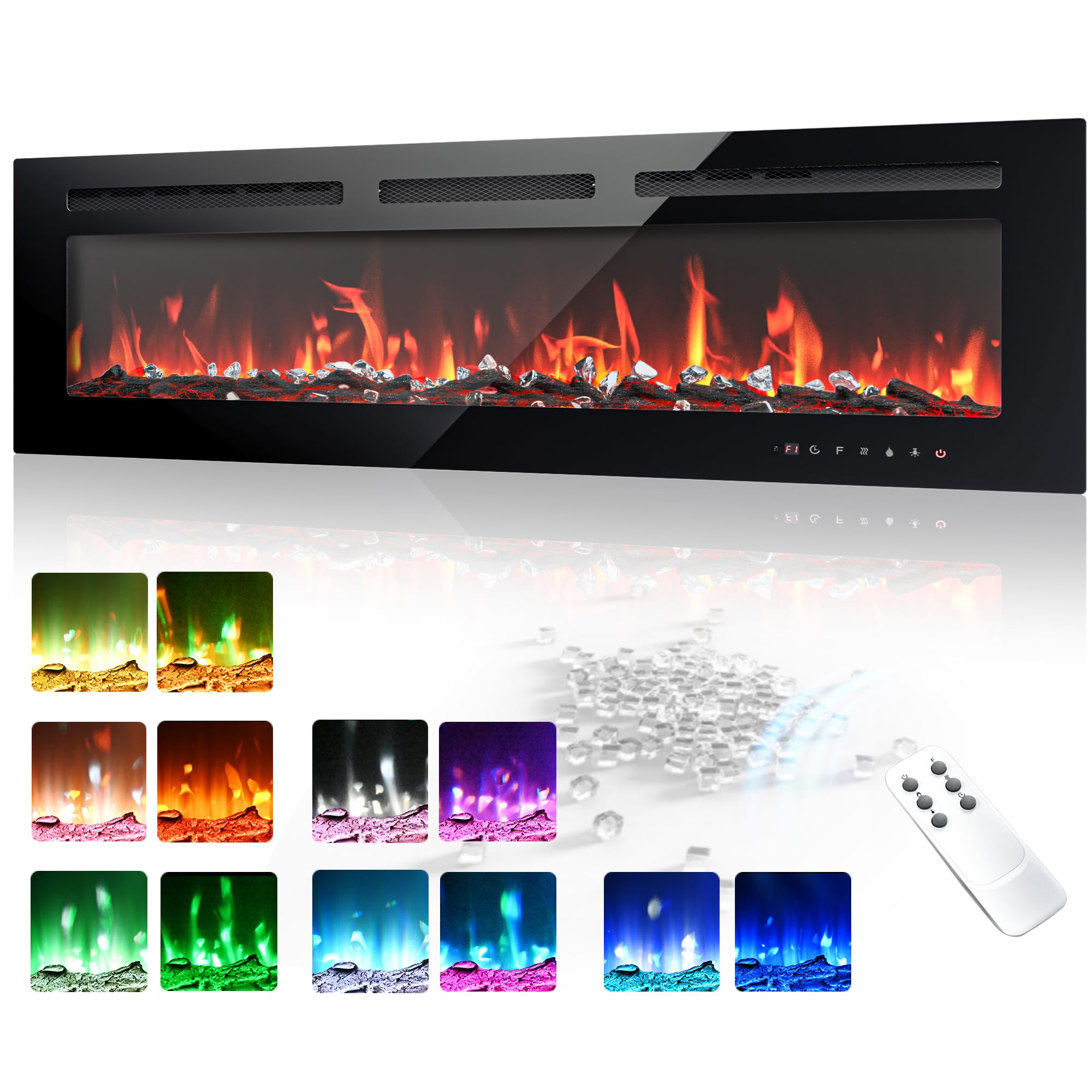
I chose this for its blend of color customization, quiet operation, and dual installation options at a competitive price point.
Why I picked it: Plenty of flame and fuel‑bed colors, quiet operation, and remote plus touchscreen control.
Best for: People who want a stylish wall-mounted unit with lots of color options.
Good value for features and flexible installation.
Pros
- Twelve flame and bed colors
- Remote plus touchscreen
- Very quiet operation
- Two-year technical support
Cons
- Main vent carries most airflow
- May not heat very large open plans
My take
I mounted this on a media wall and was impressed by how bright and customizable the flame effects are—the color combinations let me match seasonal decor without extra effort.
The unit runs at a low noise level, which I appreciate during movie nights. The 750/1500W heat modes provide useful supplemental heat for a den or medium living room, though in very open floor plans I noticed the warmth spreads more slowly.
Installation was straightforward for a recessed or wall mount application, and the included remote plus touchscreen give me two convenient control options.
5. LegendFlame Carl 35″ with Trim Kit — My larger, decorative insert – Best for Ambiance & Upgrade
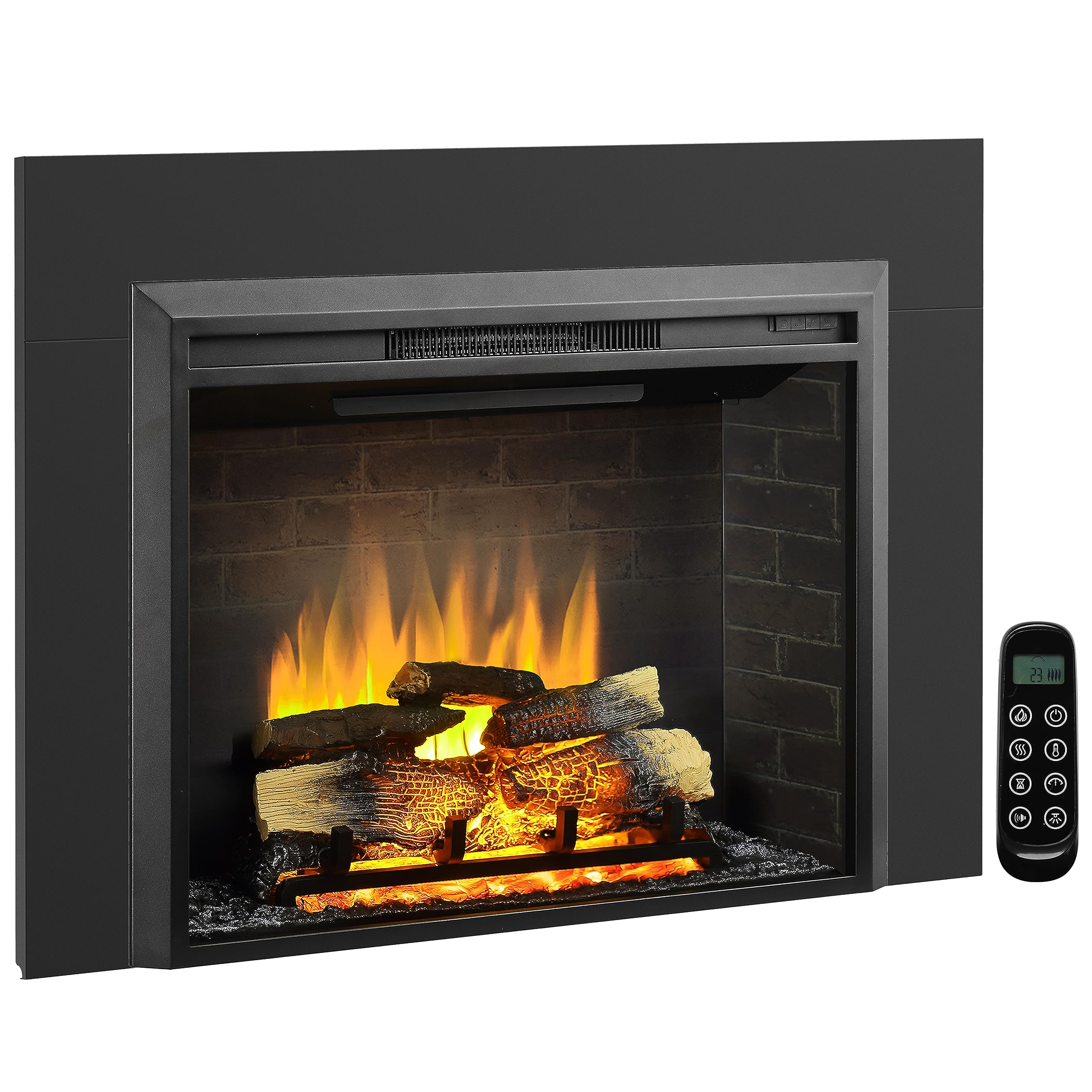
I picked this model for its larger viewing area, multiple flame brightness levels, and the trim kit that gives a built‑in, finished look.
Why I picked it: Bigger flame window, versatile installation, and lots of mood‑lighting options.
Best for: Upgrading a sealed or unused fireplace without major construction.
Mid‑to‑higher price for a more substantial insert and trim.
Pros
- Large, random flame pattern
- Four brightness levels
- Trim kit for finished look
- Multiple installation options
Cons
- Ships in multiple boxes
- Not a full primary heat source
My take
I used this insert to bring an old, unused fireplace back to life and the transformation was immediate—the flame pattern and log detail are among the most convincing I tried.
The trim kit helps the unit read like a built‑in feature rather than an insert sitting in the hole. Heat output is gentle but effective for supplementing a typical living room.
Setup was as easy as placing and plugging it in for my configuration; if you want recessed installation you should plan the rough‑in, but for most people it’s a straightforward upgrade that adds real ambiance.
6. Real Flame Crawford Slim 48″ — My mantel fireplace with replaceable insert – Best with Mantel
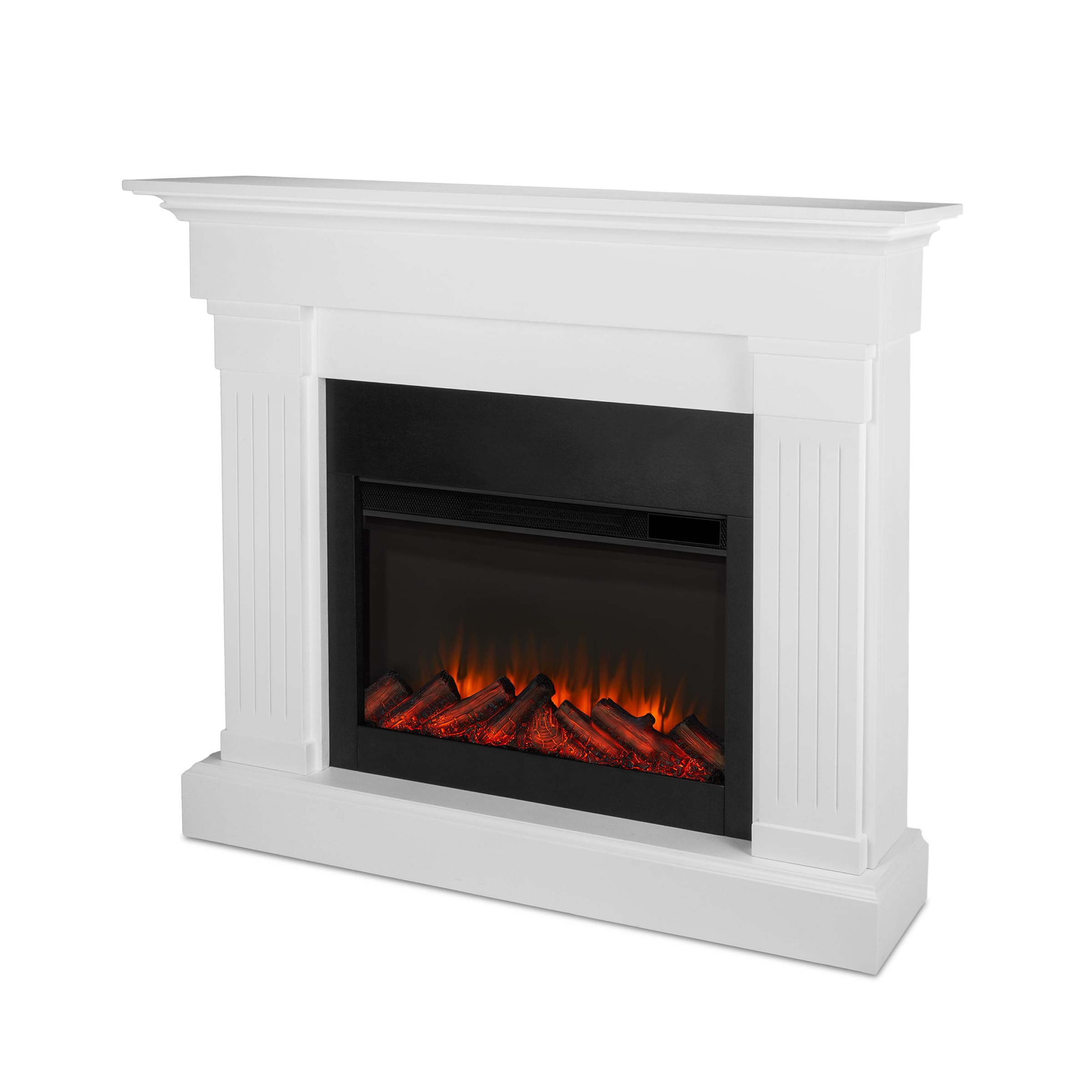
I recommend this when you want a finished mantel and a replaceable insert that serves larger rooms and supports a TV above the mantel.
Why I picked it: Includes a solid wood mantel, replaceable insert, and higher heat output for larger rooms.
Best for: Bedrooms or living rooms where a mantel is part of the design.
A worthwhile investment when you want a mantel and larger heating coverage.
Pros
- Solid wood mantel included
- Replaceable insert design
- Six flame colors, five brightness levels
- Heats larger rooms effectively
Cons
- Assembly required
- Blower can be noticeably loud
My take
I assembled this mantel unit in under an hour and appreciated that the instructions were clear and parts were well labeled. The finished piece looks classically trimmed and elevates the room far beyond a standalone insert.
The replaceable insert gives me flexibility if I want to upgrade the visuals later. The heater moves a lot of warmth for its size and is effective in bedrooms or medium living rooms; the blower is audible when the heat runs on high.
If you want a mantel-style setup with the convenience of an electric insert, this model delivers a polished look and solid performance.
How I Choose an Electric Fireplace
Sizing and placement
I always measure the opening or wall space twice before buying. A tight fit makes installation easier and prevents surprises.
If I want a recessed look I plan for rough‑in depth and clearance above the unit. Free‑standing inserts and mantels are the simplest for DIY.
- I match unit depth to the cavity or wall space
- I consider viewing width for the room's focal point
- I prefer recessed for built‑in looks, inserts for easier swaps
Heat performance and coverage
I treat electric fireplaces as supplemental heat—not a sole house heater. I pick higher wattage or larger units when I need meaningful warmth for living rooms.
I also check whether the model offers multiple heat modes and an adjustable thermostat so I can fine‑tune comfort without cycling my whole HVAC system.
- I look for 750/1500W modes for flexible heating
- I choose models with adjustable thermostats and timers
- I avoid expecting whole‑house heating from an insert
Flame realism and ambience
I pay attention to flame depth, log or crystal options, and independent media color settings. Those features determine how convincing the visual effect will be.
Sound effects are optional for me; I turn them off if they feel artificial.
- I prefer resin logs and layered ember beds
- I value adjustable brightness and multiple flame speeds
- I use app or remote control for daily convenience
Installation and controls
I choose free‑standing or plug‑in inserts when I want a simple setup. Recessed models often require a contractor or basic wiring skills.
I like dual control options—remote plus touchscreen or app—so I can operate the unit from my phone or the room.
- I check whether unit is plug‑in or hardwire capable
- I confirm vent placement for heat outlets
- I ensure the unit's noise level fits the room
Frequently Asked Questions
Can I rely on an electric fireplace as my home’s main heat?
I don't use electric fireplaces as primary home heating. I rely on them for zone or supplemental heat—they warm a room effectively but aren't intended to replace central heating.
Do electric fireplaces need venting or a chimney?
I appreciate that these units need no venting or chimney. I can install a plug‑in insert into an existing opening or mount a recessed unit without flue work.
Are these units hard to install?
I find free‑standing inserts and mantel units easy to set up myself. Recessed installations are manageable but I often have a pro handle rough‑in or hardwiring for a clean finish.
Final Take
I've used these fireplaces in real rooms and chose each pick based on how it actually performed, not just specs.
Whether you want a compact insert, a classic glass‑door look, a smart recessed centerpiece, or a mantel setup, one of these options will give you immediate ambience with practical supplemental heat.
