
I tested classic Moka pots and AeroPress variants so you can pick the right espresso-style brewer for your kitchen, travel bag, or single-cup ritual.
I love coffee rituals, and over years I’ve cycled between full espresso machines, stovetop moka pots, and compact manual brewers. In this roundup I explain which devices I keep reaching for and why.
My testing focused on extraction, ease of use, cleaning, and how each brewer fits a real routine—from daily singles to weekend cappuccinos and camping trips.
I compare classic Italian Moka pots with the AeroPress family: moka pots deliver dense, dark, espresso-style coffee on a stovetop; AeroPresses give fast, clean cups with more control and travel-friendly portability.
1. Bialetti Moka Express Iconic Italian Stovetop Espresso Maker (6 Cups) – Best Overall Stovetop
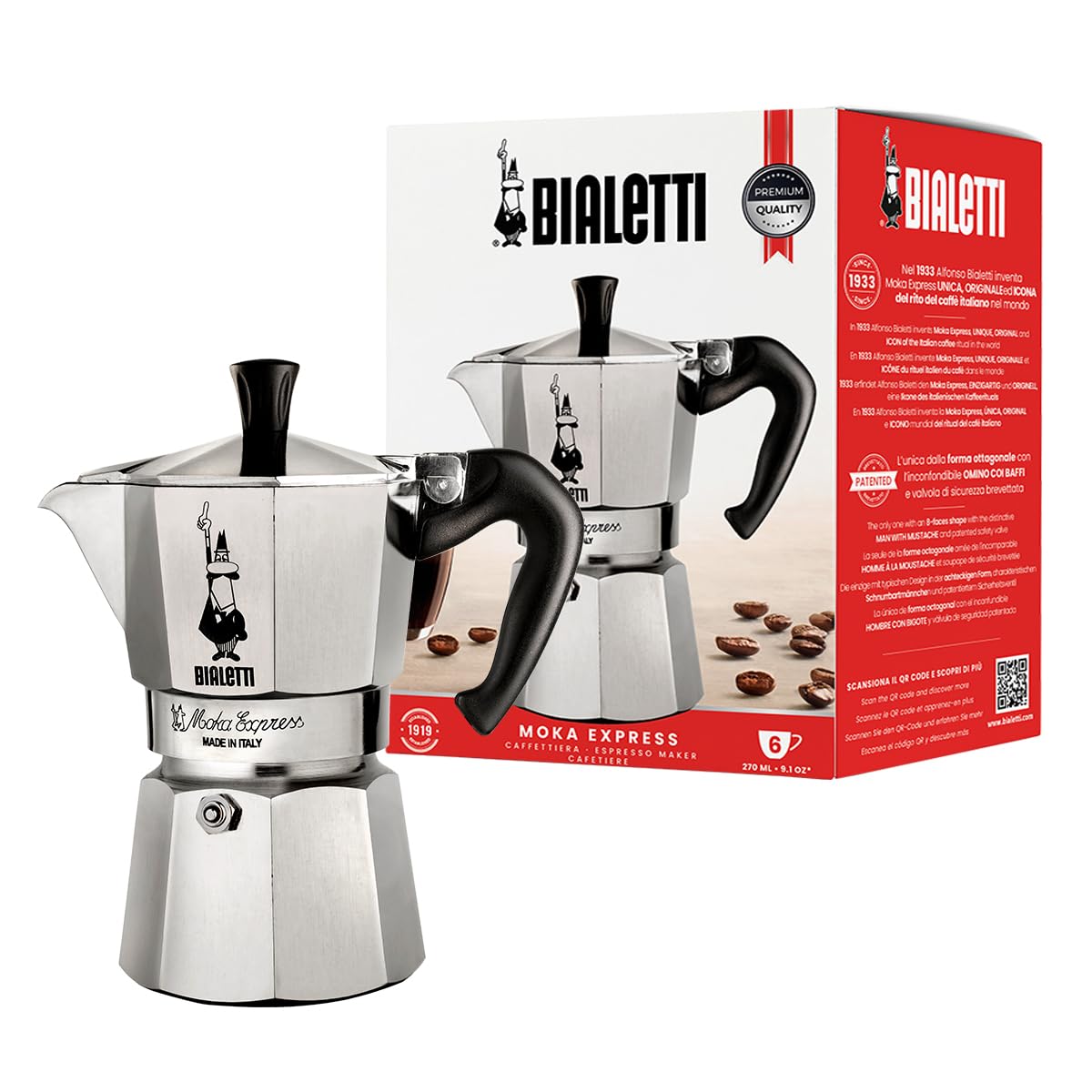
I value this as the go-to moka pot for bold, authentic Italian-style coffee and long-term reliability.
Why I picked it: Authentic Italian build, reliably bold espresso flavor every brew.
Best for: Home drinkers who want strong, classic moka coffee for multiple cups.
A classic, budget-friendly option that delivers long-term value.
Pros
- Rich, espresso-style coffee
- Solid, long-lasting aluminum construction
- Simple to clean by rinsing
- Timeless, iconic design
Cons
- Requires stovetop and attention
- Small learning curve for perfect extraction
- Not dishwasher-safe
My take
This is the original moka design I keep on my stove. It makes a robust, dark cup that’s closer to Italian espresso than standard drip—perfect for milk drinks or straight demitasse shots.
I learned the few simple steps (fill to the safety valve, level grounds without tamping, medium-low heat, stop when it gurgles) in a couple tries and then got consistently great results. The patented safety valve and ergonomic handle make everyday use easy.
Cleanup is pleasantly minimal: I rinse with warm water and avoid detergents. The aluminum finish and fit-and-finish feel like they’ll last for years, which is why I still recommend the Italian-made original over cheaper copies.
2. Bialetti Moka Express 1-Cup Stovetop Espresso Maker – Best for Singles
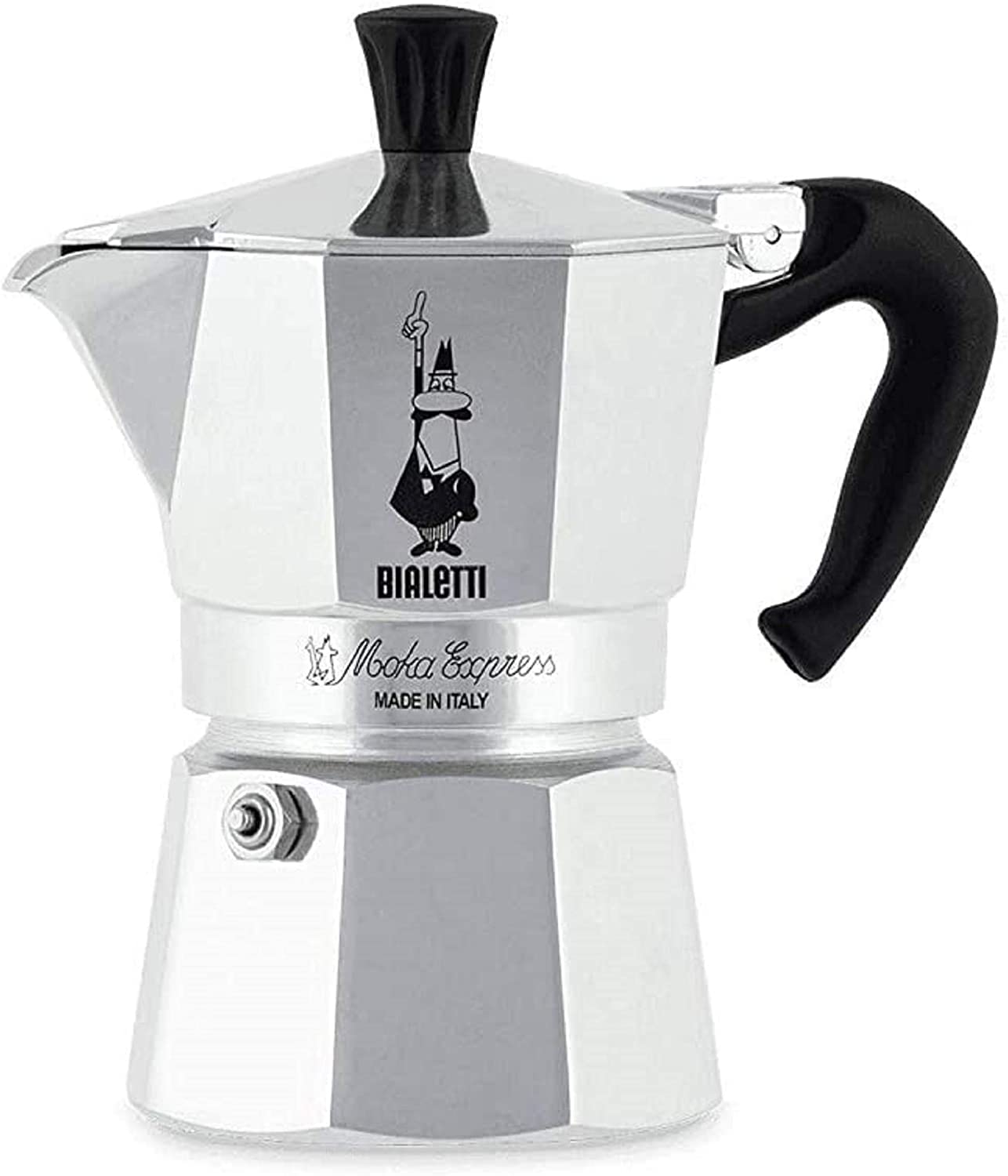
I turn to this tiny Moka when I want a quick demitasse without wasting beans or counter space.
Why I picked it: Perfect single-serving size with classic Bialetti craftsmanship.
Best for: Solo drinkers, tight kitchens, or as a thoughtful gift piece.
Compact and economical — ideal as a low-cost starter moka.
Pros
- Makes a true single demitasse
- Classic octagonal, space-saving shape
- Stay-cool handle and side pour spout
Cons
- Very small yield
- Needs precise grind control
- Hand-wash only to preserve flavor
My take
When I want one small cup, this 1-cup Moka is my go-to. It produces a concentrated 2-ounce espresso-style shot in about four to five minutes, which is perfect for a morning ritual or after-dinner coffee.
I appreciate the octagonal, original design and the stay-cool handle that makes pouring easy. Because it’s so small, I pay extra attention to grind size and water level to avoid over-extraction.
This is a durable, Made-in-Italy piece that feels like a step up from cheaper clones. I only rinse it with water after use and avoid the dishwasher to keep flavors clean.
3. AeroPress Original Coffee Press — Manual Brewer (Gray Standard) – Best for Flavor Control
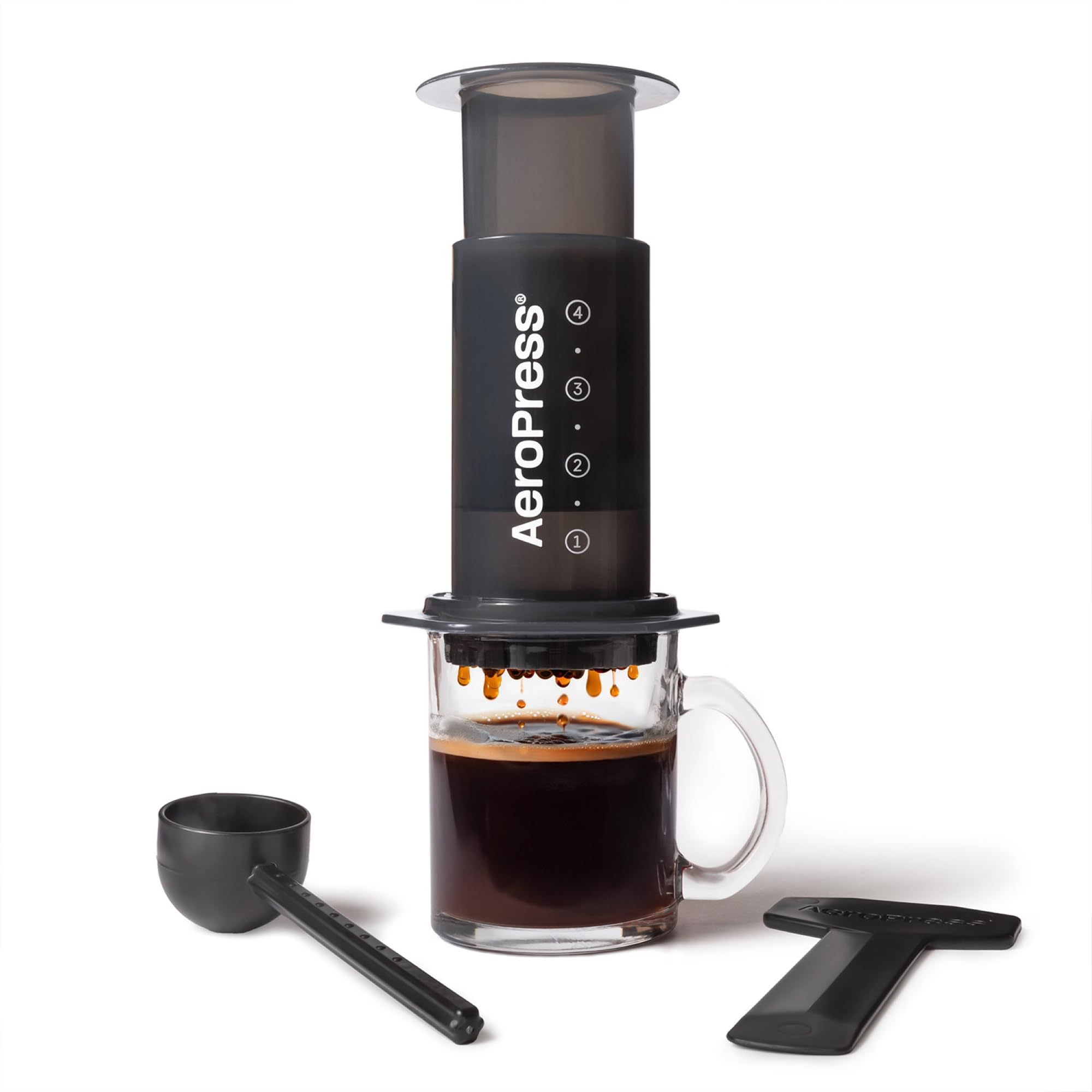
I rely on this when I want a clean, flavorful cup I can tweak precisely.
Why I picked it: Three-in-one brewing gives me complete control over taste.
Best for: Coffee tinkerers who dial grind, time, and temperature.
Moderately priced with huge versatility for singles.
Pros
- Fast brew under two minutes
- Very clean, low-bitterness cup
- Compact and shatterproof
Cons
- Single-cup capacity
- Requires paper filters
- Not a true espresso machine
My take
The AeroPress is the tool I grab when I want to explore a coffee’s flavor profile. Between pressure, steep time, and filter choice I can highlight nuance or push for a stronger, espresso-like concentrate.
It’s fast to brew and even faster to clean—pop out the puck, rinse, and I’m done. In direct comparisons I’ve found its cups cleaner and less bitter than my French press.
It’s also a brilliant travel companion: lightweight, durable, and easy to pack. For day-to-day use I prefer the AeroPress when I want consistency plus flexibility.
4. AeroPress Original — Barista-Level Portable Coffee Maker – Best for Barista-style Drinks
I use this version when I want an espresso-style base for lattes and Americanos without a full machine.
Why I picked it: Produces a strong concentrate that plays well with milk.
Best for: Home baristas who make lattes, cappuccinos, and americanos.
A practical mid-range choice for milk-based drinks.
Pros
- Makes strong concentrate for milk drinks
- Quick cleanup and setup
- Durable, travel-ready construction
Cons
- Doesn’t produce true espresso
- Takes practice to perfect technique
- Limited batch size
My take
I don’t expect espresso-crema from the AeroPress, but I do get a concentrated, clean shot that stretches into excellent americanos and milk drinks. When I pair it with a separate milk frother or a Moka’s steam wand, I get cafe-worthy lattes at home.
The patented micro-filtration and pressure extraction cut bitterness and grit, which is exactly what I want when mixing with milk. Cleanup remains one of the AeroPress’s strongest advantages—seconds, not minutes.
If you’re replacing a bulky home machine because of counter space or cost, this is a practical path to very good milk-based drinks with minimal fuss.
5. AeroPress Go — Extra Small Portable Coffee Maker Kit (Includes Travel Mug) – Best for Travel
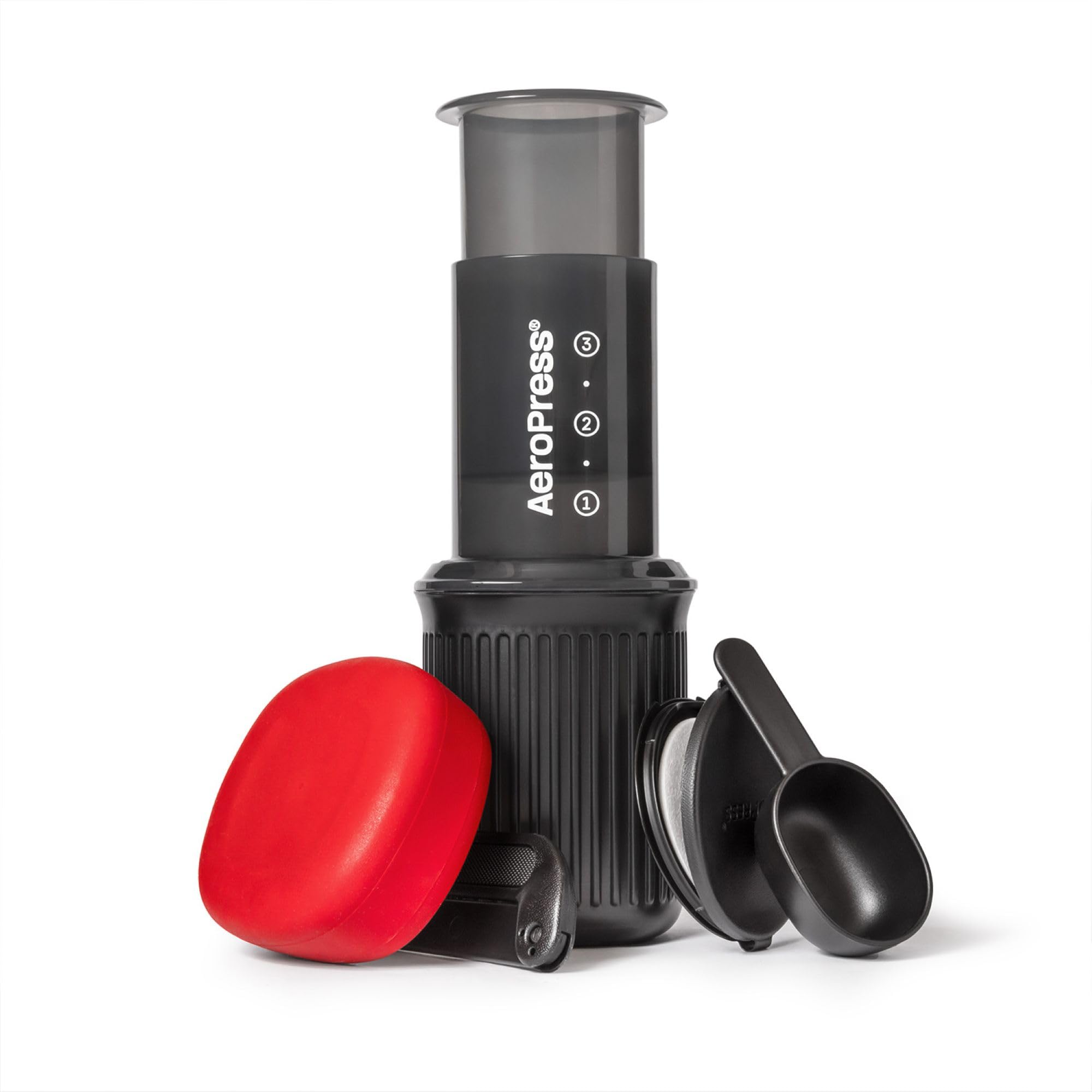
I bring this on trips: it packs down, includes a mug, and still delivers AeroPress flavor.
Why I picked it: Compact kit with a mug that doubles as storage.
Best for: Backpackers, travelers, and office commuters who want great coffee on the road.
A travel-focused version with convenience built into the kit.
Pros
- All-in-one, packs into the mug
- Brews fast, low-bitterness coffee
- Lightweight and rugged
Cons
- Smaller capacity than standard AeroPress
- Filter case holds few filters
- Still single-cup brewing
My take
For travel I prefer the AeroPress Go because it tucks into its mug and takes up almost no room. I’ve taken it camping, on road trips, and used it in hotel rooms with consistent results.
The brewing method stays true to the original AeroPress—fast, clean, and customizable—but the kit adds real-world convenience with a microwave-safe mug and lid that stores the press.
I recommend adding a reusable metal filter or flow-control cap if you plan to experiment on the road. Otherwise, it’s my first pick for great coffee away from home.
6. Bialetti Mocha Exclusive Sky Blue 3-Cup Open Fire – Best-Looking Moka Pot
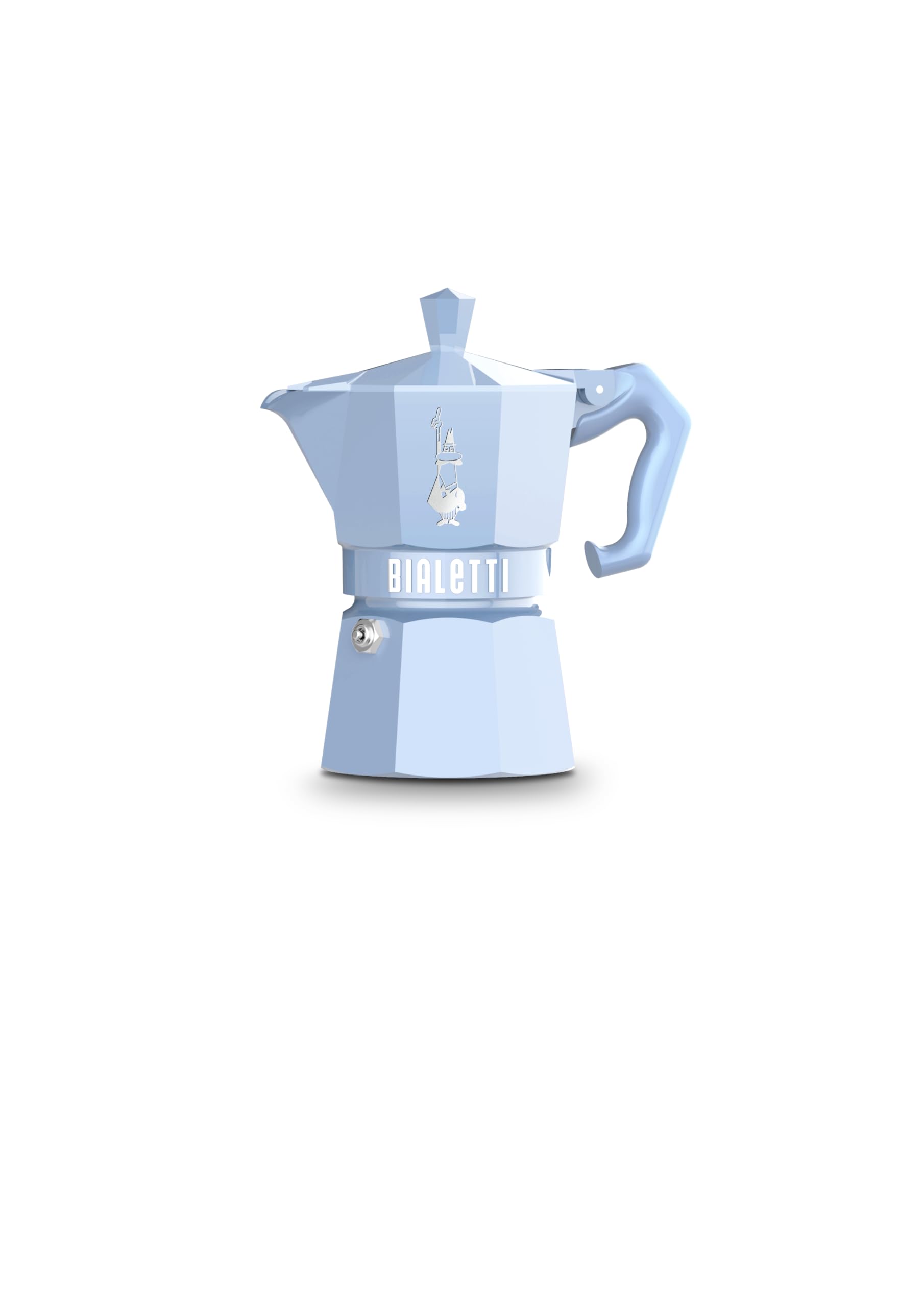
I keep this one when I want authentic moka coffee but with a bright, attractive finish on the stove.
Why I picked it: Striking color with classic Bialetti performance.
Best for: Those who want style and authentic moka flavor in a compact size.
A stylish variation that feels a bit more special.
Pros
- Eye-catching, cheerful color
- Compact 3-cup size
- Authentic moka flavor
Cons
- Requires stovetop use
- Takes a short brewing ceremony
- Limited features beyond style
My take
This sky-blue Bialetti blends the same moka mechanics I trust with a finish that brightens my kitchen. The 3-cup size is great for small households or when I want to make milk drinks without heating a large pot.
It’s simple to use and clean, and it produces that dense, traditional moka coffee I reach for when I want a full-flavored base for cappuccinos or lattes.
Beyond looks, it behaves like other Bialettis: solid, dependable, and enjoyable to use. It’s one I’ll keep on display and in regular rotation.
How I Choose an Espresso-Style Brewer
Brewer type: stovetop moka vs manual press
I decide based on ritual and result: moka pots give dense, dark coffee ideal for milk drinks; AeroPresses give cleaner, brighter cups with more control.
If I want a countertop showpiece and thick, espresso-like shots, I reach for a Bialetti. If I’m after portability or precise tuning, the AeroPress family wins.
- I choose a moka pot when I want traditional, robust espresso-style flavor.
- I reach for an AeroPress when I want fast, tweakable, low-bitterness cups.
- I pick the AeroPress Go when I travel or camp.
Grind, water, and heat control
I grind specifically for the device: medium-fine for moka pots and slightly finer for AeroPress when I’m aiming for a stronger concentrate.
I avoid over-tamping with moka pots and monitor stove heat—medium-low is usually best to prevent harsh extraction.
- I use filtered water to avoid mineral buildup and off-flavors.
- I experiment with grind size and water temperature to dial in extraction.
- I stop heating the moka when the gurgle begins for cleaner flavor.
Maintenance and longevity
I treat aluminum moka pots gently: rinse only, avoid dishwashers, and occasionally disassemble for a deeper clean.
For the AeroPress I keep extra paper filters or a reusable metal filter handy and rinse immediately after use—the puck pops out and cleanup takes seconds.
- I never put moka pots in the dishwasher; I hand-rinse instead.
- I replace gasket or filter parts on AeroPress as needed for consistent seals.
- I inspect the moka safety valve periodically for safety and performance.
Frequently Asked Questions
Can a moka pot make real espresso?
I don’t call moka espresso in the technical, high-pressure machine sense, but it produces a concentrated, dark cup that behaves like espresso in americanos and milk drinks.
How do I clean and care for a Bialetti Moka Express?
I rinse mine with warm water after each use and avoid detergents or the dishwasher. Occasionally I disassemble and rinse the filter and gasket to keep extraction consistent.
Is the AeroPress good for travel and camping?
Absolutely. I travel with an AeroPress or the AeroPress Go because they’re lightweight, durable, and produce excellent coffee from a kettle or hot-water source.
Final Take
After testing both classic moka pots and AeroPress variants, I keep at least one of each in rotation: a Bialetti for authentic, bold moka coffee and an AeroPress for quick, clean, highly controllable single cups.
Pick the Bialetti if you want traditional Italian flavor and a tactile ritual; choose an AeroPress (or the Go kit) if you value portability, speed, and precision. In either case, I recommend learning the small technique tweaks that make each device sing.