
I tested eight popular fence privacy screens so you can quickly pick the right balance of durability, opacity, and ease of installation for your yard, balcony, or dog run.
I installed and lived with a variety of fence privacy screens across multiple yards and balconies to see which blends durability, opacity, and ease of use. My testing covered chain-link, wood, and metal rail fences in sun, wind, and seasonal storms.
Across the options I focused on material (virgin vs recycled HDPE), grommet quality and spacing, true blockage percentage, and real-world longevity—especially in hot sun and high winds. Below are the best picks by use-case and what I experienced while installing and living with each screen.
If you want maximum UV and tear resistance pick the heavier virgin-HDPE options; if easy quick coverage is your goal, the lighter, economical screens install faster and still block most views.
1. Sunnyglade Privacy Screen 6×50 – Best Value 6×50
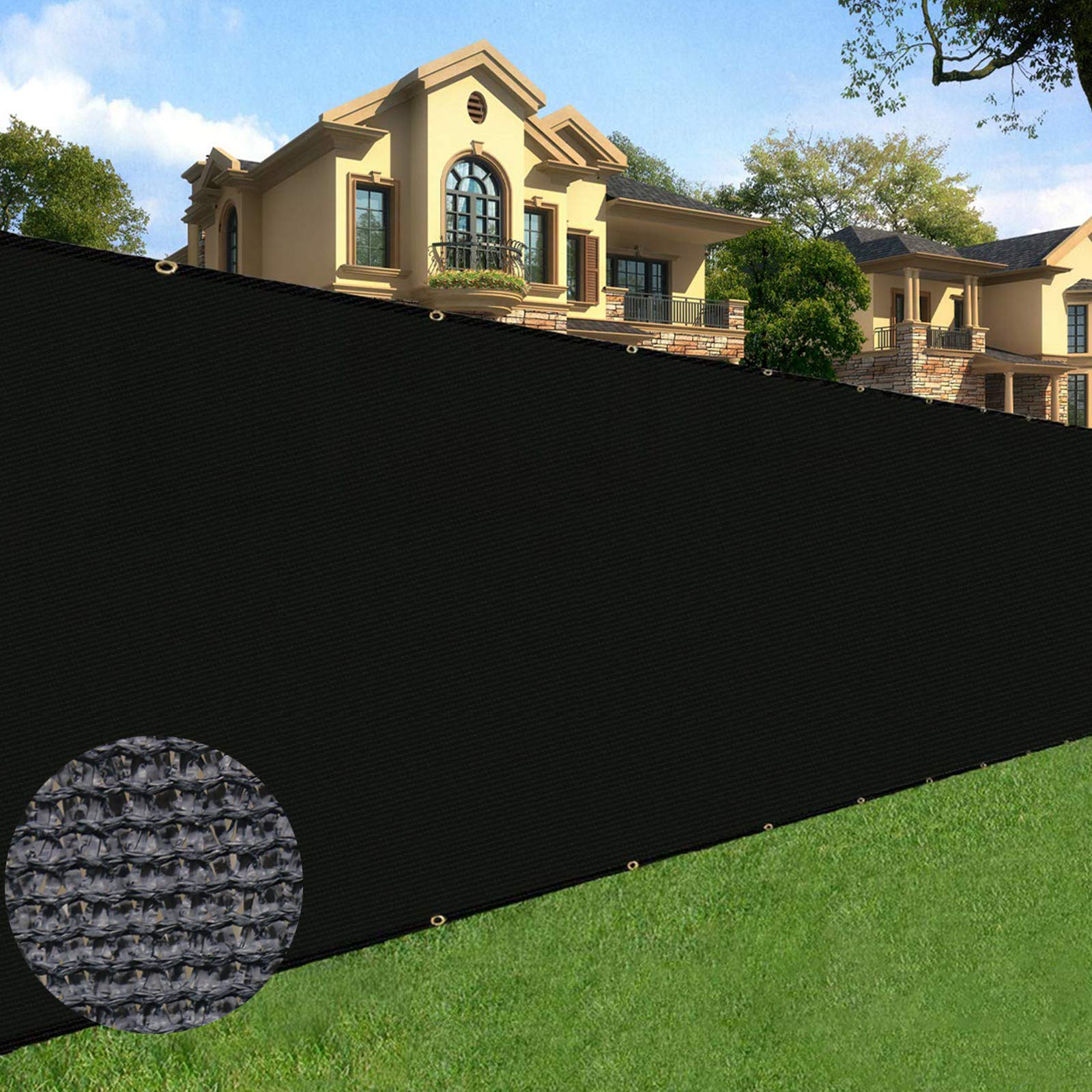
A breathable, heavy-duty HDPE screen with dense grommet placement and lots of tie points—great for long runs of chain-link or wood fence.
Why I picked it: Denser grommets and reinforced binding make it turn-key for long fence runs.
Best for: Long chain-link runs where easy attachment and decent opacity matter.
Affordable option for large coverage without extra installation hardware.
Pros
- Tight weave for good visual blockage
- Brass/copper grommets and reinforced binding
- Comes with many straps/zip ties
- Breathable material lets wind pass
Cons
- Zip ties can degrade in extreme weather
- Not fully opaque up close
My take
I used this Sunnyglade screen along a 50-foot stretch of chain-link to hide a busy street view. It lay flat, tied up quickly, and the closer grommet spacing made tensioning the fabric straightforward.
The HDPE fabric is breathable so the wind never turned it into a sail, and the reinforced 1.3" hem held up through gusty days without tearing. Expect shadow silhouettes rather than full blackout privacy.
Installation was fast with the included straps, though I swapped to metal ties at the top where sun and heat had previously shortened plastic ties in other screens I’ve used.
2. ColourTree 6×50 Privacy Screen – Best for UV Resistance
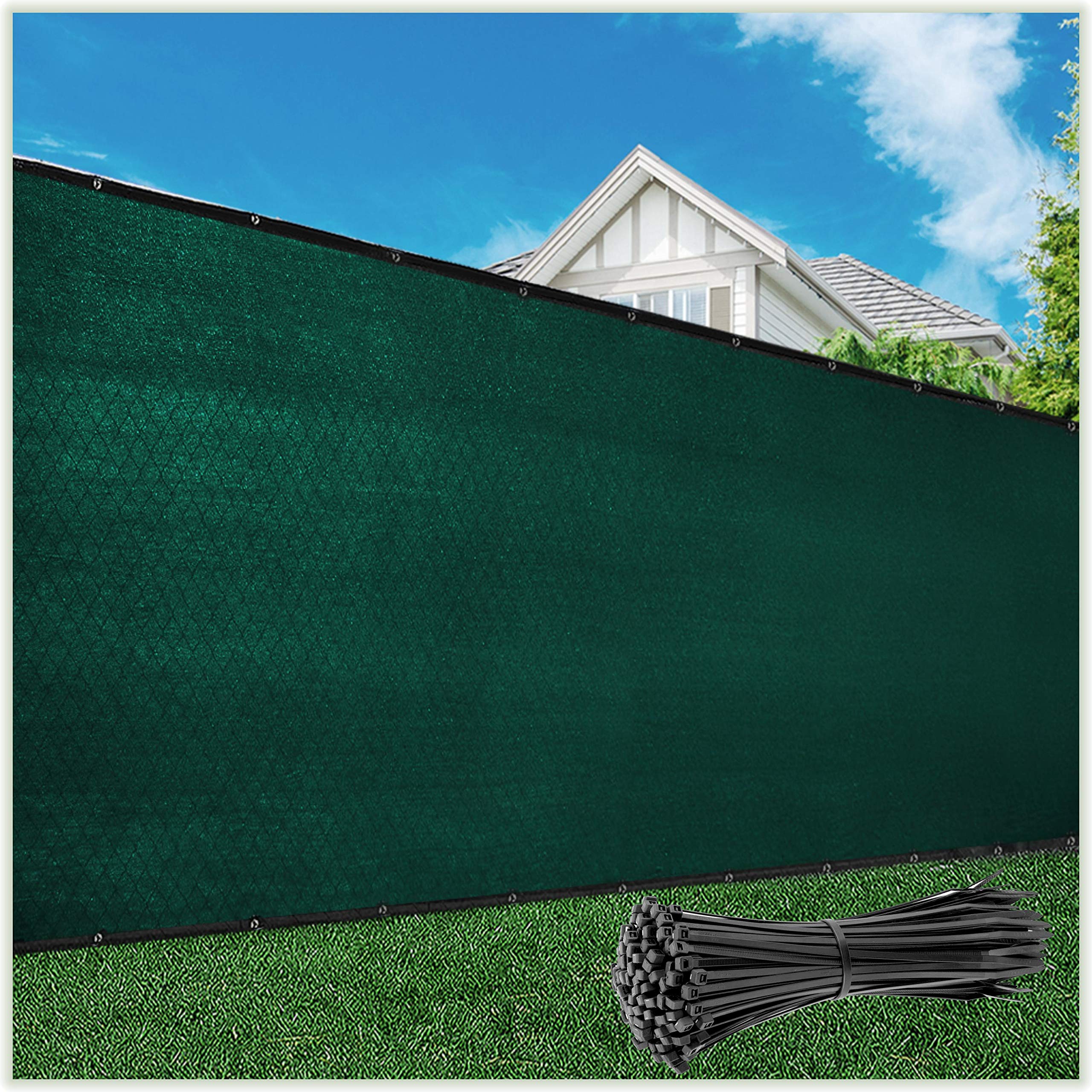
A thicker, virgin-HDPE screen with lab-tested UV stabilization—built to keep color and strength in hot, sunny climates.
Why I picked it: 170 GSM virgin HDPE and extended UV testing give it superior longevity in sun exposure.
Best for: Sunny, high-UV areas where long-term color and strength matter most.
A more durable choice worth paying extra for extended sun exposure.
Pros
- 170 GSM virgin HDPE resists UV degradation
- Higher actual height fits 6' fences well
- Stainless/copper grommets with wide binding
- 3-year limited warranty
Cons
- Heavier material takes two people to tension
- Not entirely opaque at close range
My take
I installed the ColourTree on a south-facing fence where afternoon sun is brutal; the thicker 170 GSM fabric felt noticeably more substantial and stayed colorfast through weeks of heat.
The extra grommets and wider binding held tension without pulling out, and the manufacturer’s sizing (actual height slightly under 6') fit my 6' fence with a little stretch.
Because the fabric is heavier I clipped it in place with metal ties along the top and used plastic ties lower down; once tightened it eliminated most street views while still letting enough airflow to keep plants and pets comfortable.
3. Windscreen4less 6×50 Privacy Screen – Best Heavy-Duty Longevity
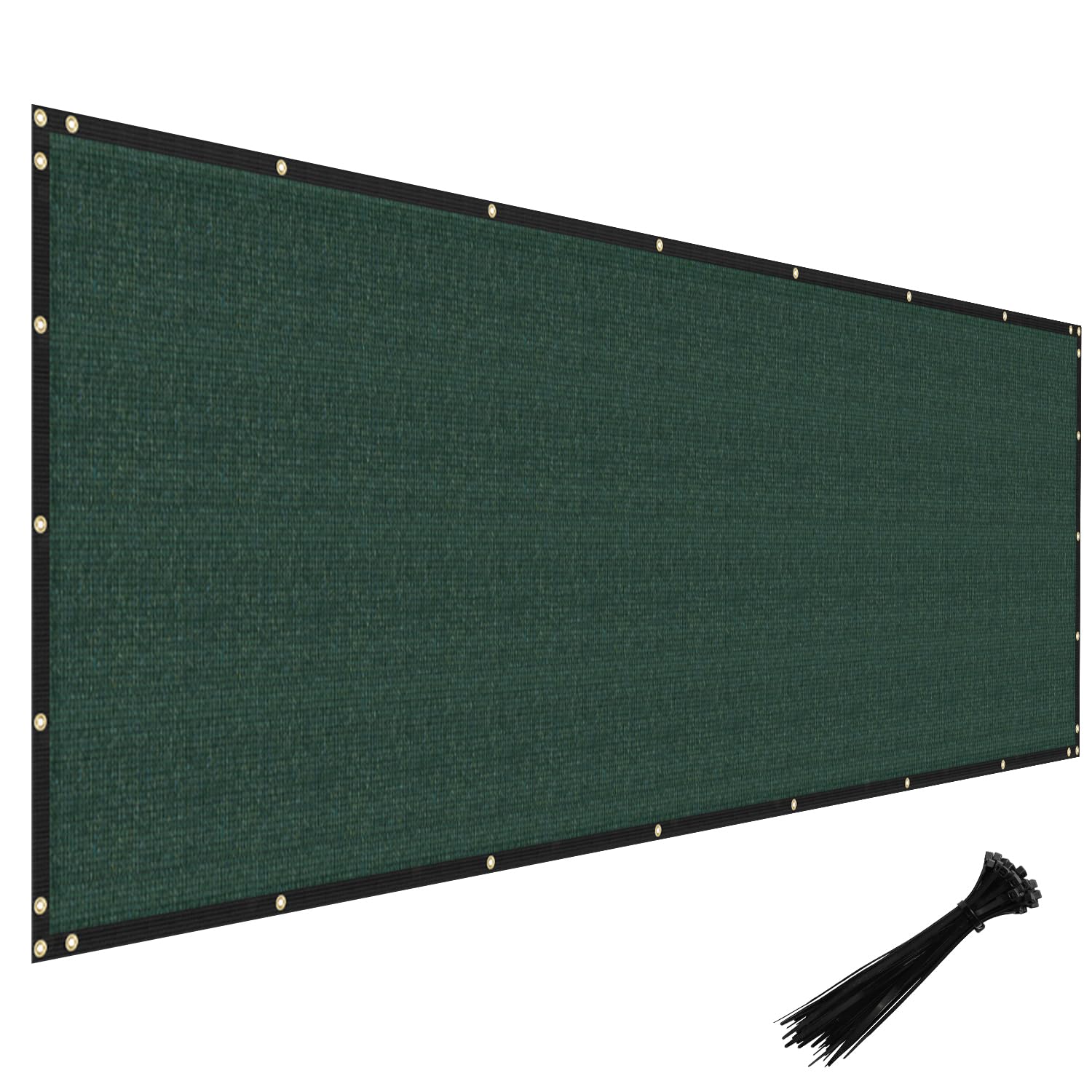
A solid, tight-knit HDPE screen that has proven long-lived in coastal sun and wind environments.
Why I picked it: Consistently durable construction and flat, elastic fabric that resists tearing.
Best for: Coastal or windy locations where longevity matters.
A mid-range, durable option that lasts through seasons.
Pros
- Tight, flat weave resists tearing
- Reinforced brass grommets
- Includes zip ties for installation
- Feels sturdy in high wind
Cons
- Can be slightly sheer up close
- Material may need occasional re-tensioning
My take
I left this Windscreen4less panel up through a couple of storm seasons and it held tension without ripping or sagging. The fabric's elasticity helped it absorb gusts rather than tear.
The brass grommets stayed rust-free, and even after months of sun the material kept its integrity. Shadows show through, but the 90% blockage claim translated to good privacy from roads and neighbors.
Installation was straightforward; the included zip ties work fine for most applications but I upgraded to metal ties across the top in exposed spots.
4. SUNNY GUARD Balcony Privacy Screen 3×10 – Best for Balconies
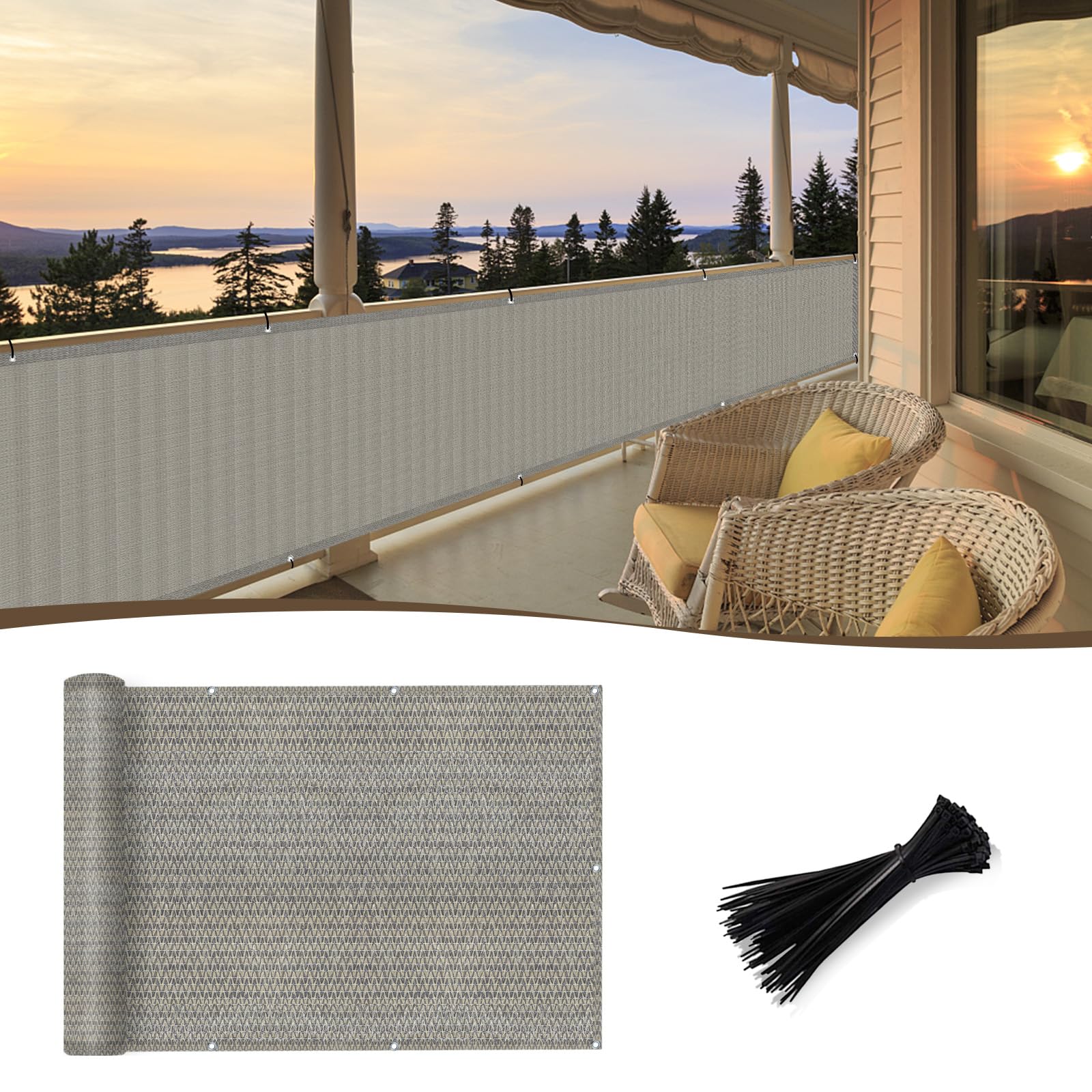
A compact, customizable balcony screen with aviation-aluminum buttonholes and a tight fold seam—designed for apartments and railings.
Why I picked it: Folding double-seam construction and rustproof aluminum buttonholes work well on railings.
Best for: Apartment balconies, porches, and short railing runs.
Affordable and sized for balcony use; custom sizing available.
Pros
- 95% UV protection; lets light filter
- Aviation aluminum buttonholes resist rust
- Custom sizes available
- Lightweight and easy to handle
Cons
- Shorter standard lengths than some panels
- May require overlap for unconventional railings
My take
I put this Sunny Guard screen across a third-floor balcony to cut morning glare and it delivered filtered light with good airflow—exactly what I wanted for drinking coffee comfortably.
The double-seam hems and aluminum buttonholes felt higher quality than other apartment screens I’ve handled, and the provided quick zippers made mounting very simple.
Measure carefully: my rail needed a bit of overlap at the end, but because the material is easy to trim I made it fit cleanly and it still looks tidy.
5. Amgo 4×10 Privacy Screen – Best for 4-ft Fences
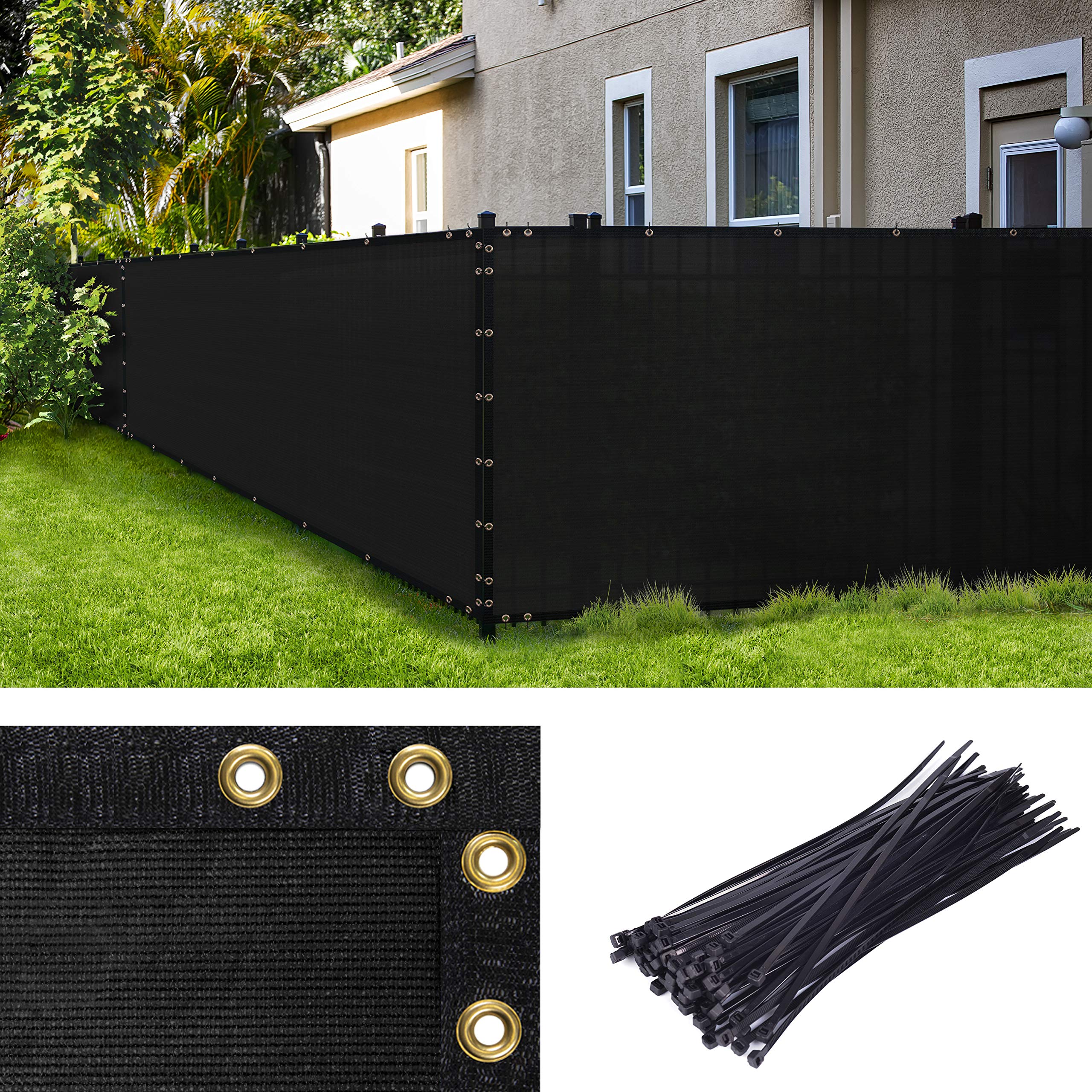
A commercial-standard 4' fence screen with reinforced edges and frequent grommets—good for lower fences and dog runs.
Why I picked it: Actual height matches 4' fence needs and frequent grommets simplify installation.
Best for: 4-foot fences, dog kennels, and sections needing quick shade.
Solid mid-price choice for lower fence applications.
Pros
- Fits 4' fences with near-accurate height
- Copper grommets and reinforced stitching
- 90% blockage while allowing airflow
- Cable ties included
Cons
- See-through close up
- Provided ties may break in sun
My take
I used the Amgo on a 4' perimeter fence to reduce my dogs' trigger view of the street. It cut visual detail enough that barking dropped, even though silhouettes remain.
The frequent grommet spacing made it easy to keep the fabric snug and the reinforced edges resisted the usual fraying I see on cheaper screens.
For longevity I replaced a few of the supplied plastic ties with heavy-duty zip ties at high-stress points; the screen itself stayed intact through snow and wind.
6. Windscreen4less 4×50 Privacy Screen – Best for Wind Protection
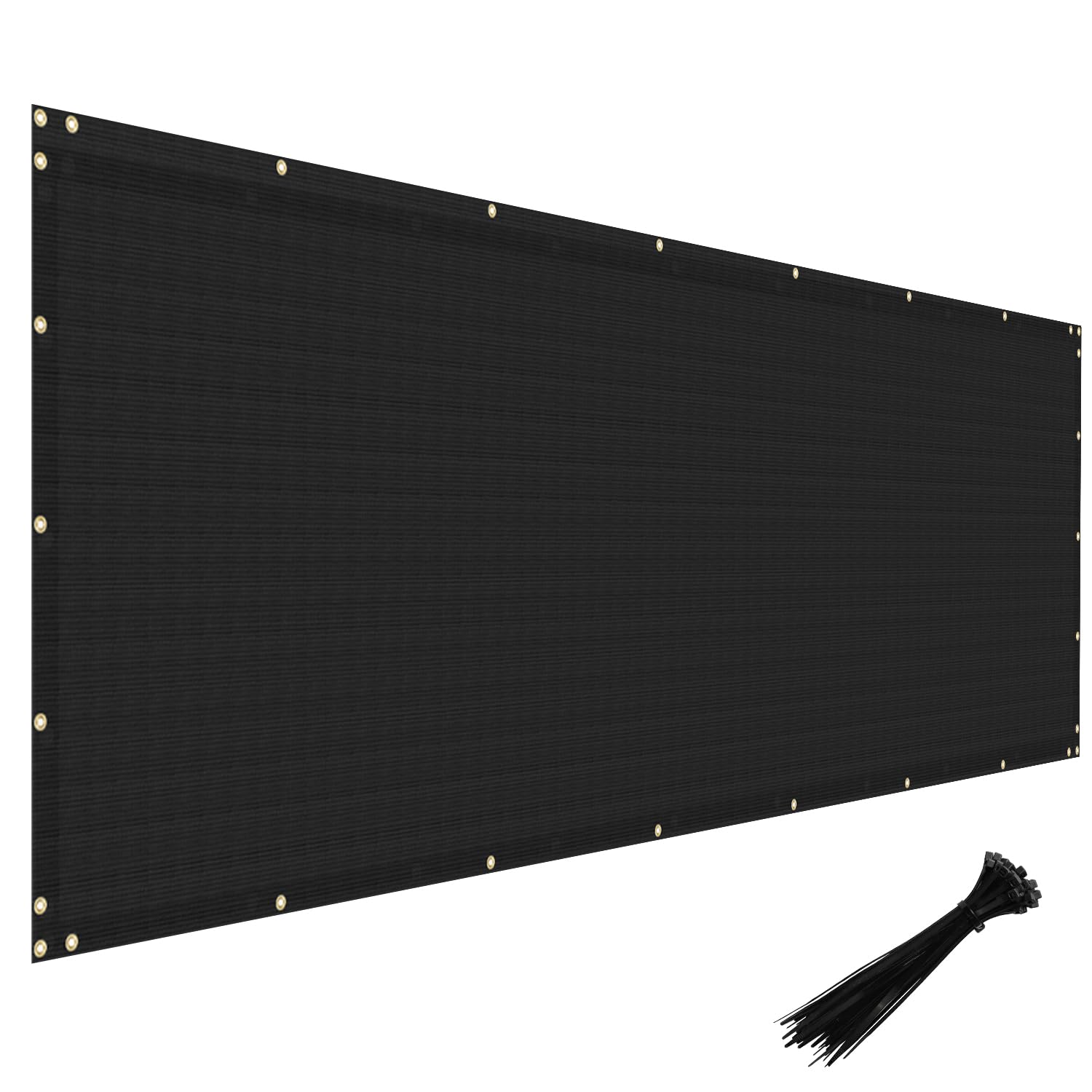
A versatile 4' panel that balances 90% visual blockage with wind permeability—useful where wind buffering is as important as privacy.
Why I picked it: Tight weave with elasticity that handles wind without turning into a sail.
Best for: Windy lots, carports, and areas where wind buffering reduces dust and drafts.
Good value when wind control is a priority.
Pros
- 90% visibility blocking
- Elastic fabric absorbs gusts
- Brass grommets included
- Multiple sizes available
Cons
- Not full blackout privacy
- Zip ties can snap under severe heat
My take
I installed this 4' Windscreen4less on a breezy side yard and noticed immediate reduction in gust strength and dust blowing through—without high wind loads on the fence.
The fabric’s stretch and reinforced hems prevented the common sag I see on lighter screens, and the included grommets were easy to use.
If you need absolute visual blackout this isn’t it, but for wind buffering and general privacy it struck the right balance in my tests.
7. Amgo 6×10 Privacy Screen – Best for Kennels & Shade
A 6-foot panel built like the 4-foot Amgo option but sized for taller fences and kennel runs—durable and straightforward to fit.
Why I picked it: Tall profile with reinforced edges makes it ideal for kennels and taller fences.
Best for: Dog runs, kennels, and taller backyard fences needing shade and screening.
Practical choice for taller fence applications.
Pros
- Good height for 6' fences
- Durable bindings and copper grommets
- Holds up in sun and wind
- Easy to install in sections
Cons
- Some sheerness close up
- Top-row ties take extra force to tighten
My take
I used multiple Amgo 6×10 panels around a kennel to reduce sun and block passing foot traffic; the effect was immediate and the dogs relaxed noticeably.
The material and reinforced stitching stood up to repeated tensioning and weather without tearing, and the panel size fit standard 6' fence posts with minimal trimming.
Installation was easiest with a partner to hold the corners while I tightened the ties; once anchored it stayed put through storms and heat.
8. ColourTree 5×50 Privacy Screen – Best 5-ft Height Option
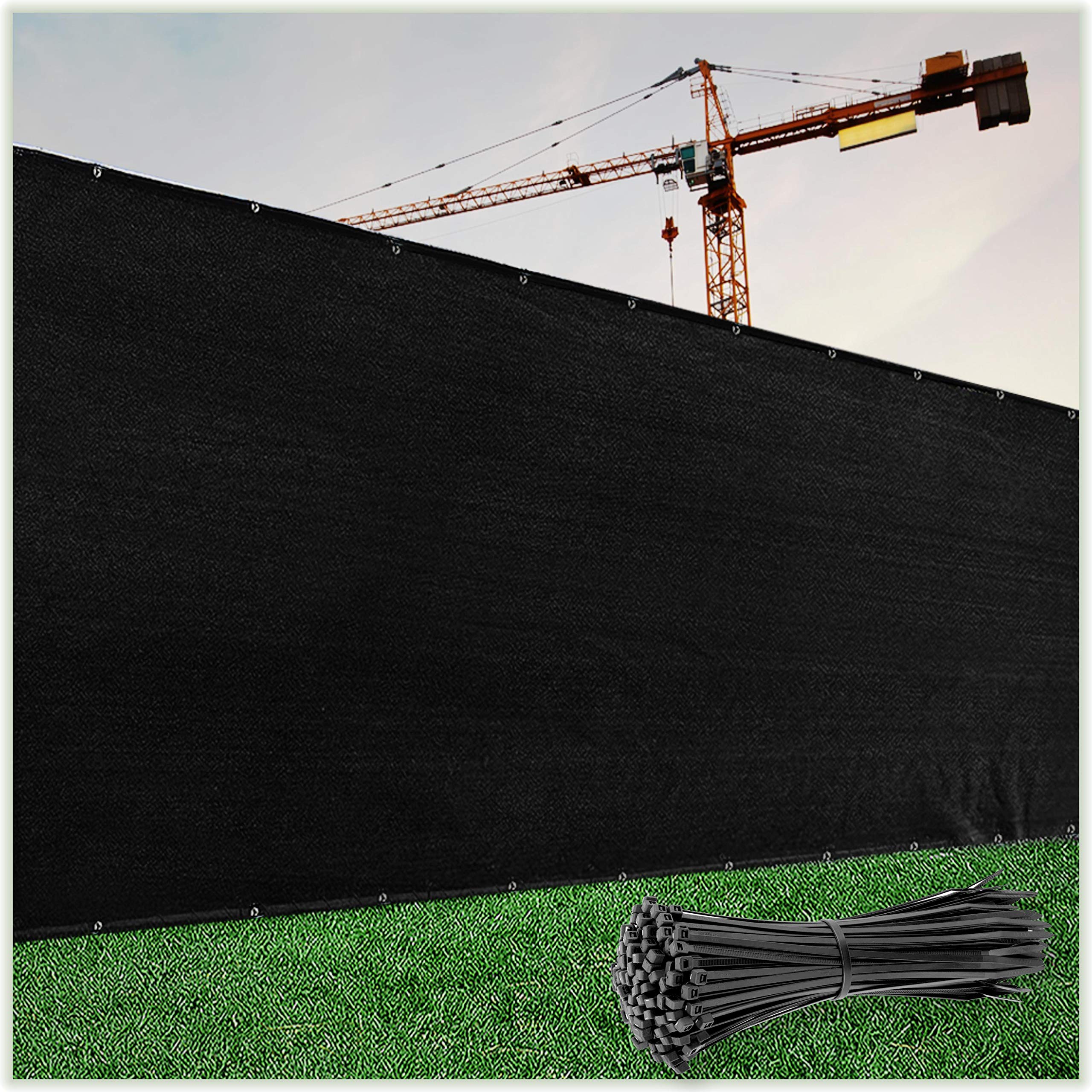
A 5' tall virgin-HDPE screen that blends commercial-grade material with flexibility for different fence heights and uses.
Why I picked it: 170 GSM virgin material in a 5' profile is a good middle ground for many fences.
Best for: Fences needing slightly lower coverage than 6' but more than 4'.
Durable, mid-height option with warranty coverage.
Pros
- 170 GSM virgin HDPE resists fading
- Stainless grommets and wide binding
- Good balance of airflow and blockage
- Custom size options available
Cons
- Taller fence applications need overlap
- May still show silhouettes
My take
I chose the 5' ColourTree panel for a decorative iron fence where 6' would have been too tall; the color blended well and the fabric blocked most of the view without feeling oppressive.
The material cut cleanly where needed and the grommets held when I used plastic ties; in hotter climates I again prefer metal ties on the top row.
The 170 GSM fabric gave me confidence it will resist sun degradation longer than thin recycled options I’ve replaced in the past.
How I Choose a Fence Privacy Screen
Material and UV Stability
I look first at whether the screen is made from virgin HDPE or recycled material. Virgin HDPE with UV-stabilized compounds (like 170 GSM options) holds up far better in intense sun.
If I expect long sun exposure I prioritize thicker, lab-tested materials—even if they cost more—because they resist drying, cracking, and fading.
- Virgin HDPE > recycled for long-term UV resistance
- Higher GSM means thicker fabric and longer life
- UV stabilization reduces brittleness and color fade
Grommets, Binding, and Attachment
Grommet spacing and binding quality determine whether a panel tears at the edges. I prefer close grommet spacing and wide reinforced hems.
For exposed tops I use metal ties or metal-reinforced fasteners; the supplied plastic ties are fine in protected spots but can degrade in full sun.
- Look for reinforced binding and frequent grommets
- Prefer brass or stainless grommets over cheap metal
- Use metal ties across the top in high-UV regions
Opacity vs Airflow
I balance visual blockage with airflow. Nearly all of these screens block most detail but allow wind through; this prevents sail effect and protects the fence.
If you need total blackout, choose denser panels and expect less airflow; for wind buffering pick a breathable weave with good tensioning.
- 90% blockage options still show silhouettes
- Breathable weave reduces stress during gusts
- Tensioning matters as much as material for opacity
Sizing and Installation Tips
I always measure usable fence height and length before ordering. Many panels have small manufacturing variance—plan for overlap or trimming.
Start by anchoring one corner, loosely attach the top row every few grommets, then work around tightening. This method avoids puckering and eases a one-person install.
- Measure twice; expect ± a few inches variance
- Anchor a corner, loosely fasten top, then tension
- Trim with scissors; material doesn’t readily fray
Frequently Asked Questions
How opaque are these privacy screens?
In my experience most of these block roughly 85–95% of visual detail. They typically let silhouettes show through but prevent clear, close-up views.
Will the grommets rust or tear out?
I’ve found brass or stainless grommets hold up well; tearing usually happens when panels are installed too tight or plastic ties are the only fasteners in high-stress spots. Using metal ties at strain points prevents most issues.
Can I trim the panels to size?
Yes. I cut these fabrics with regular scissors and they don’t unravel. Plan a small overlap and avoid cutting through grommet areas.
Which screen works best in high winds?
I favor breathable, elastic weaves with reinforced hems for windy sites. They let wind pass without turning the fence into a sail, and elastic fabric absorbs gusts better than rigid tarps.
Do the included zip ties last?
The provided plastic ties are fine for quick installs, but in full sun or extreme heat I replace critical ties with stainless or metal cable ties for longevity.
Final Take
After testing these panels across different fences and climates I ended up choosing a heavier virgin-HDPE option where sun and longevity were top priorities, and a lighter Sunnyglade-style panel for long runs where budget and quick install mattered.
Measure your fence, pick the height that matches your privacy needs, and plan to reinforce the top row with metal ties in exposed spots. With the right panel and proper tensioning you’ll get durable privacy without sacrificing airflow or fence life.
