
I tested a range of spark screens across sizes and materials so I could recommend dependable options for backyard and portable fire pits. Here are the ones I relied on for safety, durability, and ease of use.
I spent time using and comparing several spark screens so I could recommend the ones that actually worked in real backyard conditions. I focused on fit, durability, how easy they are to use around a hot fire, and whether they keep embers contained without blocking the view.
My picks include lightweight portable shields for gear like the Solo Stove, heavy-duty mesh domes for standard pits, and hinged options that let me add logs without removing the screen. Below I explain where each excels and what I’d watch out for in everyday use.
I grouped these screens by size and use case: smaller, nestable shields for portable stoves; medium and large mesh domes for backyard pits; and hinged or reinforced designs when frequent access or heavier construction matters. My goal was to cover common pit sizes and real-world needs like rust resistance, ease of tending the fire, and stability in wind.
1. Sunnydaze 24-Inch Heavy-Duty Mesh Spark Screen – Best for 24″ Pits
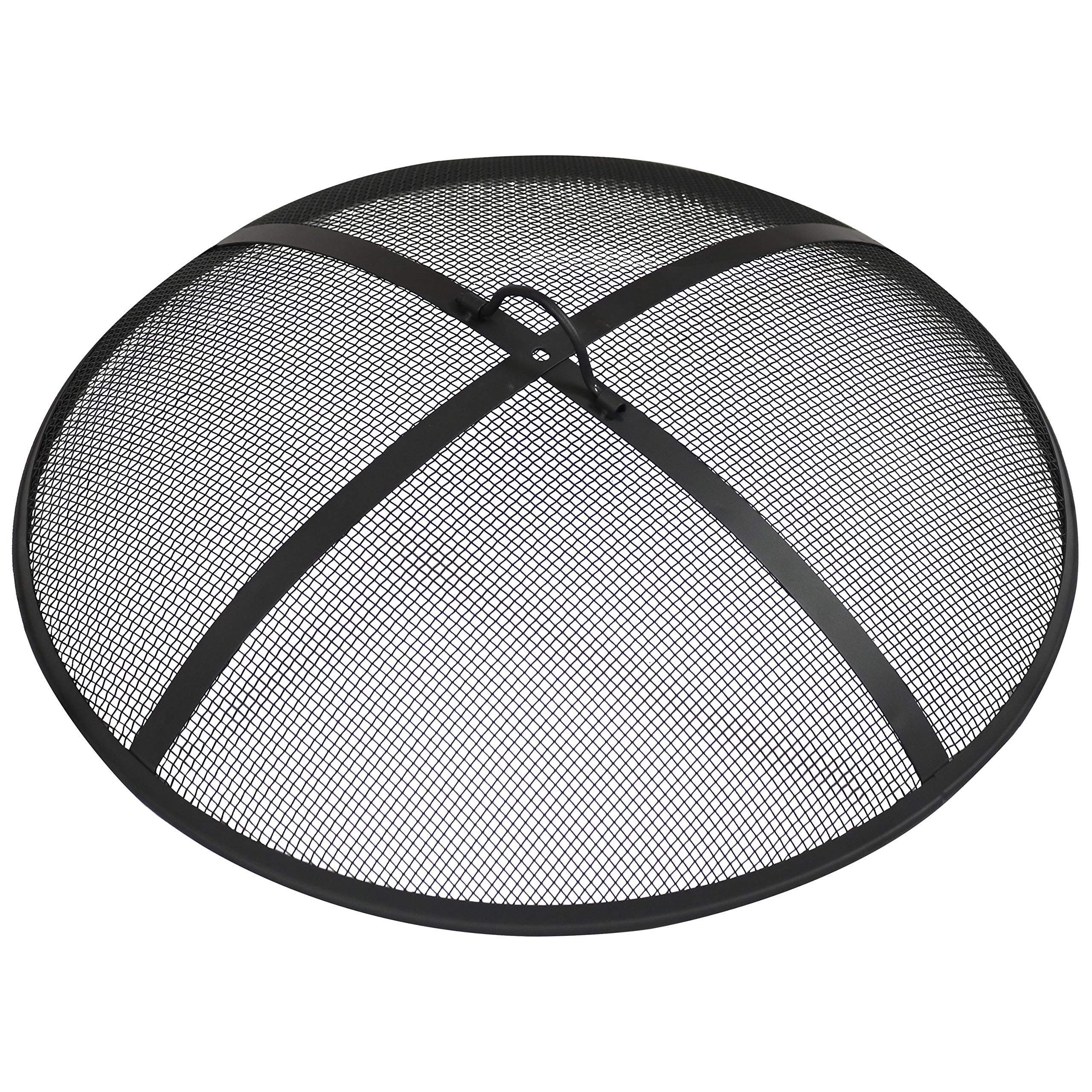
A straightforward, heavy-gauge steel mesh screen that fits 24" pits, is easy to lift, and holds up to regular backyard use.
Why I picked it: Reliable fit for 24" pits, simple lift handle, thicker steel frame for durability.
Best for: Homeowners with 24" fire pits who want a no-fuss safety cover.
Affordable, mid-range value for a heavy-duty mesh screen.
Pros
- Solid steel frame
- Easy-lift handle
- Good ember containment
- No assembly required
Cons
- Paint may discolor with heat
- Handle can get hot
My take
I used this screen on a 24" backyard ring and appreciated its no-fuss design. The 0.7 mm steel frame felt sturdy under normal handling and the mesh kept sparks and ash contained without cutting airflow.
The top handle makes it easy to place and remove the dome, though I always use a poker or glove when the fire is hot since the metal conducts heat quickly. Over a couple seasons the finish faded where flames licked the metal, which I expected—paint on hot metal rarely stays pristine.
For the price and durability, it’s a practical choice if you want something that fits a standard pit and won’t require complicated setup.
2. Sunnydaze 40-Inch Hinged Fire Pit Spark Screen – Best for Large Pits
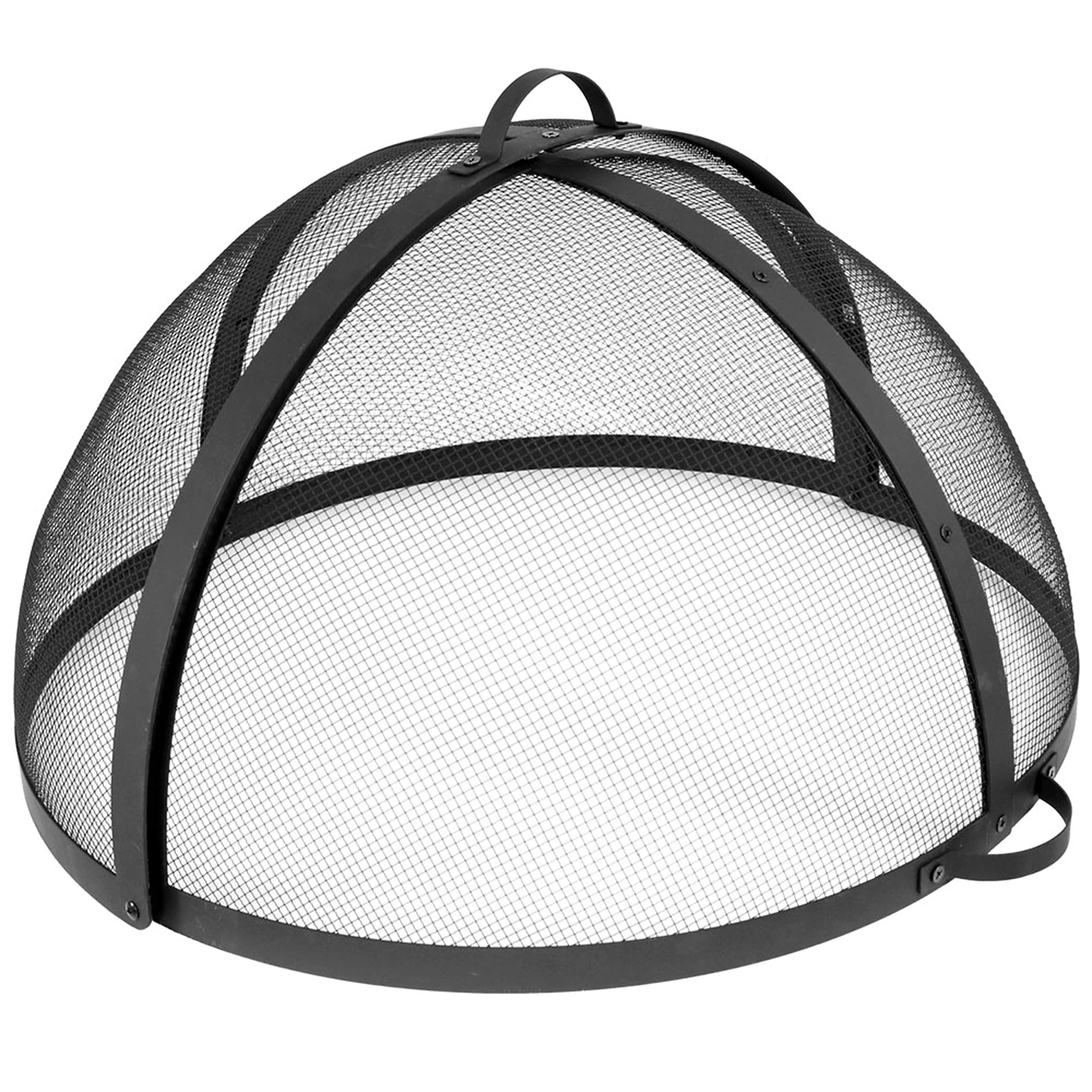
A heavy, hinged 40" mesh screen that makes adding logs easy and keeps larger pits safe from flying embers.
Why I picked it: Hinged side for adding wood, heavy construction, built for large 39–40" pits.
Best for: Owners of large backyard pits who want easy access without removing the whole screen.
Higher-cost for large-scale, heavy-duty construction.
Pros
- Hinged access door
- Thicker steel construction
- Maintains airflow
- Substantial weight for stability
Cons
- Heavy to lift
- Can develop surface rust over time
My take
I relied on this hinged dome for a large 40" pit and the hinged door changed how I tended the fire—I could slide the door open to add logs without wrestling the entire screen aside.
The weight and 0.7 mm frame make it feel substantial and stable in breezy conditions, and the mesh keeps embers in while allowing good combustion. On longer-term exposure I saw surface corrosion appear, so I recommend keeping it covered when not in use or applying high-temp rust protection if you live in a wet climate.
If you need a large spark guard that’s easy to access while the fire burns, this model balances performance and practicality.
3. Solo Stove Bonfire Shield Stainless Steel Mesh – Best Portable Stainless Shield
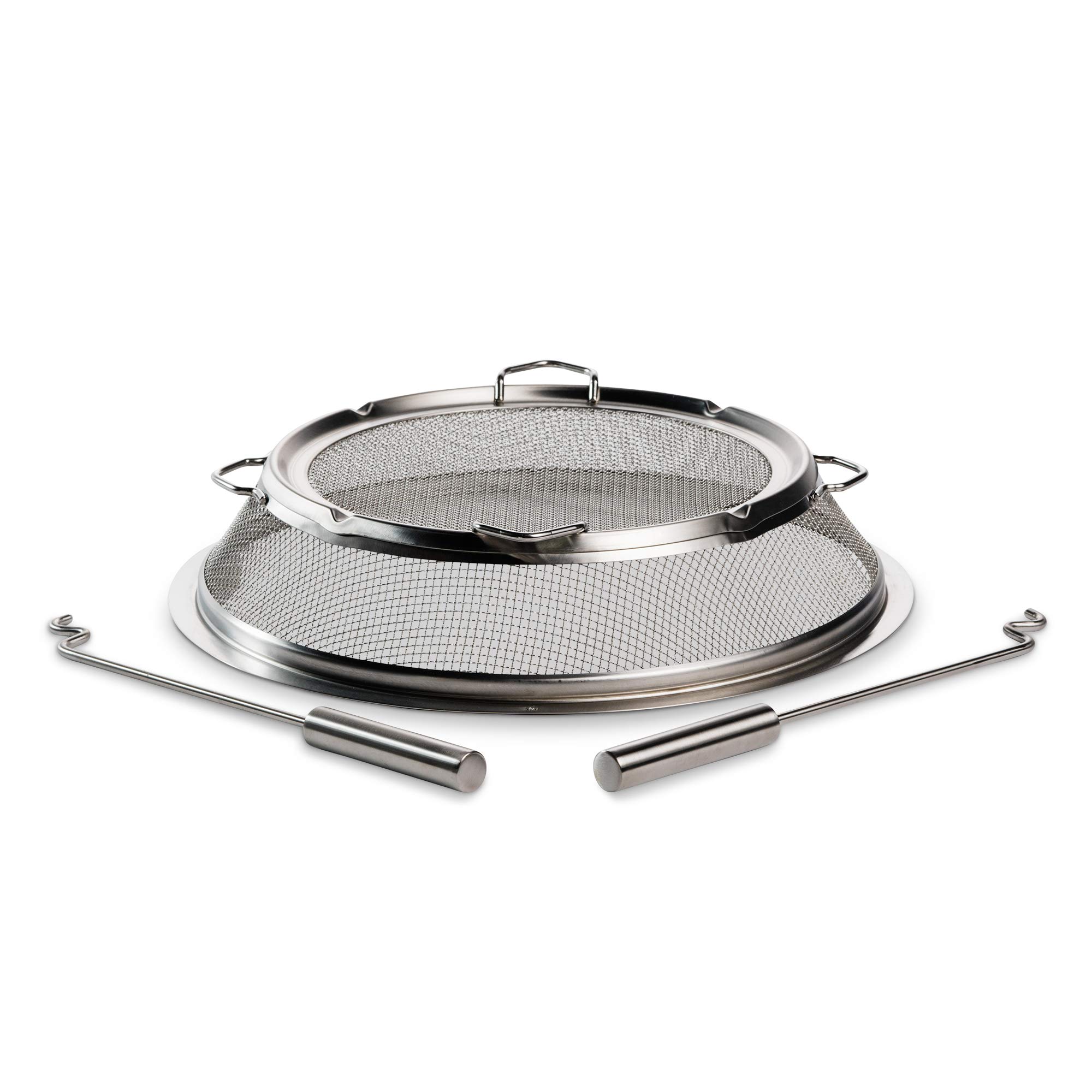
A two-piece stainless steel shield that nests inside Solo-style pits for portable, deck-safe fires and includes removal tools.
Why I picked it: 304 stainless construction, two-piece design, compact and portable for travel.
Best for: Solo Stove owners and campers who need a nestable, corrosion-resistant protector.
Premium material and portable design, a more expensive option.
Pros
- 304 stainless steel
- Two-piece design
- Compact and portable
- Includes removal tools
Cons
- Made specifically for Solo-style pits
- Less visibility than open mesh domes
My take
I used the stainless shield inside a Solo-style Bonfire and appreciated how the two-piece design lets me tend the fire without removing the entire protector. The included removal tools are simple but effective when logs need repositioning.
Because it’s 304 stainless, I didn’t see the early surface rust that appears on other coatings. That made it my go-to for deck use or trips where I needed something nestable and light to carry.
If portability and corrosion resistance matter most, this felt like the best compromise between protection and packability.
4. Good Directions 27-Inch Steel Spark Screen – Best Value 27″ Screen
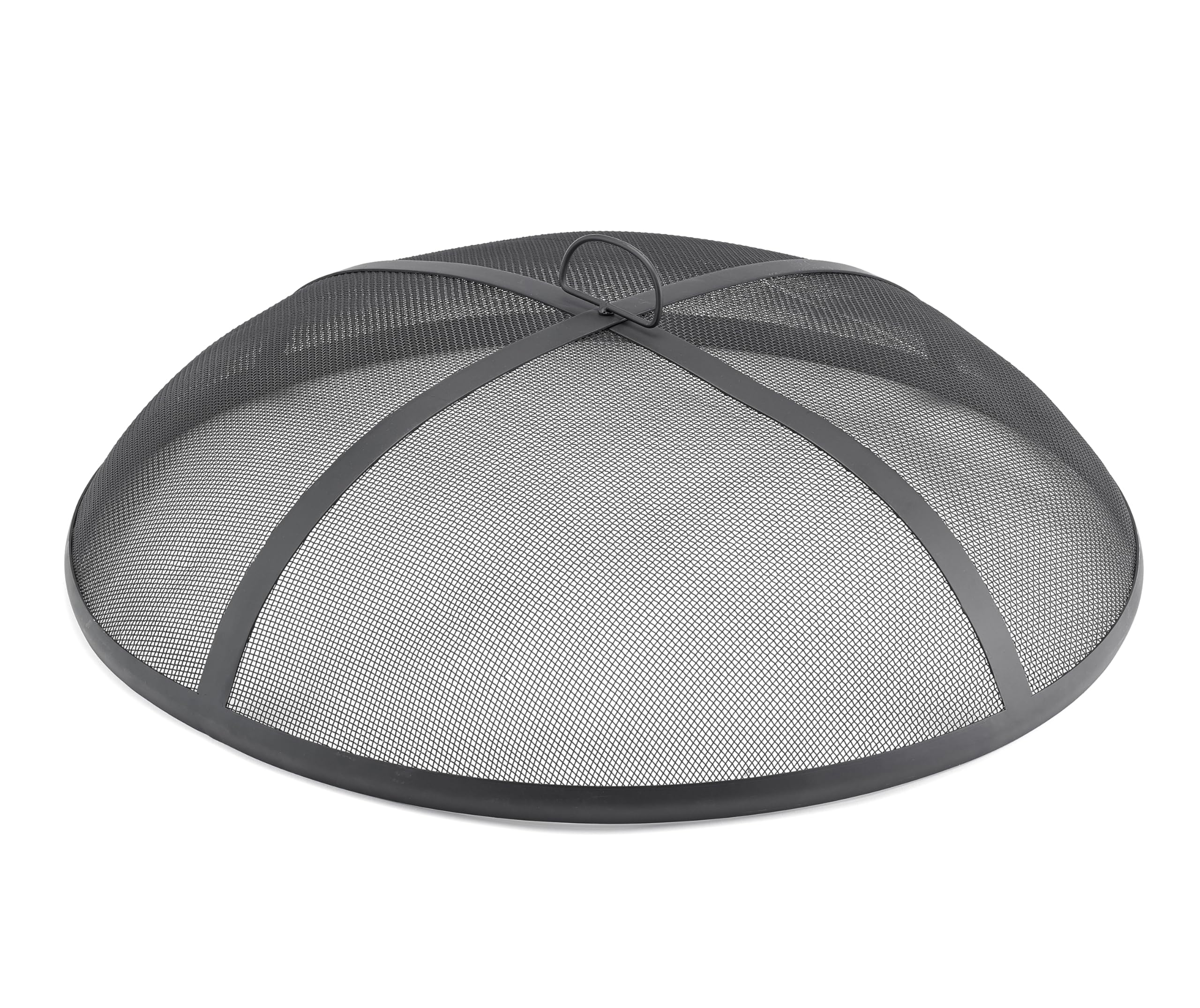
A tightly woven .7mm mesh dome with a convenient handle and a good balance of price and performance for 27" pits.
Why I picked it: Fine mesh for ember control, solid construction, pleasant finish.
Best for: People with 27" pits who want fine mesh and a tidy look.
Budget-friendly option with surprisingly good build quality.
Pros
- Fine .7mm woven mesh
- Convenient handle
- Attractive finish
- Good value
Cons
- May warp under extreme heat
- Handle hardware can need washers
My take
I swapped this screen onto a 27" bowl and liked how the finer mesh blocked smaller cinders while keeping the view of the fire. The handle made lifting safe and straightforward.
A couple practical notes: if you burn very hot debris you can expect warping or discoloration over time, and the handle holes were slightly oversized on my unit—adding washers solved the fit quickly.
Overall it’s a capable, well-priced dome if you want tighter ember control without spending on premium stainless.
5. Sunnydaze 30-Inch Reinforced Steel Spark Screen – Best Mid-Size Reinforced
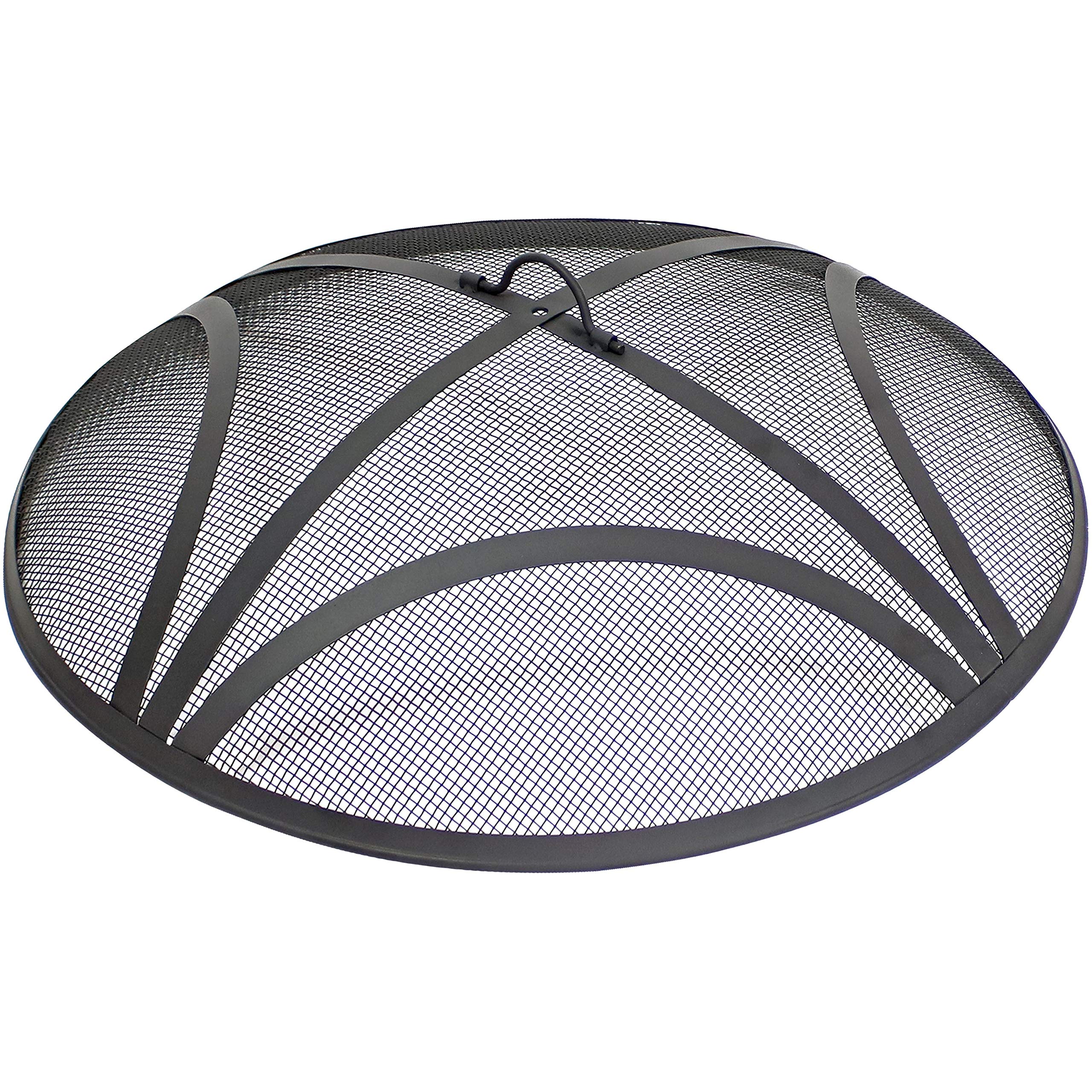
A reinforced steel mesh screen sized for ~30" pits that balances airflow with protection and a heavier build.
Why I picked it: Reinforced steel mesh, good airflow, larger coverage for mid-size pits.
Best for: Owners of 29–30" pits who want a sturdier mesh guard.
Mid-tier price for reinforced construction.
Pros
- Reinforced steel mesh
- Good airflow
- Solid construction
- Simple lift handle
Cons
- Handle gets very hot
- Can rust if left exposed
My take
I used this screen on a 30" ring and it produced steady, efficient burns thanks to the fine mesh—heat and light passed through while embers stayed inside.
I saw some surface rust after months of outdoor exposure; I recommend keeping the screen covered between uses or treating it with high-temp anti-rust coating if you expect frequent wet weather.
Functionally it did what I needed: kept sparks in, allowed airflow, and looked neat around the fire.
6. Good Directions 24-Inch Hinged Spark Screen – Best Hinged Access 24″
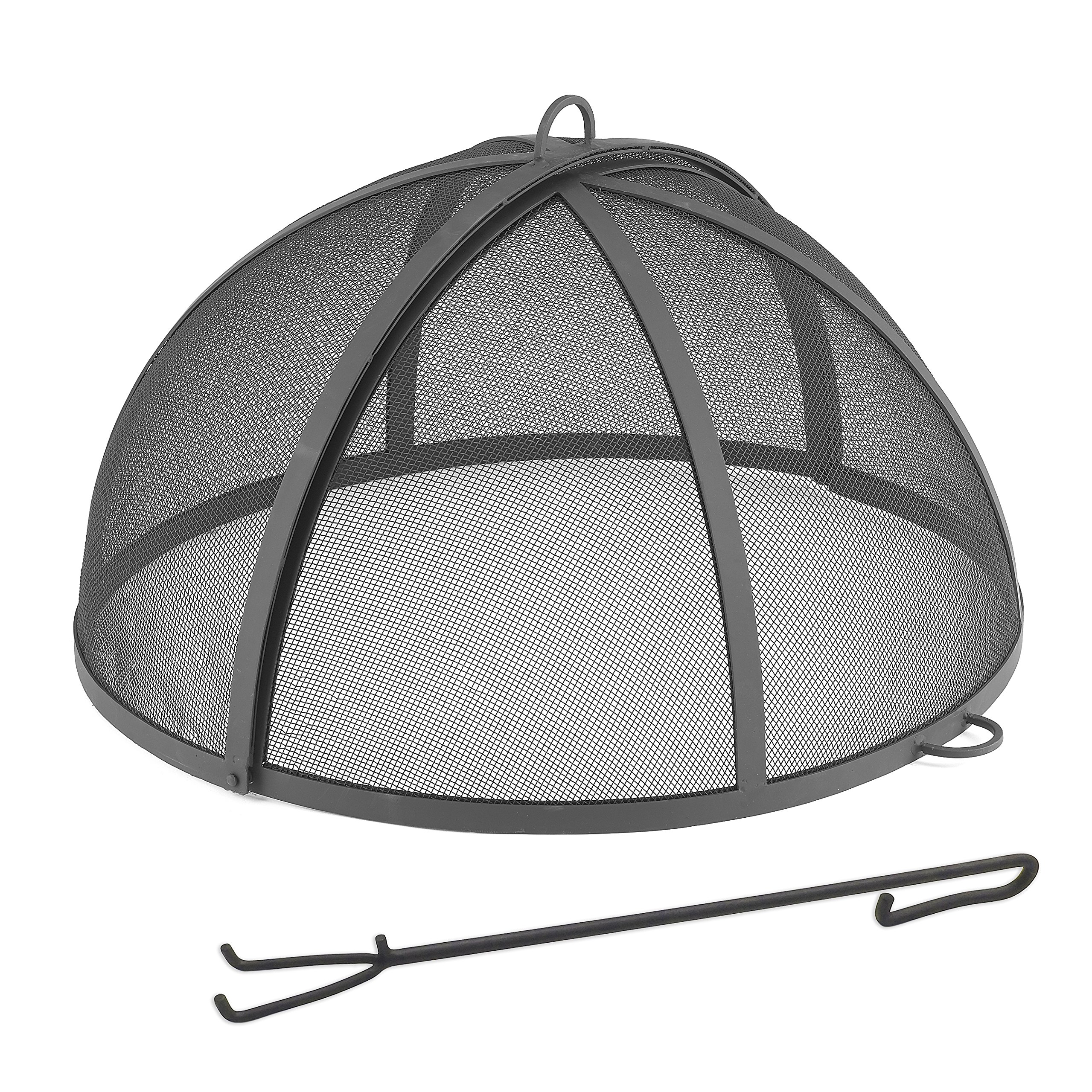
A hinged dome built for convenience—open a side to add wood, then let the screen rotate closed for continuous protection.
Why I picked it: Hinged design for hands-free access, heavy-duty feel, easy tending.
Best for: Anyone who habitually adds logs and wants to avoid removing the whole screen.
Reasonably priced for a hinged, heavy-duty option.
Pros
- Hinged for easy access
- Heavy-duty construction
- Convenient top handle
- Fits standard 24" bowls
Cons
- Diameter shorter one way
- Can be dented in transit
My take
I liked how the hinged half rotated open inside the other, which made adding wood quick without setting the dome aside. The double-layered welded frame felt robust and gave me confidence in windy conditions.
A few units arrived with minor dents from shipping, so I recommend checking packaging if you order. Otherwise, the screen’s weight and fit made it work well on a standard 24" pit.
If you want a practical hinged solution for frequent tending, this one strikes the right balance of convenience and durability.
How I Picked and What I Look For
Key factors I consider when choosing a spark screen
Size and fit: I measure the inner diameter of my pit and pick a screen with the appropriate diameter. Hinged screens may be slightly shorter one way to allow rotation; check the dimensions before you buy.
Material and longevity: I prefer 304 stainless for corrosion resistance if I plan to keep the screen outdoors or use it on a deck. Painted or powder-coated steel is fine if I store it under a cover between uses.
Access style: Hinged or side-door designs make adding wood easier on larger pits. For portable use, a nestable two-piece shield is more practical.
- Choose mesh thickness for ember control: tighter weave catches smaller sparks.
- Expect paint to discolor with direct flame; plan on maintenance.
- Cover or store the screen in wet seasons to minimize rust.
- Use a poker or heat-safe glove when removing the screen from a hot fire.
Maintenance tips I follow
I clean ash and creosote build-up after several uses to keep airflow smooth and prevent accelerated corrosion.
When I see early surface rust, I sand lightly and apply high-temperature anti-rust paint designed for fireplaces to extend service life.
- Wipe down and store under cover when not in use.
- Inspect handle hardware and tighten or add washers if needed.
- Avoid using screens as makeshift grills—direct contact with flame and grease shortens lifespan.
Frequently Asked Questions
Will a spark screen fit my fire pit?
I always measure the inner diameter of my pit and compare it to the listed diameter of the screen. For hinged models the diameter is often an inch shorter one way to allow rotation, so check the fit before you commit.
How do I prevent rust on my fire pit screen?
I store screens under a cover when not in use, dry them after rain, and occasionally apply a high-temperature anti-rust coating. If you have a stainless option, I use that for coastal or wet environments to reduce corrosion.
Can I add wood without removing the screen?
Yes—hinged screens and designs with side doors let me add logs without removing the entire dome. For non-hinged domes I typically lift with a poker or heat glove, but hinged units are handier for frequent tending.
Do handles get hot?
They do. I treat top handles as hot metal and use a glove or a poker to lift the screen after the fire has died down. Some people add wooden or insulated grips, but I simply use heat-safe gloves for safety.
Final Take
I chose these six screens because they cover the typical needs I encounter: portability, rust resistance, easy access, and solid ember containment.
If you own a Solo-style stove, the stainless two-piece shield gave me the best balance of portability and corrosion resistance. For backyard rings, pick the screen size first and then decide if you want a hinged model for easier tending or a heavier dome for stability.
Keeping a screen in place while the fire burns is one of the simplest safety upgrades I add to any pit. Store it dry, treat metal when needed, and you’ll get many seasons of safer fires.
