
I tested perimeter sprays, hose-end concentrates, indoor spot treatments, and diatomaceous earth so you can pick the right flea control for your yard and home.
I’ve spent seasons treating yards, porches, and entryways for fleas and the other pests that carry them. In this roundup I compare products I actually used on lawns, foundations, patios, and inside trouble spots. I focused on ease of application, coverage, longevity, and pet-safe options so you can choose a solution that fits your yard and lifestyle.
If you want broad, hands-off lawn coverage pick a hose-end concentrate or ready-to-spray hose-end. For spot treatment around doors, furniture, or mattresses go with a comfort-wand or trigger-spray indoor product. Use diatomaceous earth when you prefer a chemical-free, targeted barrier.
1. Ortho Home Defense Insect Killer for Indoor and Perimeter2 with Comfort Wand (Ready-To-Use, Large Comfort Wand) – Best Overall Perimeter Spray
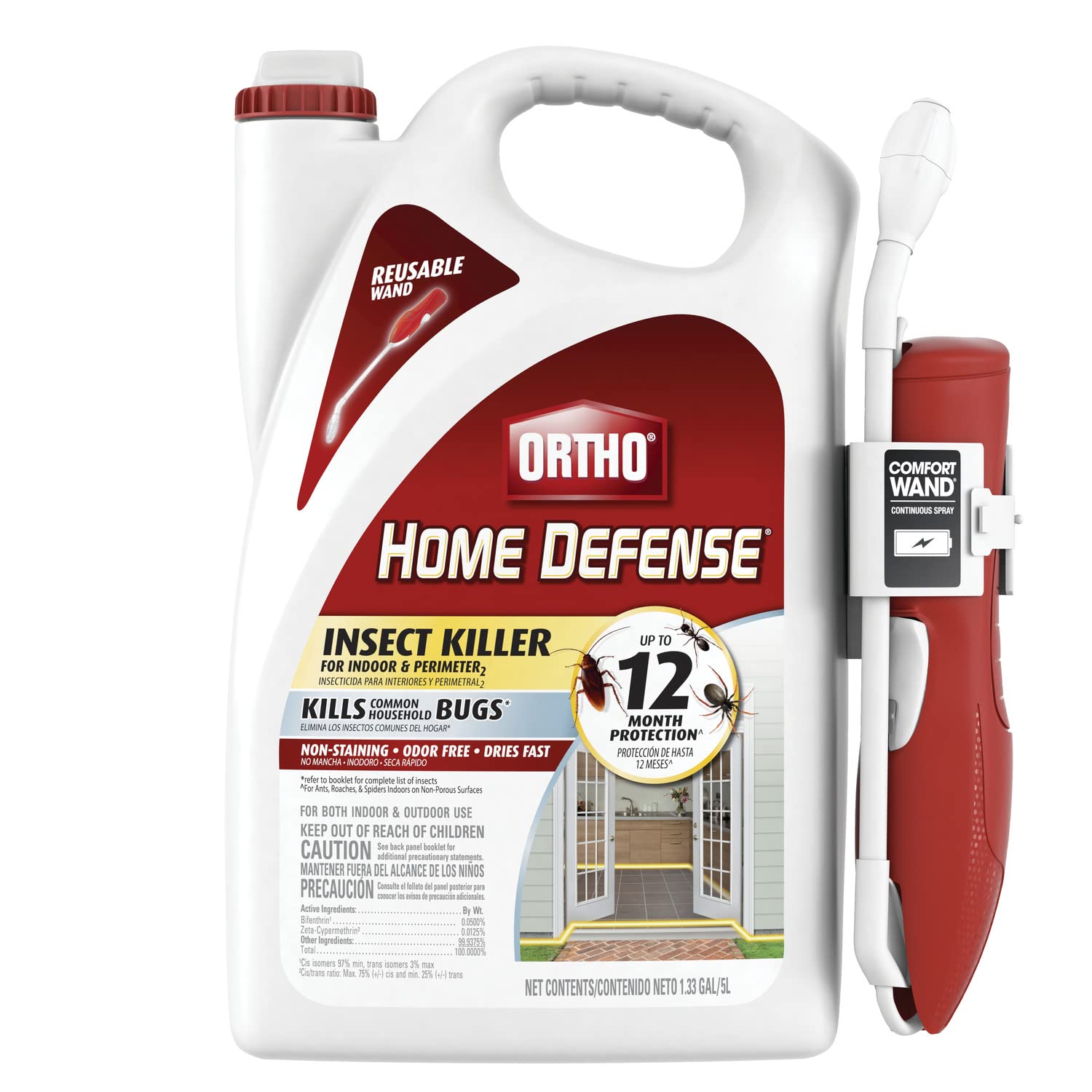
I used this when I needed a single product that works indoors and around the foundation. The battery-powered Comfort Wand makes it simple to treat baseboards, doorways, and wide perimeter bands without hand fatigue.
Why I picked it: Versatile indoor/outdoor formula with an easy continuous-spray wand.
Best for: Homeowners wanting an all-purpose perimeter treatment and indoor spot control.
Solid midrange option for long-lasting perimeter protection.
Pros
- Continuous Comfort Wand applicator
- Works on fleas, ticks, and common bugs
- Dries clear and largely odorless
- Suitable for indoor and outdoor use
Cons
- Bulky 1.33-gallon container
- Not for broadcast lawn application
My take
I appreciated how the Comfort Wand removed the arm pump chore—continuous battery spray makes long perimeter runs and indoor edges much less tiring. I treated door thresholds, window sills, and a 12-inch outdoor band along the foundation with even coverage and no visible residue.
In my experience the formula killed fleas and other crawling bugs on contact, and it’s handy as a preventative measure because people and pets can re-enter areas once the spray dries. For larger lawns I still used a dedicated hose-end product, but for the house perimeter and hard-to-reach indoor crevices this was my go-to.
2. Cutter Backyard Bug Control Spray Concentrate (2 Pack) with QuickFlip Hose-End Sprayer – Best Concentrate for Large Lawns
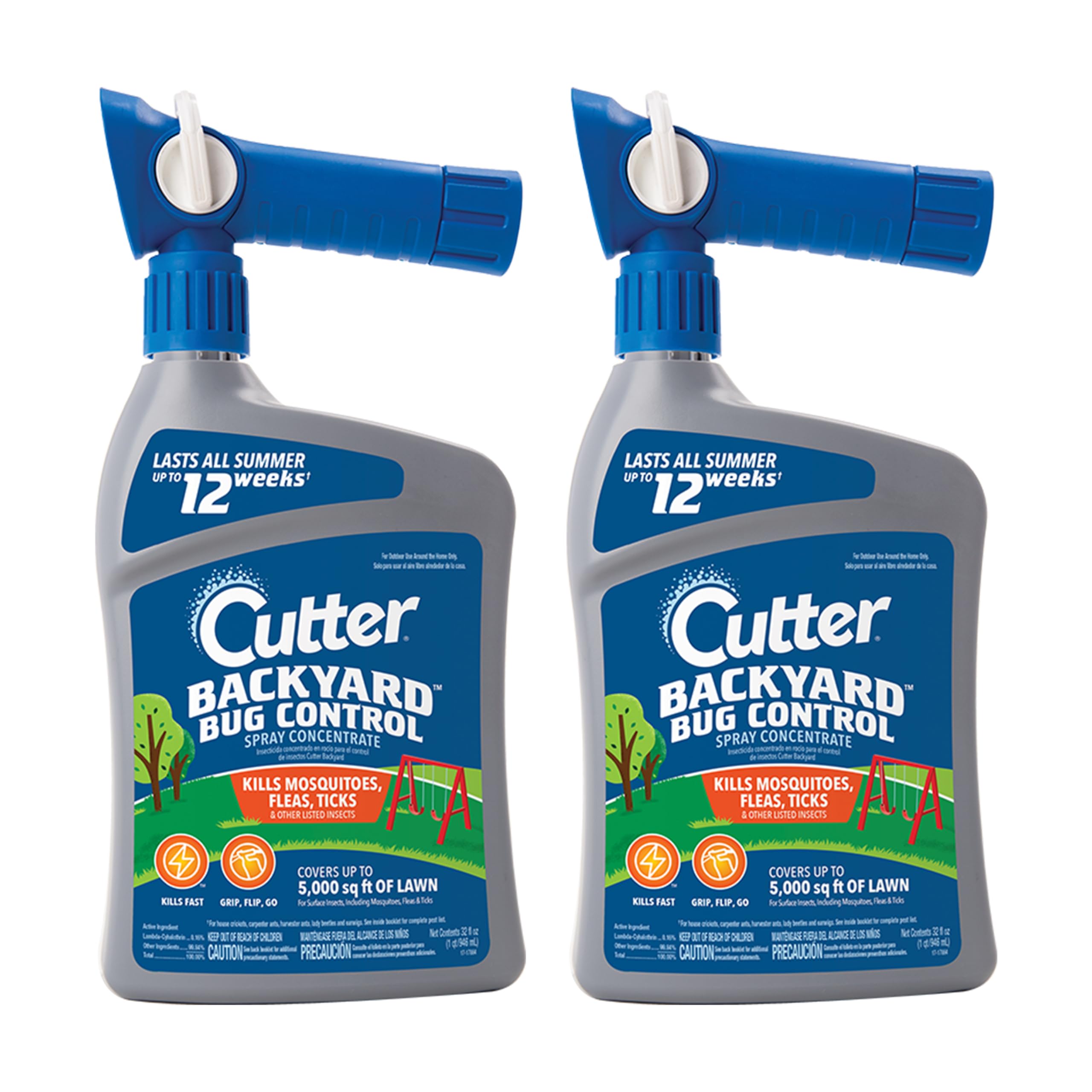
When I needed to treat big lawns fast, this hose-end concentrate covered thousands of square feet and let me flip and go with the QuickFlip sprayer.
Why I picked it: Concentrate with hose-end sprayer for fast, large-area coverage.
Best for: Large yards that need seasonal mosquito and flea control.
Good value for treating expansive turf and landscapes.
Pros
- Covers large areas quickly
- QuickFlip hose-end sprayer
- Controls mosquitoes and fleas
- No mixing in separate tanks
Cons
- Protection can shorten after rain
- Needs early-season application for best results
My take
I hooked the bottle to my hose and treated my entire yard without lugging a heavy sprayer—coverage was fast and even. The QuickFlip sprayer is intuitive: flip, spray, and move on to the next zone.
Results were noticeable quickly; mosquitoes and yard fleas dropped off. I did find that reapplication after heavy rain was necessary to maintain control, so I scheduled treatments during dry stretches for the best seasonal longevity.
3. Ortho Home Defense Max Bed Bug, Flea & Tick Killer with Comfort Wand (Ready-to-Use) – Best for Bed Bugs & Indoor Fleas
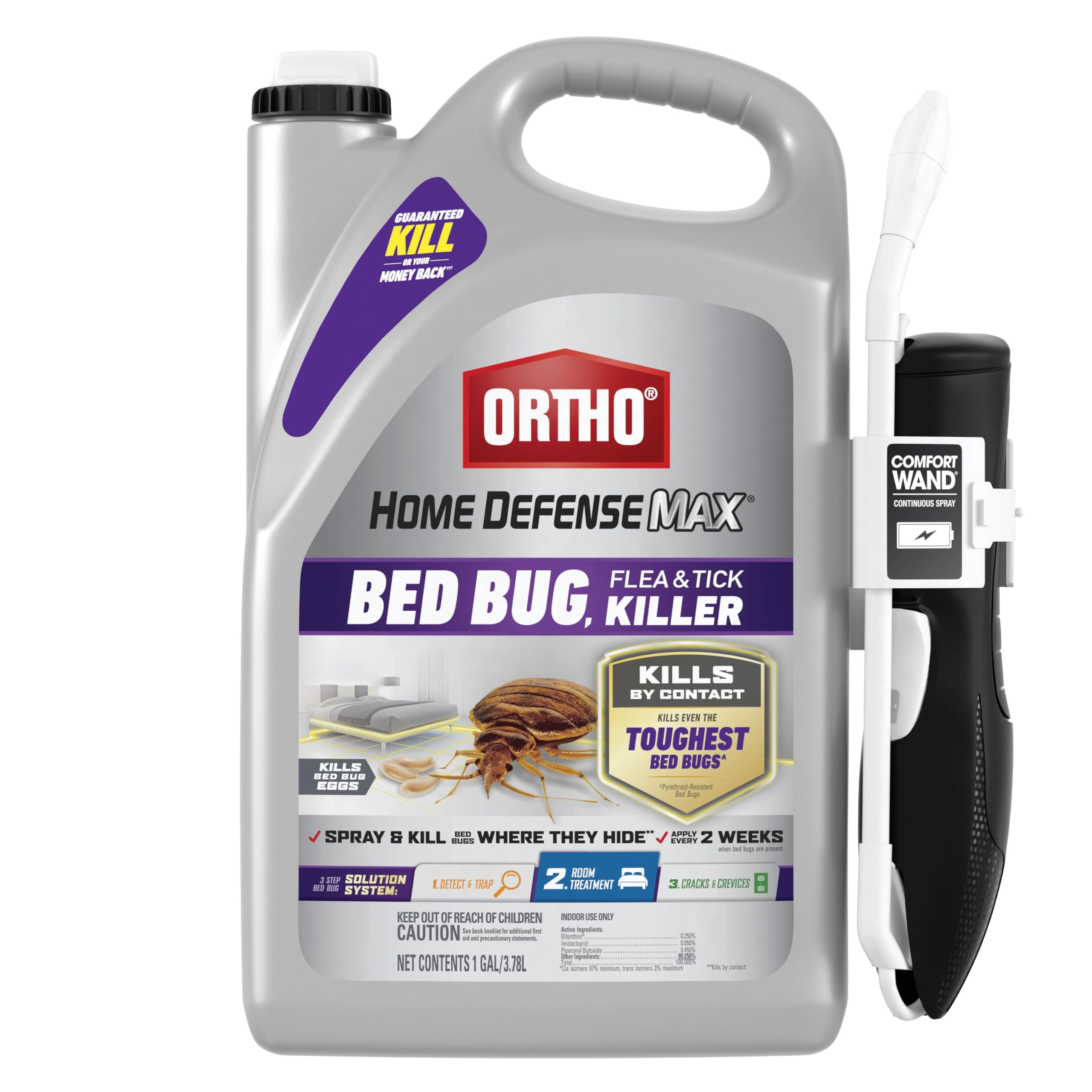
I relied on this for mattress edges, bed frames, and tight indoor cracks where fleas and bed bugs hide. The formula treats eggs and adults when used as a spot treatment.
Why I picked it: Targets bed bugs, eggs, fleas and ticks with a precision wand.
Best for: Indoor spot treatment in bedrooms and furniture seams.
A focused indoor solution for infestations and spot control.
Pros
- Kills bed bugs and eggs
- Comfort Wand for precise application
- Works on contact
Cons
- Not intended for broadcast lawn use
- Requires repeat applications for eggs
My take
For inside work this product gave me the control I needed along mattress seams, baseboards, and under furniture. The comfort wand made it easy to reach tight hiding places and to lay down a consistent spot treatment without overspray.
Because it’s a Step 2 room treatment in the Ortho Bed Bug system, I paired it with diligent vacuuming and repeat applications every couple of weeks when I was dealing with eggs. That regimen is what finally cut the infestation in my situation.
4. Ortho Home Defense Insect Killer for Lawn & Landscape Ready-To-Spray (Hose-End Applicator) – Best Ready-to-Spray Hose-End
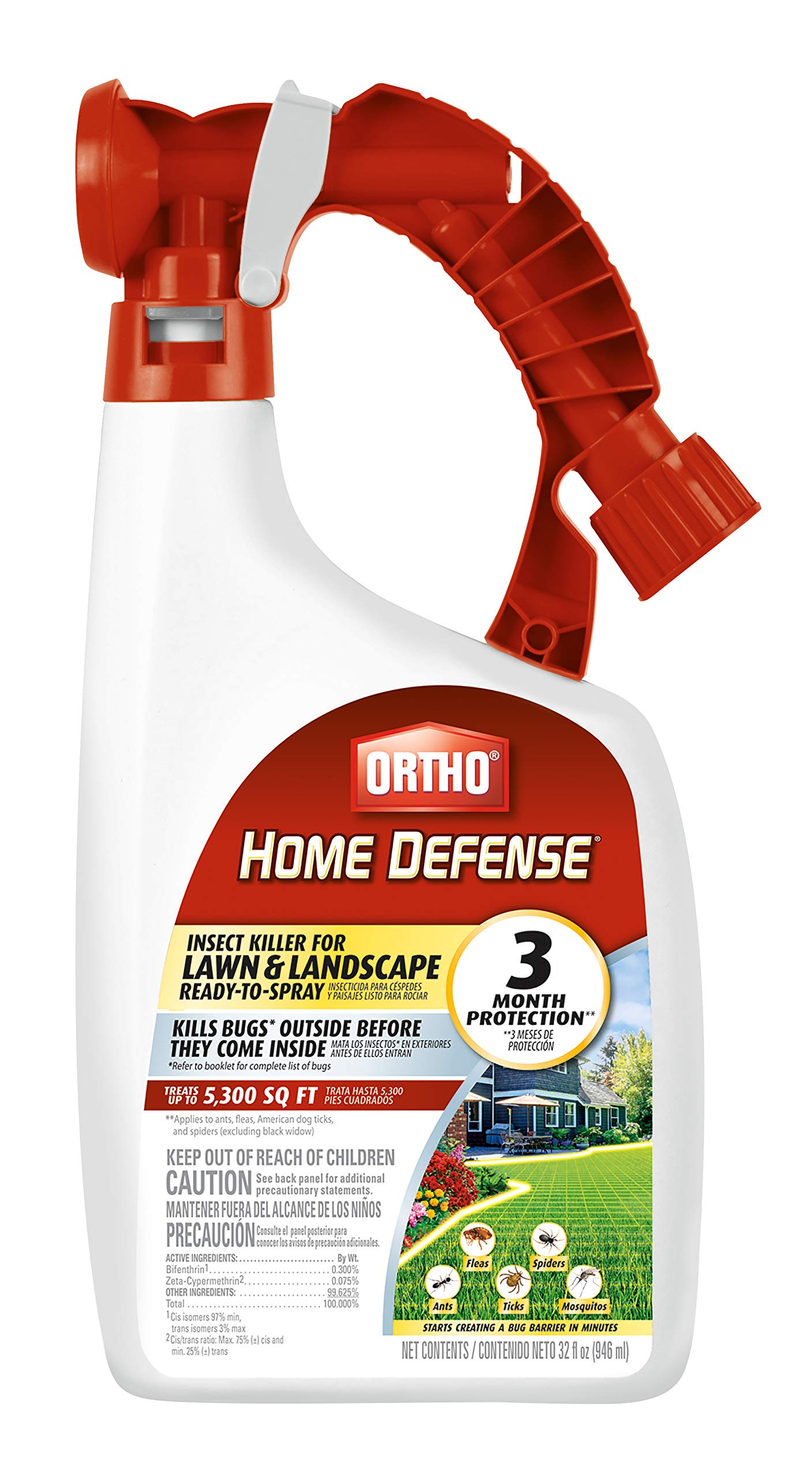
I used this ready-to-spray hose-end bottle when I wanted quick lawn and landscape coverage without mixing. It treats foundations, foliage, and turf with minimal fuss.
Why I picked it: Simple connect-and-spray format with broad coverage.
Best for: DIY yards that need quick foundation and foliage treatments.
Convenient ready-to-spray for regular seasonal maintenance.
Pros
- Connects directly to garden hose
- Covers thousands of square feet
- Starts killing within minutes
Cons
- Chemical odor during application
- Not effective during heavy rain
My take
I appreciated how straightforward this bottle is—attach to the hose, slide the lever, and treat lawns, flowerbeds, and foundation bands. It’s ideal when I want to do a perimeter sweep quickly without mixing concentrate.
In my trials it began knocking down outdoor pests in minutes and provided multi-week protection. I took care to avoid runoff and re-applied after heavy rain to keep the barrier intact.
5. Ortho Home Defense Insect Killer for Indoor and Perimeter2 (1 gal, Trigger Sprayer) – Best Trigger-Spray Indoor/Perimeter
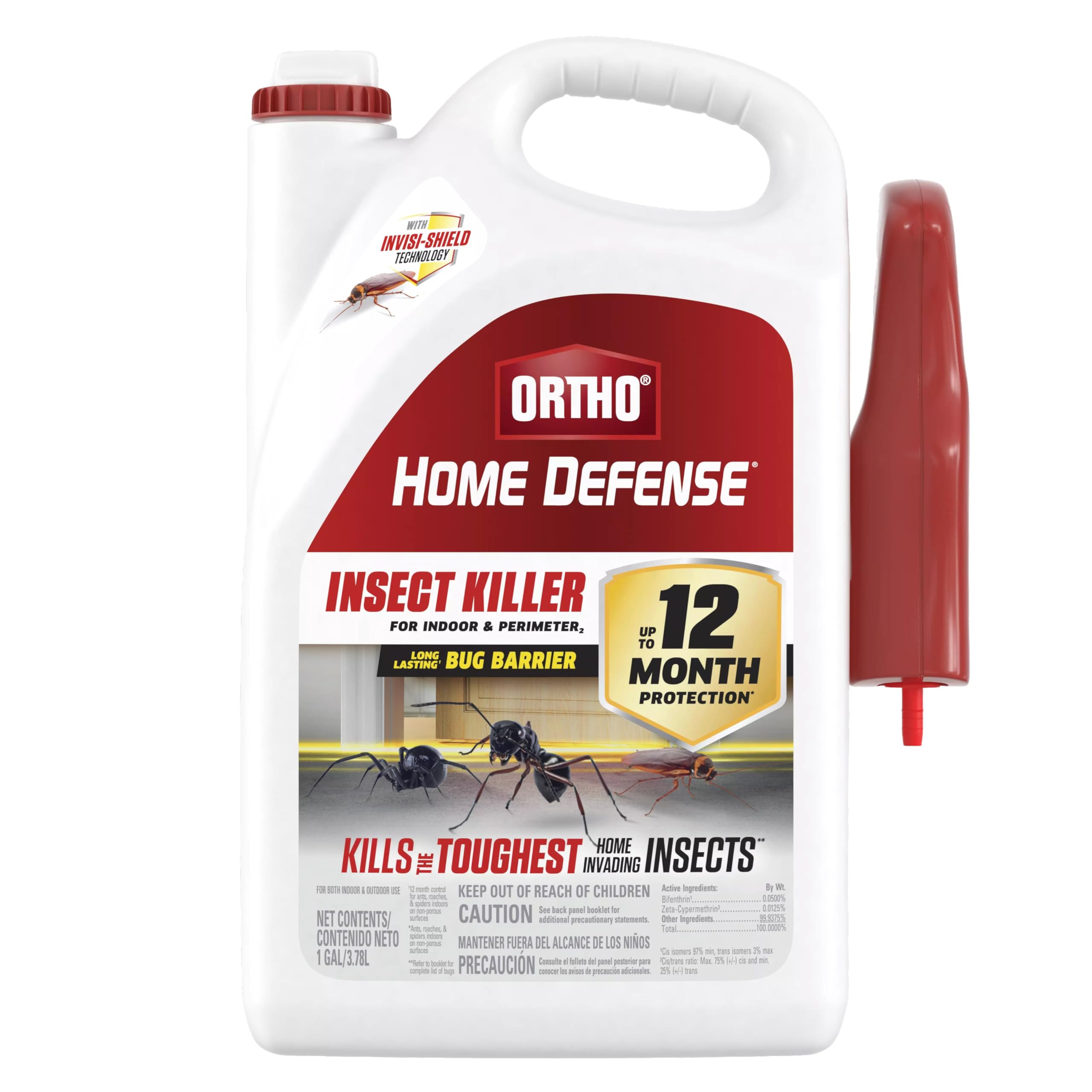
This trigger-spray gallon is my choice when I want the same long-lasting perimeter chemistry as the comfort-wand but with a simple, familiar trigger applicator.
Why I picked it: Familiar trigger sprayer with long-lasting indoor perimeter barrier.
Best for: Homeowners who prefer manual trigger control for spot and perimeter work.
Classic, reliable option for routine home perimeter treatments.
Pros
- 12-month indoor perimeter barrier
- Easy trigger application
- Non-staining formula
Cons
- Large bottle is heavy when full
- Manual spraying is more tiring
My take
I used the trigger sprayer for targeted indoor perimeter work and around entry points outside. The formula laid down an invisible barrier and didn’t leave marks on most surfaces I treated.
Because the product provides a long-lasting indoor barrier on non-porous surfaces, I used it as a preventive measure across doorframes and baseboards and re-treated after harsh weather or heavy cleaning.
6. Harris 8oz Diatomaceous Earth Crawling Insect Killer (100% Natural Dust) – Best Natural Option
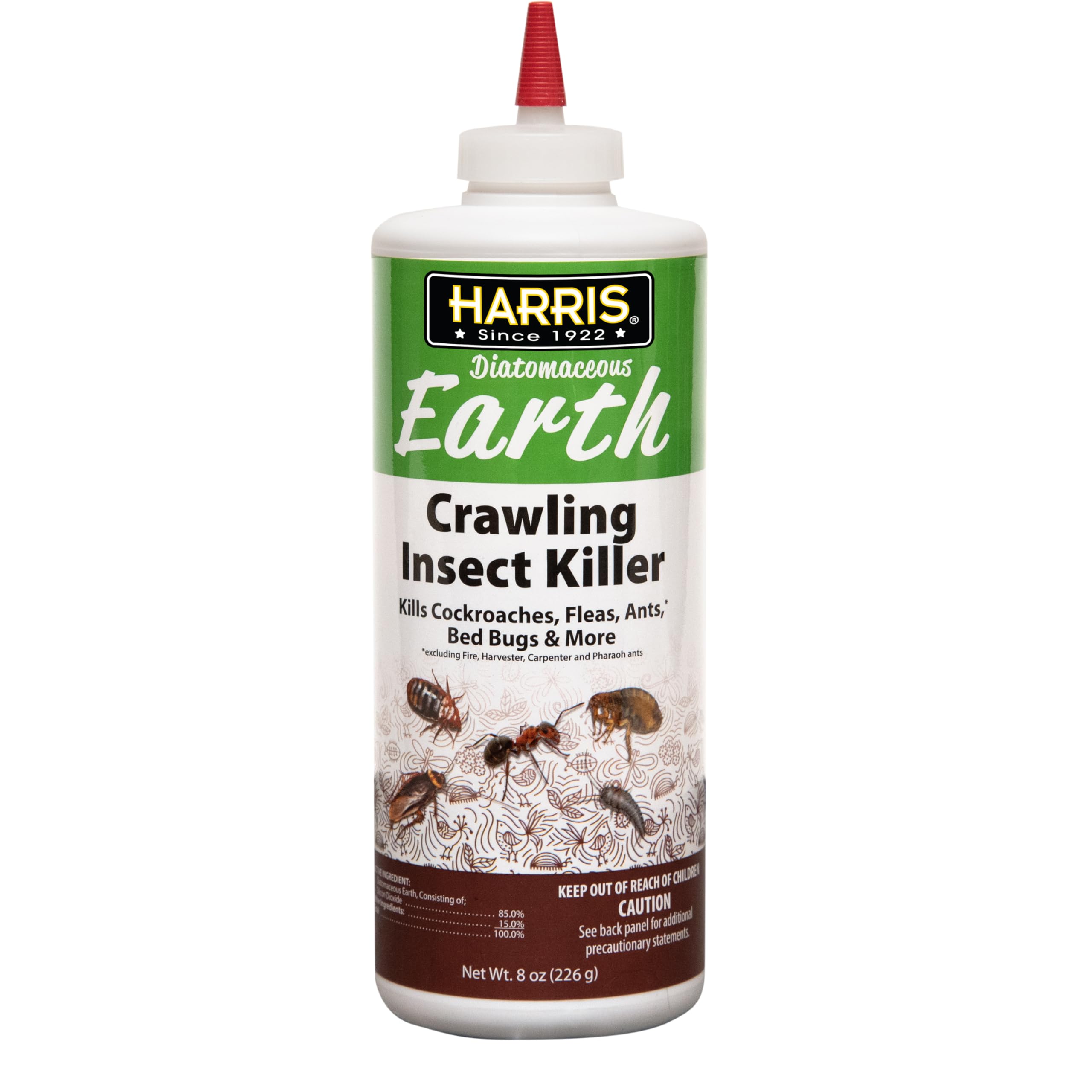
When I wanted a chemical-free approach I reached for diatomaceous earth. The included puffer tip made precise application along foundations, cracks, and pet bedding effortless.
Why I picked it: Chemical-free, mechanical action with a precision duster tip.
Best for: Pet owners and eco-minded users who prefer natural barriers.
Affordable, long-lasting as long as it stays dry.
Pros
- 100% natural diatomaceous earth
- Kills mechanically, not chemically
- Precision puffer tip included
Cons
- Must stay dry to remain effective
- Can be dusty during application
My take
I used the powder along foundation lines, inside crawlspaces, and in cracks where fleas were likely to travel. The puffer tip helped me apply a thin, targeted bead without wasting product.
Because it works mechanically by dehydrating insects, I found it especially useful in sheltered spots where liquid sprays wash away. It’s a great complementary tool, but I planned reapplications after rain or heavy moisture since it loses effectiveness when wet.
How I Choose Flea Treatments for Yard and Home
Key factors I consider
I weigh coverage, ease of application, longevity, and where I’ll use the product (lawn, foundation, or inside).
If I need whole-yard treatment I favor hose-end concentrates or ready-to-spray bottles. For spot treatment around beds, furniture, and thresholds I pick comfort-wand or trigger-spray products. For a non-chemical barrier I use diatomaceous earth in dry, sheltered spots.
- Coverage: match the product’s square-foot recommendation to your yard size
- Application method: hose-end for lawns, wand/trigger for precise spots
- Longevity: choose products labeled for weeks/months of control
- Weather sensitivity: reapply after heavy rain as needed
- Pet and family access: allow treated areas to dry before re-entry
Application tips that worked for me
I always read label directions and planned treatments for dry weather. For perimeter work I sprayed bands along foundations and entry points rather than saturating the lawn.
When using diatomaceous earth I targeted cracks, baseboards, and shaded yard edges and avoided applying where it will get rained or watered away.
- Treat early in the season before pest populations peak
- For bed bugs and indoor fleas, pair sprays with vacuuming and laundering bedding
- Avoid runoff—don’t over-apply near drains or water bodies
- Reapply according to label after rain or heavy irrigation
Safety and pet considerations I follow
I keep people and pets out of treated areas until sprays are dry and follow label re-entry times. For households with curious pets I prefer spot treatments, cordoning off freshly treated areas, or using diatomaceous earth carefully.
When treating edible plants or vegetable gardens I move product choices to labeled-safe options and avoid contact with produce.
- Always follow label warnings and re-entry intervals
- Store products out of reach of children and pets
- Use personal protective equipment when spraying
- Don’t apply near fish ponds or storm drains
Frequently Asked Questions
Are these products safe to use around pets?
I keep pets out of treated zones until sprays are dry and follow the label’s pet re-entry guidance. For households with active pets I often use spot treatments, hose-end applications away from pet areas, or diatomaceous earth applied carefully to shaded, dry zones.
How often should I treat my yard for fleas?
I typically treat lawns seasonally and reapply after heavy rain. For concentrates and ready-to-spray products I follow the manufacturer’s interval (several weeks to months), and for indoor flea/bed bug spot treatments I repeat on the schedule advised—often every one to two weeks when eggs are a concern.
Can I use diatomaceous earth outdoors?
Yes—diatomaceous earth works well outdoors in dry, sheltered areas where it won’t get wet. I apply it along foundations, in cracks, and under shrubs; when it stays dry it remains effective for a long time.
Will rain wash away the treatments?
Rain can reduce or remove liquid barriers, so I schedule applications for dry weather and reapply after heavy rain. Some products list multi-week protection, but real-world exposure and runoff shorten that window.
Final Take
I picked these options because they give a clear path depending on your yard size, how you prefer to apply treatments, and whether you want chemical or non-chemical solutions.
For whole-yard convenience I reach for hose-end concentrates and ready-to-spray bottles. For indoor hotspots and bed-frame work I use comfort-wand or trigger products. When I want a chemical-free barrier I use diatomaceous earth in dry, protected areas.
Treat smart: match the product to the task, follow label directions, and plan reapplications after rain. With the right approach you can cut flea pressure in your yard and keep the problem from cycling back into the house.
