
I tested a range of germination kits — reusable trays with domes, flexible pop-out systems, and biodegradable peat pots — and picked the best options for starting flower seeds indoors and transplanting healthy seedlings.
I spend a lot of time starting seeds across spring and winter, so I focused on kits that actually make germination and transplanting easier.
In this roundup I compared reusable kits with humidity domes, silicone pop-out cells, and biodegradable peat pots so you can pick the setup that matches your space and planting plan.
My picks cover large seed runs, delicate-rooted flowers, and eco-friendly single-use pots — with practical notes on ventilation, watering, and transplanting.
I split the list between reusable tray kits with humidity control (best when you want to manage lots of seedlings and reuse year after year) and biodegradable pots or pulp trays (best when you want to transplant without disturbing roots). I chose each product for the role it played in my seed-starting workflow.
1. Gardzen Seed Starter Trays (5-Pack) – Best Overall
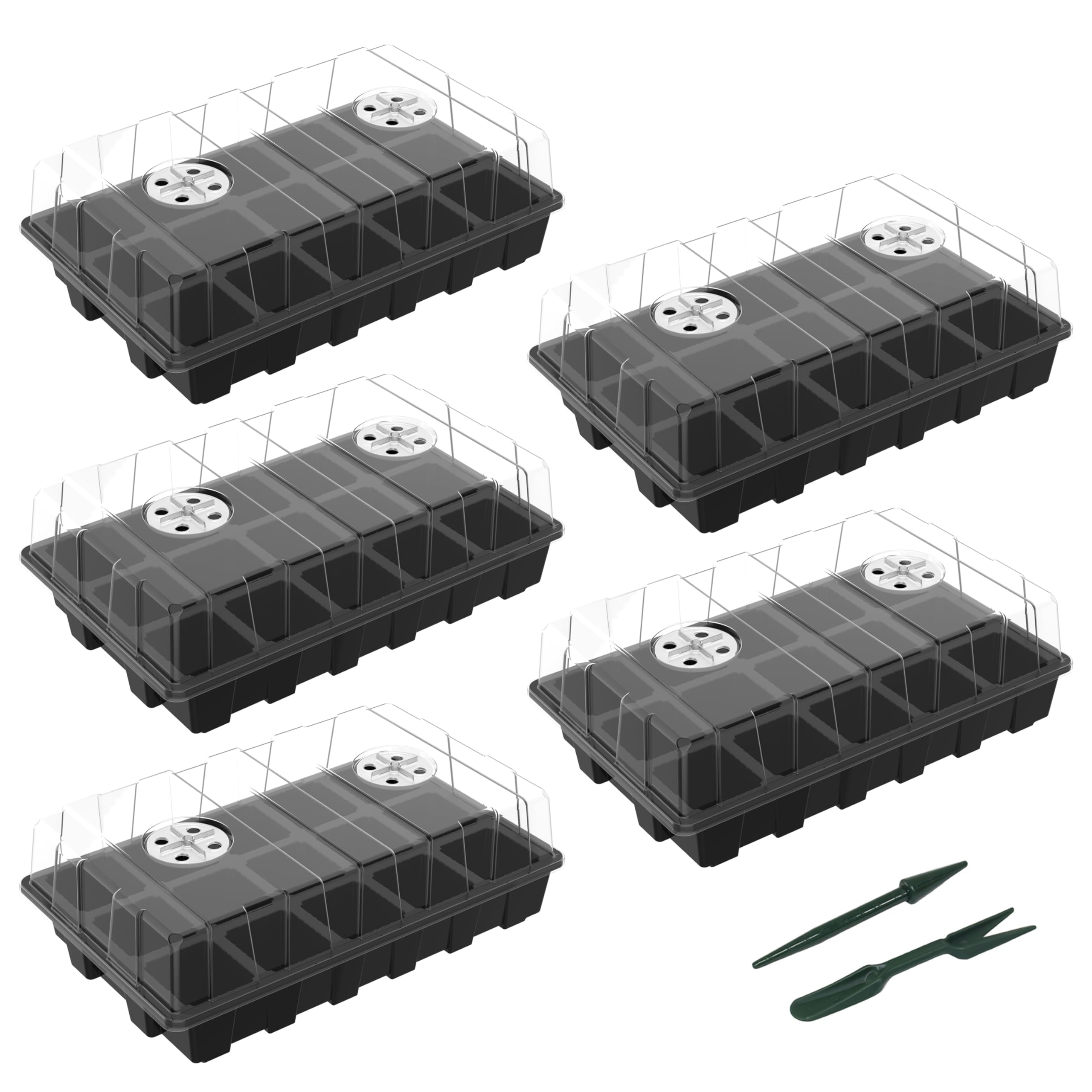
I relied on these five 15-cell trays when I needed to start a lot of flower and vegetable seeds under humidity domes with adjustable vents.
Why I picked it: Adjustable vented domes plus durable, stackable trays make large seed runs simple.
Best for: Starting many seedlings that need consistent humidity and easy storage.
Good multi-tray value for big seed batches.
Pros
- Adjustable vented dome
- Durable, reusable plastic
- Drain holes prevent overwatering
- Stackable for storage
- Includes stickers for labeling
Cons
- Some lids may arrive without vents
- Occasional loose-fitting dome
My take
I used the Gardzen five-pack for back-to-back seed starts and appreciated that each tray has 15 cells — that density hits the sweet spot for flowers and many annuals.
The clear domes trap humidity well and the vents give me control during germination; I open them as soon as I see cotyledons to reduce damping-off risk.
Drain holes and the included base tray kept my counters clean when I bottom-watered, and the trays rinse clean when the cycle is done.
When I needed to store trays between seasons they stacked neatly and didn’t take up much room. A small caveat: I received one lid without the vent, so I keep a spare dome on hand.
2. Burpee SuperSeed 36-Cell Tray – Best for Transplanting
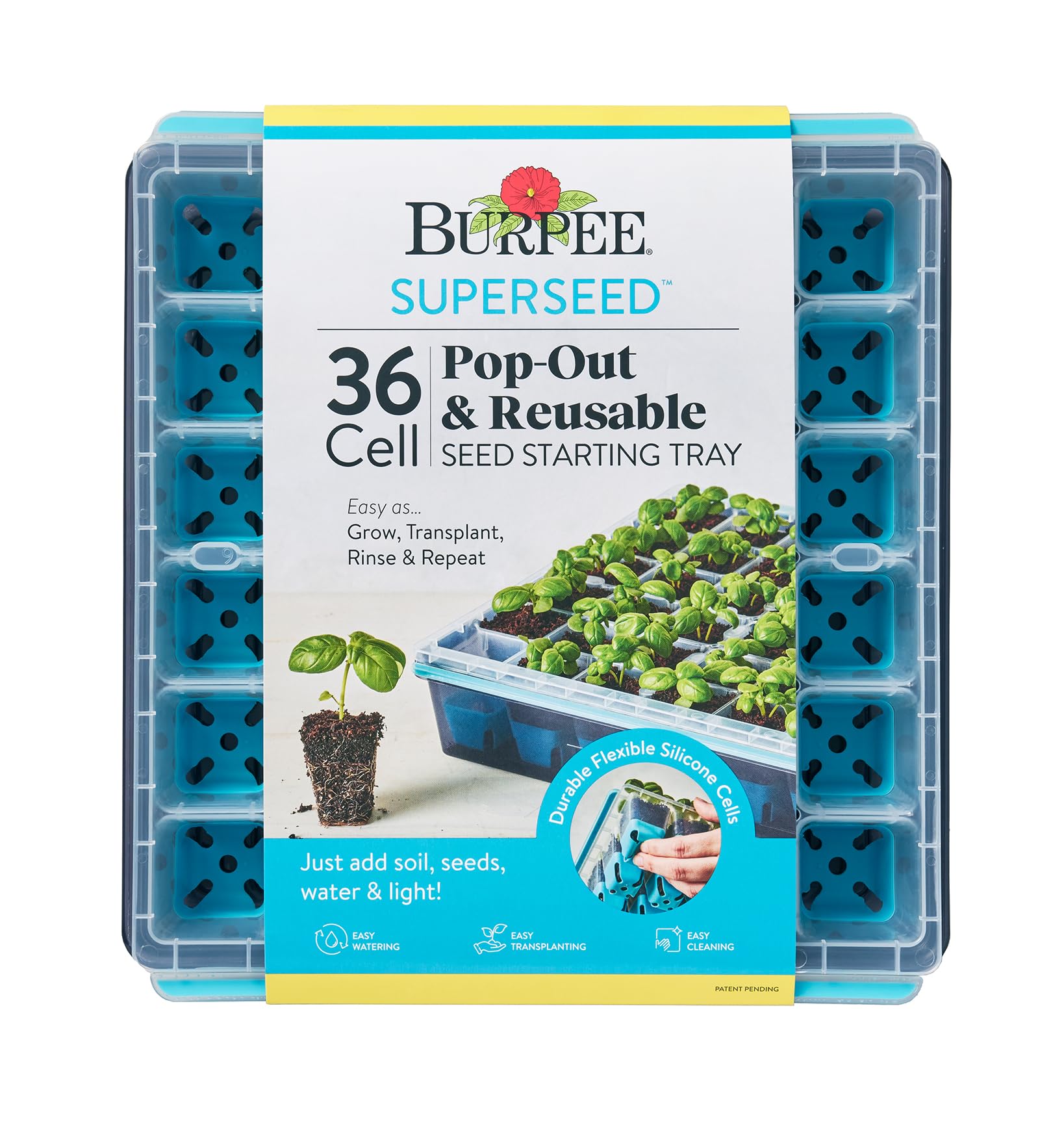
I reach for this 36-cell silicone-backed tray when I want gentle pop-out cells that reduce root disturbance at transplant time.
Why I picked it: Flexible pop-out cells that cradle seedlings and ease removal.
Best for: Seedlings that will be transplanted often or need gentle handling.
Solid single-tray option for transplant-friendly starts.
Pros
- Flexible pop-out cells
- Alphanumeric row labels
- Good drainage channels
- Dishwasher-safe
Cons
- Cells don't always pop out exactly like images
- Plastic can break down in prolonged sun
My take
I used the Burpee tray for herbs, marigolds, and early-blooming annuals; the soft silicone-style cells make lifting seedlings much less traumatic than rigid cells.
The molded corner slots and deep watering channels do a good job moving excess water away from roots, and the raised perimeter keeps spills contained during bottom watering.
I like the alphanumeric labeling for tracking different varieties, and I run this tray on the top dishwasher shelf for a quick clean between cycles.
A note: prolonged sun exposure will stiffen plastics over seasons, so I store it indoors between uses to preserve the pop-out function.
3. Biodegradable Peat Pots (40-Pack) – Best Biodegradable Starter Pots
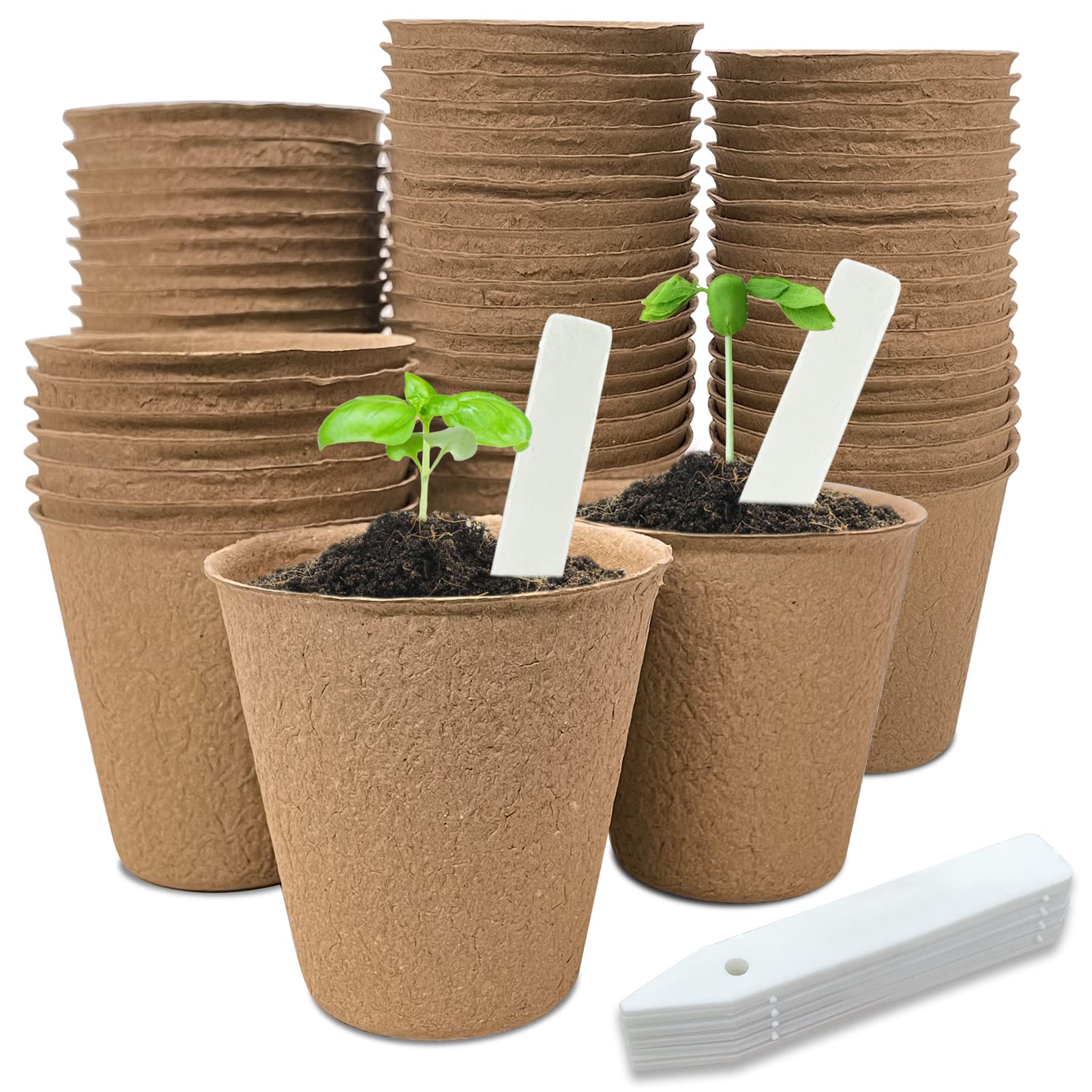
I used these pulp-and-peat pots when I wanted to transplant seedlings directly into the garden without upsetting fragile roots.
Why I picked it: Biodegradable pots let me plant seedlings intact, avoiding root shock.
Best for: Delicate-rooted flower seedlings and direct transplanting.
Affordable eco-friendly single-use pots.
Pros
- 100% biodegradable
- Includes 10 plant labels
- Perfect size for seedlings
- Transplant without removing roots
Cons
- Not reusable
- Cardboard weakens if overwatered
My take
When I started small-seeded flowers and herbs in these peat pots, I planted the whole pot into the soil and didn’t disturb the root ball — that boosted transplant success.
The pots are firm enough to handle during potting but do soften if they sit saturated, so I bottom-water carefully or set them in a shallow tray.
They come with labels which helped me keep varieties straight during larger mixes, and the eco factor makes them my go-to for community planting projects.
4. winemana Peat Pots (100-Pack) – Best Value Pack
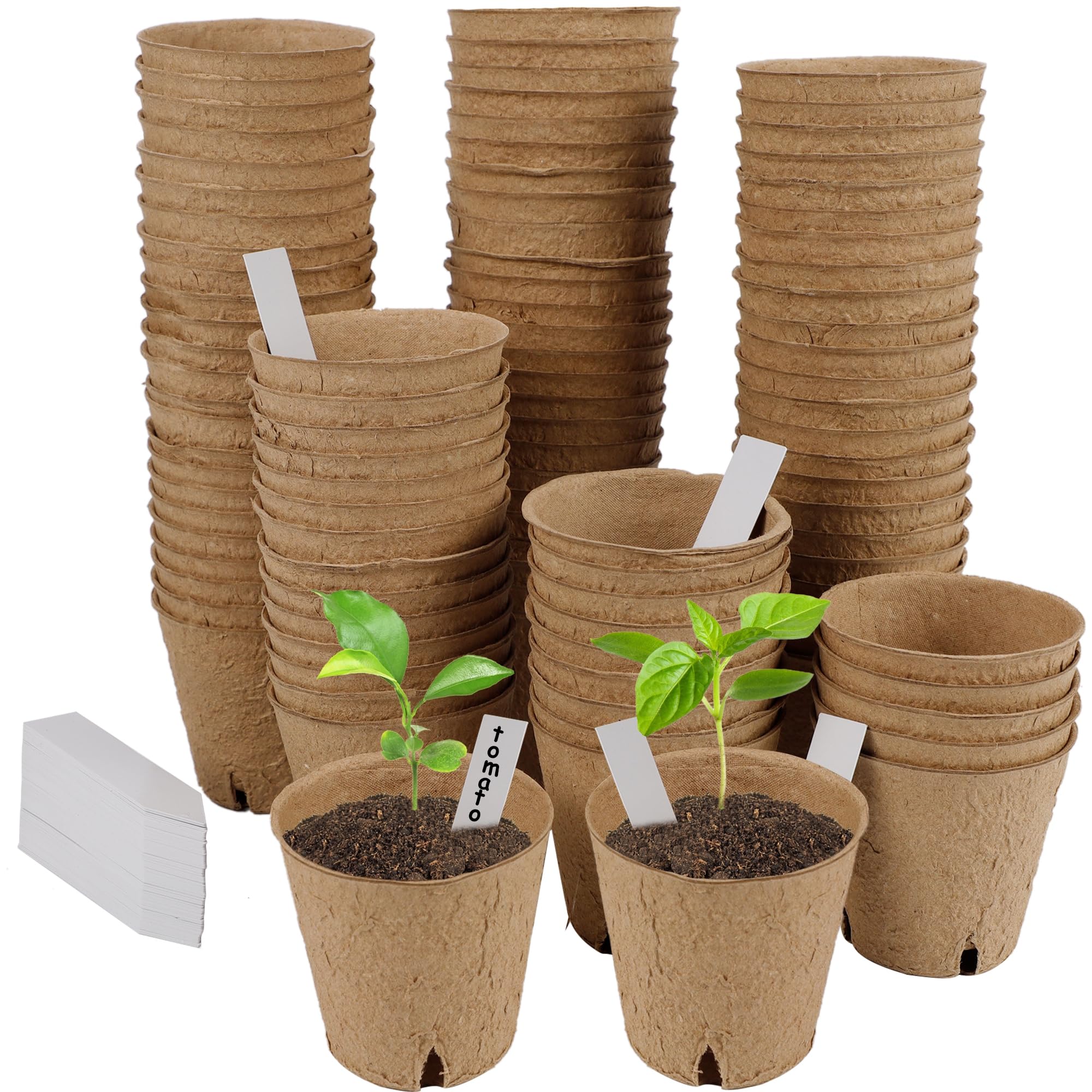
I picked this 100-pack when I needed a lot of biodegradable pots for a big flower-planting project and wanted consistent bottoms and airflow.
Why I picked it: Large quantity with breathable bottoms for big projects.
Best for: Mass seed-starting, school projects, and community planting.
Best bulk option for large-scale starts.
Pros
- Generous 100-pack
- Breathable bottom for drainage
- Heat retention helps early roots
- Generally well packed
Cons
- Labels may sometimes be missing
- Some variability between pots
My take
I ordered the 100-pack for a multi-family planting day and was glad all pots arrived intact; the packaging protected them well.
The breathable bottoms aid drainage and made bottom-watering easy without saturating the crowns.
I did have one shipment without the promised labels, so I keep a spare set of markers handy now, but otherwise these held up through germination and transplant.
5. eZAKKA Seedling Starter Tray Kit – Best for Reuse
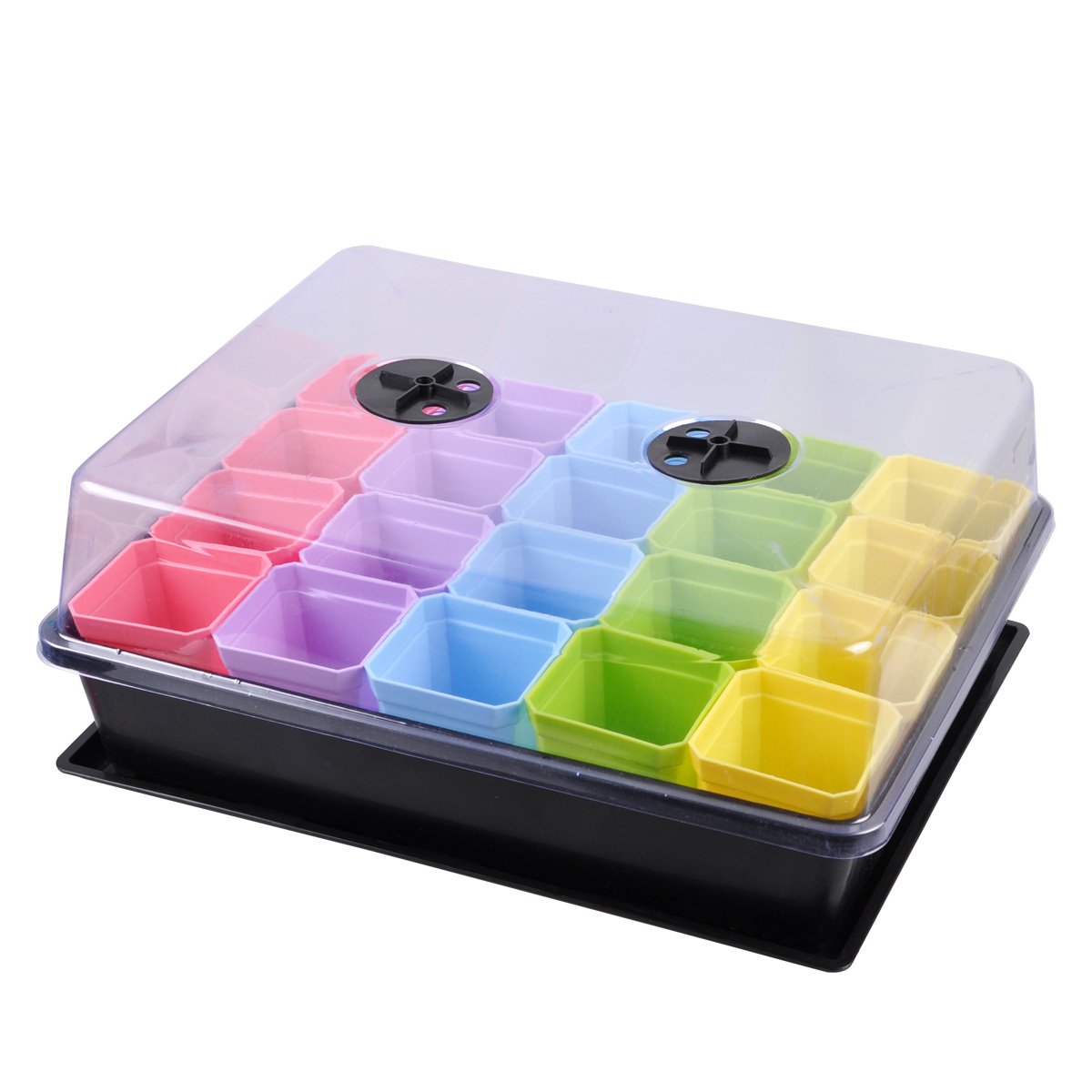
I depend on this kit when I want colorful, reusable pots with a tall humidity dome and built-in vents for controlled germination.
Why I picked it: Tall dome with vents and durable pots for repeated use.
Best for: Growers who want a reusable, vented starter kit.
Durable midrange reusable kit.
Pros
- High, vent-controlled dome
- Durable reusable pots
- Good pot size for many seedlings
- Color-coded organization
Cons
- Dome tabs can be flimsy
- Lid may not snap perfectly
My take
I like the taller dome because it gives seedlings room to grow before the first transplant; the vents let me dial humidity down as sprouts emerge.
The individual pots are durable and great for bottom-watering; I’ve been using the set season after season.
The lid fit isn’t perfect and the tabs feel a bit fragile, but seller support replaced a missing piece quickly when I reached out.
6. Biodegradable 120-Cell Peat Trays (10-Pack) – Best Eco Bulk
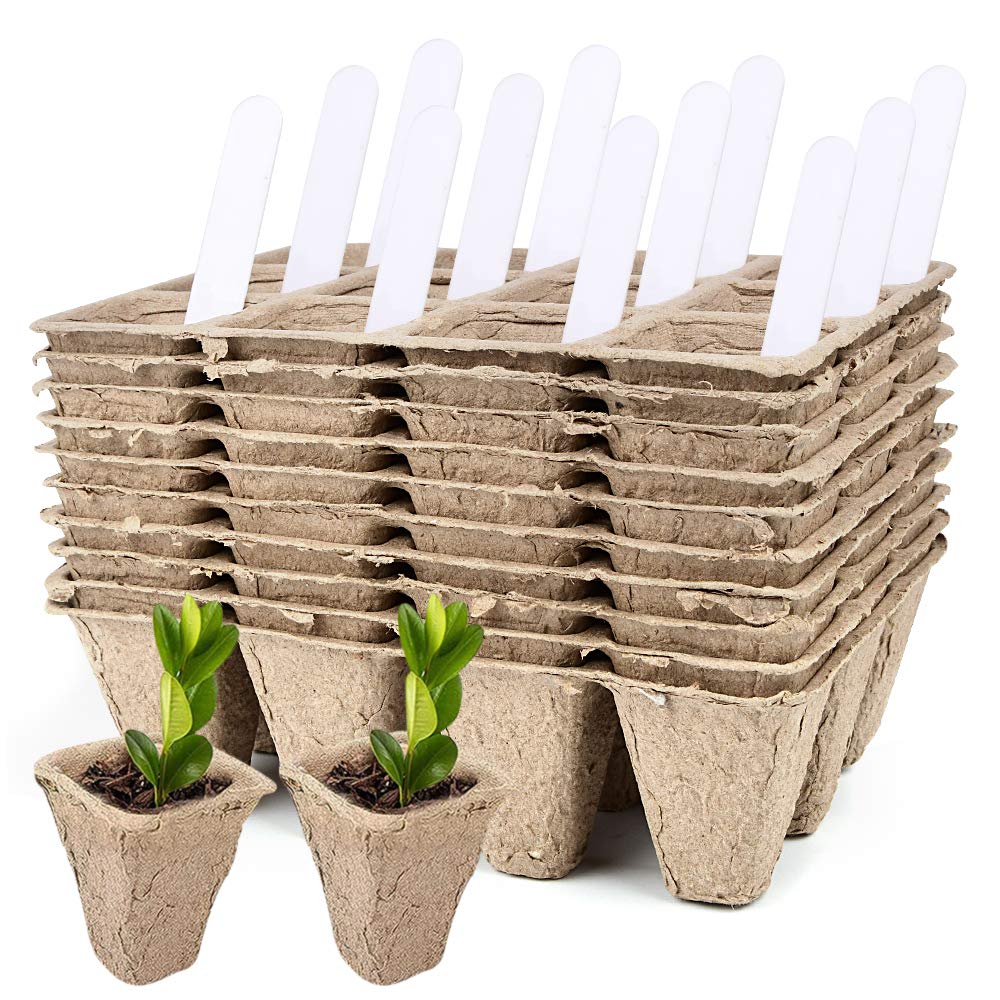
I use these small pulp trays when I need lots of tiny cells for micro-seeding or native flower starts that will be transplanted with the pot intact.
Why I picked it: Mass small cells that biodegrade once planted.
Best for: Huge seed runs of small-seeded flowers and natives.
Budget-friendly multi-pack of small cells.
Pros
- Compostable pulp material
- Promotes aeration and root health
- Large total cell count (120)
- Includes paper plant markers
Cons
- Very small cells
- Can be fragile when wet
- Trays can be hard to separate
My take
These trays are excellent for tiny seeds like milkweed and many native wildflowers — the cells are small, so I can conserve seed.
Because the trays are pulp, I place them inside a shallow plastic or aluminum tray to contain moisture; otherwise they soften and tear when lifted wet.
Separating the trays took patience the first time, but once laid out they germinated reliably and I planted whole cells directly into the ground.
How I Choose a Germination Kit
Key features I look for
When I pick a germination kit I focus on ventilation, pot material, and cell size because those directly affect germination rate and transplant health.
Durability matters if I plan to reuse trays; biodegradables win when I want to plant the pot directly into the soil.
- Humidity domes with adjustable vents let me start seeds warm and moist, then reduce humidity when sprouts appear.
- Drainage and a base tray prevent overwatering and protect surfaces.
- Cell size should match the plant: tiny cells for small-seeded flowers, deeper cells for peppers and tomatoes.
Plastic vs biodegradable
I use plastic trays when I want a long-lived system for many seasons and when bottom-watering is part of my routine.
I prefer peat or pulp pots when transplant shock is a concern — I plant the whole pot and avoid disturbing roots.
- Reusable plastic: better for repeated cycles and heavy watering control.
- Biodegradable pots: ideal for delicate roots and direct planting.
Practical tips I follow
Label trays immediately: I rely on labels or the included alphanumeric rows to track varieties and sowing dates.
Control moisture carefully with bottom watering or short daily misting until true leaves form.
- Use a seedling heat mat for peppers and warm-loving flowers.
- Move seedlings to stronger light as soon as they have true leaves to prevent legginess.
Frequently Asked Questions
Can I reuse biodegradable peat pots?
I don’t reuse peat pots — they’re designed to decompose in soil. I plant the whole pot and let it break down, which simplifies transplanting and reduces root disturbance.
Do I need a humidity dome for flower seeds?
I find domes helpful for the first few days to weeks because they maintain consistent humidity. I open vents or remove the dome as soon as seedlings show true leaves to avoid mold and stretching.
How often should I water seedlings in these kits?
I water based on feel: keep the medium moist but not soggy. I often bottom-water once every few days and top-spray lightly if the surface dries; biodegradable pots require gentler moisture control to avoid softening.
Final Take
I recommend choosing a kit that matches your workflow: reusable vented trays for repeated seed cycles, flexible pop-out cells for transplant-friendly handling, or biodegradable pots if you want to plant pots directly.
Whichever option you pick, focus on ventilation, gentle watering, and correct cell size for the flower varieties you plan to start.
