
I tested six foam cushions across upholstery, office seating, and DIY projects so you can pick the right density, thickness, and material for your seat or project.
I spent time cutting, fitting, and sitting on a range of foam cushions so I could recommend the ones that actually solve common seating problems.
In this roundup I highlight options for tailbone relief, re‑padding worn sofas, firm dining chairs, craft projects, thick support pads, and a high‑density value pick.
I focused on build quality, CertiPUR‑US certification, ILD/compression specs, ease of cutting, and how each foam felt in real use.
I compared these foams by density/ILD, thickness, and real‑world application: ergonomic memory foam for pressure relief versus various polyurethane and high‑density sheets for upholstery and DIY. I prioritized materials made in the U.S. and CertiPUR‑US certification when available.
1. C CUSHION LAB Pressure Relief Seat Cushion – Best for Tailbone Relief
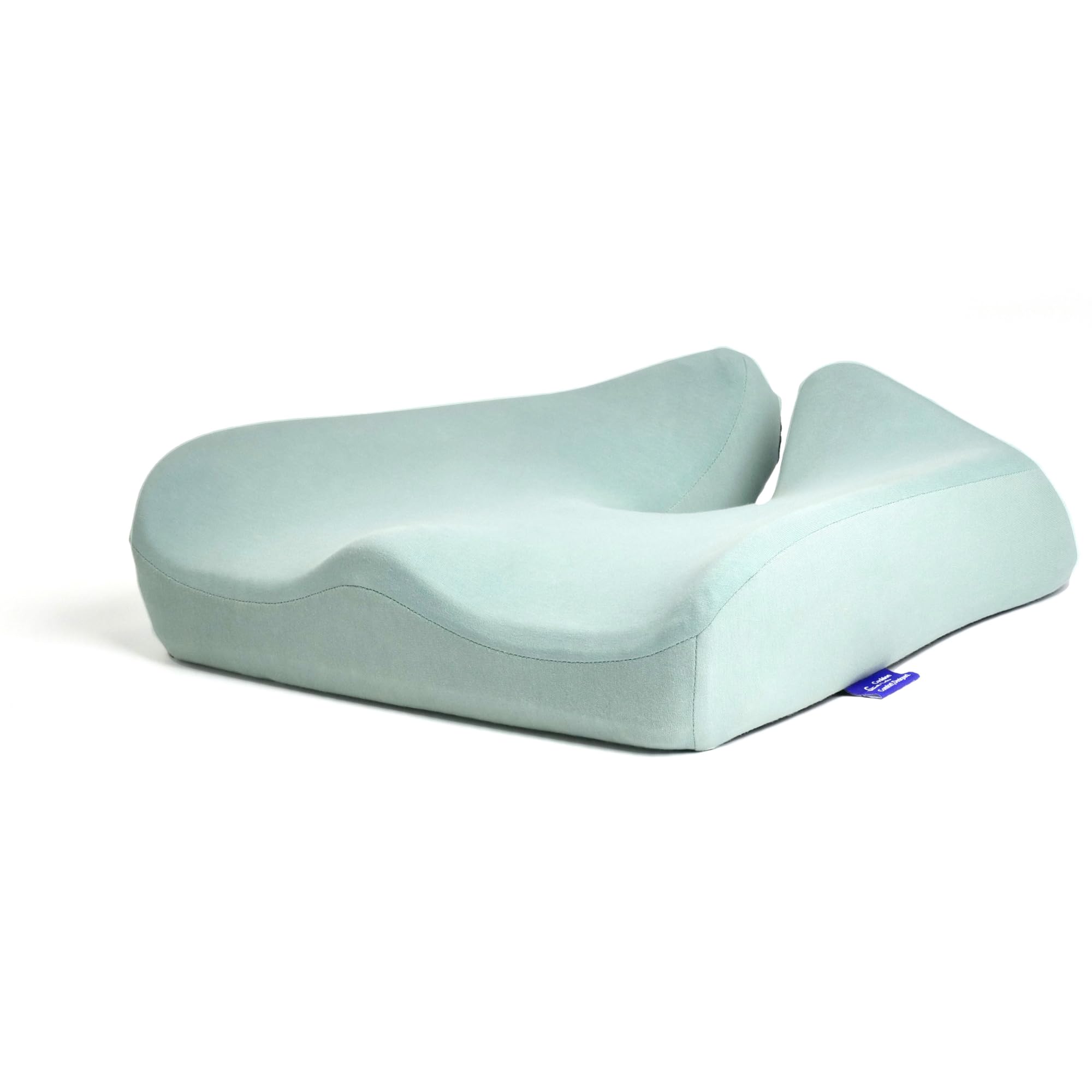
A contoured, extra‑dense charcoal memory foam seat cushion designed to cradle thighs and offload the coccyx for long sitting sessions and driving.
Why I picked it: Unique ergonomically contoured shape and extra‑dense charcoal memory foam for targeted tailbone and hip support.
Best for: People who need pressure relief during long drives, office work, or wheelchair use.
A more premium, specialized option for therapeutic support.
Pros
- Ergonomic contour for tailbone relief
- Extra‑dense charcoal memory foam
- Helps encourage upright posture
- Odor‑free in my experience
- Works well in cars and wheelchairs
Cons
- Bulkier to carry around
- Heavier than flat pads
My take
I reached for this cushion when long drives and desk days left my lower back and tailbone sore. The patented contour cradles my thighs and creates a cutaway at the coccyx that noticeably reduces pressure when I sit for extended periods.
The charcoal memory foam feels dense but pleasantly yielding — not the sink‑in memory foam that fails to support. I used it on an office chair and in the car; both situations gave me clearer posture cues and less tailbone sting after an hour or more.
The cushion arrived ready to use and I didn't detect an off‑putting odor during the first few days. It’s thicker and a touch heavier than flat pads, so I leave one at my desk and one in the car instead of carrying it back and forth every day.
If you want dedicated coccyx relief and posture support, this is the targeted option I reach for. I consider it worth the premium for the immediate pressure reduction it delivers.
2. GoTo Foam Upholstery Cushion 1in 44ILD – Best for Reviving Old Cushions
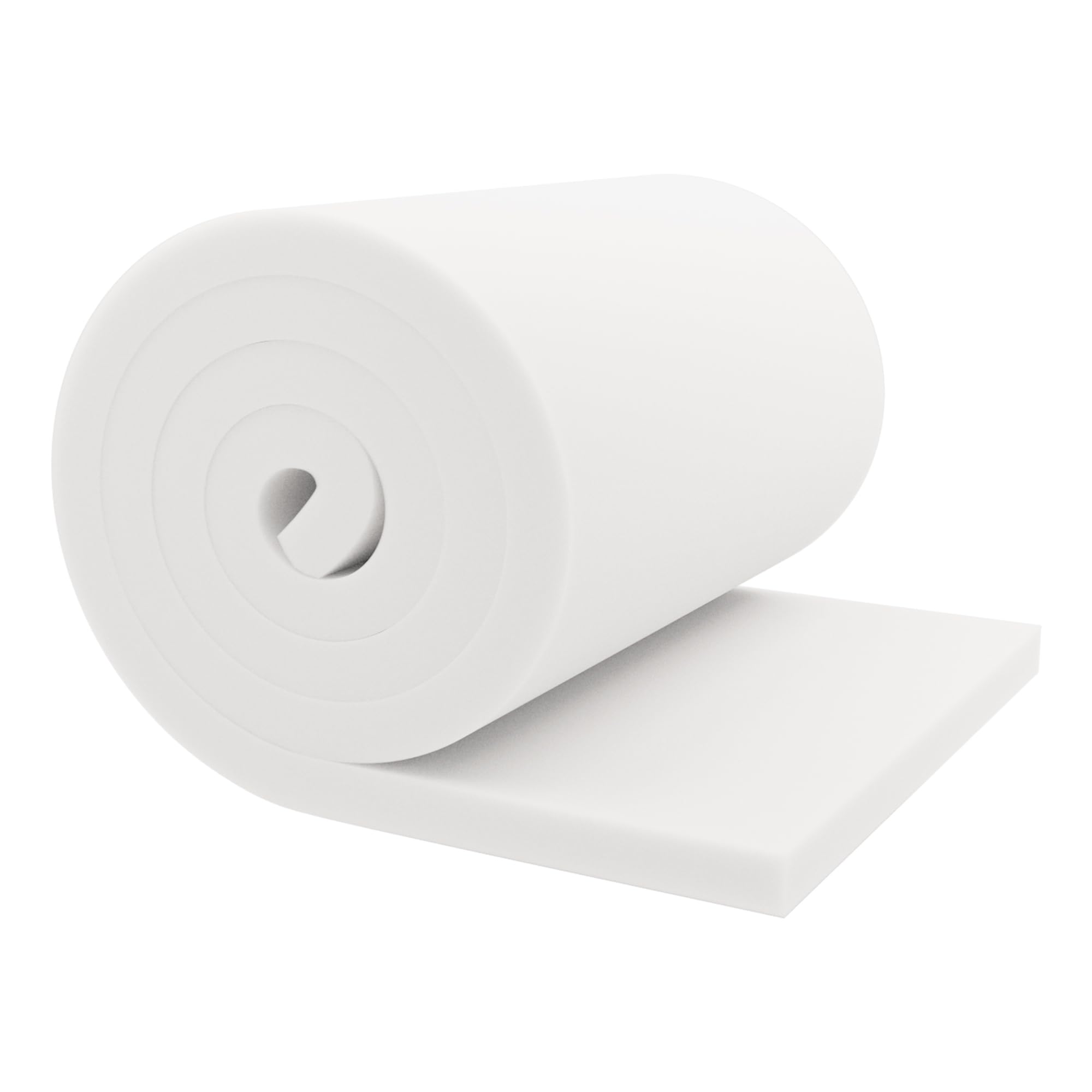
A firm, CertiPUR‑US polyurethane sheet made in the USA that’s easy to trim and ideal for restoring flattened couch cushions or building custom pet beds.
Why I picked it: Firm 44ILD sheet that cuts cleanly and adds structure to sagging cushions.
Best for: Revitalizing sofa cushions, building pet beds, and furniture repair.
An affordable way to revive furniture and create DIY pads.
Pros
- Made in USA
- CertiPUR‑US certified
- Firm 44ILD support
- Easy to cut and shape
- No lingering odor
Cons
- Compressed shipping requires time to expand
- Thin for some heavy‑duty uses
My take
I used three of these 1‑inch sheets to rebuild flattened couch cushions and they transformed a sagging sofa into something supportive again. The foam cuts easily with a bread knife and produces clean edges.
There wasn’t any unpleasant smell after unpacking, and the firmness gave the couch back its shape. I also folded and sewn one into a pet bed — my arthritic cat started using it immediately, which says a lot about the comfort level.
Expect the foam to arrive compressed; it expanded quickly for me but requires a little patience to return to full thickness. For thin upholstery repairs and craft projects, this is the most practical, value‑oriented sheet I reach for.
3. FoamTouch High Density Upholstery Foam 2in – Best for Firm Seat Replacements
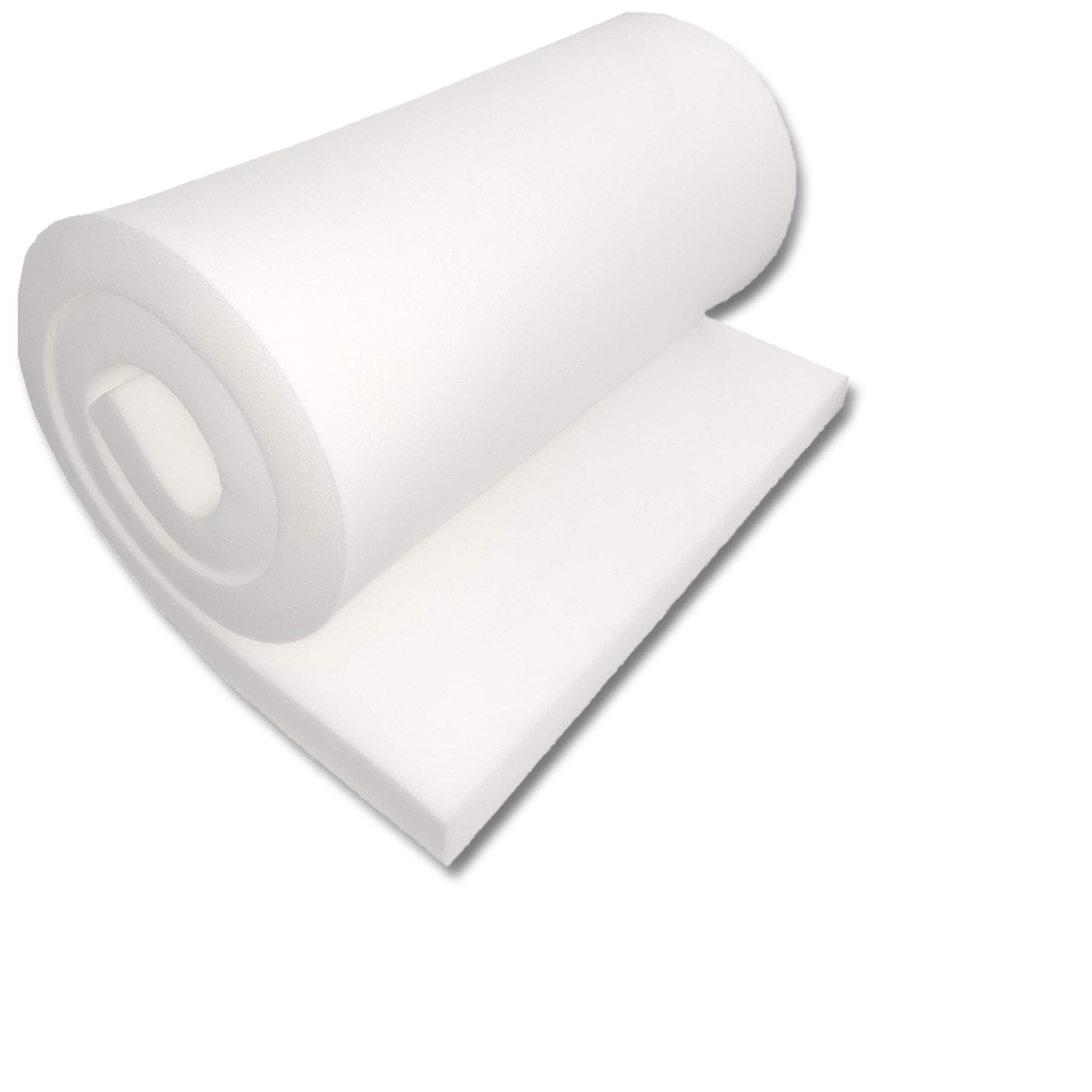
A 2‑inch high‑density polyurethane sheet with a 44lb compression profile that works well for dining chairs, seat pads, and firm furniture support.
Why I picked it: The 2‑inch high‑density profile gives firm, even support perfect for dining chairs and seat replacements.
Best for: Dining chairs, seat pads, mattress toppers, and firm seating applications.
A midrange sheet that balances firmness and versatility.
Pros
- High density support
- Made in USA
- Good for dining chairs
- Easy to work with
- Sturdy, even surface
Cons
- Can feel very firm for some users
- Limited prepackaged size options
My take
I cut this 2‑inch sheet to reupholster six dining chairs and the result was noticeably firmer and more supportive than the old cushioning. The foam compresses predictably and keeps its shape under repeated use.
The material is easy to trim for tight layouts; plan your cuts because the 24×72 sheet requires efficient layout to avoid waste. It held up well under the original couch cushions when I tried a support experiment.
If you want solid, durable seat support without the slow sink of memory foam, this high‑density polyurethane is the option I use for dining and chair projects.
4. Linenspa High Density Craft Foam 1in – Best for DIY & Crafts
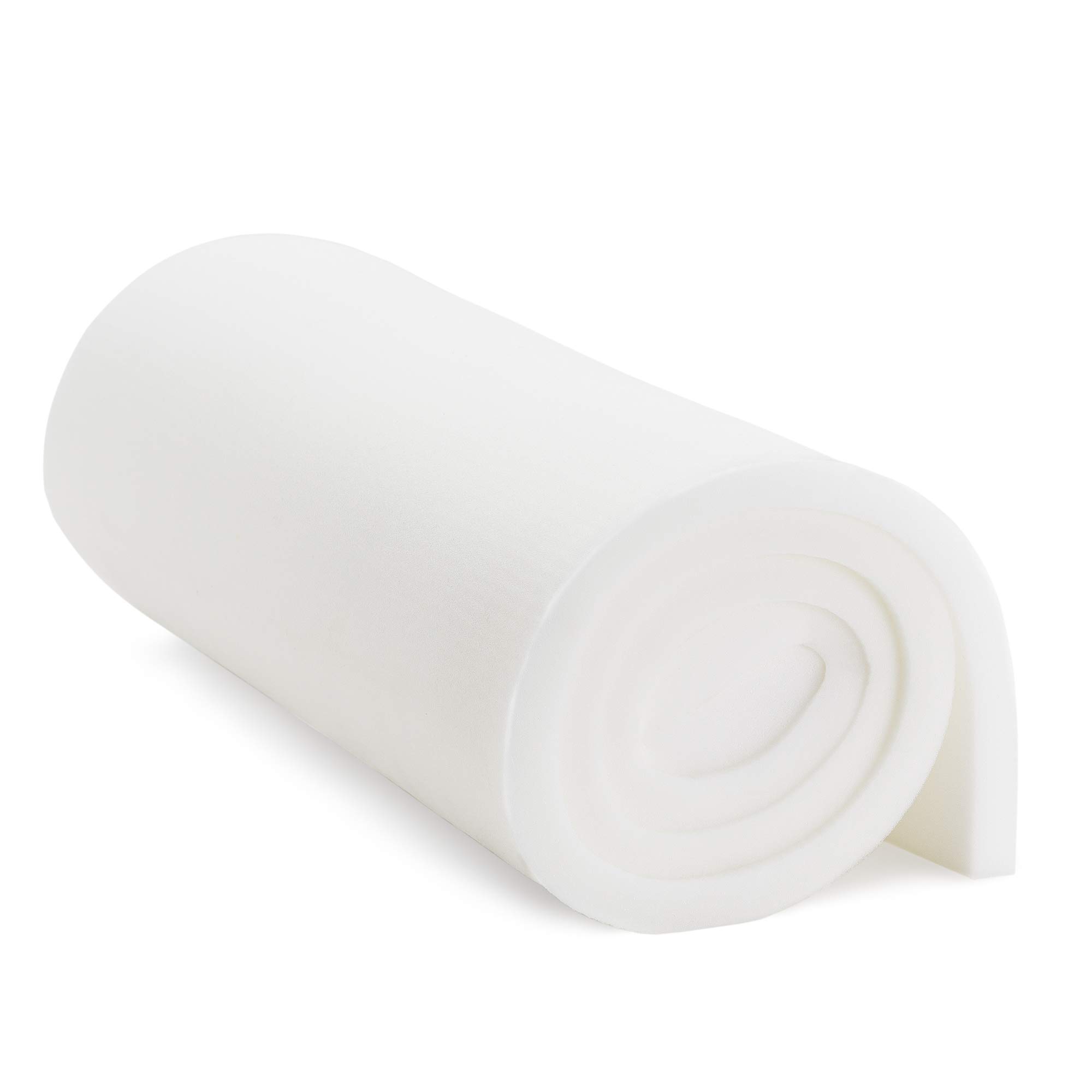
A versatile, CertiPUR‑US high‑density craft foam offered in multiple thicknesses, easy to cut and ideal for headboards, bench pads, and small restorations.
Why I picked it: Flexible size options and easy cutting make it the go‑to for craft and DIY cushion work.
Best for: Headboards, bench pads, patio seat repairs, and costume or prop building.
Good value for small projects and layered cushioning.
Pros
- CertiPUR‑US certified
- Available in multiple thicknesses
- Easy to trim with basic tools
- Expands quickly from compression
Cons
- Thin at 1" for heavy support tasks
- May yellow slightly over time
My take
I grabbed Linenspa sheets for a yard swing cushion project and the foam delivered firm, supportive comfort despite being only 1 inch thick. Because it’s available in several thicknesses, I layered pieces to reach the feel I wanted.
The foam cuts easily with a box cutter or bread knife and expanded back to shape within minutes of unboxing. I also used scraps to pad a portable AC installation and it worked well for sound and draft control.
For costume heads and craft builds the material is forgiving to glue and stitching; just be mindful that lighter colored foam may take on a pale yellow tint over longer periods.
5. FoamTouch Medium Density Upholstery Foam 5in – Best for Thick Support
A 5‑inch medium‑density polyurethane sheet with a 36lb compression rating, designed for heavier seating applications and long‑lasting recovery.
Why I picked it: Thicker profile with strong recovery and a firmer feel for futons, massage tables, and thicker cushions.
Best for: Futons, massage tables, camping beds, and heavy‑use cushions.
A solid midrange choice when you need height and durability.
Pros
- Thick 5" profile
- 100% recovery rate
- Fire‑retardant treated
- Holds shape under heavy use
Cons
- Can be too firm straight out of the box
- More effort to cut cleanly
My take
I used this 5‑inch piece to firm up a futon and as a replacement pad for a massage table; both uses benefited from the strong recovery and stable surface the foam provides.
At first the thickness felt very firm — I resolved that by slicing part of the block and recombining sections to create a softer composite. If you need real height and durability, though, this is the option I turn to.
Cutting requires heavier tools or an electric knife, but the end result is a supportive, long‑lasting cushion that doesn’t sag after repeated use.
6. AK Trading High Density Upholstery Foam 2in – Best Value High‑Density
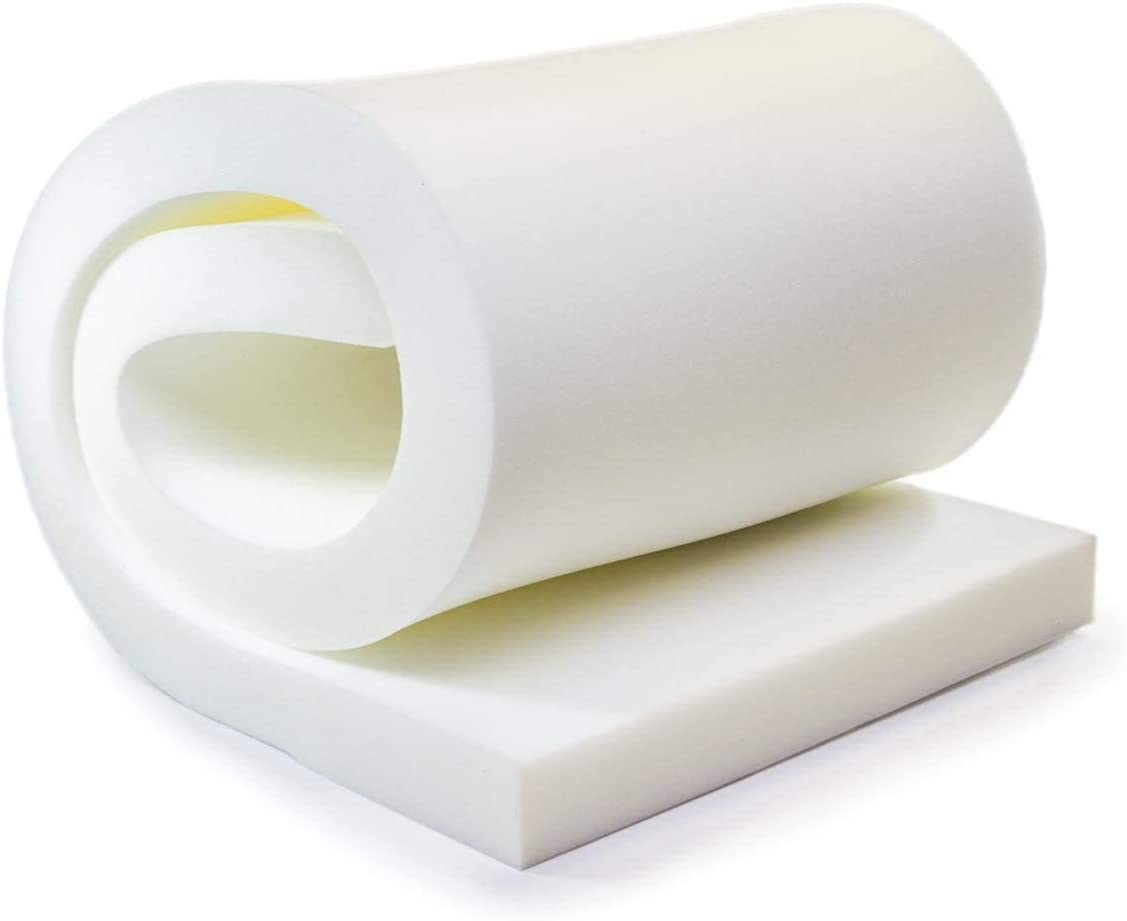
A CertiPUR‑US certified, 2‑inch high‑density sheet made in the USA with 44ILD firmness that delivers firm support and clean cuts for upholstery projects.
Why I picked it: Reliable, dense foam that holds its shape and offers consistent support for seat replacements.
Best for: Bench seats, sofa repairs, window seats, and heavy‑use seating.
A value pick for large projects needing consistent density.
Pros
- CertiPUR‑US certified
- Dense 44ILD support
- Made in USA
- Easy to cut with clean edges
Cons
- Firm for lighter users
- Compressed shipping needs time to expand
My take
I used this AK Trading sheet to replace a bench cushion and was impressed by how well it held shape — even heavier use didn’t flatten it out.
The surface has a slight grip that prevents slipping on wooden slats and the foam was easy to trim to a precise fit. It made an older sofa comfortable enough that I sometimes prefer it to my mattress for naps.
This is the dependable, no‑surprises high‑density sheet I buy when I need reproducible support and clean, easy workability.
How I Choose Foam for Different Uses
Density, ILD, and How They Feel
I always check density and ILD/compression numbers to judge how a foam will perform. Higher ILD (like 44) reads as firmer; lower ILD feels softer and more sinky.
For seat support choose higher ILD; for pressure relief or slow‑response memory foam choose lower ILD or memory foam formulations.
- Higher ILD = firmer support for sofas, benches, and dining chairs
- Lower ILD or memory foam = pressure relief for tailbone and hips
- Density affects durability; denser foams typically last longer
Pick the Right Thickness
Thickness changes the whole feel: 1
2" works well for seat replacements, and 4–5" gives real height and cushion for futons and mattresses.
I often layer thinner sheets to dial in comfort rather than buying a single overly thick slab.
- 1"—crafts, thin pads, layering
- 2"—dining chairs, seat pads, standard upholstery
- 4–5"—futons, camping beds, massage tables
CertiPUR‑US and Made in USA
I prefer CertiPUR‑US certified foams and U.S. manufacturing for consistent quality and low VOCs.
When safety, emissions, and predictable performance matter, those certifications give me confidence.
- CertiPUR‑US = low VOCs and no harmful flame retardants
- Made in USA often equals consistent dimensions and materials
Cutting and Working With Foam
I cut foam with a long serrated bread knife for thinner sheets and an electric carving knife for thicker blocks. Heavy‑duty foams sometimes need a foam saw or power tools.
Allow compressed foam time to expand and flatten any imperfect edges before making final cuts.
- Use a serrated bread or electric knife for clean cuts
- Unbox and let the foam recover before trimming
- Layer thinner sheets to customize firmness
Frequently Asked Questions
How do I cut upholstery foam cleanly?
I get the cleanest cuts with a long serrated bread knife for thinner sheets and an electric carving knife for thicker slabs; measure twice and let compressed foam expand before trimming.
Which foam is best for tailbone pain?
I choose contoured memory foam cushions with a coccyx cutout — the targeted shape and denser memory foam reduce pressure more effectively than flat sheets.
Will new foam smell when unboxed?
In my experience CertiPUR‑US foams and quality memory foams had minimal odor; compressed shipping can sometimes produce an initial smell that dissipates within a day or two.
Final Take
I tested a range of foams for pressure relief, upholstery restoration, and DIY projects so you can match density and thickness to your needs.
For targeted tailbone relief I keep the contoured memory foam on hand; for furniture revival and DIY work I favor high‑density CertiPUR‑US sheets that cut cleanly and hold their shape.
Pick the foam that matches your intended use, allow compressed foam to expand, and don’t be afraid to layer sheets to fine‑tune comfort.
