
I tested six foam heel cushions across everyday shoes, heels, and medical-use options. Here are the ones I keep reaching for when I need to stop slipping, soften pressure, or add a small lift.
I’ve tried dozens of heel pads and liners in sneakers, heels, boots, and even on a recovery patient. In this roundup I focus on foam-based options that I actually use when shoes slip, when my heels rub raw, or when someone needs extra pressure relief.
The picks below cover quick fixes (peel-and-stick heel grips), multi-piece value kits with toe fillers, adjustable lifts for leg-length or rehab needs, and a launderable cloth option for medical use. I explain where each one works best and what to watch out for when installing them.
I compared materials, adhesion strength, fit across shoe types, number of pieces per pack, and whether the pads are adjustable or washable. I prioritized solutions that stayed put, added real cushioning without making shoes too tight, and offered useful extras like toe fillers or removable lift layers.
1. Riootlnm Foam Heel Pads – Best Overall
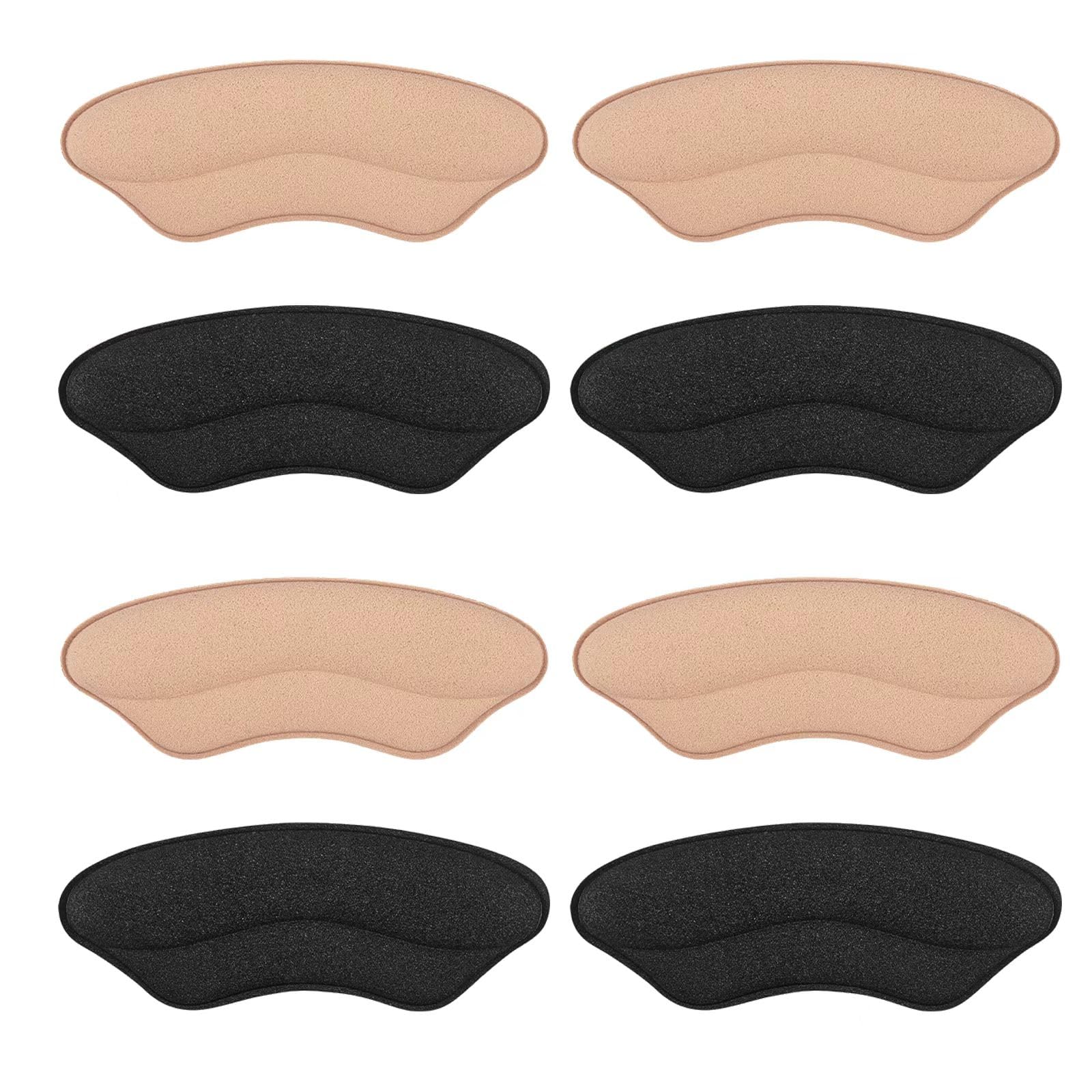
Thicker foam grips with strong adhesive and a suede-like finish that I use across heels and flats to stop slipping and reduce blistering.
Why I picked it: Generous thickness, reliable three-layer adhesive, and comfortable foam shape.
Best for: Loose dress shoes, heels, and casual shoes that need a quick fit fix.
Affordable multi-pair pack for everyday repairs.
Pros
- Thicker foam cushioning
- Triple-layer adhesive
- Fits many shoe types
- Includes black and beige pairs
Cons
- Not ideal on mesh uppers
- Can be too thick in tight shoes
My take
These were my go-to when a pair of sandals kept sliding off at a wedding. The pads have a noticeably thicker top edge (about 0.24–0.26 inch), which tucks into the back of the shoe and holds my heel securely.
The backing uses two glue layers plus a stabilizing fiber layer, so once I pressed them in they stayed put and didn’t leave residue on the leather shoes I tested. I did trim one to fit a narrow strap, which was quick and clean.
Comfort is the big win: the foam feels softly spongy and cut down on rubbing where my heel meets the shoe. My only caution is that they can make an already-tight shoe too snug and I avoid sticking them to mesh or highly textured fabrics.
2. Geyoga Heel Grips & Toe Fillers – Best Value
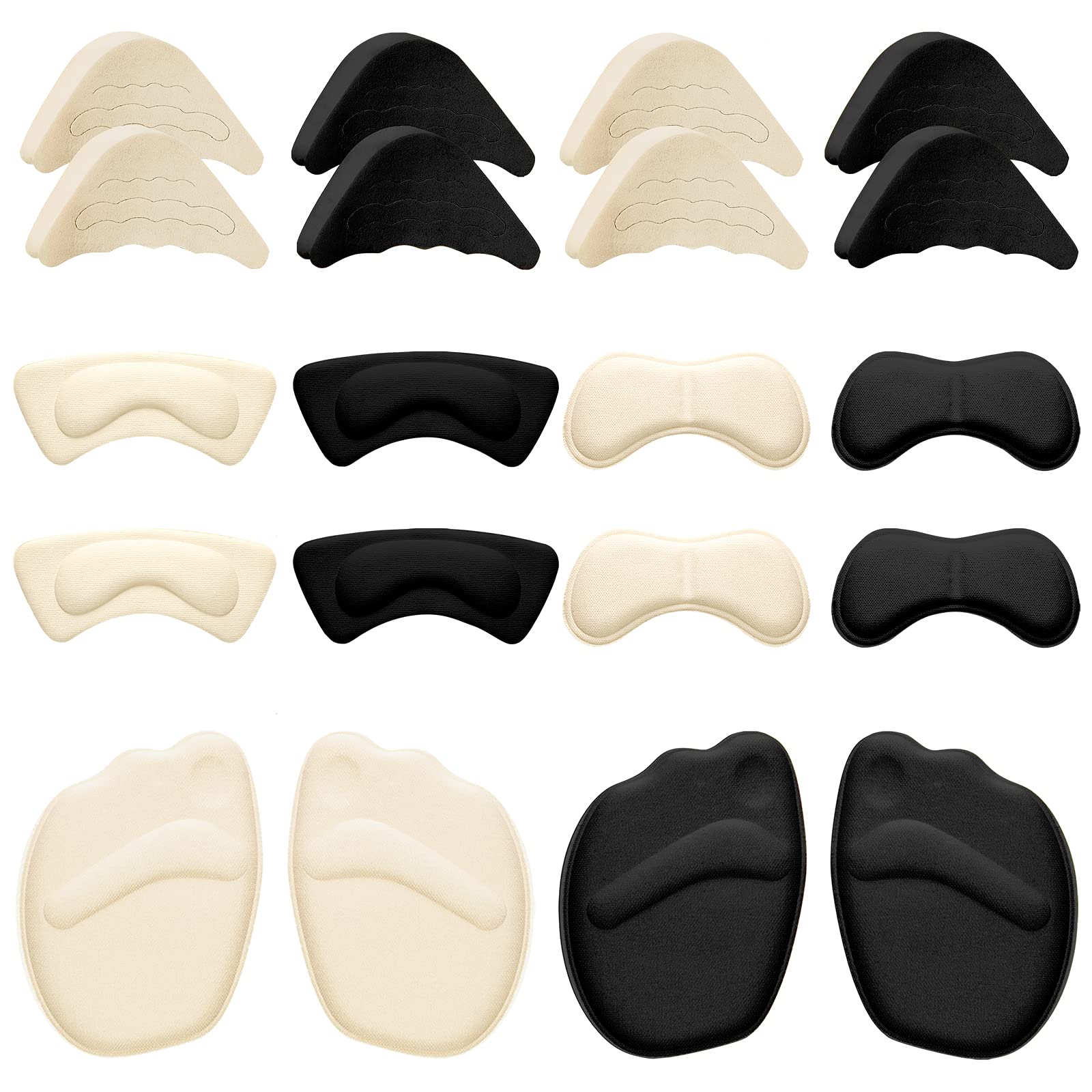
A 12-piece kit with heel grips, toe fillers, and back insoles I reach for when I want options in one package.
Why I picked it: Variety in one box — heel grips, toe plugs, and back insoles cover multiple fit problems.
Best for: Anyone who needs to experiment with different pads or has several problematic shoes.
Good value for a multi-piece emergency kit.
Pros
- Comprehensive 12-piece set
- Includes toe fillers
- Cuttable shapes for custom fit
- Beige and black color options
Cons
- Adhesive strength varies
- Packaging is basic
My take
I appreciated having heel grips, toe fillers, and back insoles in one kit because different shoes demanded different fixes. The toe plugs are especially useful in long toe-box heels where my toes were getting jammed forward.
The foam is breathable and easy to trim to shape. In a few shoes the adhesive on the ball-of-foot pad felt weaker, so I repositioned it more often than the heel grips, but the non-adhesive pieces can be reused in multiple pairs.
For anybody undecided on which pad will work, this kit saved me time. I tested them in flats, pumps, and sneakers and found at least one piece that made each shoe wearable.
3. Adjustable Orthopedic Heel Lift Inserts – Best for Custom Lift
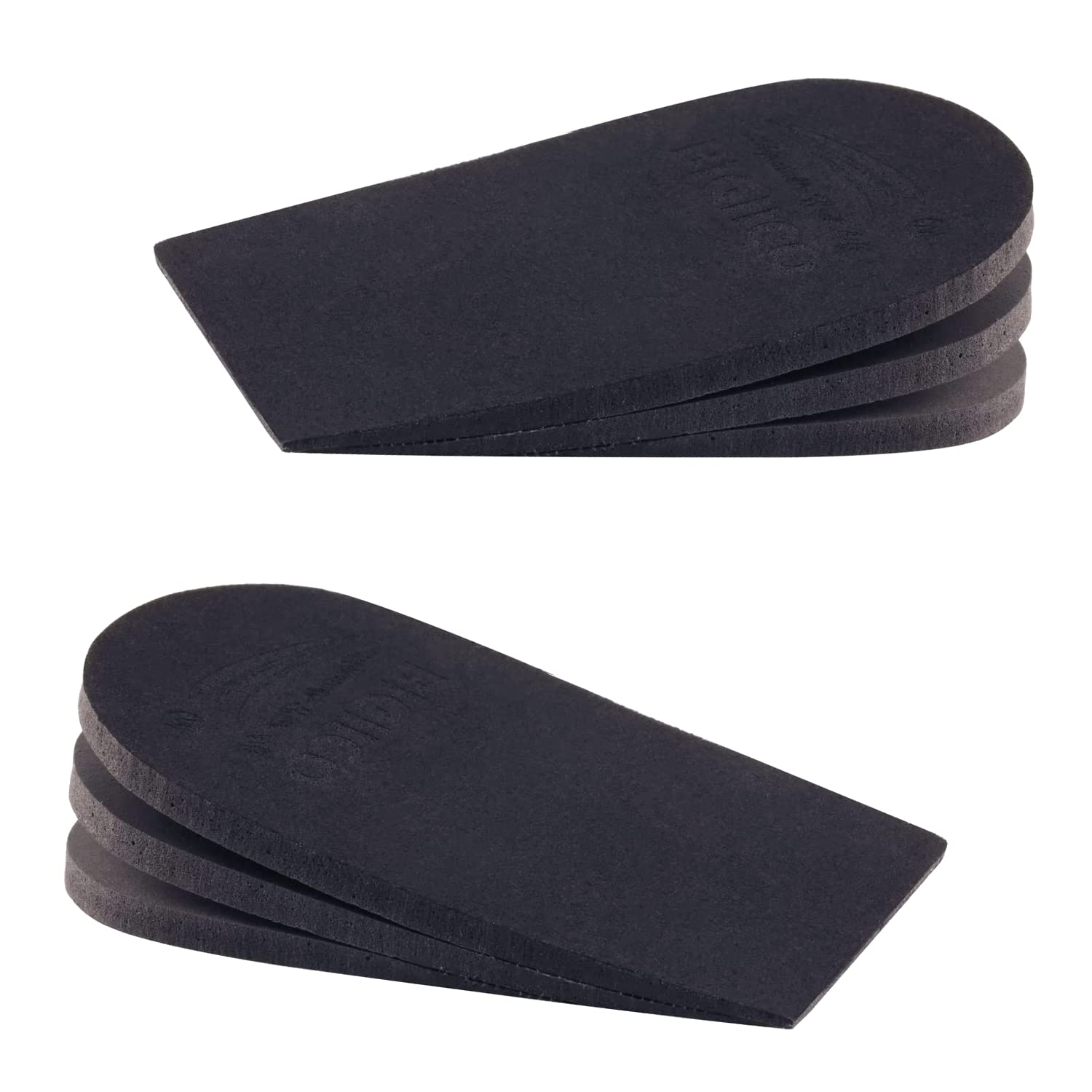
Three removable 1/4" layers let me dial in up to about 3/4" of lift—secure, cushioned, and great when I need to correct gait or ease Achilles strain.
Why I picked it: Layered construction for controlled lift and a softer memory-buffer material.
Best for: Leg-length discrepancy, Achilles issues, and people who need a precise lift.
A functional option for therapeutic lift needs.
Pros
- Removable layered height control
- Memory-buffer cushioning
- Tapers thin at arch
- Cut-to-fit arc
Cons
- Layers can slide without extra tape
- Requires trimming in narrow heels
My take
I used these after a hip replacement walk-through and found the layered approach lets me fine-tune the lift. Taking out or stacking layers is simple and makes switching between shoes straightforward.
The leather-like top surface helps keep the heel from migrating, and the memory buffer provides cushioning that feels softer than hard rubber lifts. One nit: the layers can shift on each other in some shoes, so I added a small strip of double-sided tape between layers to stabilize them.
If you need a discreet lift that won’t bulk up the shoe, these work well because they taper down toward the arch and sit out of sight while still changing foot angle enough to improve comfort.
4. Skil-Care Cozy-Cloth Heel Cushion – Best for Medical Use
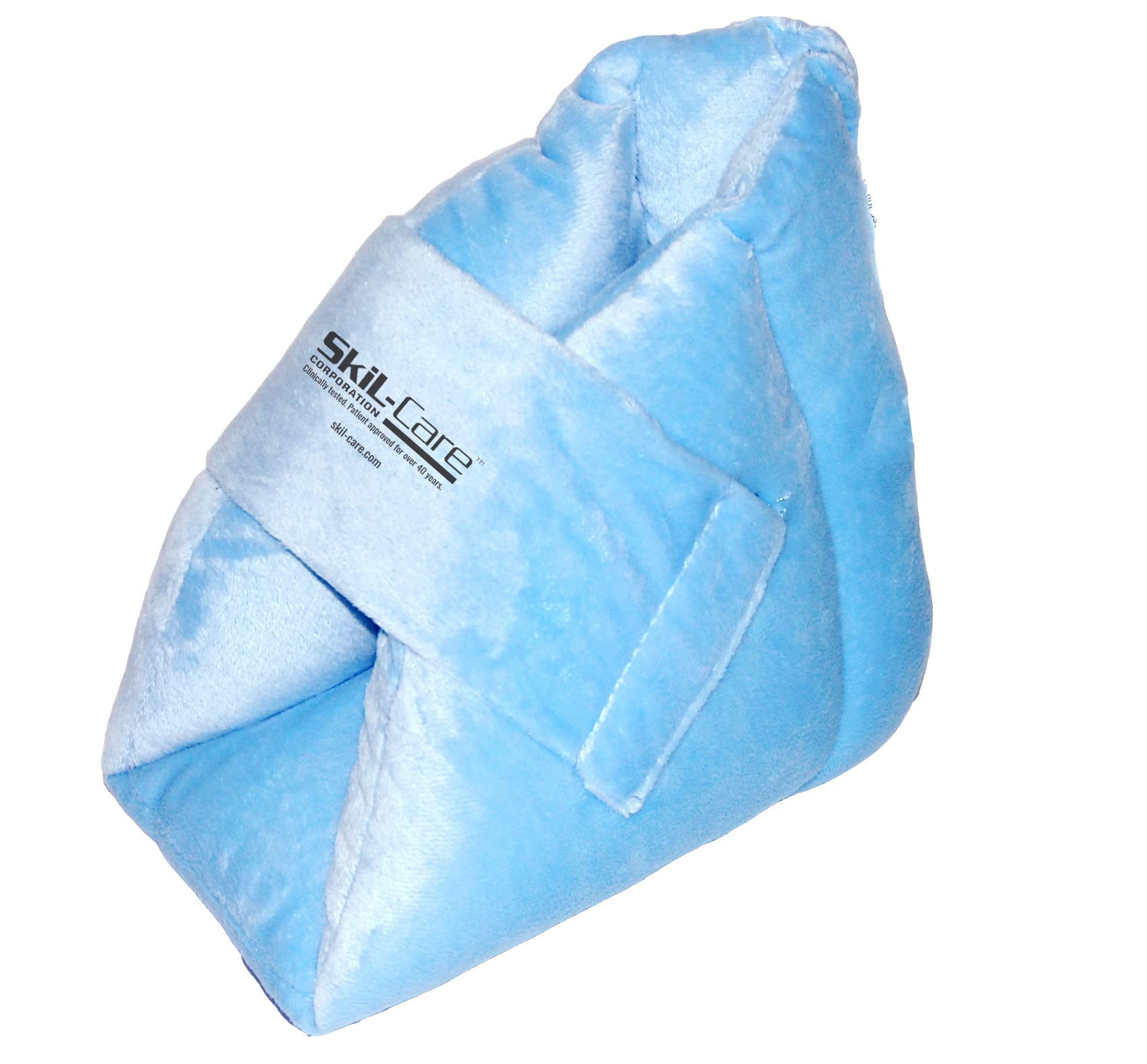
A launderable foam cushion with flannelette cover and hook-and-loop straps I keep for bed-bound or rehab situations where pressure relief matters.
Why I picked it: Hook-and-loop security, washable cover, and a soft flannelette face make it reliable for longer-term pressure care.
Best for: Bed-bound patients, wheelchair users, and anyone needing continuous heel pressure relief.
A more clinical, durable choice for medical or long-wear needs.
Pros
- Adjustable hook-and-loop straps
- Soft flannelette cover
- Launderable for hygiene
- Designed for pressure relief
Cons
- Strap orientation can be awkward
- Finish quality varies
My take
I use this style when I need consistent pressure relief rather than a peel-and-stick fix. The hook-and-loop straps keep the cushion in place during prolonged wear and the soft flannelette is kinder against fragile skin.
It’s clearly built for clinical settings: the padding reduces heel pressure effectively and the cover survives washing, which matters if you’re using it regularly. Be mindful that the straps are both oriented the same way on some units — I flipped one for a better fit.
Build quality is practical rather than luxe; I’d choose this when protection and hygiene trump cosmetics.
5. Foamed Cotton Heel Pads – Best for Narrow Heels
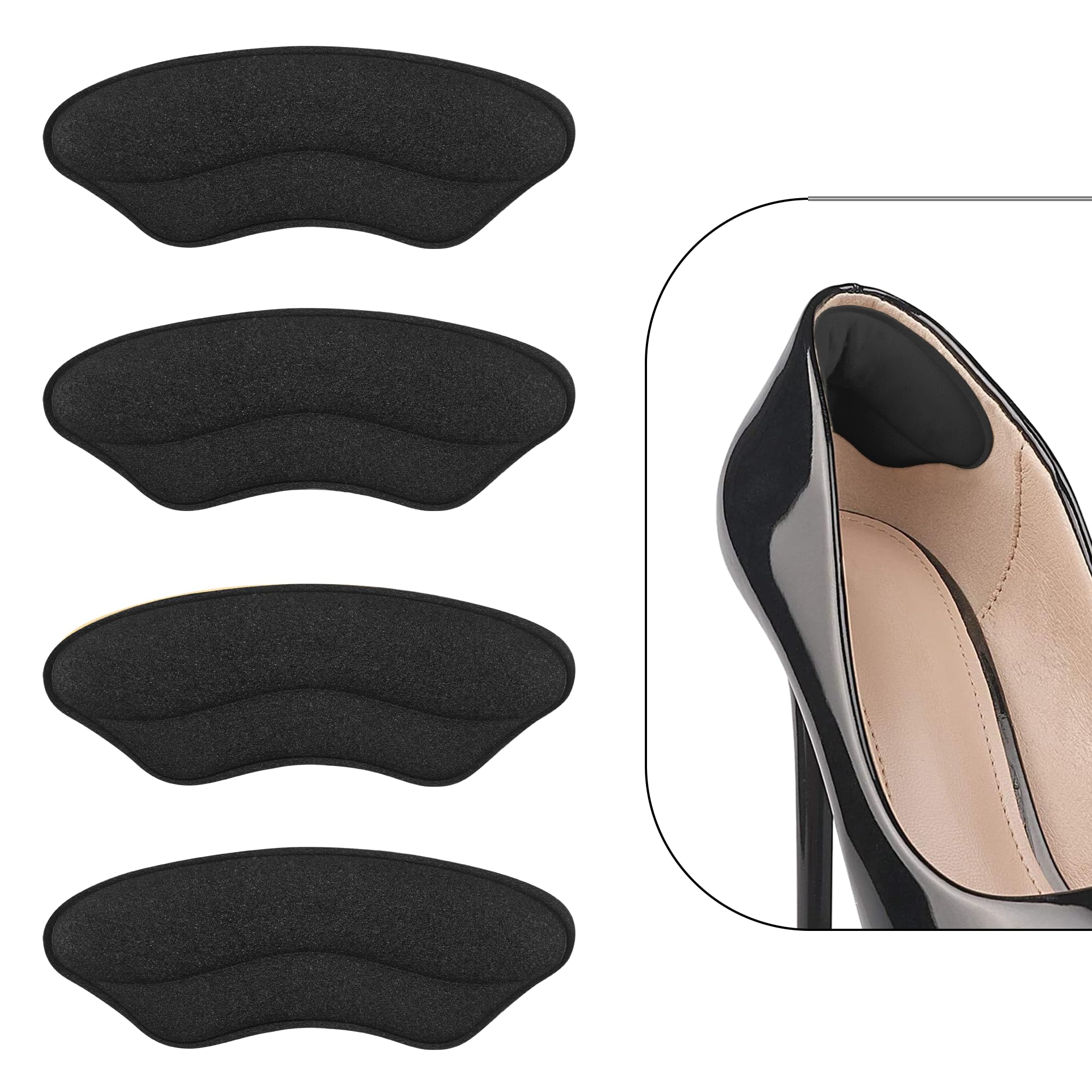
Simple foam heel grips that I repeatedly buy for narrow heels and sneakers — they’re cushioned, low-profile, and do the job quickly.
Why I picked it: Low-profile foam and grippy backing that restores fit in narrow-heeled shoes.
Best for: Narrow heels, sneakers, and flats needing a little extra hold.
Budget-friendly and great for keeping in a purse or shoe kit.
Pros
- Soft, cushioned foam
- Keeps narrow heels secure
- Easy peel-and-stick
- Four pairs per pack
Cons
- Adhesive could be stronger
- Less effective in very loose shoes
My take
These are the pads I reach for when a pair of trendy sneakers slips at the heel. They’re soft and cushioned, and in many narrow-heel shoes they eliminate slippage without changing fit noticeably.
I did notice adhesive strength varies by shoe material; leather and smooth synthetics held best, while some fabrics required a firmer press or occasional reapplication.
For inexpensive, quick fixes across several pairs, these are reliable—and I’ve reordered them when I needed more.
6. Makryn Foam Heel Pads – Best Wrap-Around Fit
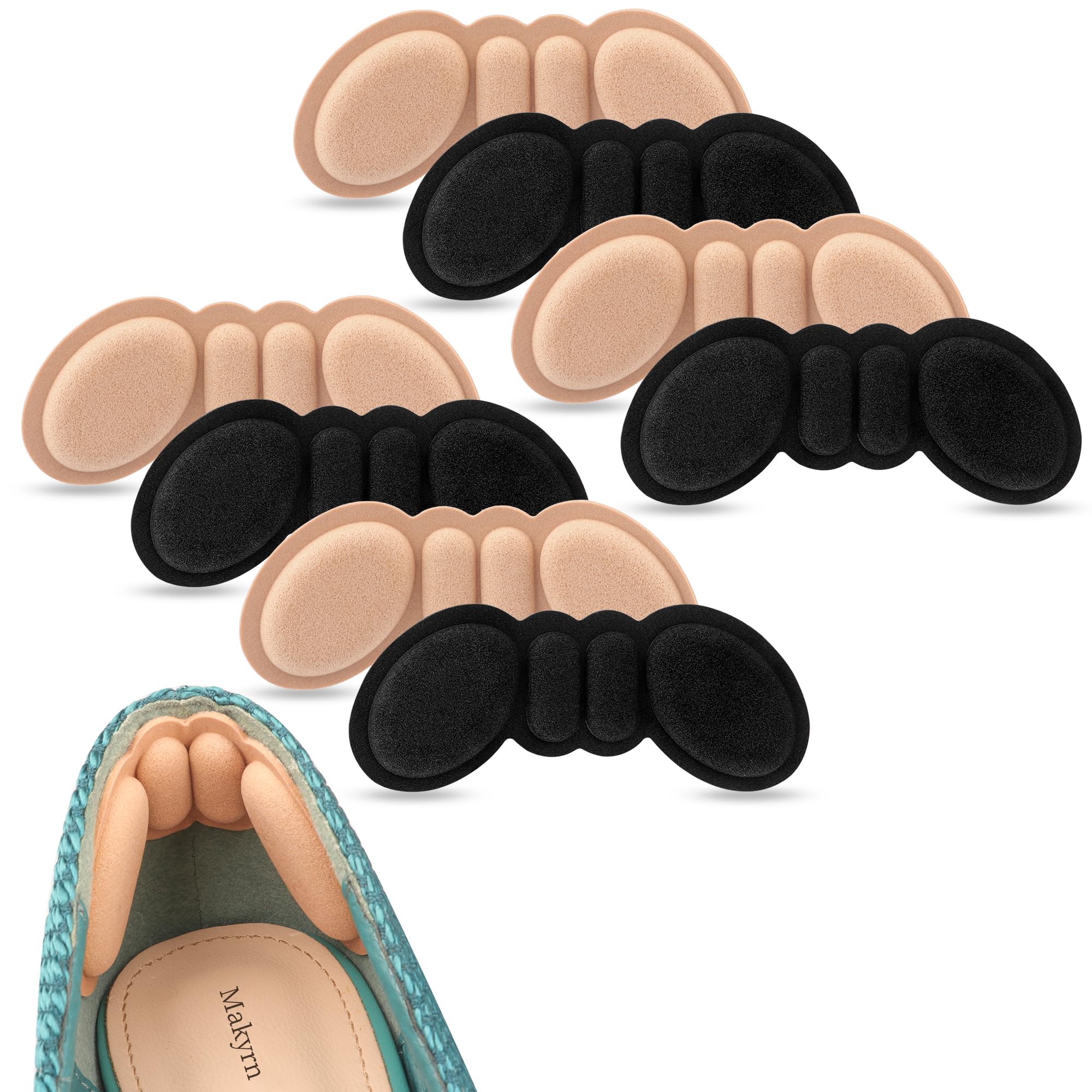
Foam pads with a wrap-around shape and strong double-sided glue that I liked for older shoes that stretched out after weight loss.
Why I picked it: Wrap-around design and durable back glue that stay in place on a variety of shoes.
Best for: Half-size-too-big shoes and boots that need extra rear-foot protection.
Affordable pack with reliable adhesive.
Pros
- Wrap-around shape for extra coverage
- High-viscosity double-sided glue
- Breathable foam material
- Good for slightly loose shoes
Cons
- May be too thick in snug designs
- Limited color choices
My take
I used these in boots that had gotten a bit roomy and the wrap-around shape cradled my heel better than flat pads. The glue is strong enough that they didn’t shift during long wear.
The foam is pleasantly soft and breathable, so they don’t feel like a hard plug in the shoe. In a few very tight shoes the extra bulk made the fit too snug, so I reserve them for shoes that are only slightly oversized.
Overall I kept a pair of these in my shoe kit because they can rescue a favorite pair of boots without needing a full insole replacement.
How I Choose Foam Heel Cushions
Material and Cushioning
I look for soft foam or memory-buffer materials that cushion without making the shoe uncomfortably tight. A suede or leather-like top helps keep the foot from sliding.
For continuous pressure relief (bed or rehab use), I choose thicker foam with a soft flannelette cover to protect fragile skin.
- Thin foam: good for minor slipping and narrow heels.
- Thicker foam: better for blister prevention and added comfort.
- Memory-buffer materials: preferred for long wear and shock absorption.
Adhesion & Fit
Strong double-sided adhesive or a secure hook-and-loop strap makes the biggest difference in whether a pad stays put. I avoid panels that leave residue on delicate shoe materials.
If you need a tailored solution, choose removable layers or cut-to-fit pads so the shoe isn’t overly tight.
- Peel-and-stick: quick and discreet for everyday shoes.
- Hook-and-loop: best for medical or long-wear applications.
- Layered lifts: allow precise height adjustments.
Shoe Type & Placement
Match the pad to the shoe: toe fillers for long toe boxes, wrap-around shapes for boots, and thin heel grips for pumps. Avoid sticking pads onto mesh or very textured fabric unless the manufacturer recommends it.
Test a pad for a short period before committing—some pads can be too thick and create pressure in tighter shoes.
- Heels and pumps: thin, contoured grips.
- Boots and sneakers: thicker wrap-around pads.
- High toe-box shoes: use toe fillers to prevent forward slip.
Durability & Care
If you’ll be swapping pads between shoes, choose reusable pieces or ones with weaker adhesive that won’t shred surfaces. For medical use pick launderable covers and strap-secured cushions.
Trim pads carefully with scissors rather than tearing to preserve shape and adhesive.
- Keep spare pairs for rotation.
- Clean with a damp cloth when needed.
- Use double-sided tape for extra layer stability if layers slip.
Frequently Asked Questions
Can I trim these foam pads to fit smaller heels?
Yes. I trim many pads to fit straps or narrow heel cups. Use sharp scissors and cut gradually—trim a little, test, then trim more if necessary.
Will the adhesive ruin my leather shoes?
I haven’t had residue issues on smooth leather when I pressed pads firmly during install. To be safe, test a small area or place a thin barrier (like a cut piece of fabric) between the glue and delicate finishes.
Which option should I use for pressure sores or bed-bound care?
I use launderable, strap-secured cushions such as the Skil-Care Cozy-Cloth for sustained pressure relief and hygiene. They’re designed for continuous wear and wash cycles.
How do I stop stacked lift layers from slipping?
Adding a tiny patch of double-sided tape between layers or a dab of shoe-safe adhesive solved layer shift for me without altering comfort.
Final Take
I keep different heel solutions on hand: a multi-piece kit for experimenting, a set of low-profile foam grips for narrow heels, a wrap-around foam for loosened boots, and a layered lift for therapeutic needs.
If you need a quick fix for slipping, I reach for the Riootlnm or the Foamed Cotton pads. For value and variety the Geyoga kit gives me options, and for medical or long-term pressure relief I use the Skil-Care cushions.
Try the pad in the specific shoe for a few hours before extended wear, and don’t be afraid to trim or add a stabilizing tape if required—small adjustments are usually all it takes to make a favorite pair comfortable again.
