
I tested seven free-range and organic egg options so you can pick the right one for cooking, meal prep, or everyday breakfasts. I focused on yolk color, shell strength, freshness, and how well each egg performs in thepan
I spent time cooking, cracking, and comparing seven free-range and organic egg options so I could recommend the best ones for different uses. I paid attention to yolk color, shell strength, consistency, and how the eggs handled in frying, scrambling, and baking.
My picks include small‑farm organic brands, larger organic packs for meal prep, a ready‑to‑eat option, and a fortified Omega‑3 choice. Each entry explains why I keep that carton in my kitchen and when I reach for it.
I compared packaging, certifications (USDA organic, Certified Humane, free‑range claims), yolk color, and consistency. I also noted delivery and packaging issues where they affected freshness or breakage.
1. Organic Valley Free‑Range Large Brown Eggs – Best Overall
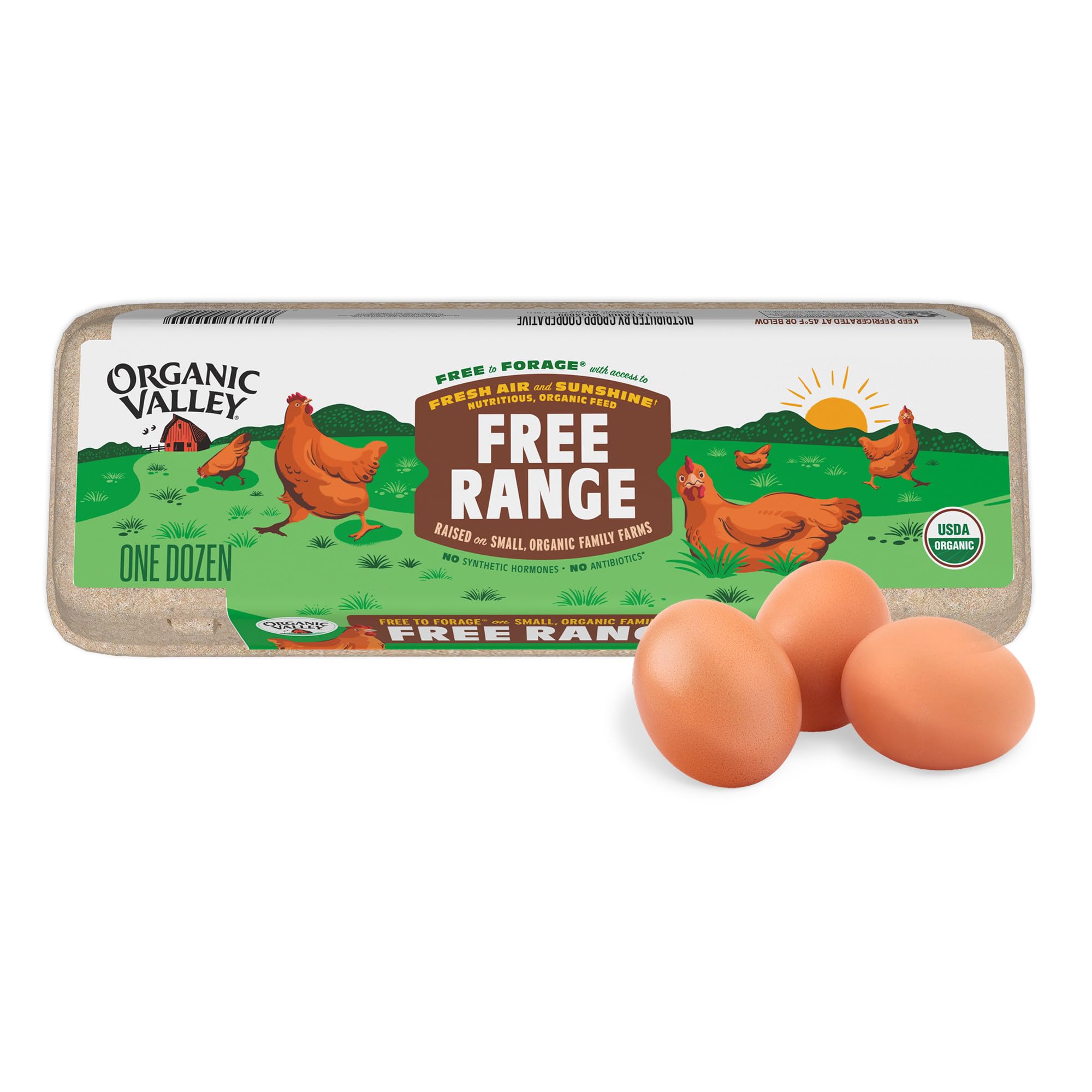
I rely on these when I want consistently good flavor, strong shells, and rich yolks for everyday cooking.
Why I picked it: Solid shells, reliably fresh flavor, and appealing golden yolks.
Best for: Everyday cooking, frying, baking, and weekend brunches.
Midrange for an organic free‑range option.
Pros
- Strong shells
- Rich golden yolks
- Consistent quality
- Good all‑purpose egg
Cons
- Not pasture‑raised
- Fewer eggs per pack than some options
My take
These Organic Valley eggs are my go‑to when I want dependable results. The shells hold up well during handling and transport, which matters when I’m stacking cartons in my fridge.
Yolks came out a deep yellow to golden color and delivered pleasing flavor whether I scrambled, fried, or used them in baking. I noticed the texture was clean and fresh—no off odors.
Packaging felt secure and the cartons are compostable, which I appreciated. For everyday use they strike a great balance between quality and convenience.
2. Pete & Gerry’s Organic Brown Eggs (12 ct) – Best Small‑Farm Organic
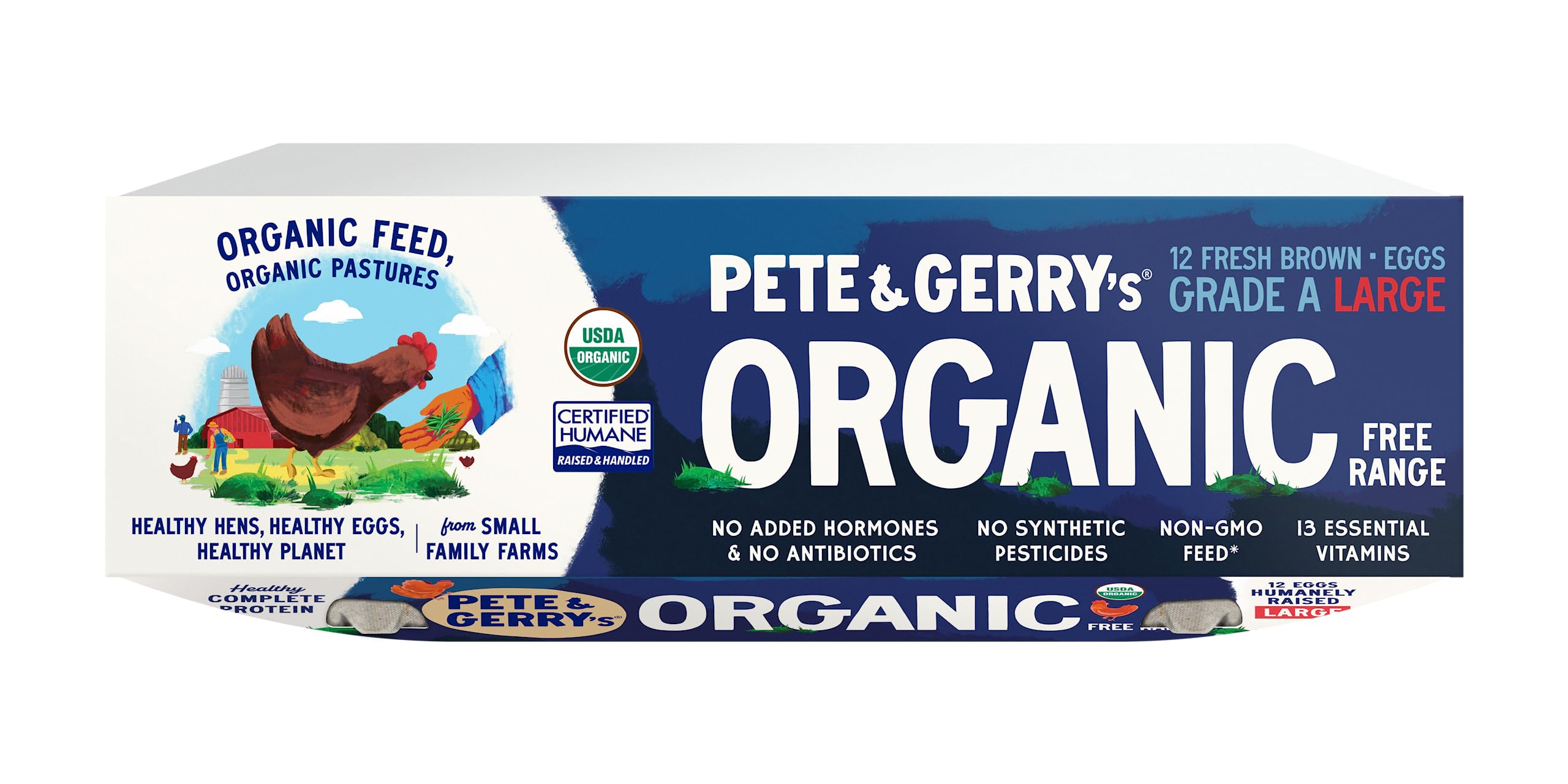
I choose Pete & Gerry’s when I want eggs from small family farms and a more traditional, farm‑fresh yolk color.
Why I picked it: USDA Organic and Certified Humane from small family farms; flavor and yolk color stand out.
Best for: Home cooks who prioritize small‑farm sourcing and richer yolks.
A bit premium for certified small‑farm organic eggs.
Pros
- Certified Humane
- Small family farms
- Deep yolk color
- No antibiotics or hormones
Cons
- Occasional delivery breakage reported
- Size can vary
My take
Pete & Gerry’s impressed me with its deep amber yolks and a flavor that reads a bit more farm‑fresh than some supermarket brands. When I make sunny‑side up or soft‑boiled eggs, the color and texture really elevate the dish.
The brand’s small family‑farm approach and USDA organic plus Certified Humane marks mattered to me—those practices showed up in consistent taste. I did run into one delivery with a couple of cracked eggs, so I keep an eye on the carton at arrival and handle it carefully.
Overall, these are the eggs I reach for when I want an organic option that tastes like it came from a nearby farm.
3. 365 by Whole Foods Hard‑Cooked Peeled Eggs (6 ct) – Best Ready‑to‑Eat
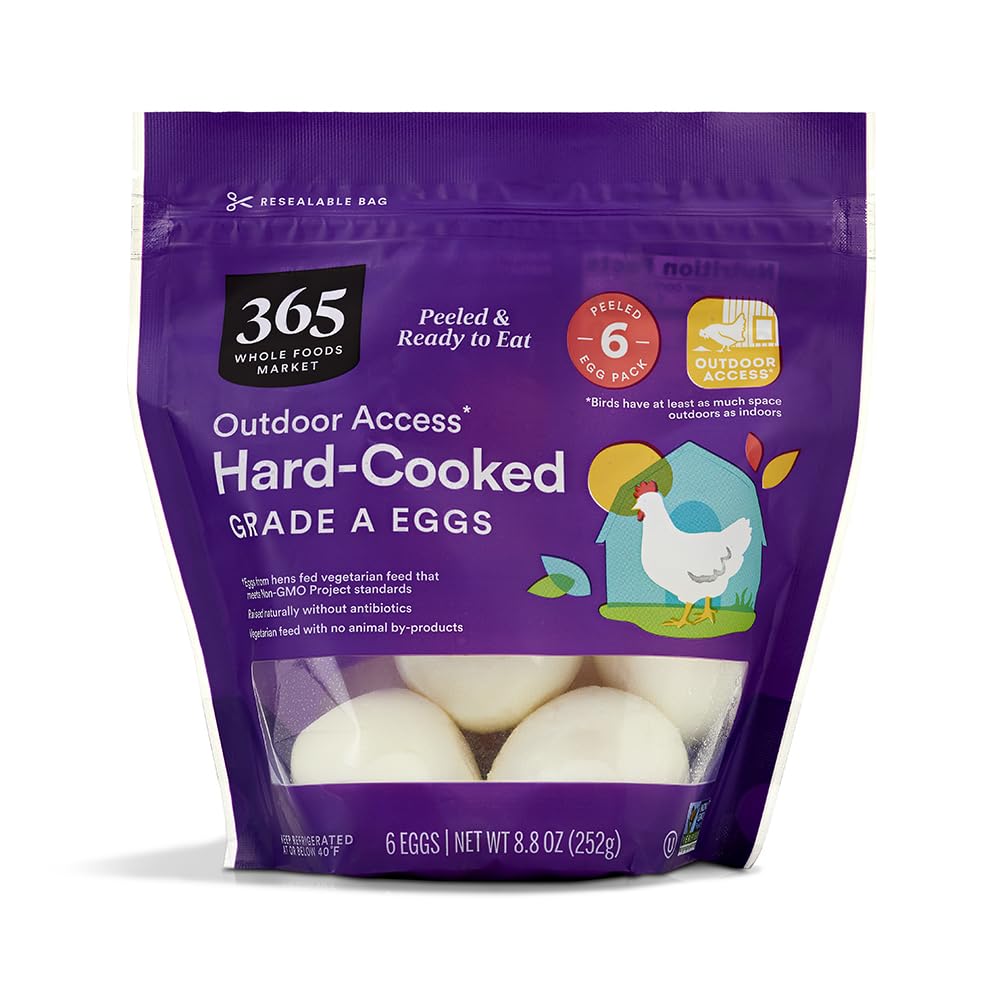
When I need a quick, protein‑packed snack or meal prep shortcut, these ready‑to‑eat peeled eggs save time.
Why I picked it: Convenient, peeled, and ready—great for meal prep and snacking.
Best for: Grab‑and‑go snacks, salads, and quick lunches.
Convenient option with moderate cost for pre‑cooked eggs.
Pros
- Ready to eat
- Peeled and convenient
- Good protein boost
Cons
- Texture can be inconsistent
- Occasional rubbery eggs
My take
I keep a bag of these hard‑cooked, peeled eggs in my fridge for busy days. They’re the fastest way to add protein to salads, sandwiches, or a quick snack without boiling and peeling.
Most of my orders produced firm, well‑cooked eggs with pleasant flavor. That said, I experienced a few batches with a slightly rubbery texture, so I rotate stock and check the pack before relying on them for entertaining.
If you want convenience and consistent portions, these are a solid choice—just be mindful that texture has been inconsistent at times.
4. 365 by Whole Foods Large White Eggs (12 ct) – Best Everyday White
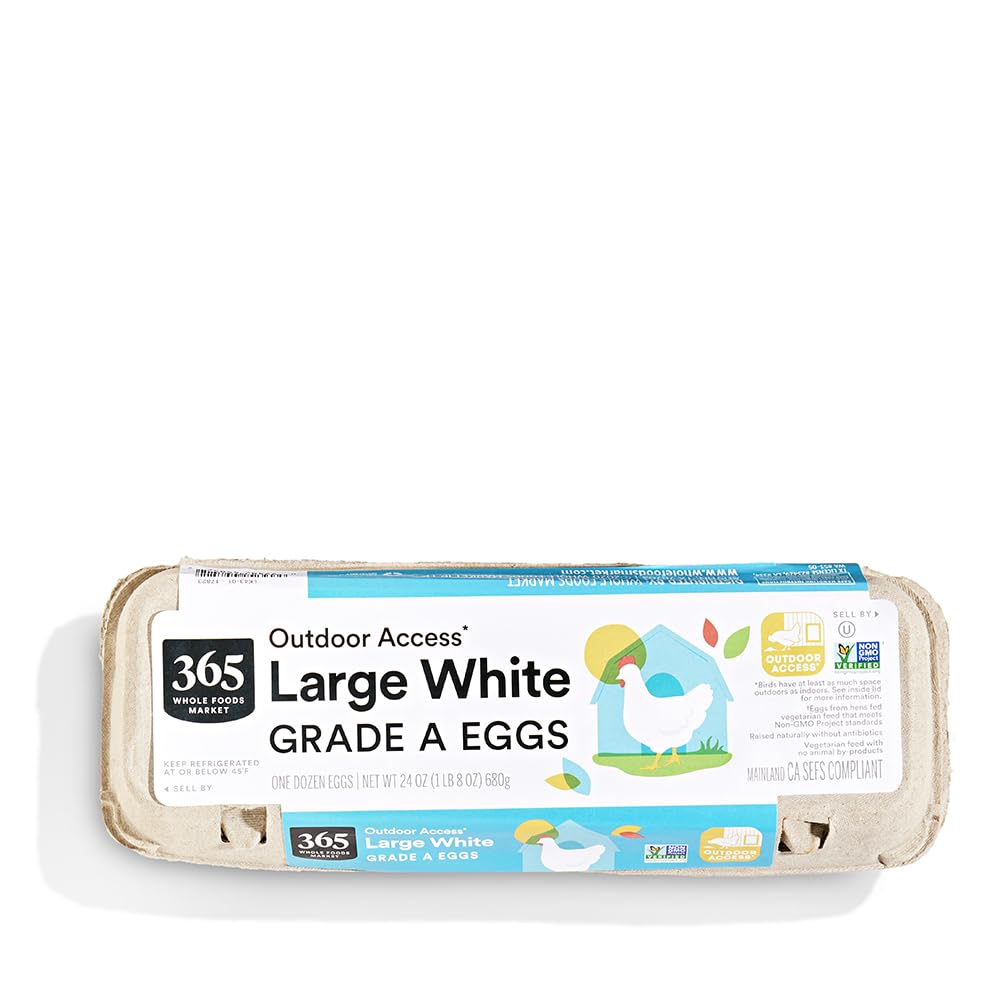
I use these as my dependable, mild‑flavored white egg for daily breakfast and baking needs.
Why I picked it: Clean, mild flavor with consistent size and good delivery when fresh.
Best for: Baking, hard‑boiled eggs, and everyday breakfasts.
Good value for a trusted brand egg.
Pros
- Mild flavor
- Consistent size
- Good for baking
Cons
- White shells may lack earthy flavor
- Shorter shelf window sometimes
My take
These large white eggs have a surprisingly mild, sweet flavor that works extremely well in baking and everyday cooking. I find them especially dependable when I need neutral tasting eggs for custards and cakes.
Packaging was handled carefully in my orders, and the eggs tended to arrive fresh. I do keep an eye on expiration dates since some cartons arrived with a shorter remaining shelf life, so I plan meals accordingly.
For households that prefer white eggs and steady performance, these are a convenient staple.
5. Organic Valley Free‑Range Large Brown Eggs (18 ct) – Best for Meal Prep
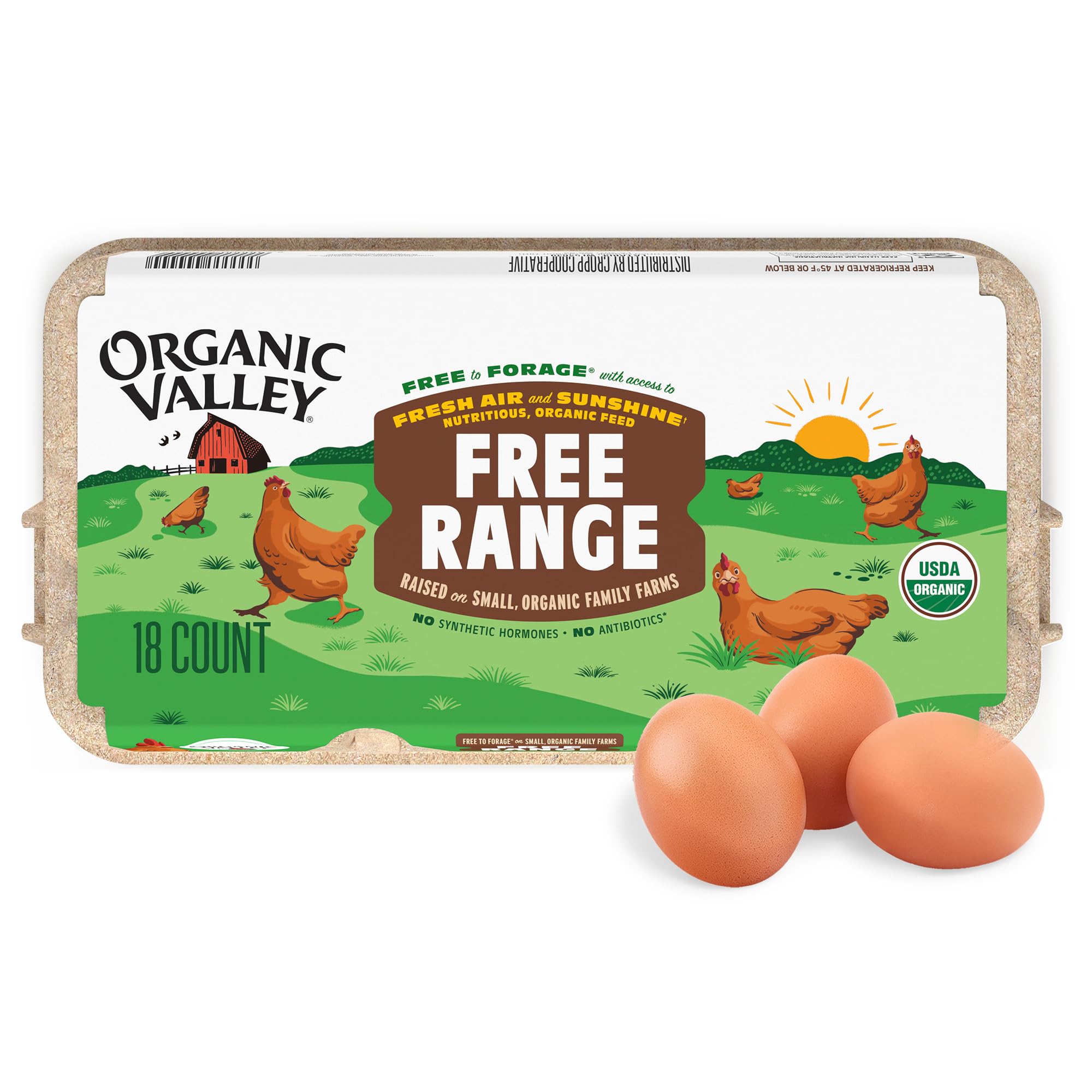
I reach for this larger pack when I’m batch‑cooking or feeding a family—same Organic Valley quality with more eggs.
Why I picked it: Same dependable Organic Valley taste and shell strength in a larger pack for meal prep.
Best for: Meal prep, families, and anyone who uses eggs frequently.
Better value per egg compared with smaller cartons.
Pros
- Larger pack
- Compostable container
- Consistent taste
Cons
- Takes more fridge space
- Not pasture‑only
My take
For weeks when I’m baking, making quiche, or stocking my fridge for breakfasts, the 18‑count Organic Valley carton is the most practical choice. It gives me the same reliable yolks and strong shells as the smaller pack.
I appreciated the compostable container and consistent cooking performance: yolks poached and scrambled predictably, and the texture held up in baked goods. The larger carton does require fridge space planning, but it reduces the number of shopping trips.
If you use eggs a lot, this larger pack keeps my kitchen supplied without compromising on the Organic Valley qualities I like.
6. Pete & Gerry’s Organic Large Eggs (18 ct) – Best Bright Yolk
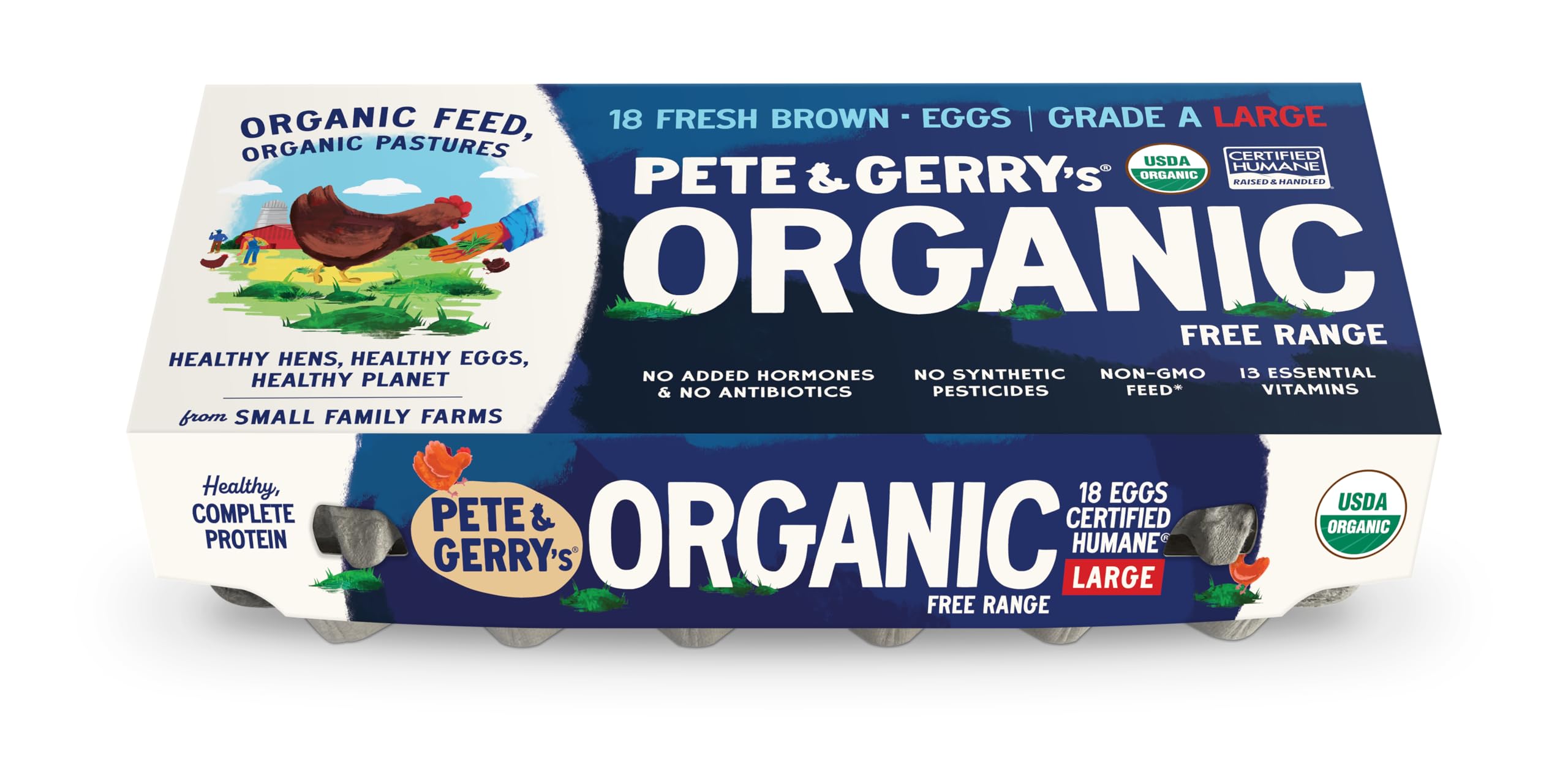
I pick this when I want the same small‑farm sourcing but in a bigger, family‑friendly carton with vivid yolks.
Why I picked it: Family‑scale pack with the brand’s signature bright yolks and organic sourcing.
Best for: Families and bakers who want vivid yolks and organic sourcing.
Premium family pack; worth it for yolk quality.
Pros
- Bright yolks
- Certified organic
- Family‑sized pack
Cons
- Premium price
- Size can vary
My take
Pete & Gerry’s 18‑count gave me the best of both worlds: vivid, flavorful yolks and enough eggs to cover weekly baking and breakfasts. The flavor stands out when I make dishes where yolk color matters, like carbonara or soft‑set custards.
The brand’s organic, small‑farm approach shows through in taste, and the larger carton reduced how often I shop. I did notice size variation between large and medium in some packs, so I adjust my recipes when exact size matters.
For households that value both sourcing and yolk quality, this family pack performs very well.
7. 365 by Whole Foods Organic Omega‑3 Large Brown Eggs – Best Omega‑3 Option
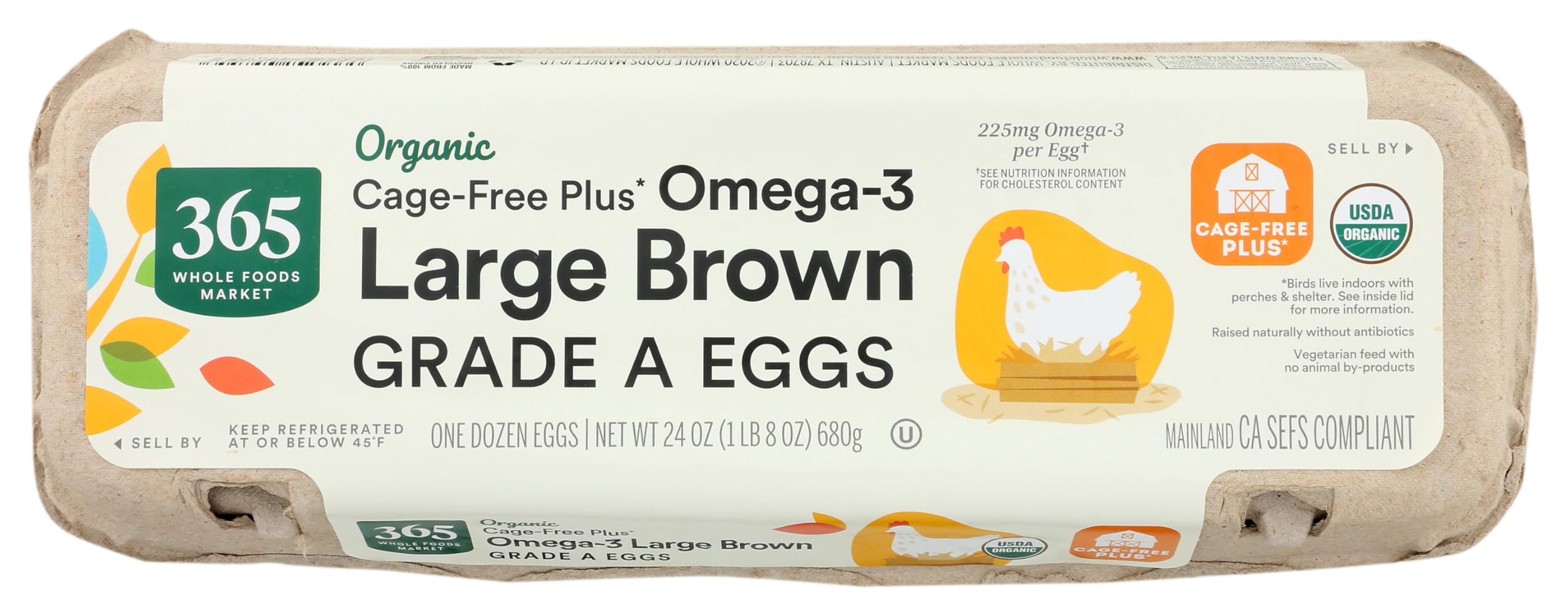
I reach for these when I want an organic option with the added Omega‑3 benefit and a traditional brown egg profile.
Why I picked it: USDA organic with Omega‑3 enrichment and solid, fresh flavor.
Best for: Those wanting organic eggs plus Omega‑3 nutritional boost.
A specialty option—slightly above everyday eggs in cost.
Pros
- Omega‑3 enriched
- USDA organic
- Fresh flavor
Cons
- Slight premium
- Not pasture‑raised necessarily
My take
These Omega‑3 eggs from Whole Foods combine the convenience of an organic label with the added nutritional bump I sometimes look for. I found them fresh and flavorful, with yolks and whites that cooked consistently.
They performed well across frying and boiling applications, and I liked the idea of getting Omega‑3s from eggs without changing my cooking routine. As with other Whole Foods eggs, they show thoughtful sourcing practices, though not every carton was identical in feel.
I keep these in rotation when I want an extra nutrition lift in my meals.
How I Choose Free‑Range and Organic Eggs
Key things I check
I look for clear labeling: USDA Organic, Certified Humane, and explicit free‑range or pasture access statements. Those certifications tell me about feed and farming practices that affect flavor and yolk color.
Yolk color, shell strength, and packaging matter to me. Deep orange yolks often indicate richer feed; strong shells reduce broken eggs on arrival; secure packaging helps prevent damage during delivery.
- USDA Organic and Certified Humane signal stricter animal welfare and feed standards
- Pasture‑raised typically gives richer yolks than indoor cage‑free options
- Look for compostable or sturdy cartons to reduce breakage and waste
- Buy larger packs if you cook a lot; buy smaller packs if you value maximum freshness
Practical tips
For best freshness, check the pack date or sell‑by window and use the oldest eggs first. If you order online, inspect the carton at delivery so you can address any breakage right away.
If yolk color is important to you—say for poaching or plating—choose brands that emphasize pasture access or have notes about darker yolks.
- Store eggs in the coldest part of the fridge, not the door
- Bring eggs to room temperature for better volume when whipping
- Use pre‑cooked peeled eggs for quick snacks and meal prep
Frequently Asked Questions
Are free‑range and pasture‑raised the same?
I treat them differently: free‑range generally means hens have some outdoor access, while pasture‑raised implies more consistent time on pasture and often results in richer yolks.
Do darker yolks mean better eggs?
Darker yolks usually indicate a more varied diet or pasture access, which I find adds flavor and a creamier texture. It’s not the only quality marker, but it’s one I watch for.
How should I store eggs to maximize freshness?
I keep eggs in the main body of the fridge, unopened in their carton, and use the oldest ones first. That preserves flavor and prevents temperature fluctuation.
Final Take
I picked these seven egg options because they each solve a specific kitchen need: everyday reliability, small‑farm sourcing, convenience, larger family packs, and added nutrition.
Whether I’m meal‑prepping, entertaining brunch guests, or tossing together a quick weekday breakfast, one of these cartons is what I reach for first.
