
I tested a range of porch benches — wood, cast iron, and poly lumber — to find options that balance style, durability, and comfort for covered porches, entryways, and garden seating.
I spent time assembling and using every bench in this roundup so I could judge real-world fit for porches, patios, and garden nooks.
My focus was on materials, weather resistance, comfort, and how easy each bench is to assemble and live with.
Below I highlight the benches that stood out for durability, vintage charm, dining use, and weatherproof performance.
I compared these benches primarily on build material (acacia wood, cast iron, poly lumber), weather resistance, assembly effort, and how the design worked in everyday porch and patio situations.
1. Christopher Knight Carlisle Acacia Bench – Best Overall
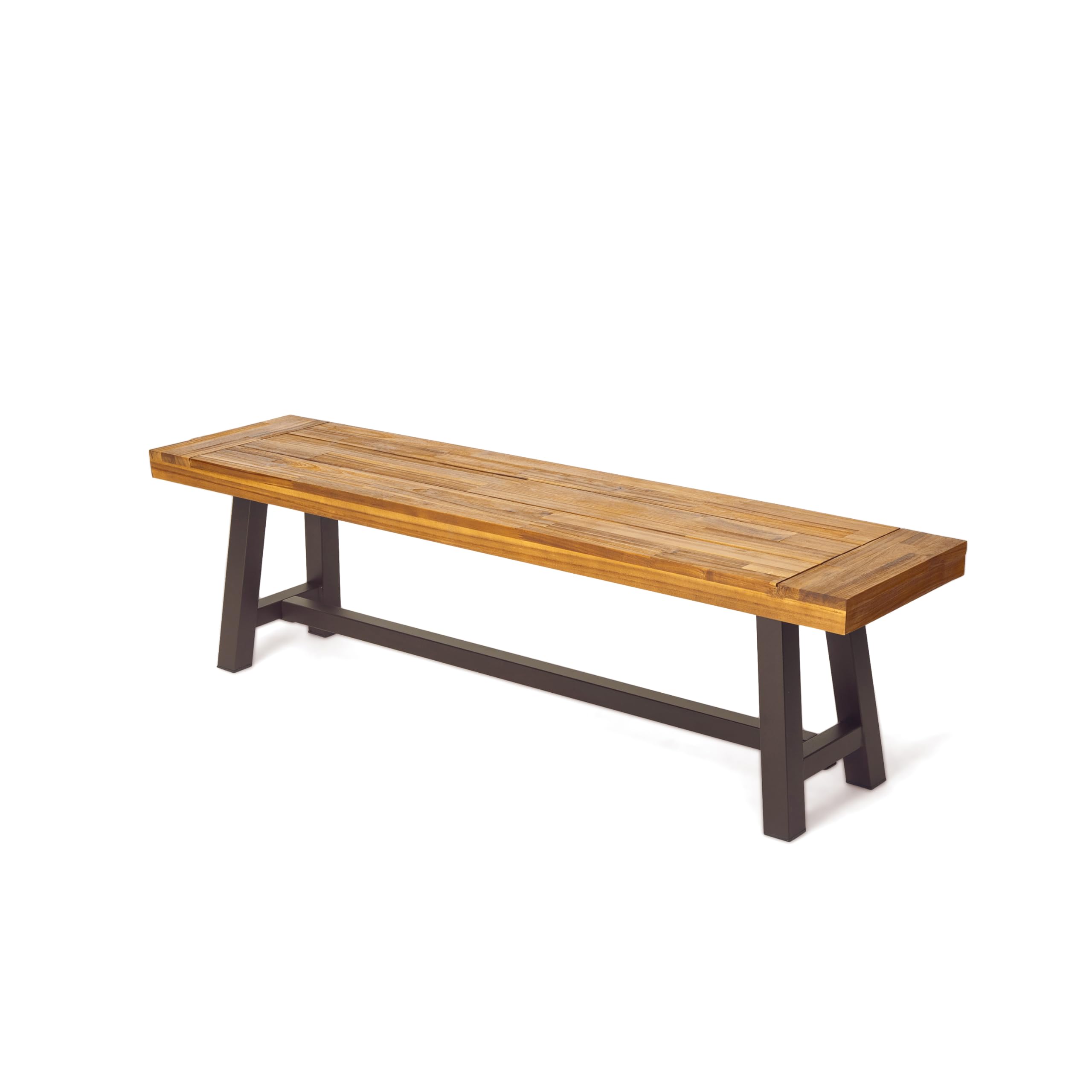
I like this bench for its heavy, modern-industrial look and dependable acacia construction.
Why I picked it: Solid acacia top with an iron frame delivers classic style and real durability.
Best for: Entryways, covered porches, or as a dining bench on a farmhouse table.
Good midrange value for solid hardwood and metal construction.
Pros
- Durable acacia hardwood
- Modern industrial styling
- Sturdy iron frame
- Relatively easy assembly
Cons
- Not meant for prolonged heavy exposure
- Shallow seat depth for lounging
My take
I assembled this bench by myself in about the time the instructions estimated. It arrived well-packed, feels heavy and substantial, and the photos matched what I saw in person.
The sandblasted acacia slat top and powder-coated iron frame create a tasteful industrial look that works on my covered lanai or as extra seating at a dining table. The slat paneling gives the bench a classic feel while keeping the overall profile clean.
Functionally it’s solid — the bench feels stable under two adults and the build quality reassures me for regular use. Because the manufacturer recommends covering or storing the piece during heavy weather, I keep it under my porch roof and treat it as a durable covered-porch bench rather than an always-exposed lawn fixture.
2. MFSTUDIO Cast Iron Floral Bench – Best for Vintage Style
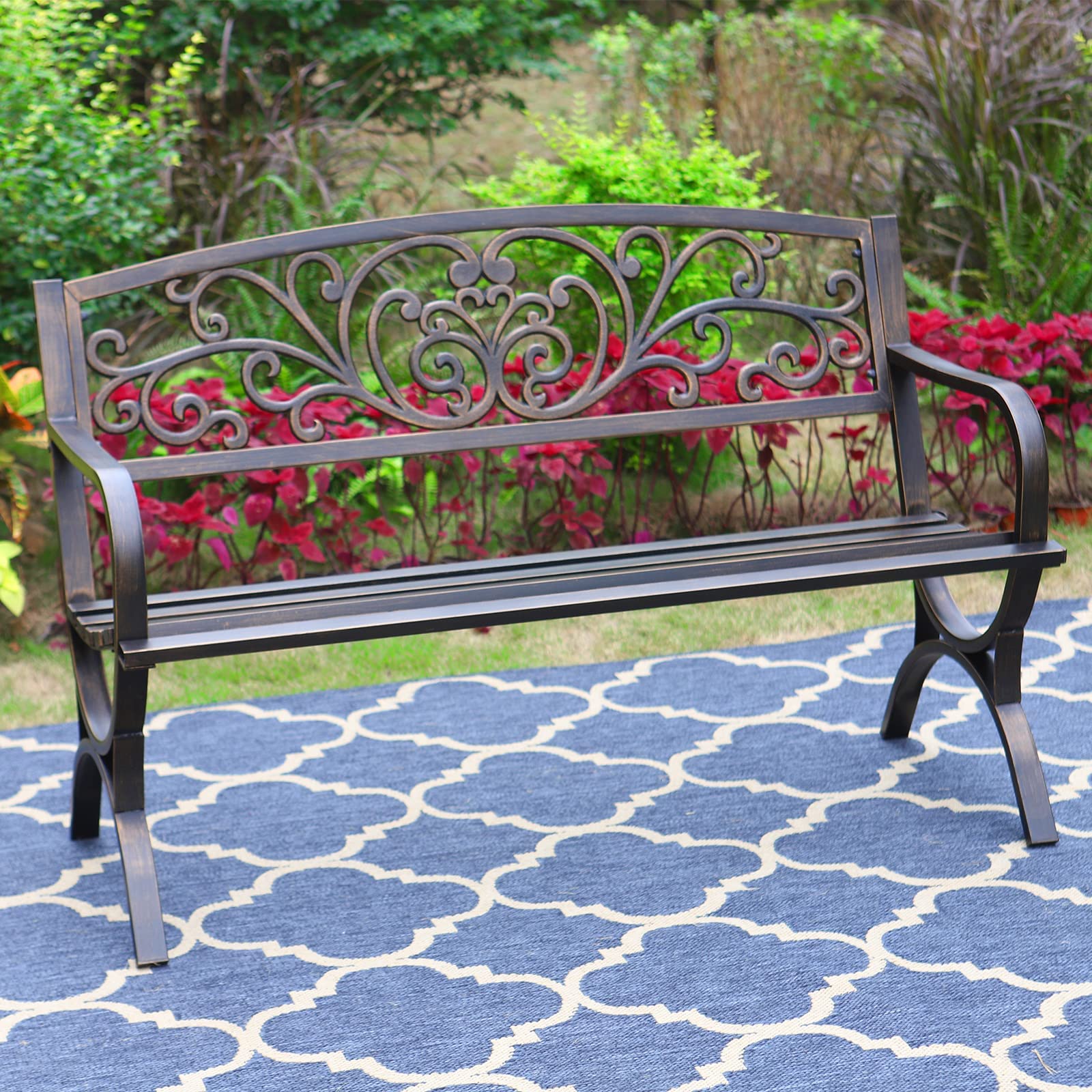
I recommend this bench when you want a small garden focal point with a classic bronze finish and floral back detail.
Why I picked it: Cast iron backrest, arch legs, and bronze finish give it a timeless garden look that’s surprisingly comfortable.
Best for: Patios, flower beds, and porches that need a decorative seating piece.
Budget-friendly option for metal garden seating with decorative flair.
Pros
- Heavy cast iron construction
- Elegant floral back design
- Comfortable sloped back
- High weight capacity
Cons
- Heavy to move once assembled
- May need rust protection long-term
My take
This bench felt sturdily built as soon as I put the parts together. The bronze finish and the floral backrest are more refined in person than in photos.
Assembly was straightforward and the arch legs give the bench a planted, stable stance. The slightly sloped back and arm curves make short sessions on the porch comfortable — I used it for morning coffee and it felt supportive.
Because the frame is cast iron with an extra coating, I trust it for outdoor use, but I still position it where it won’t sit in puddles and I inspect the finish occasionally. On my patio it looks like an intentional piece, not an afterthought.
3. Christopher Knight Catriona Acacia Bench – Best for Dining
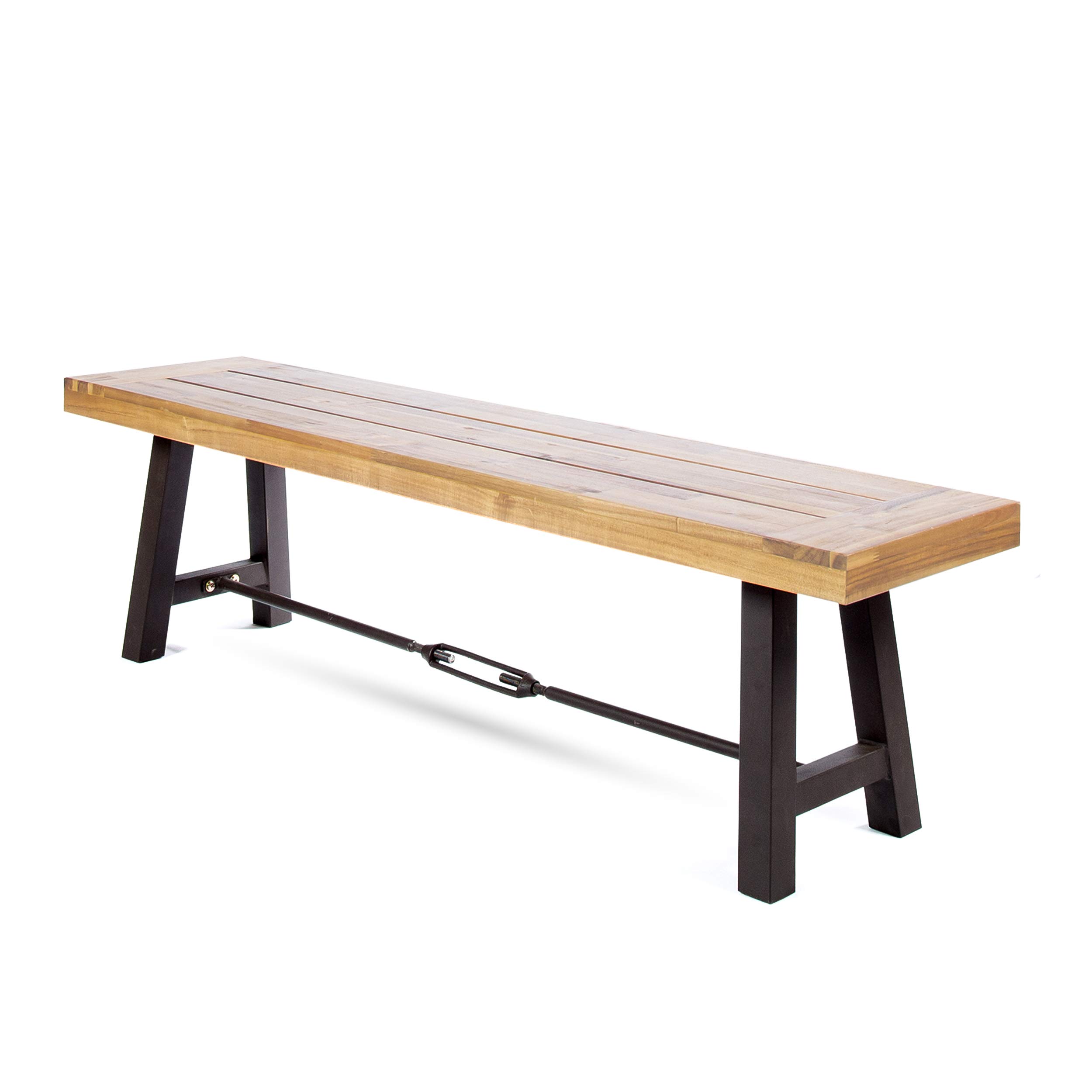
I favor this bench when I need extra seating at a dining table or a sturdy, attractive piece for a covered patio.
Why I picked it: Acacia slat top and teak-style finish offer a refined look that pairs well with indoor or covered-outdoor tables.
Best for: Dining-table seating, covered patios, or an entry bench with a more finished look.
Similar midrange value to other hardwood benches—great for style-conscious buyers.
Pros
- Attractive teak-style finish
- Solid acacia top
- Classic slat design
- Easy assembly
Cons
- Not intended for full exposure to elements
- Benefits from occasional oiling
My take
I used this bench as a dining bench and then moved it temporarily indoors for plants — it looks more expensive than it is. The teak finish deepens nicely if you choose to oil it, which I did to enrich the grain.
Assembly was quick and the bench felt heavy and reliable once set up. The slat top gives a clean, classic silhouette that suits a dining table or a covered porch.
For outdoor placement I keep it under cover and treat the wood occasionally with oil to maintain color. It’s a great option when you want a hardwood bench that reads as refined rather than rustic.
4. Psilvam Poly Lumber 2-Person Bench – Best Weatherproof
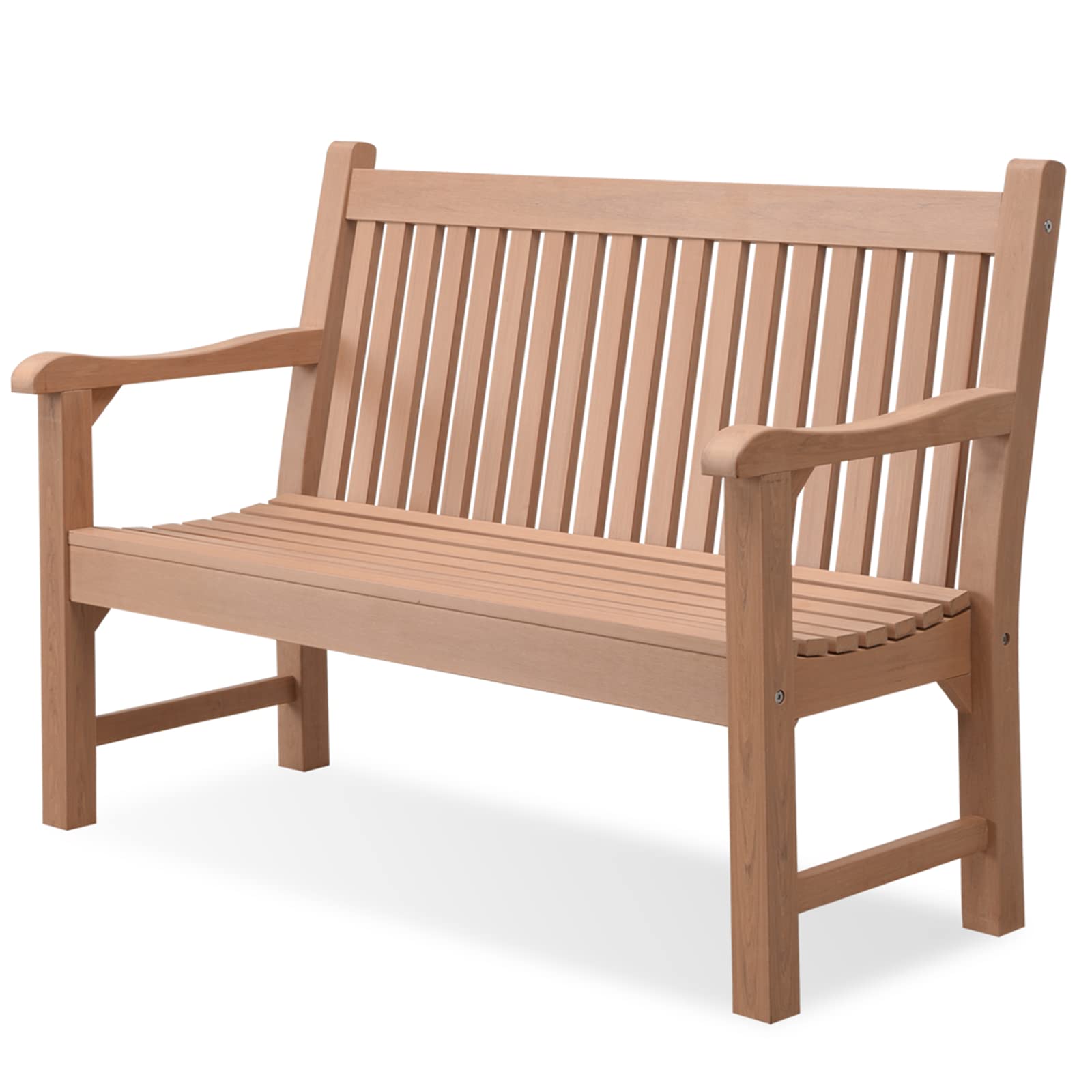
I pick this bench when I need low-maintenance seating that resists rot, peeling, and mid-to-harsh weather.
Why I picked it: 100% recycled poly lumber looks like wood but resists rot and needs almost no upkeep.
Best for: Uncovered porches, fire-pit seating, balcony spots where weather resistance is important.
A bit more of an investment, but built for long-term weather resilience.
Pros
- Weatherproof poly lumber
- Supports heavy loads with no flex
- Very low maintenance
- Quick assembly with few fasteners
Cons
- Boxes arrive heavy and bulky
- Less natural wood warmth
My take
This bench surprised me with how convincingly wood-like the finish feels, yet it’s solid plastic composite underneath. Assembly was almost trivial thanks to pre-drilled holes and just a handful of screws.
Once together the bench was heavy enough to stay put around a fire pit and felt rigid under two adults. Cleaning is simple — a quick wipe with soapy water restores the look — which I appreciate after muddy outdoor use.
I chose this model in a neutral color and it blends well with my yard. If you want a bench that will last seasons without oiling or worry about rot, this is the one I reach for.
How I Choose a Front Porch Bench
Material and Durability
I prioritize material first because it dictates maintenance and lifespan. Solid hardwood like acacia looks great but benefits from shelter and occasional oiling.
Cast iron and steel offer long-term strength and decorative options, though they can feel cold and heavier to move.
Poly lumber gives me the best low-maintenance option for exposed locations since it resists rot and peeling.
- Acacia: warm, heavy, needs shelter or maintenance.
- Cast iron/steel: decorative and strong, inspect coatings periodically.
- Poly lumber: weatherproof, easy to clean, low upkeep.
Size & Seating
I measure the space before buying. Typical benches seat two comfortably; wider benches or dining benches work better for a table.
Seat depth matters if you want to lounge. Narrow seats work fine for short stays and entryway use.
- Measure bench width to fit walkway and traffic flow.
- Choose deeper seats for lounging, shallower for entries.
Weather Resistance
I match bench material to exposure: poly lumber or coated metal for full exposure, hardwood or decorative cast iron for covered porches.
Even weather-treated pieces last longer if I cover or store them during harsh seasons.
- Use covers for hardwood and metal in heavy rain or snow.
- Poly lumber usually survives year-round with minimal care.
Assembly & Practicalities
I look for clear instructions and minimal hardware. Pre-drilled holes and fewer screws save time.
Think about weight — heavy benches are stable but may need two people to move.
- Check if tools are included and whether two people are recommended.
- Consider how you’ll clean and maintain the finish.
Frequently Asked Questions
Can I leave these benches outside year-round?
I leave poly-lumber benches out year-round without worry, but I shelter or cover hardwood and decorative metal pieces during heavy storms or winter to protect the finish.
How hard is assembly?
From my experience most of these benches assemble quickly. Poly and many wood benches use simple fasteners and clear instructions; cast iron pieces can be heavier but still straightforward.
How do I maintain a hardwood bench?
I periodically clean the bench, apply teak or exterior oil when the wood looks dry, and keep it under cover when possible to preserve color and prevent cracking.
Final Take
I chose each of these benches for a different porch need: overall value and style, vintage garden charm, dining-table practicality, and weatherproof longevity.
If you want low maintenance, I recommend the Psilvam poly-lumber option. For classic hardwood style, the Christopher Knight benches deliver a refined look. And if decorative metal is your priority, the MFSTUDIO cast-iron bench is a standout.
Whichever direction you take, prioritize material and placement to get the longest service from your porch bench.
