
I tested a range of galvanized planters — from heavy-duty 5ft raised beds to cute farmhouse pig bowls — and I share which worked best for durability, ease of assembly, planting depth, and style.
I’ve spent time assembling, filling, and planting a variety of galvanized planters so I can tell you which ones actually make gardening easier and which are best for specific uses.
Across these picks you’ll see differences in metal thickness, assembly style, included extras (gloves, rubber edging, center supports), and whether the base is open or closed. Those details matter when you’re planning root depth, drainage, and longevity.
Below I explain why each planter earned its spot, who I think it suits, and the practical trade-offs I discovered while using them in my garden.
In short: thicker metal and multi-screw reinforcement buy longevity; patented tool-free systems save time; open-bottom beds simplify drainage and soil building; decorative galvanized pots are great for indoor succulents but often lack drainage holes.
1. GRS Certified 5ft Galvanized Raised Garden Bed – Best Heavy-Duty 5ft Raised Bed
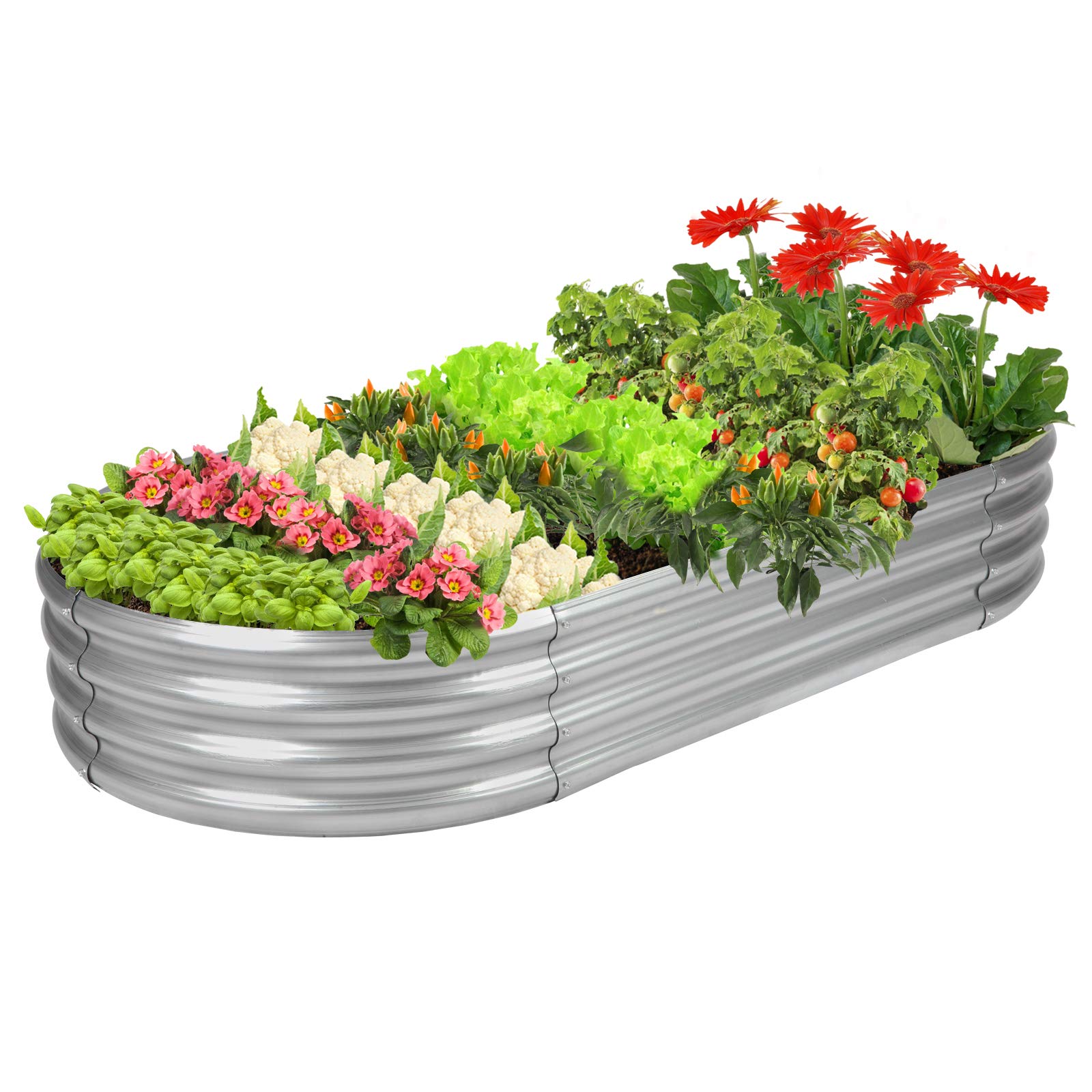
A beefy oval raised bed built from 0.8mm double-layer galvanizing, open-bottom design, and wing-nut panel connections — roomy but soil-hungry.
Why I picked it: Thicker metal and sturdy construction for a stable, long-lasting raised bed.
Best for: Large vegetable rows, high-traffic garden corners, gardeners wanting a robust single bed.
Good value for a heavier-gauge, full-size raised bed.
Pros
- Thicker 0.8mm galvanized metal
- Open bottom for natural drainage
- Wing-nut panel connections
- Oval shape maximizes planting area
Cons
- Requires a lot of soil
- Some sharp panel corners
- I can’t yet vouch for long-term corrosion
My take
When I assembled this 5ft bed I immediately appreciated the weight and finish compared with thinner options I’ve used. The panels feel solid and the double-layer galvanizing gives confidence during handling.
Assembly was straightforward and the wing nuts made it easy to tighten the panels securely without wrestling with small fasteners. I did encounter a few sharp corners where panels join; I taped and glued those spots for safety where kids or pets might brush by.
This bed’s open-base design is a real advantage for drainage and for letting roots access existing soil. It also makes building up soil with yard waste or compost simple. Expect to invest time and soil volume when filling it — it’s larger and deeper than it looks out of the box.
Overall, I’d use this where I want a durable, no-nonsense raised bed that should resist buckling once filled. It’s a solid choice if you need the planting capacity and don’t mind the soil requirement.
2. Plant & Plot 4x2x1 ft Galvanized Raised Garden Bed – Best Tool-Free Assembly
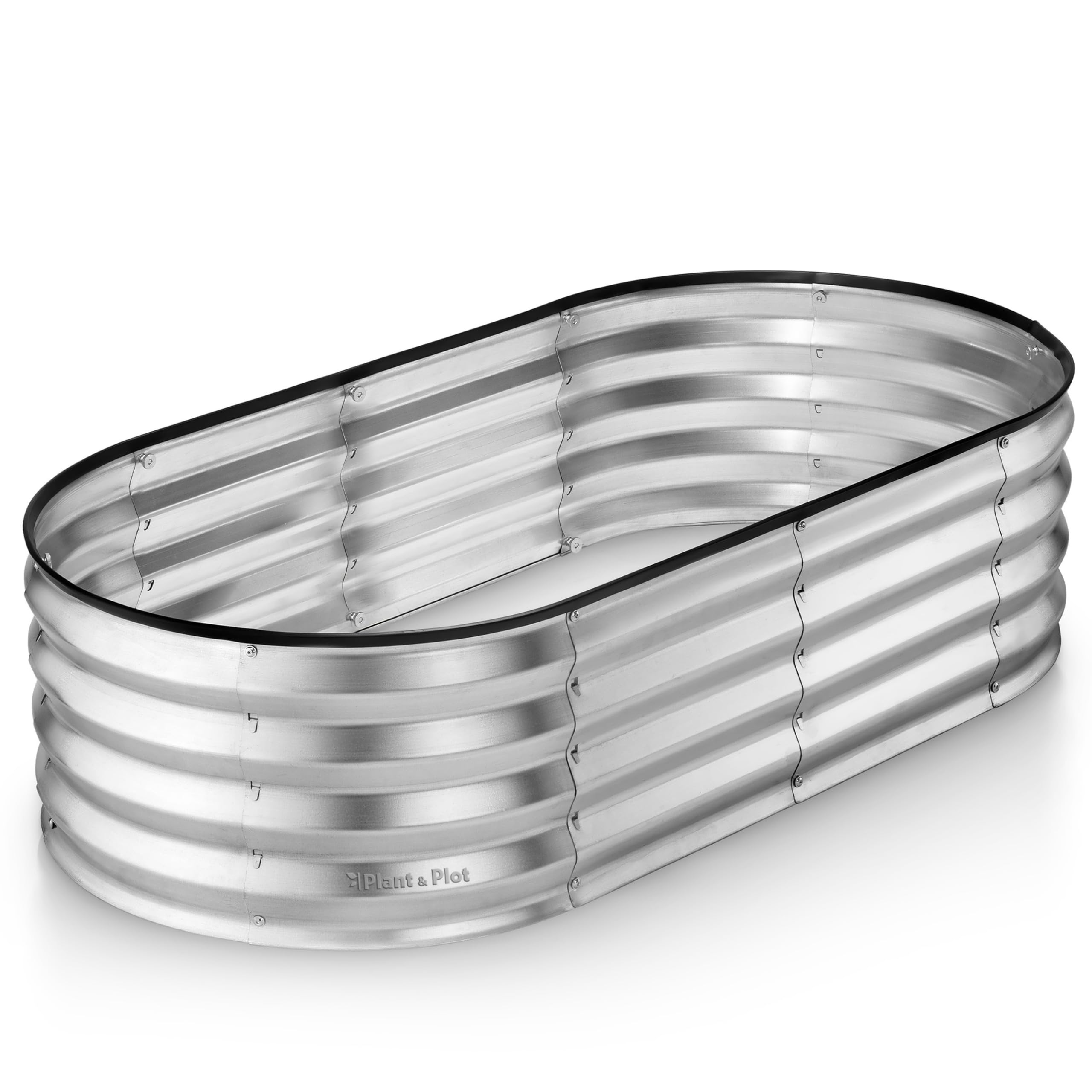
A 4×2×1 ft open-base bed with patented tool-free assembly, rubber top gasket, center support bar, and a durable zinc coating.
Why I picked it: Tool-free, fast assembly and a thoughtful top gasket make setup painless.
Best for: Beginners, small yards, or anyone who dislikes fiddly assembly.
A time-saving option that feels worth a modestly higher spend.
Pros
- Patented tool-free assembly
- Quick 20-minute build
- Rubber top gasket for safety
- Center bar adds stability
Cons
- Thinner 0.6mm metal than heavy-duty beds
- Smaller footprint than 5ft options
My take
The standout for me here is the tool-free assembly. I had one of these put together in about 20 minutes and appreciated the clear instructions and well-drilled holes.
The rubber gasket along the top edge is a small detail that makes a big difference; it protected my forearms and gave the bed a finished look. The center stabilizing bar keeps the sides true as you fill it.
Material thickness is 0.6mm, so this isn’t the heaviest option available, but the zinc coating and construction held up well during my weeks of use. If you want quick setup and a tidy aesthetic, this is the one I reach for.
3. Plant & Plot 4x2x1 ft Galvanized Raised Bed — Teal – Best Color Option
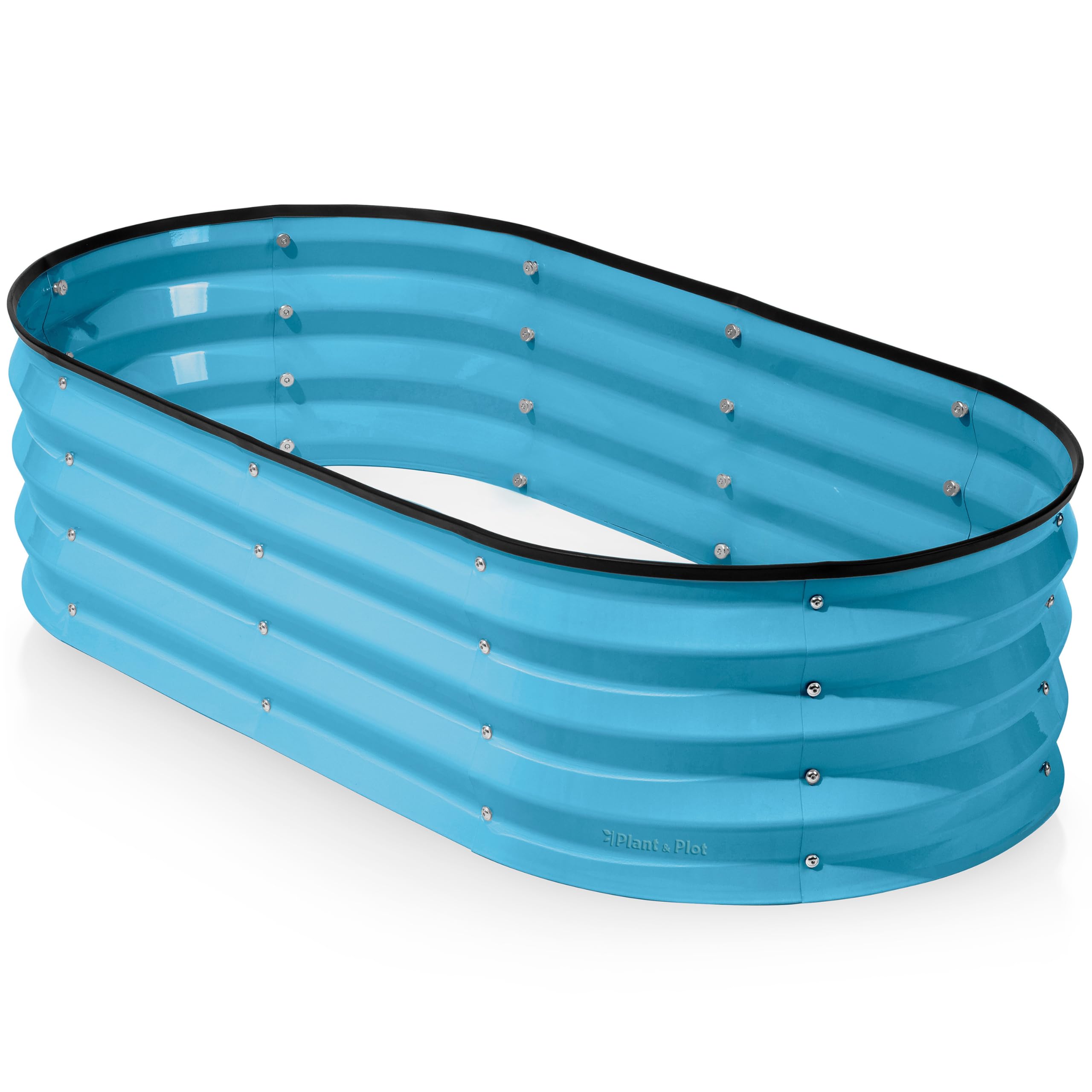
Same Plant & Plot build quality in a decorative teal finish — tool-free assembly, center support, and a durable zinc-treated sheet metal.
Why I picked it: I wanted the same easy assembly with a pop of color for visual balance.
Best for: Gardeners who want functional raised beds with decorative appeal.
A slightly pricier-looking option thanks to its finished color.
Pros
- Attractive painted finish
- Easy, mostly tool-free assembly
- Center support for stability
- Durable zinc coating
Cons
- Paint may show scuffs
- Same thinner 0.6mm metal
My take
I set this teal bed on either side of a gate and it immediately elevated the look of my yard. The color is richer in person than I expected and the finish feels durable.
Assembly follows the same straightforward process as the silver Plant & Plot unit; I like that you still get the center support and rubber edge despite the colored finish.
Functionally it performs like the other Plant & Plot beds: stable once filled, quick to put together, and ideal for paired installations or when you want uniformity with a splash of color.
4. JERIA 2-Pack 4x2x1 ft Galvanized Raised Beds – Best Two-Pack Kit
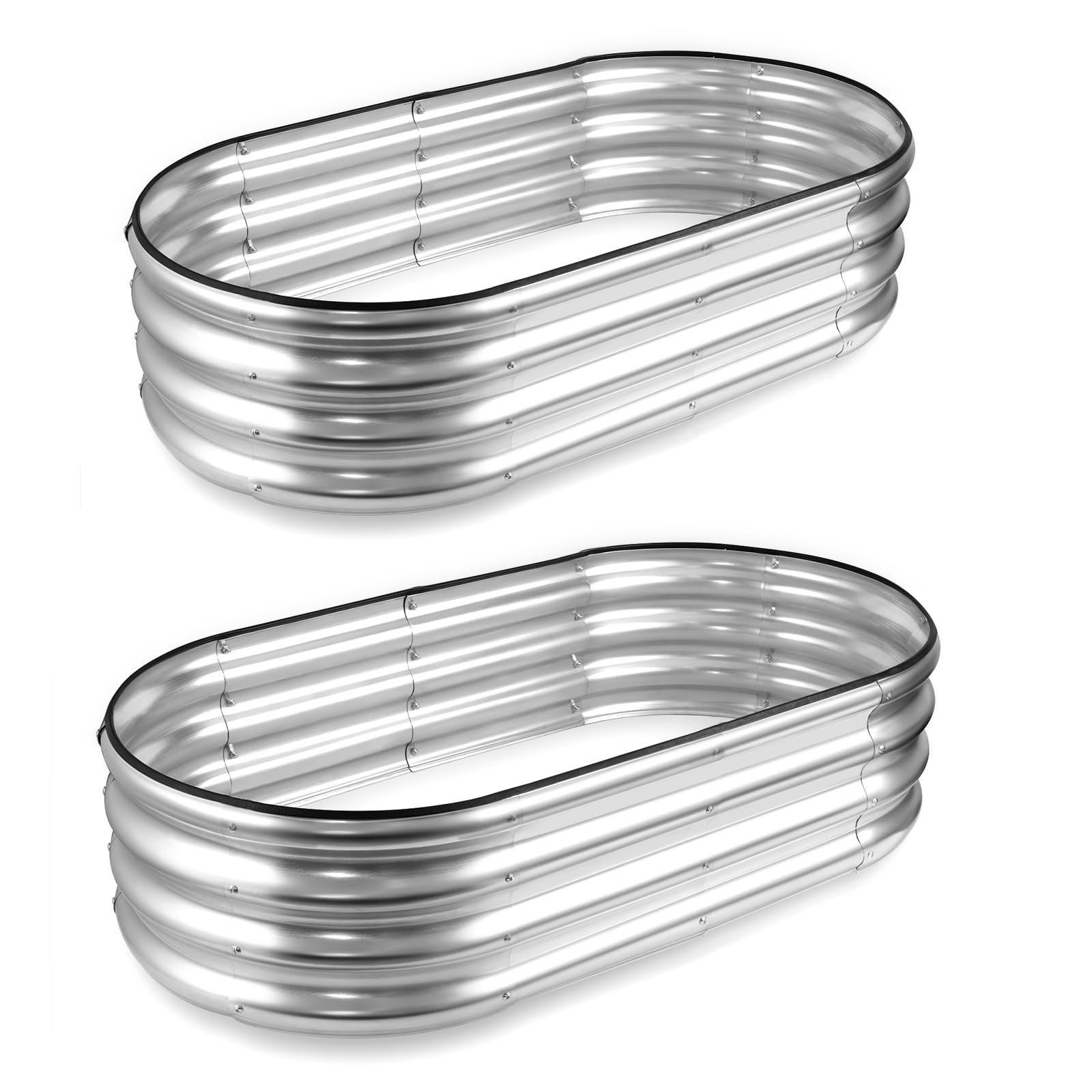
Two 4×2×1 ft beds delivered as a kit with rubber edge strips, gloves, wrench, and hardware — rounded edges and open-base design make them user-friendly.
Why I picked it: Comes as a complete kit and includes accessories for safer assembly.
Best for: Gardeners who want to outfit multiple beds quickly and safely.
A cost-effective route when you need two matching beds.
Pros
- Two-bed set
- Includes gloves and tools
- Rubber edging improves safety
- Open-base drainage
Cons
- Lightweight metal construction
- Requires flat assembly surface
My take
Receiving two matching beds in the box meant I could stage both assembly areas and move them into place together — that saved me time compared with buying single units.
The included gloves, wrench, and rubber edge strips are thoughtful additions. I assembled these on a table as suggested and found the picture-style instructions easy to follow.
Edges are not razor-sharp and the rubber trim cleans up the look while protecting hands. The metal is lighter than heavier-gauge beds, but once filled the units are sturdy and practical for vegetables or flowers.
5. Galvanized Metal Pig Succulent Planters — Set of 2 – Best Decorative Planters
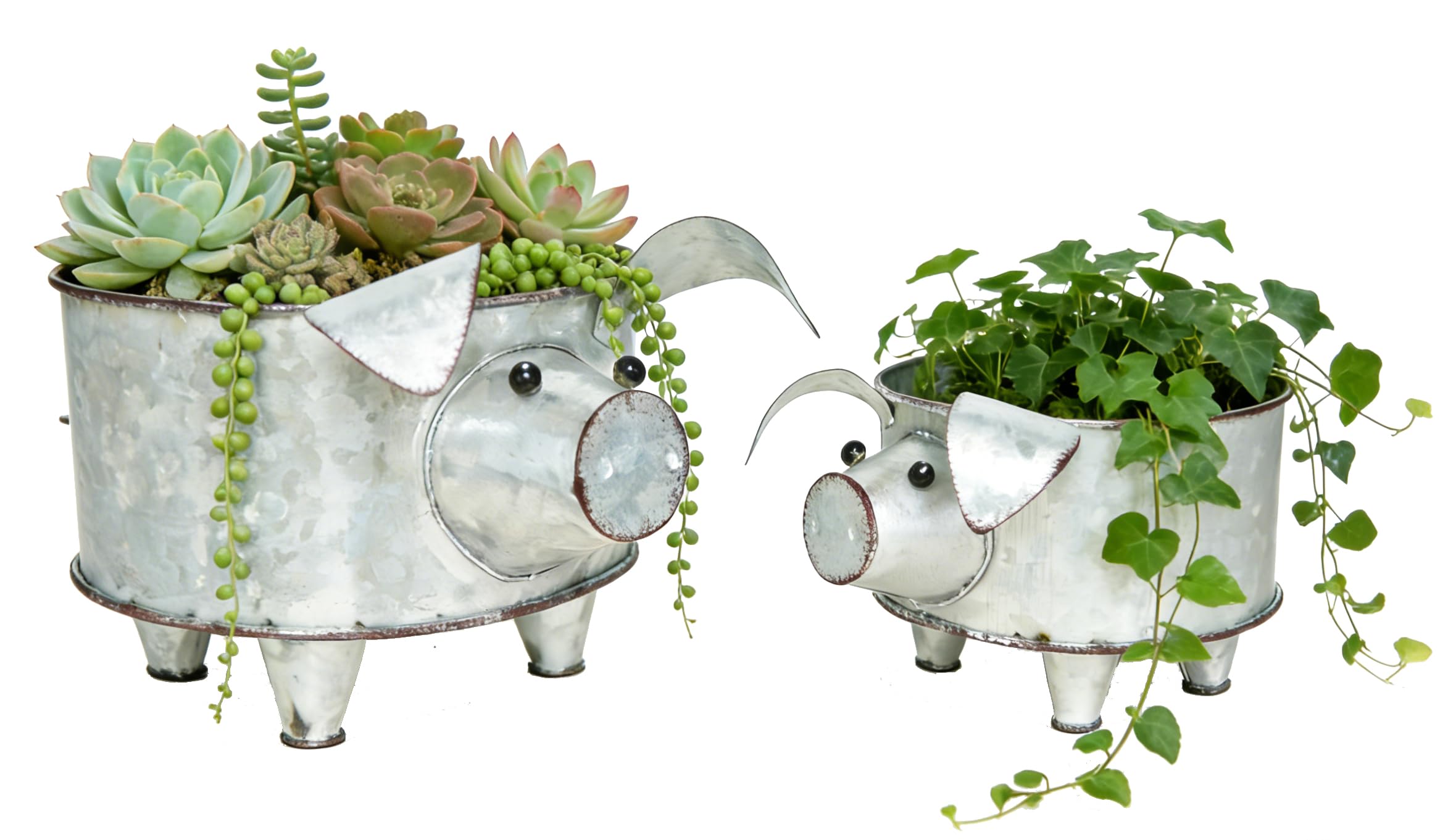
Two small farmhouse-style pig-shaped galvanized bowls ideal for succulents or tabletop accents; no drainage holes and compact sizing.
Why I picked it: Perfect decorative planters for indoor succulents and themed displays.
Best for: Small succulents, gifts, tabletops, and shelf accents.
An affordable decorative choice rather than a full planting solution.
Pros
- Charming farmhouse design
- Two different sizes
- Durable galvanized finish
- Good for gifting
Cons
- No drainage holes
- Very small planting volume
- May require careful watering
My take
These pig-shaped planters are delightful for tabletop succulents or as a quirky gift. The galvanized finish reads farmhouse-chic and they photograph well.
Because they lack drainage holes I used a thin gravel layer and planted drought-tolerant succulents to avoid overwatering. They’re compact, so pick plants that stay small.
If you want functional, full-size vegetable planting, these aren’t it — but for decorative indoor use and cheerful accents, they performed exactly as I hoped.
6. Winpull 4x2x1 ft Galvanized Raised Garden Bed Kit – Best for Root Vegetables
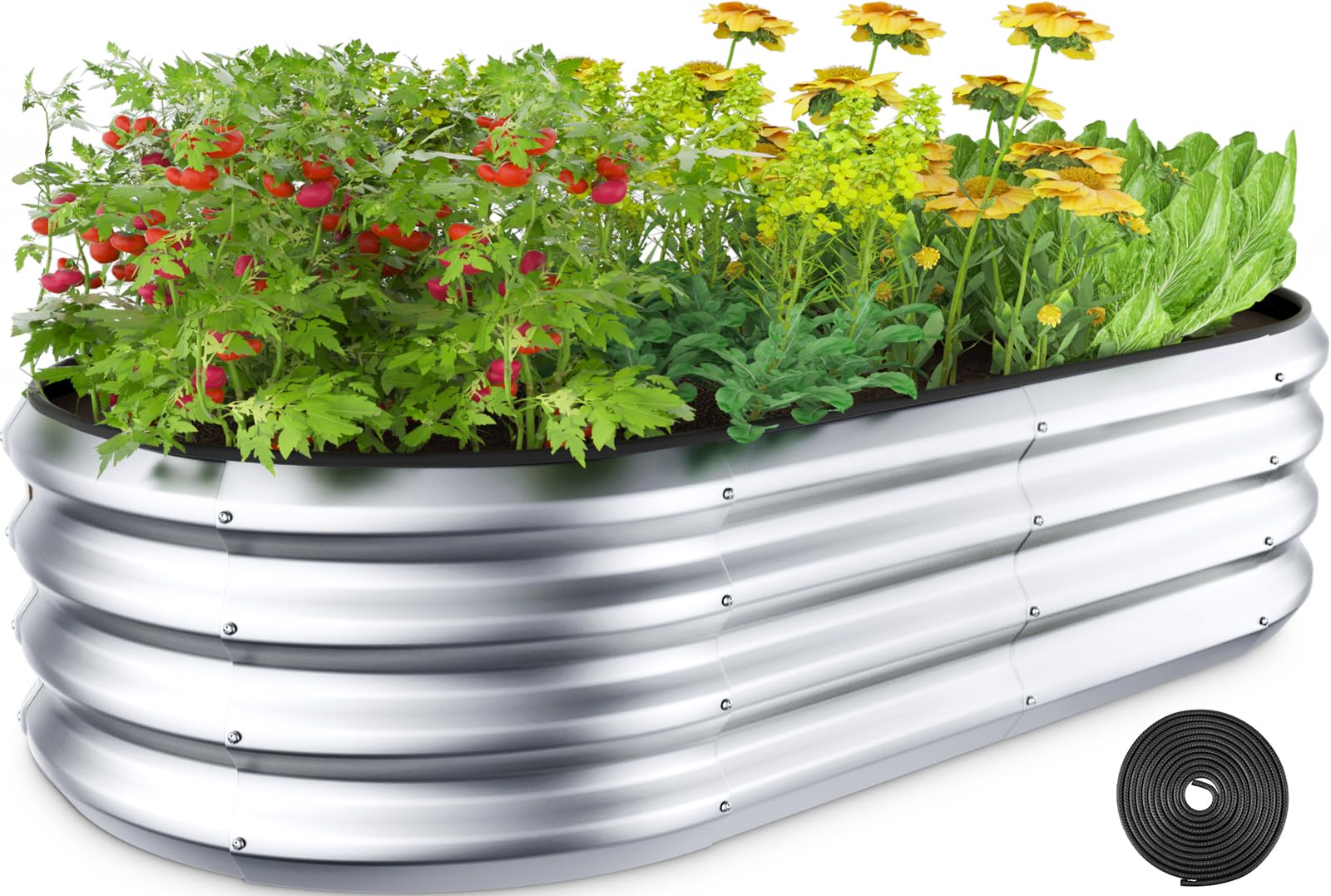
Corrugated galvanized steel with variable thickness up to 1.2mm, 12-inch depth for deeper root crops, multi-screw reinforcement, and rubber safety edging.
Why I picked it: Deeper profile and reinforced construction for carrots, beets, and other root crops.
Best for: Root vegetables, longer-season crops, and gardeners who want reinforced walls.
A mid-range option with performance-oriented features.
Pros
- 12-inch depth for root crops
- Multi-screw reinforcement
- Thicker sections up to 1.2mm
- Includes gloves and screwdriver
Cons
- Rubber edge needs trimming
- Some sharp spots during assembly
My take
The 12-inch depth made the difference for me when planting carrots and onions — I had enough loose soil to allow good root development without crowding.
The corrugated steel and multi-screw reinforcement kept the walls from bowing when I partially filled the bed. I did take care during assembly because a few edges can be sharp until the rubber trim is applied.
I also experimented by stacking two units to get additional depth for a deeper bed; that technique worked well and felt stable once filled. For more serious vegetable gardening, this is the kit I reached for when I needed depth and rigidity.
7. ZFHgarden 4x2x1 ft Galvanized Raised Bed – Best Portable & Lightweight
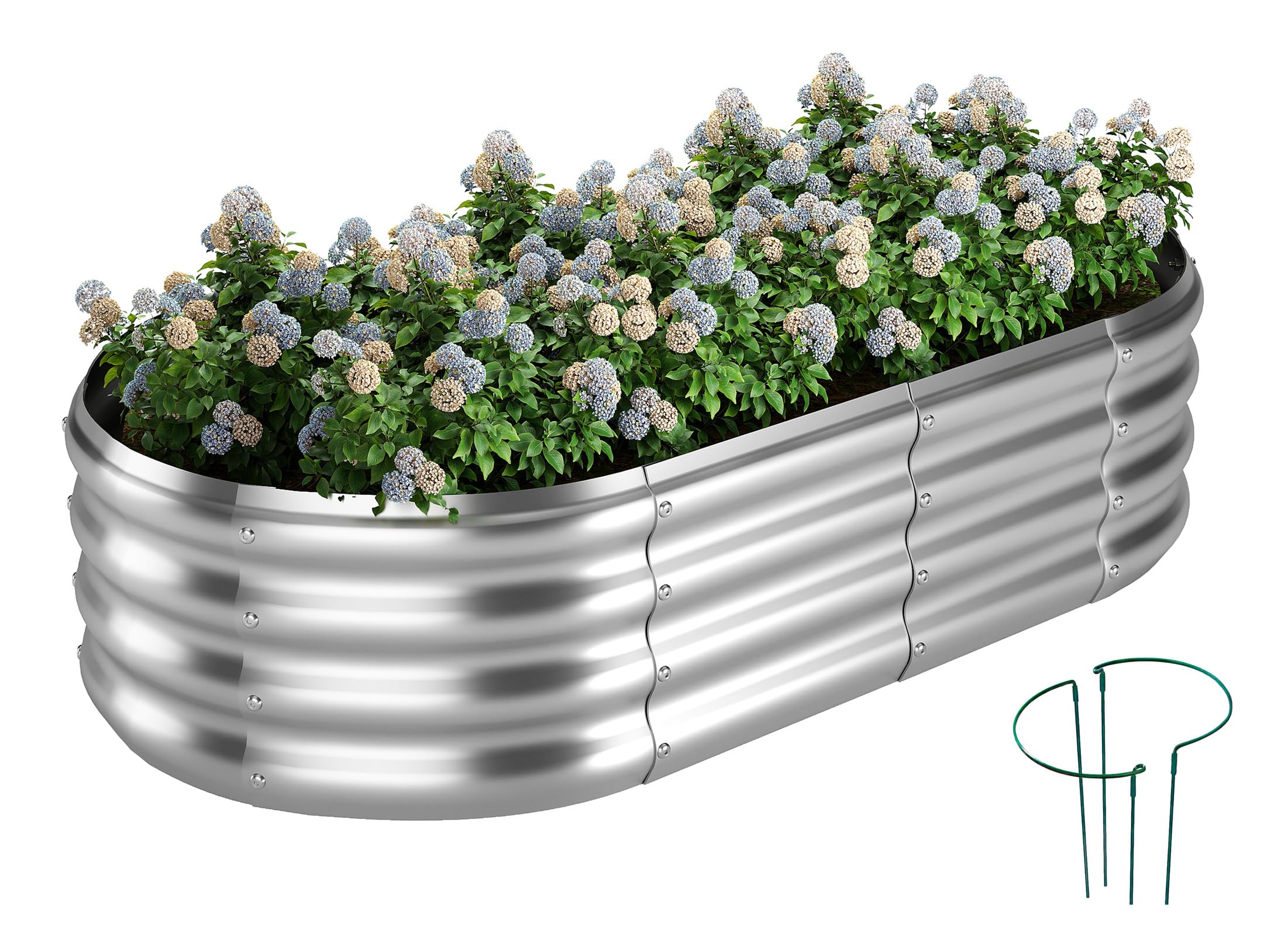
A lightweight, easy-to-move 4×2×1 ft raised bed with silicone strips and included tools — designed to be portable and simple to reposition seasonally.
Why I picked it: Mobility and straightforward assembly for renters or seasonal gardeners.
Best for: People who move beds for winter storage or rearrange garden layouts frequently.
An economical, portable option that’s easy to expand.
Pros
- Lightweight and portable
- Includes silicone strips and gloves
- Open-base drainage
- Easy assembly
Cons
- Less rigid until filled
- Top edging can be tricky to stretch
My take
I appreciated how easy it was to set this bed in place, move it around, and store it for winter. For my seasonal gardening, portability mattered more than heavyweight construction.
Assembly was quick and the kit includes the small extras — gloves and silicone strips — that make the process less fiddly. The bed becomes quite stable once partially filled and planted.
If you want something you can relocate or remove for cold months, this lightweight option earned my recommendation for mobility and convenience.
How I Choose Galvanized Planters
Material & Thickness
I prioritize gauge and construction because those dictate how a planter will behave when filled and over seasons. Thicker sheets and additional reinforcement resist buckling and feel sturdier during handling.
- 0.6mm — lightweight and easy to move; good for small beds
- 0.8mm+ or corrugated sections — better for long-term stability
- Look for multi-screw reinforcement or center bars for larger beds
Assembly & Tools
I factor in how much time and effort assembly will take. Tool-free systems can save a lot of time, while kits that include gloves and a driver reduce tool shopping.
- Patented tool-free assembly — fastest setup
- Kits with hardware, gloves, and edge trim are more turnkey
- Plan to use a flat surface for easier assembly
Drainage & Base Design
Drainage influences plant health and maintenance. Open-base beds make drainage and soil-building simple; closed pots may need drilled holes or careful watering plans.
- Open-base beds — best for direct soil contact and composting
- Closed decorative pots — add drainage or use plants that tolerate shallow water
- Consider a gravel layer or fabric for small decorative planters without holes
Depth & Plant Type
Match planter depth to what you plan to grow. I use deeper beds for root crops and shallower ones for herbs and shallow-rooted flowers.
- 12 inches or deeper — root vegetables and larger plants
- 6–8 inches — herbs and small annuals
- Larger footprint — more versatility for mixed plantings
Safety & Finish
Edges, rubber trim, and painted finishes matter for safety and aesthetics. I prefer units with rubber edging when I’ll be working close to the beds.
- Rubber or gasketed top edges reduce cuts and give a clean look
- Painted finishes add style but may scuff over time
- Check for sharp corners and plan to trim or tape as needed
Frequently Asked Questions
Are galvanized planters safe for growing edibles?
I grow vegetables in galvanized beds without issue. Modern galvanizing is stable; if you’re concerned, line the bed with landscape fabric or use a compost layer near the soil surface. I’ve found open-bottom galvanized beds to be especially convenient for edible crops.
Do galvanized planters rust quickly outdoors?
From my experience, coated and double-layer galvanized finishes hold up well. Thicker gauges and proper drainage slow corrosion. I keep an eye on low spots where moisture pools and avoid leaving standing water against the metal.
What’s the benefit of an open-bottom raised bed?
I like open-bottom beds because they allow direct drainage, better root access to native soil, and easy incorporation of yard waste for building soil. They also reduce rot risk compared with trapped moisture.
Can I use decorative galvanized pots for succulents?
Yes — decorative galvanized pots work great for succulents as long as you manage water carefully. Because many lack drainage holes, I add a drainage layer and choose drought-tolerant plants to avoid overwatering.
How deep should a galvanized bed be for root vegetables?
I recommend at least 12 inches for carrots and similar root crops. The Winpull kit I used with a 12-inch depth was especially effective for carrots, beets, and larger roots.
Final Take
I found no one-size-fits-all galvanized planter: choose thicker, reinforced beds for long-term vegetable production; pick tool-free kits when you want speed and simplicity; and grab decorative metal pots for indoor accents.
If you want my short picks: go heavy and deep for root vegetables, go tool-free for easy setup, and grab the pig-shaped set for charming tabletop succulents.
Whichever you pick, pay attention to edge protection and drainage so your plants and garden time stay enjoyable.
