
I tested stakes, ties, and tape across beds and containers to find reliable plant supports for delicate stems, climbing vines, and heavy vegetables.
I spend seasons testing supports in my vegetable beds, containers, and flower borders so I can tell which tools actually make staking easier and protect plants without damage.
This roundup covers single-stem hoops, long garden stakes in bulk, soft reusable ties, heavy-duty metal stakes, and wide vinyl tape — each serving a clear purpose in the garden.
I compared materials, usable length, weather resistance, and how gentle each option is on stems to recommend the right support for specific plant types and situations.
1. HiGift 17 Inch Plant Support Stakes – Best for Single Stems
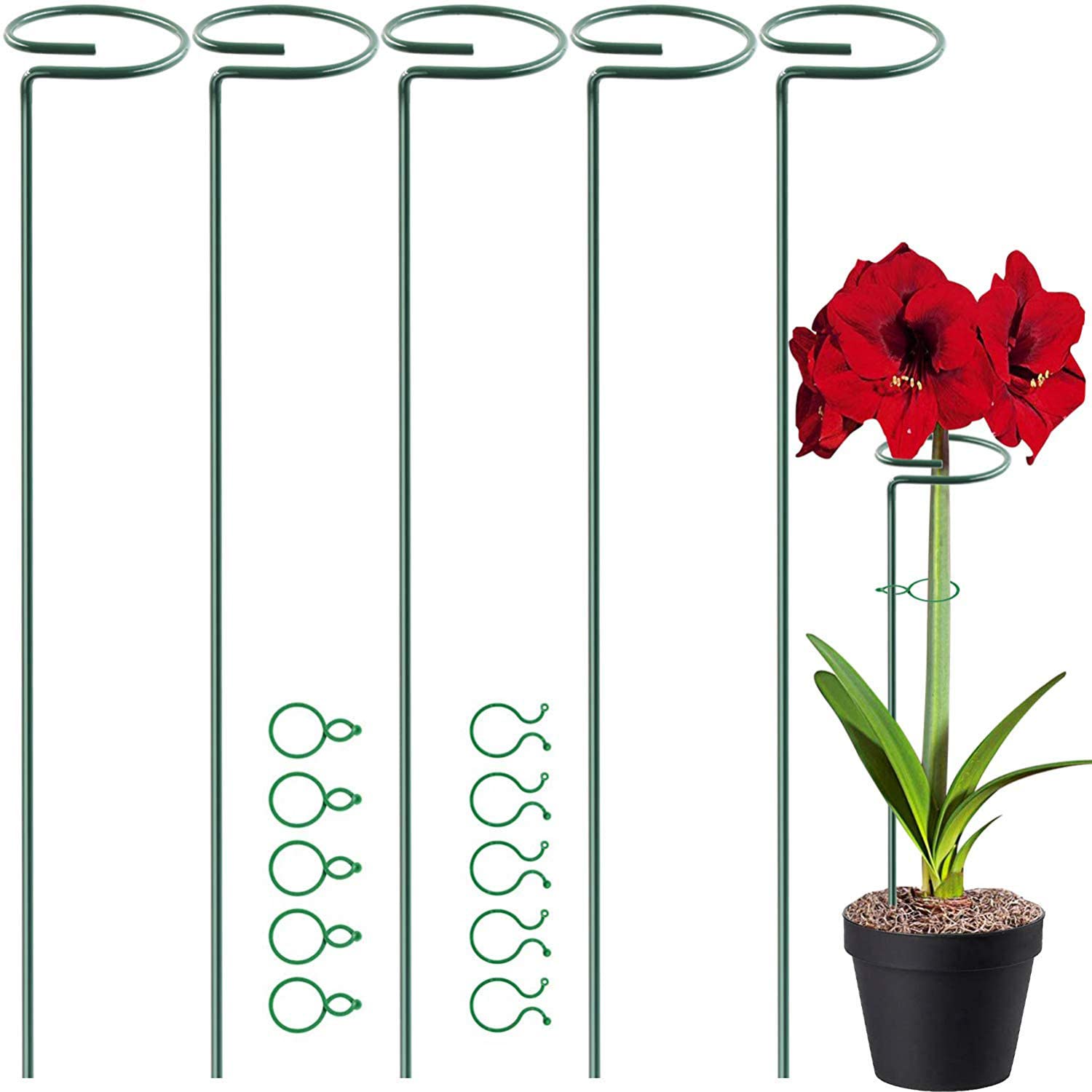
I use these single-stem stakes when I need a tidy, nearly invisible hoop that props up individual flower stalks and keeps stems straight.
Why I picked it: Compact hoop with a 4mm wire that blends into foliage and comes with clips.
Best for: Amaryllis, lilies, peonies, orchids, and small tomato or rose stems.
Affordable small-pack support for potted or indoor plants.
Pros
- Thicker 4mm wire for firmness
- Powder-coated finish that blends in
- Open slot hoop protects stems
- Includes small plastic clips
Cons
- Only 17 inches tall
- Inner ring limits very thick stems
My take
I reach for these when a single stem needs a clean, individual support. The 17-inch length lets me sink more of the stake into the potting mix for a stable base, and the 6cm hoop keeps the stem centered without pinching it.
The 4mm diameter wire resists bending far better than thin bamboo or flimsy wire in my experience, and the powder-coated green finish nearly disappears among the foliage. The open slot makes it simple to ease a stem into place without damaging new growth.
The included clips are small but useful for quick tie points; I use them on amaryllis and taller lilies. If you grow very tall sunflowers or thick stems, these are too short or narrow, but for most single-stem flowers and small tomato varieties they work exactly as intended.
2. Sunnyglade 48 Inch Plant Stakes (50-pack) – Best Bulk Stakes
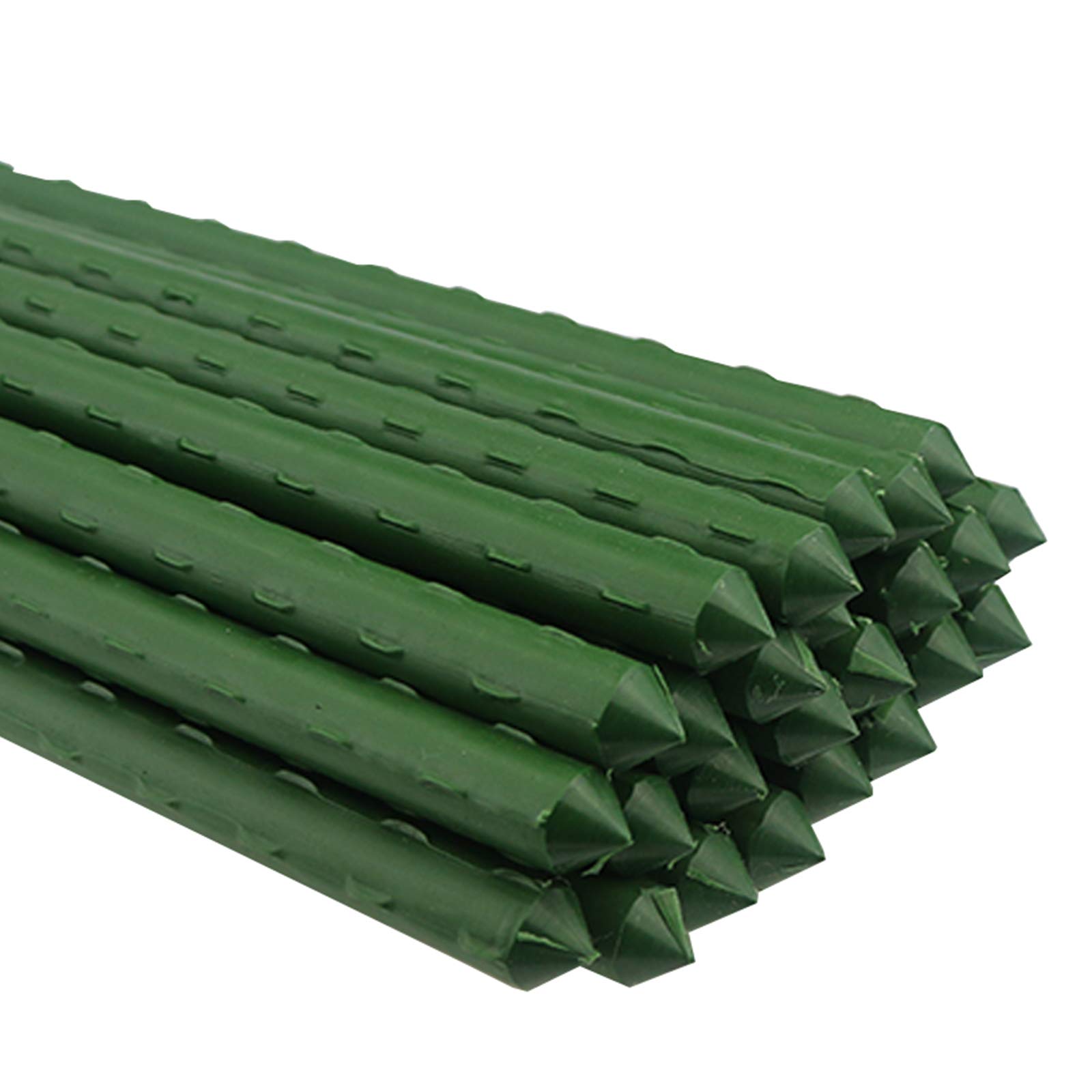
When I need a lot of long stakes for beds or multiple pots, this 50-pack delivers height and quantity for a great value.
Why I picked it: Bulk 48-inch stakes with plastic-coated finish — ideal for tall plants and multiple applications.
Best for: Tall potted plants, moss poles, tomatoes, vines, and organizing large beds.
Best-value option when you need many stakes at once.
Pros
- Fifty stakes for large jobs
- 48-inch height suits taller plants
- Plastic-coated for weather protection
- Sharpened tips for easy placement
Cons
- Need to bury deeply for stability
- Some feel more plastic than metal
My take
I kept a bundle of these for staking taller houseplants on moss poles and for dozens of tomatoes across my raised beds. The length is generous, so I rarely find myself needing to re-stake as plants grow.
The plastic coating resists rust and helps them blend into the garden. In firmer soil I’ll wet the hole first or use a hammer — the sharpened end makes driving them easier than blunt bamboo.
For heavy loads I make sure to bury at least 12 inches or use multiple stakes tied together; when set up that way they hold up very well. Expect solid service across many seasons and excellent coverage when you need stakes in bulk.
3. Decoroca Reusable Soft Plant Ties (65.6 ft) – Best Flexible Ties
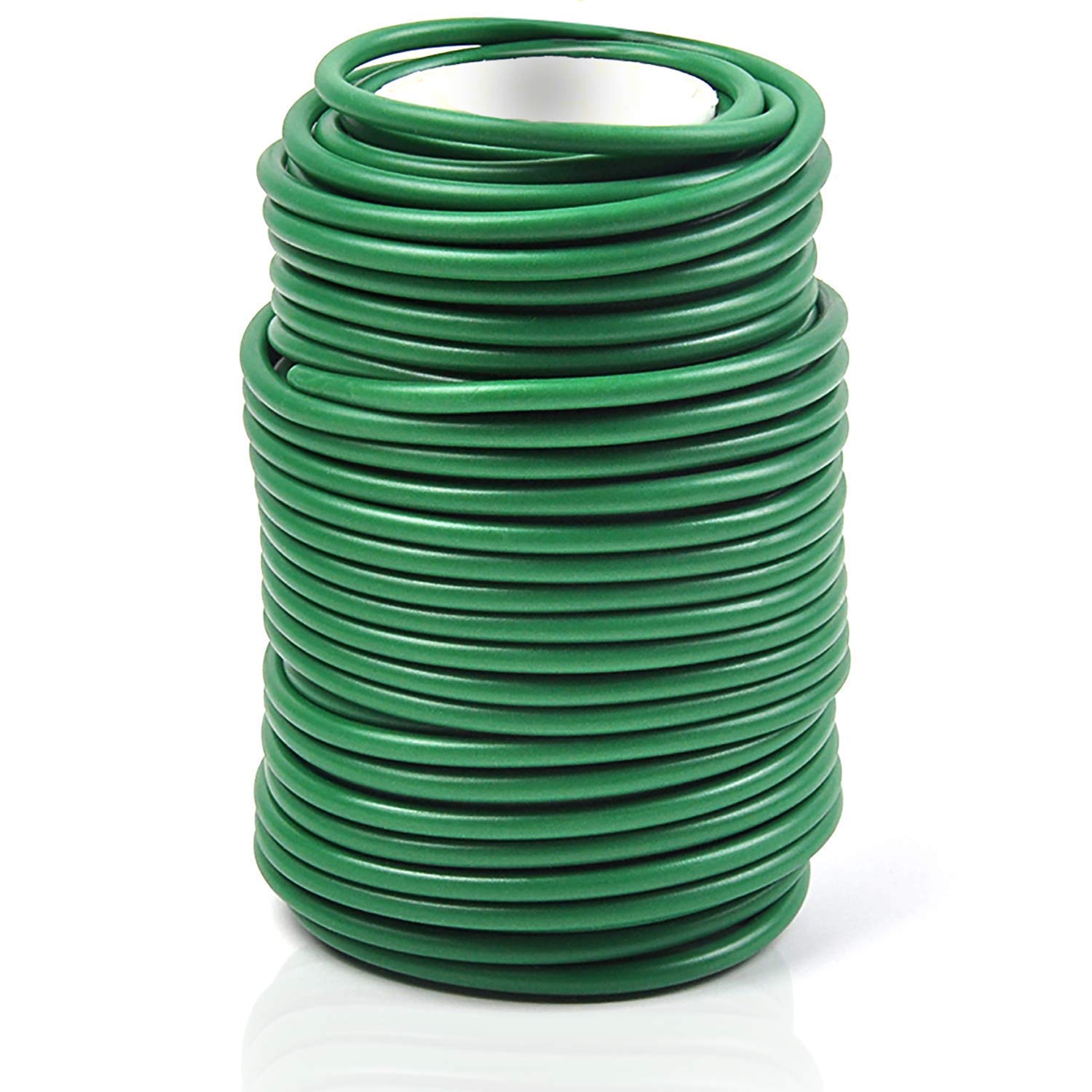
I use this rubber-coated twist wire when I need gentle, reusable ties that won’t cut into tender stems.
Why I picked it: Soft rubber coating and long roll for gentle, adjustable support.
Best for: Delicate vines, tomato suckers, training vines, and general tying where stem protection matters.
Budget-friendly long roll that stretches and reuses well.
Pros
- Soft rubber coating protects stems
- Long 65.6-foot roll for many uses
- Flexible yet holds shape
- Reusable across seasons
Cons
- Could be thicker for very heavy limbs
- Requires cutting to length
My take
This is my go-to when I need to secure delicate growth without leaving scars. The rubber coating is soft against stems but the internal wire keeps whatever I tie in place.
I appreciate that one hand can wrap and twist a length of tie, which speeds up work when I’m pruning and training dozens of stems. I pre-cut a batch and keep them in my apron for quick access.
The roll length gives plenty of material for trellising and repurposing later. For very heavy fruit limbs I sometimes choose a wider tie, but for most vines and tomato branches this strikes the right balance between gentle and strong.
4. BOTINDO 48 Inch Heavy-Duty Garden Stakes (25-pack) – Best Heavy-Duty Stakes
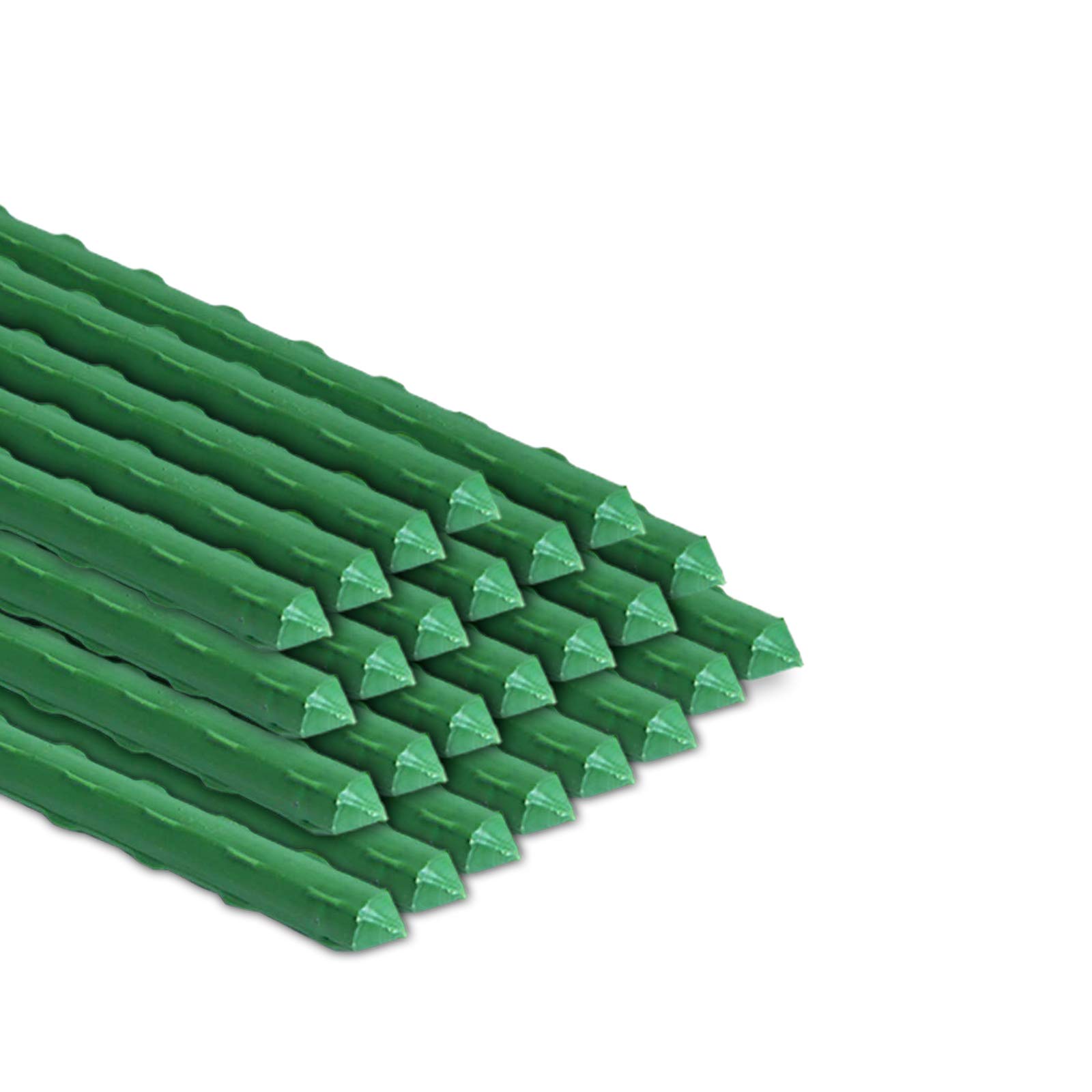
I use these when I need more heft than bamboo: steel core, ridged surface, and a robust coating make them reliable for bigger plants and longer seasons.
Why I picked it: Sturdy steel core with ridged surface and durable coating for heavier tasks.
Best for: Larger vegetables, small trees, climbers, and long-term outdoor use.
Mid-range durable stakes built for longevity.
Pros
- Steel core for strength
- Ridged surface aids climbers
- UV and rust-resistant coating
- Sharpened ends for easier installation
Cons
- Not meant for extremely heavy sunflowers
- May need a hammer in hard soil
My take
These are noticeably stiffer and more substantial than ordinary bamboo stakes. I used them across a bed of climbing vines and on a young tree; the slight flex is actually helpful because it lets stems move without snapping.
The ridged surface gives tendrils something to grab, and the plastic coating stood up to wet weather and sun exposure in my tests. They’re heavy-duty enough to use as a temporary fence or barrier when I need one.
For truly massive, wind-swept sunflowers I still choose thicker professional rebar-type supports, but for most home vegetable and ornamental tasks these stakes offer the right balance of strength and workability.
5. TELENT Stretch Tie Tape (Vinyl) – Best Stretch Tie Tape
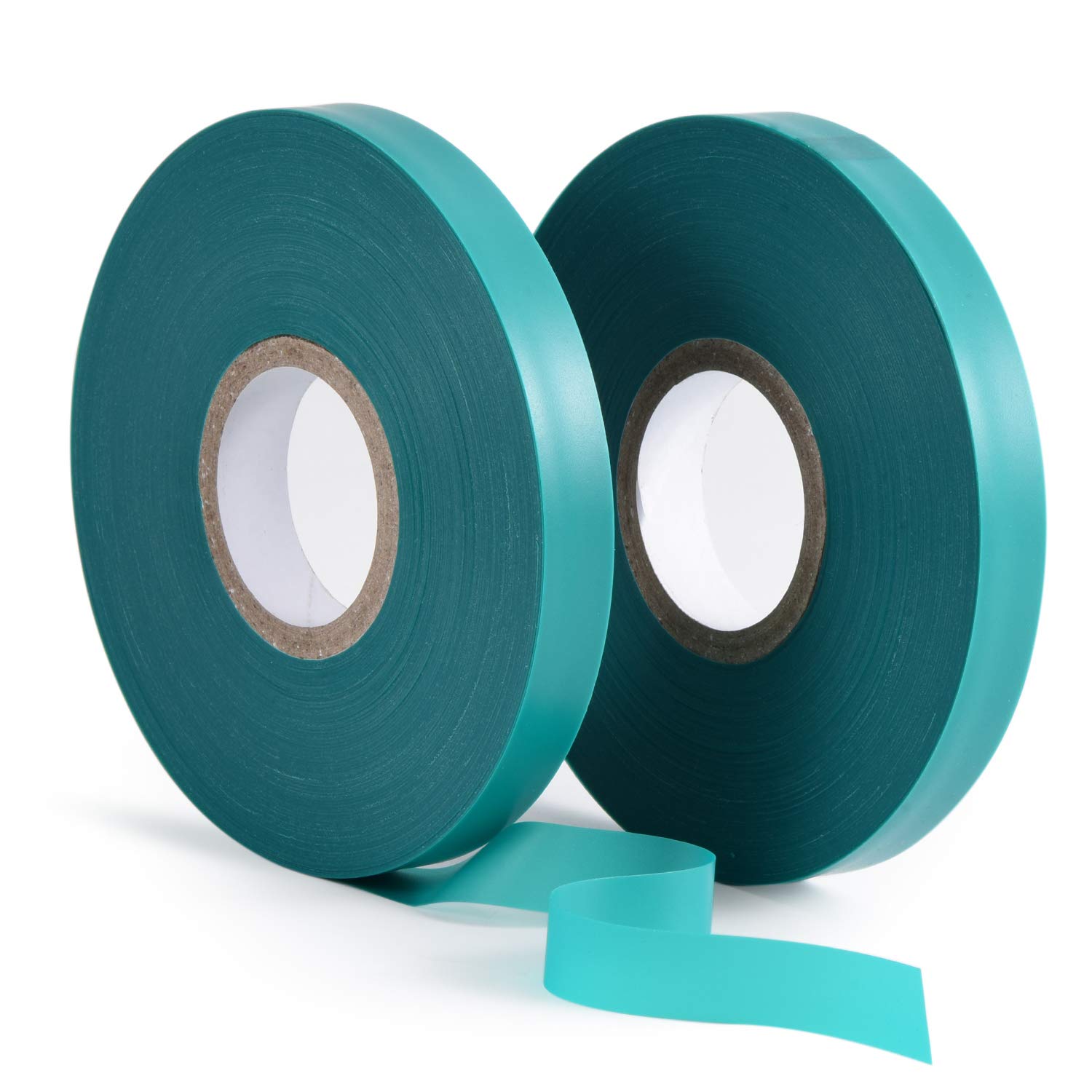
I keep this wide, stretchy vinyl tape on hand for quick, protective ties that are tearable by hand and camouflage well on green stems.
Why I picked it: Wide, soft vinyl tape that stretches and tears for fast, protective ties.
Best for: Branch supports, cane fruit, quick seasonal tying, and applications where width protects stems.
Very affordable seasonal tape for wide, protective ties.
Pros
- Wide and soft on stems
- Stretchy and easy to tear
- Very long rolls per package
Cons
- Plastic material, not biodegradable
- Less reusable than coated wire ties
My take
This tape is perfect for the fast tying tasks I do around harvest time. I tear short strips by hand, loop them around a branch and stake, and the width spreads pressure so delicate bark or soft stems don’t get pinched.
I keep pre-cut pieces in my pocket as I work; it’s that convenient. The green color blends into foliage and stays discreet while supporting canes, tomatoes, and vines.
If you prefer a biodegradable option I understand the concern — this is plastic — but for seasonal use where softness and width matter this tape does the job reliably and saves time.
How I Choose Plant Supports
Material and Durability
I always match material to the job: steel-core stakes for long-term outdoor use, plastic-coated metal for rust resistance, and rubber-coated wire or vinyl tape where stem protection is critical.
If a product mentions UV resistance or a powder-coated finish, I expect it to hold up through wet seasons without flaking or rusting.
- Steel core + plastic coating = long life
- Rubber-coated ties prevent stem damage
- Vinyl tape is handy for wide, protective ties
Height, Length, and Quantity
I choose stake height based on mature plant size and whether I want to re-use the same stake as plants grow taller. Buying in bulk matters when you have multiple plants to manage.
Ties and tape are about usable length — a single long roll can last several seasons if stored dry.
- Stake tall plants with stakes exceeding expected height
- Buy bulk stakes for large beds or multiple pots
- Choose long rolls of ties for efficiency
Ease of Use and Plant Safety
I rate supports on how quickly I can attach them and whether they damage stems. Open-slot hoops and soft ties make training new growth much faster and safer.
Sharpened stake ends and ridged surfaces help installation and give climbers purchase, which reduces the amount of tying I need to do.
- Open slots let you install without hurting stems
- Soft-coated ties reduce rubbing and scarring
- Sharpened tips reduce effort in hard soil
Load Capacity and Weather
I consider wind, rain, and fruit weight. Lightweight plastic stakes are fine for small flowers, but heavier vegetables and wind-exposed gardens demand steel or reinforced supports.
If a product cites rust and UV resistance, I treat it as suitable for multi-season outdoor use.
- Use stronger stakes for heavy fruit and wind exposure
- Coated metal holds up better than untreated wood
Frequently Asked Questions
What support do I use for tomatoes?
I use taller stakes or a combination of stakes and soft ties. For indeterminate varieties I pair 48-inch stakes with rubber-coated ties or tape to protect stems while keeping vines upright.
How deep should I insert garden stakes?
I sink at least one-third of the stake into the soil for most applications; for taller or heavier plants I bury closer to half the length or use multiple stakes tied together for more stability.
Can I reuse ties and tape?
I reuse rubber-coated wires and many twist ties across seasons. Vinyl tape I treat as seasonal — it’s great while it’s flexible, and I usually replace it year to year.
Final Take
I keep a mix of these supports in my shed: single-stem hoops for flowers, bulk long stakes for vegetable rows, soft ties for delicate work, heavy-duty stakes for longer seasons, and wide tape for quick fixes.
Choose based on the plant size, expected load, and whether you prioritize reusability or speed — that approach has saved me time and kept my plants healthier every season.
