
I tested a range of potting soils, coco coirs, and amendments so you can pick the right media for your plants. Here are the mixes I reach for most often and why.
I’ve spent seasons trialing potting mixes, coco coir blocks, and soil amendments across houseplants, containers, and garden beds. My aim was simple: find soils that give reliable drainage, steady moisture retention, and clear results in plant health.
This roundup reflects hands-on testing and practical notes — what I use for seedlings, what I keep for large projects, and how I manage pH and salts so plants actually thrive.
I compared mixes by texture, drainage, nutrient profile, pH behavior, and prep needs. For coco coir I paid special attention to screening and salt content; for potting soil I prioritized porosity and ready-to-use nutrition; for amendments I assessed clarity of purpose and ease of application.
1. FoxFarm Ocean Forest Potting Soil — 4 x 12 Quart (4 Pack) – Best Overall
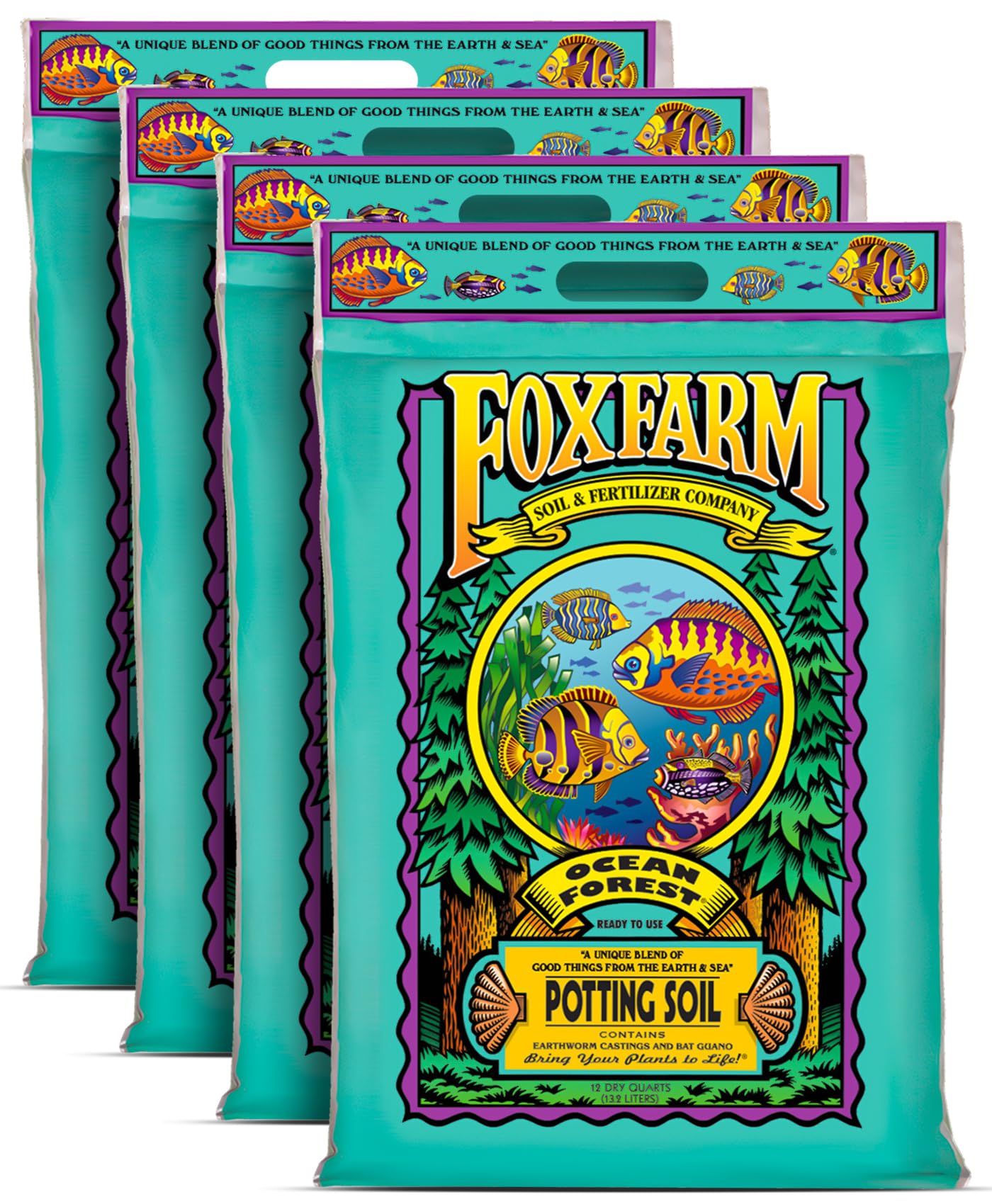
A light, aerated, nutrient-dense potting mix I reach for when I want immediate, robust growth in containers and indoor plants.
Why I picked it: Ready-to-use, rich organic amendments, excellent texture for container gardening.
Best for: Indoor houseplants, container gardens, seedlings and plant starts.
Premium, nutrient-forward mix.
Pros
- Light, well-aerated texture
- Packed with organic nutrients
- Ready to use straight from bag
- Consistent performance across plants
Cons
- Can attract fungus gnats indoors
- Higher-end option
My take
I keep a multi-pack of this Ocean Forest mix on hand because it reliably produces vigorous, fast-growing plants. The blend feels airy yet holds moisture where roots need it, and the mix of fish meal, crab meal, and earthworm castings gives plants an immediate nutrient lift.
Out of the bag the texture is loose and easy to work with — it mixes cleanly into pots and doesn’t compact. I’ve used it for seedlings, repotting houseplants, and for outdoor containers with the same strong results.
My only practical note is to watch for fungus gnats when using this rich mix indoors; I mitigate that with a top dressing of perlite or sand and careful watering. Overall, this is my go-to all-purpose potting soil when I want straightforward, reliable performance.
2. Coco Bliss (10lbs) – Organic Coco Coir Brick – Best Coco Coir Brick
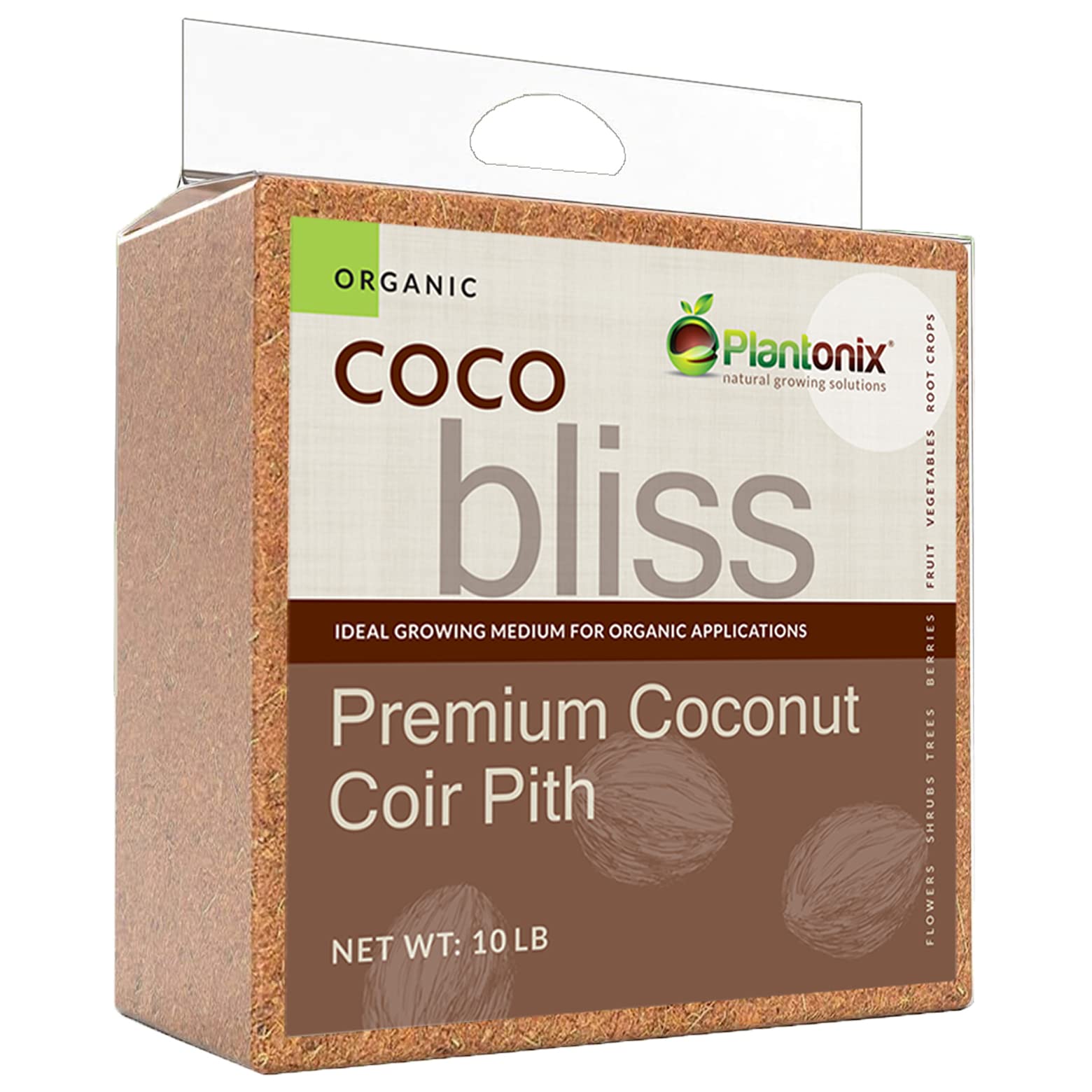
A pre-screened, clean coco coir I use to improve moisture retention and structure in potting mixes.
Why I picked it: Pre-rinsed, fine texture, sustainable alternative to peat.
Best for: Seed starting, mixing with potting soil, indoor container amendments.
Moderately priced specialty amendment.
Pros
- Pre-screened and clean
- Excellent moisture retention
- Neutral pH improves nutrient uptake
- Sustainable alternative to peat
Cons
- Benefits from buffering/rinsing
- Needs added nutrients for heavy feeders
My take
I use this Coco Bliss brick when I want a clean, consistent base medium that hydrates evenly. After hydrating it breaks into a silky, loamy texture that mixes well with perlite and compost.
The pre-screened quality saves me prep time; fewer fibers and grit means less fuss when mixing into seed starting trays or potting soil. Because coco lacks some minerals, I usually add a balanced feed or worm castings for heavier-feeding plants.
For growers sensitive to electrical conductivity I still give it a quick rinse and buffer, but once prepped it performs just as I expect: great aeration, good moisture retention, and noticeably better root growth than straight peat mixes in my experience.
3. Jobe’s Organics Garden Lime — 6 lb Bag – Best for pH Adjustment
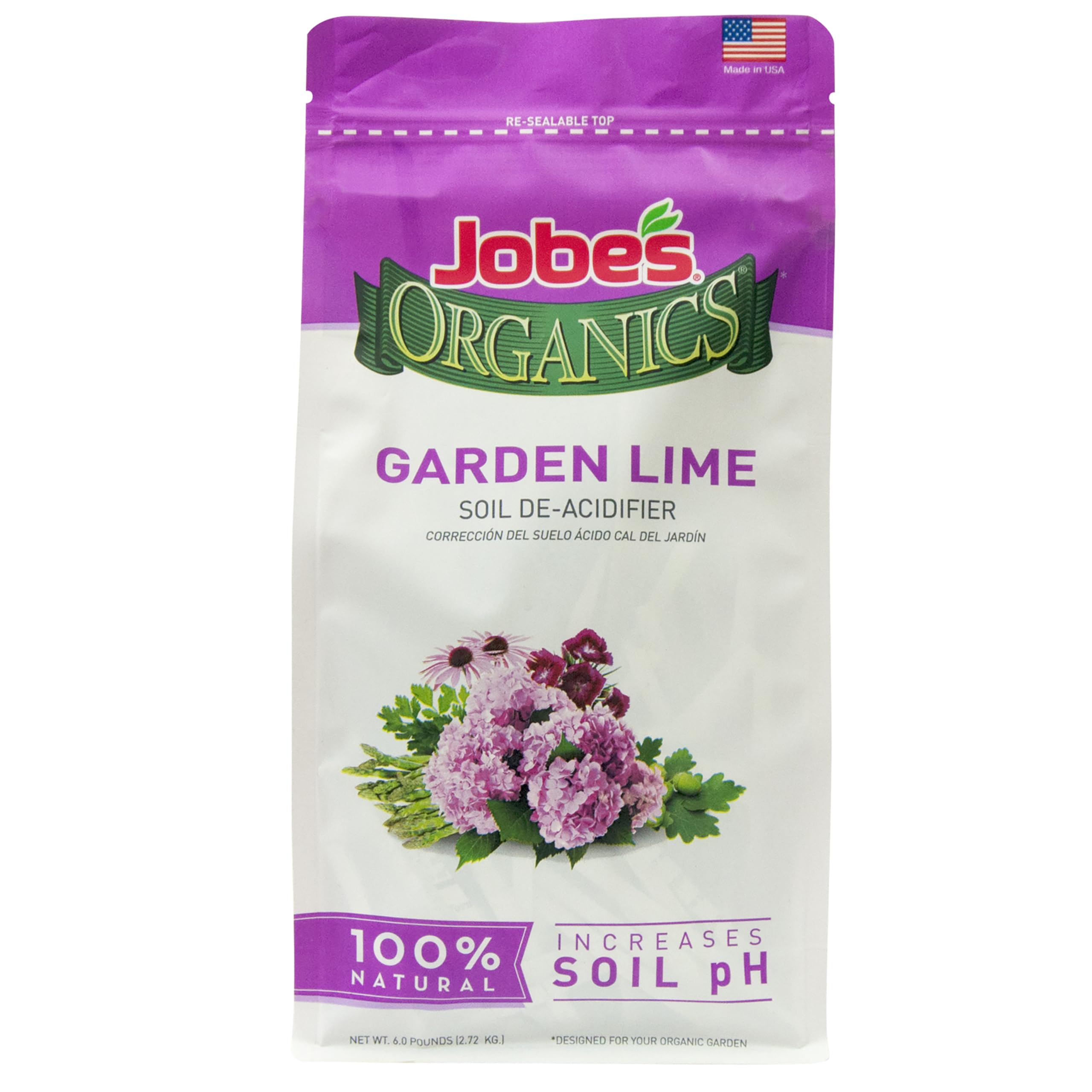
A straightforward, OMRI-listed lime I rely on to raise soil pH and improve nutrient availability.
Why I picked it: Simple to apply, organic-certified, effective pH adjustment.
Best for: Correcting acidic soils and improving nutrient uptake.
Affordable soil amendment.
Pros
- OMRI-listed organic option
- Easy to spread and measure
- Helps release locked-up nutrients
Cons
- Requires soil testing for proper rates
- Effects build gradually over time
My take
I keep Jobe’s Lime in my shed for every spring pH tune-up. When soil tests show acidity that’s limiting plant growth, this granular lime is easy to broadcast or work into planting holes.
Because it’s formulated for organic gardens, I’m comfortable using it around vegetables and ornamentals. I apply it at planting and reapply a couple times a year only when soil tests show it’s needed — it’s not an instant fix but it corrects pH reliably.
A quick note from my trials: measure first. I’ve seen the best results when I apply the right amount based on a soil test rather than guessing.
4. FoxFarm Ocean Forest Potting Soil — 1.5 Cubic Feet – Best Single Bag

The same powerful Ocean Forest formula in a larger single bag — balanced, pH-adjusted, and ready for immediate planting.
Why I picked it: pH adjusted, moisture-retentive, versatile for many uses.
Best for: Repotting larger plants, filling raised beds, single-bag convenience.
Higher-end single-bag choice.
Pros
- pH adjusted for nutrient uptake
- Great for larger repots
- Rich organic ingredient list
Cons
- May be slightly acidic for acid-loving plants
- Not ideal if you need sterile seed-starting mix
My take
When I need a ready-to-use bag that handles everything from repotting to filling planters, this 1.5 cu ft Ocean Forest hits the mark. It’s pH adjusted into the range where most plants access nutrients easily, which means I spend less time fine-tuning fertilizer regimes.
The mix’s composition — peat, sandy loam, perlite, and a suite of organic meals and castings — retains moisture without suffocating roots. I’ve used it under roses, in larger houseplant pots, and in containers that live on patios, and the results are consistently strong.
If you’re starting very tiny seedlings or need a sterile medium, I’d combine it with a lighter seed-start mix. For everything else, this bag is dependable and lets plants establish quickly.
5. Minute Soil Bulk Coconut Coir Block 6-Pack — OMRI Listed – Best Bulk Coco Coir
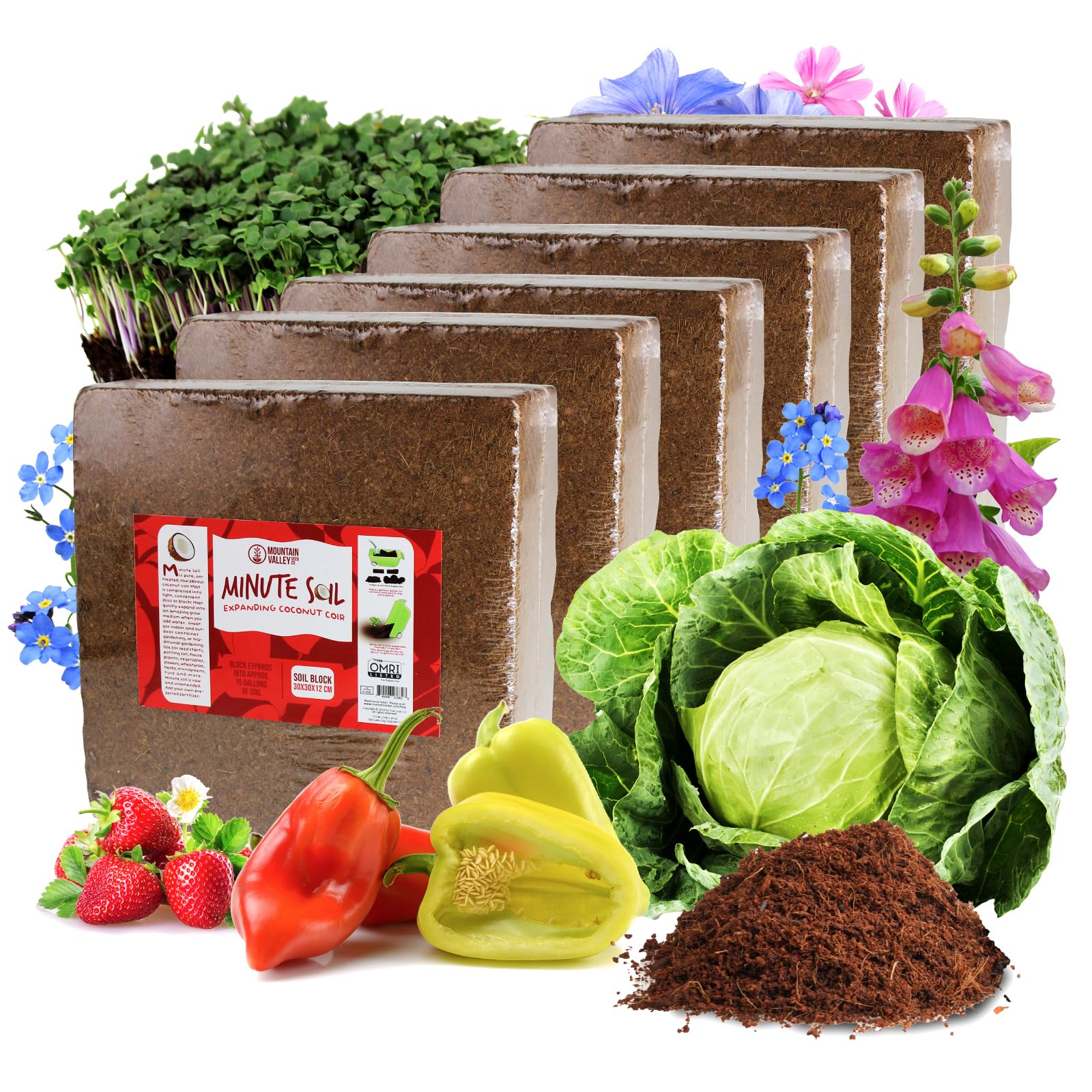
A bulk, OMRI-listed coir pack that expands into a fluffy, high-volume growing medium I use for large garden projects.
Why I picked it: Expands massively, organic-certified, ideal for big projects.
Best for: Greenhouses, large bed amendments, bulk seed starting.
Economical for large-scale use.
Pros
- Huge expansion ratio
- OMRI-listed for organic use
- Clean, fluffy texture after hydrating
Cons
- Usually needs washing to reduce salts
- Requires cal-mag for some crops
My take
For large projects I prefer this Minute Soil six-pack because a single pallet-worth yields an enormous amount of ready growing media. Once soaked the blocks expand into a light, airy coir that’s perfect for seed trays, greenhouse propagation, or mixing into raised bed blends.
I always run a quick rinse and buffer on bulk coir — my tap water is often mineral-rich and I want to avoid EC issues. After that prep the coir performs beautifully: great drainage, consistent hydration, and a clean texture that stays workable.
If you’re preparing a medium for heavy feeders I add a cal-mag supplement and a balanced nutrient program. For large-scale work, this is the most practical and sustainable coir I’ve used.
6. Michigan Peat Garden Magic Organic Potting Top Soil Blend — 40 lb Bag – Best General-Purpose Topsoil
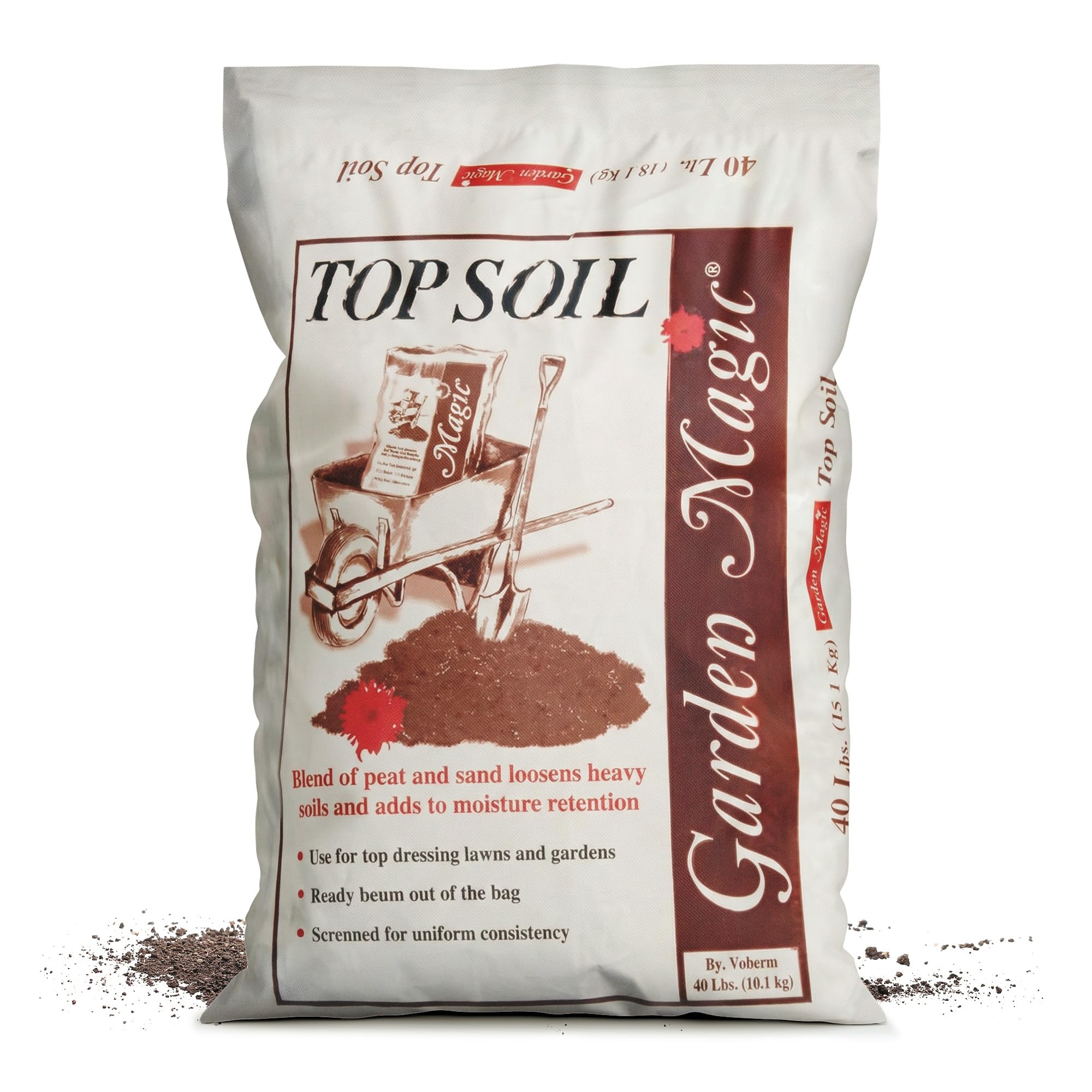
A ready-to-use, dark topsoil blend I use for quick fixes, top dressing, and general potting needs.
Why I picked it: Consistent, dark blend that works across many tasks.
Best for: Top dressing, filling holes, loosening clay, everyday potting.
Budget-friendly general-purpose soil.
Pros
- Ready to use out of the bag
- Good moisture retention and drainage
- Great for soil improvement tasks
Cons
- Can include sticks and debris
- Bag yields less than some expect
My take
I reach for Michigan Peat when I want a straightforward topsoil that’s usable immediately. The dark reed sedge peat base with perlite and sand handles a little of everything — I use it to loosen clay, top-dress beds, and fill grow bags.
It’s dependable and economical, though I did find occasional sticks and debris in some bags. That hasn’t affected plant performance but I do screen it for fine seed work.
Overall, it’s the practical choice when I want a no-nonsense soil that performs across a wide range of garden tasks.
How I Choose the Right Soil for the Job
Texture & Drainage
I look for a balance between airy porosity and water retention. If a mix compacts, roots suffocate; if it holds too little water, plants stress quickly.
- Seedlings: fine, light mixes with good drainage.
- Containers: airy media with some moisture-holding components.
- Beds: soil that improves structure and holds steady moisture.
Nutrients & Amendments
I prefer mixes with clear organic inputs (castings, fish meal, kelp) for ready nutrition, and I add targeted amendments where needed.
- Use potting soils with built-in nutrition for easy container growing.
- Add worm castings or compost to boost fertility in beds.
- Supplement coco coir with nutrients since it’s low in minerals.
pH Management
I always test soil pH before large applications. If pH is off, plants can’t access nutrients even when they’re present.
- Use lime to raise pH for alkaline-preferring crops.
- Acidic-loving plants may need sulfur or acidifying mixes.
Coco Coir vs Peat
I favor coco coir for sustainability and structure, but I buffer and rinse bulk coir to manage salts. Peat is useful but less eco-friendly in my view.
- Coco coir: sustainable, great aeration, needs nutrient supplementation.
- Peat: good moisture retention, check environmental impact.
Bulk vs Single Bags
I choose bulk for large projects to save money and reduce packaging; single bags are best for small jobs or when I need convenience.
- Buy bulk for beds, greenhouses, or frequent use.
- Buy single bags for one-off repots or small container projects.
Prep & Pest Prevention
I take a few minutes to prep media: rinse coir if needed, top-dress potting mixes to reduce gnats, and sterilize seed-starting mixes when trying to avoid pathogens.
- Rinse coco coir to lower EC when necessary.
- Use sand or perlite top-dress to deter fungus gnats.
- Sterilize seed-starting mixes if disease pressure is a concern.
Frequently Asked Questions
Do I need to rinse coco coir before use?
I usually rinse bulk coco coir, especially if I plan to grow sensitive crops. Rinsing reduces soluble salts and electrical conductivity; after that I buffer or add cal-mag to cover micronutrient needs.
How often should I apply garden lime?
I apply lime based on soil tests. For most soils a couple of applications a year or one larger spring application is enough; I avoid routine over-application and always measure first.
Can I use Ocean Forest for seedlings?
I use Ocean Forest for robust seedlings and transplants but for very tiny seeds I mix in a lighter, finer seed-start mix to avoid overpowering delicate roots.
Final Take
My top pick when I want immediate, consistent growth is the FoxFarm Ocean Forest mixes — they’re nutrient-rich and ready to go. For sustainable seed-starting and structure I turn to screened coco coir bricks and bulk coir, with a rinse and nutrient plan. When soil pH needs correcting, Jobe’s Lime is a simple, organic tool I use reliably.
Match the media to the plant and the project size: single bags for convenience, bulk coir for scale, and targeted amendments for pH and fertility. That approach keeps my plants healthy and my work efficient.
