
I tested a range of sprinklers for small beds, large lawns, and everything in between. This roundup focuses on reliable coverage, durable construction, and simple setup so you can pick the right sprinkler for your yard.
I spend a lot of time testing sprinklers across different yard sizes and water pressures, so I know which designs actually make watering easier. In this roundup I cover oscillating, traveling, and circle-pattern spot sprinklers that stood out during repeated use.
My picks target different needs: full-lawn coverage, long runs for open acres, and compact metal heads for small beds or low-pressure hookups. I focus on build quality, ease of adjustment, and how well each unit holds position while running.
I compared coverage area, construction material, pressure tolerance, and real-world durability to separate everyday options from specialized tools.
1. Eden Turbo Oscillating Sprinkler – Best Overall
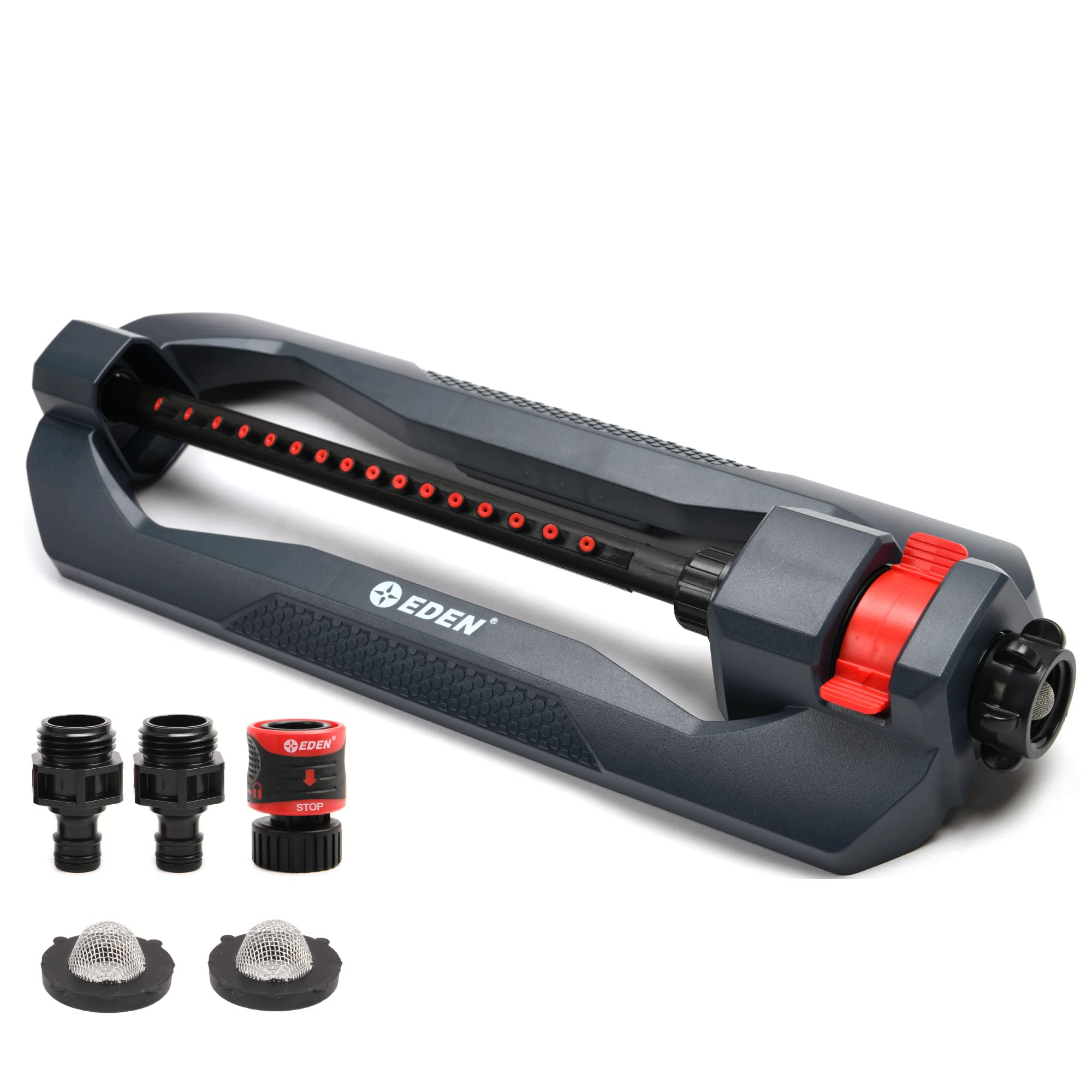
A versatile oscillating sprinkler with 16 precision nozzles, quick-connect, and adjustable range that handled my medium lawns reliably.
Why I picked it: Consistent, adjustable coverage with stable base and easy maintenance features.
Best for: Medium lawns, vegetable gardens, and flower beds that need even coverage.
An affordable option that punches above its price on features.
Pros
- Covers up to 3,600 sq ft
- 16 clog-resistant precision nozzles
- Sealed turbo drive motor
- Weighted, stable base
- Includes quick-connect starter pieces
Cons
- Mostly plastic body
- Limited control over sideways width
My take
I set this oscillator up in minutes and was impressed by the even spray across a wide rectangle. The sliding tabs make it easy to shorten or lengthen the run, and the 16 nozzles deliver a consistent pattern that soaked turf and beds with minimal dry spots.
The sealed turbo drive motor runs smoothly whether my tap is half open or fully on, and the extra-large base keeps the unit from tipping on uneven ground. I also appreciated the built-in nozzle cleaner — a small feature that saved me time when grit built up.
The quick-connect starter set is the kind of practical detail I use every day; it prevents hose twisting and lets me swap tools without shutting off water. My only real gripe is that I can’t dial back how wide the spray fans out sideways, so I had to be careful near fences and walkways.
2. Nelson Rain Train Traveling Sprinkler – Best for Large Yards
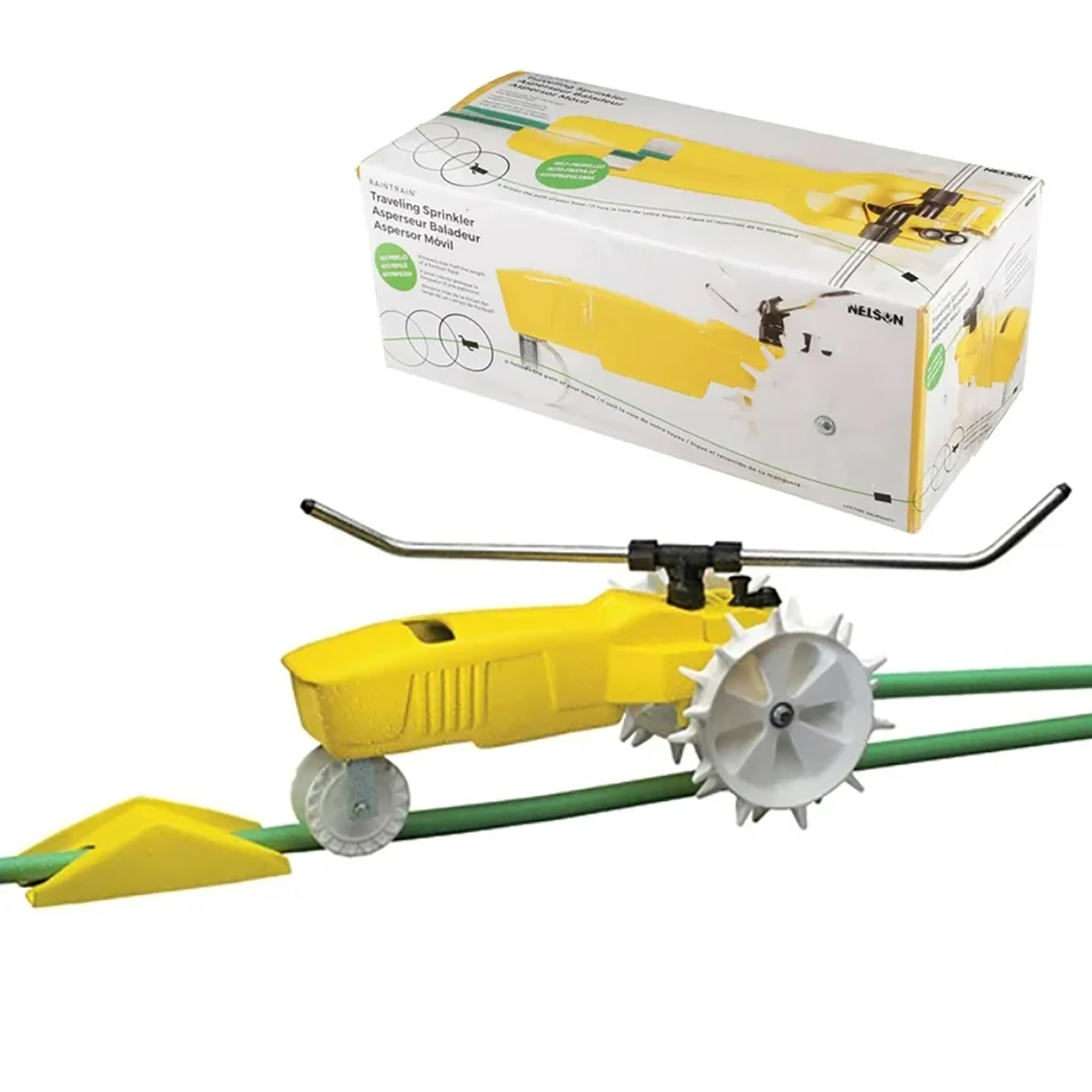
A heavy-duty traveling sprinkler that patrols long hose runs and soaks very large areas with adjustable speed settings.
Why I picked it: Unmatched coverage for long, open lawns and hands-off operation.
Best for: Large, open lawns where you want a set-and-walk-away solution.
A more expensive, long-term solution built for heavy use.
Pros
- Covers up to 13,500 sq ft
- Cast iron construction
- Three speed settings
- Auto shut-off ramp
- Adjustable spray diameter
Cons
- Heavy to carry
- Occasional gearbox maintenance
My take
When I need to water a very large area, this traveling sprinkler is the simplest option I own: I place it at the start of the hose, choose a speed, and it walks the length of my run while I work elsewhere.
The cast iron body feels indestructible compared with plastic tractors I’ve used. The adjustable spray arms let me fine-tune saturation, and the ramp shuts it off precisely at the end of the hose. I prefer a 5/8" hose for longer runs to reduce pressure loss.
It’s heavy, so I usually leave it in one spot during the season rather than carry it frequently. Expect occasional maintenance if you run it hard, but the payoff is big for yards where dragging a sprinkler around would be a chore.
3. Gilmour Circle Spot Sprinkler – Best Spot Sprinkler
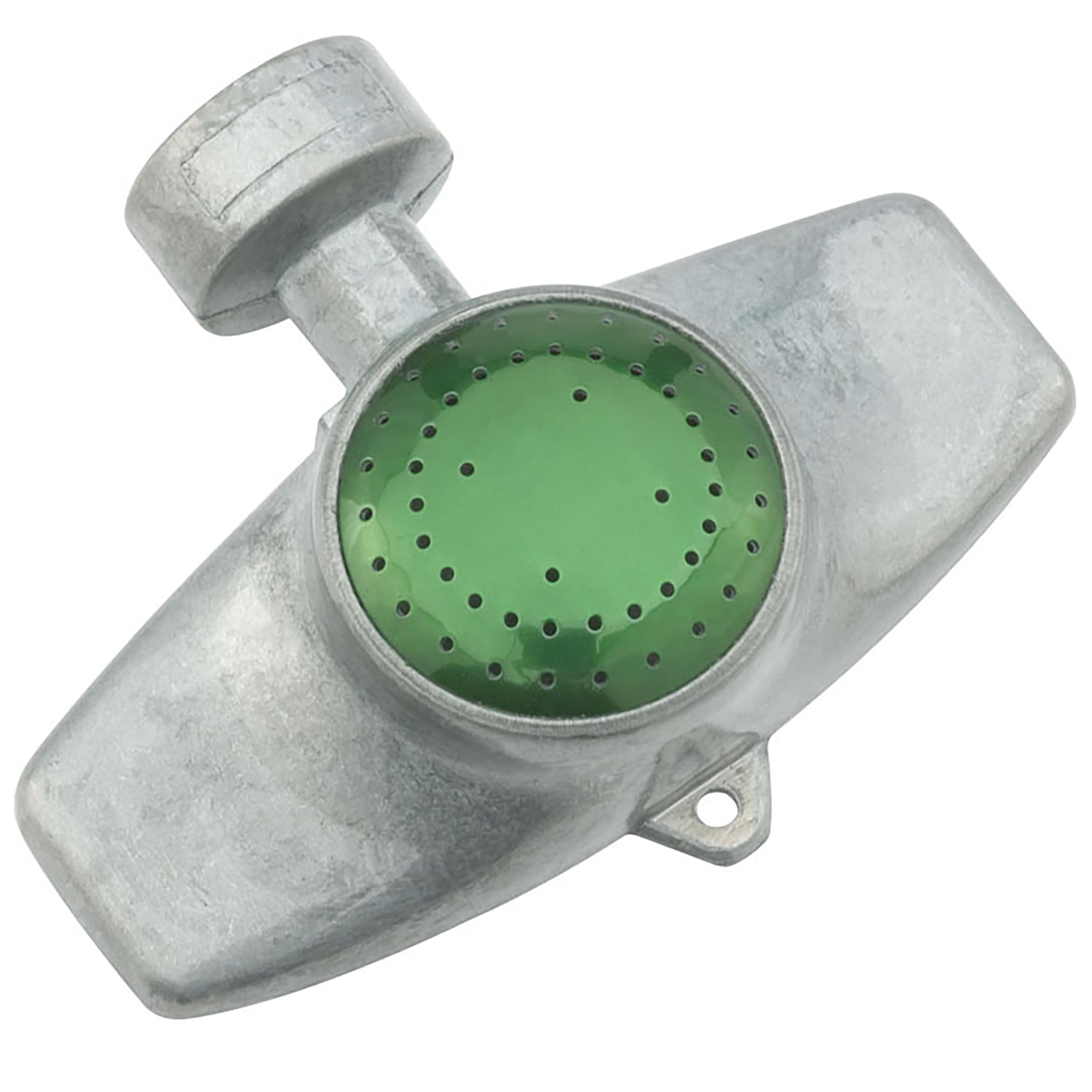
A simple metal spot sprinkler that delivers a gentle, fountain-like spray ideal for low-pressure situations and targeted watering.
Why I picked it: Sturdy metal build and a gentle stream that works in low pressure.
Best for: Small trouble spots, new seed, and low-pressure hookups.
A very affordable, no-frills choice for targeted watering.
Pros
- Metal construction
- 30 ft diameter coverage
- Gentle fountain-like spray
- Works in low pressure
- Simple and reliable
Cons
- Small area requires moving for large lawns
- Not adjustable beyond pressure control
My take
I reached for this Gilmour head when parts of my lawn were struggling during a drought and my in-ground pressure was low. It sat where I put it and produced a steady, gentle spray that soaked the turf without blasting seedlings.
Because it’s metal and reasonably heavy, it stayed put on my slope better than cheap plastic models. I like that it’s simple: no gadgets, just a dependable circular pattern that I can move where needed.
If you need to cover larger areas you’ll be shifting it often, but for spot treatment and small beds this is the quickest reliable solution I keep on hand.
4. Hourleey 360° Metal Spot Sprinkler (2-Pack) – Best Value Pack
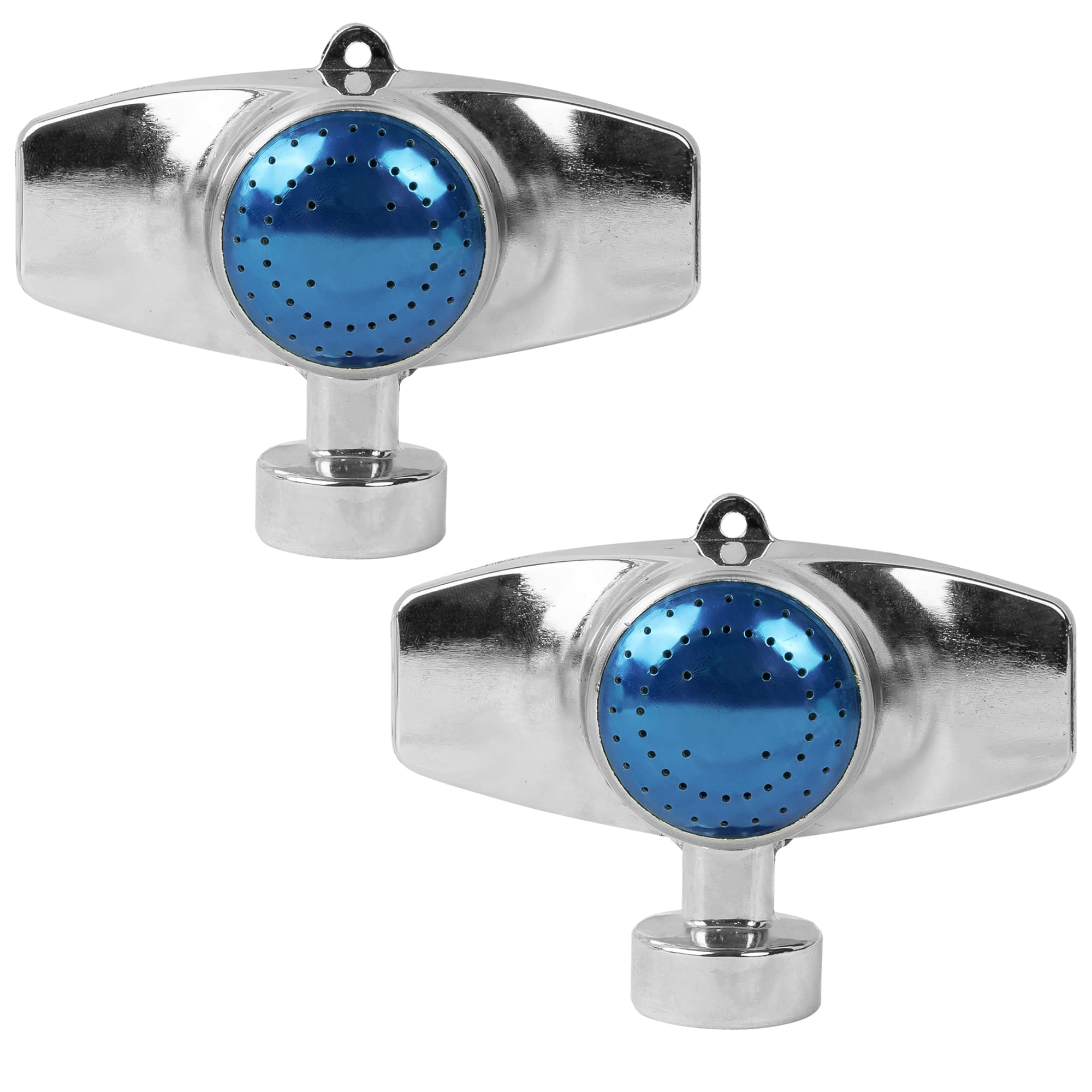
A two-pack of solid alloy metal sprinklers that give 360-degree coverage and work well in townhomes and small yards.
Why I picked it: Durable metal heads plus two units make small-area coverage effortless.
Best for: Townhomes, flower beds, and small lawns needing repeated spot coverage.
A budget-friendly multi-pack that stretches value.
Pros
- Solid alloy metal construction
- 360° coverage up to 30 ft
- Includes O-ring connectors
- Polished, rust-resistant finish
- Works across broad PSI range
Cons
- Not for very large lawns
- Performance depends on water pressure
My take
I like having two of these in the shed: one for the front beds and one for the back patio planters. The metal construction feels tougher than plastic heads I’ve replaced in past seasons.
They cover a surprising spread for their size, and I routinely chain two in series when I need an oval coverage. The O-ring connections sealed cleanly for me and kept leaks to a minimum.
These are straightforward tools — no moving parts to fail and a long service life if you rinse grit out occasionally. Their effectiveness does scale with water pressure, but that’s true of any circular sprinkler.
5. SYOOY 360° Metal Spot Sprinkler – Best Budget Single
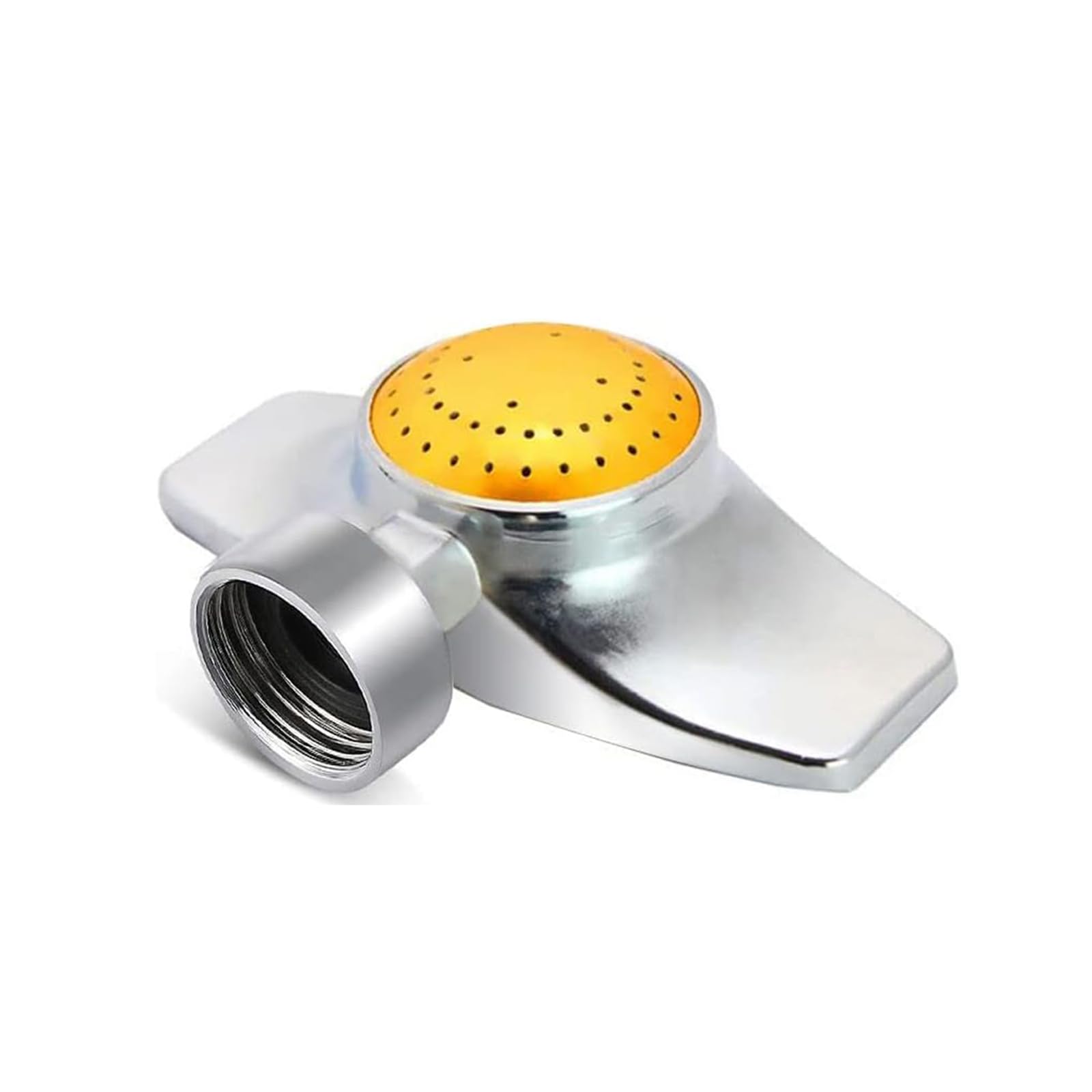
A very affordable single metal spot sprinkler that’s easy to attach and great for small garden plots and container gardens.
Why I picked it: Simple, metal construction that reliably waters small areas without fuss.
Best for: Single beds, patios, and gardeners who want a spare, inexpensive head.
Cheapest single unit on my list—great for backups.
Pros
- Heavy-duty metal body
- Up to 30 ft coverage
- Easy hose attachment
- Even, water-saving spray
- Suitable for many garden uses
Cons
- Could be heavier for extra stability
- May need anchoring in soft soil
My take
I bought this as a low-cost option to water a small backyard plot and found it more capable than its price suggests. It screws onto a standard garden hose and responds predictably when I adjust faucet pressure.
The spray is even and gentle enough for seedlings, and the metal finish has held up to sun and seasonal use. I do sometimes add a small stake in loose soil so it doesn’t shift under stronger flows.
For anyone who needs a simple single head that won’t break the bank, this SYOOY piece is the sort of unit I recommend keeping in a tool bin.
How I Choose the Right Sprinkler for Your Yard
Match sprinkler type to your yard shape
I always start by matching the sprinkler type to the shape and size of the area I need to water. Oscillating sprinklers suit rectangular lawns, traveling sprinklers handle long runs and large open areas, and circle-pattern heads work best for small beds and spot treatments.
If I have a mix of zones, I combine types — a traveling sprinkler for the open lawn and metal spot heads for borders and beds.
- Rectangular lawns: oscillating sprinkler for even strips
- Long, narrow yards: traveling sprinkler for set-and-forget coverage
- Small beds or low pressure: metal circle-pattern spot heads
Consider water pressure and hose size
I check my water pressure before deciding. Low-pressure setups do better with metal spot sprinklers or slower oscillators; long hose runs need wider diameter hoses to avoid pressure loss.
For traveling sprinklers I use a 5/8" hose when possible so the unit moves smoothly and delivers the intended coverage.
- Low pressure: choose spot sprinklers designed for weak flow
- Long runs: use 5/8" hose to reduce pressure drop
- Adjust spray by controlling faucet pressure
Prioritize materials and maintenance
I prefer metal construction for long-term durability in spot heads, and heavier bases or cast iron bodies for traveling units. Plastic oscillators can perform well but may wear faster in sun and heavy use.
A unit with simple service features — nozzle cleaners, sealed motors, or replaceable O-rings — saves me time over the season.
- Metal heads last longer than cheap plastic
- Weighted or cast-iron bases improve stability
- Look for replaceable seals and easy-to-clean nozzles
Think about control and convenience
I favor sprinklers with easy adjustments — sliding tabs, adjustable spray arms, or clear speed settings — so I can dial in coverage without guesswork. Quick-connect fittings and swivel connectors make tool changes painless.
If I plan to leave a unit running unattended, automatic shut-off ramps or reliable stop features are essential.
- Adjustable settings for targeted watering
- Quick-connects prevent hose twisting
- Auto shut-off ramps for safe unattended use
Frequently Asked Questions
Which sprinkler should I use for a very large lawn?
For very large, open lawns I opt for a traveling sprinkler. I set it on the hose, pick a speed, and let it patrol the length of the run — it soaks areas evenly without constant moving.
Can metal spot sprinklers work with low water pressure?
Yes. I regularly use metal circle-pattern heads in low-pressure situations because they deliver a gentle, fountain-like spray that still wets roots without needing high PSI.
How do I avoid leaks where the sprinkler meets the hose?
I tighten connections carefully, use O-ring–equipped fittings where available, and swap in stainless or quality rubber washers. Quick-connect sets with good seals also stop twisting that can cause leaks.
Final Take
I keep a mix of these sprinklers in my shed because no single option works for every corner of a yard. The Eden oscillating model covers most of my weekly needs, the Nelson Rain Train handles the big, open stretches, and metal spot heads solve low-pressure and tight-area tasks.
Pick the type that matches your landscape shape and water pressure, and you’ll spend less time moving gear and more time enjoying a healthy lawn.
