
I tested a range of garden stakes — metal staples, tall stakes, bamboo, and adjustable supports — and I share which I reach for depending on plant type, soil, and budget.
I rely on a few different types of stakes in my garden depending on the task: landscape staples to pin fabric and tubing, tall metal stakes for tomatoes and roses, bamboo for potted plants, and adjustable stakes with clips for delicate indoor specimens.
Over several seasons I tested quantity packs and mixed kits so I could see how each option handled real conditions — clay beds, loose raised mix, wind, and repeated use.
Below I explain which stake I use for specific jobs and why, so you can pick the right type and avoid hassles in the garden.
I group stakes by function: U-shaped landscape staples for anchoring materials, long metal or plastic-coated tubes for tall plants, natural bamboo for pots and seedlings, and adjustable fiberglass stakes for tidy indoor support. I recommend choosing based on where you need strength, height, and how permanent the installation should be.
1. HongWay 6″ 11-Gauge Landscape Staples – Best for Anchoring Fabric
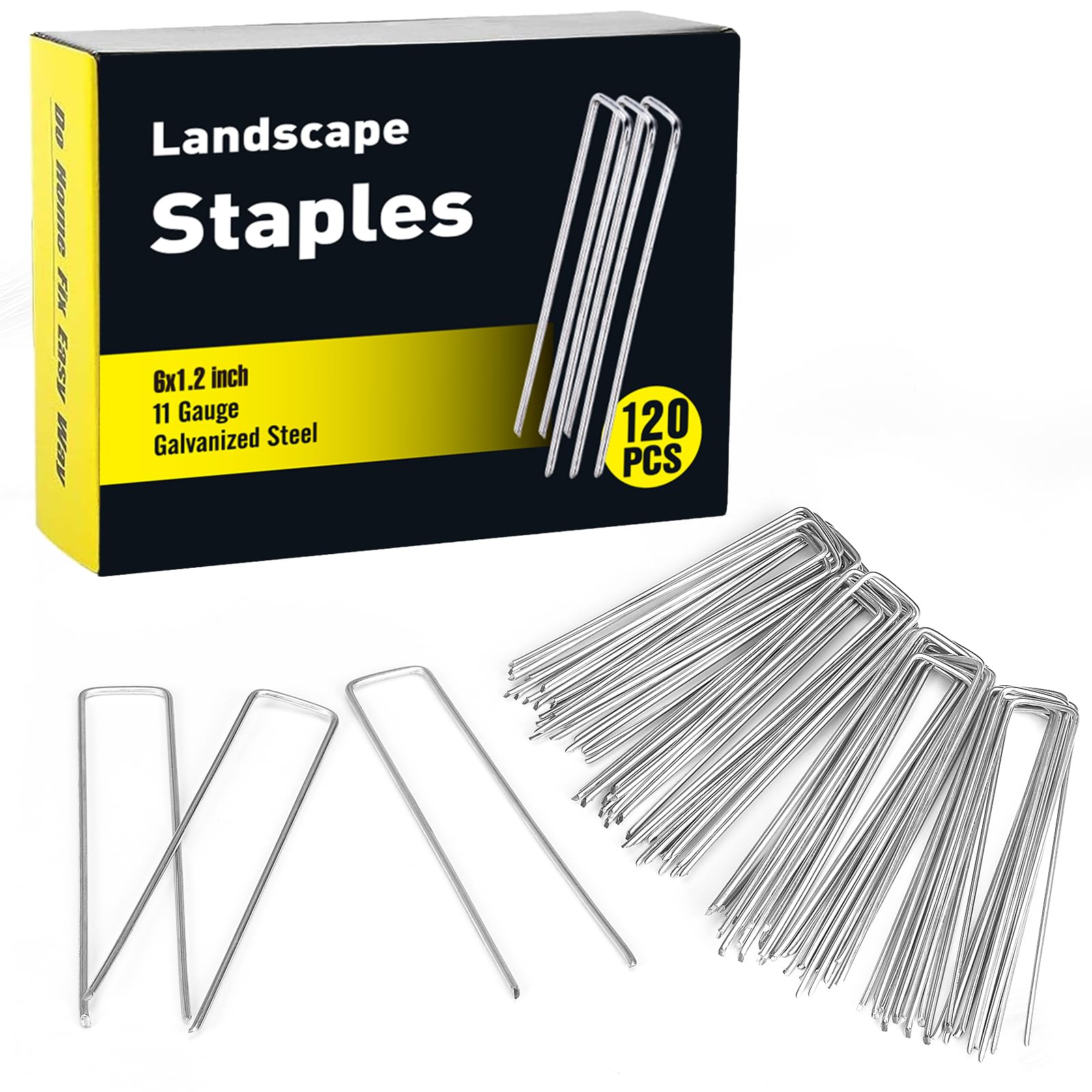
A 120-pack of 6-inch, 11-gauge galvanized U-shaped staples designed to hold down landscape fabric, hoses, and temporary structures.
Why I picked it: I grabbed these for bulk anchoring jobs because the 11-gauge wire is stout and the 120 count keeps a steady supply on hand.
Best for: Securing landscape fabric, irrigation tubing, weed barriers, and tent or décor bases.
Excellent value for large projects where quantity matters.
Pros
- I found them very sturdy in normal soil
- I like having a large 120-pack on hand
- I appreciate the galvanized rust resistance
Cons
- I avoid pounding them into solid rock
- I found them less effective in extremely compacted earth
My take
I use these staples when I need to pin down landscape fabric and irrigation tubing; the 6-inch length gives good hold in most beds.
The beveled ends make them easy to push into turf and the 11-gauge wire doesn’t bend under normal pressure, so I don’t worry about them kinking while I work.
Galvanization has held up through wet seasons in my garden, and I especially like the quantity — I tend to run through dozens when installing drip lines or securing ground cover.
For very rocky or concrete-hard soil I swap to a heavier anchor or pre-drill, but for gravelly loam and clay these staples do the job reliably and affordably.
2. Sunnyglade 48″ Plant Stakes – Best for Very Tall Plants
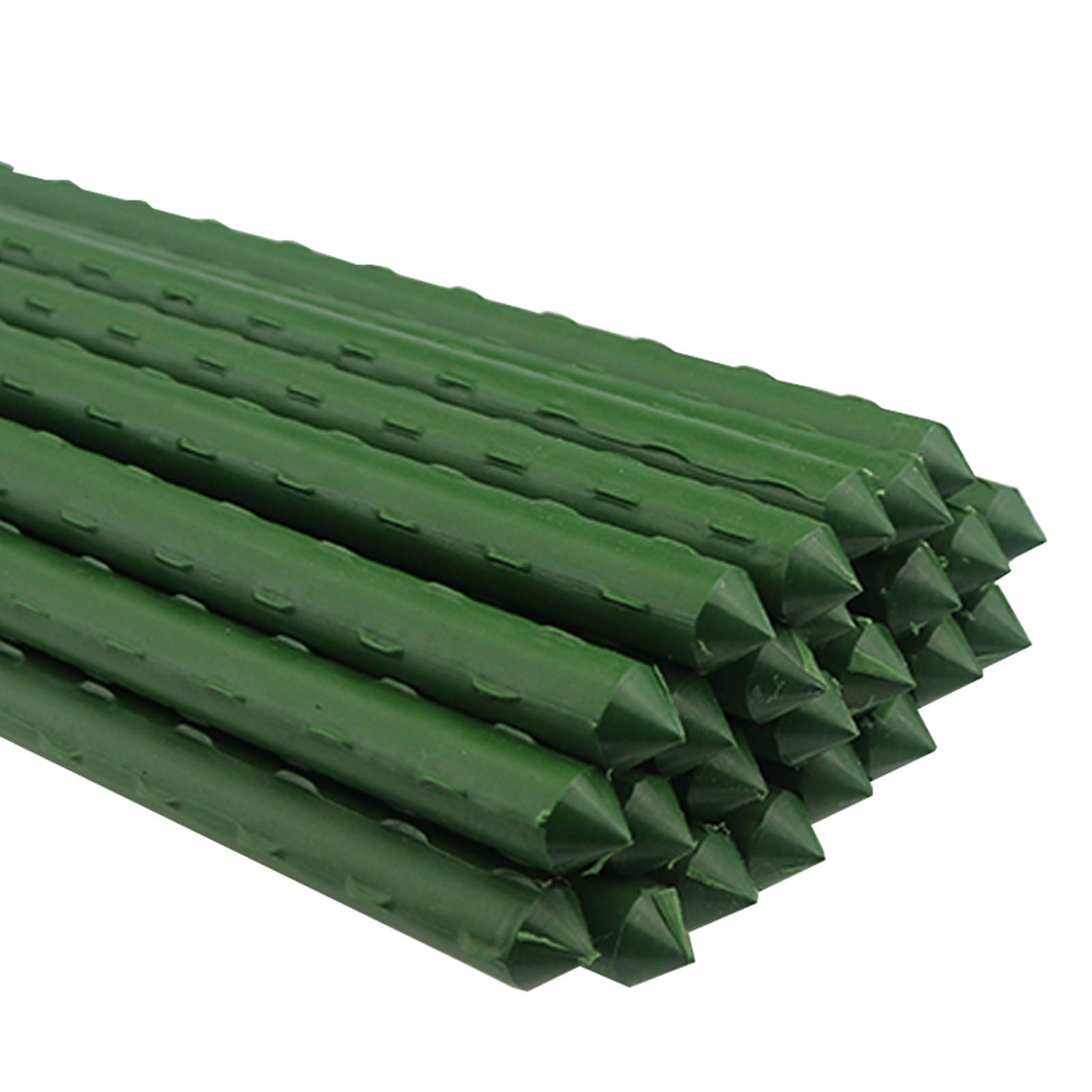
Fifty 48-inch stakes with a green plastic coating over a rigid core, designed for tomatoes, roses, and tall potted plants.
Why I picked it: I chose these when I needed height and a discreet, green finish that blends into foliage.
Best for: Tall tomatoes, roses, wind-prone shrubs, and creating makeshift trellises in larger beds.
Bulk pack reduces per-stake cost, making them an economical choice for large plantings.
Pros
- I like the tall reach for tomatoes and roses
- I appreciate the green coating that hides in foliage
- I found the sharpened tips help insertion
Cons
- I noticed some are mostly plastic-wrapped, not solid metal
- I bury about a foot for reliable stability
My take
I use these 48-inch stakes when I need height without fuss — they’re long enough to support full-size tomato plants and tall flowering shrubs.
The plastic coating blends into my beds and reduces visual clutter; there’s enough rigidity to drive them partially in with a hammer if I need extra anchoring.
On tougher soil I make sure to sink at least a foot for a firm base. I’ve repurposed them for temporary fence reinforcement too, which speaks to their versatility.
A quick note from my testing: a few look mostly plastic on the surface but contain a rigid core, so they balance affordability with surprising strength.
3. WAENLIR 48″ Garden Stakes – Best for Climbing Plants
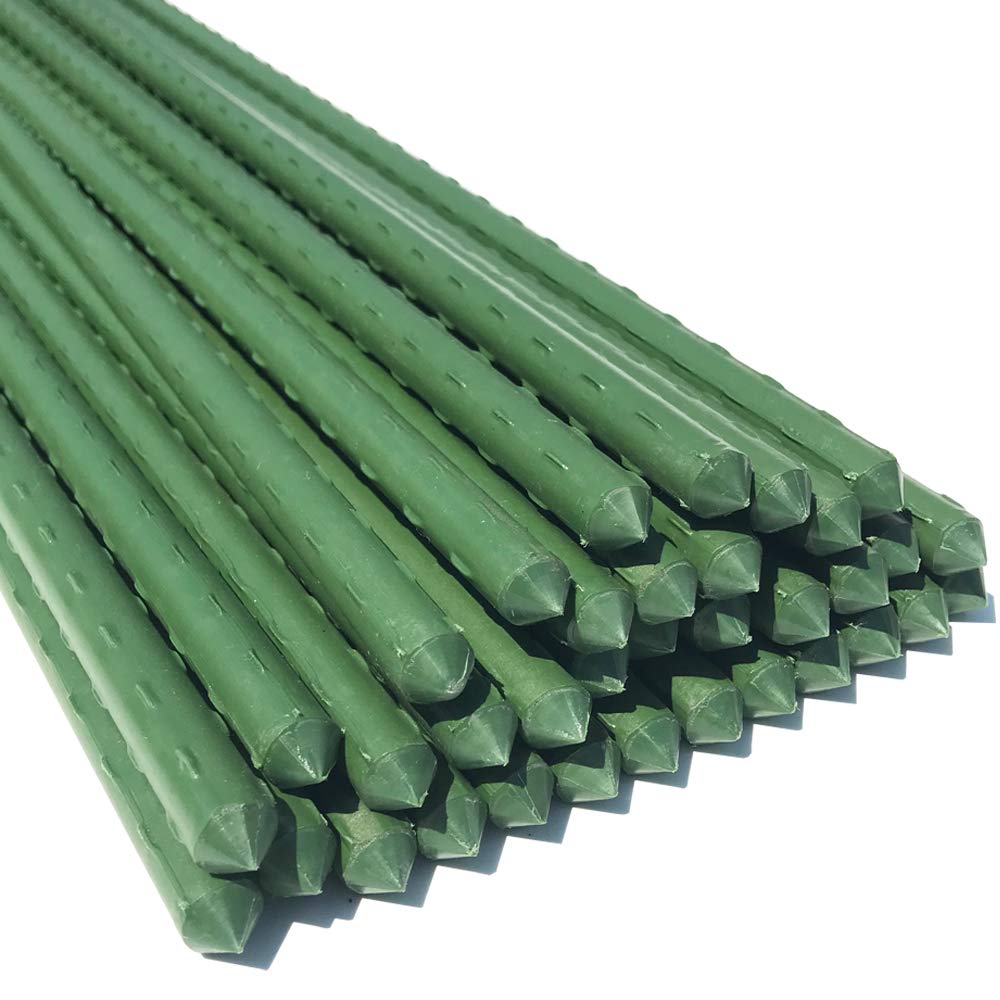
Thirty 48-inch plastic-coated steel stakes with a ridged surface to help climbers and vines grip as they grow.
Why I picked it: I picked these for training climbers and building tepees because the ridged texture helps tendrils catch and climb.
Best for: Pole beans, cucumbers, climbing peas, and DIY trellises or teepees.
Solid mid-range value for reusable metal stakes.
Pros
- I like the ridged surface for plant grip
- I found them durable and reusable
- I can cut them to the exact length I need
Cons
- I warned friends they can bend if forced too hard
- I sometimes need to avoid roots when pushing them in
My take
I rely on these 4-foot stakes for building bean tepees and guiding young vines; the ridged surface makes a real difference when plants are learning to climb.
They’re plastic-coated steel, so they won’t rot like bamboo and they last season after season in my beds.
I do take care inserting them — too much brute force can bend a stake — but otherwise they’re easy to trim and position where I need structure.
When I want tidy, long-term support for climbers these stakes are my go-to because they combine durability with a plant-friendly surface.
4. Pllieay 16″ Bamboo Stakes – Best for Small Pots & Crafts
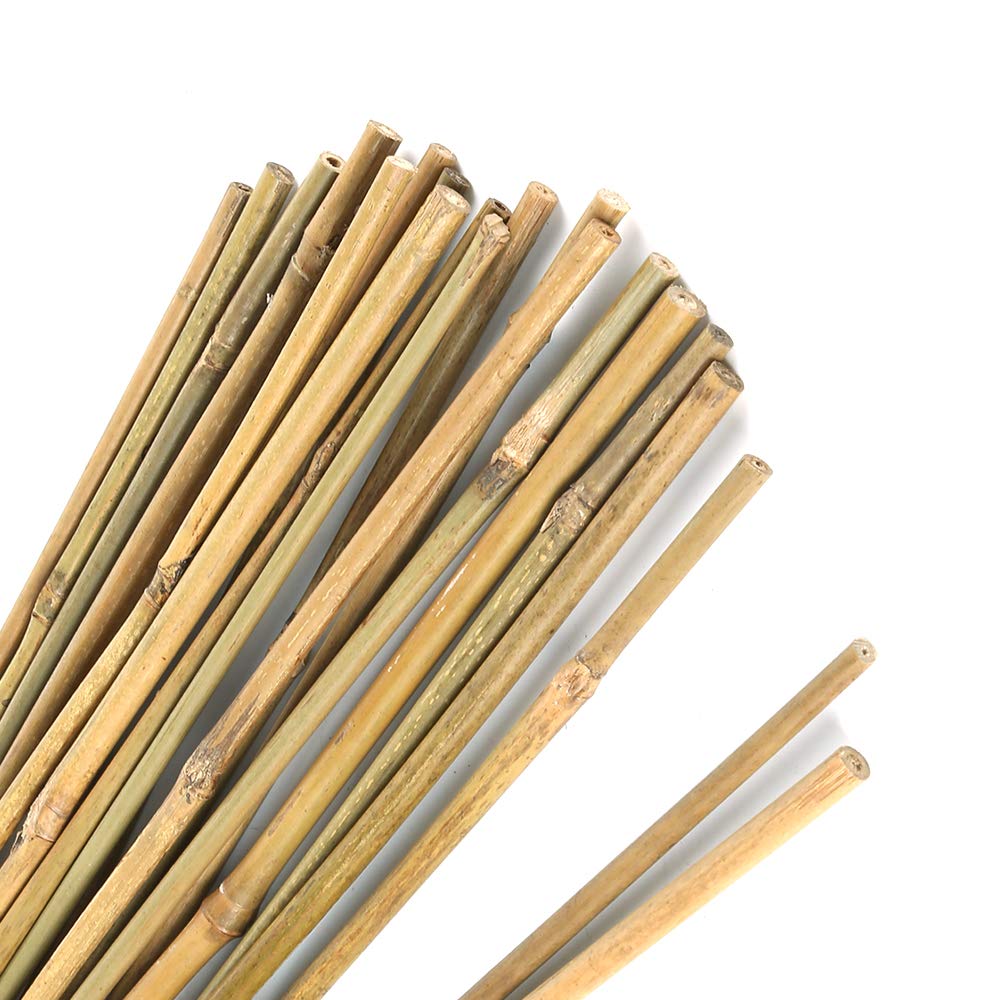
Twenty 16-inch bamboo stakes that are lightweight, easy to cut, and ideal for potted plants, seedlings, and craft projects.
Why I picked it: I keep a bundle of these handy for small pots and for craft uses where a natural look matters.
Best for: Orchids, small potted plants, seedlings, and garden crafts.
Very affordable option for small-scale support and DIY projects.
Pros
- I like that they’re light and easy to trim
- I found the natural finish attractive
- I used them successfully for craft projects
Cons
- I noticed slight bending on some pieces
- I wouldn’t use them for heavy, tall plants
My take
I use these 16-inch bamboo stakes for potted orchids and small seedlings; they provide gentle support without taking over the pot.
Their natural look works well for indoor displays and school projects, and they cut cleanly with a fine saw when I need a custom length.
Bamboo can have a little flex, which I actually like for delicate stems because it allows movement without snapping.
For anything larger or exposed to strong wind I move up to a stiffer metal or fiberglass stake, but for tabletop plants these are perfectly suited and inexpensive.
5. Natural 18″ Bamboo Plant Stakes – Best Classic Bamboo
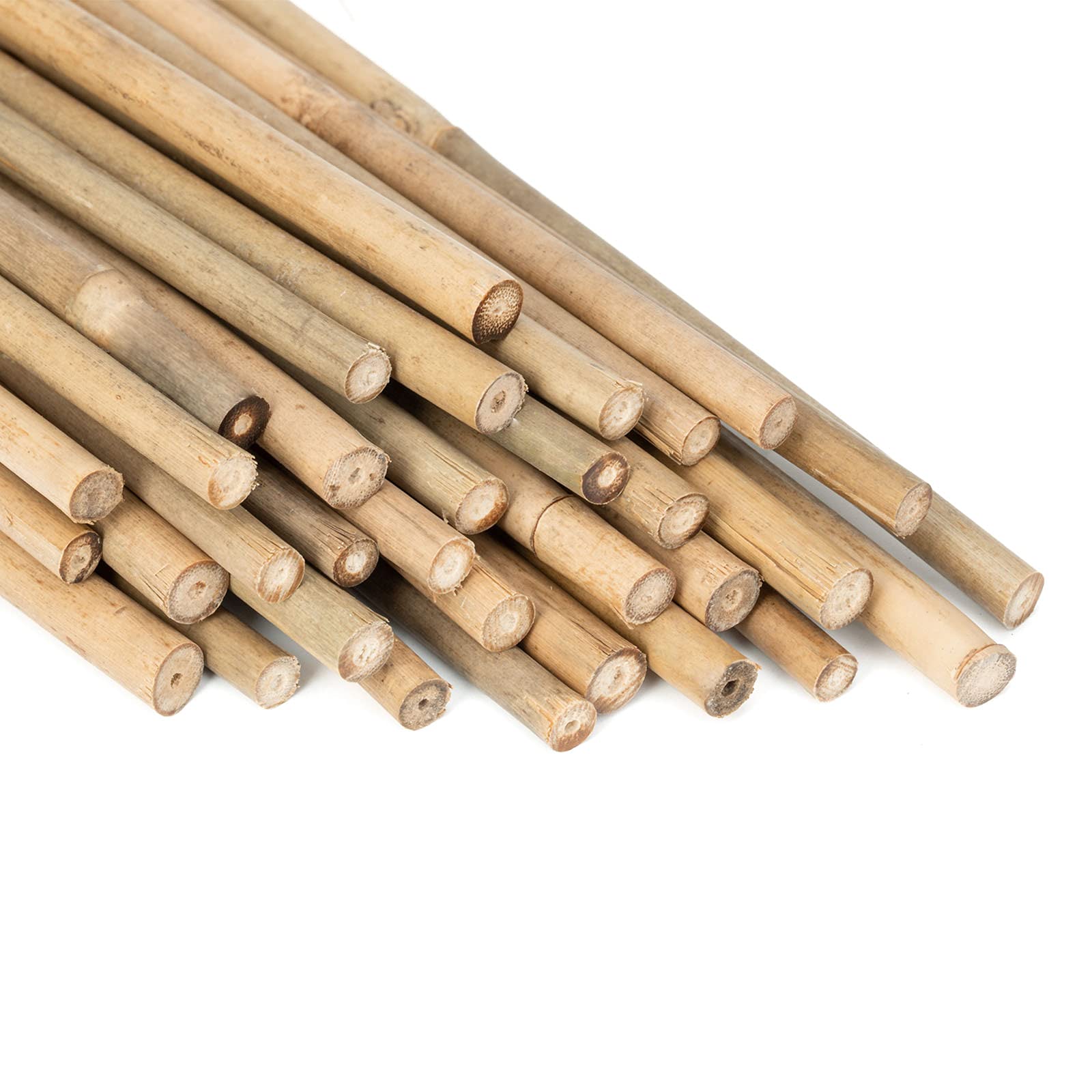
Twenty 18-inch handmade bamboo sticks that are eco-friendly, rot-resistant, and supplied with ties for basic plant support.
Why I picked it: I reach for these when I want a taller bamboo option with a classic look and included ties.
Best for: Young tomatoes, potted vegetables, decorative garden accents, and straightening stems.
Affordable and aesthetically pleasing for visible plantings.
Pros
- I found them sturdy and rot resistant
- I like the included ties for immediate use
- I appreciate the natural garden look
Cons
- I found occasional imperfect pieces in a pack
- I wouldn’t rely on them for very heavy stems
My take
I use the 18-inch bamboo sticks when I want a tidy, natural support that won’t distract from my plants.
They’re hand-selected and feel solid; I’ve used them successfully on young tomato plants and tall houseplants that need modest straightening.
The included ties are a nice touch for immediate use, and the sticks cut cleanly if I need shorter lengths.
If you want something decorative and functional for moderate loads, these Bamboo stakes are a simple, effective choice — just inspect a pack for any odd short pieces.
6. SupKing Adjustable Plant Stakes with Clips – Best for Adjustable Support
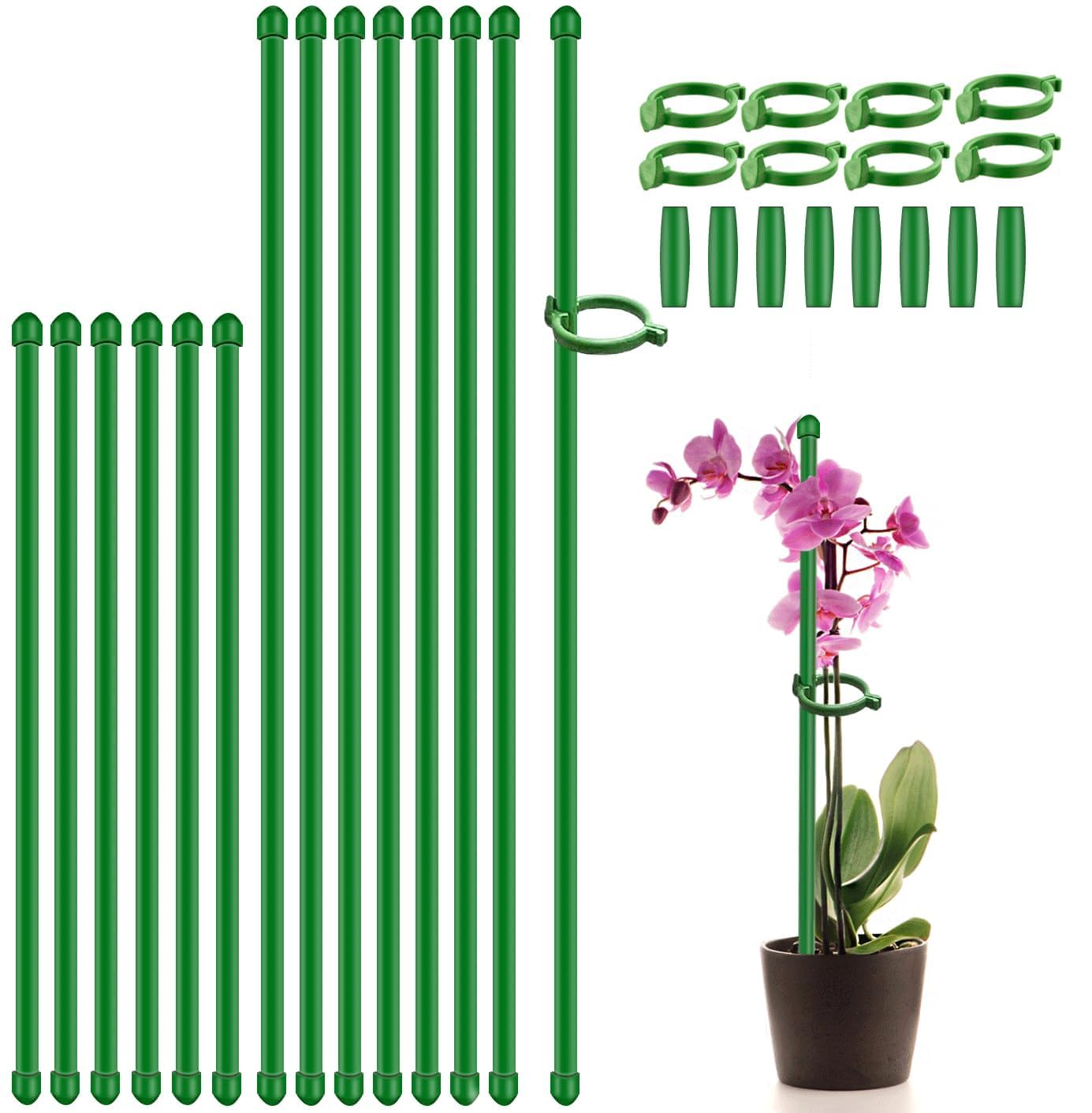
A kit of 16 fiberglass stakes in two lengths with connectors, moveable ring buckles, clips, and ties for adjustable plant support.
Why I picked it: I value the adjustable length and the movable buckles that let me tailor support as plants grow.
Best for: Indoor herbs, orchids, leggy houseplants, and potted vegetables that need subtle, invisible support.
Budget-friendly multi-piece kit for flexible indoor and patio use.
Pros
- I like the adjustable connectors for customized height
- I found the buckles gentle on stems
- I appreciate the included ties and clips
Cons
- I noticed the end caps make larger holes in potting mix
- I sometimes wish the caps were slimmer for root care
My take
I use these adjustable stakes for indoor and patio plants when I want support that nearly disappears among foliage.
The connectors are easy to join and the movable ring buckles let me change the support point as stems thicken.
They’re fiberglass so they don’t rot or rust, and the kit’s mix of lengths covers most potted-plant needs without clutter.
My only gripe is that the caps can leave a wider hole in very small pots, so I take care inserting and removing them to avoid disturbing roots.
How I Choose Garden Stakes
Match material to the job
I pick galvanized metal staples and steel stakes for heavy anchoring and long-term outdoor use because they resist bending and rotting.
For decorative potted plants and craft projects I go with bamboo or coated stakes that blend in and are easier to trim.
Fiberglass and plastic-coated options are my choice for indoor and humid environments where rot or rust would be a problem.
- Galvanized steel: best for anchoring fabric, hoses, and heavy outdoor use.
- Plastic-coated steel: blends visually and resists corrosion.
- Bamboo: eco-friendly and ideal for small pots and displays.
- Fiberglass: rot-proof, discreet, and adjustable for indoor plants.
Think about length and gauge
I always consider how much needs to be buried versus how much should stick up. For tomatoes I typically want at least a foot in the ground.
Heavier stems require thicker stakes or higher-gauge wire; thin stakes are fine for seedlings but not for mature plants in wind-exposed spots.
- Short stakes (6–18 inches): best for small pots and seedlings.
- Medium stakes (2–4 feet): good for many vegetables and flowers.
- Tall stakes (4+ feet): necessary for indeterminate tomatoes, roses, and climbing vines.
Installation and maintenance tips I use
I pre-set stakes in compacted or rocky ground by drilling or using a pilot hole to avoid bending.
I tie stems loosely with soft garden ties and move fastenings as plants grow to prevent girdling.
I store metal and bamboo stakes dry and upright to prolong life.
- Drive stakes steadily; don’t force them to avoid bending.
- Use soft ties or velcro to protect stems.
- Inspect and replace weathered stakes before the next season.
Frequently Asked Questions
Which stake should I use for landscape fabric?
I use U-shaped galvanized landscape staples for fabric and irrigation lines because they sit flush and resist rust.
Can bamboo stakes be reused?
I reuse bamboo stakes when they remain solid; I replace any that show splitting or rot for safety.
How deep should I insert tall stakes?
I generally sink at least one-third of the stake length into the ground, and for windswept areas I aim for closer to half.
Final Take
I keep a small variety of stakes in my shed — a bulk box of staples, a set of tall coated stakes, a pack of bamboo, and an adjustable kit — so I’m ready for any support task.
Think about the plant’s size, the soil type, and whether you want the support to be visible or discreet. With the right stake, staking becomes a quick, repeatable step that keeps plants healthy and tidy.
