
I tested sun-and-shade turf mixes, true shade formulas, cat grass, and an artificial turf option so you can pick the right solution for shady lawns, quick patches, or indoor pets.
I spent time seeding, watering, and living with these products so I could recommend what actually works when sunlight is limited. Shade lawns, quick patch jobs, indoor cat grass and even a synthetic turf runner made the cut.
This roundup shows which mixes germinate fast, which handle deep shade, which give the best value per square foot, and which seeds I use specifically for cats. I focused on ease of establishment and realistic expectations for shady sites.
If I need large coverage and versatility, I reach for the 50 lb Scotts Professional bag. For speed on small areas I use the Scotts Rapid Grass formula. When grass has only a few hours of sun, Pennington’s Dense Shade mix is my go-to. For indoor greens or hairball help, I stock one of the wheatgrass or barley/oat blends. If I want evergreen-looking greenery with zero maintenance, I choose the iCustomRug synthetic turf.
1. Scotts Professional Sun & Shade Turfgrass Seed – Best Overall
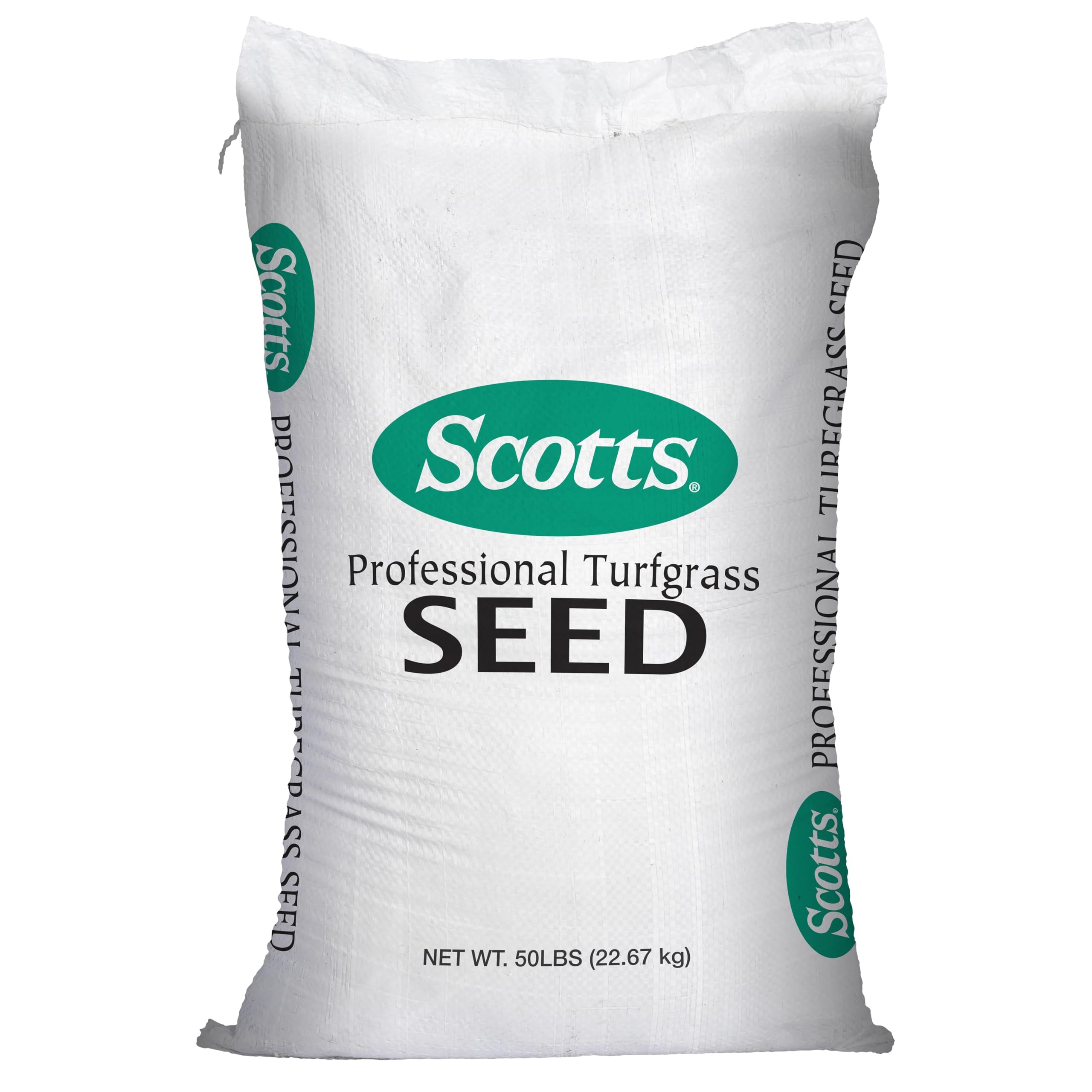
A large, uncoated sun-and-shade mix that covers a lot of ground and establishes quickly when cared for properly.
Why I picked it: I picked it for large projects because the 50 lb bag covers thousands of square feet and the seed is uncoated and weed-reduced.
Best for: Big yards that have both sunny and shady areas.
Large-bag value for big projects; higher up-front cost per bag but economical per square foot.
Pros
- Huge coverage per bag
- Uncoated seed, 99.9% weed free
- Germinates in about 5–10 days
- Works in both sun and shade
Cons
- Can look thin at first
- Requires initial daily watering
My take
I used the 50 lb bag to overseed and establish new areas across mixed light conditions in my yard. At the application rate the manufacturer recommends, a single bag really does stretch to a lot of square footage, so it’s ideal for big projects.
After I spread seed and kept the soil moist, I saw sprouts within a week to ten days. Because the mix is uncoated, the seedlings establish quickly when properly watered, though new growth can look a little thin until the stand matures.
For best results I seeded in spring and fall, kept the soil surface consistently damp until the grass reached about 2 inches, and used a light rake and rolling to improve seed-to-soil contact. If you follow those steps, this mix is dependable across both sun and shade.
2. Scotts Turf Builder Rapid Grass Sun & Shade Mix – Best for Fast Establishment
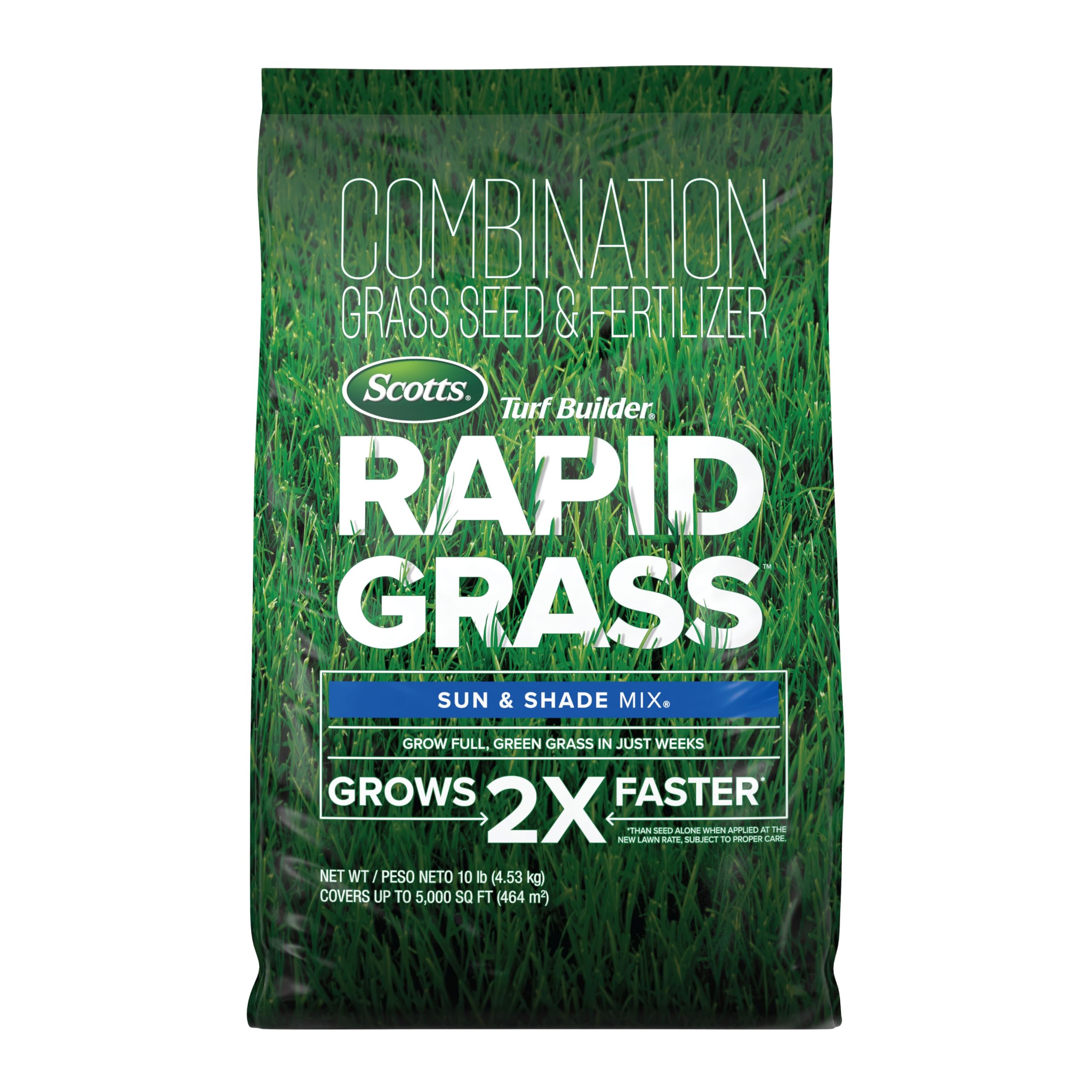
A seed-plus-fertilizer formula designed to accelerate germination and green-up on new lawns or repair patches.
Why I picked it: I picked this when I needed visible green quickly—seed and starter fertilizer in one simplifies the first few weeks.
Best for: Small new lawns and quick patch repairs where speed matters.
Smaller bag size but accelerates results; good for targeted patching rather than large jobs.
Pros
- Seed plus starter fertilizer
- Greens up faster than seed alone
- Good seed blend for varied light
- Easy to apply with a spreader
Cons
- Smaller coverage per bag
- Needs consistent watering to perform
My take
I gravitated to this mix for quick fixes and overseeding problem spots. The fertilizer in the bag makes the seedlings push green faster than plain seed when I applied it at the new lawn rate.
In my experience the lawn filled in noticeably sooner than with seed-only products, provided I followed a strict watering schedule. It’s especially helpful when I want a fast visual improvement.
This is not the most cost-effective choice for very large areas, but for lawns that need rapid establishment or for homeowners who want quicker results, it’s one of the most reliable options I’ve used.
3. Todd’s Seeds Wheatgrass (Cat Grass) 1 lb – Best for Indoor Cats
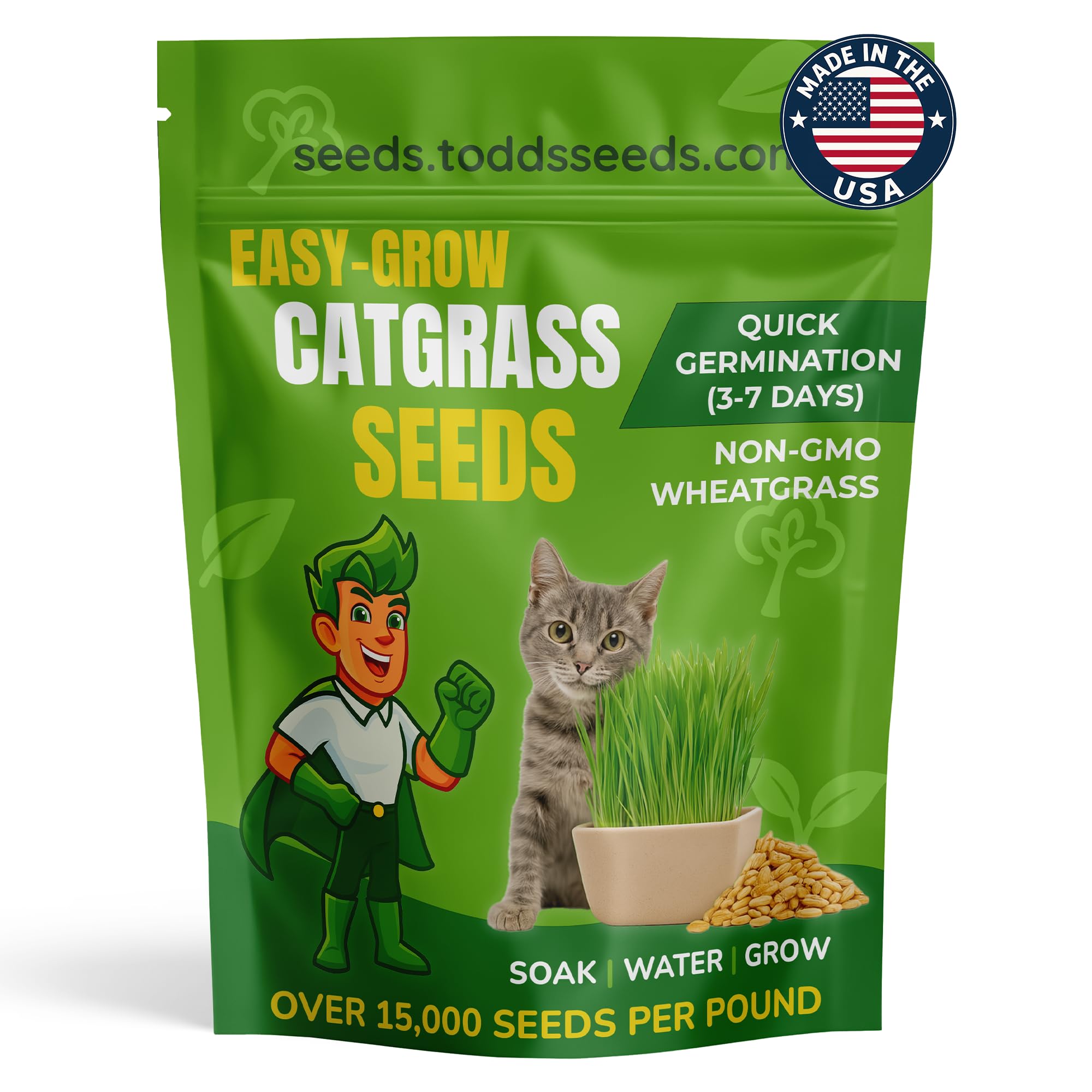
A full pound of chemical-free wheatgrass seed that germinates fast and produces many trays for indoor cats.
Why I picked it: I picked Todd’s because the seed lot feels fresh, is pet-safe, and one pound goes a long way for repeated plantings.
Best for: Indoor pet owners who want reliable, pesticide-free cat grass.
Excellent value for repeated indoor plantings; large seed quantity per bag.
Pros
- 100% chemical-free and non-GMO
- High germination, quick sprout
- Plenty of seed for many trays
- Grown and packed in USA
Cons
- Not intended for lawn repair
- Needs pots or trays to grow indoors
My take
I grow this in small trays on a windowsill and routinely have lush wheatgrass in under a week. The seeds sprout reliably and produce dense clumps that my cats can nibble without me worrying about pesticides.
Because the bag contains a pound of seed I plant in rotation and keep fresh pots available. The ease of growing and the consistent germination are the reasons I keep restocking this pouch.
4. Rose & Branch Organic Hard Red Wheatgrass – Best Organic Cat Grass
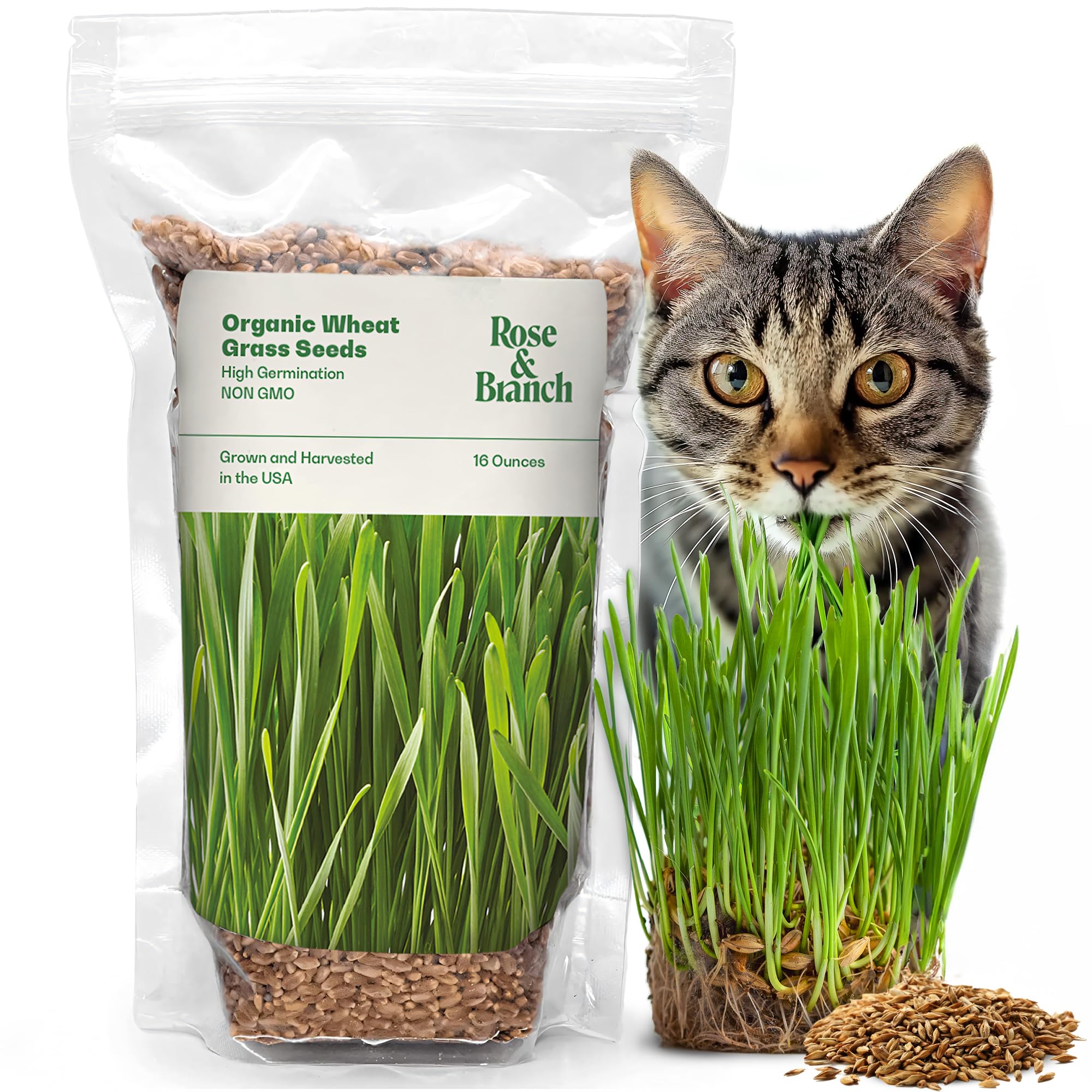
Certified organic, non-GMO wheatgrass that sprouts in about 4–7 days and comes in a resealable bag.
Why I picked it: I picked the organic option when I wanted an all-natural feed for pets and a resealable bag that stays fresh.
Best for: Owners who prioritize organic, pesticide-free greens for pets and juicing.
A touch more premium for organic certification, still good value for regular plantings.
Pros
- US-grown organic seed
- Fast 4–7 day germination
- Resealable bag for storage
- Safe for multiple species
Cons
- Requires potting soil and containers
- Needs regular refreshing
My take
I plant this organic wheatgrass in small pots and get a reliable crop within a week. The resealable bag keeps remaining seed fresh, which matters when I plant only a few trays at a time.
My cats gravitate to the pots right away, and I’ve also used a portion for juicing when I want a fresh wheatgrass shot. It’s simple to grow and provides a clean, organic green for pets and people alike.
5. Pennington Smart Seed Dense Shade Mix – Best for Deep Shade
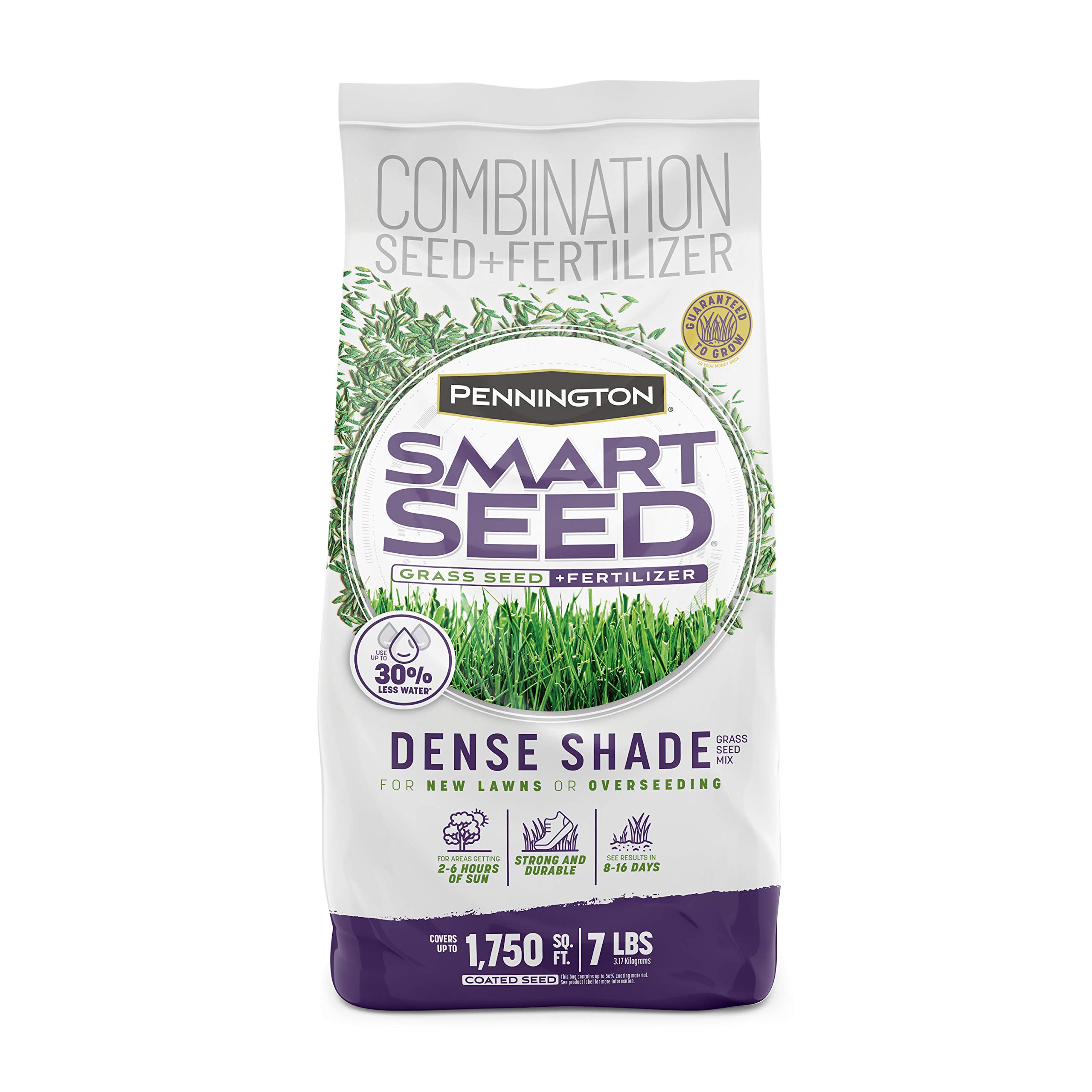
A Tall Fescue/Fine Fescue blend bred to thrive on lawns that only get a couple hours of sun.
Why I picked it: I picked this for the deepest shade areas because its fescue blend tolerates low light and conserves water once established.
Best for: Lawns with 2–6 hours of sunlight or heavy tree shade.
Performance-focused; slightly more investive per bag for shade-specific genetics.
Pros
- Formulated for low-light conditions
- Drought-tolerant once established
- Disease and traffic resistant
- Fertilizer-enhanced seed coat
Cons
- Slower to establish than sun mixes
- Smaller coverage per bag
My take
I used this mix under a heavy tree canopy and on the north side of my house where grass had never taken. It took longer to sprout than a full-sun mix, but when it did the seedlings persisted where others failed.
I recommend raking away old needles, keeping the seed surface moist, and using a light mulch (peat moss or similar) to protect seeds from birds and drying out. Once the fescues take hold they required noticeably less water than my full-sun lawn.
6. HOME GROWN Barley & Oat Cat Grass Mix 6 oz – Best Cat Grass Blend
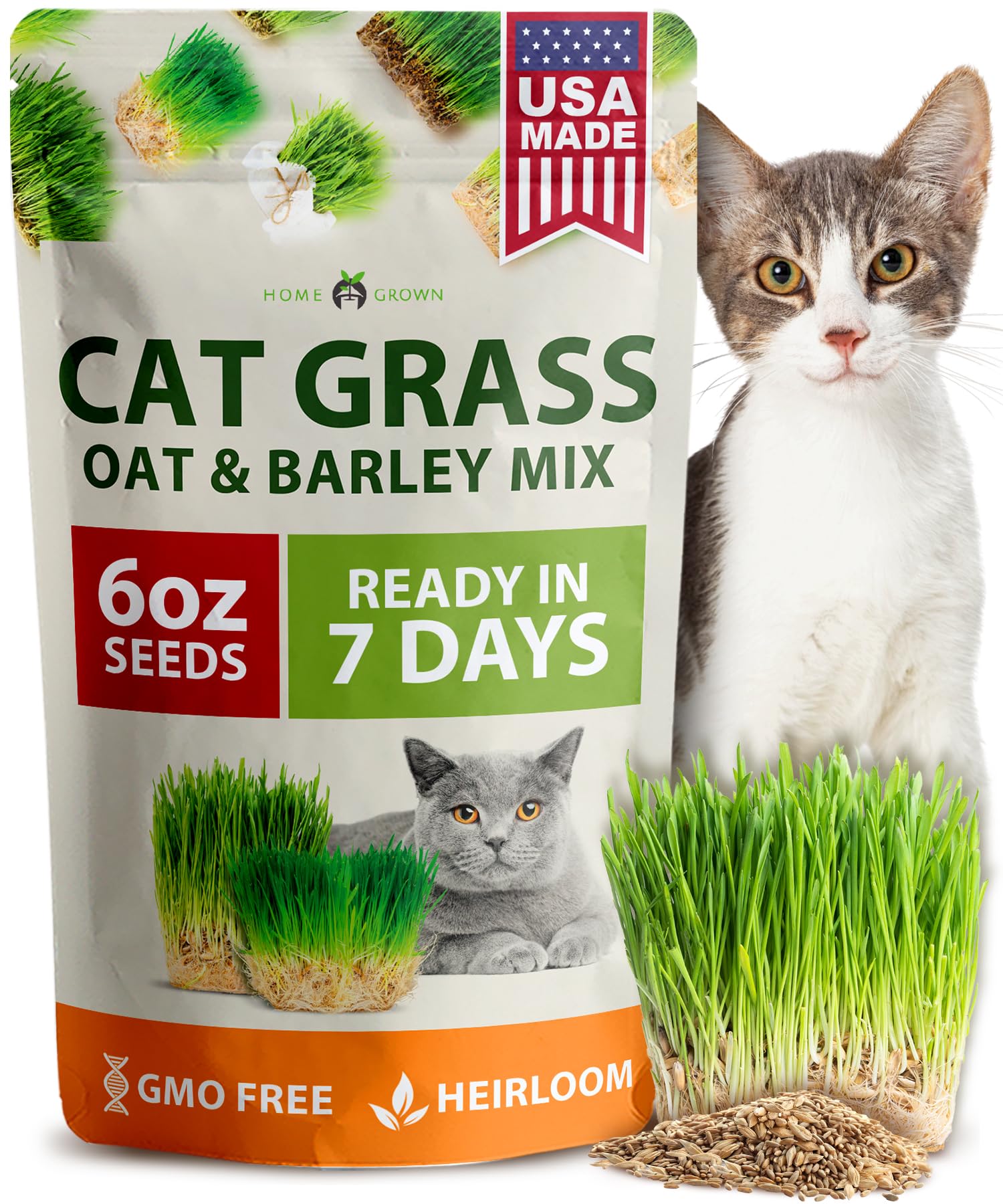
A quick-growing barley and oat mix formulated specifically as a natural hairball aid and indoor snack for cats.
Why I picked it: I picked this blend when I wanted a nutrient-rich, fast-growing alternative to straight wheatgrass that cats find irresistible.
Best for: Owners wanting a fast germinating, nutrient-rich cat grass refill.
Small bag size makes it an affordable refill option.
Pros
- Fast growth in 4–7 days
- Non-GMO blend of barley and oats
- Designed as a hairball aid
- Good seed quantity for multiple pots
Cons
- Smaller bag than bulk wheatgrass
- Needs regular replanting
My take
I keep a few small pots going and this barley/oat mix sprouts fast and thick. My cats start nibbling within days and seem to use it as intended to help with hairballs.
It’s straightforward to grow—soil, water, and a bright window are all you need. I treat this as a refill I rotate through rather than a long-term planting so the grass stays fresh and inviting.
7. Farm-Grown Wheatgrass Seeds (2 lb) – Best Value Large Pack
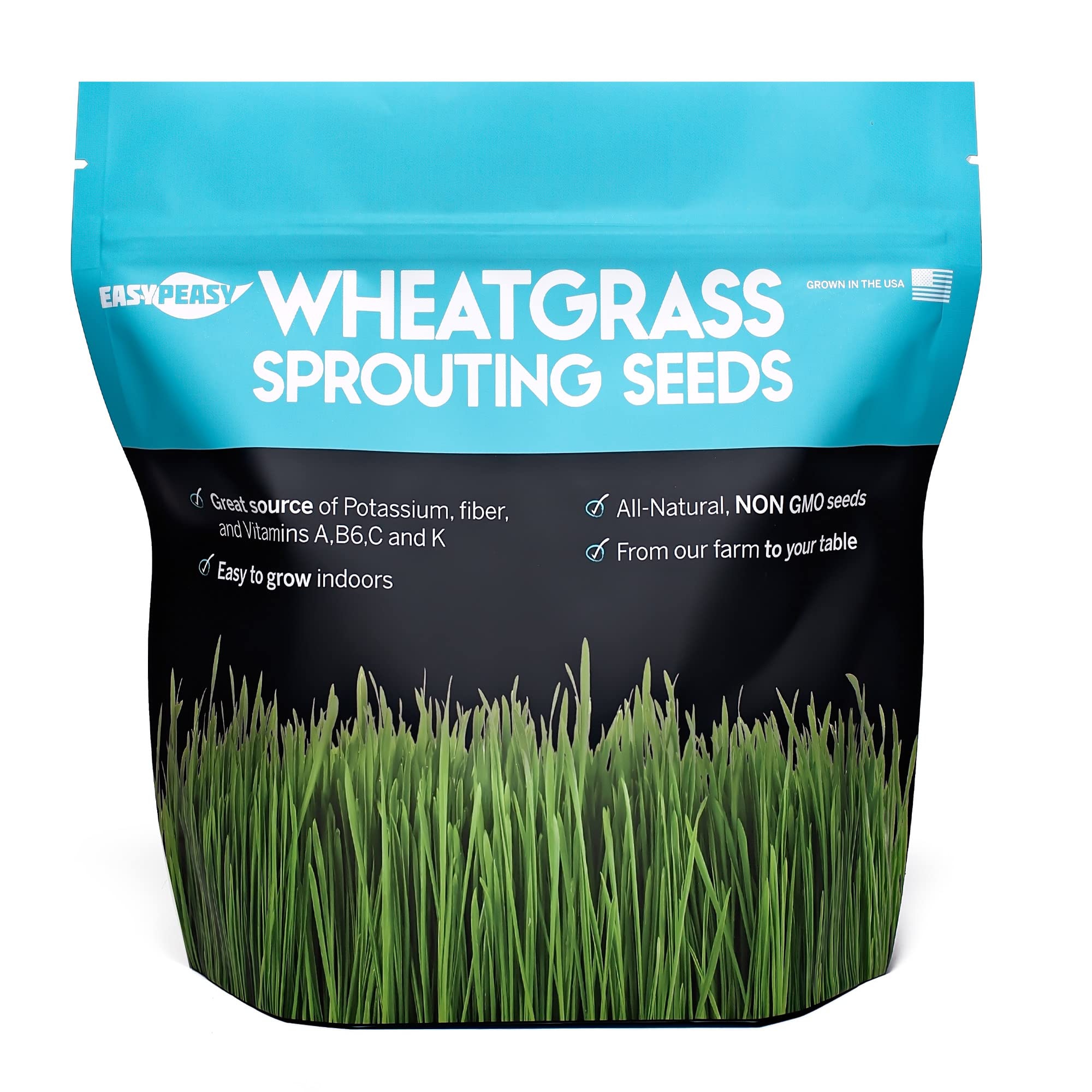
A multi-pound, non-GMO wheatgrass pack grown in the USA that’s great for frequent plantings, juicing, or larger indoor crop needs.
Why I picked it: I picked the larger farm pack when I wanted seeds for both my juicing and multiple cat-tray rotations without constant reorders.
Best for: People who grow wheatgrass regularly or want enough seed for multiple uses.
Bigger pack gives lower cost per ounce—smart if you plant often.
Pros
- Large 2 lb quantity
- Non-GMO, USA-grown
- Good for juicing and pets
- Consistent germination
Cons
- Bulk storage needed
- Can be overkill for occasional users
My take
I used this two-pound bag for a mix of juicing and pet trays. The germination was consistent and I had plenty of seed to stagger plantings every week.
Because it’s a larger pack I store unopened portions in a cool, dry place and pull out small amounts for each tray. It’s a practical choice when you grow wheatgrass on a regular schedule.
8. iCustomRug Ivy Synthetic Grass Rug – Best Artificial Turf
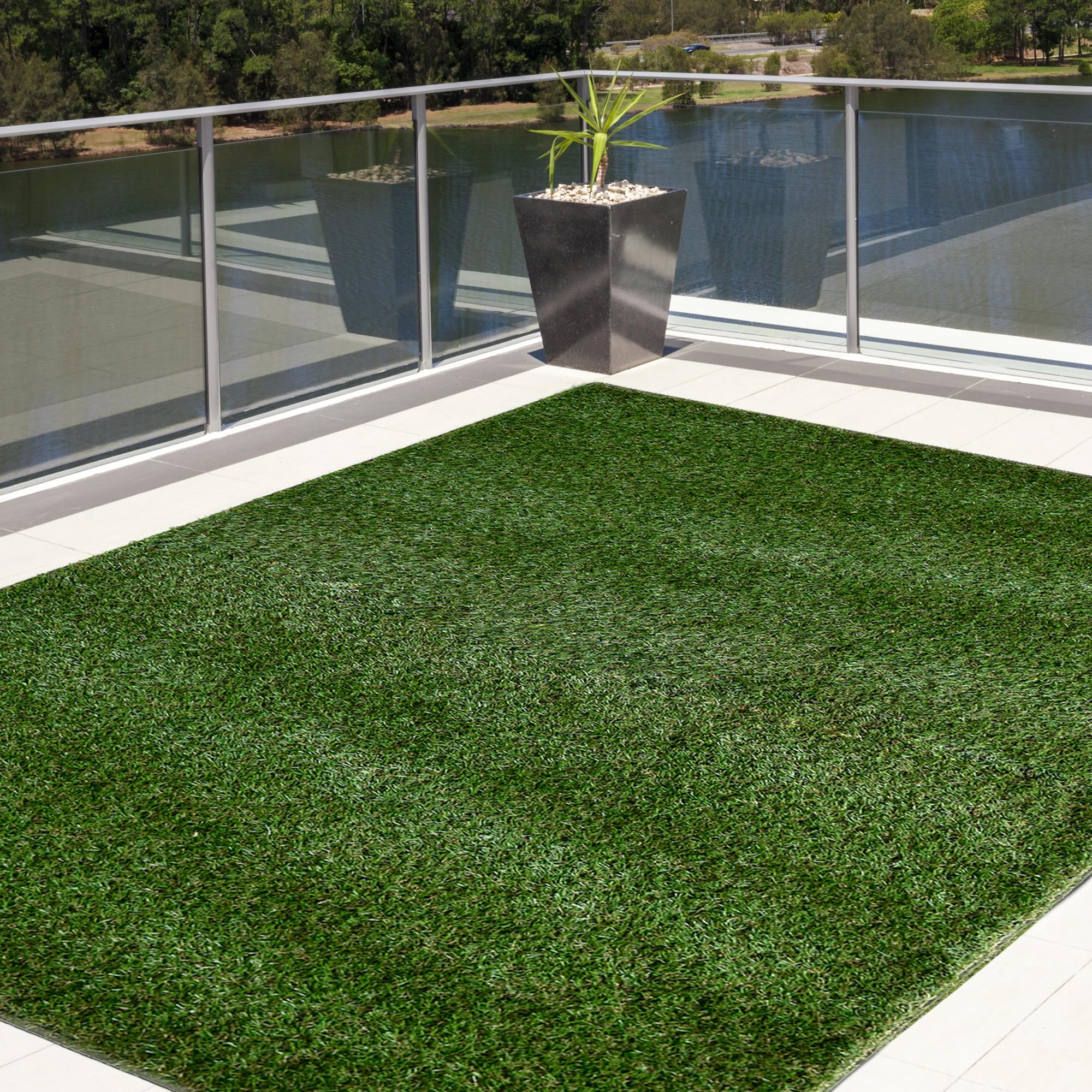
A thick, realistic synthetic grass rug with 1" pile, UV stabilization, drainage holes, and finished edges for outdoor or indoor use.
Why I picked it: I picked this when I needed instant green in a high-traffic area and zero maintenance over the season.
Best for: Patios, pet play areas, shaded spots that consistently fail to grow real grass.
Premium upfront cost but eliminates ongoing watering and reseeding.
Pros
- Realistic 1" pile feel
- UV stabilized with fade warranty
- Easy to clean—hose off
- Durable under pet traffic
Cons
- Heavier and harder to store
- May show fold lines on delivery
My take
I used this rug under my awning and in a pet play corner where nothing natural would grow. It gave me an instant, green surface that looks right from a few feet away.
It arrived folded but I was able to hose and vacuum it to revive the pile. The drainage holes are effective and the material stands up to pet traffic without staining or matting.
How I Choose Grass Seed for Shade
Key factors I consider
Light: I check how many hours of direct sunlight the area actually gets. For 2–6 hours I favor fescue blends; for mixed sun and shade I reach for sun-and-shade mixes.
Seed coating and fertilizer: Coated seeds can help germination in poor soils, while seed-plus-fertilizer mixes speed early growth. I use a starter fertilizer when I want faster green-up.
Coverage and cost per square foot: For large areas I calculate coverage at the recommended application rate so I buy the most economical bag size.
- 2–6 hours sun: use tall/fine fescue blends
- Mixed sun/shade: choose versatile sun-and-shade mixes
- Want speed? Pick seed with starter fertilizer
- Big area? Buy the largest bag you can store and apply correctly
Seeding and establishment tips I follow
Timing: I seed in spring or fall when air temperatures are consistently in the recommended range for germination.
Soil contact: I rake and press seed lightly into the soil so the seed isn’t sitting loose on top.
Watering: I water lightly multiple times per day to keep the surface moist until seedlings reach 2 inches tall, then reduce frequency and increase depth.
- Prep the soil: remove debris and loosen compacted soil
- Cover lightly with peat or straw to retain moisture and deter birds
- Keep a strict watering schedule for the first 7–14 days
Picking seed for pets
Cat grass vs lawn seed: I don’t use lawn seed for pet trays. Choose labeled wheatgrass, barley, or oat blends that are certified chemical-free if pets will eat them.
Indoor plantings: I use small trays, good potting soil, and rotate plantings so greens stay fresh and sanitary for pets.
- Choose non-GMO, chemical-free seed for edible pet greens
- Rotate pots every few weeks to maintain freshness
- Use separate soil and containers for indoor plantings
Frequently Asked Questions
When is the best time to seed a shady lawn?
I seed shady lawns in early fall or early spring when daytime temperatures are consistently in the optimal germination window; that gives seedlings cooler nights and milder conditions to establish.
Can I use a sun-and-shade mix in a mostly shaded area?
I will use a sun-and-shade mix for areas with intermittent sunlight, but for spots that only get a couple hours of direct sun I prefer a fescue-based shade mix for better long-term persistence.
How often should I water new grass seed?
I water lightly several times a day to keep the surface moist until seedlings are about 2 inches tall, then switch to less frequent, deeper watering to encourage root development.
Is artificial turf a good alternative for shaded patches?
When nothing natural will grow, I consider artificial turf—it's instant, pet-friendly, and removes the need for watering and reseeding.
Final Take
Shade presents real limitations, but the right seed makes a big difference. For broad coverage I favor the Scotts 50 lb professional mix; for quick fixes I keep a rapid-growth seed plus fertilizer on hand.
When sunlight is truly limited I plant Pennington’s Dense Shade mix. For indoor pets, pick the organic or farm-grown wheatgrass or the barley/oat blends and keep fresh pots available.
Finally, if you want consistent green with no fuss, synthetic turf is a valid option. I choose based on how much sunlight the area gets and how much time I want to spend maintaining it.
