
I tested heavy-duty, form-fit, and budget-friendly grill covers to find options that actually protect grills and smokers from sun, rain, wind and pests.
I spend a lot of time protecting grills and smokers because a good cover prevents corrosion, bird mess, and sun damage. In this roundup I focused on fit, material weight, fastenings, and how each cover handled wind and wet seasons.
I picked five covers that reflect different needs: a custom griddle cover, a vertical smoker option, a bonnet-style fit for compact grills, a heavy polyester protector, and a manufacturer-matched full-length cover. Each one performed well in the use cases I describe below.
I compared these covers on fit accuracy, material weight/thickness, fastening systems (buckles, straps, or drawstrings), and whether they manage condensation. Expect custom-fit options to hug the grill better and universal covers to offer more flexibility across models.
1. Blackstone 36-Inch Griddle Cover – Best Overall for Flat-Top Griddles
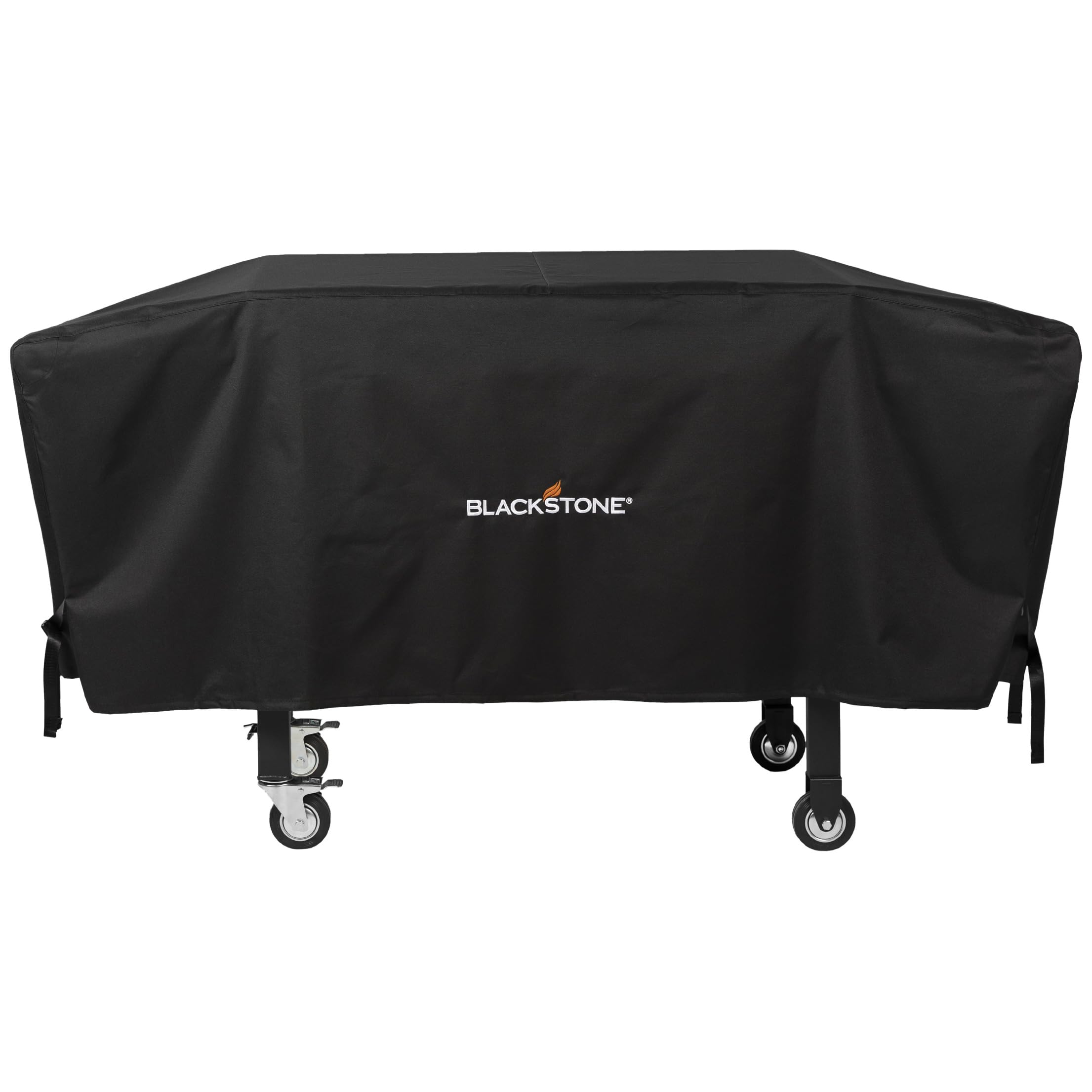
A heavy-duty, form-fitted cover built for Blackstone 36" griddles that stood up to wind, sun, and rain during extended outdoor use.
Why I picked it: Thick 600D double-layer material, reinforced corners, and buckle fasteners kept my griddle dry and secure.
Best for: Owners of a 36" Blackstone griddle who want a tailored, weatherproof shield.
Great value for a durable, manufacturer-shaped cover.
Pros
- Heavy 600D double-layer construction
- Buckles fasten under base for windproof hold
- Reinforced corners resist tearing
- Sleek, form-fitted appearance
Cons
- Designed specifically for Blackstone 36" models
- Heavier weight can be bulky to store
My take
I used this cover on my Blackstone 36 through summer storms and a cold snap, and it held up without fading or tearing. The fabric feels substantial compared with thin generic covers, and the reinforced corners show no wear even after repeated on-off cycles.
The under-base buckle system is the difference-maker for me. In gusty conditions the cover stayed put where previous covers blew off. Slipping the cover on and off is straightforward despite the weight, and the black, form-fitted look keeps the griddle tidy on my patio.
Fit is excellent for the 36" models with side shelves. If your side trays sit unusually low or the frame differs, try the cover on before assuming a perfect fit, but for the standard Blackstone 36" configuration this is the most solid protective option I tried.
2. Unicook 30-Inch Electric Smoker Cover – Best for Vertical Smokers
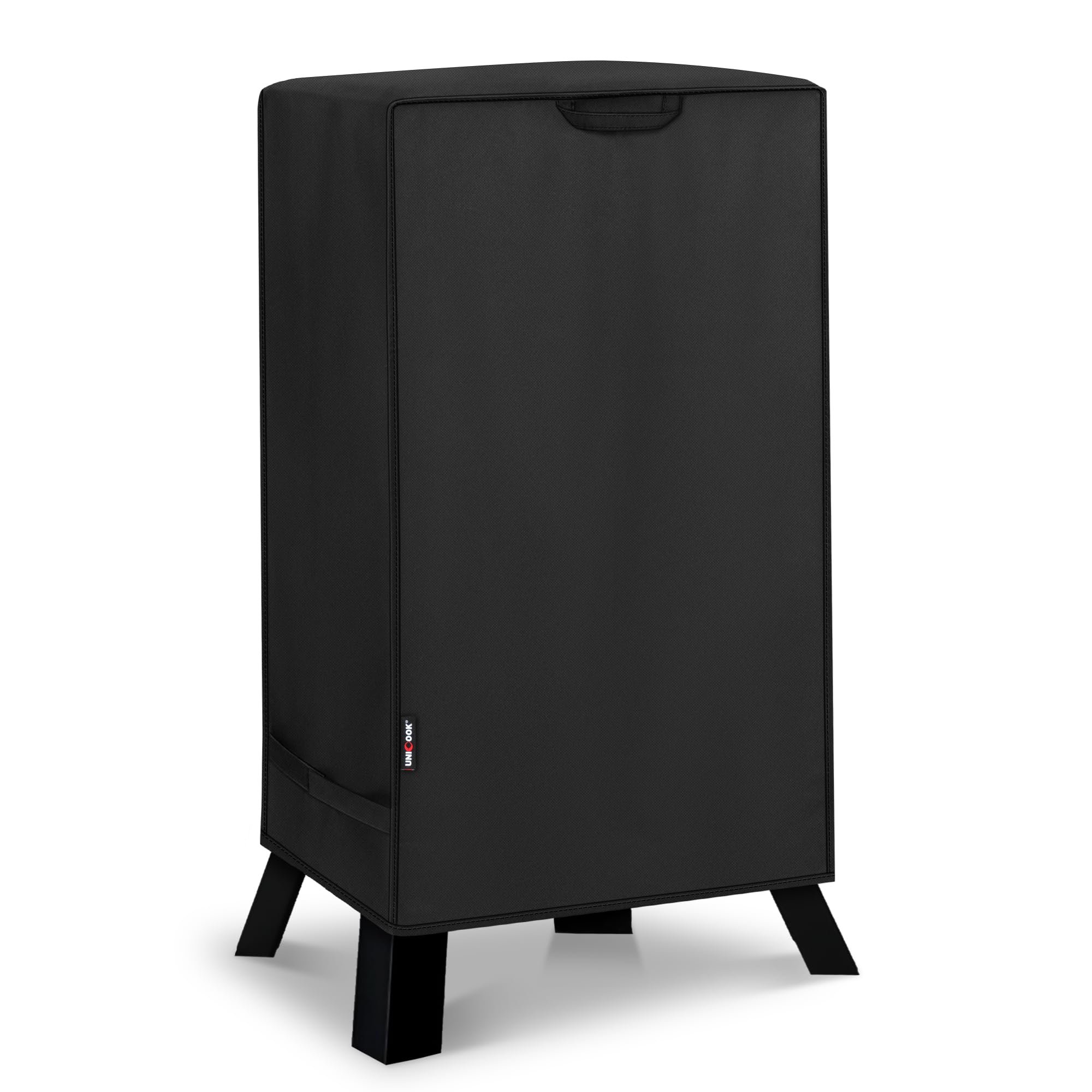
A purpose-built smoker cover that balances waterproof protection with practical features like handles and wind straps.
Why I picked it: Measured fit for 30" smokers, durable waterproof coating, and built-in handles made installation and storage effortless.
Best for: Owners of 30" electric smokers (Masterbuilt and similar) who want a thicker, longer-lasting replacement cover.
Affordable option that outstrips many OEM covers on durability.
Pros
- Heavy, fade-resistant fabric
- Handles make on/off quick
- Windproof straps secure the base
- Good fit for Masterbuilt-style smokers
Cons
- Doesn't cover control panels fully
- Velcro straps can be awkward on smaller units
My take
I swapped the original smoker cover for this Unicook on my Masterbuilt 30" and immediately noticed the thicker, more tear-resistant material. It feels like a deliberate upgrade from the thin covers that sag and wrinkle.
The handles are small but sturdy—taking the cover on and off became a two-second task instead of a wrestling match. The straps at the bottom keep it from ballooning on windy days, which I appreciate during storms.
One thing to watch: it’s not intended to hide control panels completely, so measure if you need full-panel coverage. Over years of use I've seen the older Unicook hold up extremely well; the seller notes long service life and my experience matches that longevity.
3. Weber Bonnet Cover Q1000/Q100 – Best for Compact Grills
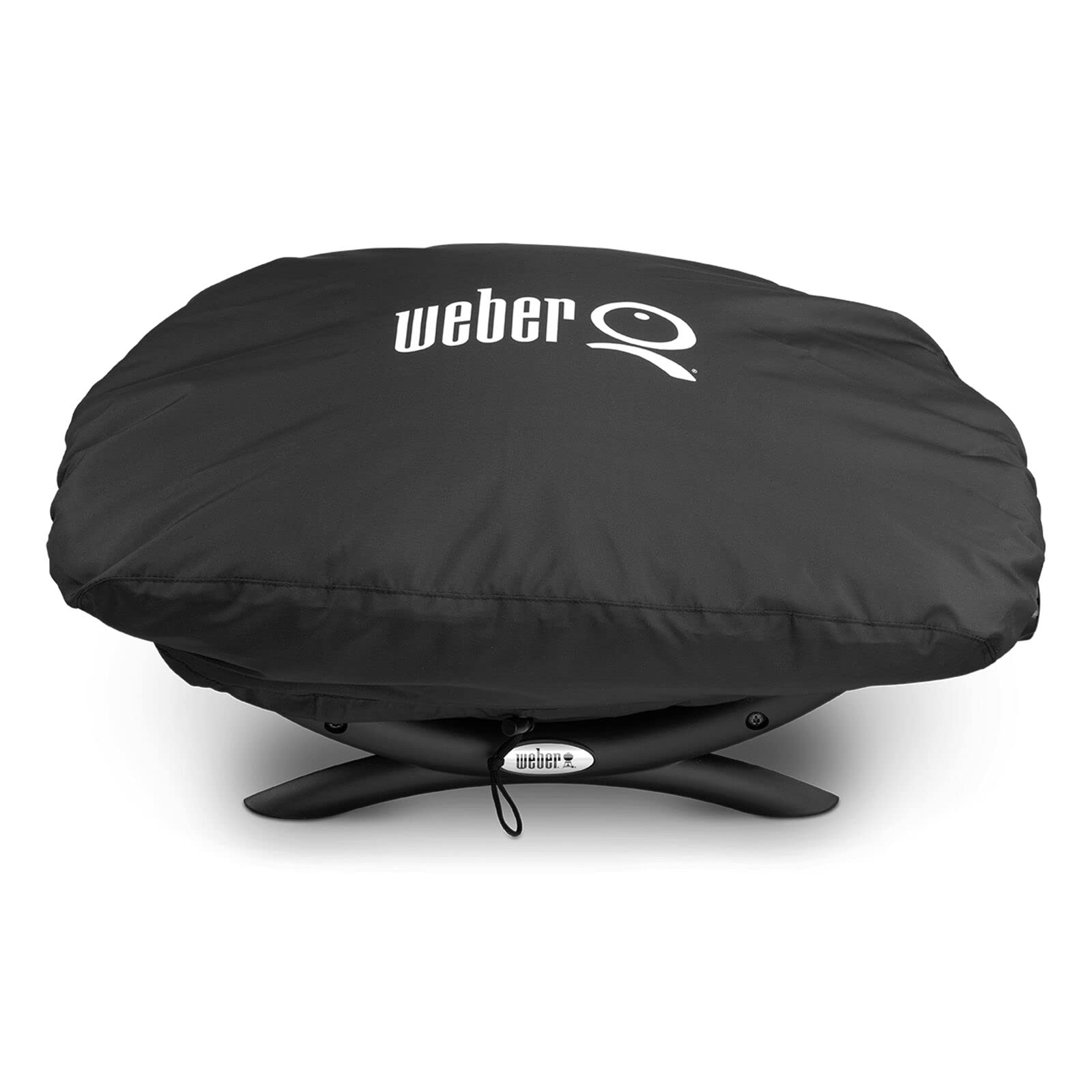
A tailored bonnet-style cover for Weber Baby Q and Q100/1000 series that prioritizes a snug fit and breathability.
Why I picked it: Custom shape and drawstring keep the cover tight while the breathable fabric helps prevent trapped condensation.
Best for: Owners of Weber Baby Q and Q100/1000 grills who want a neat, ventilated cover.
A slightly premium pick for a snug, manufacturer-shaped fit.
Pros
- Custom-fit shape for Baby Q series
- Breathable fabric prevents condensation
- Drawstring secures against wind
- Backed by a multi-year warranty
Cons
- Fit can be snug over regulator area
- More specialized—less universal
My take
I rely on this Weber bonnet when I need a cover that conforms closely to a small tabletop grill. The fit is sculpted enough that the cover doesn’t flap, and the drawstring tucks it in for windy evenings.
What I like most is the fabric’s breathability: moisture that forms inside escapes instead of collecting against the grill finish. That reduces the chance of rust over time compared with impermeable plastic-style covers.
If your grill has non-standard attachments near the regulator the fit can be tight, so check clearance. Otherwise it’s the right mix of protection and low-profile styling for compact Weber models.
4. Char-Griller 46-Inch Polyester Grill Cover – Best Heavy-Duty Polyester Choice
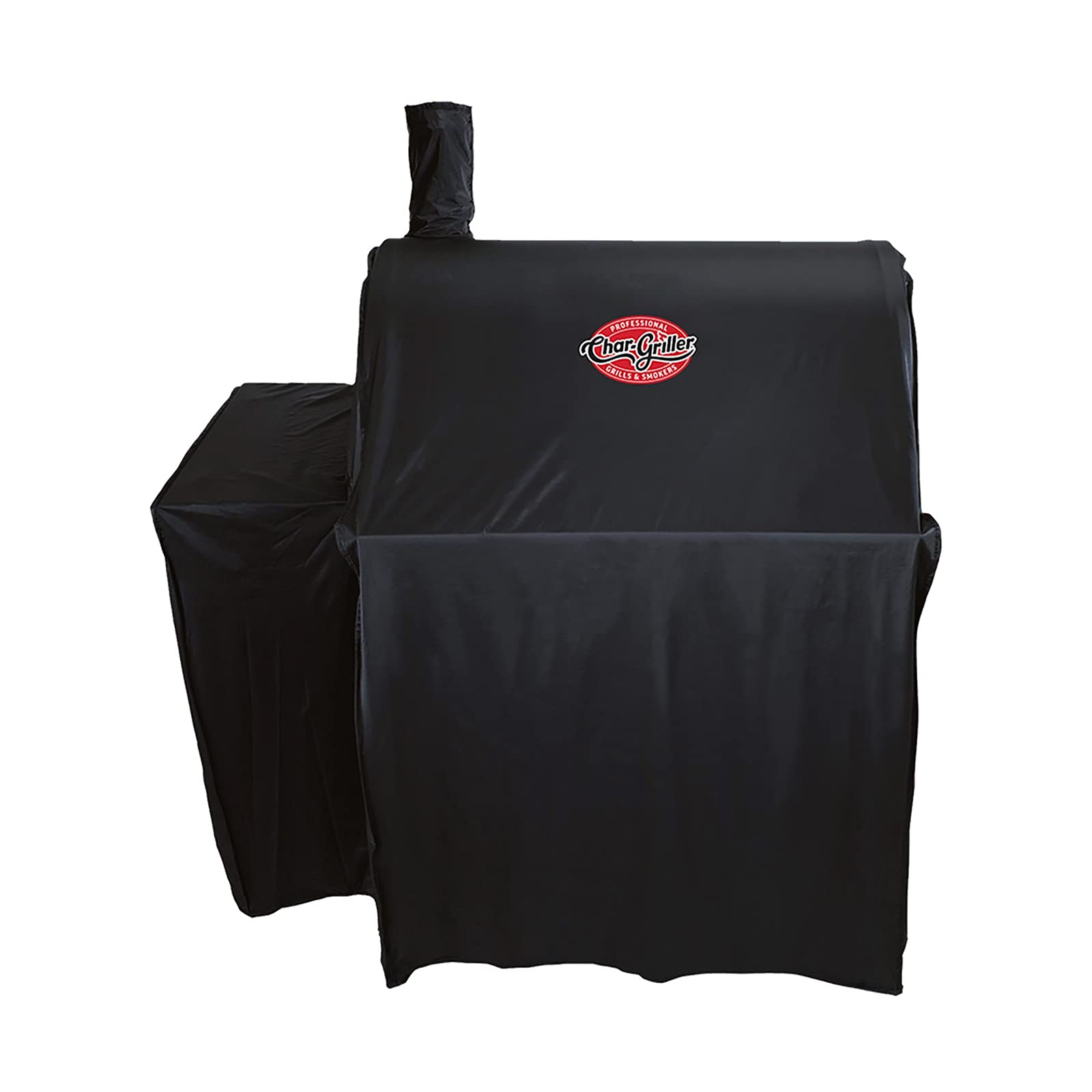
A heavyweight polyester cover with PVC lining that reaches low and provides broad protection for larger grills.
Why I picked it: Generous dimensions, substantial weight, and PVC lining give it a protective, no-fuss fit that I found long-lasting.
Best for: Owners of larger grill bodies who want coverage to the ground and durable, weatherproof protection.
A solid midrange option with heavy materials and good coverage.
Pros
- PVC-lined polyester resists moisture
- Reaches low for added protection
- Feels thicker than cheap nylon covers
- Easy to slip on over large grills
Cons
- A little wide at the base on some units
- No dedicated fastener straps included
My take
I put this Char-Griller cover on a variety of my bigger grills and appreciated how it actually reached toward the ground—many covers I’ve tried stop too high and let wind and debris reach the lower frame.
The PVC lining gives extra resistance to rain and keeps the shell from becoming waterlogged. It’s noticeably heavier and more substantial than the thin nylon covers that deteriorate quickly in sun exposure.
Because it’s not form-fitted, it can be a touch wide on specific models, but that extra room is a trade-off I accept for the coverage and durability it supplies.
5. Traeger Pro 575 Full-Length Grill Cover – Best Manufacturer Match
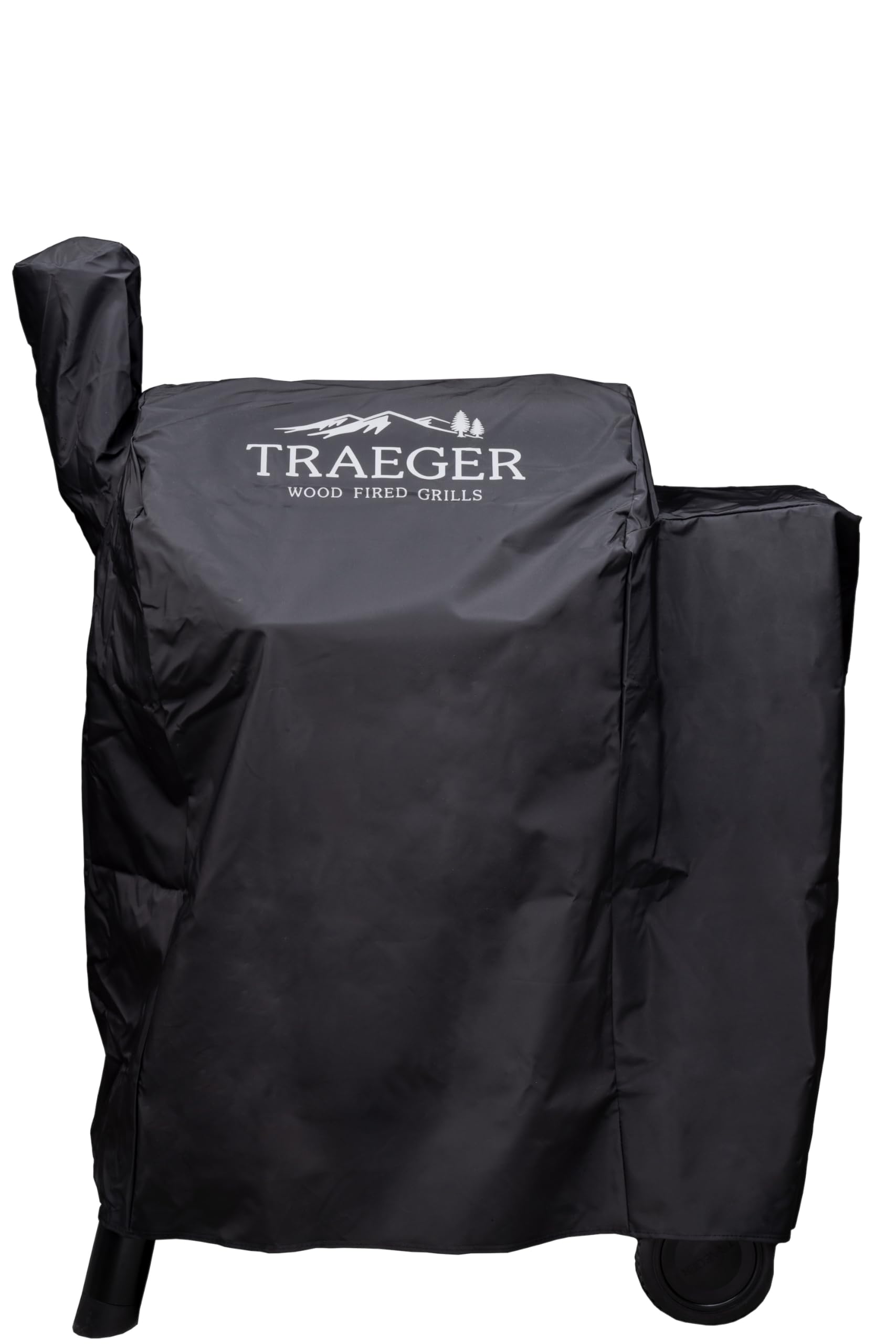
A factory-style full-length cover designed for Traeger Pro series grills that offers snug, UV-resistant protection and long service life.
Why I picked it: Form-fitted design, heavy all-weather material, and UV treatment matched the grill’s contours and lasted through seasons.
Best for: Traeger Pro 22 and Pro 575 owners who want the exact full-length protection the manufacturer shapes for their grill.
A premium, brand-matched cover built to last longer than generic options.
Pros
- Form-fitted for Traeger Pro models
- UV-resistant coating limits fading
- Heavy, water-resistant material
- Lasts multiple seasons
Cons
- Sized specifically for Traeger Pro models
- Higher-cost feel compared with generic covers
My take
I used the Traeger full-length cover on a Pro 575 and immediately appreciated how it wraps the unit cleanly without bunching. The tailored fit minimizes wind lift and keeps the full hopper and controller protected.
The material is dense and treated against UV, so it resisted fading even after months in sun-exposed spots. I’ve had Traeger-style covers last several years, and this one matched that durability in my experience.
If you want a cover that looks and performs like the original Traeger part, this is the one I recommend. It’s manufacturer-shaped, so don’t expect universal versatility—but it’s excellent for the grills it’s meant for.
How I Choose a Grill Cover
Fit and Measurements
I always measure my grill from tip to tip, including side shelves and wheels, before buying a cover. A cover that’s too small won’t protect seams; one that’s too large can flap in wind.
- Measure width including side trays and handles
- Check height with lid closed and any tall attachments
- If in doubt, choose a custom/form-fit model for your grill
Material and Durability
Thickness matters. I prefer heavy fabrics like 600D polyester or double-layer canvas with reinforced stitching for long-term weather exposure.
- Look for UV-resistant and waterproof coatings
- Reinforced corners and double-layer areas last longer
- PVC linings add waterproofing but can affect breathability
Wind Protection and Fastening
Secure fastenings make the cover useful year-round. I test buckles, straps, and drawstrings when wind is forecasted.
- Buckles under the base prevent blow-offs
- Velcro or cinch straps help on irregular shapes
- Drawstrings work well for bonnet-style covers
Breathability and Condensation
If you store your grill outside, I prefer covers that allow trapped moisture to escape. Breathable panels or fabric reduce rust risk.
- Look for vents or breathable material
- Avoid fully sealed plastic covers that trap condensation
- Wipe grill dry before covering for best results
Practical Features
Small conveniences matter. Handles, easy storage, and warranty support extend value for me.
- Handles speed up on/off changes
- A storage pouch keeps the cover tidy
- Warranty or brand match can indicate longevity
Frequently Asked Questions
How should I measure my grill for a cover?
I measure the total width with side shelves out, the full height with lid closed, and the deepest point including handles. That gives me the dimensions I need to pick a cover that truly protects the whole unit.
Can a cover cause rust from trapped moisture?
I avoid trapping moisture by wiping my grill dry before covering and choosing covers with breathable fabric or vents. That practice, plus occasional airing, keeps condensation from causing rust.
Which fastening type works best in wind?
From my testing, under-base buckles and cinch straps outperform loose-fit covers. Buckles that clip under the frame stop most blow-offs during storms.
Are manufacturer-matched covers worth it?
I find them worth it when you want a precise fit and long-lasting material. They tend to hug contours better and protect controllers and hoppers designed into the grill shape.
Final Take
I chose these five covers because each solves a common protection problem: tailored fit, durability, breathability, ground-to-top coverage, or brand-accurate protection. Pick the one that matches your grill’s shape and how exposed it will be.
If you want my short recommendations: go custom-form fit for a perfect look and wind resistance, pick heavy 600D or PVC-lined polyester for longevity, and favor covers with straps or buckles if you live in a windy area.
