
I tested a range of hand weeders — from stand-up pullers to crevice sickles — so you can pick the right tool for your soil, posture, and workload.
I spend a lot of time in beds, pots, and paved seams, so I picked a selection of hand weeders that handle different tasks: standing weeding, edging, slicing, and working in tight cracks.
Across these tools I judged how they pull roots, how comfortable they are to use for a session, and how well they stand up to tough soil or constant use.
Below I explain which tool I reach for in specific situations and why each one earned a spot on this list.
I compared tools by design (stand-up vs hand), blade material, handle comfort, and how they perform on soft loam, compacted soil, and paved cracks.
1. Grampa’s Weeder Stand-Up Puller – Best Overall
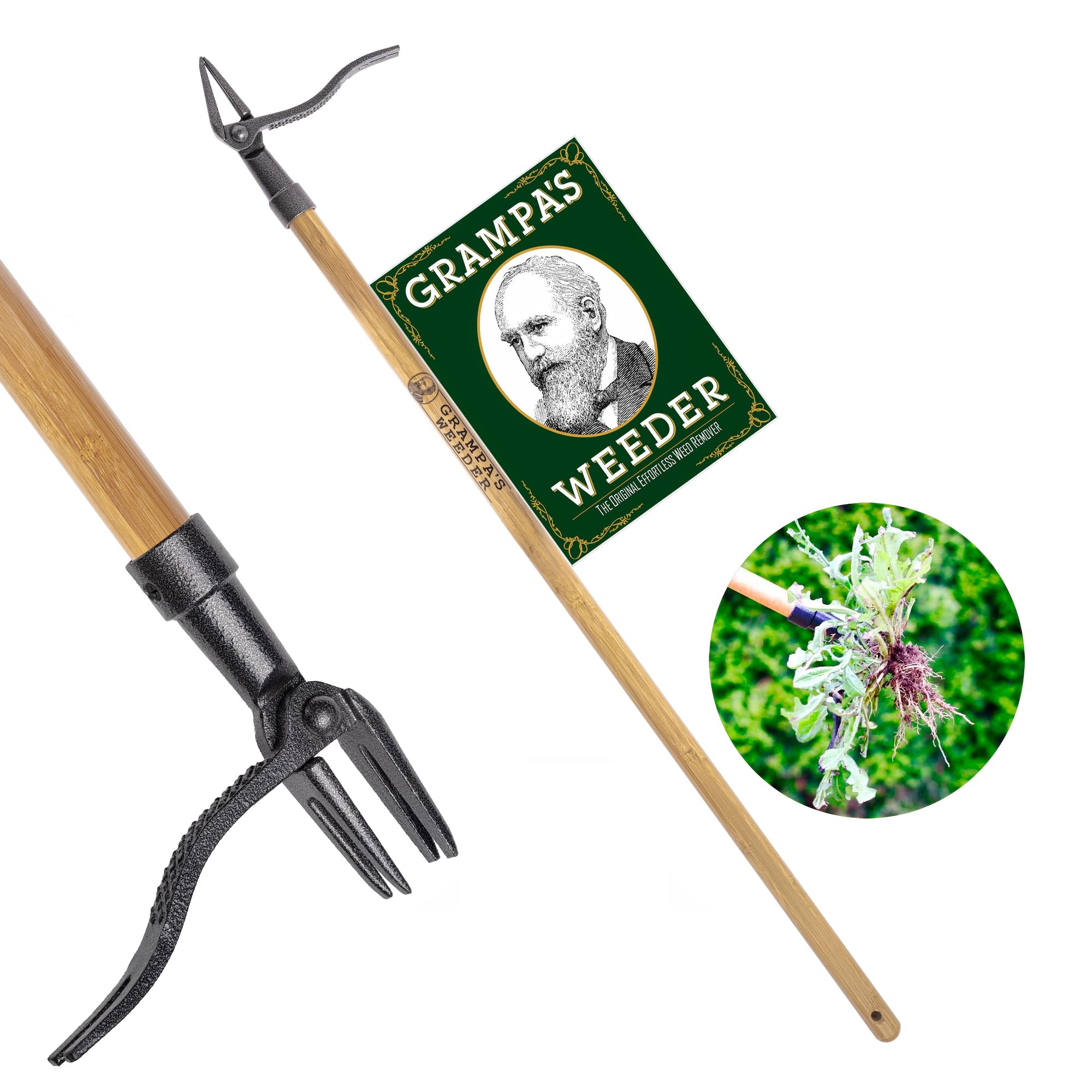
I rely on this original long-handle weeder when I want to pull dandelions and thistles without bending over. Its 4-claw head grabs roots cleanly in softer, moist soil.
Why I picked it: Classic stand-up design that saves my back and extracts roots effectively.
Best for: Standing weeding on soft, recently watered soil.
A longer-handled, heritage-built option—less budget-oriented than small hand tools.
Pros
- Saves your back and knees
- Four-claw head grabs roots
- Sturdy bamboo handle
- Built to last
Cons
- Less effective in hard clay
- Heavier to maneuver in tight beds
My take
I use this weeder when I want to stand and clear a strip of lawn or bed without kneeling. The technique is simple: push the claws around a weed, twist, and pull up the whole root when the soil is soft.
It shines after a rainfall or watering because the claws sink and lock onto the root. In compacted clay or rocky ground I have to use a trowel first or choose a different tool.
Construction feels old-school and durable; the bamboo shaft and steel head have held up through multiple seasons in my hands.
2. CobraHead Original Weeder & Cultivator – Best Versatile Hand Tool
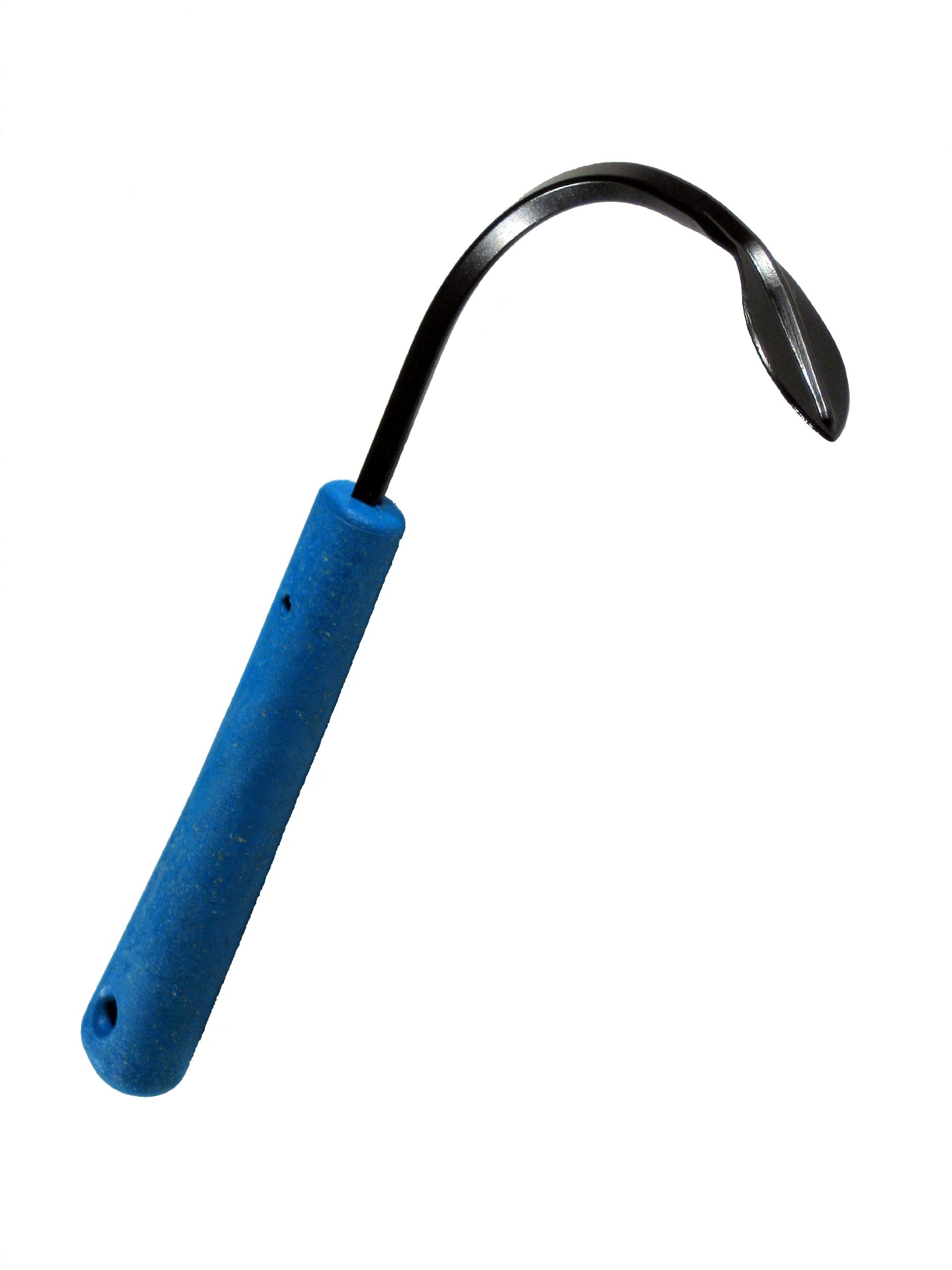
I keep a CobraHead on my belt when I’m doing beds and edging. The curved tempered-steel head plows through soil for weeding, trenching, and light digging.
Why I picked it: Curved tempered-steel head that doubles as an edging and cultivating tool.
Best for: Raised beds, edging, and tackling tough-rooted weeds.
A tough, versatile tool that’s a step up from basic metal hoes.
Pros
- Tempered steel blade
- Great for edging and trenches
- Comfortable ambidextrous grip
- Very durable
Cons
- Requires bending to use
- Not ideal for paver cracks
My take
This is the tool I grab when a weed has a stubborn taproot. The curved head slices under roots and the shape makes quick work of trenches for planting.
It demands a little bending—so I pair it with a stand-up tool for long sessions—but it’s indestructible in my experience and tolerates heavier-duty use that would damage cheaper tools.
The recycled plastic handle is comfortable whether I’m left- or right-handed, and the blade keeps its edge through repeated soil contact.
3. Hounen-Kouzansaku Japanese Sickle – Best for Slicing and Precision
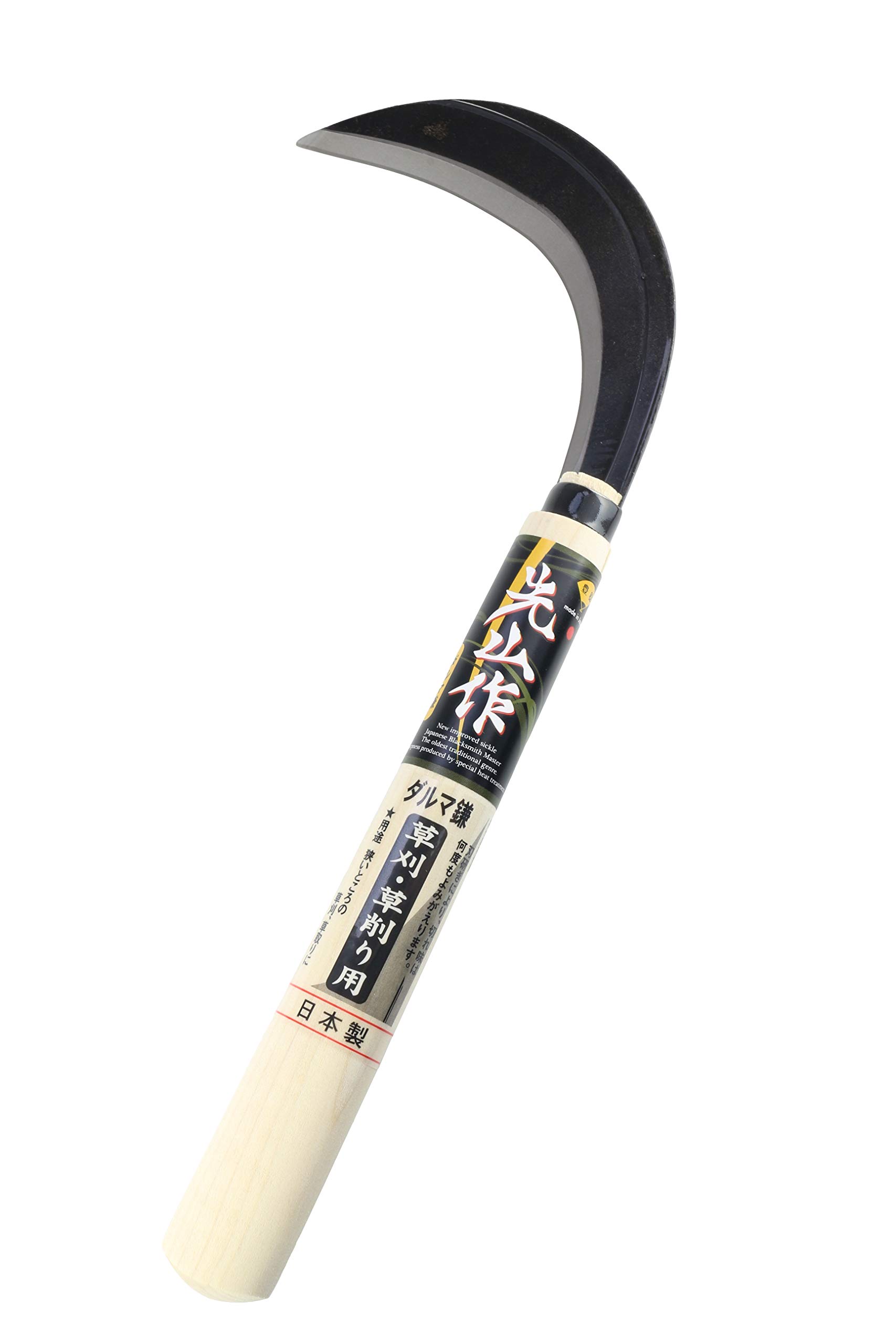
When I need to slice grasses, crabgrass, or trim dense herb patches, this hand-forged Japanese sickle delivers a razor-sharp cut and excellent control.
Why I picked it: Hand-forged sharp blade for precise slicing and clearing.
Best for: Cutting grasses, crabgrass, and clearing overgrown herbs.
A specialist tool — great value for precise slicing work.
Pros
- Extremely sharp blade
- Lightweight and nimble
- Handcrafted Japanese steel
- Excellent for crabgrass
Cons
- Blade can chip on rocks
- Requires careful handling
My take
I use the sickle for quick horizontal swipes through tall grasses and for slicing stubborn crabgrass at the base. The edge stays sharp and makes repetitive clearing much faster than snipping by hand.
Because the steel is hardened to hold an edge, I avoid striking rocks or concrete—when that happens the blade can chip. For dense woody roots I still reach for a sturdier hoe or spade.
It’s a light tool, so long sessions are easy on my wrist, and it’s surprisingly versatile for small harvest and pruning chores too.
4. Grampa’s Hand Weeder (V-Fork) – Best Classic Hand Weeder
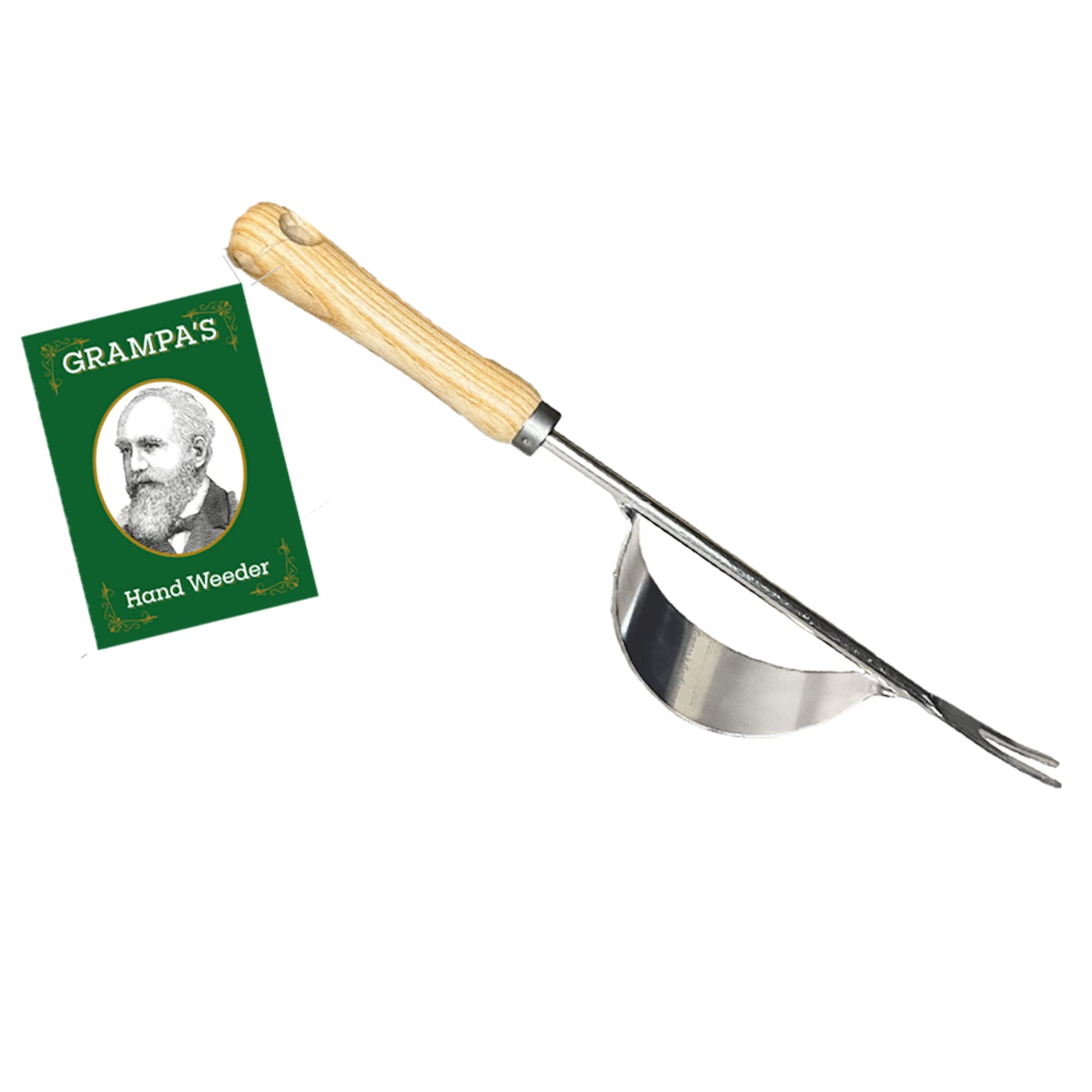
This compact V-fork weeder is my go-to for digging out single dandelions and deep taproots where I need leverage from a small tool.
Why I picked it: V-shaped fork and lever action for deep root removal in tight spots.
Best for: Targeted root extraction in flowerbeds and rock gardens.
Budget-friendly classic hand weeder with durable materials.
Pros
- Deep root removal
- Classic wood handle comfort
- Stainless-steel fork
- Lightweight and portable
Cons
- Small head for large areas
- Still needs bending to use
My take
I carry this weeder when I’m working around plants and need precision. The V-shaped forks slide under the root crown and the lever angle makes lifting straightforward.
It’s polished stainless so rust hasn’t been an issue, and the wood handle feels comfortable during long pulls. For broad beds I use it in rotation with a bigger tool, but it’s indispensable for detail work.
5. Grampa’s Hand Weeder (V-Fork) – Best for Detail Work
I sometimes keep a second V-fork weeder in my tool bag for pots and tight edges where a long handle is awkward—this one shines at small, stubborn roots.
Why I picked it: Compact, precise design that handles root balls in confined spaces.
Best for: Pots, rock borders, and close-to-plant pulling.
Affordable and well made for small-scale chores.
Pros
- Precise root extraction
- Comfortable wooden grip
- Good corrosion resistance
Cons
- Not for large-area clearing
- Requires physical leverage
My take
I use this hand weeder when I’m working around delicate plants and don’t want to disturb neighboring roots. The fork dives deep and, with a twist, brings up the whole root.
It’s small enough to stash in a shed or pocket and sturdy enough that I don’t worry about bending it during normal use.
6. Kbenison One-Piece Aluminum Hand Weeder – Best Heavy-Duty Hand Weeder
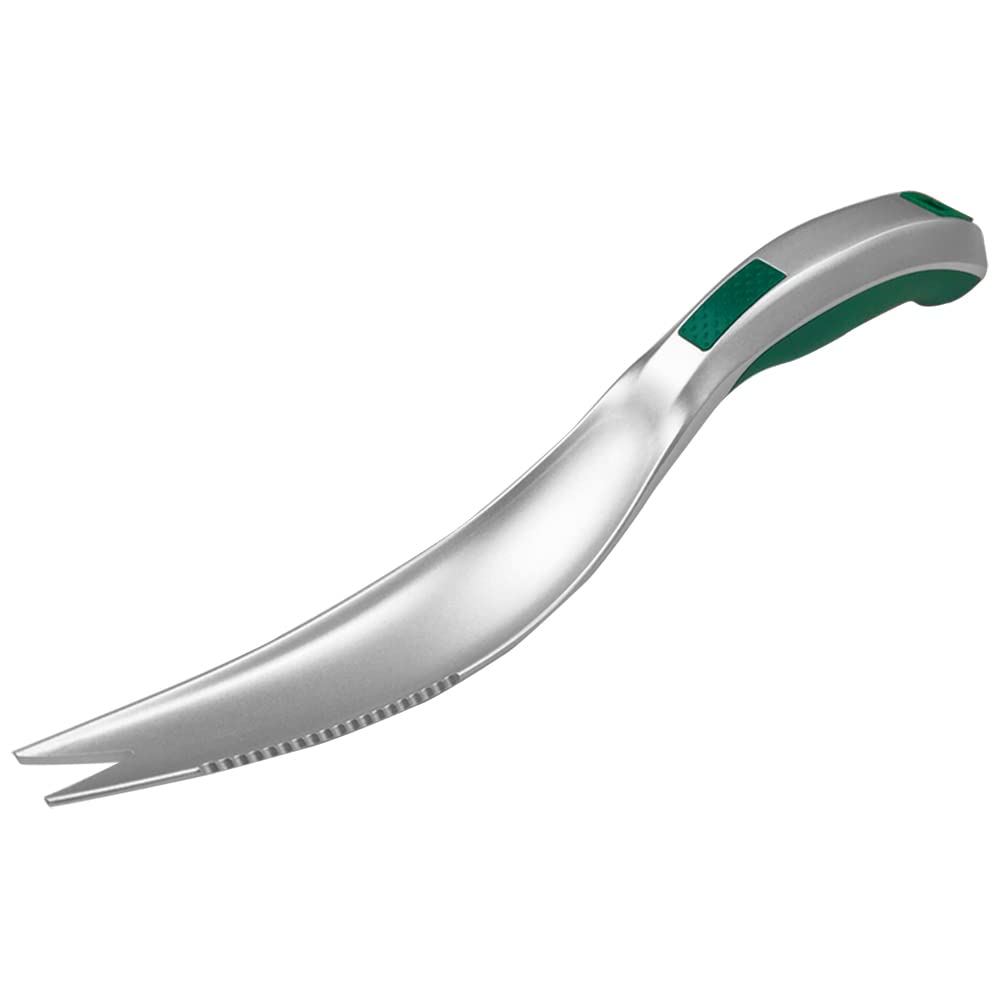
For potting, transplanting, and prying out tough roots I reach for a single-piece aluminum weeder — it’s bend-proof and rust-proof in my experience.
Why I picked it: One-piece cast-aluminum build that resists bending and rust.
Best for: Containers, rock gardens, and repeated daily use.
Durable cast-aluminum build makes it a long-term value buy.
Pros
- One-piece, bend-proof design
- Rust-resistant aluminum
- Ergonomic soft-grip handle
- Good for containers
Cons
- Not ideal in compacted rocky clay
- Serrated edge needs careful use
My take
I put this trowel through heavy potting and transplant sessions. The cast-aluminum body never flexes and the grip is comfortable for long stretches.
The narrow blade is handy in tight spots and for making deep holes for bulbs. In very hard, rocky soil I still prefer a thicker-steel trowel, but for most garden beds this one’s tough and reliable.
7. Bear Paws Cultivator Claw – Best for Ergonomic Comfort
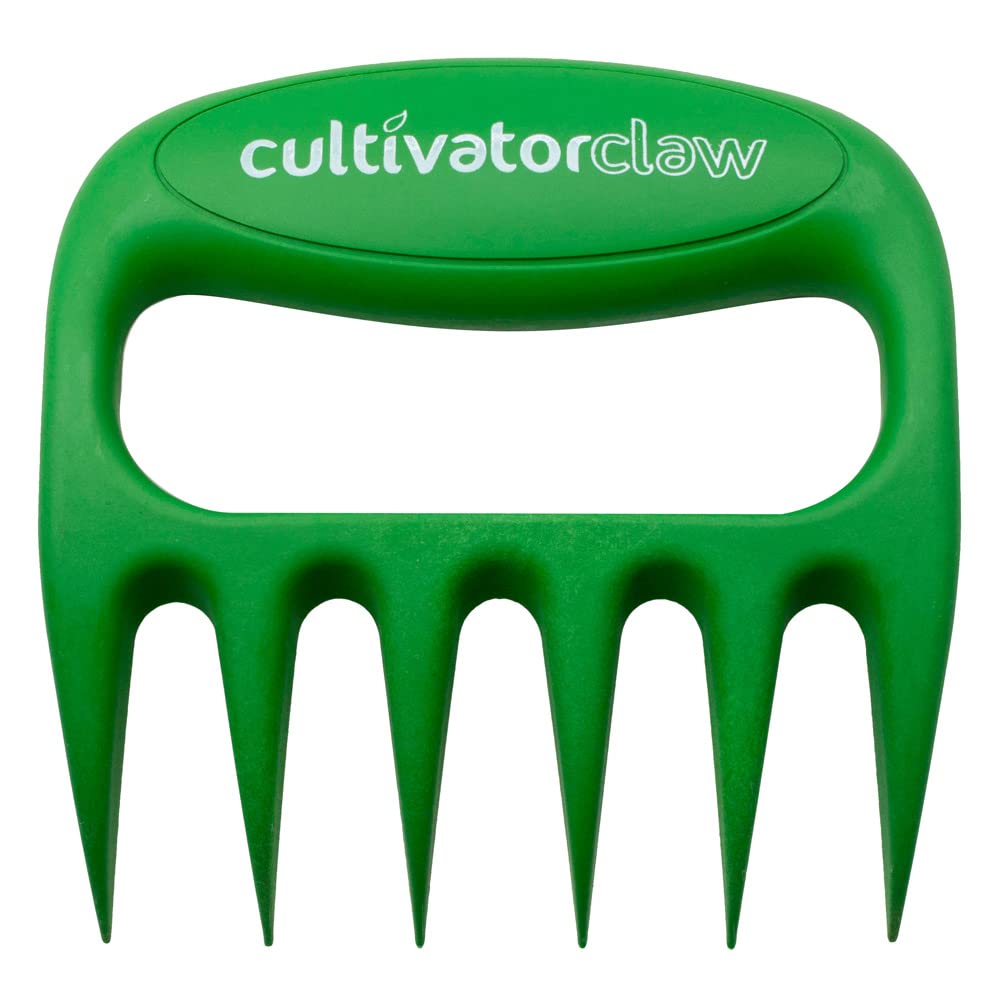
When I want to break up the top inch of soil and clear out a patch of thatch, these claw tools cut my time and are gentle on my hands.
Why I picked it: Ergonomic claw design reduces hand fatigue during long weeding sessions.
Best for: Loosening topsoil, removing thatch, and quick patch clearing.
Lightweight nylon option that’s easy on the hands.
Pros
- Ergonomic for arthritic hands
- Lightweight and rust-free
- Good for topsoil and thatch
- Made in the USA
Cons
- Nylon less effective on compacted soil
- Green color can be hard to spot
My take
I use the claws for quick cleanup and to loosen the top layer before raking. The motion is natural and I don’t feel strain in my fingers compared with slim-handled tools.
They’re excellent for clearing patches and pulling shallow-rooted weeds, but for deep taproots I switch to a metal weeder.
8. 3-Pack Crevice & Hand Weeders – Best Value Set
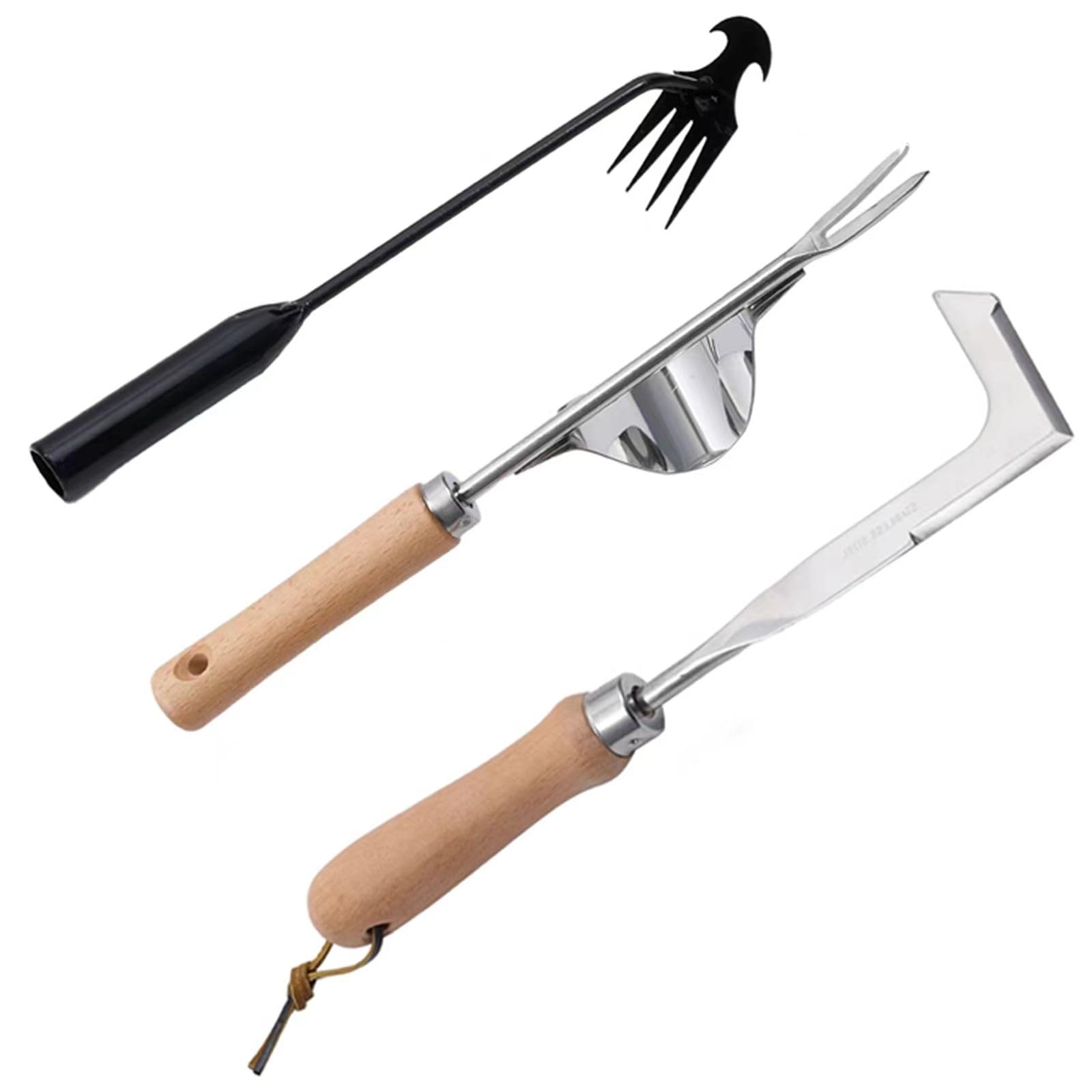
For patios, pavers, and tight seams I reach for the three-tool set: an L-shaped crack weeder, a fork weeder, and a four-tooth puller to cover every tight space.
Why I picked it: Varied tool heads let me handle cracks, crevices, and shallow beds without buying multiple single tools.
Best for: Driveways, sidewalks, patios, and tight garden corners.
Good value trio for multiple small tasks around hardscapes.
Pros
- Three tools for different cracks
- Stainless blades resist rust
- Good for tight spaces
- Hanging holes for storage
Cons
- Some pieces feel lightweight
- Wood handles less durable than metal
My take
I keep the L-shaped weeder and fork in my patio tool bucket for quick morning runs along pavers. The narrow profiles slip into seams and pry out roots or moss with minimal effort.
One caveat: the brace on the larger puller can be the weakest point if you abuse it on huge roots. For routine crack work these tools are excellent and very handy to have as a set.
How I Choose a Hand Weeder
Match the tool to the soil and task
I always start by thinking about soil type and the job: soft, recently watered beds favor clawed or stand-up pullers, compacted clay calls for tempered-steel blades, and paver seams need narrow L-shaped tools.
For long sessions I prioritize handle comfort and ergonomics; for one-off crack clearing I choose narrow, stiff blades.
- Stand-up pullers: best for lawns and long strips to save your back.
- Curved hoes and CobraHead-style tools: versatile for edging and deep taproots.
- Sickles: fast slicing of tall grass and crabgrass.
- Crevice tools: narrow blades for pavers, driveways, and tight joints.
Materials and durability I value
Steel blades (tempered or high-carbon) keep an edge but need care to avoid chipping on stone. Cast-aluminum one-piece tools resist bending and rust for heavy potting and transplanting.
Wood handles give natural shock absorption and comfort; plastic grips can be more weatherproof and ambidextrous.
- Tempered steel: best for heavy-duty root work.
- High-carbon Japanese steel: very sharp, handle rocks with care.
- Aluminum one-piece: bend-proof, rust-proof for frequent use.
Ergonomics and maintenance tips
I look for comfortable grips and a shape that reduces wrist torque when I’m weeding for 20–30 minutes. Keep edges clean and dry, sharpen as needed, and avoid striking rocks with very hard blades.
Soak compacted beds before weeding; moist soil makes root removal far easier and protects tool edges.
- Sharpen blades lightly after heavy use.
- Store tools dry to prevent corrosion.
- Soak soil before deep root pulling to reduce breakage.
Frequently Asked Questions
Which hand weeder is best for paved cracks and driveways?
I use narrow L-shaped crevice weeders or the three-tool sets for pavers; their thin profiles slide into seams and pry roots without damaging surrounding stone.
Can a stand-up puller handle deep taproots?
I find stand-up claw pullers excel on deep taproots in soft soil after watering, but in compacted clay I switch to a trowel or CobraHead to free the root first.
How do I protect a high-carbon sickle blade?
I avoid striking rocks, wipe the blade clean after use, and store it dry. If a chip appears I lightly re-profile the edge rather than hitting it with heavy force.
Final Take
I keep different weeders for different jobs: a stand-up puller for back-friendly lawn work, a CobraHead for edging and tough roots, a sickle for slicing grass, and narrow tools for cracks.
Think about your soil, posture, and how often you’ll use the tool—matching those factors will get you the most useful and long-lasting weeder for your routine.
