
I tested six heat presses across sizes and use cases. Here are the machines I reached for when I needed speed, precision, portability, or mug-specific results.
I put six different heat presses through real work so I could compare how they perform on tees, totes, mugs, and small craft pieces. I focused on heat-up time, temperature stability, safety features, ease of use, and how forgiving each unit is when I’m working quickly.
Across the line you’ll find everything from a full 15×15 auto press built for small‑batch production, to pocketable mini presses for touch‑ups and detailed work, plus a dedicated mug press that takes the guesswork out of sublimated cups.
Read on for the specific strengths I found in each machine and which press I reach for depending on the job.
If I need throughput and consistency I choose the 15×15 auto press; for mugs I use the dedicated Cricut Mug Press; for portability or tiny designs I grab a mini press.
1. HTVRONT Auto Heat Press Machine — 15×15 with Auto Release – Best Overall Auto Press
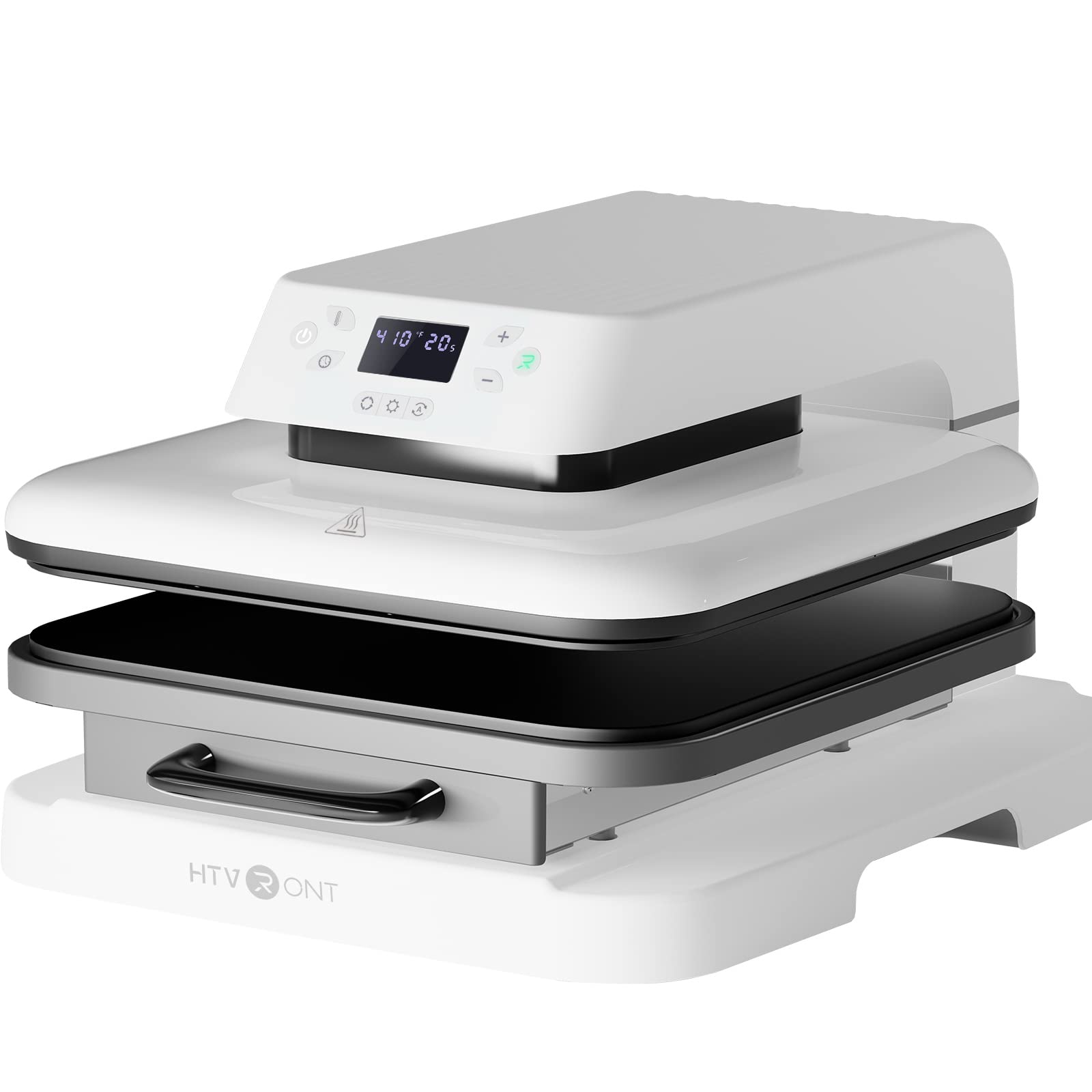
A large, semi‑automated 15×15 press that heats fast, auto‑adjusts to thickness, and removes the need to babysit each transfer.
Why I picked it: I picked it for its auto‑release, fast heat, and consistent 15×15 coverage.
Best for: Scaling hobby work and small‑batch apparel production.
A midrange investment for serious hobbyists and side hustles.
Pros
- Auto press and auto‑release
- Large 15 x 15 work area
- Heats rapidly and evenly
- Multiple preset and custom modes
- Drawer design keeps hands away from heat
Cons
- Larger footprint
- Higher cost than mini presses
- Heavier to move
My take
When I need reliable, repeatable transfers on adult tees or tote bags, this is the machine I reach for. The 15×15 platen gets to common working temps quickly — I often have it ready within minutes — and the dual‑tube heating system plus NTC thermistor keeps the surface very even across the whole area.
The auto mode with the drawer and auto‑release simplified my workflow: I slide the platen in, tap the run button, and the press handles dwell time and release. That took away a lot of the stress I used to have about over‑pressing or stepping away.
I also appreciated the safety touches — the separated ironing board, auto shutoff, and the drawer style that keeps my hands clear of the hot plate. For projects up to about 1" thick the machine auto‑adjusts pressure nicely, which saved me from constant manual tweaks.
2. Cricut Mug Press + 12 Blank Mugs (12oz) – Best for Mugs
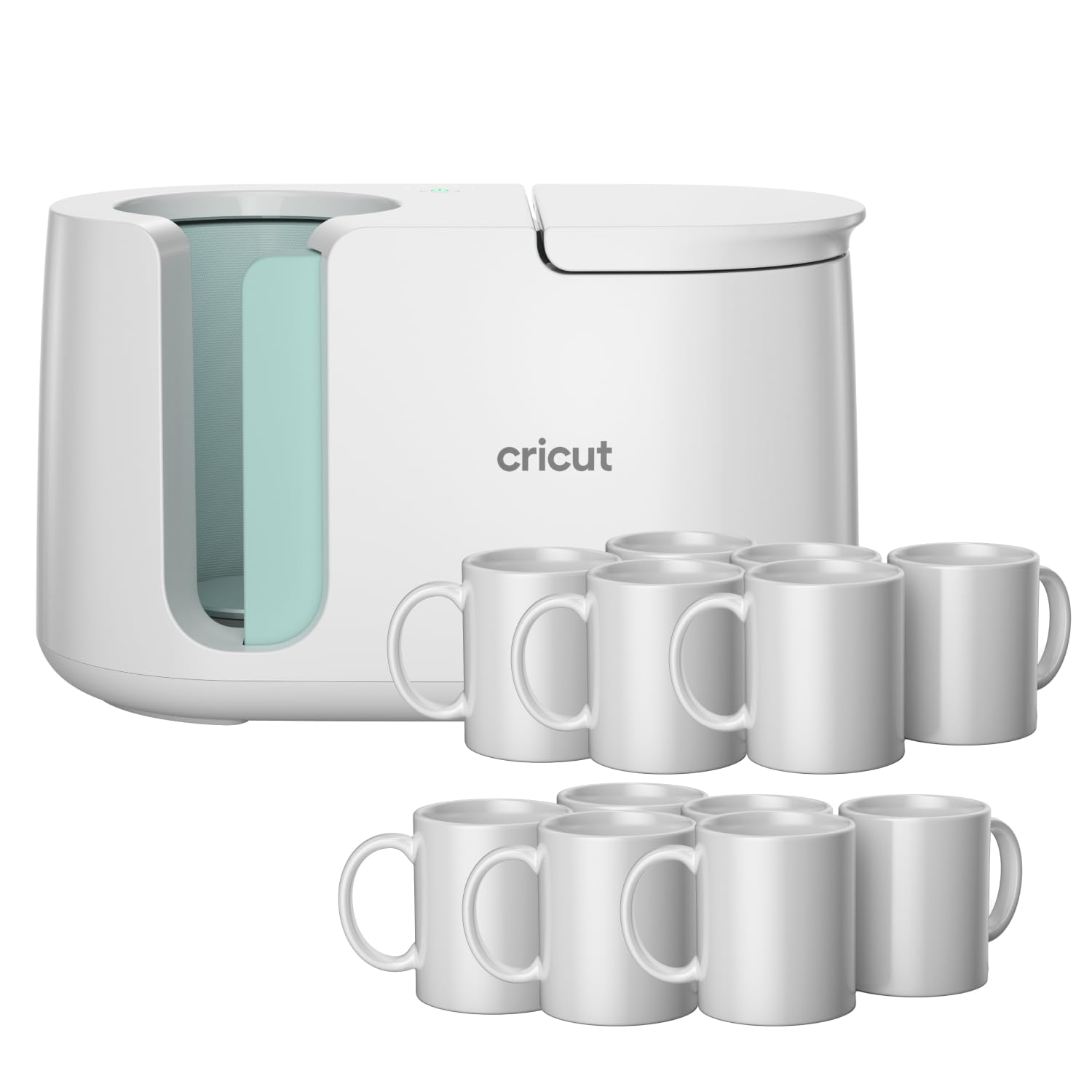
A compact, one‑touch mug press optimized for Infusible Ink that includes a set of blanks to get you started.
Why I picked it: I chose it because it takes mug sublimation out of the fiddly, guesswork stage.
Best for: Consistent, dishwasher‑safe mug transfers with Infusible Ink.
A specialized midrange option that includes useful blanks.
Pros
- One‑touch operation
- Includes 12 blank ceramic mugs
- Zone heating for consistent results
- Compact and easy to store
Cons
- Designed for Infusible Ink‑compatible mugs
- Produces vapor—use ventilation
My take
If I’m making mugs for gifts or a small run, this is the machine I use every time. The press’s patented heat plate with zone heating gives peel‑proof transfers that stand up to dishwashers when I use Infusible Ink.
Setup is effortless: I design, wrap, and insert the mug, then let the machine handle temperature and timing. That automatic control removes a lot of variables and frees me to prepare several mugs in sequence.
Because the bundle includes a dozen 12‑oz blanks, I could practice layouts and dialing in my process before I moved to custom mugs. I do recommend a well‑ventilated workspace since sublimation vapors are present during transfers.
3. Calogy Mini Heat Press — Compact Heat Transfer Machine – Best Budget Mini
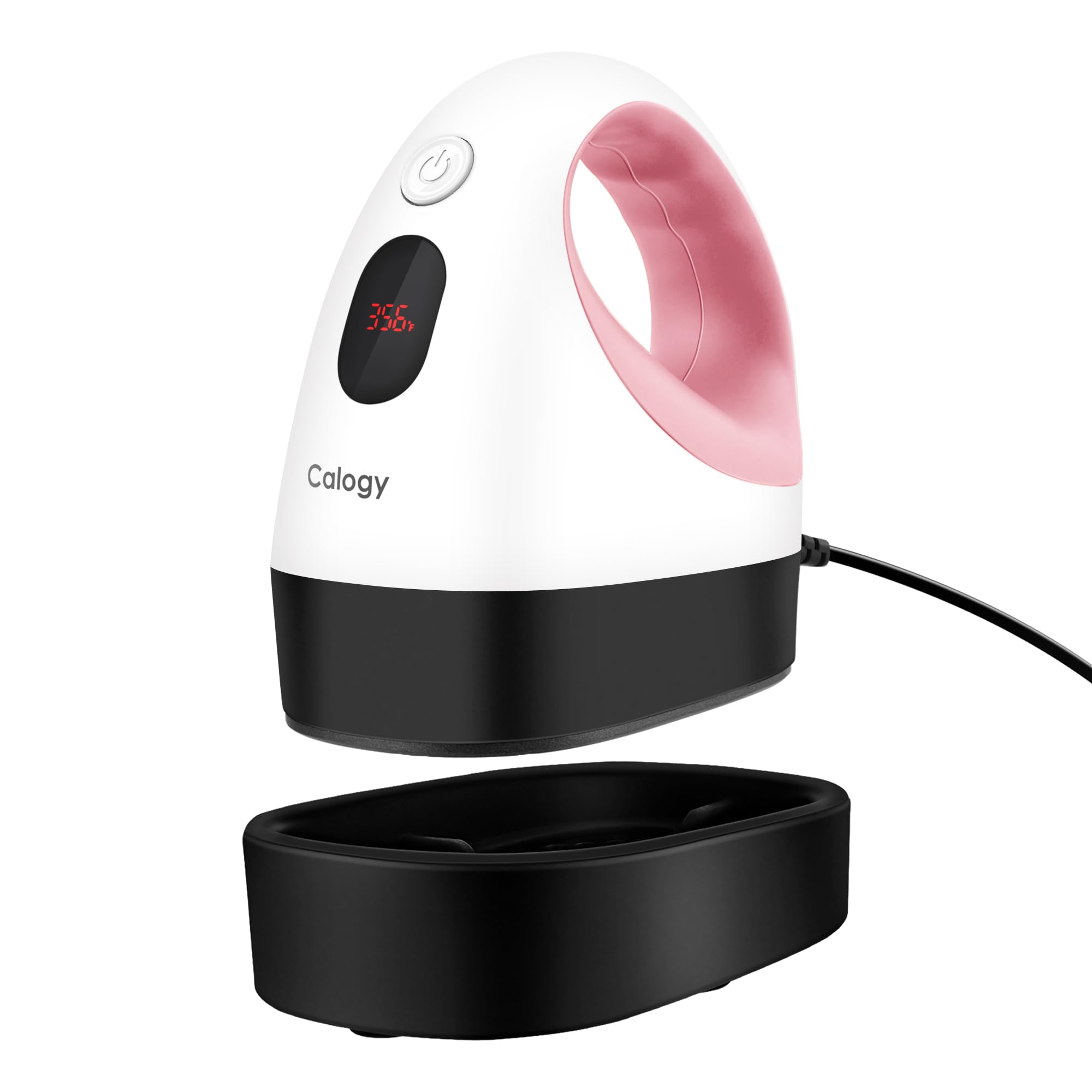
A tiny, very affordable mini press with simple one‑button control, three heat levels, and a real‑time temperature display.
Why I picked it: I valued its simplicity, speed, and tiny footprint for quick touch‑ups.
Best for: Small HTV details, patches, and quick craft fixes.
A very budget‑friendly option for casual crafters.
Pros
- Extremely compact
- One‑button control
- Fast heat up
- Safety base included
Cons
- Small platen limits project size
- Can feel hotter than expected
My take
For small designs and detail work I often put this little press on my bench. It heats up very fast and the LED shows temp in real time, which makes it easy to grab the right setting for HTV or small sublimation pieces.
The one‑button interface is refreshingly simple: a few taps and I’m at low, medium, or high heat without hunting through menus. The insulated safety base gives me a secure place to set it between uses.
Don’t expect to do full shirts with this — it’s sized for small areas — but for patches, onesies, or tiny customizations it’s a great value and outperforms many similarly priced minis I’ve tried.
4. HTVRONT Mini Heat Press Machine — Portable Iron for Crafts (Mint) – Best for Small Projects
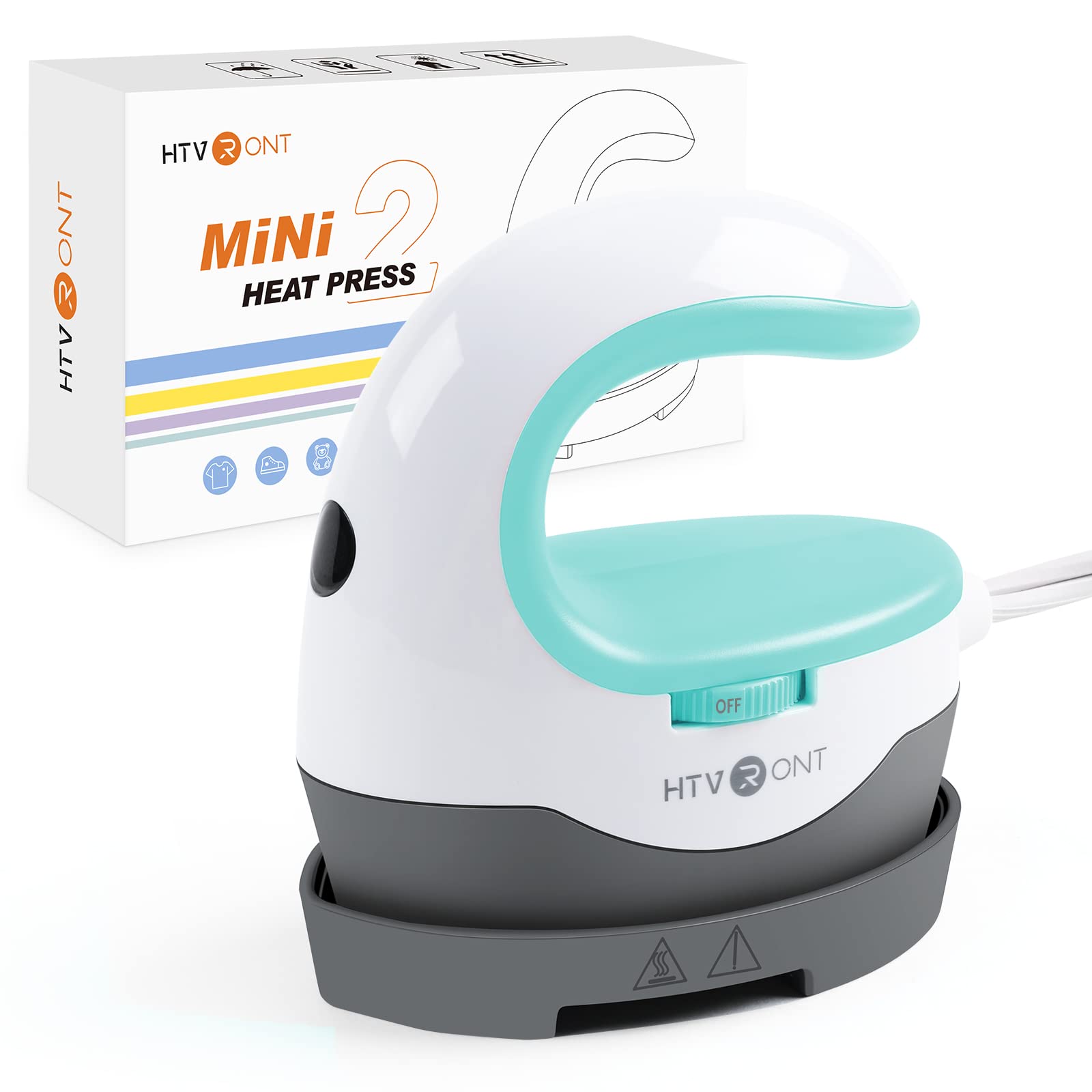
A portable mini press that heats quickly, offers three heat settings, and is sized for travel and small or detailed work.
Why I picked it: I liked how portable and controllable it is for quick craft sessions.
Best for: On‑the‑go crafting, craft fairs, and small detailed transfers.
An affordable, travel‑friendly mini press.
Pros
- Very portable and lightweight
- Three heat settings
- Heats quickly
- Includes insulated pad
Cons
- Too small for larger apparel
- Some units reduce heat automatically
My take
I keep this mint‑colored mini nearby for touch‑ups and small runs. The size makes it perfect when I don’t want to haul my big press out, and it handles detailed HTV work with surprising consistency.
The three heat settings cover the basics I need for common materials, and the handle feels comfortable during repeated presses. The included insulated base is handy between jobs when things are hot.
Because it’s so compact I’ll use it at craft fairs or on trips; it saved me time on small patches and appliqués where a full platen would be overkill.
5. Xinart Mini Heat Press — 7 x 3.8, Four Temp Levels, LCD – Best for Precise Temperatures
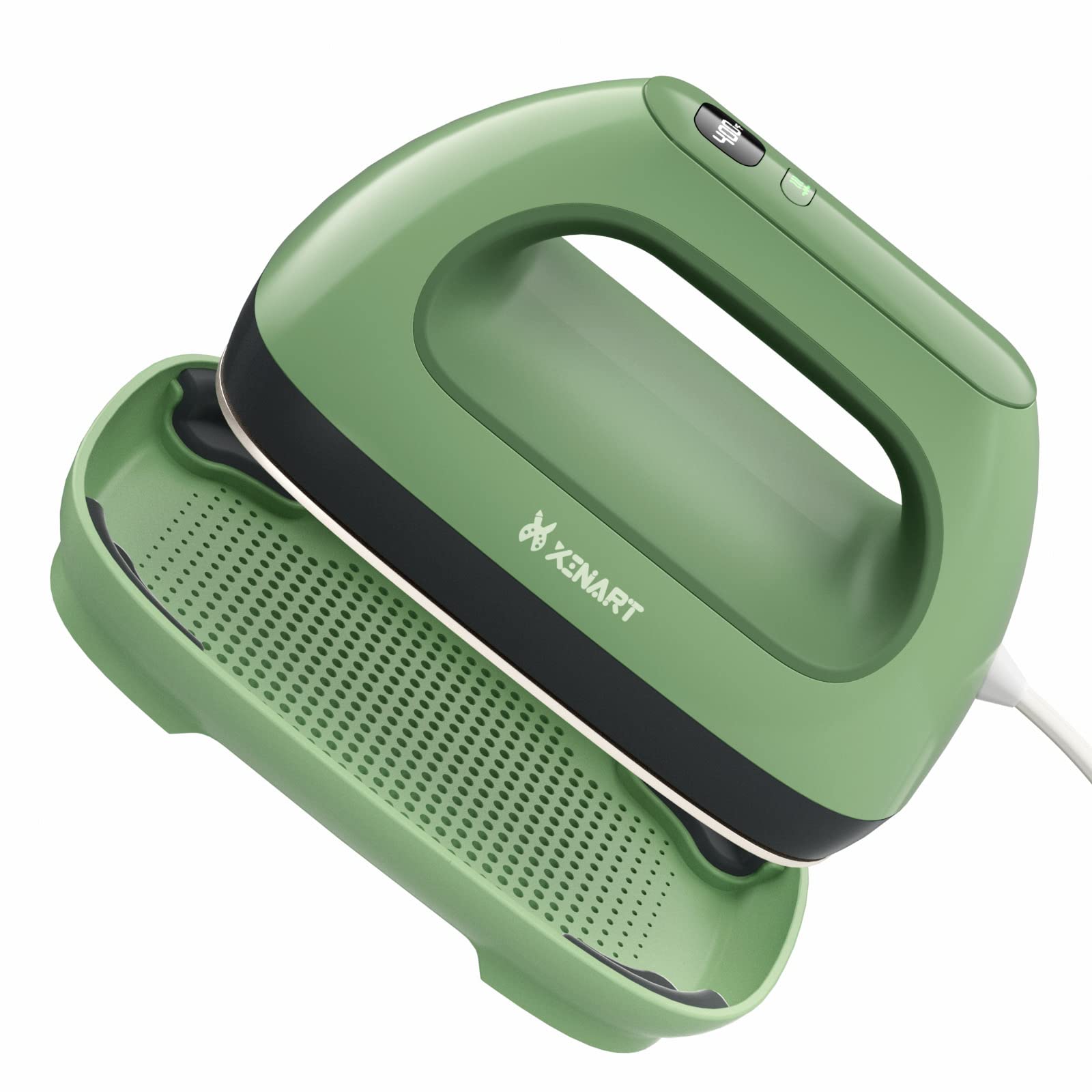
A slightly larger mini press with a ceramic‑coated dry plate, digital display, and four temperature levels up to 400°F.
Why I picked it: I appreciated the four temp settings and ceramic‑coated plate for even heating.
Best for: Small items that need precise, hotter presses and a larger mini platen.
A mid‑priced mini with more temperature control.
Pros
- Four temperature levels
- Larger 7" x 3.8" platen
- Ceramic coated dry heat plate
- Digital temperature display
Cons
- Not infinitely adjustable
- Auto shutoff after inactivity
My take
When I need a mini that covers a bit more area, I reach for this Xinart unit. The 7" x 3.8" plate is noticeably larger than many minis, so I can handle bigger patches and longer designs without multiple passes.
The ceramic coating helps me get uniform heat across the plate, and the digital display makes it faster to confirm the setting. The four preset temps give me the flexibility to push to higher temperatures when a project calls for it.
I did want finer incremental control at times, but for most HTV and sublimation projects the presets and stable heating delivered excellent transfers.
6. VEVOR Heat Press — 12 x 10 Clamshell with Digital Controls – Best for Versatility
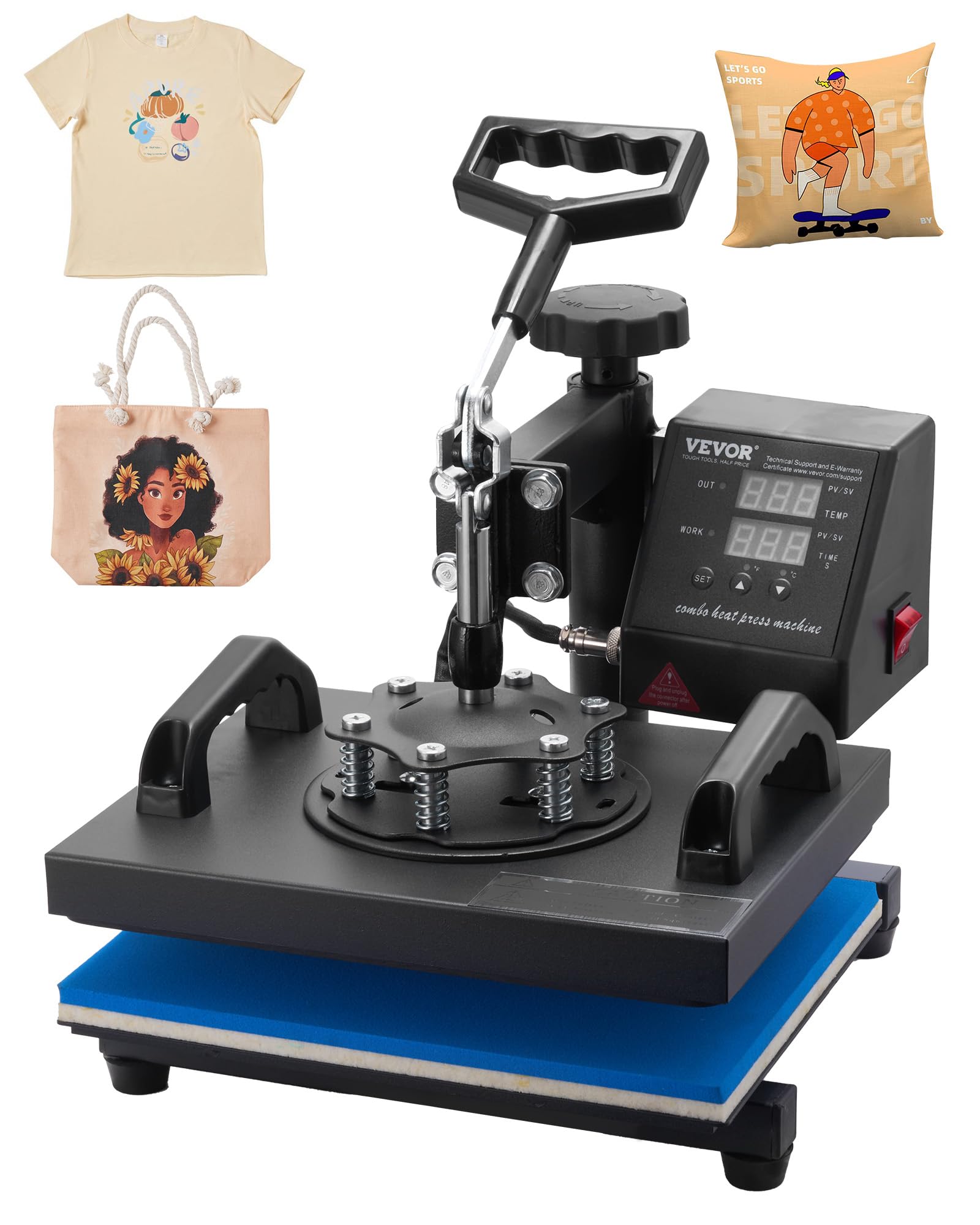
A versatile 12×10 clamshell press with thick heating elements, Teflon‑coated platen, adjustable pressure, and a wide temp range.
Why I picked it: I liked its roomy platen and pressure adjustment for varied materials.
Best for: Larger flat items, mixed materials, and users who need manual pressure control.
A cost‑effective choice for crafters needing a larger platen.
Pros
- 12 x 10 work surface
- Adjustable pressure knob
- Teflon‑coated heating board
- Wide temperature range
Cons
- Takes more bench space
- Occasional heat/pressure quirks
My take
For projects that outgrow minis but don’t require a 15×15 platen, I used the VEVOR frequently. The 12 x 10 surface is roomy enough for shirts, bags, and many flat craft pieces, and the Teflon sheet keeps transfers from sticking.
I like the manual pressure knob and long arm handle — they let me dial in firm, even pressure for thicker substrates. The digital controls give me a clear read on time and temp so I can reproduce settings.
While testing I saw excellent results on canvas and cotton blends, though heavier or uneven substrates sometimes needed a quick pressure tweak. Overall it’s a versatile, capable press that sits between minis and full‑size production machines.
How I Pick Heat Presses
Size and platen area
I always match platen size to the work I do most. A 15×15 platen is my go‑to for adult tees and larger projects; 12×10 fits most craft and bag work; mini presses are for detail work and travel.
If you plan to sell shirts or do consistent full‑size transfers, choose a larger platen. For patches, hats, mugs, or on‑the‑go crafting, a mini will save space and heat up faster.
- 15×15: best for shirts and small production
- 12×10: good balance for crafts and small apparel
- Mini (under 8" platen): ideal for patches and touch‑ups
Temperature control and heating
I prioritize consistent heat distribution. Dual‑tube or thicker heating elements and a coated platen give more even transfers.
Digital displays and multiple preset temps save time; I prefer a press that reaches working temperature quickly and holds it steadily.
- Look for zone heating or even plates
- Digital temp readout is helpful for repeatable work
- Higher max temp is useful for tougher substrates
Automation, safety, and workflow
Auto‑release or automatic timing can prevent scorched projects when I’m running batches. Drawer or slide designs keep hands away from the hot plate.
I value safety features like auto shutoff and insulated bases when I’m craft‑working around kids or pets.
- Auto modes speed production and reduce mistakes
- Auto shutoff adds peace of mind
- Insulated bases and drawer designs improve safety
Specialized presses
If mugs are your focus, I prefer a dedicated mug press because it’s designed for consistent wraparound heat and simple one‑touch operation.
Mini presses and clamshells are not interchangeable for all tasks — pick the machine that aligns with the substrates you’ll use most.
- Mug presses for mugs; clamshells for flat items
- Mini presses for detail work and portability
- Consider included accessories like blanks when starting out
Budget and long‑term use
I balance initial cost against how often I’ll use a press. A midrange machine that reliably holds temp and pressure will pay off faster than repeatedly replacing cheap units.
For occasional crafts, a budget mini can be perfect. For small business or frequent batches, I prefer investing in a larger, automated press.
- Budget minis for occasional use
- Midrange clamshells for frequent mixed projects
- Auto 15×15 units for small production runs
Frequently Asked Questions
Which heat press should I buy to start a small apparel side hustle?
I’d recommend the 15×15 HTVRONT auto press if you want speed and consistency. Its auto release and preset modes let me crank out small batches without babysitting each shirt.
Can I use a mini press for sublimation and HTV?
Yes — minis like the Xinart, Calogy, or HTVRONT mini work great for HTV and sublimation on small areas. I use them for patches, onesies, and detailed designs, but I don’t expect full‑shirt coverage from these smaller platens.
Are dedicated mug presses worth it?
Absolutely. I use the Cricut Mug Press for mugs because its zone heating and one‑touch controls eliminate a lot of trial and error. It’s especially useful if you plan to make dozens of mugs.
Final Take
I tested a range of presses so you can match machine to your workflow: reach for the 15×15 HTVRONT when you need throughput and ease, choose the Cricut Mug Press for reliable mugs, and pick a mini when portability or detail work matters most.
Every press here has a clear role in my studio. Decide by the substrates and scale you expect to work with, then pick the machine that fits that primary need.
